
What is the Salisbury Diet?

The Salisbury diet was a radical dietary regimen that gained popularity in the late 19th century when traditional nutrition advice leaned heavily towards vegetable-rich meals and whole grains. Developed by Dr. James Henry Salisbury, an American physician who believed meat to be the cornerstone of good health, this diet focused primarily on lean beef consumption alongside copious amounts of hot water. Dr. Salisbury’s approach was a dramatic shift from conventional wisdom, proposing that reducing vegetable intake and increasing meat could prevent or alleviate numerous chronic diseases.
Dr. Salisbury observed that many people suffered from digestive issues and other ailments due to their diets being overly rich in vegetables and grains. He argued that lean beef, seasoned with just salt and black pepper (and sometimes onions), was easier for the body to digest compared to plant-based foods. This meat-centric diet not only aimed to improve digestion but also claimed to enhance overall health and even aid in weight loss. The centerpiece of this regimen was the now-famous Salisbury steak, a dish that became synonymous with his dietary philosophy.
The radical nature of the Salisbury diet made it both intriguing and controversial during its time. It challenged prevailing nutritional beliefs and sparked debates about the role of meat in human diets. Dr. Salisbury’s theories influenced later dietary approaches but also faced skepticism as more scientific evidence emerged about balanced nutrition. As we delve deeper into his regimen, one can’t help but wonder: Was this diet truly effective, or was it merely a groundbreaking yet flawed approach to health and wellness?
Recommended Food Groups for the Salisbury Diet
When considering Dr. James Henry Salisbury’s meat-focused regimen, it is crucial to understand the specific food groups he recommended as part of his diet. Lean beef was undoubtedly at the heart of this dietary approach. He prescribed patients to consume ground lean beef seasoned only with salt and pepper several times a day, often in large quantities. This simple preparation method aimed to make meat easier on the digestive system.
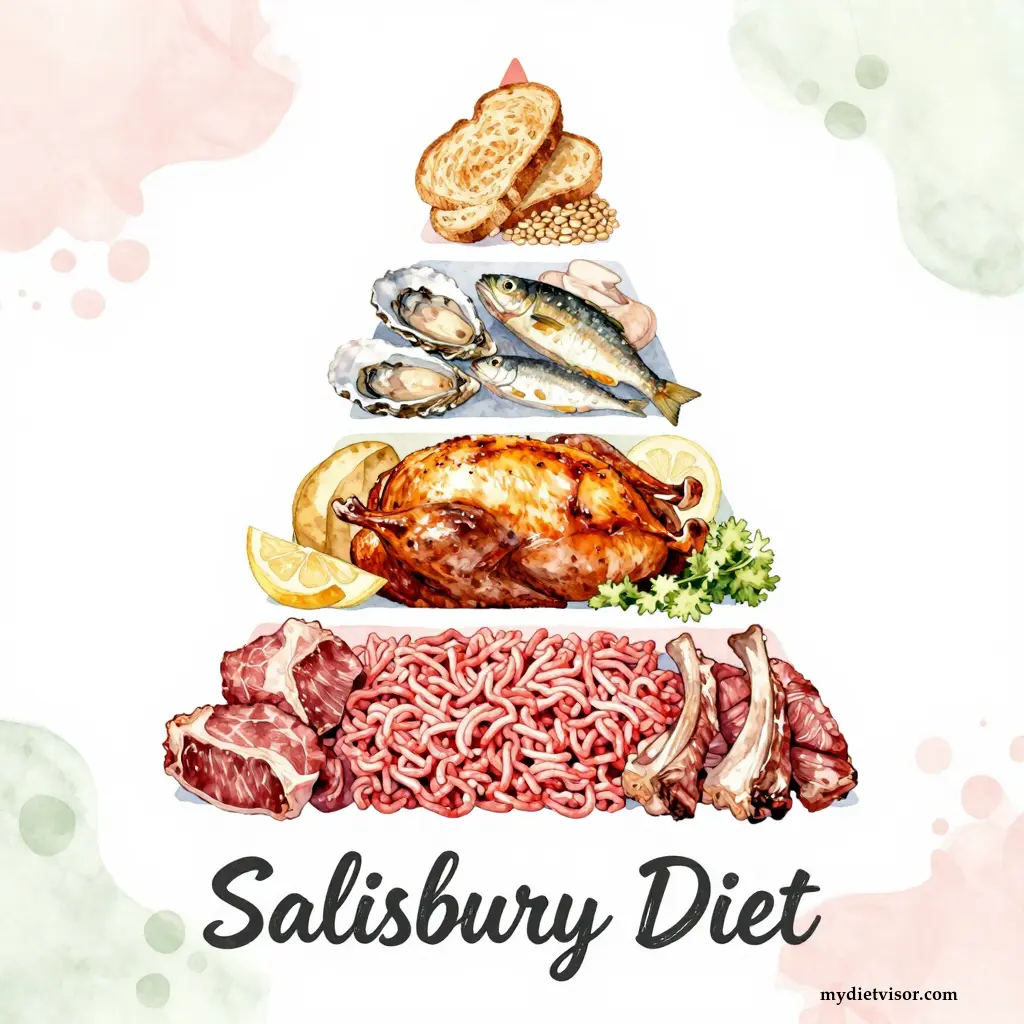
Dr. Salisbury emphasized that vegetables, which were traditionally seen as essential for health, should be minimized or completely avoided according to his dietary theories. He believed that excessive vegetable intake contributed to digestive disorders and other chronic ailments. Despite this, he did not entirely eliminate fruits from the diet, advocating for limited consumption of certain fruits like apples and pears.
Grains, another staple in many diets at the time, were also discouraged by Dr. Salisbury. His belief was that grains could be difficult to digest and might lead to conditions such as indigestion and malaise. By eliminating these food groups from his patients’ meals, he sought to address what he perceived as underlying digestive issues.
In stark contrast to contemporary nutritional advice, dairy products were also largely ignored or reduced in the Salisbury diet. Dr. Salisbury’s focus was on lean meat for its protein content and presumed ease of digestion, rather than incorporating dairy which was thought to contribute to digestive distress.
The cornerstone of this regimen was drinking hot water, often accompanied by lemon juice or a little vinegar, between meals as an aid to digestion. Hot water was believed to stimulate the digestive system and cleanse it of impurities.
Dr. Salisbury’s diet, while revolutionary for its time, presented a stark contrast to modern nutritional guidelines that emphasize diversity in food groups. Today’s nutritionists recommend incorporating a variety of fruits and vegetables along with lean proteins like those suggested by Dr. Salisbury. This raises an interesting question: How effective was this restrictive approach really, compared to today’s understanding of balanced nutrition?
Considering the radical nature of his diet recommendations, it is fascinating how influential they were in shaping early debates about diet and health. Dr. Salisbury’s ideas challenged conventional wisdom and sparked discussions that continue to resonate even as our understanding of nutrition evolves.
Forbidden or Limited Foods on the Salisbury Diet
In Dr. James Henry Salisbury’s diet, certain food groups were strictly forbidden or heavily limited based on his belief that they could cause digestive issues and other health problems. Vegetables, a staple in most diets of the time, were particularly discouraged by Dr. Salisbury due to their supposed tendency to exacerbate digestive disorders when consumed excessively. He believed that vegetables often led to bloating, indigestion, and general discomfort because they required more complex digestion processes.
Similarly, grains were also seen as problematic within his dietary framework. Dr. Salisbury argued that grains could be difficult for the body to break down efficiently, potentially contributing to a range of health issues such as malaise and digestive distress. This restriction on grain consumption was another departure from contemporary nutritional advice that emphasized whole grains as a vital part of a balanced diet.
Dairy products, which today are recommended for their calcium and protein content, were not considered beneficial in Dr. Salisbury’s dietary regimen. He viewed dairy as potentially irritating to the digestive system, similar to vegetables and grains, advocating instead for lean meats like beef as the primary source of nutrition.
By excluding these food groups, Dr. Salisbury aimed to reduce what he perceived as common causes of digestive issues and other chronic diseases. However, this approach was highly restrictive compared to modern nutritional guidelines that advocate for a diverse diet rich in vegetables, fruits, grains, and dairy products.
The idea of eliminating entire categories of food can seem drastic to contemporary readers accustomed to dietary recommendations that promote variety and balance. It raises questions about the long-term effects of such restrictions and whether they truly address underlying health issues more effectively than current nutritional advice.
Nutritional Benefits of the Salisbury Diet
The nutritional benefits purported by Dr. Salisbury’s diet were primarily centered around his belief in the therapeutic value of lean beef and hot water. According to Dr. Salisbury, consuming ground lean beef several times a day could provide a steady supply of protein and essential nutrients that he believed would aid digestion and overall health.
Lean beef is indeed rich in high-quality protein, which helps build muscle and support immune function. It also contains important vitamins such as B12, iron, zinc, and selenium – nutrients critical for energy production, blood formation, and cellular metabolism. Dr. Salisbury’s emphasis on these aspects of meat could provide substantial benefits to individuals who might suffer from deficiencies in these key nutrients.
Hot water, a crucial component of the diet, was believed by Dr. Salisbury to aid digestion by stimulating gastric secretions and improving intestinal motility. Drinking hot water between meals is still recommended today for its digestive benefits, though scientific evidence supporting this practice specifically in the context of meat-based diets remains limited.
While the diet focused heavily on lean beef as a cornerstone, it also included other meats such as mutton or chicken, all prepared simply with salt and pepper to enhance digestibility. This preparation method aimed to minimize potential irritants that could worsen digestive symptoms, aligning with Dr. Salisbury’s goal of simplifying meals.
However, the diet’s exclusion of vegetables and grains meant missing out on a wide range of essential nutrients found in these food groups. Vegetables provide dietary fiber, antioxidants, vitamins, and minerals necessary for preventing chronic diseases and maintaining gut health. Grains offer complex carbohydrates, which are vital sources of energy and dietary fiber.
Dairy products, another significant omission from the diet, are important not only for their protein content but also because they contribute calcium and other essential nutrients crucial for bone health and overall well-being. Today’s nutritional guidelines recommend incorporating a variety of food groups to ensure balanced nutrition.
Considering these aspects, it becomes clear that while Dr. Salisbury’s diet could provide certain benefits related to lean beef consumption and hot water hydration, its restrictive nature raises concerns about potential nutritional deficiencies over the long term. This prompts us to consider how effective such an approach truly was in comparison to more contemporary dietary recommendations.
The question remains: Could a strictly meat-based regimen with minimal plant intake really offer sustainable health benefits, or did it overlook critical components necessary for holistic wellness?
Potential Drawbacks and Criticisms of the Salisbury Diet
The Salisbury diet faced significant criticism and skepticism due to its extreme restrictions on food groups. The diet’s emphasis on lean beef and hot water while excluding vegetables, grains, dairy, and most fruits presented several potential drawbacks that are worth exploring.
One major concern is the lack of fiber, which is essential for digestive health and preventing conditions such as constipation and bowel diseases. Vegetables and whole grains provide significant amounts of dietary fiber necessary to maintain healthy gut function. By excluding these food groups, the Salisbury diet could exacerbate rather than alleviate digestive issues it aimed to treat.
Another critical aspect is nutrient deficiency, particularly when considering vitamins and minerals found abundantly in plant-based foods. For instance, vegetables are rich sources of antioxidants like vitamin C and beta-carotene, which play vital roles in immune function and cellular health. Similarly, grains provide essential B-vitamins that support nerve and brain health. The absence of these nutrients might lead to long-term deficiencies detrimental to overall well-being.
Moreover, the long-term sustainability of a diet so restrictive is questionable. Modern nutritional science emphasizes dietary diversity as key to maintaining optimal health over time. Eliminating entire food groups can be challenging for individuals trying to adhere to such strict regimens without professional guidance. This poses practical difficulties and may lead people to abandon the diet prematurely.
Critics also argue that theoretical benefits of lean beef and hot water might not outweigh potential drawbacks when viewed through a contemporary lens. While lean meat indeed provides high-quality protein, over-reliance on it can cause other issues such as elevated cholesterol levels and increased risk for heart disease if not balanced with other food types.
Interestingly, despite its restrictive nature, the Salisbury diet was somewhat popular during its time, especially among wealthy individuals who could afford to follow strict dietary regimens. Today, however, such a limited approach seems less appealing compared to holistic nutritional advice that encourages balance and variety.
It is intriguing to consider how Dr. Salisbury’s radical ideas influenced future discussions about diet but also led many to question the wisdom of excluding entire categories of food from one’s diet. This prompts us to ask: Can a diet so drastically different from modern guidelines still offer genuine health benefits, or did it simply represent an early and misguided step towards understanding balanced nutrition?
This reflection on the potential drawbacks of the Salisbury diet not only highlights its limitations but also underscores how our understanding of nutritional science has evolved over time.
Sample Meal Plan Following the Salisbury Diet Guidelines
To understand how Dr. James Henry Salisbury’s diet would manifest in everyday meals, it is helpful to look at a sample meal plan that adheres strictly to his dietary guidelines. Such a regimen emphasizes lean beef and hot water while avoiding vegetables, grains, dairy, and most fruits.
A typical day on the Salisbury diet might begin with a breakfast of lean ground beef cooked simply with salt and pepper. This could be served alongside a cup of hot water mixed with lemon juice or vinegar to aid digestion and hydration. The simplicity of this meal aligns closely with Dr. Salisbury’s recommendation for easy-to-digest foods.
For lunch, another serving of lean beef would be prepared in the same straightforward manner – no additional seasonings beyond salt and black pepper. To complement the main dish, a patient might drink more hot water or possibly consume some raw apple slices if they were not too heavy on digestive enzymes according to Dr. Salisbury’s guidelines.
Dinner could follow a similar pattern, with lean beef again taking center stage along with a glass of plain hot water before and after the meal. This repetition throughout the day underscores the diet’s reliance on consistent protein intake without the usual variety found in modern balanced diets.
Between meals, small sips of hot water are recommended to keep the digestive system active and cleanse it of potential impurities. For those who might find this repetitive regimen challenging, Dr. Salisbury’s theory offers a framework where every meal is an opportunity for therapeutic nutrition rather than culinary enjoyment.
This sample day illustrates both the simplicity and monotony that characterized the Salisbury diet. It highlights how each element – from the choice of food to the preparation method – was designed with the goal of promoting digestive health and overall well-being through lean meat consumption.
Considering this example, it’s clear why adhering to such a strict regimen over prolonged periods would be difficult for many people today who value dietary diversity and balance. Yet, during Dr. Salisbury’s time, his radical approach intrigued and alarmed in equal measure, sparking debates that continue to resonate as we explore the relationship between diet and health.
Interestingly, despite its restrictive nature, the Salisbury diet saw some popularity among wealthy individuals seeking wellness solutions without considering long-term sustainability or nutritional balance.
Alternative or Similar Diets to the Salisbury Diet
While Dr. James Henry Salisbury’s diet was groundbreaking in its time, several other restrictive regimens emerged with similar intentions but differing approaches. These alternative diets aimed to address digestive issues and chronic diseases through dietary modifications that often limited certain food groups.
One notable example is the Banting Diet, developed by William Banting in the 1860s. Like Salisbury’s diet, it focused on weight loss and health improvement but with a different emphasis on meat consumption and carbohydrate restriction. The Banting Diet was one of the earliest forms of what we now recognize as low-carbohydrate diets, advocating for reduced intake of bread, sugar, potatoes, and other starchy foods while allowing moderate amounts of protein from fish, lean meats, and eggs.
Another diet with a similar aim is the Hay Diet, developed by William Howard Hay in the early 20th century. This regimen categorizes food into acid-forming and alkaline substances based on their impact after digestion rather than during consumption. Like Salisbury’s approach, it restricts certain foods to prevent digestive distress and promote overall health. The Hay Diet emphasizes a specific order of food intake, suggesting eating proteins and starches at different times to avoid metabolic imbalance.
| Diet | Key Features |
|---|---|
| Banting Diet | Low-carbohydrate, moderate protein, focus on weight loss |
| Hay Diet | Alkaline vs. Acid-forming foods, specific meal timing |
These diets reflect the broader trend in late 19th and early 20th centuries of seeking radical dietary solutions to complex health issues. Each approach offered unique insights into nutrition but also faced criticism for being overly restrictive or lacking scientific validation.
It is intriguing how these various diets, each with its own philosophy and restrictions, gained popularity despite their limitations and the absence of long-term studies on effectiveness. This raises important questions about the nature of dietary fads and the evolving understanding of balanced nutrition over time.
As we compare Salisbury’s diet to others like Banting’s or Hay’s, it becomes evident that while each had its unique selling points, they all shared a common thread: an emphasis on restrictive measures aimed at improving health outcomes. This prompts us to consider how these early dietary theories laid the groundwork for future nutritional science and the ongoing quest to find effective yet sustainable ways to promote health through diet.
Considering the radical nature of such diets, it is worth pondering whether their perceived benefits outweighed potential risks and whether they truly addressed underlying health issues more effectively than modern balanced nutrition guidelines.
How Effective Is the Salisbury Diet for Weight Loss?
Dr. James Henry Salisbury’s meat-centric diet was a radical departure from the prevailing wisdom of his time, which emphasized vegetable-rich meals and whole grains as essential components of a healthy diet. The late 19th century saw a burgeoning interest in nutrition science, with many physicians experimenting with dietary regimens to address chronic diseases such as heart conditions and digestive disorders.
Salisbury’s theories gained traction due to the dramatic changes they proposed compared to conventional wisdom. His focus on lean beef consumption and hot water hydration stood out as an unconventional approach that appealed to individuals seeking novel solutions for health issues. The diet’s popularity, particularly among the wealthy class who could afford to follow strict regimens, further fueled its appeal.
However, today’s nutritional guidelines have evolved significantly since Salisbury’s time. Modern recommendations emphasize a balanced intake of various food groups, including vegetables, fruits, whole grains, and lean proteins. This shift reflects advancements in our understanding of how different nutrients contribute to overall health and disease prevention.
As we evaluate the effectiveness of Dr. Salisbury’s diet today, it is crucial to consider these evolving perspectives on nutrition. While his emphasis on lean meat provides certain benefits such as high-quality protein and essential vitamins, the diet’s severe restrictions on other food groups raise significant concerns about long-term sustainability and potential nutritional deficiencies.
Modern Perspectives on Dietary Balance
From a contemporary standpoint, Dr. Salisbury’s diet highlights both the strengths and weaknesses of extreme dietary regimens that focus narrowly on specific food types while excluding others entirely. Modern nutritionists advocate for a balanced intake of various nutrients to ensure comprehensive health benefits. For instance:
- Vegetables: Provide essential vitamins, minerals, antioxidants, and fiber necessary for preventing chronic diseases.
- Fruits: Offer natural sugars along with valuable phytonutrients that support immune function and cellular health.
- Grains: Supply complex carbohydrates, which are vital sources of energy and dietary fiber to maintain digestive health.
By incorporating these diverse food groups into a diet, individuals can achieve a more holistic approach to wellness. While lean beef remains an important source of protein in many modern diets, it is often balanced with other nutrient-dense foods to provide comprehensive nutritional support.
Modern research also emphasizes the importance of dietary diversity for maintaining gut microbiota health and preventing metabolic diseases. A varied diet rich in plant-based fibers can help promote a healthy balance of bacteria within the digestive system, contributing to better overall health outcomes.
Given these considerations, it becomes evident that while Dr. Salisbury’s ideas were groundbreaking at their time, they may not fully align with contemporary nutritional science focused on balanced and diverse dietary intake. This prompts us to reconsider whether his diet truly offered sustainable benefits or if it represented an early yet flawed approach towards understanding the complexities of human nutrition.
The question then arises: Can a rigid meat-based regimen effectively address chronic health issues without compromising long-term nutritional needs? As we continue exploring this topic, it becomes clear that while Dr. Salisbury’s theories had their merits, they also underscored the importance of balanced and diverse dietary approaches in achieving true wellness.
Long-Term Health Implications
One critical aspect to consider when evaluating the Salisbury diet is its potential long-term health implications for individuals who follow such a restrictive regimen over an extended period. While short-term adherence might show benefits due to initial weight loss or improved digestion, the absence of various food groups could lead to significant nutritional imbalances.
For instance, vegetable-rich diets have been shown to reduce the risk of chronic diseases like heart disease, type 2 diabetes, and certain cancers by providing essential antioxidants and phytochemicals. Removing these components from one’s diet might not only negate their protective effects but also contribute to deficiencies in vital nutrients such as vitamin C, potassium, magnesium, and dietary fiber.
Similarly, grains play a crucial role in meeting daily energy requirements through complex carbohydrates while offering necessary B vitamins, iron, zinc, and other minerals. Excluding them from the diet could lead to deficiencies that affect neurological function, immune response, and overall metabolic health.
Moreover, dairy products, despite their controversy within the Salisbury diet framework, provide essential nutrients such as calcium, vitamin D, and proteins crucial for bone density and muscle maintenance. Long-term avoidance might result in weakened bones and compromised musculoskeletal integrity.
Considering these factors, it is reasonable to question whether a strictly meat-based regimen could sustainably support overall health without causing nutritional deficiencies over time. Modern dietary guidelines emphasize the importance of consuming a variety of nutrient-dense foods from all major food groups for balanced nutrition.
This raises an important discussion point: Can radical diets like Salisbury’s offer lasting benefits, or do they ultimately pose risks by neglecting essential nutrients? As we continue to explore this topic, it becomes evident that while such regimens might address acute health issues, their long-term sustainability remains questionable without a broader nutritional balance.
The historical context of Dr. James Henry Salisbury’s dietary theories and the subsequent evolution in nutrition science provide valuable insights into both the potential benefits and risks associated with extreme diets like his meat-centric regimen. This exploration not only highlights the importance of balanced nutrition but also underscores how our understanding of health and wellness has evolved over time.
Summary: The Impact and Legacy of Dr. James H. Salisbury’s Dietary Regimen
In conclusion, Dr. James Henry Salisbury’s meat-centric diet offered a radical shift in the late 19th century by emphasizing lean beef consumption while largely excluding vegetables, grains, dairy, and most fruits. Although his regimen garnered attention for its potential to address digestive issues and promote overall health, it faced significant criticism for being overly restrictive and potentially causing long-term nutritional deficiencies. As modern nutrition science has evolved to emphasize dietary balance and diversity, the effectiveness of such a strict meat-based diet is now questioned. While Dr. Salisbury’s theories sparked important debates about diet and health, contemporary guidelines advocate for a variety of food groups to ensure comprehensive nutrient intake and sustained well-being. This reflection on his legacy prompts us to consider how early dietary experiments shaped our current understanding of balanced nutrition and highlights the importance of ongoing research in this field.
Frequently Asked Questions (FAQ)
What was the Salisbury diet like?
The Salisbury diet was a meat-focused regimen that included 2 to 4 pounds of lean beef daily along with hot water, aimed at cleansing the digestive system.
How did people follow the Salisbury diet?
To adhere to the Salisbury diet, individuals would consume only animal-based foods for an initial period ranging from 4 to 12 weeks. The diet emphasized lean beef, often prepared as minced meat or broiled cuts like lamb and mutton.
Was hot water a crucial part of Dr. Salisbury’s diet?
Yes, drinking copious amounts of hot water frequently was essential in the diet for cleansing purposes.
Did Dr. Salisbury have any recommendations about carbohydrates on his diet?
Dr. Salisbury advocated against high carbohydrate intake as he believed it could lead to digestive issues and other health problems.
What were some potential benefits claimed by supporters of the Salisbury diet?
Supporters suggested that the diet helped with digestion, weight loss, and overall health maintenance for those who struggled with poor teeth or difficulty eating solid foods.
Could the Salisbury diet be harmful in any way?
Critics pointed out several drawbacks such as nutritional imbalance due to lack of fruits, vegetables, and other food groups essential for a balanced diet.
How did Dr. Salisbury’s diet evolve into modern dietary practices?
The principles of the Salisbury diet have influenced contemporary low-carbohydrate diets like the carnivore diet, which today focuses solely on meat consumption with no plant-based foods.
Was there scientific evidence supporting Dr. Salisbury’s claims about his diet?
At the time, limited scientific validation existed for the diet, but it gained popularity through anecdotal success stories and marketing efforts by proponents like Elma Stuart.
How long would someone typically follow the Salisbury diet?
The recommended duration varied between 4 to 12 weeks before gradually reintroducing a more conventional diet.
Are there any modern equivalents to Dr. Salisbury’s meat and hot water regimen today?
Modern diets such as intermittent fasting or keto diets bear some resemblance, though they differ significantly in their approach and long-term goals compared to the original Salisbury diet.