
Introduction: What is the Mediterranean Diet?

The Mediterranean diet is more than just a list of foods you should eat or avoid – it’s a lifestyle rooted in centuries-old culinary traditions from the coastal regions of Southern Europe. Imagine waking up to the aroma of freshly brewed coffee and olive oil drizzled over crisp, leafy greens. This isn’t merely a vision; it’s a snapshot of daily life for those who embrace the Mediterranean diet.
At its core, this dietary pattern is about balance and simplicity. It encourages you to fill your plate with an abundance of colorful vegetables, ripe fruits, and whole grains, alongside nuts, seeds, and legumes that add texture and flavor. Fish and poultry are enjoyed in moderation, while red meat appears only occasionally. Olive oil takes center stage as the primary fat source, its rich flavors enhancing every dish without sacrificing health benefits.
The Mediterranean diet isn’t just about what you eat; it’s also about how you live. Savoring meals with family and friends, sharing stories over a glass of wine or freshly squeezed juice, and incorporating regular physical activity into your routine are all integral parts of this lifestyle. These elements work together to create not only delicious meals but also a healthier, happier way of life.
Recommended Food Groups in the Mediterranean Diet
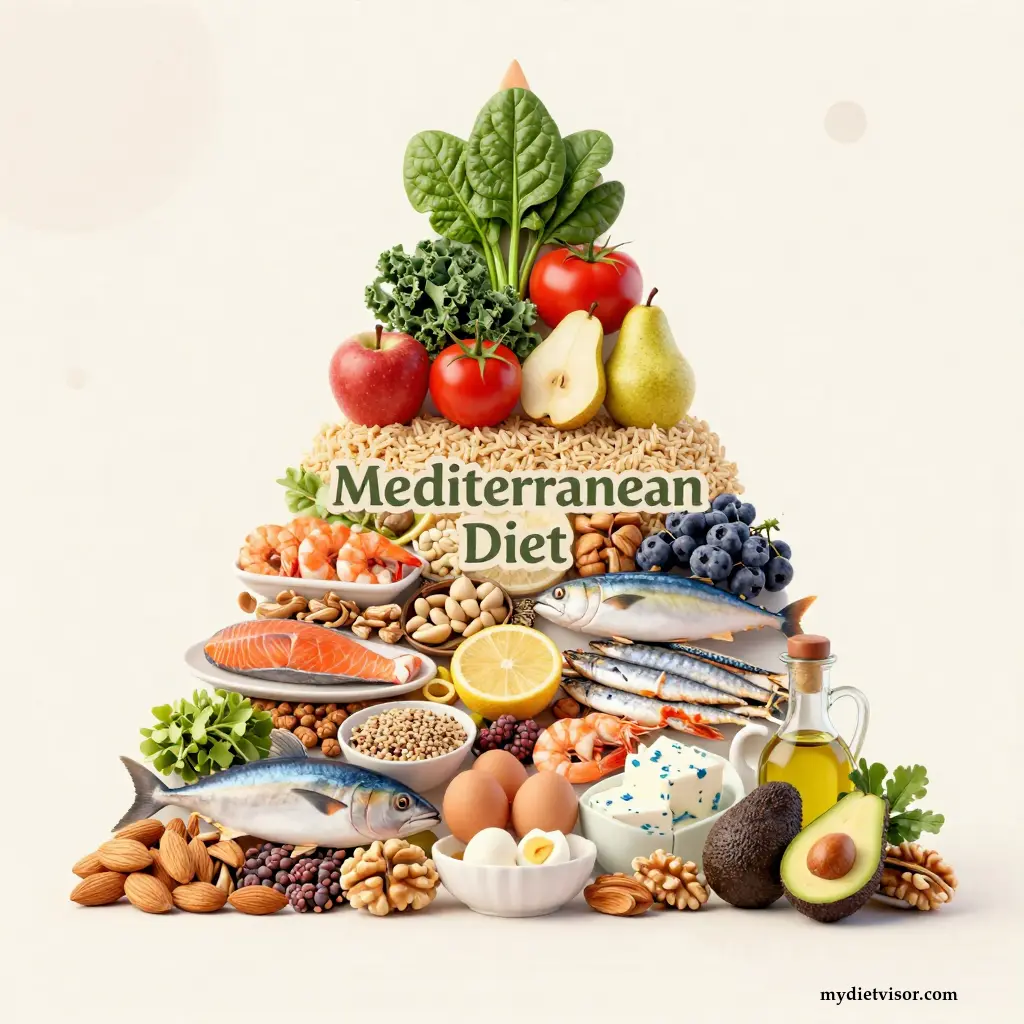
The Mediterranean diet emphasizes a variety of food groups that work together to create balanced, flavorful meals. These food categories not only provide essential nutrients but also contribute to overall well-being and longevity.
Vegetables and Fruits
Vegetables and fruits are central to the Mediterranean diet. Aim for at least five servings per day to ensure you get a wide range of vitamins, minerals, and antioxidants. Here’s what you can include:
- Leafy Greens: Kale, spinach, arugula, and Swiss chard.
- Cruciferous Vegetables: Broccoli, cauliflower, Brussels sprouts.
- Root Vegetables: Carrots, beets, sweet potatoes.
- Fruits: Berries, apples, oranges, pomegranates.
Whole Grains
Whole grains are a staple in the Mediterranean diet. They provide fiber and complex carbohydrates that keep you full and energized throughout the day:
- Breads and Pastas: Opt for whole wheat or spelt varieties.
- Cereals and Oats: Choose unprocessed, whole grain options.
- Rice and Barley: Incorporate these into your meals to add texture.
Legumes
Legumes are a versatile protein source that also offer plenty of fiber and micronutrients:
- Lentils: Perfect in soups or as side dishes.
- Chickpeas: Great for salads, dips like hummus, or roasted snacks.
- Beans: Black beans, kidney beans, and navy beans can be used in a variety of dishes.
Nuts and Seeds
Nuts and seeds are packed with healthy fats, protein, and essential minerals:
- Almonds, Walnuts, Pecans
- Pumpkin Seeds, Sunflower Seeds
Snack on a handful daily or use them to add crunch to salads and desserts.
Healthy Fats
Olive oil is the cornerstone of Mediterranean cooking due to its high content of monounsaturated fats:
- Use it for dressing salads.
- Cook with it by drizzling over steamed vegetables.
Fish
Fish is another crucial element in this diet, providing omega-3 fatty acids that are essential for heart health and brain function. Aim to include fish at least twice a week:
- Salmon: Rich in omega-3s.
- Tuna and Sardines
- Shellfish: Mussels and clams.
Dairy
Dairy products like cheese and yogurt are consumed in moderation, providing calcium and protein:
- Yogurt: Greek or natural varieties for probiotics.
- Cheese: Preferably feta, ricotta, and other mild cheeses.
Eggs and Poultry
Eggs and poultry offer a good balance of lean proteins:
- Enjoy eggs as part of breakfast dishes like omelets with vegetables.
- Chicken and turkey can be grilled or roasted for main meals.
By integrating these food groups into your diet, you’ll not only enhance the flavor of your meals but also improve your overall health. Experiment with different recipes and cooking methods to discover how versatile and delicious the Mediterranean diet can be!
Forbidden or Limited Foods: A Guide for a Healthier Lifestyle
When embracing the Mediterranean diet, it’s essential to understand what foods are generally avoided or limited to maintain its health benefits and balance. By steering clear of certain items, you can enhance your overall well-being and adhere more closely to the core principles of this dietary pattern.
Red Meat
- Reduction: The Mediterranean diet recommends significantly limiting red meat consumption due to its high saturated fat content.
- Why Limit?: Excessive intake of red and processed meats has been linked to increased risks of heart disease, diabetes, and certain cancers.
- Alternative Proteins: Opt for fish, poultry, eggs, cheese, and yogurt instead. These provide essential proteins without the negative health impacts associated with red meat.
Refined Sugars
- Avoidance: Foods high in refined sugars such as candies, sodas, and sweets are generally discouraged.
- Why Avoid?: High sugar intake can lead to weight gain, type 2 diabetes, and dental issues.
- Natural Sweeteners: Replace refined sugars with natural alternatives like honey or maple syrup when possible.
Refined Grains
- Whole Grains Over White Flours: The diet emphasizes whole grains over their refined counterparts.
- Why Prefer Whole Grains?: Whole grains retain more nutrients, fiber, and beneficial phytochemicals compared to refined ones.
- Examples: Choose brown rice, barley, oats, and quinoa instead of white bread or pasta.
Fast Food
- Minimization: The diet discourages frequent consumption of fast food due to its high sodium, fat, and calorie content.
- Why Limit?: Regular intake of fast food can contribute to obesity, heart disease, and other health issues.
- Healthier Alternatives: Opt for home-cooked meals or fresh produce when dining out.
Refined Oils
- Olive Oil Preference: Olive oil is a staple in the Mediterranean diet due to its high levels of healthy monounsaturated fats.
- Why Avoid Others?: Safflower, corn, and other refined oils lack similar health benefits and may contain harmful trans fats.
- Nutrient-Rich Oils: Use olive oil for cooking and as a dressing; consider flaxseed or walnut oil for their omega-3 content.
Processed Foods
- Limited Intake: The diet focuses on unprocessed or minimally processed foods to maximize nutritional value.
- Why Minimize?: Highly processed foods are often low in nutrients and high in unhealthy additives, artificial flavors, and preservatives.
- Fresh Ingredients: Opt for fresh fruits, vegetables, whole grains, and lean meats over canned goods or frozen meals.
Alcohol
- Moderate Consumption: While red wine is part of the diet, it’s recommended to drink it responsibly.
- Why Moderate?: Excessive alcohol consumption can lead to liver damage, heart disease, and other health issues.
- Benefits with Moderation: A glass of red wine with meals may offer cardiovascular benefits due to its antioxidants.
Butter
- Olive Oil Alternative: Olive oil is preferred over butter for cooking and as a condiment in the Mediterranean diet.
- Why Use Olive Oil?: Olive oil contains heart-healthy monounsaturated fats, while butter has high levels of saturated fat.
- Healthy Fats: Incorporate other healthy fats like avocados or nuts into your meals.
By understanding these limitations and choosing healthier alternatives, you can fully embrace the Mediterranean diet’s health benefits and enjoy a more vibrant, balanced lifestyle.
Nutritional Benefits of Following the Mediterranean Diet
The Mediterranean diet offers numerous nutritional benefits that contribute to better health outcomes, including lower risks for chronic diseases and improved longevity. By emphasizing a variety of nutrient-dense foods, this dietary pattern ensures your body receives essential vitamins, minerals, antioxidants, and healthy fats.
Heart Health and Cholesterol Management
One of the most significant benefits of the Mediterranean diet is its positive impact on heart health. Regular consumption of olive oil, nuts, fish, and legumes provides a steady supply of monounsaturated and polyunsaturated fats, which help lower bad cholesterol (LDL) levels while raising good cholesterol (HDL). These fats are crucial for maintaining healthy blood vessels and reducing inflammation in the cardiovascular system.
- Olive Oil: Rich in oleic acid, olive oil helps reduce low-density lipoprotein (LDL) cholesterol.
- Nuts: Walnuts and almonds provide heart-healthy omega-3 fatty acids and fiber.
Antioxidants and Cancer Prevention
The Mediterranean diet is brimming with antioxidants from a wide array of fruits and vegetables. These powerful compounds protect cells against damage caused by free radicals, which can lead to chronic diseases like cancer. By incorporating plenty of leafy greens, colorful bell peppers, berries, and tomatoes into your meals, you’re fortifying your body’s defenses.
- Berries: Blueberries and strawberries are loaded with anthocanins, potent antioxidants that help combat oxidative stress.
- Leafy Greens: Spinach and kale offer high levels of vitamins C and K, as well as carotenoids like lutein and zeaxanthin.
Blood Sugar Control
For individuals managing diabetes or at risk for developing type 2 diabetes, the Mediterranean diet is highly beneficial due to its focus on whole grains, legumes, and fiber-rich foods. These components help regulate blood sugar levels by slowing down digestion and preventing spikes in insulin. Additionally, incorporating lean proteins like fish and poultry can further stabilize glucose metabolism.
- Whole Grains: Brown rice, barley, and quinoa provide sustained energy release without causing rapid rises in blood sugar.
- Legumes: Lentils, chickpeas, and beans offer both protein and fiber to support balanced blood sugar levels.
Weight Management
Maintaining a healthy weight is easier when you follow the Mediterranean diet because it encourages eating whole foods that are naturally lower in calories but highly satisfying. The inclusion of olive oil and nuts, while providing more fats than other diets, also helps keep hunger at bay thanks to their high satiety value. This means you can enjoy meals without feeling deprived or restricted.
- Olive Oil: Drizzling on salads or using for cooking adds flavor and fullness.
- Nuts: A small handful of almonds or walnuts as a snack keeps you energized between meals.
Mental Health and Cognitive Function
Beyond physical health, the Mediterranean diet also supports mental well-being. Studies suggest that regular consumption of omega-3 fatty acids found in fish, along with vitamins B6 and B12 from seafood, poultry, and eggs, may enhance cognitive function and reduce the risk of neurodegenerative diseases like Alzheimer’s.
- Fish: Salmon, mackerel, and sardines are excellent sources of DHA and EPA, essential for brain health.
- Eggs and Poultry: Rich in choline and vitamin B12, these foods help maintain optimal neurotransmitter function.
Incorporating the Mediterranean diet into your lifestyle means not only eating well but also living a healthier, more vibrant life. Each meal is an opportunity to nourish both body and mind, enhancing overall quality of life while reducing health risks associated with poor dietary choices.
Potential Drawbacks and Considerations of the Mediterranean Diet
Adopting the Mediterranean diet can be a beneficial lifestyle change, but it’s important to consider potential drawbacks before fully committing.
- Cost of Ingredients: Fresh fruits, vegetables, nuts, and olive oil may not be affordable or readily available in all regions. For instance, sourcing high-quality extra virgin olive oil might require spending more than on regular cooking oils.
- Cultural Adaptation Challenges: The diet’s emphasis on social dining and leisurely meal times may conflict with fast-paced modern lifestyles where quick meals and snacking are common.
Nutritional Imbalances
While the Mediterranean diet is generally well-balanced, certain nutrients might be overlooked if not carefully planned:
- Vitamin B12 Deficiency Risk: Due to its low intake of animal products like meat, eggs, and dairy, vegetarians or those relying heavily on plant-based protein sources may face a higher risk of vitamin B12 deficiency.
- Calcium Intake Concerns: Reduced consumption of milk and other calcium-rich dairy products can lead to insufficient calcium levels for bone health unless alternative sources are included.
Practical Implementation Challenges
Transitioning from a typical Western diet to the Mediterranean way of eating involves more than just swapping ingredients:
- Time Constraints: Preparing meals with fresh, unprocessed foods requires time investment in shopping and cooking.
- Seasonal Limitations: Availability of certain fruits and vegetables may be limited during colder months or in regions where local produce is scarce.
Personal Preferences and Allergies
Not everyone enjoys the same foods that are staples in Mediterranean cuisine:
- Allergy Considerations: Individuals with allergies to common ingredients like nuts, wheat, or dairy will need to find suitable alternatives.
- Taste Boredom: Over time, frequent consumption of similar foods can become monotonous for some people.
Social and Cultural Barriers
Social influences and cultural norms play a significant role in dietary habits:
- Family and Community Pressure: Adapting to new eating patterns might face resistance from family members or social circles who are accustomed to different cuisines.
- Lack of Knowledge: Without understanding the benefits, some may view changes as unnecessary rather than beneficial.
Long-Term Commitment
Sustaining a diet over long periods requires continuous effort and motivation:
- Consistency Challenges: Maintaining adherence can be difficult without regular reminders or support from community groups or healthcare professionals.
- Lifestyle Integration: Integrating dietary changes with physical activity, stress management, and overall well-being is crucial for lasting benefits.
By being aware of these potential drawbacks, individuals can better prepare themselves to overcome challenges and successfully integrate the Mediterranean diet into their lifestyle.
Sample Meal Plan to Get Started with the Mediterranean Diet
Starting a new diet can be daunting, so here’s a simple meal plan that helps you transition into the Mediterranean lifestyle easily and deliciously. This plan includes a variety of fresh ingredients and flavors to keep your meals exciting.
Breakfast: Greek Yogurt with Honey and Walnuts
- Greek yogurt: Rich in protein and calcium.
- Honey: A natural sweetener with antioxidant properties.
- Walnuts: Packed with omega-3 fatty acids and antioxidants.
- Fresh berries (optional): Add a burst of flavor and vitamins.
Tips:
- Use whole grain cereal or granola for added fiber.
- Include fresh fruits like sliced bananas, strawberries, or blueberries to enhance the taste.
Lunch: Chickpea Salad with Olive Oil Dressing
- Chickpeas: A great source of protein and fiber.
- Mixed greens (lettuce, spinach, arugula): Packed with vitamins and minerals.
- Tomatoes, cucumbers, bell peppers: Add crunch and nutrients.
- Kalamata olives: Rich in heart-healthy fats.
Dressing:
- Extra virgin olive oil
- Lemon juice or vinegar
- Dried oregano and black pepper
Dinner: Grilled Salmon with Quinoa and Roasted Vegetables
- Grilled salmon: A rich source of omega-3 fatty acids.
- Quinoa: High in protein, fiber, and essential amino acids.
- Roasted vegetables (broccoli, carrots, bell peppers): Add variety and vitamins.
Tips:
- Season the salmon with herbs like thyme or dill for extra flavor.
- Use a variety of spices to enhance the taste of your roasted vegetables.
Snacks: Almonds and Grapes
- Almonds: High in healthy fats and protein.
- Grapes: A natural snack packed with antioxidants.
Tips:
- Keep a handful of almonds ready as an on-the-go snack.
- Pair grapes with slices of cheese for added flavor.
By incorporating these meals into your routine, you’ll start to experience the benefits of the Mediterranean diet. Each meal is designed not only to nourish your body but also to delight your taste buds. So why wait? Start enjoying the flavors and health benefits today!
Alternative Diets to the Mediterranean Diet: DASH, Vegan, and More
The Mediterranean diet is just one example of a healthy eating pattern that emphasizes whole foods and balanced nutrition. Other diets share similar principles while offering distinct variations based on cultural traditions or specific health goals.
The DASH Diet
- Focus: Originally designed to reduce high blood pressure, the DASH diet also promotes heart health and weight management.
- Key Components:
- Whole grains
- Vegetables and fruits
- Low-fat dairy products
- Lean proteins like poultry and fish
- Nuts and legumes
- Limited red meat, sugar-sweetened beverages, and sodium
Similarities with Mediterranean Diet:
- Both diets encourage high consumption of vegetables, fruits, whole grains, nuts, and seeds.
- Olive oil is a common healthy fat in both dietary patterns.
Differences:
- The DASH diet limits alcohol intake compared to the moderate use in the Mediterranean diet.
- DASH recommends low-fat dairy products more frequently than the Mediterranean diet does.
Vegan Diet
A vegan diet excludes all animal products, including meat, dairy, eggs, and honey. It focuses on plant-based foods like vegetables, fruits, legumes, grains, nuts, seeds, and soy products.
Similarities with Mediterranean Diet:
- Emphasis on whole foods and minimal processing.
- High intake of vegetables, fruits, and healthy fats like olive oil.
Differences:
- The vegan diet excludes all animal products, while the Mediterranean diet includes fish, poultry, eggs, dairy (in moderation), and occasional red meat.
MIND Diet
The MIND diet combines aspects from both the Mediterranean diet and DASH to specifically target brain health. It emphasizes foods rich in antioxidants and anti-inflammatory compounds that support cognitive function.
Similarities with Mediterranean Diet:
- High consumption of fruits, vegetables, whole grains, nuts, and olive oil.
- Moderate fish and poultry intake.
Differences:
- The MIND diet focuses more on leafy greens, berries, beans, and omega-3 fatty acids to promote brain health.
Japanese Diet
The Japanese diet is another example that emphasizes balance and moderation. It includes a variety of whole foods such as rice, soy products, seafood, vegetables, fruits, and tea.
Similarities with Mediterranean Diet:
- Both diets encourage the consumption of unprocessed plant-based foods.
- Moderate use of healthy fats like olive oil in the Mediterranean diet versus sesame or soybean oils in Japan.
Differences:
- The Japanese diet includes more white rice compared to whole grains preferred in the Mediterranean diet.
- Traditional fermented foods are a significant part of the Japanese diet, such as miso and pickled vegetables (tsukemono).
Each of these diets offers unique benefits while sharing common principles like eating plenty of fruits, vegetables, and healthy fats. By exploring different dietary patterns, you can find one that fits your preferences and supports your health goals.
Tips for Transitioning to a Healthier Diet
- Start with small changes: Swap butter for olive oil in cooking or snack on nuts instead of chips.
- Experiment with new recipes: Try out dishes from the DASH diet, MIND diet, vegan cuisine, or Japanese meals that align with your tastes and cultural background.
- Focus on quality over quantity: Choose whole foods rich in nutrients rather than processed items.
Incorporating elements of these diets can enhance your overall health while enriching your culinary experience. Whether you choose to follow the Mediterranean diet strictly or blend it with other healthy eating patterns, every step towards better nutrition counts toward a happier and healthier lifestyle.
Does the Mediterranean Diet Work for Weight Loss?
The question on everyone’s mind is whether the Mediterranean diet can help with weight loss. The answer isn’t straightforward, as individual results may vary depending on several factors such as adherence to the diet and overall lifestyle changes.
Key Principles for Weight Management
- Balanced Caloric Intake: Like any effective weight-loss plan, the Mediterranean diet requires you to be mindful of your caloric intake. Focus on consuming foods that are high in nutrients but lower in calories.
- Portion Control: Even though the Mediterranean diet encourages indulging in a variety of whole and minimally processed foods, it’s crucial not to overeat. Portion control is key.
Practical Tips for Weight Loss
- Increase Vegetable Consumption: Vegetables are low in calories yet high in fiber and nutrients. Incorporating more vegetables into your meals can help you feel fuller without adding extra calories.
- Choose Lean Proteins: Opt for lean proteins like fish, poultry, and legumes over red meat to keep calorie intake in check while still getting essential amino acids.
Examples of Weight-Loss Success
Imagine Sarah, a busy professional who decided to switch to the Mediterranean diet. She started by adding more vegetables and whole grains to her meals and gradually reduced her consumption of processed foods. As she became more attuned to her body’s hunger signals, she noticed she was eating smaller portions but feeling satisfied with her meals.
Sarah also began incorporating daily walks into her routine, complementing her dietary changes. Within a few months, Sarah saw significant improvements in her weight and overall well-being. She felt energized, slept better, and had more clarity of mind throughout the day.
Overcoming Challenges
One common challenge when trying to lose weight with any diet is dealing with cravings for unhealthy foods. The Mediterranean diet offers healthier alternatives that can satisfy these cravings without derailing your progress. For instance, if you’re craving something sweet, reach for a handful of dried fruits or a piece of dark chocolate.
Another hurdle is dining out and sticking to the diet’s principles. When eating at restaurants, choose dishes with plenty of vegetables and lean proteins while being mindful of portions. Opting for olive oil-based salads instead of mayonnaise-laden ones can make a big difference in calorie intake.
Long-Term Sustainability
Perhaps one of the most significant benefits of the Mediterranean diet is its sustainability over the long term. Unlike fad diets that promise quick results but are hard to maintain, the Mediterranean diet encourages a balanced and enjoyable approach to eating. By integrating this dietary pattern into your lifestyle rather than viewing it as a short-term fix, you’re more likely to achieve lasting weight loss.
Think of the Mediterranean diet not just as a way to lose weight but also as a guide for healthier living. It’s about cultivating habits that promote health and happiness in the long run, ensuring that any weight loss is sustainable and beneficial.
Personal Reflection
As you embark on this journey with the Mediterranean diet, reflect on how these changes are impacting your overall sense of well-being. Are you feeling more energetic? Do you notice improvements in your mood or sleep patterns? These subtle yet significant changes can be just as important as any number on a scale. Embrace the process and celebrate every small victory along the way.
By understanding the nuances of the Mediterranean diet’s impact on weight loss, you’re better equipped to make informed choices that align with your health goals. Remember, it’s not about perfection but progress.
Conclusion: Embracing a Healthier Lifestyle with the Mediterranean Diet
The Mediterranean diet offers a balanced, flavorful approach to eating that can significantly enhance your health and quality of life. By focusing on whole foods like vegetables, fruits, olive oil, and nuts, along with moderate consumption of fish and poultry, this diet supports heart health, brain function, and longevity. Embracing the social aspect of dining and enjoying meals mindfully adds another layer of wellness beyond just nutrition. As you consider adopting the Mediterranean diet, think about small changes that can make a big difference – like swapping butter for olive oil or incorporating more fresh produce into your daily meals. These simple steps not only improve your health but also enrich your culinary experiences, making each meal a celebration of flavor and tradition. Dive into this vibrant lifestyle and discover how it can transform both your plate and your well-being.
Frequently Asked Questions (FAQ)
What is the Mediterranean Diet pyramid?
The Mediterranean Diet pyramid shows what foods you should eat and how often. It encourages eating mostly veggies, fruits, whole grains, and extra virgin olive oil while limiting red meat and sweets.
Is the Mediterranean Diet suitable for vegetarians or vegans?
Yes, it can be adapted to include more plant-based foods like legumes, nuts, seeds, and tofu, focusing on vegetables, fruits, whole grains, and healthy fats.
Can I still eat out when following the Mediterranean Diet?
You can enjoy dining out by choosing restaurants that offer dishes with lots of veggies, lean proteins, and olive oil. Look for places that serve traditional Greek or Italian cuisine.
How does physical activity fit into the Mediterranean lifestyle?
Physical activity is an important part of living a balanced life. The Mediterranean diet emphasizes regular movement like walking daily, gardening, or playing sports.
Is it necessary to eat specific foods from Greece and Italy to follow the Mediterranean Diet?
No, you can incorporate similar nutritious foods from your cultural background. Focus on eating lots of plant-based foods and healthy fats rather than strictly following traditional European dishes.
Can I still enjoy sweets while on the Mediterranean Diet?
While sweets are limited in this diet, it’s okay to have a small serving of dessert occasionally. Choose fruits or dark chocolate for healthier options.
How does cooking style impact the Mediterranean Diet?
Cooking with olive oil and herbs, grilling, baking, or roasting food is encouraged as these methods preserve nutrients and add flavor without adding unhealthy fats.
Are there specific meals I should avoid when starting the Mediterranean Diet?
Avoid highly processed foods, fried dishes, sugary drinks, and excessive red meat. Opt for whole foods and home-cooked meals instead.
How can family members support someone who wants to start the Mediterranean Diet?
Family members can encourage healthy eating habits by cooking together, planning meals, and learning about the benefits of the diet together.
What are some tips for beginners looking to adopt the Mediterranean Diet?
Start by gradually adding more fruits and vegetables to your meals. Use olive oil instead of butter and choose fish over red meat a few times per week.