What Is the Immune Power Diet?
The Immune Power Diet, introduced by Dr. Stuart M. Berger in 1985, promises to boost your immune system and treat various health issues through a radical elimination diet and detoxification process. This diet has stirred controversy ever since its inception, with proponents claiming it can help manage conditions like AIDS and obesity. However, critics argue that the claims made by Dr. Berger are not backed by solid scientific evidence.
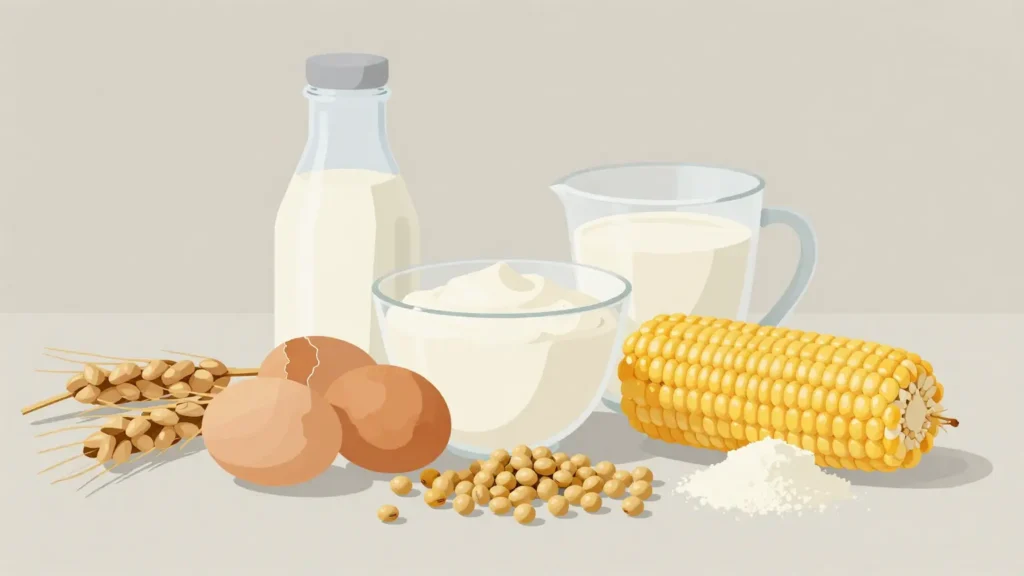
At the heart of the Immune Power Diet is the notion that hidden food allergies are rampant among Americans, affecting as much as 30% of the population according to Dr. Berger’s book. The diet focuses on eliminating what he called the “Sinister Seven”: dairy, wheat, yeast, eggs, corn, soy, and sugar. These foods are believed to cause damage to the immune system due to an exaggerated hypersensitivity response. While supporters claim that removing these items can significantly improve health, nutritional experts warn against such extreme dietary restrictions.
Dr. Berger’s approach also includes the recommendation of megavitamin supplements and weight loss as additional methods for enhancing one’s immunity. However, nutritionists caution that overusing supplements can lead to harmful side effects, including irreversible nerve damage from excessive vitamin B6 intake. This raises serious concerns about the overall safety and efficacy of his dietary regimen.
Recommended Food Groups for Boosting Immunity Naturally
As part of the Immune Power Diet, Dr. Berger also emphasizes incorporating specific food groups to support immune health naturally. These foods are designed to fortify the body’s defenses against illnesses while ensuring a balanced intake of essential nutrients.
First among these is a strong recommendation for colorful fruits and vegetables. These powerhouses contain high levels of vitamins A, C, E, and zinc, which are crucial for immune function. Berries, citrus fruits, leafy greens, bell peppers, and tomatoes stand out as excellent choices due to their potent antioxidant properties. Aim to include a variety of colors in your diet, each providing unique benefits that work together to strengthen the immune system.
Another key component is lean proteins such as poultry, fish, beans, and nuts. Proteins are essential for producing antibodies and other molecules vital for fighting off infections. For instance, salmon is not only rich in protein but also a great source of omega-3 fatty acids, which can reduce inflammation – a common culprit behind many illnesses.
Whole grains like oats, quinoa, and brown rice should be staples in the diet as well. These complex carbohydrates offer sustained energy while providing fiber and essential vitamins that support gut health. A healthy digestive system plays a crucial role in maintaining overall immune function since it houses a significant portion of our body’s immune cells.
Probiotics are also highlighted by Dr. Berger for their ability to enhance the beneficial bacteria in your gut, further boosting immunity. Yogurts with active cultures and fermented foods like kimchi or sauerkraut can be excellent additions to your diet. These items promote a balanced microbiome, which is key to a strong immune response.
Incorporating these food groups into your daily meals doesn’t just enhance the flavor but also ensures that you are feeding your body what it needs to maintain robust health and fend off diseases naturally. However, as with any dietary change, it’s important to consult with a healthcare provider before making significant modifications to your diet. How do you feel about integrating these foods into your daily routine?
Forbidden or Limited Foods in the Immune Power Diet
The cornerstone of the Immune Power Diet is the elimination of what Dr. Berger refers to as the “Sinister Seven” food groups: dairy, wheat, yeast, eggs, corn, soy, and sugar. These foods are believed by proponents of the diet to cause harm through exaggerated immune responses that lead to a weakened overall immunity. The rationale behind this approach is that many people suffer from undiagnosed allergies or sensitivities to these common food items, which allegedly contribute to chronic health issues.
For those following the Immune Power Diet, adhering strictly to this elimination phase can be quite challenging. It means avoiding not just obvious sources like milk and bread but also hidden ingredients in processed foods that might contain traces of dairy, wheat, or soy. For example, many condiments and sauces could have corn syrup or soy lecithin as key components, making it necessary for dieters to read labels meticulously.
Moreover, Dr. Berger’s plan advises against consuming any refined sugars as well, including those found in sweets and sugary beverages. The reasoning here is that sugar can suppress immune function by interfering with the ability of white blood cells to engulf bacteria effectively. This restriction extends to all forms of processed sugars, including honey and maple syrup for a period of time.
In addition to these seven foods, Dr. Berger also suggests limiting alcohol consumption and avoiding caffeine entirely during the diet’s initial stages. Both substances are thought to interfere with detoxification processes and can weaken immune responses temporarily. The goal is to create an environment where the body can heal itself without being burdened by additional toxins.
However, this strict regimen has drawn significant criticism from medical professionals who argue that such a restrictive approach could lead to nutritional deficiencies, especially if adherents do not replace these foods with equally nutritious alternatives. The lack of scientific validation for Dr. Berger’s claims about widespread food sensitivities further complicates the debate around his dietary recommendations.
As you consider implementing restrictions like those proposed by the Immune Power Diet, it’s crucial to weigh potential benefits against risks and consult with healthcare professionals before making drastic changes to your diet. How do you think such a restrictive approach might impact daily life and overall health?
Nutritional Benefits and Drawbacks of Following the Immune Power Diet
When considering whether to follow the Immune Power Diet, it’s important to weigh both the potential benefits and drawbacks. The diet aims to eliminate common allergens that Dr. Berger believes weaken immune function, but this radical approach comes with significant nutritional implications.
Elimination of major food groups can lead to deficiencies in essential nutrients, particularly if not carefully planned. For instance, cutting out dairy means losing valuable sources of calcium and vitamin D crucial for bone health. Similarly, avoiding wheat and other grains might result in a lack of B vitamins and fiber, which are vital for energy metabolism and digestive function.
Moreover, while the diet emphasizes lean proteins and whole foods, the strict elimination phase can make it difficult to maintain adequate nutrient intake without proper guidance. For example, eggs are an excellent source of protein, choline, and other essential nutrients; excluding them entirely could lead to deficiencies in these areas unless carefully replaced with other food sources.
Another potential drawback is the impact on gut health due to the sudden removal of dietary fiber from whole grains and certain fruits and vegetables. Fiber plays a critical role in maintaining healthy bowel movements and supporting beneficial bacteria, which are crucial for immune function. Without adequate fiber, individuals might experience digestive issues such as constipation or imbalances in their gut microbiota.
On the other hand, proponents argue that the diet can help identify and manage food sensitivities that may have been previously undiagnosed. By systematically reintroducing foods after a period of strict elimination, dieters could pinpoint which items trigger negative symptoms, potentially leading to personalized dietary adjustments for better health outcomes. This process might also encourage more mindful eating habits and awareness of one’s body’s reactions to different types of food.
However, the risk of over-reliance on supplements as recommended by Dr. Berger cannot be overlooked. Megadoses of vitamins like B6 can cause serious side effects, including nerve damage, when taken long-term without medical supervision. Such risks underscore the importance of consulting healthcare professionals before adopting any dietary regimen that involves significant changes or the use of high-dose nutritional supplements.
In conclusion, while the Immune Power Diet offers a unique approach to addressing potential food sensitivities and improving immune health, it also poses substantial challenges in terms of nutrient balance and overall safety. The strict nature of the diet makes it particularly difficult for many individuals to sustain long-term without risking deficiencies or side effects from supplement overuse.
How do you think this restrictive diet might affect your daily meal planning and enjoyment?
Sample Meal Plan for an Immune Strengthening Regimen
To provide a clearer picture of what adhering to the principles of the Immune Power Diet might look like in practice, here is a sample meal plan designed to focus on nutrient-dense foods while avoiding the “Sinister Seven.” This regimen aims to ensure that you receive all necessary vitamins and minerals without compromising your immune health.
Breakfast: A smoothie made with almond milk, spinach, frozen berries (blueberries, strawberries), chia seeds, and a handful of walnuts. The combination provides an excellent source of antioxidants, healthy fats, fiber, and protein while avoiding dairy, sugar, and wheat.
Snack: Carrot sticks or celery sticks with hummus as a dip. This snack is simple yet effective in providing vitamins A and C along with heart-healthy fats from the chickpeas used to make hummus.
Lunch: Grilled chicken breast served over a bed of mixed greens (lettuce, spinach), topped with cherry tomatoes, cucumbers, bell peppers, and slices of avocado. Dress it up lightly with olive oil and lemon juice for flavor. This meal ensures you get lean protein along with various vitamins and minerals necessary for immune function.
Snack: A small bowl of plain Greek yogurt (look for brands that do not include sugar) mixed with a tablespoon of chia seeds or flaxseeds, topped with fresh fruit like raspberries or blackberries. Yogurt is rich in probiotics to support gut health, while the seeds provide omega-3 fatty acids and fiber.
Dinner: Baked salmon fillets accompanied by steamed broccoli florets and quinoa seasoned with lemon juice and herbs. Salmon offers essential omega-3s that can help reduce inflammation, while broccoli provides vitamin C and other antioxidants that boost immune defenses. Quinoa is a great source of plant-based protein and fiber.
Snack/Dessert: A small serving of dark chocolate (at least 70% cocoa content) or a handful of raw almonds. Dark chocolate contains flavonoids which have antioxidant properties, while almonds are packed with vitamin E and healthy fats that support immune function.
This meal plan avoids the “Sinister Seven” foods while still delivering a balanced intake of nutrients essential for maintaining a strong immune system. However, it’s crucial to note that adhering strictly to such an elimination diet without professional guidance can pose risks related to nutritional deficiencies or over-reliance on supplements. Consider consulting with a healthcare provider or registered dietitian to tailor the plan according to your individual health needs and goals.
Do you think you could stick to this kind of meal plan long-term, or would it be too restrictive for you?
Alternative Diets to Consider Instead of the Immune Power Diet
When considering alternative diets that aim to boost immune function without resorting to such extreme measures as those proposed by Dr. Berger’s Immune Power Diet, several evidence-based options are worth exploring.
One popular and well-studied diet is the Mediterranean Diet. This dietary pattern emphasizes fruits, vegetables, whole grains, legumes, nuts, seeds, olive oil, fish, and poultry while minimizing processed foods and red meat consumption. The Mediterranean Diet has been extensively researched for its health benefits, including reducing inflammation and improving cardiovascular health, which indirectly supports immune function.
Another effective option is the DASH (Dietary Approaches to Stop Hypertension) diet. Originally designed to lower blood pressure, the DASH diet also includes high amounts of fruits and vegetables, whole grains, lean protein sources, and low-fat dairy products. It restricts sodium, refined sugars, and unhealthy fats. Studies show that adhering to the DASH diet can significantly enhance immune function by providing a balanced intake of essential nutrients.
For individuals looking for a more personalized approach, the Elimination Diet offers a methodical way to identify food sensitivities without being as restrictive or unsupported as Dr. Berger’s plan. This diet involves systematically removing common allergens from the diet over several weeks before reintroducing them one at a time while monitoring reactions. Unlike the Immune Power Diet’s blanket restrictions, this approach helps individuals tailor their diets based on actual intolerance rather than hypothetical sensitivities.
Intermittent Fasting (IF) is another strategy gaining popularity for its immune benefits. This eating pattern alternates between periods of fasting and non-fasting over defined intervals. Research suggests that IF can help regulate inflammation and enhance the body’s ability to repair damaged cells, which are key components of a healthy immune system.
Each of these diets offers unique advantages in supporting overall health and immunity without requiring the radical dietary restrictions proposed by Dr. Berger. For instance, the Mediterranean Diet provides variety and cultural appeal through its focus on traditional foods from southern Europe, making it easier to maintain long-term compared to rigid elimination diets. Similarly, the DASH diet focuses on practical meal planning strategies that are straightforward for most people to follow consistently.
The key takeaway is that there are numerous evidence-based dietary approaches available that can enhance immune function without the risks associated with unproven and potentially harmful methods like those promoted by Dr. Berger’s Immune Power Diet. By focusing on balanced nutrition, personalized food sensitivity identification, and healthy eating patterns, individuals can achieve optimal health while minimizing potential adverse effects.
Which of these alternative diets resonates more with your lifestyle and dietary preferences?
Are There Scientific Studies Supporting the Claims of the Immune Power Diet?
When examining the claims made by proponents of the Immune Power Diet, one critical aspect to consider is whether there are any scientific studies that validate Dr. Berger’s assertions about widespread food allergies and their impact on immune health. Unfortunately for those advocating this diet, robust scientific evidence supporting these specific claims remains scant.
Lack of Scientific Validation
Research into food sensitivities generally indicates that while some individuals do experience allergic reactions or intolerances to certain foods, the notion that up to 30% of Americans suffer from hidden allergies due to an exaggerated immune response is not substantiated by reliable data. Clinical studies have yet to confirm such a high prevalence, and many experts argue that self-diagnosis can lead to unnecessary dietary restrictions.
Alternative Dietary Approaches with Scientific Support
While the Immune Power Diet lacks substantial scientific backing, other diets aimed at boosting immunity have garnered significant research support. For example, the Mediterranean Diet has been extensively studied for its anti-inflammatory properties and positive impact on immune function through a balanced intake of fruits, vegetables, whole grains, healthy fats, and lean proteins.
Another well-researched diet is the DASH diet, which focuses on reducing blood pressure but also shows promise in enhancing immune health due to its emphasis on nutrient-dense foods and limiting sodium and refined sugars. These diets provide evidence-based strategies for improving overall health without the need for radical food eliminations.
Potential Risks of Strict Elimination Diets
The elimination approach recommended by Dr. Berger carries potential risks, particularly when followed without professional guidance. Eliminating entire food groups can lead to nutritional deficiencies, including inadequate intake of essential vitamins and minerals like calcium, iron, and B vitamins that are crucial for immune function and overall health.
Moreover, strict adherence to an elimination diet can be challenging and may lead individuals to rely heavily on supplements, which can have their own risks. High doses of certain nutrients like vitamin B6 can cause nerve damage if taken long-term without medical supervision.
Conclusion: Evaluating the Effectiveness and Safety of the Immune Power Diet
In conclusion, evaluating the Immune Power Diet reveals a complex interplay between potential benefits and significant risks. While it promises to enhance immune function through radical food eliminations and detoxification, the lack of scientific validation for its core claims leaves much to be desired. The diet’s restrictive nature can lead to nutritional deficiencies and excessive reliance on supplements with harmful side effects. Alternative dietary approaches like the Mediterranean Diet or DASH diet offer evidence-based strategies that support immune health without posing such risks. Before adopting any extreme dietary changes, consulting healthcare professionals is crucial to ensure balanced nutrition and personalized care.
Frequently Asked Questions (FAQ)
What is Dr. Stuart Berger’s background in creating the Immune Power Diet?
Dr. Stuart M. Berger was a physician who authored “The Immune Power Diet” in 1985, promoting it as a way to strengthen immune systems by eliminating certain foods and using dietary supplements.
Is there any scientific evidence supporting Dr. Berger’s claim that hidden food allergies are common and damaging the immune system?
No, Dr. Berger’s claims about hidden food allergies affecting 30% of Americans is not supported by scientific research. The actual figure for people with true food allergies is less than 4%.
Can following the Immune Power Diet lead to malnutrition or other health issues?
Yes, eliminating large groups of foods without medical supervision can potentially cause nutritional deficiencies and imbalances.
Why did Dr. Berger suggest taking megavitamin supplements as part of his diet plan?
Dr. Berger recommended high doses of vitamin B6 and other supplements, but there is no scientific evidence supporting these practices, and some vitamins like B6 in large amounts can be toxic and lead to nerve damage.
How does the medical community view the Immune Power Diet today?
The Immune Power Diet has been widely criticized by nutritionists and health professionals as unscientific and pseudoscientific. It is not recognized as an effective treatment for any condition, including AIDS, by immunologists.
Can you give examples of the “Sinister Seven” foods Dr. Berger wanted people to avoid?
Dr. Berger’s “Sinister Seven” included dairy products, wheat, yeast, eggs, corn, soy, and sugar, which he believed caused immune damage when consumed regularly.
What are some better dietary approaches for boosting immunity according to current scientific research?
Current evidence supports a balanced diet rich in fruits, vegetables, lean proteins, and whole grains as an effective way to support the immune system. Specific diets like the Mediterranean diet have been associated with improved immune health.
Was Dr. Berger’s own health impacted by his dietary advice?
Tragically, Dr. Berger died of cardiovascular disease at a young age, despite promoting his diet for better health outcomes. Contributing factors included hypertension, obesity, and cocaine addiction, suggesting that his personal practices may not have aligned with his recommendations.
How can someone critically evaluate the claims made by diets like the Immune Power Diet?
It’s important to look for peer-reviewed studies supporting any dietary claims and seek advice from healthcare professionals who adhere to evidence-based nutrition guidelines. Questioning sensationalized health claims and understanding basic scientific principles is also crucial.
Are there reliable resources or experts I should consult when considering diet changes to improve my immune system?
Consult registered dietitians or nutritionists who follow evidence-based practices, review clinical research databases like PubMed, and refer to reputable organizations such as the Academy of Nutrition and Dietetics for guidance on healthy eating.