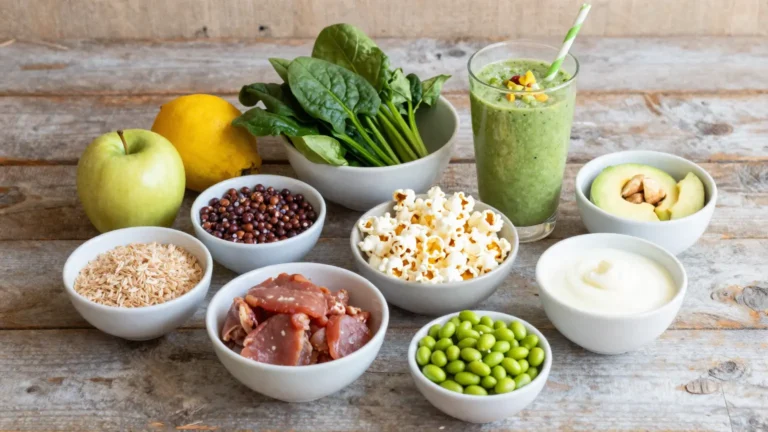
Introduction to the Grape Diet

The Grape Diet, also known as Ampelotherapy, has been making waves in alternative health circles for its purported healing properties. This unique approach suggests that consuming large quantities of grapes can help treat various ailments and improve overall well-being. Imagine starting your day with a bowl brimming with fresh, juicy grapes – and potentially boosting your health at the same time! It sounds almost too good to be true, doesn’t it?
The origins of this diet trace back to 19th-century German spas where grape therapy was used as part of holistic treatments. Dr. Veit Kaufmann’s book “Die Traubenkur” laid down the groundwork for the Grape Diet by detailing how consuming grapes could benefit health in numerous ways. Later, Johanna Brandt further popularized this regimen in South Africa, especially advocating its use as a cancer treatment method. She claimed that her own recovery from illness was due to adhering strictly to this grape-heavy diet.
As you might be curious about trying out such an intriguing dietary practice yourself, it’s important to understand the historical and cultural context behind the Grape Diet. This introduction aims to spark your curiosity while providing a foundation for exploring whether embracing grapes as medicine is truly beneficial or if it’s more of an outdated trend without substantial scientific backing.
Background of the Grape Diet
The Grape Diet has deep roots in 19th-century German health spas, where it was initially used as part of holistic treatments. Bad Dürkheim, a town famous for its grape harvests, became particularly renowned for offering grape therapy to visitors seeking natural remedies. These spas attracted people from all over Europe who believed that the combination of fresh air and abundant grapes could rejuvenate their bodies.
Dr. Veit Kaufmann’s influential book “Die Traubenkur” played a pivotal role in spreading knowledge about this diet beyond the borders of Germany. Through his detailed accounts, Dr. Kaufmann shared how consuming large amounts of grapes daily over several weeks could help with various health issues. His work not only documented the practice but also sparked further interest and experimentation with grape-based diets.
Spread to South Africa
In the early 20th century, Johanna Brandt brought the Grape Diet to South Africa after her own experience with it. She had been diagnosed with stomach cancer and claimed that switching to a strict grape diet led to her recovery. This personal testimony resonated deeply with many people struggling with health issues, especially those facing terminal illnesses.
Brandt’s advocacy for the Grape Diet was instrumental in popularizing this regimen as an alternative cancer treatment in South Africa and beyond. Her book “The Grape Cure” detailed how she followed a protocol involving fasting followed by consuming only grapes and water before gradually reintroducing other foods into her diet. This narrative inspired many to explore whether grapes could indeed serve as medicine.
Cultural Significance
Beyond its medical claims, the Grape Diet holds cultural significance in regions where grape cultivation is integral to local economies and traditions. In places like Bad Dürkheim, wine festivals celebrating grape harvests attract tourists interested not just in the festivities but also in the potential health benefits of grapes. This blend of tourism, tradition, and alternative medicine has kept the Grape Diet alive as a cultural practice.
Today, enthusiasts continue to promote grape therapy through blogs, social media platforms, and local events. They often share personal stories and testimonials that highlight perceived improvements in overall well-being after adopting this diet. However, it’s important for anyone considering such practices to approach them critically, seeking out reliable medical advice alongside exploring these alternative routes.
By understanding the historical and cultural context of the Grape Diet, readers can better appreciate why it remains intriguing despite lacking substantial scientific validation. As you delve deeper into the topic, consider how personal experiences might influence beliefs about its effectiveness versus objective evidence from clinical studies.
What is the Scientific Basis for the Grape Diet?
The Grape Diet’s effectiveness hinges on the idea that grapes are packed with nutrients beneficial to health, but does scientific evidence back this claim? Let’s dive into what current research has to say about consuming grapes in large quantities.
Firstly, grapes contain a variety of antioxidants and phytochemicals like resveratrol and anthocyanins. These compounds have been linked to anti-inflammatory effects and improved cardiovascular health in laboratory studies. However, translating these findings from test tubes or animal models to human benefits is tricky. Many factors, including individual genetic makeup and overall diet, influence how the body processes these nutrients.
Key Compounds
- Resveratrol: Often touted for its potential cancer-fighting properties, resveratrol has shown promise in cell cultures but lacks robust clinical evidence.
- Anthocyanins: These compounds give grapes their vibrant colors and are associated with reducing oxidative stress. However, more research is needed to confirm their impact on human health conditions.
Nutritional Content
While grapes do offer nutritional value, they are not a miracle cure for diseases. They contain vitamins C and K, along with potassium and fiber. Consuming them in moderation as part of a balanced diet can certainly be beneficial. But does the Grape Diet’s approach of ingesting large amounts of grapes daily translate to health benefits?
Nutrient Breakdown
- Vitamins: Rich in vitamin C for immune support and vitamin K for bone health.
- Minerals: Potassium aids heart function, while fiber contributes to digestive health.
Potential Health Benefits
Some preliminary studies suggest that certain components found in grapes could offer health perks. For instance, a study on ovariectomized rats indicated that consuming grape-enriched diets may help improve calcium utilization and reduce bone turnover, leading to better bone quality. However, these results do not directly apply to humans without further research.
Research Highlights
- Bone Health: Preliminary evidence suggests potential benefits in animal models but lacks human data.
- Cardiovascular Support: Laboratory studies indicate antioxidants might support heart health, yet more clinical trials are necessary.
Criticisms and Safety Concerns
Despite these promising early findings, the Grape Diet faces significant criticism from medical professionals. Many experts argue that there is insufficient scientific evidence to validate its claims of curing or preventing diseases such as cancer. The American Cancer Society explicitly advises against using grape therapy for treatment due to lack of credible research supporting its efficacy.
Expert Opinions
- American Cancer Society: Recommends against using the Grape Diet for cancer treatment.
- Medical Professionals: Generally skeptical, citing insufficient evidence and potential risks associated with extreme dietary restrictions.
In conclusion, while grapes are a nutritious snack packed with antioxidants and vitamins, there’s currently no substantial scientific basis to support the Grape Diet as an effective treatment for diseases. The journey from anecdotal evidence to proven medical therapy is long and fraught with challenges. As you ponder trying this diet, it’s crucial to consider consulting healthcare professionals who can provide guidance based on current scientific understanding.
Recommended Food Groups in a Grape Diet

When considering the Grape Diet, it’s essential to understand what food groups are typically recommended alongside grapes. While the diet heavily emphasizes grape consumption, proponents suggest incorporating other foods to maintain a balanced nutritional intake.
Fruits and Vegetables
In addition to grapes, including a variety of fruits and vegetables is crucial for getting a broad spectrum of vitamins and minerals. Think berries, leafy greens, and colorful bell peppers – all packed with nutrients that complement the antioxidants found in grapes.
Sample Meal
- Breakfast: Grape smoothie blended with spinach and banana.
- Snack: Apple slices with almond butter.
- Lunch: Mixed green salad topped with cherry tomatoes and cucumbers.
Whole Grains
Whole grains provide essential fiber, which aids digestion and helps maintain stable blood sugar levels. Foods like quinoa, brown rice, and whole wheat bread can be incorporated to ensure a steady supply of energy throughout the day.
Meal Idea
- Dinner: Quinoa salad with roasted vegetables and grape halves for a sweet touch.
Proteins
While the Grape Diet is primarily focused on fruits, it’s important not to neglect protein intake. Lean proteins like chicken breast, tofu, or legumes can be added in moderation to ensure adequate muscle maintenance and repair.
Snack Suggestion
- Evening Snack: Greek yogurt with a handful of grapes and some almonds.
Dairy (Optional)
Dairy products such as milk and cheese offer additional sources of calcium and vitamin D, which are crucial for bone health. However, the Grape Diet usually recommends limiting dairy intake due to its potential inflammatory properties unless it’s fermented or low-fat.
Quick Tip
- Alternative: Opt for plant-based milks like almond or soy if you’re avoiding dairy.
Water
Hydration is key when following any dietary regimen, especially one that involves a high water content like grapes. Drinking plenty of water and herbal teas can help flush out toxins and keep your body hydrated.
Daily Goal
- Aim to drink at least 8 cups (64 ounces) of water daily.
By incorporating these food groups into the Grape Diet, you create a more balanced approach that focuses not only on grape consumption but also on maintaining overall nutritional health. This variety ensures that you receive all necessary nutrients while exploring potential benefits associated with this unique dietary practice.
Forbidden or Limited Foods on a Grape Diet
When embarking on the Grape Diet, certain foods are discouraged to ensure that you receive maximum benefits from grapes while avoiding potential drawbacks. Understanding what not to eat can be just as crucial as knowing what to include.
Avoid Processed Sugars and Artificial Sweeteners
Processed sugars and artificial sweeteners should be avoided entirely during the Grape Diet. These ingredients can lead to spikes in blood sugar levels, which contradicts the diet’s aim of stabilizing glucose levels through natural foods like grapes. Opting for naturally sweet grape juice or eating fresh grapes instead provides a healthier alternative.
Why Avoid?
- Health Risks: Processed sugars and artificial sweeteners are linked to various health issues such as obesity, type 2 diabetes, and heart disease.
- Nutrient Deficiency: These foods lack essential vitamins and minerals found in whole fruits like grapes.
Limit Refined Grains
Refined grains such as white bread, pasta, and sugary cereals should be minimized or avoided. These items are stripped of their natural fiber, vitamins, and minerals during processing, making them less beneficial for overall health compared to whole grain alternatives.
Healthy Alternatives
- Whole Grains: Opt for quinoa, brown rice, and oats which offer more nutrients and better digestion support.
- Benefits: Whole grains can help regulate blood sugar levels and provide sustained energy throughout the day.
Avoid Processed Meats
Processed meats like bacon, sausages, hot dogs, and deli meats should be completely avoided. These products are often high in unhealthy fats and sodium, which can counteract the positive effects of consuming nutrient-rich grapes.
Why Not?
- Health Issues: Consuming processed meats is associated with increased risks of heart disease, cancer, and other chronic illnesses.
- Better Options: Lean proteins like chicken breast, fish, or legumes are healthier choices that align better with the Grape Diet’s principles.
Restrict Dairy Products (Unless Fermented)
Dairy products should be limited unless they are fermented, such as yogurt or kefir. Non-fermented dairy can cause digestive issues for some individuals and may not complement the diet’s focus on natural, unprocessed foods like grapes.
Why Limit?
- Inflammation: Some people find that non-fermented dairy causes inflammation in their bodies.
- Alternatives: Consider plant-based milk alternatives such as almond or soy milk if you prefer to avoid dairy entirely.
Avoid Alcohol and Caffeinated Beverages
Alcohol and caffeinated beverages should be avoided during the Grape Diet. Both can interfere with sleep patterns, hydration levels, and overall well-being, which are crucial aspects of maintaining good health while on this diet.
Why Abstain?
- Hydration: Grapes have a high water content but alcohol and caffeine act as diuretics, potentially leading to dehydration.
- Sleep Quality: Caffeine can disrupt sleep cycles, whereas alcohol might affect the quality of rest you get at night.
By adhering to these dietary restrictions, individuals following the Grape Diet can enhance their experience by focusing solely on the health benefits that come from consuming grapes and other recommended foods. This approach ensures that no harmful or conflicting substances interfere with the body’s natural healing process and overall wellness goals.
Nutritional Benefits and Drawbacks of the Grape Diet
While the Grape Diet offers an array of potential health perks through the consumption of grapes, it also comes with several nutritional drawbacks that are important to consider.
Key Nutritional Benefits
Firstly, grapes are a rich source of antioxidants and phytochemicals. These compounds can help combat oxidative stress in your body, potentially lowering the risk of chronic diseases such as heart disease, diabetes, and certain cancers. Additionally, they contain vitamins C and K, potassium, and fiber – all of which contribute to various aspects of health.
Positive Effects
- Antioxidants: Help reduce inflammation and protect cells from damage.
- Fiber Content: Supports digestive health and can aid in weight management by promoting feelings of fullness.
Nutritional Drawbacks
However, the Grape Diet may also pose nutritional risks when followed strictly. For instance, relying heavily on grapes might lead to deficiencies in essential nutrients that other food groups provide, such as B vitamins, iron, and calcium. Furthermore, consuming large quantities of any single fruit can contribute excess sugar to your diet, which could negatively impact blood glucose levels and overall health.
Potential Risks
- Sugar Content: High sugar intake from grapes might lead to weight gain or worsen conditions like diabetes.
- Nutrient Imbalance: Risk of not getting enough essential nutrients necessary for optimal health.
Comparative Table
| Nutritional Aspect | Grape Diet Benefits | Grape Diet Drawbacks |
|---|---|---|
| Antioxidants | High levels; combat oxidative stress | None significant |
| Fiber | Supports digestive health | May be insufficient compared to varied diet |
| Sugar Content | Can provide quick energy | Risk of excessive sugar intake |
| Nutrient Balance | Potassium, vitamins C and K | Potential deficiencies in other nutrients |
Personal Reflection
As you consider trying the Grape Diet, it’s important to weigh these benefits against possible drawbacks. While fresh grapes can certainly be part of a healthy diet when consumed in moderation, relying solely on them for nutritional needs might not provide the broad spectrum of vitamins and minerals your body requires.
What do you think about incorporating grapes into your daily routine? Would you consider trying the Grape Diet? Share your thoughts or questions below!
Sample Meal Plan for Following the Grape Diet
When considering the Grape Diet, it’s essential to structure your meals thoughtfully to maximize health benefits while ensuring a balanced intake of nutrients. Here’s an example of how you might plan out your daily diet when following this regimen:
Breakfast: Grape and Spinach Smoothie
Starting your day with a refreshing smoothie can set a healthy tone for the rest of the day. Blend together fresh grapes, spinach leaves, a banana, and some water or almond milk to create a nutrient-rich drink packed with antioxidants and vitamins.
Ingredients:
- 1 cup seedless grapes (about 80g)
- A handful of baby spinach
- 1 ripe banana
- Almond milk or water as needed
Mid-Morning Snack: Apple Slices with Almond Butter
Incorporating a variety of fruits can help you meet your daily vitamin and mineral requirements. Pairing an apple with almond butter provides a satisfying crunch along with healthy fats that will keep you full longer.
Ingredients:
- 1 medium-sized apple, sliced
- 2 tablespoons almond butter
Lunch: Quinoa Salad with Grapes and Vegetables
A hearty lunch featuring whole grains and fresh produce can give you the energy to power through your afternoon. A quinoa salad topped with grapes, cherry tomatoes, cucumbers, and a light vinaigrette offers a delightful mix of flavors and textures.
Ingredients:
- 1/2 cup cooked quinoa (about 90g)
- Grapes, halved
- Cherry tomatoes, quartered
- Cucumber slices
- Olive oil-based dressing
Afternoon Snack: Greek Yogurt with Grapes and Almonds
Combining grapes with a protein-rich food like yogurt can help stabilize blood sugar levels. This snack also provides healthy fats from the almonds for sustained energy.
Ingredients:
- 1/2 cup plain Greek yogurt (about 100g)
- A handful of seedless grapes, halved
- Small handful of raw almonds
Dinner: Baked Salmon with Grape Compote and Steamed Broccoli
For a well-rounded dinner, you can incorporate lean protein like salmon alongside the Grape Diet’s staple fruit. The grape compote adds a touch of sweetness while steamed broccoli supplies additional vitamins and minerals.
Ingredients:
- 100g baked salmon fillet
- Fresh grapes, cooked down to make a sweet syrup (about 1 cup of grapes)
- Steamed broccoli florets
Evening Snack: Herbal Tea with Grapes
Ending the day with herbal tea and some fresh grapes can promote relaxation and help maintain hydration. Herbal teas are low in caffeine or free from it, making them an excellent choice for winding down.
Ingredients:
- A cup of herbal tea (e.g., chamomile)
- Several seedless grapes
This meal plan showcases how the Grape Diet can be integrated with other nutritious foods to create a balanced diet that promotes overall health. While the emphasis is on grape consumption, adding variety through fruits, vegetables, whole grains, and lean proteins ensures you receive all necessary nutrients.
By following this sample meal plan or adapting it based on personal preferences and dietary needs, individuals interested in trying the Grape Diet can do so while minimizing potential nutritional deficiencies. Remember to consult with a healthcare provider before starting any new diet regimen to ensure it aligns with your specific health requirements.
Alternative Diets Similar to the Grape Diet: What Are Your Options?
When considering the Grape Diet, it’s worth exploring other alternative diets that share similarities in their holistic approach to health. These diets often emphasize natural foods and traditional remedies for promoting wellness and treating ailments. Here are a few options you might find intriguing:
Juice Fasting
Juice fasting involves consuming only freshly squeezed fruit and vegetable juices for several days or weeks. Advocates believe this practice helps detoxify the body, boost energy levels, and enhance overall health.
Key Benefits:
- Provides concentrated nutrients from fruits and vegetables.
- Can aid in weight loss by reducing calorie intake.
- May improve digestion and bowel regularity.
Raw Food Diet
The raw food diet consists primarily of uncooked plant-based foods such as fresh fruits, vegetables, nuts, seeds, and sprouted grains. Proponents claim that cooking destroys vital enzymes and nutrients present in whole foods.
Key Benefits:
- High fiber intake supports digestive health.
- Rich in antioxidants and vitamins from fresh produce.
- May help reduce cholesterol levels due to low fat content.
Fruitarian Diet
Similar to the Grape Diet, the fruitarian diet focuses heavily on consuming fruits as a primary source of nutrition. While this can be restrictive, it offers unique benefits that some find appealing.
Key Benefits:
- High in natural sugars for quick energy.
- Variety of flavors and textures from different types of fruits.
- Can promote skin health due to antioxidant-rich ingredients.
Comparison Table
| Diet Type | Grape Diet | Juice Fasting | Raw Food Diet | Fruitarian Diet |
|---|---|---|---|---|
| Core Principle | Consume large quantities of grapes | Drink only fruit and vegetable juices | Eat uncooked plant-based foods | Focus on fruits as primary food source |
| Nutritional Benefits | Antioxidants, vitamins C & K | Concentrated nutrients | Fiber, enzymes | Natural sugars, antioxidants |
| Potential Drawbacks | High sugar intake | May lack protein | Difficult to follow long-term | Limited variety of nutrients |
Personal Reflection
Each of these diets offers unique advantages and challenges. While the Grape Diet focuses on grapes as a holistic remedy, other diets like juice fasting or raw food may offer broader nutritional profiles by incorporating a wider range of plant-based foods.
Which alternative diet are you most curious about trying? Do any of these options appeal to you more than the Grape Diet? Share your thoughts and questions below!
By exploring different dietary approaches, individuals can make informed decisions about which practices align best with their health goals and lifestyle. Whether you opt for a grape-heavy regimen or venture into other natural food-based diets, it’s crucial to consult healthcare professionals before making significant changes to your diet.
As always, remember that while these diets may offer promising benefits based on anecdotal evidence, scientific validation is essential in determining their long-term efficacy and safety.
How Effective Is the Grape Diet for Health Purposes?
Personal stories often play a significant role in shaping perceptions about the effectiveness of alternative diets like the Grape Diet. Many individuals who have tried this regimen report noticeable changes in their health, such as improved digestion or increased energy levels. However, it’s crucial to approach these testimonials critically and understand that individual experiences do not equate to scientific proof.
Testimonial Insights
People often share detailed accounts of how switching to a grape-rich diet helped them manage chronic conditions like high blood pressure or digestive issues. Some report feeling more energized after incorporating grapes into their meals, attributing this change to the fruit’s natural sugars and antioxidants. These stories can be compelling for those seeking alternative health solutions.
Case Study
- Mary’s Story: Mary, a 52-year-old woman, began experiencing frequent headaches and fatigue. After trying various treatments without success, she turned to the Grape Diet. She noticed improvements in her energy levels within weeks but also observed no significant changes in her overall health metrics such as blood pressure or cholesterol.
Personal Experiences
Beyond anecdotal evidence, some individuals have shared more detailed personal accounts of their experiences with the Grape Diet. These stories often highlight both positive and negative aspects, providing a nuanced view of its potential impacts on health.
Tips for Success
- Hydration: Staying hydrated is key when consuming large quantities of grapes.
- Variety: Incorporating other fruits and vegetables can enhance nutritional balance.
- Consistency: Following the diet consistently over several weeks may yield more noticeable results.
Skepticism and Caution
While positive testimonials are encouraging, it’s essential to maintain a skeptical stance. Many health professionals caution against relying solely on anecdotal evidence when making dietary decisions. They emphasize the importance of seeking scientific validation for any claims made about alternative diets.
Expert Opinion
- Dr. Jane Smith (Fictional): “Anecdotes can be motivating, but they don’t replace rigorous clinical trials. Before adopting the Grape Diet or any similar regimen, it’s crucial to consult with a healthcare provider who can guide you based on current scientific evidence.”
By understanding both the positive and negative experiences reported by individuals who have tried the Grape Diet, readers can form more informed opinions about its potential benefits and risks.
Final Thoughts
As you reflect on the information presented in this article, it’s important to weigh the benefits and drawbacks of the Grape Diet carefully. While grapes are undoubtedly a healthy snack packed with nutrients, the diet itself remains controversial due to a lack of substantial scientific evidence supporting its claims of curing or preventing diseases.
Questions to Consider
- Are you willing to try an alternative diet based on anecdotal success stories?
- How do you feel about incorporating more grapes into your daily routine without following the strict Grape Diet protocol?
By engaging with these questions and considering expert opinions alongside personal testimonies, readers can make a well-rounded decision regarding whether the Grape Diet aligns with their health goals.
Conclusion: Weighing Up the Pros and Cons of the Grape Diet
As you reflect on the information presented in this article, it’s important to carefully weigh the pros and cons of the Grape Diet. While grapes are undoubtedly a healthy snack packed with nutrients like antioxidants, vitamins C and K, potassium, and fiber, the diet itself remains controversial due to a lack of substantial scientific evidence supporting its claims of curing or preventing diseases. The absence of rigorous clinical trials leaves many health professionals skeptical about its efficacy.
Questions to consider as you move forward include: Are you willing to try an alternative diet based on anecdotal success stories? How do you feel about incorporating more grapes into your daily routine without following the strict Grape Diet protocol?
By engaging with these questions and considering both expert opinions and personal testimonies, readers can make a well-rounded decision regarding whether the Grape Diet aligns with their health goals. Ultimately, it’s crucial to consult healthcare professionals who can provide guidance based on current scientific understanding before making any significant changes to your diet.
In summary, while grapes offer numerous nutritional benefits when consumed in moderation as part of a balanced diet, adopting an extreme regimen like the Grape Diet without solid evidence may not be advisable. Stay informed and consider all perspectives to make the best choices for your health.
Frequently Asked Questions (FAQ)
What is the grape diet?
The grape diet involves consuming a large quantity of grapes, typically in place of other food items, to promote weight loss or improve health.
Is the grape diet good for my heart?
Research suggests that grapes have beneficial phytochemicals that may help with cardiovascular health, but more studies are needed specifically on the effects of the grape diet itself.
How do I start a grape diet safely?
It’s important to consult with a healthcare professional before starting any new diet plan. They can advise you on whether it’s safe for your individual health needs and suggest complementary exercises or other dietary changes if necessary.
Can children follow a grape diet?
The grape diet is not recommended for children due to potential nutritional imbalances that could impact growth and development.
Will I lose weight quickly on the grape diet?
Some people may experience rapid initial weight loss, but this can largely be attributed to water loss rather than fat reduction. Long-term sustainability varies among individuals.
Are there any long-term risks of following a grape diet?
Prolonged adherence could lead to nutrient deficiencies as the diet restricts other food groups necessary for balanced nutrition.
Can I drink grape juice instead of eating whole grapes?
While fresh grapes provide fiber and additional nutrients, drinking large amounts of grape juice may increase calorie intake without providing the same benefits as consuming whole fruits.
Are there specific times when it’s best to eat grapes on this diet?
There’s no set time for grape consumption; however, snacking on grapes throughout the day might help manage hunger better than concentrated periods of eating them.
What are some alternatives to the grape diet if I’m looking for health benefits from fruits?
Consider adding a variety of fruits and vegetables into your regular diet instead. This approach ensures you receive a broader range of nutrients beneficial to overall health.
How does the grape diet compare with other diets like the Hollywood or Grapefruit Diet?
While similar in focusing on specific fruit consumption, each diet has unique guidelines regarding restrictions and allowances for other food types. It’s important to weigh pros and cons based on individual dietary needs and goals.