Introduction: What is the DASH Diet and Why Is It Recommended?
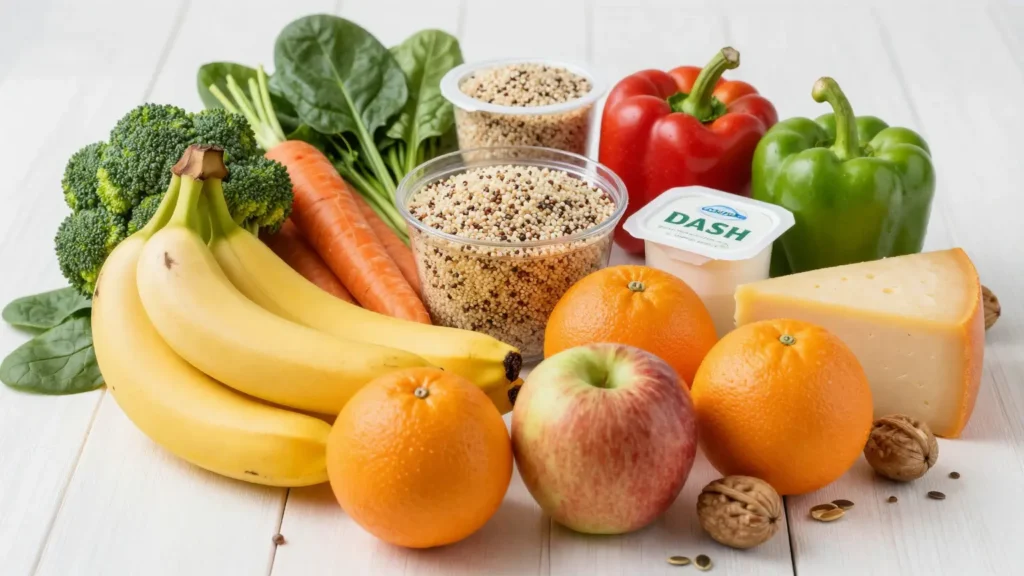
The DASH diet is not just another fad; it’s a scientifically-backed nutritional plan designed specifically to combat high blood pressure. Developed by the U.S. National Heart, Lung, and Blood Institute (NHLBI) in 1992, this diet was born out of an urgent need to address the rising tide of hypertension, which currently affects over one billion people worldwide. But what sets DASH apart from other diets is its comprehensive approach and meticulous research foundation.
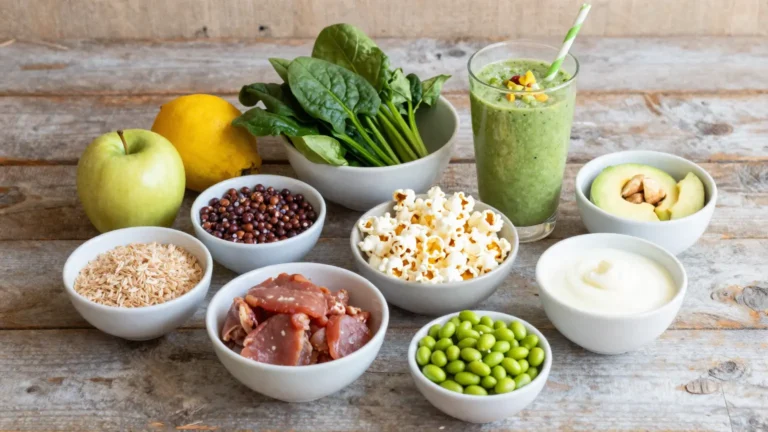
At its heart, the DASH diet emphasizes a balanced intake of fruits, vegetables, whole grains, lean proteins like fish and poultry, low-fat dairy products, nuts, and beans – while reducing sugar-sweetened foods, red meat, and added fats. This doesn’t sound too different from basic healthy eating advice, does it? But here’s the kicker: DASH isn’t just about what you shouldn’t eat; it’s about what you should be incorporating more of in your diet.
The diet is incredibly adaptable, catering to individuals with various caloric needs ranging from 1,600 to 3,100 calories per day. This flexibility makes the DASH diet accessible for people at different stages of life and activity levels – whether you’re a sedentary office worker or an athlete training rigorously.
But why is the DASH diet so highly recommended? To understand this, we need to look back at the groundbreaking research that underpins it. In initial NIH studies, researchers compared three dietary patterns: one focused on fruits, vegetables, and low-fat dairy; another resembling a typical American diet with high intake of red meat and added fats; and a third with just fruits and veggies but none of the other components of DASH. The results were startling: participants who followed the full DASH plan experienced significant drops in blood pressure levels – without necessarily losing weight.
For individuals on the brink of developing hypertension, systolic blood pressure dropped by 6 mm Hg and diastolic by 3 mm Hg. For those already diagnosed with high blood pressure, these figures were even more impressive: a reduction of 11/6 mm Hg. Such results underscore DASH’s effectiveness in managing one of the most common health issues today.
Beyond its primary goal of controlling hypertension, the DASH diet offers broader benefits that make it appealing to those seeking overall wellness. The U.S. Department of Agriculture (USDA) and the Dietary Guidelines for Americans endorse DASH as a healthy eating pattern alongside other well-regarded diets like the Mediterranean diet. Its versatility allows it to serve not just as a weight management tool but also as a dietary approach for managing chronic conditions such as heart disease, type 2 diabetes, and certain types of cancer.
So, is DASH right for everyone? That’s a question worth pondering. As you delve deeper into the principles behind this diet, you might find yourself intrigued by its potential benefits – both in terms of immediate health improvements and long-term well-being.
What Are the Key Components of the DASH Diet Plan?
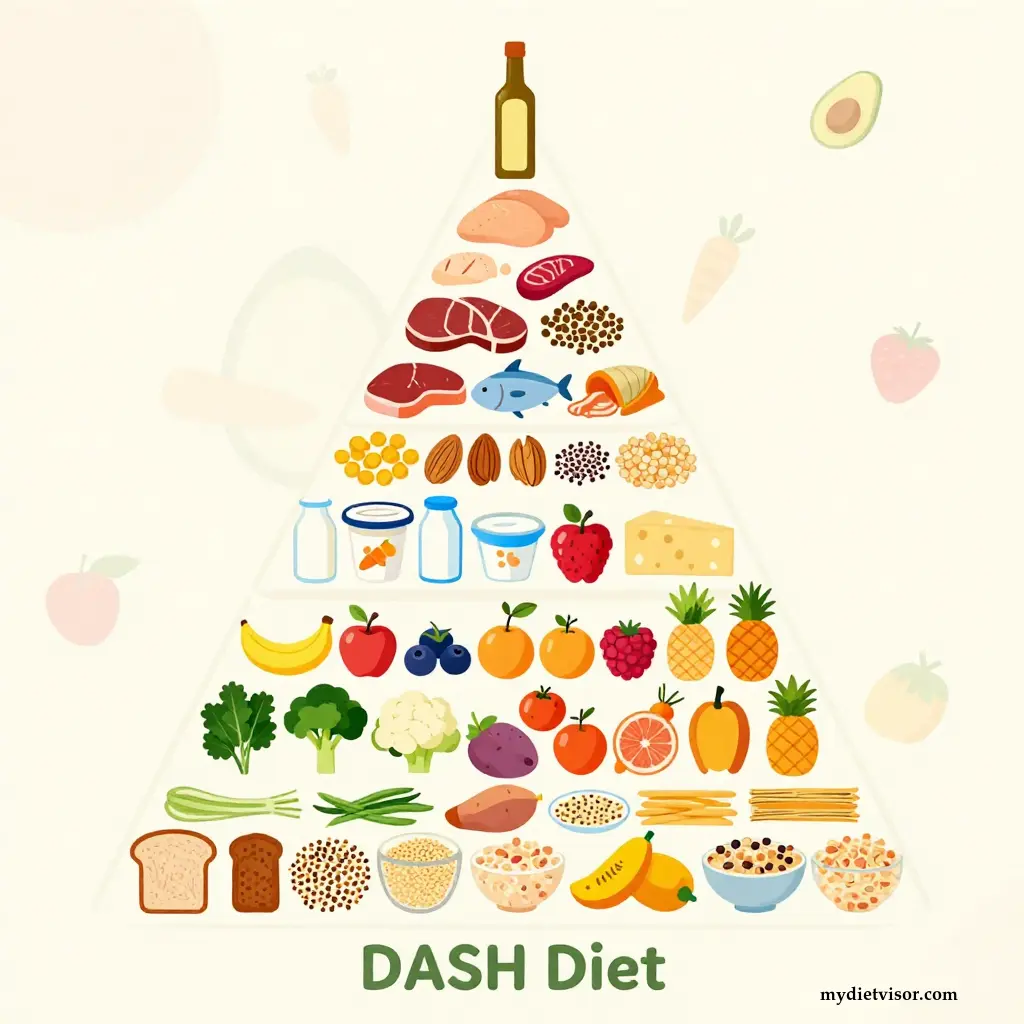
The DASH diet is built around a few key components that work together to improve heart health and lower high blood pressure. Here’s what you need to know about each core element:
- Fruits and Vegetables: Aim for at least four servings of fruits and five servings of vegetables daily. These foods are rich in potassium, magnesium, and fiber, which help balance out sodium levels naturally.
- Whole Grains: Choose whole grains over refined ones whenever possible. This includes brown rice, quinoa, oats, and other unprocessed cereals that provide more dietary fiber and nutrients.
- Low-Fat Dairy Products: Opt for low-fat milk, yogurt, and cheese to get the calcium your body needs without excessive fat intake. These dairy products should be consumed in moderate portions throughout the day.
- Lean Proteins: Incorporate lean meats like chicken breast (without skin), fish such as salmon or tuna, nuts, seeds, and beans into your meals. These protein sources are high in nutrients but lower in unhealthy fats compared to red meat.
In addition to these staples, the DASH diet also advises limiting:
- Red Meat: Reduce your consumption of beef, pork, and lamb because they contain more saturated fat than leaner meats or plant-based proteins.
- Sweets and Sugar-Sweetened Drinks: Avoid sugary snacks and beverages as much as possible. These items offer empty calories that contribute to weight gain without providing any nutritional value.
- Fats: Minimize your intake of trans fats found in processed foods, and limit saturated fats from animal products.
By focusing on these components and avoiding harmful food groups, the DASH diet promotes a balanced approach to eating that can significantly improve cardiovascular health over time. The flexibility of the plan also allows for personalization based on individual needs and preferences, making it an effective long-term dietary strategy.
How Does the DASH Diet Impact Blood Pressure Levels?
The DASH Diet is specifically designed to reduce high blood pressure by focusing on nutrient-dense foods while limiting sodium and unhealthy fats. Here’s how it impacts your blood pressure levels:
- Nutrient-Rich Foods: The diet includes a lot of fruits, vegetables, whole grains, lean proteins, and low-fat dairy products, which are rich in potassium, calcium, magnesium, fiber, and protein. These nutrients work together to lower blood pressure.
- Reduced Sodium Intake: Limiting sodium is crucial for lowering blood pressure. By cutting back on salt, the DASH Diet helps decrease fluid retention and reduces strain on your heart and blood vessels.
- Immediate Results: Studies show that people who follow the DASH Diet can experience a significant reduction in systolic blood pressure (the top number) by about 6 mm Hg for those with pre-hypertension. For individuals already diagnosed with hypertension, this reduction is more substantial at around 11 mm Hg.
- Weight Loss Not Required: One of the surprising benefits of the DASH Diet is that you don’t need to lose weight to see these blood pressure reductions. The focus on nutrient-rich foods and limiting unhealthy items can naturally lead to a healthier blood pressure without intentional calorie restriction or significant weight loss.
- Long-Term Effects: Consistently following the DASH Diet over time can result in sustained lower blood pressure levels, which helps reduce the risk of cardiovascular diseases such as heart attacks and strokes.
By focusing on these key components, the DASH Diet provides a powerful tool for managing hypertension effectively through dietary choices rather than just relying on medication.
Are There Variations of the Standard DASH Diet for Specific Needs?
The DASH diet is renowned for its effectiveness in managing hypertension and promoting overall heart health. However, it’s important to recognize that variations exist to cater to specific health needs and circumstances:
- Pregnant Women: The standard DASH diet can be modified by increasing nutrient-rich foods such as lean meats, fish (preferably low in mercury), fruits, vegetables, and whole grains. These additions provide essential vitamins and minerals crucial during pregnancy.
- Individuals on Chemotherapy: This group may require dietary modifications to include easily digestible proteins and fats that support bodily functions under stress. Foods like yogurt or lean chicken are beneficial due to their high protein content while being gentle on the stomach.
- People with Malabsorption Conditions: For individuals dealing with conditions like celiac disease, Crohn’s disease, or other malabsorption issues, the diet might need adjustments such as focusing more on cooked vegetables and fruits over raw ones. This can help reduce digestive discomfort and ensure better nutrient absorption.
These variations highlight how the core principles of the DASH diet – emphasizing whole grains, lean proteins, healthy fats, and plenty of fruits and vegetables – can be tailored to meet specific health requirements or personal circumstances. The adaptability of the DASH diet makes it accessible and beneficial for diverse populations.
When considering these adjustments, consulting healthcare professionals who understand your unique medical needs is crucial. This ensures that nutritional goals are met safely and effectively while aligning with individual dietary restrictions or preferences.
While traditionally focused on reducing sodium intake to lower blood pressure, studies have shown that its benefits extend to other areas like improved cholesterol levels and enhanced overall heart health, making it a holistic approach to wellness.
Can the DASH Diet Be Effective Without Reducing Sodium Intake?
The DASH (Dietary Approaches to Stop Hypertension) diet is renowned for its effectiveness in managing high blood pressure, largely due to its emphasis on reducing sodium intake. However, it’s worth exploring whether the benefits of the DASH diet can still be achieved even without significantly lowering your salt consumption.
- Core Principles vs. Sodium: The primary focus of the DASH diet revolves around increasing nutrient-rich foods such as fruits, vegetables, whole grains, lean proteins, and low-fat dairy products while limiting processed sugars, red meat, saturated fats, and trans fats. Reducing sodium is a key component but not the only factor contributing to its success.
- Maintaining Nutrient Density: Even without cutting back on salt, adhering strictly to other DASH diet guidelines can still offer substantial health benefits. For example, eating more fruits and vegetables naturally reduces your overall intake of processed foods that are typically high in sodium.
- Blood Pressure Benefits: Studies show that the reduction in blood pressure achieved through the DASH diet is primarily due to an increase in potassium, magnesium, calcium, and fiber from whole foods rather than solely by reducing sodium. These nutrients help counteract the effects of salt on blood vessels.
- Flexibility with Sodium Levels: While lowering sodium is recommended for optimal results, many individuals can still experience improvements in heart health and blood pressure when they focus more broadly on a balanced diet rich in these vital nutrients. This flexibility makes the DASH diet adaptable to various dietary habits and preferences.
The average American consumes about 3,400 mg of sodium per day, far above the recommended limit of 2,300 mg by the American Heart Association. However, even reducing this intake gradually while focusing on a nutrient-rich diet can have significant health benefits.
In essence, although adhering to lower sodium guidelines enhances the effectiveness of the DASH diet, its core principles centered around balanced nutrition and healthy eating patterns remain potent enough to yield meaningful health improvements without strict salt reduction.
Does the DASH Diet Include Recommendations for Exercise and Physical Activity?
The DASH Diet is not just about what you eat; it also encourages incorporating regular physical activity into your daily routine to enhance its effectiveness in promoting heart health. While the core focus of the diet is on dietary patterns, experts widely recommend combining it with exercise for optimal results.
- Exercise as Part of a Holistic Approach: Although the official DASH guidelines primarily focus on dietary recommendations, healthcare professionals often advise integrating regular physical activity into your routine to complement the benefits of the diet. This holistic approach can further enhance cardiovascular health and support weight management efforts.
- Types of Physical Activity: Engaging in moderate-intensity aerobic activities for at least 30 minutes most days of the week is ideal. These could include brisk walking, cycling, swimming, or any other form of sustained physical activity that gets your heart rate up without feeling overly strenuous.
- Benefits Beyond Diet Alone: Combining a balanced diet with regular exercise has been shown to have synergistic effects on blood pressure reduction and cardiovascular health. Exercise helps improve overall fitness levels, boosts circulation, and aids in maintaining healthy body weight, all of which contribute to better heart function.
- Personalization and Flexibility: The beauty of pairing the DASH diet with physical activity is its adaptability. You can tailor your exercise routine based on what suits you best, ensuring that it fits seamlessly into your lifestyle and keeps you motivated over time.
Did you know that engaging in just 10-minute intervals of brisk walking throughout your day could add up to significant health benefits? It’s a simple yet effective way to complement the DASH diet without feeling overwhelmed by long workout sessions.
Is the DASH Diet Suitable for Individuals with Diabetes or Kidney Conditions?
When considering whether the DASH diet is appropriate for individuals managing diabetes or kidney conditions, it’s crucial to understand how its core principles align with these specific health needs.
- Diabetes Management: The DASH diet emphasizes whole grains, fruits, vegetables, lean proteins, and low-fat dairy products. This nutrient-rich approach can help regulate blood sugar levels by including foods that are high in fiber and low in refined sugars. For individuals with diabetes, the key is to monitor carbohydrate intake closely while adhering to the guidelines for healthy fats and protein sources.
- Kidney Health: For those dealing with kidney conditions or chronic kidney disease (CKD), certain aspects of the DASH diet can be particularly beneficial. The reduced sodium intake recommended in the DASH diet helps manage fluid retention and high blood pressure, both common issues among individuals with CKD. However, as kidney function declines, additional dietary restrictions may become necessary to prevent further complications.
- Customization for Diabetes: People with diabetes should work closely with a healthcare provider or registered dietitian to ensure the DASH diet aligns with their specific nutritional needs. This might involve monitoring carbohydrate intake and adjusting portion sizes to maintain stable blood sugar levels while still benefiting from the heart-healthy aspects of the diet.
- Tailoring for Kidney Conditions: For individuals in earlier stages of CKD, following a modified DASH diet can be beneficial. However, as kidney function deteriorates, more stringent protein restrictions may become necessary. This is because excessive protein intake can lead to an accumulation of waste products in the bloodstream, which is harmful for kidneys that are not functioning optimally.
- Consulting Healthcare Providers: Before fully adopting the DASH diet or making significant dietary changes, it’s essential to consult with healthcare professionals such as nephrologists and endocrinologists. They can offer personalized advice based on your specific health status, ensuring you receive maximum benefit while minimizing risks associated with dietary choices.
The DASH diet isn’t just about reducing blood pressure; it also plays a crucial role in managing diabetes by improving insulin sensitivity and regulating glucose metabolism through its balanced approach to eating.
By understanding these nuances, individuals can tailor the DASH diet to meet their unique health requirements, making it a viable option for those with diabetes or kidney conditions.
What Are Some Common Challenges When Starting the DASH Diet?
Starting the DASH diet can be exciting but also comes with its own set of challenges. Here are some common hurdles that you might encounter as you embark on this dietary journey:
- Adjusting to New Flavors: Transitioning from a diet high in salt and sugar to one that emphasizes natural flavors can take time. Your taste buds need to adjust to the subtle tastes of fruits, vegetables, and whole grains.
- Increased Cooking Time: The DASH diet often requires more preparation compared to processed or fast foods. Preparing fresh meals daily means dedicating additional time in the kitchen.
- Meal Planning: Ensuring that you include all necessary food groups each day can be overwhelming at first. Without a clear plan, it’s easy to fall back into old habits of grabbing quick snacks rather than cooking balanced meals.
- Portion Control: Understanding and adhering to recommended portion sizes can be tricky. It may take some time to learn how much is enough without overeating.
- Social Eating: Navigating social situations where healthier options aren’t available or are limited requires creativity and assertiveness in making choices that align with your dietary goals.
By being aware of these challenges, you can better prepare yourself for them and find strategies to overcome them. Whether it’s meal prepping on weekends, trying new recipes, or carrying snacks when dining out, each step towards healthier eating is a move towards improved health.
Did you know that the DASH diet was originally designed with heart patients in mind but has since expanded its scope to address broader health concerns? This flexibility and adaptability make it suitable for various health conditions beyond just hypertension.
How Can One Successfully Transition to the DASH Diet?
Transitioning to the DASH Diet can feel like stepping into a new way of eating, but with clear steps and patience, it becomes more manageable. Here are some practical tips to make your transition smoother:
- Start Small: Begin by incorporating one or two foods from the DASH diet each week. For example, add an extra serving of vegetables at dinner or snack on nuts during the day.
- Swap Ingredients Gradually: Replace unhealthy items in your current meals with healthier alternatives from the DASH diet. Swap white bread for whole grain, use olive oil instead of butter, and choose lean cuts of meat over fatty ones.
- Plan Ahead: Spend some time each week planning your meals to ensure you include all necessary food groups as recommended by the DASH guidelines. This helps avoid last-minute unhealthy choices when hunger strikes.
- Cook in Batches: Save time during busy weekdays by cooking large quantities on weekends and freezing portions for later use. This ensures that you always have healthy options ready at hand.
- Learn New Recipes: Experiment with new recipes that highlight the DASH diet’s focus on whole grains, fruits, vegetables, lean proteins, and low-fat dairy. Discovering new dishes can make eating healthier more enjoyable.
- Monitor Portion Sizes: Use smaller plates to naturally manage your portion sizes better. This helps in reducing calorie intake without feeling deprived.
- Stay Hydrated: Drink plenty of water throughout the day to stay hydrated and keep hunger at bay. Sometimes thirst is mistaken for hunger, so drinking enough water can help control unnecessary snacking.
By gradually introducing these changes into your daily routine, you’ll find that adopting the DASH diet becomes easier and more enjoyable over time. Remember, it’s not about perfection but progress. Celebrate small victories along the way to stay motivated!
Did you know that tomatoes, a staple in many DASH-friendly recipes, are technically fruits? They’re often used as vegetables due to their savory flavor profile, making them incredibly versatile in cooking and beneficial for heart health.
This gradual approach ensures that transitioning to the DASH diet is not only feasible but also sustainable. As you continue to integrate these habits into your lifestyle, you’ll notice improvements in your blood pressure levels, energy levels, and overall well-being.
Conclusion: The Benefits of Adopting the DASH Diet for Long-Term Health
Adopting the DASH diet is a powerful step towards long-term health and wellness. This eating plan goes beyond simply managing hypertension; it offers broad benefits that enhance overall well-being, making it a valuable choice for anyone looking to improve their heart health and reduce their risk of chronic diseases.
Key Benefits:
- Blood Pressure Control: The DASH diet is renowned for its ability to lower blood pressure significantly. For individuals with pre-hypertension, systolic blood pressure can drop by about 6 mm Hg on average, while those already diagnosed with hypertension can see reductions of around 11/6 mm Hg without necessarily losing weight.
- Heart Health: By focusing on nutrient-dense foods such as fruits, vegetables, whole grains, and lean proteins, the DASH diet helps reduce cholesterol levels and lower the risk of cardiovascular disease. This is crucial because heart disease remains a leading cause of death worldwide.
- Flexibility and Adaptability: One of the standout features of the DASH diet is its adaptability to different caloric needs, ranging from 1,600 to 3,100 calories per day. This makes it suitable for individuals with varying levels of physical activity and dietary preferences, ensuring that everyone can find a way to incorporate healthy eating into their daily lives.
- Nutrient Balance: The DASH diet emphasizes the intake of essential nutrients such as potassium, calcium, and magnesium, which play critical roles in maintaining heart health. By including these key minerals in your meals, you’re not only lowering blood pressure but also supporting bone health and reducing the risk of kidney stones.
Long-Term Implications:
Adopting the DASH diet isn’t just about achieving short-term goals like weight loss or immediate improvements in blood pressure readings; it’s about building sustainable habits that promote long-term wellness. By consistently incorporating fruits, vegetables, whole grains, and lean proteins into your meals while limiting added sugars and unhealthy fats, you set yourself up for a lifetime of better health.
Mental Health Benefits:
Research also suggests that diets rich in the foods recommended by the DASH diet can positively impact mental health. A balanced intake of nutrients from fruits, vegetables, nuts, and whole grains may help alleviate symptoms of depression and anxiety, contributing to an overall sense of well-being.
In summary, the DASH diet is more than just a dietary plan; it’s a comprehensive approach to healthier living that benefits both your physical and mental health. By adopting its principles, you can enjoy improved heart health, reduced risk of chronic diseases, and enhanced quality of life in the long run. Whether you’re looking to manage high blood pressure or simply adopt a more balanced diet for overall wellness, the DASH diet offers a flexible yet powerful framework to achieve your health goals.
Frequently Asked Questions (FAQ)
Can I follow the DASH diet if I don’t have high blood pressure?
Yes, the DASH diet is beneficial for anyone looking to improve their heart health and overall nutrition. It focuses on eating plenty of fruits, vegetables, whole grains, lean proteins, and low-fat dairy products.
Is there a specific age group that benefits more from the DASH diet?
The DASH diet can benefit people of all ages, but it is especially useful for older adults who may be at higher risk for heart disease and high blood pressure. Younger individuals looking to establish healthy eating habits early in life also greatly benefit.
Can I follow the DASH diet if I am pregnant or nursing?
While there are no specific versions of the DASH diet designed for pregnancy, it is advisable to consult with your healthcare provider about nutritional needs during these times. A balanced approach with increased calcium and iron intake might be necessary.
How do I know how much sodium to consume on the DASH diet?
Consulting a health care provider can help determine the right level of sodium consumption based on individual health conditions. The standard DASH plan suggests limiting sodium to 2,300 milligrams daily or reducing it further to 1,500 mg if recommended by your doctor.
Does the DASH diet include vegetarian options?
Absolutely! The DASH diet accommodates a variety of eating patterns, including vegetarian and vegan diets. You can focus on plant-based proteins like beans, lentils, nuts, seeds, and tofu.
Can I eat out while following the DASH diet?
Yes, with some planning. Look for restaurants that offer fresh salads, grilled chicken or fish, steamed vegetables, and brown rice. Request no added salt and ask about ingredients in dishes to ensure they align with your dietary goals.
Are there recipes available specifically for the DASH diet?
Many cookbooks and online resources provide delicious recipes tailored to the DASH diet principles. These include meals that are rich in fruits, vegetables, whole grains, lean proteins, and low-fat dairy products.
How do I keep track of what I eat on the DASH diet?
Tracking your food intake through a journal or smartphone app can help you stay within recommended daily allowances for sodium, calories, and other nutrients. This also helps monitor progress towards dietary goals.
Can children follow the DASH diet?
Children can benefit from eating patterns similar to those in the DASH diet by incorporating more fruits, vegetables, whole grains, lean meats, poultry, fish, beans, nuts, seeds, and low-fat dairy products into their meals.
What if I don’t like certain foods recommended on the DASH diet?
The beauty of the DASH diet is its flexibility. You can find substitutes or alternatives to foods you dislike while still staying true to the overall eating plan’s guidelines for health benefits.