What is the Enzyme-Catalyst Diet?

The Enzyme-Catalyst Diet is a dietary approach developed by Carlson Wade, an American writer who gained notoriety for his unconventional health and nutrition advice. In 1976, Wade published “The New Enzyme-Catalyst Diet,” introducing a regimen centered on the consumption of raw fruits, vegetables, nuts, and wheat germ at every meal to aid in weight loss. According to Wade’s theory, these foods contain enzymes that activate cellular processes, helping to break down fat within cells. However, this claim has not been supported by scientific evidence.
Wade’s diet emphasizes the importance of avoiding processed, fried, and sugary foods, arguing that such items hinder the body’s ability to efficiently process nutrients for energy and weight management. His approach was groundbreaking at the time, as it focused on raw food consumption before such trends became popular in mainstream nutrition. However, the lack of empirical research backing Wade’s theories raises questions about its efficacy and safety.
For those intrigued by unconventional health practices, understanding the Enzyme-Catalyst Diet provides a unique perspective on the history of dietary fads. This diet invites readers to explore how early proponents of raw food diets attempted to bridge traditional nutrition with alternative wellness philosophies. But is there enough scientific backing to justify trying this diet for weight loss?
Recommended Food Groups for an Enzyme-Catalyst Diet
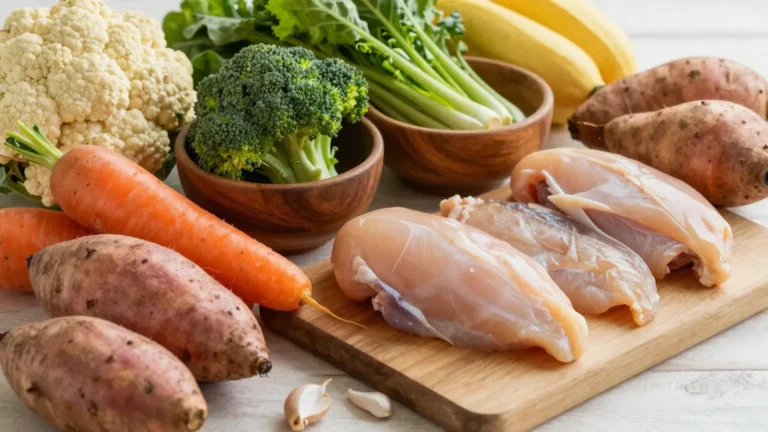
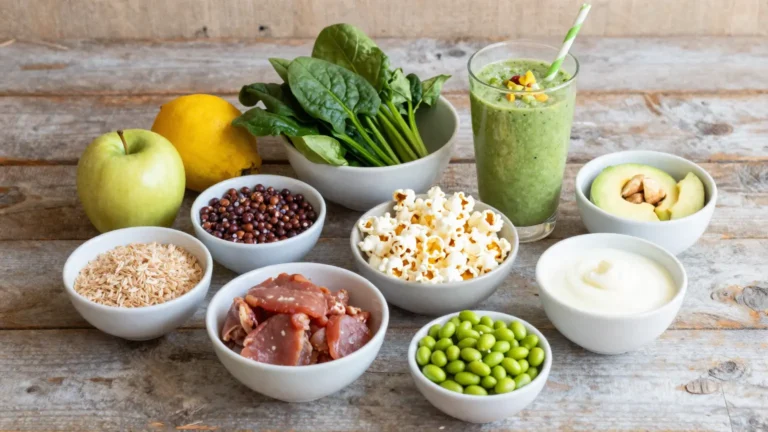
When considering the Enzyme-Catalyst Diet, it’s essential to focus on the recommended food groups that form the core of this dietary approach. Wade emphasized consuming raw fruits and vegetables at every meal, along with nuts and wheat germ. These foods are believed to provide enzymes that help in fat breakdown and weight loss.
Raw fruits, such as apples, bananas, and berries, offer a variety of vitamins, minerals, and fiber. They are also low in calories compared to processed snacks, making them ideal for those aiming to lose weight. Vegetables like leafy greens (kale, spinach), bell peppers, and broccoli provide essential nutrients while being naturally filling due to their high water and fiber content.
Nuts, such as almonds, walnuts, and cashews, are rich in healthy fats, protein, and vitamins E and B6. While they are calorie-dense, incorporating a handful of nuts into meals can promote satiety and provide sustained energy throughout the day. Wheat germ, a byproduct of whole wheat processing, is packed with nutrients including vitamin E, selenium, folate, and zinc. Adding a tablespoon to your meal can enhance its nutritional value.
To ensure variety in the diet while adhering to Wade’s guidelines, it’s beneficial to include a range of fruits, vegetables, nuts, and wheat germ in each meal. This approach not only supports his claims about enzyme activity but also provides a balanced intake of essential nutrients necessary for overall health.
Avoiding processed foods, as suggested by the diet, means steering clear of items like packaged snacks, fried foods, sugary drinks, and baked goods that are high in unhealthy fats, sugars, and additives. These foods can hinder weight loss efforts and negatively impact long-term health.
By focusing on these recommended food groups, adherents to the Enzyme-Catalyst Diet aim to harness natural enzymes for fat breakdown while promoting general well-being through a nutrient-rich diet. However, it’s crucial to remember that scientific validation of Wade’s enzyme theory is lacking, raising questions about its true effectiveness and safety.
How might integrating more raw fruits and vegetables into your daily meals influence your eating habits?
Forbidden or Limited Foods in the Enzyme-Catalyst Diet
When delving into the specifics of the Enzyme-Catalyst Diet, it becomes evident that certain foods are strictly forbidden or limited due to their potential negative impact on the diet’s purported goals. Processed foods top the list of items to avoid, as Wade believed they interfere with the body’s natural enzymatic processes and hinder weight loss efforts.
Foods like packaged snacks, chips, cookies, and other convenience items typically contain high levels of preservatives, artificial flavors, and unhealthy fats. These ingredients are not only devoid of essential nutrients but also contribute to inflammation and digestive issues, which can stall progress toward achieving the diet’s objectives. By eliminating these products from your meals, you’re essentially removing obstacles that might impede fat breakdown and weight management.
Sugary beverages, including soda, fruit juices (not freshly squeezed), energy drinks, and sweetened teas, are also on the restricted list. These liquids offer a quick burst of energy but come with high sugar content that spikes insulin levels and promotes fat storage rather than fat burning. Additionally, sugary drinks often contain artificial sweeteners which may disrupt gut health by altering beneficial bacteria populations.
Fried foods, such as French fries, fried chicken, and onion rings, are another category to avoid within the Enzyme-Catalyst Diet framework. Wade argued that frying food denatures enzymes found in raw ingredients and introduces harmful compounds like acrylamides and trans fats. These components not only diminish the diet’s effectiveness but also pose risks to cardiovascular health.
The restrictions imposed by this diet highlight a broader shift towards consuming foods closer to their natural state, without extensive processing or manipulation. This approach contrasts sharply with many contemporary dietary habits that rely heavily on convenience items and highly processed products. By adhering strictly to Wade’s guidelines, proponents of the Enzyme-Catalyst Diet aim to foster an environment where natural enzymes can play a more active role in weight loss.
However, it’s important to note that while this diet may seem straightforward in its prohibitions, following these restrictions consistently requires significant lifestyle changes and discipline. Many people find adhering to such strict guidelines challenging, especially given the prevalence of processed foods in modern diets.
What challenges do you think one might face when trying to completely avoid fried and sugary foods?
Did you know that raw fruits and vegetables contain natural enzymes that are thought to aid digestion? While these enzymes may not survive the digestive process intact, they can still contribute to overall gut health by providing fiber and other beneficial compounds.
Nutritional Benefits of the Enzyme-Catalyst Diet
The nutritional benefits of the Enzyme-Catalist Diet are largely tied to its emphasis on raw fruits, vegetables, nuts, and wheat germ. These foods offer a plethora of vitamins, minerals, antioxidants, and fiber that contribute to overall health and well-being.
Raw fruits and vegetables, in particular, stand out due to their high water content and low caloric density. This combination helps create a feeling of fullness with fewer calories, which can be beneficial for weight management. For example, eating an apple or a handful of baby carrots as snacks can curb hunger without adding excessive calories.
Moreover, the diet’s focus on nuts provides healthy fats that support heart health and brain function. Nuts are rich in monounsaturated and polyunsaturated fats, which help lower bad cholesterol levels and reduce inflammation throughout the body. In addition to their fat content, nuts offer a significant source of protein, making them an excellent choice for vegetarians or those looking to increase plant-based protein intake.
Wheat germ, often overlooked but highly nutritious, adds another layer of benefits to the diet. It is rich in vitamin E and other antioxidants that protect cells from damage caused by free radicals. Additionally, its high content of folate helps in red blood cell formation and supports a healthy nervous system. Incorporating wheat germ into meals not only enhances flavor but also boosts overall nutrient intake.
By adhering to these food groups, individuals on the Enzyme-Catalyst Diet may experience improvements in digestion, energy levels, and immune function. However, it’s crucial to recognize that while these foods are undoubtedly beneficial, there is no concrete scientific evidence supporting Wade’s specific claim about enzymes aiding fat breakdown through diet alone.
How do you think integrating more whole grains like wheat germ into your meals might affect your daily nutrition?
Potential Drawbacks and Criticisms of the Enzyme-Catalyst Diet
While the Enzyme-Catalyst Diet presents an appealing concept focused on raw foods and enzyme activity, several potential drawbacks and criticisms arise when considering its practical application. One major concern is the lack of scientific evidence supporting Wade’s core claims about enzymes aiding in fat breakdown through diet alone. This absence of empirical validation means that followers of this diet may rely heavily on unproven theories rather than established nutritional science.
Another significant issue with the Enzyme-Catalyst Diet is its restrictive nature, which can be difficult for many people to sustain long-term. The rigid avoidance of processed and sugary foods might seem straightforward but poses challenges in everyday life when social eating scenarios or travel are involved. Adhering strictly to these guidelines requires constant vigilance and discipline, making it a daunting task for some individuals.
Moreover, the diet’s emphasis on raw foods can also lead to nutritional imbalances if not carefully planned. While fruits, vegetables, nuts, and wheat germ offer numerous health benefits, they might lack certain nutrients found in other food groups such as dairy or meats. For instance, vitamin B12 is primarily available through animal products, which are entirely excluded from this diet.
The potential side effects of adopting the Enzyme-Catalyst Diet include digestive issues due to the high fiber content of raw foods. Increased consumption of roughage can lead to bloating, gas, and discomfort for those not accustomed to a predominantly plant-based diet. Additionally, some individuals might experience nutrient deficiencies if they don’t supplement their intake appropriately.
Critics argue that the diet’s focus on enzyme theory ignores broader nutritional principles. Nutritionists point out that while enzymes in raw foods are beneficial for digestive health, they do not retain their enzymatic properties once consumed and digested by the body. This means that the purported benefits of consuming enzymes directly through food may be exaggerated.
In conclusion, while the Enzyme-Catalyst Diet offers an intriguing approach to weight loss and wellness with its emphasis on raw foods and enzyme activity, it is important to weigh these potential drawbacks against its proposed benefits. The diet’s lack of scientific backing, restrictive nature, and possible nutritional gaps make it a risky choice for many individuals seeking sustainable health solutions.
Do you think the Enzyme-Catalyst Diet’s reliance on unproven theories might deter people from trying it despite its apparent health benefits?
Sample Meal Plan for Following the Enzyme-Catalyst Diet
Creating a meal plan that aligns with the principles of the Enzyme-Catalyst Diet involves incorporating raw fruits, vegetables, nuts, and wheat germ into each meal while avoiding processed foods. Here’s an example of how you might structure your daily diet to adhere to Wade’s guidelines.
Breakfast:
- A smoothie made from fresh berries (blueberries, raspberries) blended with a handful of spinach leaves, a tablespoon of wheat germ, and one banana.
- Add a small handful of almonds or walnuts for added protein and healthy fats. This breakfast provides a good balance of vitamins, minerals, and fiber while being low in calories.
Lunch:
- A large salad featuring leafy greens such as kale and spinach topped with sliced cucumbers, cherry tomatoes, bell peppers, and avocado.
- Include a few slices of raw apple or pear for natural sweetness. Toss the salad with olive oil and lemon juice for dressing.
- Add a sprinkle of sunflower seeds or pumpkin seeds for additional crunch and nutrients.
Snack:
- A small serving of raw carrot sticks, celery sticks, and bell pepper slices accompanied by hummus made from chickpeas blended with tahini and lemon juice. Hummus provides protein and healthy fats without being processed.
- Alternatively, enjoy a handful of mixed nuts like almonds and walnuts as an easy-to-carry snack.
Dinner:
- A stir-fry using raw vegetables such as broccoli florets, shredded carrots, bell peppers, snap peas, and zucchini. Cook briefly in olive oil or coconut oil to retain the freshness of the ingredients.
- Season with fresh herbs like cilantro or parsley for added flavor without relying on processed condiments.
- Serve over a bed of brown rice or quinoa that has been soaked overnight to reduce cooking time and enhance nutrient absorption.
Dessert:
- A simple dessert could be fresh fruit slices, such as pineapple chunks, mango cubes, and strawberries. These fruits are not only delicious but also provide natural sugars and fiber.
- For a twist, sprinkle some wheat germ over the fruit for an extra nutritional boost.
This meal plan offers variety while sticking to the principles of the Enzyme-Catalyst Diet, focusing on raw or lightly cooked foods rich in enzymes. By following this diet, you aim to support weight loss and overall health through nutrient-dense eating habits. However, it is important to consult with a healthcare provider before making significant changes to your dietary routine, especially if you have existing medical conditions.
Are There Alternative Diets Similar to the Enzyme-Catalyst Diet?
When considering diets similar to the Enzyme-Catalyst Diet, it’s helpful to look at other raw food and enzyme-focused regimens. One notable alternative is theRaw Food Diet, which shares a strong resemblance with Wade’s approach by emphasizing uncooked fruits, vegetables, nuts, and seeds. Proponents of this diet believe that cooking destroys essential enzymes and nutrients, leading to better health outcomes. However, like the Enzyme-Catalyst Diet, there isn’t substantial scientific evidence supporting these claims.
GAPS (Gut and Psychology Syndrome) Diet, another option, focuses on healing digestive issues by eliminating processed foods and introducing specific types of raw and cooked vegetables, fruits, meats, and other whole foods. While it does not explicitly focus on enzyme activity like the Enzyme-Catalyst Diet, its emphasis on avoiding harmful additives and promoting gut health aligns with Wade’s philosophy of clean eating.
| Raw Food Diet | GAPS Diet |
|---|---|
| Emphasizes raw foods to retain enzymes and nutrients. | Focuses on healing the gut by eliminating processed foods. |
| Claims that cooking destroys beneficial enzymes in food. | Stresses dietary changes for mental health conditions linked to digestive issues. |
Another diet that might appeal to those interested in enzyme-based diets is theMacrobiotic Diet, which encourages eating whole grains, beans, vegetables, and fruits while limiting processed foods. Although the focus of macrobiotics leans more towards balance and holistic nutrition rather than specific enzyme theories, its avoidance of processed foods resonates with Wade’s dietary restrictions.
Comparing these alternatives to the Enzyme-Catalyst Diet reveals similarities in their core principles – namely, avoiding processed food and emphasizing whole, nutrient-dense ingredients. However, each diet diverges significantly when it comes to detailed guidelines and underlying theories about health and nutrition.
Which of these alternative diets do you think might be most appealing to someone interested in the Enzyme-Catalyst Diet but looking for a more scientifically supported approach?
Conclusion: Evaluating the Enzyme-Catalyst Diet for Your Health Needs
Evaluating the Enzyme-Catalyst Diet reveals both intriguing possibilities and significant doubts. While it promotes beneficial foods like raw fruits, vegetables, nuts, and wheat germ, and discourages processed and sugary items, its core enzyme theory lacks empirical support. This diet invites exploration into unconventional health practices but also highlights the importance of relying on scientifically validated nutritional advice for long-term health benefits. As with any dietary change, it’s crucial to consult healthcare professionals before adopting strict guidelines that may impact overall well-being and nutrient balance.
Frequently Asked Questions (FAQ)
Is the Enzyme-Catalyst Diet based on scientific evidence?
The Enzyme-Catalyst Diet is not supported by scientific evidence. Many experts note that it contains false statements and lacks credible research to back its claims.
Does consuming enzymes from food actually help with digestion or weight loss?
Enzymes in foods are digested into amino acids when you eat them, losing their enzymatic properties once absorbed. Your body produces the necessary digestive enzymes itself.
Are there any specific enzymes recommended for consumption on this diet?
The diet often misrepresents information about enzymes and suggests consuming specific ones, but scientific research does not support these claims.
Can taking enzyme supplements help with weight loss or digestion?
While some people use enzyme supplements to aid in digestion issues, they are generally unnecessary if you have a normal digestive system. There’s no evidence that they can lead to significant weight loss.
What do dietitians and nutritionists say about the Enzyme-Catalyst Diet?
Most professionals advise against following this diet as it is considered a fad diet with misleading information and potential risks for those who adopt it without proper research.
Are there any known side effects of following the Enzyme-Catalyst Diet?
There are no comprehensive studies on the long-term or short-term effects, but ignoring basic nutritional guidelines can lead to deficiencies in vitamins and minerals essential for health.
How does the Enzyme-Catalyst Diet compare to other diets likeketoorpaleo?
Unlike diets such as keto which have been studied extensively, the Enzyme-Catalyst Diet lacks credible research backing its efficacy and safety. It is not recommended by most healthcare professionals.
Can I still eat my favorite foods while on the Enzyme-Catalyst Diet?
The diet imposes strict rules about certain food groups, making it difficult to maintain a balanced intake of nutrients necessary for good health if you follow these guidelines strictly.
Is the Enzyme-Catalyst Diet safe for long-term use?
Due to lack of scientific evidence and potential nutritional imbalances, there are concerns regarding the safety of following this diet over an extended period.
Are there any alternative diets that might be better for weight loss or health improvement?
Many well-researched diets such as Mediterranean, DASH, or plant-based diets offer balanced nutrition and have strong supportive research backing their benefits. These options would likely be safer and more effective than the Enzyme-Catalyst Diet.