What is the Hay Diet?
Hay diet, a nutritional approach developed by Dr. William Howard Hay in the 1920s, is steeped in controversy and intrigue. This unique dietary framework categorizes foods based on their acid-alkaline nature into three groups: acidic (rich in proteins), alkaline (high in carbohydrates), and neutral (like fats and nuts). The core principle of this diet revolves around avoiding the mixing of these food categories during meals to prevent digestive issues.
Dr. Hay’s journey with his own health struggles laid the foundation for his dietary theories. After battling Bright’s disease, a condition characterized by kidney inflammation, he experimented extensively with diet modifications, including vegetarianism and timing meals carefully. These changes convinced him that altering one’s diet could have profound impacts on overall well-being, leading to the development of what would become known as the Hay Diet.
The Hay Diet meticulously classifies foods into three categories: acidic, alkaline, and neutral. Acidic foods like meat, fish, and dairy are considered harmful when mixed with other food types because they produce acid-forming compounds upon digestion. Alkaline foods such as rice, grains, and potatoes generate beneficial alkalizing effects in the body after being consumed. Neutral foods, which include fats, nuts, and certain vegetables, can be combined freely with both acidic and alkaline meals.
A typical day on this diet involves eating three distinct types of meals:
- A pure alkaline meal consisting solely of carbohydrate-rich items like rice or grains.
- A protein-heavy meal featuring meat, fish, dairy products, alongside non-starchy vegetables to aid digestion.
- A starchy food and sweet fruits meal designed for the final meal of the day.
These meals are spaced approximately 4 to 4.5 hours apart, allowing sufficient time for the digestive system to process one type of food before introducing another. This structured pattern is aimed at optimizing digestive efficiency by preventing simultaneous intake of acidic and alkaline foods.
The Hay Diet gained significant traction in the early 20th century, especially during the 1930s, with endorsements from notable figures like Henry Ford and artist Man Ray. Restaurants even started offering menus tailored to those adhering to this diet. However, despite its initial popularity, it faced substantial criticism from medical professionals who questioned its scientific basis.
The rigorous rules imposed by the Hay Diet regarding food combinations have raised concerns about potential health risks due to nutrient imbalances or deficiencies caused by overly restrictive eating patterns. Modern nutritional science challenges Dr. Hay’s assertions about separate acid and base secretions during meals, suggesting that the body efficiently handles both carbohydrate and protein digestion simultaneously.
As scientific evidence mounts against the foundational claims of the Hay Diet, its relevance in today’s world remains questionable. While some individuals find inspiration in its principles of food classification and meal timing, the diet itself lacks substantial validation for its health benefits. Recent studies show no additional weight loss advantages over balanced diets with similar caloric intake levels.
Despite these criticisms, variations of this dietary approach continue to attract interest among those seeking alternative nutritional strategies. The Hay Diet’s legacy persists, sparking curiosity about whether there might still be merit in exploring the nuanced relationships between food combinations and health outcomes.
How Does the Hay Diet Work?
The Hay Diet, developed by Dr. William Howard Hay in the 1920s, is a nutritional approach that categorizes foods into acidic, alkaline, and neutral groups based on their impact on the body’s pH balance. The diet’s premise revolves around avoiding the combination of different food types during meals to prevent digestive issues caused by mixing acids and bases.
Here’s how it works:
Food Classification:
- Acidic Foods: Meat, fish, dairy products.
- Alkaline Foods: Rice, grains, potatoes.
- Neutral Foods: Fats, nuts, certain vegetables.
The diet suggests that combining foods from different categories can disrupt the digestive process and lead to various health problems. Dr. Hay believed that by separating these food groups, digestion would be more efficient and result in better overall health.
Meal Structure:
Meals are carefully planned with intervals of 4 to 4.5 hours between them to allow for proper digestion. The diet is structured around three main meals:
- Meal 1: Consists solely of alkaline foods like rice, grains, or potatoes.
- Meal 2: Includes protein-rich items such as meat and fish along with non-starchy vegetables.
- Meal 3: Focuses on starchy foods and sweet fruits.
Each meal type is meant to be consumed separately without mixing food groups within a single sitting. This structured approach aims to optimize digestive processes and prevent potential health issues associated with mixed meals.
Despite the diet’s strict rules, it gained significant popularity during its early days, especially in the 1930s when celebrities like Henry Ford and Man Ray adopted it. Restaurants even started offering menus tailored specifically for Hay Diet followers, demonstrating its widespread appeal at that time.
Who Developed the Hay Diet?
Dr. William Howard Hay developed the Hay Diet in the 1920s after suffering from Bright’s disease, an ailment characterized by kidney inflammation and heart failure. His health struggles led him to experiment with dietary changes that could improve his condition.
Key aspects of Dr. Hay’s development include:
- Health Struggles: In 1905, Dr. Hay experienced a severe bout of Bright’s disease, which motivated him to explore alternative ways to manage and treat his illness through diet.
- Dietary Changes: He began incorporating vegetarianism and strict meal timing into his regimen, leading to significant improvements in his health.
Dr. Hay then expanded these personal findings into a broader dietary theory, categorizing foods based on their acid and alkaline properties:
- Acidic Foods: Meat, fish, dairy products.
- Alkaline Foods: Rice, grains, potatoes.
- Neutral Foods: Fats, nuts, certain vegetables.
The diet’s principle is to avoid mixing acidic and alkaline foods during meals to prevent digestive issues caused by acid-base imbalances. Dr. Hay structured the meal plan into three main types:
- Meal 1 (Morning): Consists solely of alkaline foods.
- Meal 2 (Afternoon): Includes protein-rich items alongside non-starchy vegetables.
- Meal 3 (Evening): Features starchy foods and sweet fruits.
This method gained popularity in the early 20th century, attracting celebrities like Henry Ford and Man Ray. Despite its historical appeal, scientific scrutiny has since revealed significant doubts about the diet’s principles regarding food digestion. Modern studies have shown no additional health benefits compared to balanced diets with similar caloric intake.
Dr. Hay’s journey began when he was just a medical student in 1890s and continued throughout his career as a practicing physician, making him one of the early pioneers in exploring dietary approaches for health improvement.
History of the Hay Diet
The Hay Diet, introduced by Dr. William Howard Hay in the 1920s, was born out of his personal health struggles with Bright’s disease, an ailment characterized by kidney inflammation and heart failure. Seeking to improve his condition, Dr. Hay began experimenting with dietary changes that eventually led him to develop a unique eating plan focused on food classification into acidic, alkaline, and neutral categories.
Key Facts:
Origin: Developed in the 1920s after Dr. Hay’s experience with Bright’s disease, which he treated through dietary adjustments.
Food Classification:
Acidic Foods: Meat, fish, dairy products.
Alkaline Foods: Rice, grains, potatoes.
Neutral Foods: Fats, nuts, certain vegetables.
Meal Structure: Meals are structured around these food categories with intervals of about 4 to 4.5 hours between them:
Meal 1 (Morning): Alkaline foods only.
Meal 2 (Afternoon): Protein-rich items and non-starchy vegetables.
Meal 3 (Evening): Starchy foods and sweet fruits.
Historical Popularity
The Hay Diet gained significant traction in the early to mid-1900s, especially during the 1930s. It was embraced by notable figures such as Henry Ford, the renowned industrialist, and Man Ray, a prominent artist of that era. The diet’s influence extended beyond personal use into public life; restaurants even adapted their menus to cater to Hay Diet followers.
Scientific Criticism
Despite its early success, the Hay Diet faced substantial criticism from scientific communities over time. In particular, it was scrutinized for its unproven claims about food digestion and combination. A critical review in the Journal of the American Medical Association dismissed it as a mere food fad without solid scientific backing.
Moreover, there were controversies around dietary advice given to individuals with type 1 diabetes who were advised to stop insulin use while following this diet, raising serious concerns about its safety and efficacy.
Modern Relevance
While the Hay Diet’s principles are less widely accepted today due to lack of scientific support, variations of it still attract interest among health enthusiasts and some celebrities. Recent studies have shown no significant weight loss benefits when compared to balanced diets providing similar calorie intake.
During its peak popularity in the 1930s, adherents were so dedicated that they often carried detailed food guides wherever they went to ensure strict compliance with meal plans.
In summary, while the Hay Diet holds historical significance and continues to intrigue some individuals seeking alternative nutrition methods, it lacks substantial scientific evidence for long-term health benefits.
The Controversy Surrounding the Hay Diet
The Hay Diet, developed by Dr. William Howard Hay in the 1920s, is based on categorizing foods into acidic, alkaline, and neutral groups to prevent digestive issues caused by combining acids and bases during meals. However, this diet has faced significant controversy due to its unproven claims about food digestion.
- Scientific Criticism: Modern research shows that the simultaneous secretion of digestive enzymes for both proteins and carbohydrates contradicts Dr. Hay’s theory. The idea that mixing acidic and alkaline foods disrupts digestion is not supported by current scientific evidence.
- Historical Critiques: When the diet was first introduced, it faced immediate skepticism from medical professionals. A critical review in the Journal of the American Medical Association dismissed it as a food fad without any substantial scientific backing.
Moreover, the Hay Diet encountered controversy over dietary advice given to type 1 diabetes patients. There were warnings that following such restrictive rules could be dangerous and even lead some individuals to discontinue insulin use, which is highly risky for managing blood sugar levels.
Despite these criticisms and lack of strong scientific support, variations of the Hay Diet continue to attract interest among health enthusiasts seeking alternative nutrition methods. However, recent studies comparing weight loss outcomes show no additional benefits compared to balanced diets with similar calorie intake. This suggests that while the diet might have historical appeal, it does not offer unique advantages in modern dietary contexts for achieving health or wellness goals.
Although its principles are largely discredited today, the Hay Diet was one of the earliest diets to emphasize meal timing and food classification, influencing later trends like intermittent fasting and acid-alkaline balance diets.
What Can You Eat on the Hay Diet?
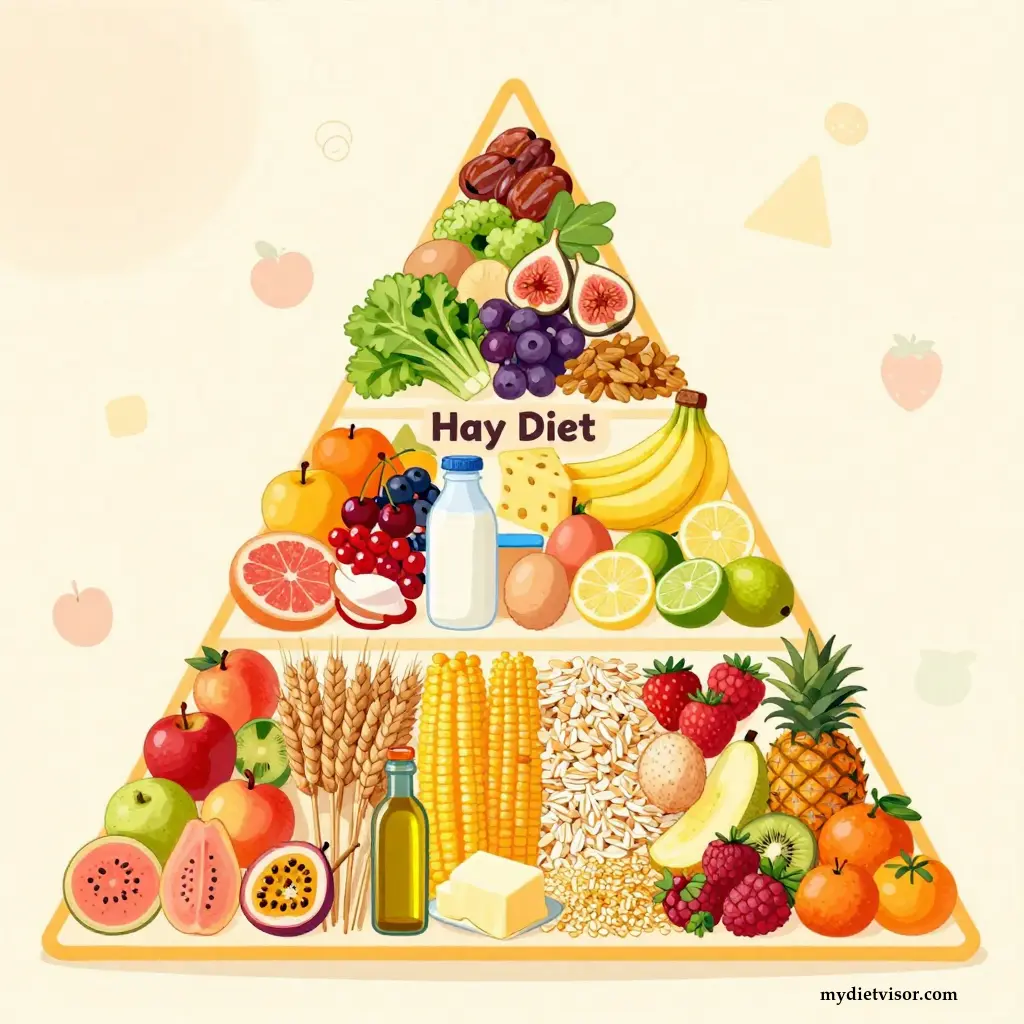
On the Hay Diet, food choices are strictly categorized into three groups based on their acidic or alkaline nature. This diet requires adherents to avoid mixing foods from different categories during meals to prevent digestive issues and maintain overall health.
Allowed Foods by Category
- Acidic Foods: These include meat, fish, dairy products such as cheese and milk, which are high in protein.
- Alkaline Foods: Grains like rice, potatoes, and other carbohydrate-rich foods fall into this category.
- Neutral Foods: Fats and oils, nuts, and certain vegetables that don’t fit neatly into the acidic or alkaline categories.
Meal Structure
The Hay Diet is structured around specific meal intervals of 4 to 4.5 hours apart, divided into three distinct food types:
- First Meal (Morning): Consists solely of alkaline foods like grains.
- Second Meal (Afternoon): This includes protein-rich items from the acidic category along with non-starchy vegetables.
- Third Meal (Evening): Focuses on starchy foods and sweet fruits.
Historical Popularity
Back in its heyday, especially during the 1930s, the Hay Diet was embraced by notable figures like Henry Ford and artist Man Ray. Restaurants even adapted their menus to cater to followers of this diet trend.
While the Hay Diet has garnered historical interest and celebrity following, contemporary scientific research questions its principles regarding food digestion. Modern studies reveal that combining foods from different categories does not cause digestive issues as claimed by Dr. Hay. In fact, they show simultaneous secretion of enzymes for both proteins and carbohydrates during meals. This challenges the fundamental premise of avoiding mixed groupings to enhance health.
Despite these criticisms and lack of strong scientific backing, variations of this diet persist among individuals seeking alternative nutritional approaches. However, it’s important to approach such diets with caution, given their potential risks and minimal proven benefits over conventional balanced eating plans.
One reason the Hay Diet was so popular in its early days was because celebrities like Henry Ford and Man Ray openly endorsed it, giving it a glamorous appeal that captivated many health enthusiasts of the time.
Meal Structure in the Hay Diet
Meal structure on the Hay Diet is meticulously planned around specific food classifications and intervals, aiming to optimize digestion. According to Dr. William Howard Hay’s principles, meals are divided into three distinct categories:
- Pure Alkaline Foods Meal: This meal consists entirely of alkaline foods such as rice, grains, potatoes, and other starchy vegetables. These foods are believed to create an alkaline environment in the body.
- Protein and Non-Starchy Vegetables Meal: The second meal includes protein-rich items like meat and fish, along with non-starchy vegetables such as leafy greens or broccoli.
- Starches and Sweet Fruits Meal: For this final meal of the day, starchy foods and sweet fruits are combined. This typically involves grains, potatoes, and fruit that are higher in natural sugars.
Each of these meals is separated by intervals of 4 to 4.5 hours to ensure thorough digestion before introducing a new type of food. The Hay Diet advocates for this structure to prevent digestive distress caused by mixing foods from different categories during one meal.
For instance:
- Meal 1 (Morning): This would consist solely of alkaline grains like rice or potatoes.
- Meal 2 (Afternoon): Here, you might have a protein-rich dish such as grilled chicken with steamed broccoli.
- Meal 3 (Evening): The final meal could include pasta with sweet fruits on the side.
This regimented approach is designed to maintain digestive health by avoiding what Dr. Hay believed were harmful combinations of acidic and alkaline foods. Despite its historical appeal, modern scientific research has challenged these principles, suggesting that the simultaneous secretion of multiple enzymes during meals negates the diet’s core assumptions.
This meal structure was one of the earliest dietary plans to emphasize such strict adherence to food categories and meal timing, influencing later trends in intermittent fasting and acid-alkaline diets. However, its practicality and effectiveness remain contentious topics among health professionals today.
Is There Scientific Evidence to Support the Hay Diet?
While the Hay Diet gained popularity during its early years and attracted notable followers, contemporary research has largely dismissed many of its core principles. Dr. William Howard Hay’s diet categorizes food into three groups – acidic, alkaline, and neutral – and suggests that mixing foods from different categories can lead to digestive issues. However, scientific evidence does not support these claims.
- Digestive Enzyme Secretion: One key aspect challenged by modern science is the idea of avoiding mixed food combinations. Studies have shown that our bodies naturally secrete multiple types of digestive enzymes simultaneously when we consume a meal containing both proteins and carbohydrates. This simultaneous enzyme secretion contradicts the Hay Diet’s premise that mixing acidic and alkaline foods disrupts digestion.
- Nutritional Balance: The Hay Diet’s strict categorization can lead to nutritional imbalances if not carefully planned. For instance, followers may avoid entire food groups or limit their variety excessively, which could result in deficiencies of essential vitamins, minerals, and fibers.
Moreover, recent research comparing the effectiveness of the Hay Diet with balanced diets has shown no significant additional benefits. A study published in a reputable scientific journal indicated that individuals on the Hay Diet did not experience greater weight loss or better health outcomes compared to those following well-balanced diets with similar calorie intake.
Despite its historical appeal and early endorsements, contemporary nutritionists often view the Hay Diet as less effective than modern dietary approaches like the Mediterranean diet or DASH (Dietary Approaches to Stop Hypertension) that are supported by a wealth of scientific evidence for heart health and chronic disease prevention.
In conclusion, while the Hay Diet offers an interesting historical perspective on food classification and meal timing, its principles lack robust scientific support in modern nutritional science. Individuals considering this diet should consult healthcare professionals before making significant changes to their eating habits.
Does the Hay Diet Promote Weight Loss?
Does the Hay Diet promote weight loss? This is a common question among individuals considering this nutritional approach, which gained popularity in the early 20th century. The Hay Diet categorizes food into acidic, alkaline, and neutral groups, suggesting that avoiding combinations of these foods can improve digestive health.
Key Points on Weight Loss
- Historical Context: During its heyday, celebrities such as Henry Ford and Man Ray embraced the diet, contributing to its popularity in the 1930s.
- Scientific Critique: Modern research challenges Dr. Hay’s core principles regarding food digestion and combination. Studies have shown that digestive enzymes for both proteins and carbohydrates are secreted simultaneously during meals, debunking the idea of digestive disturbances caused by mixed food groups.
- Weight Loss Efficacy: Recent studies comparing weight loss outcomes between followers of the Hay Diet and those on balanced diets with similar caloric intake reveal no significant differences in results. This suggests that any initial weight loss experienced through the Hay Diet might be due to reduced calorie intake rather than unique physiological benefits.
Potential Mechanisms for Weight Loss
- Calorie Restriction: The strict categorization of foods can lead individuals to inadvertently consume fewer calories by limiting food choices and combinations.
- Behavioral Changes: Following a structured diet like the Hay Diet may encourage mindfulness around eating, potentially leading to healthier habits that promote weight loss.
Challenges in Long-Term Adherence
- Nutritional Imbalance: The restrictive nature of the diet can result in inadequate intake of essential nutrients such as fiber, vitamins, and minerals.
- Digestive Issues: Rigid meal planning can disrupt natural eating patterns, potentially causing digestive discomfort or other health issues.
Alternative Approaches to Weight Loss
While the Hay Diet may seem appealing due to its historical popularity and unique approach, modern nutritional science suggests that balanced diets offering diverse food choices are more sustainable for long-term weight management. Diets like the Mediterranean diet or DASH (Dietary Approaches to Stop Hypertension) have extensive scientific backing for their effectiveness in promoting health and wellness.
In summary, while some might experience initial weight loss through adherence to the Hay Diet due to reduced calorie intake from strict rules about food combinations, there is no substantial evidence suggesting it offers unique benefits over a well-balanced diet for sustained weight management. It’s important to approach such diets with caution and consider consulting healthcare professionals before making significant dietary changes.
The Hay Diet was one of the first to emphasize meal timing and food classification, influencing later dietary trends like intermittent fasting and acid-alkaline balance diets. However, its strict rules can make it challenging for most people to follow long-term.
Potential Risks of Following the Hay Diet
Adhering strictly to the principles of the Hay Diet can pose several potential risks that are important to consider. The diet segregates food into acidic, alkaline, and neutral categories based on outdated theories about how digestion works. Modern nutritional science has found little support for these ideas, raising concerns about both short-term health impacts and long-term sustainability.
Key Risks:
- Nutritional Imbalance: By strictly separating foods into specific groups and limiting combinations during meals, the Hay Diet may lead to a lack of essential nutrients typically found in balanced diets. This can result in deficiencies in vitamins, minerals, and other important nutrients that are crucial for overall health.
- Digestive Issues: The rigid structure of the diet can disrupt natural eating habits and potentially cause digestive discomfort due to inflexible meal planning. Some individuals might experience bloating or gastrointestinal distress as their bodies adapt to this unconventional approach.
- Weight Management Challenges: While some people may experience initial weight loss from reduced caloric intake, adhering strictly to these rules long-term can be difficult. The lack of diversity in meals might lead to overeating during permitted combinations or binge eating on restricted foods when the diet is abandoned temporarily.
Specific Concerns:
- Nutrient Deficiencies: Certain food groups that are restricted may contain vital nutrients. For example, limiting fruits and vegetables could reduce intake of dietary fiber, vitamin C, potassium, and other essential vitamins and minerals.
- Social Eating Challenges: The strict rules about combining foods can make social eating difficult. Adhering to the Hay Diet during gatherings or meals out might require extensive planning and communication with hosts, which can be socially challenging.
- Complexity of Meal Planning: Maintaining the diet’s structure involves meticulous meal preparation and timing. This complexity may lead some individuals to abandon the regimen due to practical difficulties in adhering strictly to its rules.
- Safety Concerns for Specific Populations: People with chronic conditions like diabetes or kidney issues might face additional risks if they follow dietary advice that isn’t tailored to their specific health needs. For instance, avoiding insulin use as suggested by some proponents of the diet can be extremely dangerous and potentially life-threatening.
Historical Context:
The Hay Diet faced criticism from medical professionals in its early days. The Journal of the American Medical Association labeled it a food fad, highlighting potential dangers associated with disregarding traditional nutritional advice. These critiques have been substantiated over time by modern scientific research that emphasizes balanced diets rather than rigid food classification systems.
Modern Relevance:
Despite these concerns, variations of the Hay Diet continue to attract interest among some health enthusiasts and celebrities seeking unique dietary approaches. However, recent studies comparing weight loss outcomes show no significant benefits compared to balanced diets with similar calorie intake. This suggests that while the diet might appeal to those interested in unconventional methods, it offers little additional value over traditional nutritional advice.
In summary, while the Hay Diet may have historical significance and continues to intrigue certain groups today, its potential risks and lack of robust scientific support make it a less advisable option compared to balanced dietary approaches backed by extensive research.
Conclusion: Is the Hay Diet Right for You?
When considering whether the Hay Diet is right for you, it’s crucial to balance its historical appeal and popularity with current nutritional science. Developed by Dr. William Howard Hay in the 1920s as a response to his own health issues, the diet categorizes foods into acidic, alkaline, and neutral groups based on the idea that certain food combinations can cause digestive problems. However, modern research has largely debunked these principles.
Modern Scientific Perspective:
Contemporary studies have shown no significant benefits of the Hay Diet compared to balanced diets that offer similar nutritional value and calorie intake. The diet’s strict rules about food combination can be challenging to follow long-term, potentially leading to nutrient deficiencies or other health risks. For example, adhering strictly to these guidelines might mean missing out on diverse nutrients essential for optimal health.
Potential Risks:
The Hay Diet’s restrictive nature could lead to nutritional imbalances and digestive issues due to its inflexible meal planning. Additionally, long-term adherence can be difficult, which may undermine any initial weight loss benefits achieved through reduced caloric intake from strict food rules.
Historical Relevance vs. Current Evidence:
While the Hay Diet gained popularity in the 1930s with endorsements from notable figures like Henry Ford and Man Ray, modern scientific research lacks substantial support for its claims about digestive health and overall well-being. Critics argue that the diet’s principles contradict current understanding of how digestion works.
Alternative Approaches:
For those interested in alternative nutrition methods, exploring scientifically backed diets such as Mediterranean or DASH might offer more sustainable benefits without the rigid rules of food combining found in the Hay Diet. These approaches focus on a balanced intake of nutrients and have extensive research supporting their effectiveness for heart health and chronic disease prevention.
In summary, while the Hay Diet holds historical significance and continues to attract interest from certain groups, it lacks substantial scientific evidence to support its unique claims about digestive health and long-term benefits. If you’re considering this diet, it might be more beneficial to explore well-established nutritional methods that offer a balanced approach to eating and are easier to maintain over time.
Before making significant changes to your dietary routine, consult healthcare professionals to ensure that any new approach aligns with your specific health needs and goals.
Frequently Asked Questions (FAQ)
How does the Hay diet compare to other diets like keto or DASH?
The Hay diet focuses on balancing acid and alkaline foods in your meals, whereas diets like keto emphasize high-fat intake and low-carb consumption. The DASH diet is designed to lower blood pressure by restricting sodium and increasing potassium, calcium, and magnesium intake.
Is the Hay diet suitable for people with diabetes?
While the Hay diet encourages eating whole grains and vegetables which can be beneficial for managing diabetes, it’s important for individuals with diabetes to consult a healthcare provider or nutritionist before starting any new dietary regimen. They can help tailor a meal plan that works best based on individual needs.
Can you eat fruits and vegetables on the Hay diet?
Yes, most fruits and vegetables are allowed but should be eaten separately from proteins and starches according to the Hay diet principles. However, there’s no one-size-fits-all approach since different bodies respond differently to food combinations.
Is it necessary to avoid all acidic foods when following the Hay diet?
The Hay diet advises avoiding highly acidic foods in combination with other types of food but doesn’t ban them entirely. For instance, you can eat a piece of fruit by itself rather than combining it with proteins or grains.
Can I still drink coffee and tea on the Hay diet?
Coffee and tea are considered acid-forming drinks according to the principles of the Hay diet. To adhere strictly to the diet, these beverages should be consumed separately from meals. However, some people choose to enjoy them in moderation without experiencing adverse effects.
What kind of exercise is recommended while following the Hay diet?
The Hay diet doesn’t prescribe specific exercises but advocates for a balanced lifestyle that includes regular physical activity. Any form of exercise that improves cardiovascular health and builds muscle strength can be beneficial when combined with a balanced diet like the Hay diet.
Are there any long-term studies on the effectiveness of the Hay diet?
There are limited scientific studies specifically focusing on the long-term effects of the Hay diet. Most evidence supporting its benefits comes from anecdotal reports rather than rigorous clinical trials, which means that more research is needed to fully evaluate its efficacy over time.
Can I eat out while following the Hay diet?
Eating at restaurants can be challenging due to limited menu options and lack of ingredient details but it’s possible with planning. Opt for meals based on fresh vegetables, lean meats, and whole grains when dining out and try to avoid combining acid-forming foods in your meal.
Is the Hay diet good for children or teenagers?
The nutritional needs of growing children differ significantly from adults. Therefore, before putting a child or teenager on any restrictive diet like the Hay diet, it’s crucial to consult with pediatricians or nutritionists who specialize in childhood diets to ensure proper growth and development.
What are some common misconceptions about the Hay diet?
One common misconception is that all acidic foods must be completely avoided. Another is thinking that this diet will automatically lead to weight loss regardless of portion control, which isn’t true. Understanding these nuances can help adopters make more informed choices about their health and wellness journey.