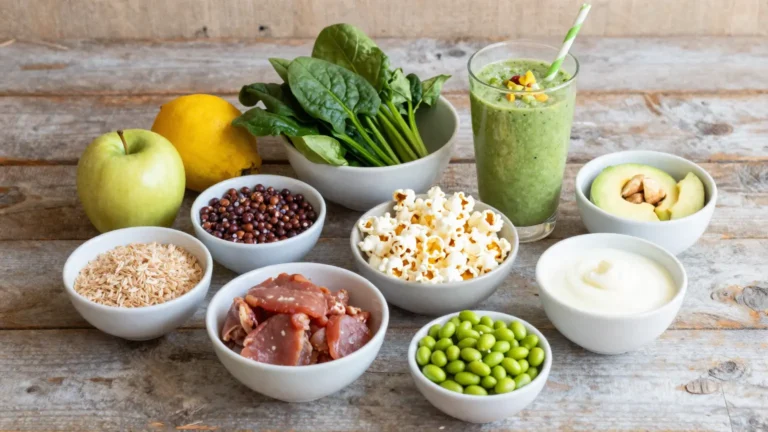
What is the Whole30 Diet?
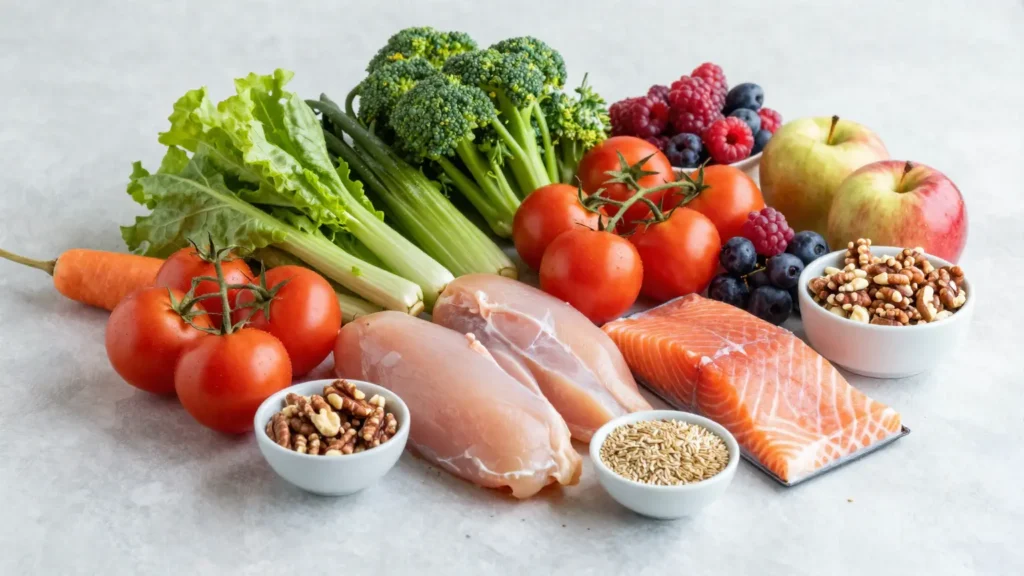
The Whole30 diet is a popular 30-day eating plan designed to help you reset your body by cutting out specific foods that might be causing inflammation or other health issues. Developed in 2009, this program challenges participants to eliminate sugar (including natural sweeteners like honey), alcohol, grains, dairy, legumes, and soy from their diets for a month. By focusing on whole, unprocessed foods such as meat, poultry, fish, eggs, vegetables, fruits, nuts, seeds, and certain fats, the Whole30 aims to help you understand how your body reacts to different types of food.
During this elimination period, adhering strictly to the guidelines means saying goodbye to all processed foods and sugary treats. You’ll find yourself reaching for fresh ingredients instead, cooking meals that are not only delicious but also nutrient-dense. The key here is listening to your body rather than counting calories or stepping on the scale every day. This mindfulness approach encourages you to notice changes in how you feel – mentally and physically – as you cut out common dietary culprits like gluten and dairy.
By stripping away these potential irritants for 30 days, the hope is that you’ll gain clarity about which foods might be hindering your health or energy levels. Imagine waking up after a month with clearer skin, better digestion, and improved mental focus – this is what many people report experiencing on the Whole30 diet. But does it truly offer long-term benefits? And at what cost to social life and overall flexibility in eating habits? These questions linger as more people turn to this radical approach for quick health fixes.
Recommended Food Groups in the Whole30 Program
The core of the Whole30 program revolves around specific food groups that are both permitted and prohibited throughout the 30-day challenge. Permitted foods include a wide variety of ingredients that are generally considered beneficial for health due to their nutrient density and lack of processing. These foods form the backbone of your meals during this period, helping you rediscover what real, whole foods taste like without relying on additives or preservatives.
- Meat and Poultry: Think of grass-fed beef, pastured pork, and free-range chicken or turkey. These options are not only rich in protein but also offer important nutrients such as iron, zinc, and vitamin B12.
- Seafood: A vast array of fish and shellfish can be included, from salmon and cod to shrimp and mussels. Seafood is a great source of omega-3 fatty acids, which are vital for heart health.
- Eggs: Whole eggs in all their glory are encouraged, providing high-quality protein and essential vitamins like choline.
- Vegetables: You can eat any type of vegetable you enjoy, cooked or raw. From leafy greens to root vegetables and cruciferous varieties, the variety is endless.
- Fruits: Fresh fruits of all kinds are fair game, offering a natural source of sugars along with vitamins, minerals, and fiber.
- Nuts and Seeds: Almonds, walnuts, chia seeds, pumpkin seeds – these nutrient-packed snacks can provide healthy fats, protein, and other essential nutrients.
- Certain Fats: Olive oil, avocado oil, coconut oil, and animal fats like tallow or lard are allowed. These oils are valuable for cooking and adding flavor to meals without added sugars or preservatives.
By focusing on these food groups, the Whole30 diet encourages you to build your meals around ingredients that are minimally processed and nutritionally dense. This shift not only helps in reducing inflammation but also aids in identifying which foods might be contributing negatively to your health when reintroduced later in the program.
However, prohibited foods play a crucial role too. They represent categories of items you must avoid entirely for 30 days. These restrictions are designed to eliminate common allergens and inflammatory triggers from your diet, allowing your body time to reset and heal.
Prohibited Foods
- Sugar: This includes all forms of added sugars as well as natural sweeteners like honey or maple syrup.
- Alcohol: No drinks with alcohol content are allowed, which can be challenging for social situations but essential for detoxing the liver.
- Grains: Wheat, barley, rye, and other grains must be avoided since they often contain gluten and other potential irritants.
- Legumes (in Traditional Form): Beans, lentils, peanuts, and soybeans are off-limits due to their high lectin content and potential for digestive issues.
- Soy: All forms of soy products like tofu or tempeh need to be eliminated as they can disrupt hormone balance in some individuals.
By cutting out these food groups entirely, the Whole30 diet aims to reduce inflammation and improve gut health. The challenge lies in adapting your palate and cooking habits to this new way of eating without slipping back into old patterns. How do you think you would handle such a strict regimen?
Forbidden or Limited Foods During Whole30
As you embark on the Whole30 journey, you’ll quickly realize that the list of prohibited foods is quite extensive and can feel overwhelming at first. Avoiding sugar in all forms, from table sugar to maple syrup and even honey, might seem daunting but it’s a critical step if you’re looking to reset your palate and reduce inflammation. For many people, cutting out added sugars leads to a significant decrease in cravings for sweet treats, helping them regain control over their dietary choices.
Similarly, abstaining from alcohol is another crucial aspect of the Whole30 program. While it can be tough during social gatherings or special occasions, this temporary abstinence allows your liver and digestive system to recover from the constant processing of ethanol. > Did you know that a single glass of red wine can contain up to 5 grams of sugar? This underscores why eliminating alcohol is essential for detoxification purposes.
In addition to these restrictions, banning grains like wheat, barley, rye, and others means giving up bread, pasta, cereals, and even many snack foods. Grains are a staple in most diets, but Whole30 advocates argue that they can contribute to inflammation and digestive issues for some individuals. Removing them entirely gives your body time to heal from potential irritants found within these grains.
Legumes encompass a wide range of food items such as beans, lentils, peanuts, and soy products like tofu or tempeh. These are strictly off-limits during the Whole30 period due to their high lectin content, which can be problematic for some people’s digestive systems. The exclusion of legumes also means saying goodbye to peanut butter sandwiches and hummus – two popular protein sources for many.
Soy products have a special place in the list of prohibited foods because they contain phytoestrogens that may disrupt hormone balance in certain individuals. Whether it’s tofu, soy milk, or edamame, these items are not part of the Whole30 diet. This can be particularly challenging since soy is often used as an alternative to meat and dairy products for vegetarians and vegans.
Navigating through such a restrictive list might feel like a monumental task at first glance. However, many find that by focusing solely on whole foods, they experience newfound energy levels, improved digestion, and clearer skin – benefits that can make the temporary restrictions worth it. How would you approach incorporating these changes into your daily routine?
Nutritional Benefits of the Whole30 Diet
The Whole30 diet emphasizes nutrient-dense foods that provide a wide range of essential vitamins, minerals, antioxidants, and healthy fats. By focusing on whole, unprocessed ingredients, you are likely to consume more beneficial nutrients than when relying heavily on packaged or processed foods.
Protein sources, such as grass-fed beef, pastured poultry, and wild-caught fish, offer high-quality protein along with important vitamins like B12 and minerals like iron. These proteins are not only crucial for muscle repair but also help stabilize blood sugar levels and promote satiety throughout the day. Vegetables in their various forms provide fiber, antioxidants, and a spectrum of micronutrients that support digestive health and immune function.
Fruits included in the Whole30 diet offer natural sugars alongside vitamins, minerals, and fiber, which helps regulate digestion and provides sustained energy without the spikes caused by refined sugar. Nuts and seeds contribute healthy fats, protein, and essential nutrients like magnesium and zinc, crucial for various bodily functions including bone health and stress management.
Incorporating healthy fats such as olive oil and avocado oil into your meals can enhance nutrient absorption while providing a steady source of energy without the inflammatory effects associated with processed vegetable oils. These fats are integral to maintaining cell membrane integrity and promoting heart health through their omega-3 fatty acid content.
However, one significant concern is the exclusion of certain food groups like grains and dairy that many nutritionists recommend as important sources of key nutrients such as calcium for bone health and B vitamins for energy metabolism. While some argue these foods can cause issues for sensitive individuals, others suggest a balanced approach incorporating small amounts of tolerated grains and dairy might offer more comprehensive nutritional benefits.
By adhering strictly to the Whole30 guidelines, you may notice improvements in your overall nutrition quality due to the focus on whole ingredients over processed alternatives. Yet it’s important to consider whether this strict regimen provides long-term sustainable health benefits or if a more flexible approach could achieve similar results while maintaining dietary diversity and enjoyment.
How do you think eliminating certain food groups for 30 days could affect your nutritional balance?
Drawbacks and Potential Risks of Following the Whole30 Plan
While the Whole30 diet promises a reset for your body and improved health outcomes, there are several potential drawbacks and risks that need to be considered. One major concern is nutritional deficiency. By eliminating entire food groups such as grains, dairy, legumes, and soy, you may miss out on essential nutrients that these foods provide. For example, dairy products like yogurt and cheese offer calcium and vitamin D for bone health, while legumes are rich in protein and fiber.
Another significant risk is the potential to trigger or exacerbate disordered eating behaviors. The strict rules and restrictions can lead to obsessive thinking about food and a sense of deprivation that might be harmful, especially for those with a history of eating disorders. This rigid dieting approach can foster an unhealthy relationship with food rather than fostering intuitive eating habits.
Moreover, the social aspect of dining out or attending gatherings where food is central becomes challenging on the Whole30 diet. It requires constant vigilance and discipline to avoid prohibited foods, which can strain relationships and limit social interactions. Imagine skipping your favorite Sunday brunch because it involves pancakes and coffee – this kind of restriction can feel isolating.
Long-term sustainability is another critical consideration. While many people report feeling better after the 30-day reset, maintaining such restrictive eating patterns indefinitely is not realistic or healthy for most individuals. The diet’s emphasis on exclusion rather than inclusion might make it difficult to incorporate a diverse range of foods into your regular diet moving forward.
Lastly, there’s the lack of scientific validation behind Whole30’s claims and practices. While anecdotal evidence suggests benefits like reduced inflammation and clearer skin, rigorous clinical trials are necessary to substantiate these effects. Without strong scientific backing, it’s challenging to determine whether the observed improvements are genuinely due to diet changes or other factors.
Navigating through such strict dietary rules can be a daunting task, but understanding these potential risks helps in making an informed decision about whether Whole30 is right for you. How do you think the balance between short-term benefits and long-term health considerations might influence your approach to dieting?
Sample Meal Plan for a Successful Whole30 Experience
Creating a successful meal plan during the Whole30 diet involves careful planning and creativity. Here’s an example of what a day might look like to ensure you’re getting all necessary nutrients while adhering strictly to the guidelines.
Breakfast Ideas
- Avocado Toast: Start your day with slices of whole, sprouted grain-free bread topped with mashed avocado. Drizzle olive oil over it for added flavor and nutrition.
- Fruit Smoothie Bowl: Blend a handful of fresh berries or sliced mango with coconut milk and chia seeds to make a smoothie base. Top the bowl with more fresh fruit, nuts, and a sprinkle of cinnamon.
Lunch Ideas
- Grilled Chicken Salad: Mix grilled chicken breast with a variety of leafy greens like spinach and kale, add some cherry tomatoes, cucumbers, and bell peppers. Drizzle olive oil and lemon juice over it for dressing.
- Quinoa and Black Bean Bowl (modified to fit Whole30): Use cauliflower rice instead of quinoa and canned wild-caught salmon or grass-fed beef instead of black beans.
Dinner Ideas
- Baked Salmon with Sweet Potatoes: Bake a piece of salmon seasoned with lemon juice, salt, and pepper. Serve it alongside roasted sweet potatoes and steamed broccoli.
- Grilled Steak with Asparagus: Grill a steak to perfection and serve with a side of sautéed asparagus and garlic mashed cauliflower.
Snack Ideas
- Mixed Nuts: A handful of raw almonds or walnuts can be a quick, nutritious snack.
- Apple Slices with Almond Butter: Slice an apple and spread almond butter over it for a sweet yet filling treat.
Each meal is designed to be balanced with proteins, healthy fats, and carbohydrates from whole food sources. This plan also helps you avoid common pitfalls like processed snacks or sugary drinks that might tempt you off track during your Whole30 journey. How would you modify these recipes based on your personal preferences or dietary needs?
Crafting a meal plan tailored to the Whole30 guidelines not only ensures nutritional balance but also makes adherence easier and more enjoyable. By focusing on quality ingredients and creative combinations, you can transform the initial restrictions of the diet into an opportunity for culinary exploration and improved health.
How Does Whole30 Compare to Other Popular Diets?
When considering whether the Whole30 diet is a healthy choice, comparing it to other popular diets can provide valuable insights into its unique features and potential benefits or drawbacks. Each dietary approach has distinct principles, restrictions, and goals that cater to different needs and preferences.
Comparison Table: Key Features of Various Diets
| Diet | Duration | Focus | Allowed Foods | Prohibited Foods |
|---|---|---|---|---|
| Whole30 | 1 month | Reset body by eliminating inflammatory foods | Meat, poultry, fish, eggs, vegetables, fruits, nuts, seeds, certain fats | Sugar (all forms), alcohol, grains, dairy, legumes, soy |
| Keto | Variable | Weight loss and metabolic health | High-fat, moderate protein, low-carb | Carbohydrates |
| Paleo | Indefinite | Ancestral eating habits | Meat, fish, eggs, vegetables, fruits, nuts | Grains, dairy, legumes, processed foods |
| Mediterranean | Indefinite | Heart health and longevity | Olive oil, seafood, whole grains, fruits | Red meat, sugary drinks |
| Intermittent Fasting (IF) | Variable | Weight loss and cellular repair | Any food during eating window | No food outside of eating window |
Each diet offers a unique approach to nutrition, but the Whole30 stands out for its structured elimination phase designed to identify potential food sensitivities and improve overall health. The table above highlights some key differences:
- Keto Diet: Focuses on high-fat consumption to induce ketosis, leading to weight loss and improved insulin sensitivity. However, it requires strict adherence to macronutrient ratios and can be challenging for long-term maintenance.
- Paleo Diet: Inspired by the diet of our hunter-gatherer ancestors, emphasizing whole foods like meat, fish, fruits, and vegetables while avoiding processed foods and grains. The paleo diet is less restrictive than Whole30 but still eliminates common allergens.
- Mediterranean Diet: Emphasizes a plant-based approach with healthy fats from olive oil and nuts, moderate amounts of dairy and seafood, and limited red meat. It promotes heart health and longevity through its balanced nutritional profile.
- Intermittent Fasting (IF): Instead of focusing on food types, IF focuses on when you eat rather than what you eat. This diet can help with weight loss, metabolic flexibility, and cellular repair by cycling between periods of fasting and eating.
Personalizing Your Approach
Choosing the right diet often comes down to personal preference, lifestyle, and health goals. While Whole30 offers a clear path for identifying food sensitivities and improving gut health, its strict rules might not be suitable for everyone. Some people may find it easier to adopt more flexible diets like the Mediterranean or paleo that allow for greater dietary diversity over time.
Balancing Flexibility with Structure
One of the biggest challenges of the Whole30 diet is maintaining flexibility once the 30-day challenge ends. Transitioning back into a less restrictive eating pattern can be tricky, especially if you’ve grown accustomed to excluding certain food groups entirely. On the other hand, diets like intermittent fasting or the Mediterranean diet offer more long-term sustainability with their emphasis on balance and moderation.
Finding What Works for You
Ultimately, whether Whole30 is right for you depends on your willingness to adhere to its strict rules and how it aligns with your personal health goals. Some people find that the initial reset provided by Whole30 leads them toward a more balanced approach to eating over time. Others may prefer diets like keto or paleo that offer similar benefits but with less restrictive guidelines.
How do you think combining elements from different diets could help achieve long-term dietary success without feeling too restricted?
Is Whole30 Worth It? Tips Before You Start
Before you decide whether the Whole30 diet is right for you, there are several important factors to consider. The success of this program largely depends on your commitment level, willingness to adapt to new eating habits, and understanding of its potential benefits and drawbacks.
Understanding Your Motivation
Reflecting on why you want to try the Whole30 diet can help clarify whether it aligns with your health goals. Are you looking to address specific symptoms like skin issues or digestive problems? Or do you simply wish to improve your overall eating habits? Identifying your personal motivations is crucial because they will drive your commitment throughout the 30-day period.
Seeking Professional Guidance
Before starting any restrictive diet, it’s wise to consult with a healthcare provider or registered dietitian. They can help determine if Whole30 is suitable for you based on your medical history and current health status. Professionals might also offer personalized advice that complements or modifies the standard guidelines of Whole30.
Setting Realistic Expectations
While many people report positive outcomes from following the Whole30 diet, it’s essential to set realistic expectations. The program aims at identifying food sensitivities rather than providing quick weight loss solutions. Therefore, your goals should focus on gaining insights into how different foods affect your body and making sustainable changes in your eating habits.
Preparing for Social Situations
Navigating social gatherings while adhering strictly to Whole30 rules can be challenging. To avoid feeling left out or pressured by friends, plan ahead. Bring along Whole30-friendly snacks or meals when attending parties and communicate clearly with hosts about your dietary choices. This preparation ensures you can enjoy social activities without compromising your commitment.
Stocking Up on Essentials
Before beginning the diet, stock up on essential Whole30-approved ingredients to avoid temptation and ensure meal variety. Having a well-stocked pantry filled with items like canned tuna, salmon, nuts, seeds, fresh vegetables, fruits, and lean meats can make sticking to the program easier. Preparing meals in advance also helps manage time constraints during busy weeks.
Embracing New Recipes
Exploring new recipes is one of the most enjoyable aspects of Whole30. With a focus on whole foods, you’ll discover an array of delicious dishes that might surprise your taste buds. Experimenting with different flavors and cooking techniques can make the experience more rewarding and less monotonous.
Tracking Your Progress
Keeping track of how you feel each day provides valuable insights into which foods affect your body negatively or positively. Use a food diary to note what you eat, any symptoms that arise, and your overall mood. This documentation will be invaluable when reintroducing eliminated foods after the 30-day period.
Finding Community Support
Joining online communities dedicated to Whole30 can provide emotional support and practical tips throughout your journey. Engaging with others who are also following the diet helps maintain motivation and offers opportunities for recipe swaps and meal planning ideas.
By considering these factors, you’ll be better prepared to embark on the Whole30 diet and increase your chances of success. Remember that while strict adherence is crucial during the initial 30 days, finding a sustainable approach moving forward is equally important. How do you think incorporating some flexibility into your eating habits after completing Whole30 could benefit your long-term health?
Summary: Making Informed Choices About Your Health Journey
In summary, the Whole30 diet offers a structured approach to eliminating potential inflammatory foods for 30 days, focusing on whole ingredients and mindful eating practices. By cutting out sugar, alcohol, grains, dairy, legumes, and soy, participants aim to reset their bodies and identify food sensitivities that may be affecting health and well-being. However, the diet’s strict rules can pose challenges in terms of nutritional balance, social interactions, and long-term sustainability. As you consider whether Whole30 is right for you, it’s important to reflect on your personal motivations, seek professional guidance, and set realistic expectations. By preparing adequately and seeking community support, you can make informed choices about your health journey while exploring more flexible dietary approaches moving forward.
Frequently Asked Questions (FAQ)
What is the main goal of the Whole30 diet?
The primary objective of the Whole30 diet is to help individuals improve their relationship with food by eliminating certain foods and focusing on whole ingredients for a short period. This can aid in identifying food sensitivities and resetting unhealthy eating habits.
Can I eat natural sweeteners like honey or maple syrup during Whole30?
No, during the traditional Whole30 program, you should avoid all added sugars, including natural sweeteners such as honey and maple syrup.
Are there any specific rules about portion sizes on the Whole30 diet?
The Whole30 does not prescribe a certain number of calories or restrict portion sizes. Instead, it encourages participants to focus on eating whole foods without tracking macronutrients or calories.
What happens if I accidentally eat something that’s off-limits during Whole30?
Accidentally consuming restricted items such as sugar, alcohol, grains, legumes, and dairy will reset your Whole30 journey back to day one. The strict adherence to the diet’s rules is crucial for its effectiveness.
How long does it take to see results from following the Whole30 diet?
Results can vary depending on individual health conditions and goals but many people report feeling better within a week of starting the program, with more noticeable changes by the end of 30 days.
Is the Whole30 diet suitable for vegetarians or vegans?
The traditional Whole30 excludes all plant-based proteins except eggs. However, there is a plant-based version which allows legumes and soy products while still following other rules of the program.
Will I lose weight on the Whole30 diet?
Weight loss may occur due to cutting out processed foods high in calories but it’s not primarily aimed at weight loss; rather, it focuses on improving overall health through dietary changes.
Can I drink coffee during my Whole30 journey?
Coffee is allowed on the Whole30 as long as it’s black (no sugar or cream). However, participants are advised to limit caffeine intake and monitor how it affects their well-being.
What should I expect after completing the 30-day Whole30 challenge?
After finishing the program, you will gradually reintroduce foods not included in Whole30 while monitoring your body’s response to determine which items might cause discomfort or negative symptoms.
Are there any risks associated with following the Whole30 diet for a prolonged period?
While short-term adherence is generally safe, long-term elimination of food groups like grains and dairy can lead to nutritional deficiencies. It’s important to consult with a healthcare provider before making significant dietary changes.