Introduction to Wheatgrass Diet
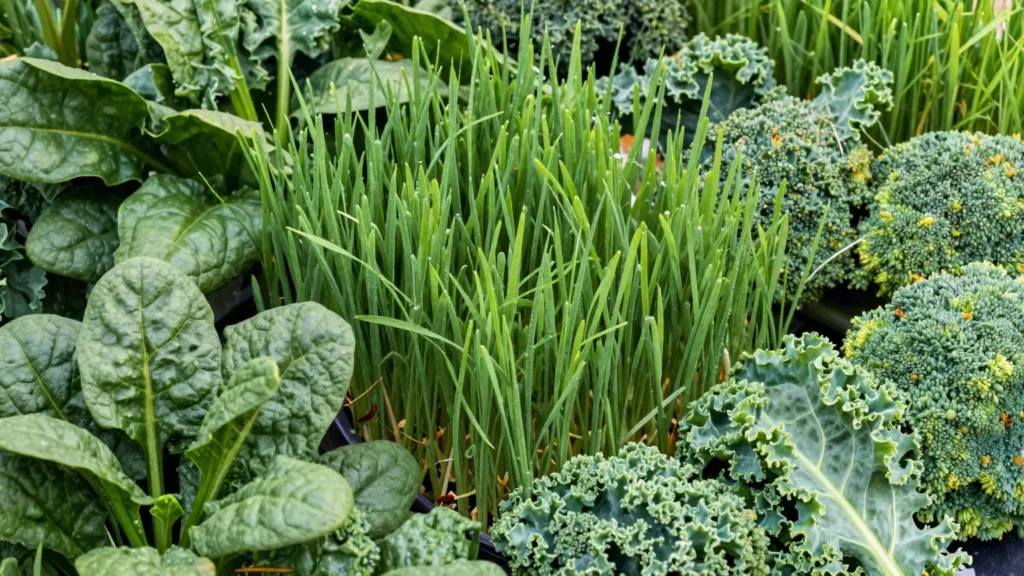
Wheatgrass diet has become increasingly popular in recent years due to its perceived health benefits. Advocates claim that incorporating this nutrient-packed greenery into your daily routine can transform your overall well-being, from boosting energy levels to enhancing immune function. But what exactly is the Wheatgrass Diet, and why are people so enthusiastic about it?
At its core, the Wheatgrass Diet involves regular consumption of wheatgrass juice or supplements made from young wheat sprouts. Proponents argue that this practice can provide a range of health benefits, including detoxification, improved digestion, and enhanced vitality. The diet’s appeal lies in the simplicity of its concept: just add a shot of freshly squeezed wheatgrass to your morning routine, and watch as your body begins to heal itself.
So, what makes wheatgrass such an intriguing addition to our diets? Here are some key points that might pique your interest:
- Rich Nutritional Profile: Wheatgrass is packed with vitamins, minerals, antioxidants, and enzymes.
- Detoxification Claims: Some users report feeling cleansed and refreshed after incorporating it into their daily routine.
- Digestive Health: Advocates claim that the high fiber content can help regulate digestion and promote gut health.
As you explore these claims, remember to approach them with an open yet critical mind. While many people swear by the benefits of wheatgrass, scientific evidence supporting its miraculous effects is still limited. This introductory section sets the stage for diving deeper into the facts versus fiction surrounding this trendy dietary supplement.
Nutritional Value and Health Claims of Wheatgrass Juice
Wheatgrass juice is often lauded for its impressive nutritional profile, making it a favorite among health enthusiasts. Chlorophyll, the green pigment in plants that gives wheatgrass its vibrant color, is just one of many beneficial compounds found within this superfood. Other key nutrients include vitamins A, C, E, and K, along with essential minerals like potassium, iron, calcium, and magnesium. Furthermore, wheatgrass contains amino acids, enzymes, and dietary fiber, which contribute to its reputation as a health booster.
Did you know that just one ounce of fresh wheatgrass juice is said to be equivalent in nutritional value to about 2½ pounds of leafy green vegetables? This claim makes it easy to understand why some people view wheatgrass as a supercharged health supplement.
Despite the appealing nutritional content, many of the health claims associated with wheatgrass remain unverified by scientific studies. For instance, while proponents argue that consuming wheatgrass can detoxify the body and enhance liver function, evidence backing these statements is sparse. Some research suggests that wheatgrass might offer some hepatoprotective benefits in animal models, but its effects on human livers have not been extensively studied.
Similarly, claims about wheatgrass’s ability to prevent or cure cancer lack substantial scientific proof. The American Cancer Society advises against relying solely on wheatgrass or any other dietary supplement as a treatment for serious medical conditions like cancer without proper medical guidance. This doesn’t mean that wheatgrass is harmful; rather, it emphasizes the need for caution and critical thinking when evaluating such bold health claims.
Moreover, while some studies hint at potential cardiovascular benefits due to reduced cholesterol levels and lower blood pressure in rats treated with wheatgrass extract, these findings have not been replicated or confirmed in large-scale human trials. Therefore, any perceived heart-health benefits from consuming wheatgrass remain speculative until more rigorous research is conducted.
Given the mixed bag of evidence available today, it’s crucial for consumers to approach wheatgrass juice and supplements with a balanced perspective. While incorporating this nutrient-rich greenery into your diet may provide some health perks, such as boosting energy levels or improving digestion, it should not be seen as a miracle cure or replacement for established medical treatments.
What Are the Recommended Food Groups for a Wheatgrass Diet?
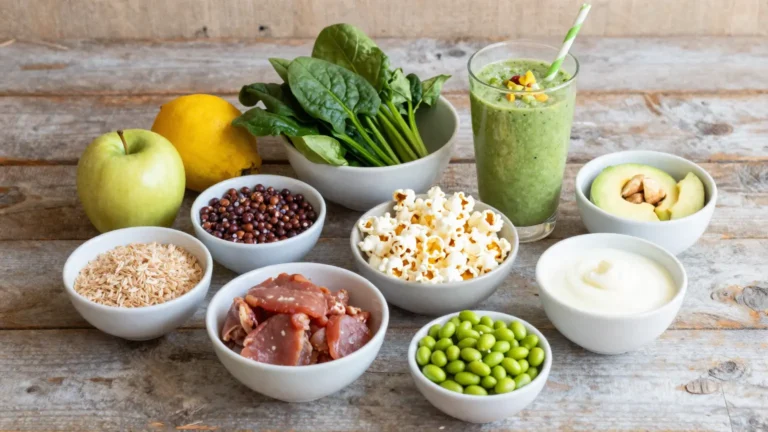
Incorporating wheatgrass into your diet can be beneficial if you aim to enhance your nutritional intake and support overall health. However, it’s important to balance this superfood with other essential food groups to ensure that you receive a comprehensive range of nutrients necessary for well-being. When following a Wheatgrass Diet, here are some recommended food groups:
Fruits and Vegetables: Adding a variety of fruits and vegetables is crucial as they provide vitamins, minerals, fiber, and antioxidants. These components complement the nutrients found in wheatgrass by filling any gaps not covered by it alone. Aim for at least five servings per day to support immune function and maintain digestive health.
Whole Grains: Whole grains like brown rice, quinoa, oats, and whole wheat bread offer complex carbohydrates that provide sustained energy throughout the day. They are also rich in fiber, B vitamins, iron, and other minerals. Combining these with wheatgrass can help stabilize blood sugar levels and improve heart health.
Proteins: Including lean proteins such as fish, poultry, legumes, nuts, and seeds is vital to maintain muscle mass and support metabolic functions. These foods are also excellent sources of essential amino acids that wheatgrass alone may not fully provide. Incorporating a variety of protein-rich options ensures that you receive all necessary building blocks for healthy bodily function.
Healthy Fats: Essential fats from avocados, nuts, seeds, olive oil, and fish oils contribute to brain health, cell growth, and hormone regulation. These fats also help your body absorb vitamins A, D, E, and K, which are abundant in wheatgrass but require fat for optimal absorption. Consuming healthy fats enhances the overall effectiveness of incorporating wheatgrass into your diet.
By integrating these food groups with regular consumption of wheatgrass, you can create a balanced diet that promotes wellness without relying solely on its supposed miracle properties. Remember to consult with healthcare professionals or nutritionists before making significant dietary changes, especially if you have specific health conditions or concerns.
Considering the nutritional benefits of other foods alongside wheatgrass offers a holistic approach to your health journey, ensuring that no essential nutrient is overlooked in pursuit of purported superfood benefits.
Forbidden or Limited Foods on a Wheatgrass Diet
When incorporating wheatgrass into your diet, it’s essential to consider what foods you might want to avoid or limit. While there are no strict prohibitions against eating certain foods while consuming wheatgrass, some items may interfere with the benefits you hope to gain from this superfood.
Processed and Sugary Foods: One of the key aspects of a Wheatgrass Diet is focusing on natural, nutrient-dense foods that support overall health. Processed snacks, sugary drinks, and refined carbohydrates can negate the positive effects of wheatgrass by causing blood sugar spikes and contributing to inflammation. Limiting these items allows your body to fully benefit from the vitamins and antioxidants in wheatgrass.
Dairy Products: Some people find that reducing dairy consumption enhances their digestion and immune function when using wheatgrass. Dairy products like milk, cheese, and yogurt can be difficult for some individuals to digest, leading to bloating or other discomforts. If you experience any negative reactions after consuming dairy alongside wheatgrass, it might be worth experimenting with reduced intake.
Gluten-Containing Grains: For those sensitive to gluten, incorporating wheatgrass into a diet without careful consideration of other grain consumption can lead to digestive issues. Since wheatgrass is derived from wheat, individuals with celiac disease or non-celiac gluten sensitivity should avoid consuming it if they also eat products containing barley, rye, or other gluten-containing grains.
While these restrictions are not universally necessary for everyone following a Wheatgrass Diet, being mindful of your body’s reactions and overall health goals can help you tailor your dietary choices effectively. By focusing on whole foods that complement the nutrients in wheatgrass, you’re more likely to notice improvements in energy levels, digestion, and general well-being.
Did you know that some people use wheatgrass as a natural detoxifier after consuming alcohol? This practice is based on the belief that chlorophyll can help neutralize toxins in the body, though scientific evidence for this specific application remains limited.
The Nutritional Benefits and Drawbacks of Following a Wheatgrass Diet
When considering the nutritional benefits and drawbacks of incorporating wheatgrass into your diet, it’s important to look at both sides of the equation. Wheatgrass is indeed rich in vitamins, minerals, and antioxidants, making it a potential asset for anyone looking to boost their nutrient intake. However, like any dietary supplement or food, it comes with its own set of limitations and considerations.
On one hand, wheatgrass can offer significant nutritional benefits:
- Antioxidant Properties: The high concentration of chlorophyll in wheatgrass acts as an antioxidant, which helps neutralize harmful free radicals in the body.
- Immune Support: With vitamins A and C, zinc, and selenium, wheatgrass may help support immune function by enhancing the production of white blood cells.
However, there are also potential drawbacks to consider:
- Limited Scientific Evidence for Claims: Many health benefits associated with wheatgrass are based on anecdotal evidence or preliminary studies. The lack of robust clinical trials means that many claims remain unverified.
- High Cost and Accessibility Issues: Regularly consuming wheatgrass can be expensive due to the cost of fresh juice, especially if you purchase it from a store rather than growing your own at home.
Nutritional Gaps
While wheatgrass is a nutrient powerhouse, relying solely on it for all dietary needs isn’t practical or advisable. For example, while it contains vitamin C and iron, it doesn not provide enough B vitamins, which are crucial for energy metabolism and brain function. Similarly, calcium intake from wheatgrass alone would be insufficient to meet daily requirements.
Potential Side Effects
For some individuals, consuming wheatgrass may lead to side effects such as nausea or allergic reactions. People with celiac disease or gluten sensitivity might experience digestive issues if they ingest wheatgrass alongside other gluten-containing foods. It’s important to consult a healthcare provider before incorporating significant amounts of wheatgrass into your diet.
Dietary Integration Tips
If you’re interested in exploring the benefits of wheatgrass without relying solely on it, here are some tips:
- Gradual Introduction: Start by adding small quantities of wheatgrass juice or supplements gradually to assess how your body reacts.
- Balanced Diet: Ensure that you maintain a balanced diet rich in fruits, vegetables, whole grains, and proteins alongside wheatgrass consumption.
By carefully considering the pros and cons and integrating wheatgrass thoughtfully into your existing dietary habits, you can potentially reap its benefits while minimizing risks. This balanced approach allows you to explore wheatgrass as part of a broader health strategy rather than viewing it as an all-encompassing miracle cure.
Wheatgrass is often called “green blood” due to the high concentration of chlorophyll in it, which closely resembles human blood plasma in molecular structure.
Sample Meal Plan: A Day on the Wheatgrass Diet
A typical day on a Wheatgrass Diet looks at integrating this nutrient-dense supplement into your regular meals while maintaining a balanced diet. Here’s an example of how you might structure your daily intake:
Breakfast
- Wheatgrass Juice: Start with a small shot (1-2 ounces) of freshly squeezed wheatgrass juice or take a supplement equivalent to one ounce.
- Oatmeal with Fruit and Nuts: A bowl of oatmeal topped with fresh berries, sliced almonds, and a drizzle of honey. The oats provide whole grains for sustained energy, while the fruit and nuts contribute essential vitamins, minerals, and healthy fats.
Mid-Morning Snack
- Apple Slices with Almond Butter: An apple provides a sweet crunch along with fiber and antioxidants, paired with almond butter for added protein and heart-healthy fats.
Lunch
- Grilled Chicken Salad: A fresh salad featuring grilled chicken breast, mixed greens (arugula, spinach), cherry tomatoes, cucumbers, and avocado. Drizzle olive oil and balsamic vinegar to enhance nutrient absorption from the vegetables.
- Whole Grain Bread: Serve with a slice of whole grain bread for additional fiber.
Afternoon Snack
- Carrot Sticks with Hummus: Crunchy carrot sticks paired with hummus provide low-calorie veggies alongside protein-packed chickpeas, offering sustained energy and satiety.
Dinner
- Salmon with Quinoa and Broccoli: Grill or bake a portion of salmon for its omega-3 fatty acids. Serve it over quinoa to give you complex carbohydrates and fiber. A side of steamed broccoli adds more vitamins and antioxidants.
- Mixed Vegetable Stir-Fry: Incorporate a variety of colorful vegetables such as bell peppers, snap peas, and mushrooms sautéed in garlic and olive oil for added flavor and nutrition.
Evening Snack
- Greek Yogurt with Chia Seeds: A small serving of Greek yogurt mixed with chia seeds provides calcium, probiotics, and extra fiber to aid digestion.
- Herbal Tea or Water: Consume herbal tea or plenty of water to stay hydrated throughout the day without adding unnecessary calories.
By integrating wheatgrass into specific meals or snacks each day and balancing it with a variety of whole foods, you can potentially enhance your overall health while enjoying diverse flavors and textures. This meal plan demonstrates how easy it is to incorporate wheatgrass seamlessly into a nutritious diet tailored towards supporting vitality and wellness.
As always, consult with healthcare professionals before making significant dietary changes, especially if you have specific health conditions or concerns. They can provide personalized advice based on your individual needs and help ensure that your nutrition plan remains balanced and effective.
Consuming wheatgrass regularly might contribute to a natural detoxification process due to its high chlorophyll content, which is believed to aid in removing toxins from the bloodstream.
By considering these meal ideas as part of your diet, you can explore the potential benefits of wheatgrass without relying on it alone for all health needs.
Alternative Diets Similar to Wheatgrass Diet
Exploring alternative diets similar to the Wheatgrass Diet can provide a broader perspective on natural health practices. These dietary approaches often share common goals such as detoxification, boosting energy levels, and enhancing overall wellness. Here’s an overview of some popular alternatives:
Juice Cleanses: Similar to incorporating wheatgrass into your diet for its nutritional benefits, juice cleanses focus on consuming primarily liquid meals made from fruits and vegetables. This approach aims to provide a concentrated dose of vitamins, minerals, and antioxidants while promoting detoxification.
Raw Food Diet: Proponents of the Raw Food Diet consume unprocessed, plant-based foods that have not been heated above 118°F (48°C). The idea is that raw foods retain more enzymes and nutrients compared to cooked ones. This diet shares with wheatgrass a focus on natural ingredients for health benefits.
Detox Diets: Detox diets often include the use of specific superfoods like wheatgrass, spirulina, or chlorella to help remove toxins from the body. These regimens typically limit processed foods and emphasize whole, organic products.
Comparing Wheatgrass Diet with Juice Cleanses
| Aspect | Wheatgrass Diet | Juice Cleanses |
|---|---|---|
| Primary Focus | Nutrient-dense superfood | Liquid meals from fruits and vegetables |
| Nutritional Content | Chlorophyll, vitamins, minerals | Vitamins, antioxidants, enzymes |
| Detoxification | Cleansing properties due to chlorophyll | Promotes detox through concentrated nutrients |
| Flexibility | Can be integrated into regular meals | Usually involves a period of exclusive consumption |
Pros and Cons of Alternative Diets
Raw Food Diet
- Pros: High in fiber, vitamins, and antioxidants; may improve digestion.
- Cons: Limited variety, potential nutrient deficiencies (vitamin B12, iron), challenging to follow long-term.
Detox Diets
- Pros: Can help eliminate toxins, enhance energy levels, support weight loss.
- Cons: May lack essential nutrients if not balanced properly; can be expensive and difficult to maintain.
These alternative diets offer unique approaches to health improvement but require careful consideration of their benefits and limitations. Just as with the Wheatgrass Diet, it’s crucial to consult healthcare professionals before making significant dietary changes to ensure your nutritional needs are met and any potential risks are mitigated.
By exploring these dietary options alongside wheatgrass, you can gain a comprehensive understanding of natural health practices that may complement or enhance each other. This holistic approach allows for a more informed decision-making process regarding which diet best suits your individual health goals.
The raw food movement was popularized in the early 20th century by nutritionists like Dr. Ann Wigmore, who also promoted wheatgrass consumption for its healing properties.
Does a Wheatgrass Diet Help in Cancer Prevention?
When considering the potential benefits of incorporating wheatgrass into your diet specifically for cancer prevention, it’s important to approach this topic with a critical eye. While some proponents suggest that wheatgrass can play a role in preventing or treating various cancers due to its high antioxidant content and detoxifying properties, scientific evidence supporting these claims remains limited.
Key Points:
- Antioxidant Properties: Wheatgrass is rich in antioxidants such as chlorophyll and vitamin C, which help neutralize free radicals. Free radicals are unstable molecules that can damage cells and contribute to cancer development.
- Detoxification Claims: Some advocates argue that wheatgrass aids in detoxifying the body by removing harmful toxins from the bloodstream, potentially reducing the risk of developing cancer. However, this mechanism has not been thoroughly studied or proven.
Research on Wheatgrass and Cancer Prevention
While several preliminary studies suggest potential benefits of wheatgrass in reducing oxidative stress and inflammation – both factors that contribute to cancer development – these findings are far from conclusive. For instance:
- In Vitro Studies: Some laboratory tests indicate that wheatgrass extract can inhibit the growth of certain types of cancer cells, such as those found in breast or prostate cancers.
- Animal Studies: Research on animals has shown some hepatoprotective effects and reduced liver enzyme activities when rats were treated with CCl4 (a toxin known to cause liver damage). However, translating these results to humans requires further investigation.
Clinical Trials and Human Evidence
Despite the promising preliminary data from in vitro and animal studies, robust clinical trials involving human subjects are necessary before any definitive conclusions can be drawn about wheatgrass’s impact on cancer prevention or treatment. The lack of comprehensive clinical research means that relying solely on wheatgrass for preventing or curing cancer is not advisable.
Practical Considerations
While it’s tempting to embrace a food item like wheatgrass as a miracle cure, it’s essential to maintain a balanced perspective:
- Dietary Balance: Incorporating wheatgrass into your diet might complement other healthy lifestyle choices such as regular exercise, stress management, and avoidance of smoking. However, relying solely on dietary supplements for cancer prevention is not recommended.
- Consult Healthcare Providers: Before making significant changes to your diet or treatment plan, especially if you have a history of cancer or are at risk due to genetic factors, consulting with healthcare professionals is crucial.
Case Studies and Personal Experiences
Anecdotal evidence from individuals who report improved health after consuming wheatgrass should be viewed cautiously. While some people might experience positive changes in their well-being, attributing these benefits solely to wheatgrass without considering other lifestyle factors or medical interventions could be misleading.
Some alternative medicine practitioners advocate for using wheatgrass as a supportive therapy alongside conventional cancer treatments, citing its ability to reduce side effects like nausea and fatigue. However, this remains an area of ongoing research with mixed results.
By understanding the current state of research on wheatgrass and cancer prevention, you can make informed decisions about incorporating it into your diet while being realistic about its potential benefits. Balancing optimism with a critical approach ensures that any dietary changes are beneficial without compromising medical advice or established treatments.
How do you feel after drinking wheatgrass juice? Share your experiences in the comments below!
Conclusion: Evaluating the Wheatgrass Diet Experience
Evaluating the Wheatgrass Diet Experience reveals that while wheatgrass is often touted as a superfood with numerous health benefits, its effectiveness remains largely unproven by robust scientific research. Incorporating wheatgrass into your diet can be part of a balanced approach to wellness, offering potential nutritional advantages such as antioxidants and vitamins. However, it’s important to balance this enthusiasm with skepticism regarding the more extreme claims about its curative powers. By integrating wheatgrass thoughtfully alongside other healthy dietary choices and medical advice, you can explore its benefits while maintaining realistic expectations about its impact on your health.
Frequently Asked Questions (FAQ)
Is wheatgrass safe for people with celiac disease?
Wheatgrass is gluten-free because it’s extracted from sprouted wheat before the seed forms. However, some dietitians advise those with celiac disease to avoid it due to potential cross-contamination risks.
Can wheatgrass help regulate blood pressure and blood sugar levels?
Some claims suggest that wheatgrass can naturally regulate blood pressure and blood sugar; however, these benefits have not been scientifically proven.
What are the protein contents of wheatgrass compared to other vegetables?
Wheatgrass is a source of protein, containing 8 grams per ounce in powder form or about 1 gram in a juice shot. It includes at least 17 amino acids, including eight essential ones.
Does consuming wheatgrass prevent cancer and cure diseases?
The American Cancer Society states that there’s no scientific evidence supporting the idea that wheatgrass can cure or prevent disease.
How does wheatgrass support skin health?
Wheatgrass is believed to help with skin conditions like eczema, heal ulcers and sores, and promote healthy skin due to its alkaline properties.
Can wheatgrass juice replace other leafy greens in my diet?
The nutrient content of wheatgrass juice is similar to that of dark leafy vegetables; however, it should not entirely replace them as they offer unique benefits.
What are the potential side effects of drinking too much wheatgrass juice?
There isn’t comprehensive information on the side effects of excessive wheatgrass consumption. However, like any new food or supplement, starting with a small amount and gradually increasing is recommended.
Is it true that wheatgrass can improve heart health?
Wheatgrass supporters claim it improves heart-lung function, but specific cardiovascular benefits have not been scientifically validated.
How easy is it to incorporate wheatgrass into my diet?
Wheatgrass juice can be bought from juice bars or made at home. It’s also available in tablets, powder form, and other supplements, making it convenient to include in your daily routine.
Can wheatgrass help with weight loss efforts?
Some people believe that adding wheatgrass to their regimen aids in weight management by supporting digestion and metabolism; however, substantial scientific proof is lacking.