Introduction: What Is Juice Fasting?
Juice Fasting is a dietary trend that has swept through wellness circles like wildfire, promising a quick fix for detoxifying your body and boosting overall health. But have you ever stopped to wonder what exactly juice fasting entails and if it might be doing more harm than good? Juice fasting involves drinking nothing but fruit and vegetable juices while completely avoiding solid food for several days to weeks. It’s marketed as the ultimate cleanse, a way to flush out toxins and reset your body.
Imagine waking up every morning with a single mission: to sip on colorful concoctions of fruits and vegetables throughout the day. This sounds appealing enough – after all, who doesn’t love a vibrant glass of fresh juice? However, beneath this seemingly innocent practice lies a more complex reality. Juice fasting isn’t just about drinking juices; it’s an intense regimen that dramatically changes your diet and can have significant impacts on your body.
Consider for a moment how drastically your meals change when you switch to juice fasting. Gone are the days of balanced breakfasts or satisfying dinners – your entire intake is transformed into liquid form. This shift not only alters your nutritional balance but also challenges your digestive system in ways it might not be accustomed to. As appealing as it may sound to simplify your diet down to just juices, this practice raises important questions about its true benefits and potential drawbacks.
History of Juice Fasting
The concept of juice fasting has roots that stretch back several decades, evolving from the work of pioneers like Norman W. Walker and Jay Kordich. Norman W. Walker, a health advocate in the 1930s, created one of the first mechanical juicers called the NorWalk Juicer. He authored multiple cookbooks and articles advocating for a raw liquid diet based on freshly squeezed juices. His work laid the foundational principles for what would become juice fasting.
A few decades later, Jay Kordich brought juice fasting into mainstream consciousness in the 1990s through his book “The Juiceman’s Power of Juicing” and extensive infomercial appearances promoting his own juicer brand. Kordich’s charismatic personality and relentless marketing made juice cleansing a household term. He emphasized the benefits of raw, fresh juices for detoxifying the body and improving overall health.
Both Walker and Kordich contributed significantly to the development of juice fasting as we know it today. They promoted the idea that consuming large quantities of fruits and vegetables in liquid form could cleanse toxins from the body more effectively than traditional diets. This notion resonated with a growing population seeking natural solutions for better health, leading to widespread adoption of their dietary philosophies.
Over time, the popularity of juice fasting has waxed and waned but remains a staple in wellness practices due to its simplicity and perceived efficacy. As each new decade brings advancements in nutritional science and diet trends, the practice continues to attract both advocates and critics, with ongoing discussions about its true benefits and potential risks.
Scientific Support for Juice Fasting
When considering the efficacy of juice fasting, it is crucial to look at scientific studies rather than relying solely on anecdotal evidence. Despite its widespread popularity, there is limited rigorous research that supports the health claims associated with juice fasting.
Key Findings from Recent Studies:
- Detoxification Claims: One common claim made by proponents of juice fasting is that it detoxifies the body more effectively than traditional diets. However, scientific studies have shown that our bodies already possess highly efficient organs for detoxifying harmful substances naturally, such as the liver and kidneys. There is no evidence to suggest that juice fasting enhances these natural processes beyond what they are capable of doing on their own.
- Nutritional Deficiencies: Another concern with prolonged juice fasting is the risk of nutritional deficiencies. While juices provide a variety of vitamins and minerals, they lack essential nutrients such as fiber, protein, and healthy fats, which are crucial for overall health and well-being. A diet consisting solely of liquids can lead to imbalances in these important dietary components.
- Metabolic Effects: Research indicates that fasting diets can cause metabolic changes that might not be beneficial in the long term. For instance, prolonged juice fasting can slow down metabolism, leading to a decrease in muscle mass due to insufficient protein intake. This can result in lower energy levels and decreased physical performance once you return to your normal diet.
Consider this: when you switch from eating solid foods to drinking only juices, your body has to adjust rapidly to the new intake method. Your digestive system may struggle with this sudden change, leading to discomfort or even more severe health issues like constipation due to the lack of fiber.
Moreover, the absence of solid food can cause a significant drop in energy levels and mental clarity within just a few days. This is because your body is not receiving enough carbohydrates for sustained energy production, nor is it getting the steady supply of nutrients that whole foods provide.
In essence, while juice fasting might seem like an appealing quick fix to improve health rapidly, the scientific evidence paints a more nuanced picture. The potential drawbacks often outweigh the perceived benefits, especially if you are relying on this regimen as a long-term solution for weight loss or detoxification.
Your liver and kidneys are highly efficient at removing toxins from your body without any special dietary interventions like juice fasting. These organs work around the clock to ensure that harmful substances are filtered out of your bloodstream naturally.
Impact on Gut Health and Microbiota
Juice fasting can have significant effects on your gut health and the delicate balance of microorganisms that reside within it, known collectively as the microbiome. This ecosystem plays a crucial role in digestion, immune function, and even mental health. When you switch to juice fasting, you abruptly alter this environment by removing fiber from your diet, which is essential for feeding beneficial bacteria.
Key Effects on Gut Health:
- Fiber Deficiency: Juices lack the insoluble fiber found in whole fruits and vegetables, which serves as a primary food source for gut bacteria. Without enough fiber, these microorganisms may not receive adequate nourishment, leading to an imbalance known as dysbiosis.
- Changes in Bacterial Composition: Recent studies indicate that juice fasting can lead to rapid shifts in the types of bacteria present in your gut and mouth. For instance, a study from Northwestern University found that participants who followed a juice-only diet for just three days experienced increased levels of harmful bacteria associated with inflammation.
Imagine this scenario: every time you consume a fiber-rich apple or broccoli floret, you’re essentially giving your gut microbes a feast. But when you switch to drinking only juices, these beneficial microorganisms are left starving and less able to maintain optimal health.
The impact isn’t limited just to the digestive tract; changes in oral microbiota can also occur rapidly with juice fasting. Your mouth harbors its own unique ecosystem of bacteria that responds quickly to dietary shifts. Without fiber to provide essential nutrients, harmful bacteria might proliferate while beneficial species struggle.
Furthermore, this alteration in microbial balance doesn’t happen overnight but begins to take shape within days. The Northwestern University study highlighted how such changes can lead to increased inflammation and even cognitive impairment after just three days of juice fasting. This underscores the importance of maintaining a balanced diet rich in fiber to support your microbiome’s health.
In essence, while the idea of drinking only juices might seem like an easy way to cleanse your body, it neglects the critical role that dietary fibers play in nurturing and sustaining a healthy gut ecosystem. Considering these effects, it becomes clear why incorporating whole foods along with juices could be more beneficial for long-term health and well-being.
The human gut is home to trillions of bacteria, weighing about as much as our brain! This complex microbial community is vital for digestion, immune function, and even mood regulation.
Importance of Fiber in Your Diet
Fiber plays a critical role in maintaining overall health, especially when considering the implications of juice fasting. Fiber, found abundantly in whole fruits, vegetables, nuts, seeds, legumes, and grains, is essential for various bodily functions that juices alone cannot fully support.
Benefits of Dietary Fiber:
- Digestive Health: Fiber acts as a natural laxative, helping to prevent constipation by adding bulk to stools. This makes it easier for waste to pass through your digestive system without causing strain or discomfort.
- Blood Sugar Control: Soluble fiber slows down the absorption of sugar, which can help regulate blood glucose levels and reduce spikes in insulin. This is particularly important for people managing diabetes.
Imagine eating an apple versus drinking its juice – while both provide vitamins and minerals, only the apple contains the insoluble fiber that aids digestion. When you juice fruits or vegetables, you discard most of this vital component, stripping away a significant portion of their health benefits.
Moreover, dietary fibers contribute to satiety by adding bulk to meals and slowing down stomach emptying. This can help manage appetite and control calorie intake, which is crucial for weight management and preventing overeating.
Role in Gut Health:
Fiber serves as food for the beneficial bacteria in your gut, promoting a healthy microbiome that supports immune function, mood regulation, and nutrient absorption. When you switch to juice fasting, these microorganisms are deprived of their primary food source, leading to imbalances that can have far-reaching consequences.
Consider how suddenly removing fiber from your diet might affect your digestion. Your body is used to processing solid foods rich in both soluble and insoluble fibers, which work together to keep your digestive system functioning smoothly. Without this essential nutrient, your gut may struggle to maintain its normal rhythm, potentially causing discomfort or more severe issues like diarrhea.
In essence, while juices offer concentrated doses of vitamins and minerals, they fall short when it comes to providing the comprehensive nutritional profile that whole foods can deliver. Fiber is integral to supporting digestive health, blood sugar regulation, appetite control, and maintaining a balanced microbiome – aspects that juice fasting often overlooks or disrupts.
The average American consumes only about half of the recommended daily intake of fiber, which is around 25 grams for women and 38 grams for men.
Effects of Juicing Without Fiber
When you engage in juice fasting, you are essentially stripping away a significant portion of the nutritional value found in whole fruits and vegetables by removing their fiber content. This practice can have several adverse effects on your health that might not be immediately apparent.
Immediate Consequences:
- Digestive Discomfort: The absence of fiber in your diet can lead to digestive issues such as bloating, gas, and even diarrhea. Your body is used to receiving insoluble fiber from whole foods, which helps regulate bowel movements and prevents constipation.
- Hunger and Cravings: Juices are often high in natural sugars but lack the satiating effects of solid food. This can lead to increased hunger and sugar cravings as your blood glucose levels fluctuate more rapidly.
Imagine a day where you start with a glass of orange juice for breakfast, followed by carrot juice at lunch, and cranberry juice in the afternoon. While these juices provide vitamins and minerals, they lack the bulk that comes from consuming fruits and vegetables whole. Your stomach feels empty between sips, leading to constant thoughts about food and potential overconsumption when you finally do eat again.
Long-Term Implications:
- Metabolic Changes: The sudden decrease in caloric intake can cause your body to enter a state of metabolic slowdown. This adaptation is an evolutionary response designed to conserve energy during periods of famine, but it can lead to slower weight loss and potential muscle mass reduction over time.
- Nutrient Imbalances: While juices provide concentrated amounts of certain nutrients like vitamins A and C, they often lack others such as iron, calcium, zinc, and essential fatty acids. These deficiencies can undermine your health if the diet is prolonged.
Consider how a balanced meal with vegetables, lean protein, and whole grains provides sustained energy throughout the day. Each component works together to keep you feeling full and energized. In contrast, drinking juice all day leaves many gaps in nutritional intake that solid foods naturally fill.
Impact on Blood Sugar Regulation:
Juices can cause significant spikes in blood sugar levels due to their high natural sugar content without the buffering effects of fiber or protein found in whole fruits and vegetables. This rapid increase followed by a crash can lead to energy fluctuations and increased hunger, creating a cycle that is hard to break.
Think about how eating an apple feels different from drinking its juice. The act of chewing and digesting solid food releases sugars gradually, whereas juicing concentrates these sugars into a small volume of liquid consumed quickly. This quick influx of sugar without the accompanying fiber can disrupt blood glucose levels, especially for individuals with diabetes or prediabetes.
In summary, while juices offer immediate bursts of vitamins and minerals, they do not provide the comprehensive nutritional profile that whole foods can deliver. By removing fiber from your diet through juice fasting, you risk disrupting normal digestive processes and metabolic functions, potentially leading to long-term health issues.
Fiber is like a sponge for your digestive system; it helps absorb excess water and waste materials while also promoting regularity and preventing harmful toxins from lingering in the body.
Short-Term Effects on Oral Bacteria
The impact of juice fasting extends beyond the digestive tract, influencing the health of your mouth and its unique microbial community. When you drastically change your diet by switching to only liquid form, oral bacteria are among the first to react due to their quick adaptation capabilities.
Immediate Changes in Mouth Microbiota:
- Increased Harmful Bacteria: Within just a few days of juice fasting, harmful bacteria in your mouth can proliferate rapidly. These bacteria thrive on sugars and lack sufficient competition from beneficial species that would normally be present when you eat whole foods.
- Decreased pH Levels: Juices often have high sugar content, which can lower the pH level in your mouth. This acidic environment is conducive to the growth of harmful bacteria like Streptococcus mutans, known for causing cavities.
Consider this: every time you drink juice throughout the day, you are introducing a constant stream of sugars that these bacteria feed on. Unlike when you eat whole fruits and vegetables which provide varied textures and nutrients, juices offer an uninterrupted supply of sugar without the balancing effects of fiber or other components found in solid foods.
Oral Health Consequences:
- Dental Erosion: The high acidity present in some fruit juices can erode tooth enamel over time. This erosion weakens teeth, making them more susceptible to decay and sensitivity.
- Dry Mouth and Plaque Buildup: Juice fasting may also lead to a decrease in saliva production due to the absence of solid food that typically stimulates saliva glands. Reduced saliva flow increases your risk of developing plaque, cavities, and gum disease.
Imagine drinking apple juice throughout the day instead of eating apples. While both provide vitamins and antioxidants, only eating an apple involves chewing which naturally produces saliva and helps clean teeth mechanically by removing debris. Continuous consumption of juices without this stimulation can lead to dry mouth conditions that are detrimental to oral health.
Comparing Juice Diets vs. Whole Foods:
| Aspect | Juice Diet | Balanced Diet with Whole Foods |
|---|---|---|
| pH Levels | Often acidic due to high sugar content | Neutral or slightly alkaline |
| Microbial Composition | Higher proportion of harmful bacteria | More balanced, including beneficial species |
| Saliva Production | Reduced | Naturally stimulated by solid food |
| Oral Health | Increased risk of cavities and erosion | Lower risk with adequate saliva and dental cleaning |
Understanding these short-term effects is crucial as they illustrate how juice fasting can disrupt the delicate balance in your oral environment. While juices offer immediate nutritional benefits, their long-term impact on mouth health highlights the importance of a balanced diet that includes solid foods to support overall well-being.
Your mouth contains over 700 different types of bacteria! This diverse ecosystem is crucial for maintaining good oral health and preventing diseases like gingivitis and periodontal disease.
Long-Term Risks of Juice Cleanses
While the immediate effects of juice fasting may seem appealing, its long-term implications can be concerning, particularly for individuals who adopt this practice as a regular health routine. The prolonged reliance on liquids devoid of fiber and other essential nutrients can lead to significant nutritional deficiencies and metabolic disruptions.
Nutritional Deficiencies:
- Vitamin K Absorption: One crucial nutrient that often gets overlooked is vitamin K, which is primarily found in leafy greens like kale and spinach but is not present in most fruit juices. Vitamin K plays a vital role in blood clotting and bone health. Over time, inadequate intake can increase the risk of bleeding disorders or osteoporosis.
- Omega Fatty Acids: Essential fats such as omega-3s and omega-6s are essential for brain function, inflammation regulation, and cell membrane integrity. Most juices lack these healthy fats, which cannot be synthesized by your body but must be obtained through diet.
Imagine skipping meals entirely and relying solely on juice for weeks at a time. Over the long term, this can lead to severe imbalances in dietary fat intake, particularly if you do not supplement with other sources like avocados or nuts, which are rich in essential fatty acids.
Metabolic Consequences:
- Hormonal Imbalance: Prolonged juice fasting can also affect hormone levels, leading to disruptions that might manifest as mood swings, fatigue, and even menstrual irregularities. These hormonal changes are a direct response to the body’s stress from insufficient nutrient intake.
- Muscle Loss: Muscle tissue requires protein for maintenance and repair. By removing solid food from your diet, you significantly limit your protein sources, leading to potential muscle wasting over time.
Consider how muscles rely on consistent protein intake to maintain their strength and function. Without adequate protein, your body may start breaking down existing muscle tissues to compensate for the shortfall in energy needs, particularly during prolonged fasting periods.
Impact on Mental Health:
- Cognitive Decline: Recent studies suggest that long-term juice diets can affect cognitive functions due to nutrient imbalances affecting neurotransmitter production and brain cell health. This is especially concerning as cognitive decline might not be immediately apparent but could manifest over months or years of dietary imbalance.
- Mood Disorders: Nutrients like B vitamins, magnesium, and zinc are crucial for mental well-being. Juice fasting can deplete these essential mood-regulating minerals, potentially leading to anxiety and depression.
Think about how a balanced diet supports brain health with steady glucose levels and an array of vital nutrients. Removing these elements through juice fasting leaves your brain without the necessary fuel it needs to function optimally, which could result in long-term cognitive detriments.
Long-Term Gut Microbiome Changes:
The prolonged lack of fiber can lead to significant alterations in gut flora composition, making it difficult for beneficial bacteria to recover once you return to a regular diet. This imbalance may persist and contribute to chronic digestive issues like irritable bowel syndrome (IBS) or inflammatory bowel disease (IBD).
It takes roughly 10 days of consistent dietary change before significant shifts in gut microbiota become noticeable. Long-term juice cleansing can lead to such changes that might take weeks or even months for your body’s natural balance to recover.
In essence, while the allure of quick fixes like juice fasting may seem appealing for short periods, the long-term risks and potential health detriments make it less desirable as a sustainable dietary practice. Maintaining a balanced diet rich in whole foods is crucial not only for immediate but also for sustained well-being.
A diverse and fiber-rich diet supports over 100 trillion microorganisms that live within your gut, contributing to better digestion, immune response, and overall health.
Juice Fasting Food Pyramid: Foods to Be Juiced
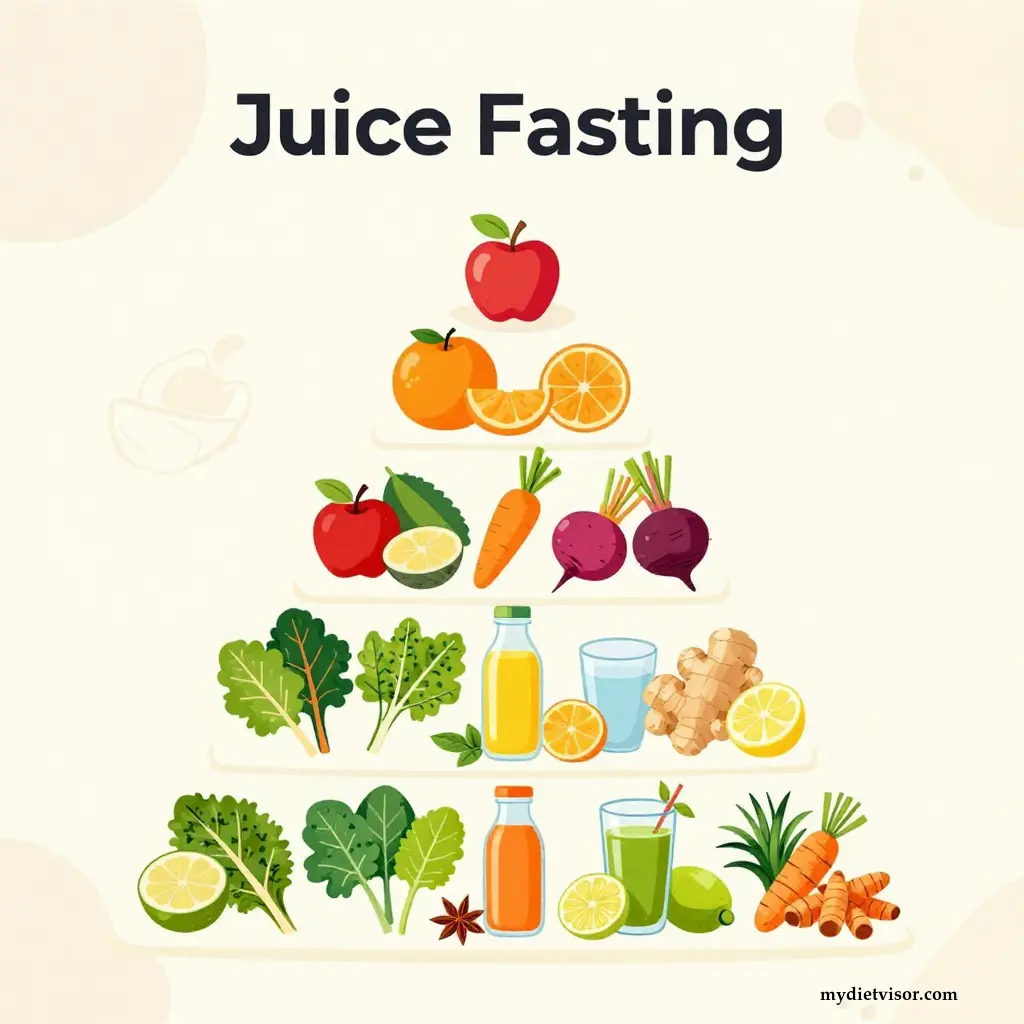
When considering which fruits and vegetables are best for juicing during a juice fast, it’s important to focus on those that offer the most nutritional benefits while minimizing potential drawbacks. The goal is to create juices that provide a balanced intake of vitamins, minerals, antioxidants, and phytonutrients without overwhelming your body with too much sugar.
Top Recommendations:
- Leafy Greens: Leafy greens like kale, spinach, and romaine lettuce are rich in vitamins A, C, K, and folate. They also contain iron, calcium, and magnesium. These vegetables form the foundation of a healthy juice blend due to their high nutrient density.
- Cruciferous Vegetables: Broccoli, cauliflower, cabbage, and Brussels sprouts offer numerous health benefits. They are packed with vitamins C and K, folate, potassium, and dietary fiber. Cruciferous vegetables also contain glucosinolates, which support detoxification processes.
- Berries: Berries such as blueberries, strawberries, raspberries, and blackberries are excellent sources of antioxidants like vitamin C and anthocyanins. They help reduce inflammation and promote heart health while providing a natural sweetness without excess sugar.
- Citrus Fruits: Oranges, lemons, limes, and grapefruits provide high levels of vitamin C, which boosts immunity and supports skin health. Citrus fruits also contain bioflavonoids that enhance the absorption of other nutrients.
Nutritional Balance:
While it’s tempting to make juices solely from sweet fruits like apples or pineapples, this can lead to an imbalance in sugar intake and nutritional diversity. A more balanced approach involves combining fruits with vegetables to create juices that are both flavorful and nutritious. For example, a combination of spinach, apple, ginger, and lemon creates a refreshing drink rich in vitamins C and K while providing natural sweetness from the fruit.
Avoid Over-Sweetening:
Over-relying on sweet fruits like bananas or mangoes can lead to an excessive sugar intake which may cause blood sugar spikes and contribute to energy crashes later. Instead, opt for sweeter vegetables such as carrots or beets to naturally enhance the flavor of your juices without overwhelming them with sugars.
Fiber Considerations:
Though juicing removes fiber, incorporating more fibrous fruits like pears or peaches can help mitigate some digestive issues associated with a lack of fiber in your diet. Additionally, blending instead of juicing retains some of the pulp and provides more sustained energy compared to pure juice consumption.
Consider this: Blending a mix of fruits and vegetables together not only preserves more nutrients but also maintains a balance that closely mimics eating whole foods. This approach can help reduce the risks associated with fiber deficiency while still allowing you to enjoy the benefits of fresh, nutrient-rich juices.
Sample Juice Recipes:
- Green Vitality: Combine kale, spinach, cucumber, lemon, and ginger for a powerful blend rich in vitamins, minerals, and antioxidants.
- Berry Boost: Mix strawberries, blueberries, raspberries, apple, and celery to create an antioxidant-packed juice that is also low in sugar.
- Orange Delight: Use oranges, carrots, beets, and cilantro to make a refreshing drink high in vitamin C and other vital nutrients.
In essence, while juicing can provide concentrated doses of essential nutrients, it’s crucial to balance your juices with a variety of ingredients. This ensures you receive the full spectrum of benefits that whole fruits and vegetables offer without compromising your overall health.
Recommended Foods Post-Juice Fast
After completing a juice fast, it’s crucial to reintroduce solid food gradually to ensure your body transitions smoothly back to its normal digestive rhythm. This process helps prevent potential side effects such as bloating and discomfort while also restoring essential nutrients that were missing during the cleanse.
Key Tips for Reintroducing Solid Foods:
- Start Slow: Begin with easy-to-digest foods like bananas, rice, applesauce, and toast to settle your stomach without overwhelming it. These bland options are gentle on your digestive system and can help stabilize blood sugar levels after days of consuming only juices.
- Hydrate Well: Continue drinking plenty of water throughout the day to replenish fluids lost during juice fasting and aid in digestion as you reintroduce solids.
Imagine gradually easing back into solid foods much like waking up from a long nap. Your body needs time to adjust, so start with simple meals that are easy for your digestive system to process.
Balanced Meals:
- Protein-Rich Foods: Incorporate lean proteins such as grilled chicken, fish, tofu, or legumes to help repair tissues and maintain muscle mass. These foods provide the amino acids necessary for overall health after a period of reduced protein intake.
- Fiber Sources: Introduce high-fiber options like whole grains (oats, brown rice), fruits with edible skins (apples, pears), and vegetables rich in fiber (broccoli, carrots). Fiber is crucial for gut health and helps prevent constipation.
Consider how adding a salad with various leafy greens, some grilled chicken, and a handful of nuts can provide the necessary balance you need after juice fasting. This meal offers vitamins, minerals, protein, and essential fats that your body craves post-fast.
Snacks to Support Recovery:
- Nuts and Seeds: Almonds, walnuts, chia seeds, and flaxseeds are excellent sources of healthy fats and fiber. They help stabilize blood sugar levels and provide sustained energy.
- Yogurt or Kefir: Fermented dairy products like yogurt or kefir contain probiotics that can support gut health by replenishing beneficial bacteria.
Think about snacking on a small bowl of mixed nuts during the day, alongside a serving of Greek yogurt or kefir in the evening. These snacks provide protein, healthy fats, and probiotics to aid recovery without causing digestive distress.
Hydration is Key:
- Electrolyte-Rich Beverages: Drinks like coconut water, herbal teas, and broths can help restore electrolytes lost during juice fasting. They also keep your body hydrated while providing essential minerals.
As you reintroduce solid foods, continue drinking hydrating beverages throughout the day to support recovery and ensure your digestive system is well-supported as it adapts to a more varied diet.
In summary, transitioning back from juice fasting should be done thoughtfully with an emphasis on gradual reintegration of balanced meals. By focusing on easy-to-digest foods initially and gradually incorporating diverse nutrients, you can help your body recover fully without triggering unnecessary discomfort or health issues.
Reintroducing solid food after a juice fast is like waking up from a long sleep – start slow to avoid shocking your system back into action!
Summary: Evaluating the Truth About Juice Fasting
In summary, while juice fasting may seem like a quick fix for detoxifying your body and boosting health, the scientific evidence does not fully support its benefits. Recent studies highlight potential negative impacts on gut and oral microbiomes due to the lack of fiber in juices. The absence of essential nutrients and fiber can lead to metabolic disruptions, nutritional deficiencies, and an imbalance in beneficial bacteria. Instead of relying solely on juice fasting, incorporating a balanced diet rich in whole foods is recommended to maintain optimal health. By blending fruits and vegetables or pairing juices with solid food, you can enjoy the benefits of fresh juices while minimizing potential risks.
Frequently Asked Questions (FAQ)
What is juice fasting and how does it work?
Juice fasting, also known as a juice cleanse or detox diet, involves consuming only fruit and vegetable juices for one to seven days while abstaining from solid food. The idea behind this practice is often linked with cleansing the body of toxins.
Is there any scientific evidence that supports juice fasting for health benefits?
No, according to various studies and expert opinions, claims about the health benefits of juice fasting are not supported by scientific evidence. Many professionals consider it a marketing myth rather than an effective dietary intervention.
Can juice fasting lead to nutritional deficiencies?
Yes, prolonged juice fasting can cause protein or calcium deficiencies since these nutrients are typically obtained from solid foods that you would avoid during this diet. It’s important to ensure you get balanced nutrition to maintain good health.
Are there any risks associated with starting a juice fast if I have undiagnosed health conditions like diabetes?
There are significant risks involved, including metabolic crises for people with undiagnosed diabetes or hypoglycemia, which can cause serious issues such as dizziness and fainting due to sudden changes in blood pressure.
How does juice fasting affect the microbiome of my gut?
Research indicates that juicing without fiber may harm your health by increasing inflammation-linked bacteria in the gut. This disrupts a healthy balance of microbes necessary for optimal bodily functions.
Could drinking only juices cause dehydration or electrolyte imbalances?
Yes, diarrhea can occur as part of juice fasting which might result in dehydration and an imbalance of electrolytes within the body due to insufficient nutrient intake compared to a balanced diet.
Is it safe for children to follow a juice fast?
Given that juice diets often have high levels of sugar and carbohydrates, they should be avoided especially by children. These diets could negatively impact their oral and gut microbiomes which are still developing.
What happens after the juice fast ends? Can you regain weight quickly?
Detox diets can lead to muscle loss and an unhealthy regaining of fat after the detox period ends because your body hasn’t been given adequate protein and other essential nutrients necessary for maintaining lean tissue mass.
How long does it take before noticeable changes occur in my oral bacteria during a juice fast?
Studies show that significant shifts in oral bacterial populations can happen within just three days of starting a juice-only diet, indicating how quickly dietary choices influence health-related microbial patterns.
Can I still achieve similar benefits from juicing if combined with solid foods instead of doing it exclusively?
While purely relying on juices poses risks, combining them with whole plant-based foods can be less harmful. The group that included both saw some bacterial shifts but these were generally milder compared to those who drank only juice.
Is there a specific age or health condition where I should avoid juice fasting altogether?
People with chronic diseases such as diabetes, hypoglycemia, and other metabolic disorders should exercise extreme caution before considering juice fasting due to potential complications arising from abrupt changes in diet.