Introduction: What Is Ital Cooking?
The Ital Diet is more than just a set of dietary rules – it’s a way of life deeply rooted in the beliefs and practices of Rastafarian culture. It embodies a holistic approach to eating that emphasizes purity, naturalness, and spiritual alignment. Originating from biblical teachings such as Genesis 1:29, which encourages humans to consume only fruits and vegetables, Ital cooking has evolved into a comprehensive lifestyle philosophy.
At its core, the Ital Diet shuns processed foods, additives, and anything artificial, advocating for a diet rich in fresh, organic produce. This not only supports personal health but also aligns with broader environmental sustainability goals. The emphasis on natural living is intertwined with Rastafarian spirituality, underscoring the idea that what we put into our bodies directly impacts our vitality or “Livity,” enhancing our spiritual connection and overall well-being.
Ital cooking practices vary among communities but share a common thread of simplicity and respect for nature. Many practitioners avoid salt due to its artificial origins and opt for locally sourced ingredients whenever possible, fostering a sense of community and self-sufficiency. These dietary choices reflect not just nutritional considerations but also a commitment to preserving traditional values and strengthening communal bonds.
As you delve deeper into the world of Ital cooking, prepare to explore how this diet transcends mere food consumption – it becomes a pathway to spiritual enlightenment, physical health, and cultural preservation. Join us as we uncover more about the rich history, diverse interpretations, and profound impact of Ital in Rastafarian communities around the globe.
The Origins and Meaning of Ital in Rastafari Culture
At its heart, the concept of “Ital” in Rastafari culture is about natural living and purity, aiming to enhance vitality or Livity through dietary practices that emphasize consuming foods as close to their natural state as possible. This approach not only focuses on what one eats but also encompasses broader principles of health, spirituality, and community.
Key Principles
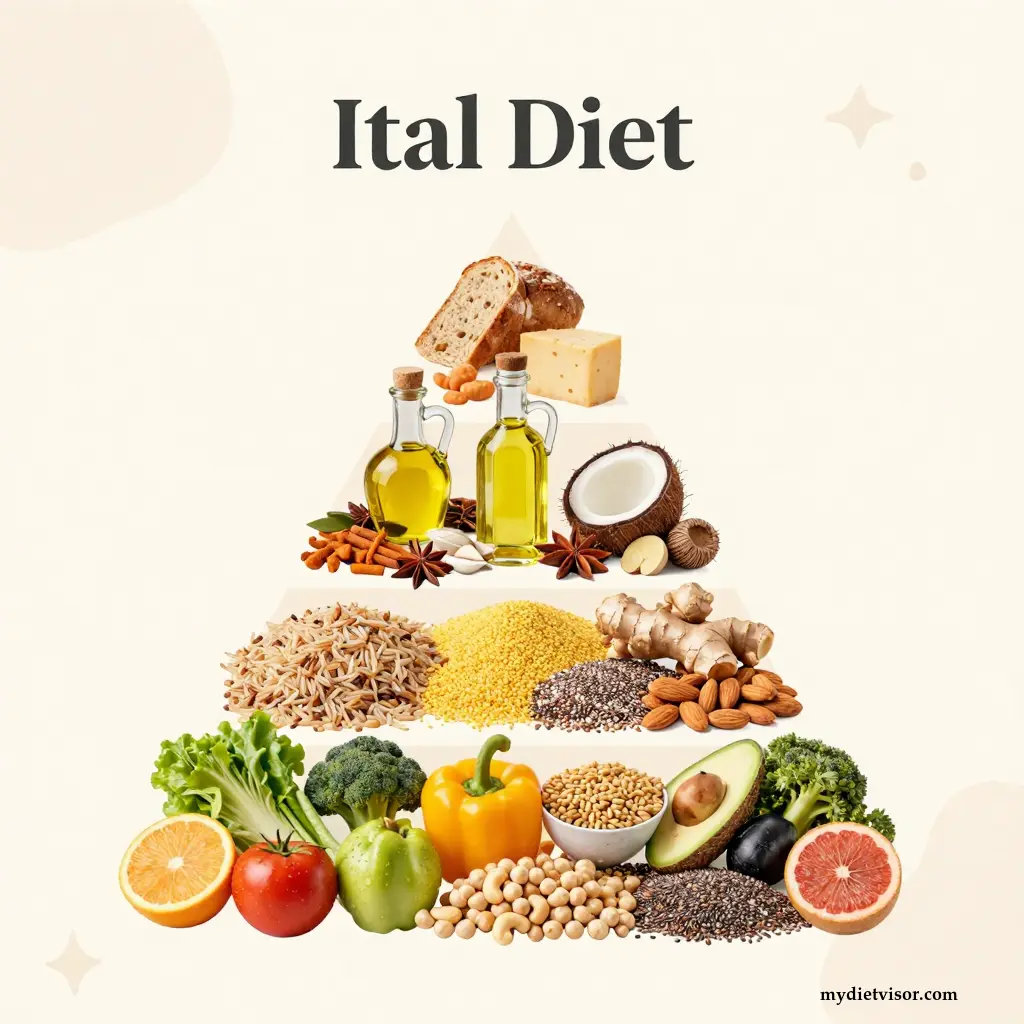
Vegetarianism
Many Rastafarians adhere strictly to a vegetarian diet, avoiding meat because it symbolizes death and opposes the principle of Livity, which emphasizes upward spiritual movement towards enlightenment. This dietary choice is deeply rooted in biblical interpretations that advocate for natural living as seen in Genesis 1:29.
Avoiding Harmful Substances
Alcohol consumption is prohibited within Ital practices due to its negative impact on health and spiritual clarity. While some Rastafarians may use cannabis (ganja) for spiritual or medicinal purposes, it is not encouraged excessively.
Natural Foods
The diet focuses on avoiding salt, processed foods, and artificial additives that detract from the purity of food. Instead, emphasis is placed on consuming organic fruits, vegetables, grains, and legumes to maintain a natural state of health.
Cultural Impact
Ital shops serve as social hubs within Rastafari communities, where members gather to share meals and discuss life matters. These establishments play a crucial role in maintaining the community’s cohesion by promoting communal eating practices that align with Ital principles.
Spiritual Influences
The teachings of Haile Selassie significantly influence dietary practices among Rastafarians. Fasting periods inspired by both biblical traditions and Selassie’s own practices emphasize humility, natural living, and a closer connection to God or Jah (the Almighty).
Fasts and Reflection
Fasting is an important spiritual practice that involves not just abstaining from food but also focusing on personal reflection and community bonding. This period encourages followers to live simply and align their diets with the principles of purity and vitality.
Hermeneutic Approach
The Ital hermeneutic approach emphasizes interpreting scriptures alongside personal revelation, fostering a holistic understanding of nature and humanity’s place within it. This method encourages individuals to question their relationship with food and seek out eating habits that honor life and natural living.
Community Practices
Organic Methods
Rastafarians often employ organic farming methods in gardening, avoiding chemical pesticides and fertilizers. These practices reflect a commitment to sustainability and health by ensuring ingredients are free from harmful substances.
Cooking Utensils
Cooking is done using traditional utensils like clay pots or stainless steel rather than metal ones due to concerns about potential contamination. This preference for natural materials ensures that food remains pure and uncontaminated during preparation.
Historical Evolution
While strict interpretations of Ital exist, many Rastafarians adapt their practices based on personal health needs, economic realities, and cultural contexts in different regions such as the UK versus Jamaica. This flexibility allows for a dynamic approach to living according to natural principles while accommodating diverse lifestyles.
Understanding Ital provides insight into how religious beliefs can shape everyday life choices and community structures, highlighting the importance of purity and naturalness in dietary practices among Rastafarians.
Vegetarianism and Vegan Diets in Ital Cuisine
At its core, the concept of “Ital” is deeply intertwined with natural living and purity in Rastafari culture. This philosophy emphasizes eating foods as close to their natural state as possible, avoiding any chemically modified or artificially added ingredients that might disrupt one’s health and spiritual well-being. The goal is to enhance vitality (Livity) by consuming only pure, unadulterated food sources.
Ital embodies several key principles:
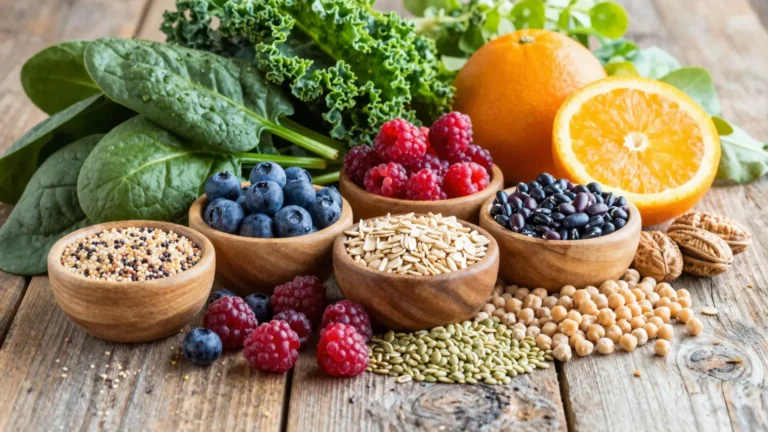
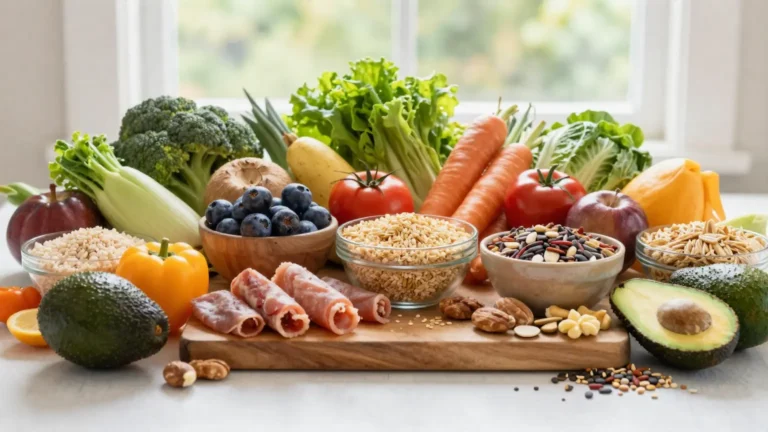
- Natural Foods: Adherents focus on whole foods like fruits, vegetables, grains, and legumes, which are minimally processed if at all.
- Avoiding Harmful Substances: This includes abstaining from alcohol, while allowing for moderate use of ganja in some contexts.
- Purity: The diet avoids salt and any form of artificial additives to maintain a pure state of living.
These principles not only guide dietary choices but also extend into broader lifestyle practices that promote harmony with nature and spiritual elevation. By avoiding processed foods and embracing natural ingredients, Rastafarians aim to enhance their overall health while deepening their connection to the earth and divine life force.
Understanding Ital provides insights into how dietary practices can reflect deeper cultural values and beliefs about purity, vitality, and respect for all forms of life.
The Role of Fruits in Ital Cooking
Fruits play a crucial role in Ital cooking within Rastafari culture. They are seen as natural sources of essential nutrients and vitamins that align perfectly with the principle of consuming pure, unprocessed foods. In this dietary framework, fruits serve both nutritional and spiritual purposes:
- Nutritional Value: Fruits provide vital minerals, vitamins, and antioxidants without artificial additives.
- Spiritual Significance: Eating fresh fruits is often viewed as a way to honor nature’s bounty and maintain purity.
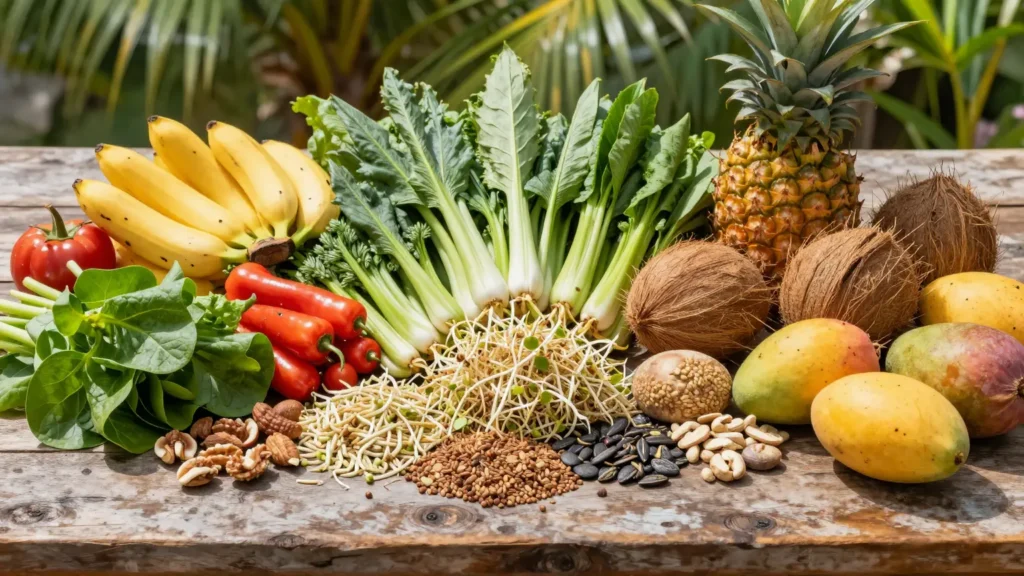
Common fruits in Ital diets include bananas, pineapples, mangoes, and papayas – all of which are abundant in tropical regions where many Rastafarians live. These fruits can be eaten raw or incorporated into various dishes like smoothies, juices, salads, and desserts, ensuring a rich array of flavors while adhering to the Ital philosophy.
Incorporating fruits into meals not only supports physical health but also reinforces the spiritual connection with nature that is central to Rastafari beliefs. By focusing on these natural food sources, followers aim to maintain their vitality (Livity) and live in harmony with divine principles.
The Importance of Herbs in Ital Cooking
Herbs are integral components in Ital cooking, offering a natural way to enhance flavor while maintaining purity and spiritual integrity. They serve several purposes within the dietary practices of Rastafari culture:
- Flavor Enhancement: Fresh herbs like thyme, basil, allspice, and parsley provide rich flavors without relying on artificial seasonings.
- Nutritional Benefits: Herbs are packed with vitamins, minerals, and antioxidants that contribute to overall health.
Herb use in Ital cooking goes beyond mere taste; it also aligns closely with the principle of avoiding anything synthetic or processed. By incorporating herbs into meals, Rastafarians can maintain their dietary purity while enjoying a diverse range of flavors and aromas from nature’s bounty.
Moreover, herbs play a significant role in traditional medicine within Rastafari culture, often used for healing purposes alongside spiritual practices. This holistic approach underscores the interconnectedness between diet, health, and spirituality, highlighting how herbal infusions can be both nourishing and spiritually enriching.
Cooking Methods and Utensils
When adhering to Ital dietary principles, cooking methods and utensil choices are crucial in maintaining purity and naturalness:
- Organic Methods: Using organic ingredients grown without chemical pesticides or fertilizers ensures that foods remain free from harmful additives.
- Cookware Choices: Rastafarians often prefer clay pots or stainless steel utensils over metal ones to avoid potential contamination.
These practices reflect a deep-seated belief in living close to nature and minimizing any artificial influences on food preparation. By choosing traditional cooking methods and natural materials, adherents can preserve the integrity of their meals while reinforcing spiritual purity.
Understanding these culinary practices offers insight into how dietary choices are deeply intertwined with broader lifestyle philosophies within Rastafari culture, emphasizing a holistic approach that encompasses physical health, environmental sustainability, and spiritual well-being.
The Influence of Community in Practicing Ital
Community plays an essential role in the practice of Ital within Rastafari culture. Itali shops and communal gatherings serve as vital hubs where individuals come together to share meals, discuss life, and reinforce their commitment to natural living principles. These spaces not only provide opportunities for social interaction but also promote unity among followers by fostering a sense of shared purpose and spiritual connection.
In these communal settings, the emphasis on natural foods extends beyond personal dietary choices to encompass community welfare. By supporting Ital shops that offer plant-based meals and organic produce, members strengthen their collective identity and support each other in maintaining purity and vitality. This holistic approach underscores how dietary practices are integral to broader cultural and social dynamics within Rastafari communities.
Understanding the role of community in practicing Ital highlights its significance as more than just a set of dietary guidelines but rather a way of life that enhances spiritual, physical, and communal well-being.
Avoiding Processed Foods, Preservatives, and Additives
In Rastafari culture, adhering to an “Ital” diet means embracing natural living through food choices that align with spiritual and health principles. At its core, it emphasizes avoiding processed foods, preservatives, and additives, focusing instead on a pure and natural way of eating. This approach is deeply rooted in the belief that consuming foods free from artificial modifications helps elevate vitality and maintains harmony with nature.
When following an Ital diet, one avoids all kinds of processed foods because these items are often laden with preservatives and additives that Rastafarians believe interfere with spiritual purity and health. Here’s how to incorporate this principle into daily life:
- Choose Whole Foods: Focus on eating whole fruits, vegetables, grains, and legumes as they come directly from the earth without any processing or alteration.
- Avoid Packaged Items: Steer clear of foods that are pre-packaged or contain long lists of ingredients you can’t pronounce. These often include artificial flavors, colors, and preservatives.
- Home Cooking: Opt for cooking meals at home using fresh produce to ensure there are no hidden additives in your food.
- Organic Practices: When possible, grow some herbs and vegetables yourself or buy from trusted local sources who practice organic farming without harmful chemicals.
By adopting these practices, followers of the Ital diet aim to maintain a close connection with nature and preserve their health through pure nutrition. This lifestyle choice isn’t just about what goes into your body but also embraces how food is prepared, emphasizing traditional methods that honor the natural state of ingredients.
For instance, when shopping for groceries, opt for clay pots or stainless steel utensils over metal ones to avoid potential contamination from cooking materials. Consuming raw foods and locally sourced ingredients whenever possible further emphasizes this commitment to purity in diet.
This approach not only enhances personal well-being but also supports community practices by promoting sustainable living and reducing reliance on industrially produced foods. By embracing the Ital way of eating, one can deepen their spiritual connection while enjoying the benefits of a natural diet.
Did you know that adhering strictly to an Ital diet can significantly reduce your exposure to harmful chemicals commonly found in processed foods? This not only helps maintain physical health but also aligns with the spiritual purity emphasized by Rastafarians.
Salt and Its Role (or Lack Thereof) in Ital Meals
Salt plays a unique role – or rather its absence does – within the framework of Ital meals in Rastafari culture. This dietary approach is deeply rooted in a philosophy that emphasizes purity and naturalness, discouraging the use of processed ingredients like salt. Here are some key points to understand about salt’s place within Ital cuisine:
- Avoidance of Salt: One of the distinctive aspects of Ital is its rejection of refined salts, viewed as unnatural additives. Instead, adherents often rely on natural alternatives or opt for flavors derived from herbs and spices.
- Natural Flavors: In lieu of salt, Ital meals focus heavily on enhancing flavors through fresh herbs like thyme, parsley, basil, and allspice. These ingredients not only provide a rich array of tastes but also align with the principle of using nature’s bounty in its purest form.
- Health Considerations: The avoidance of salt is also tied to health concerns; it’s seen as contributing to imbalances within the body that can lead to ill-health. Instead, Ital encourages the consumption of foods in their most natural state to promote vitality and overall well-being.
It’s important to note that while the avoidance of salt is a key tenet in many interpretations of Ital, like most aspects of this dietary philosophy, it can vary among individuals and communities. Some may incorporate small amounts of natural sea salts, seen as closer to their raw form compared to industrially processed varieties. This flexibility underscores the dynamic nature of Ital practices, reflecting both spiritual ideals and practical considerations.
Interestingly, while Ital shuns refined salt for its unnatural processing, some Rastafarians might use a little bit of natural sea salt, seeing it as more aligned with their principles due to its closer resemblance to how salt occurs in nature.
Fish Consumption Amongst Ital Practitioners
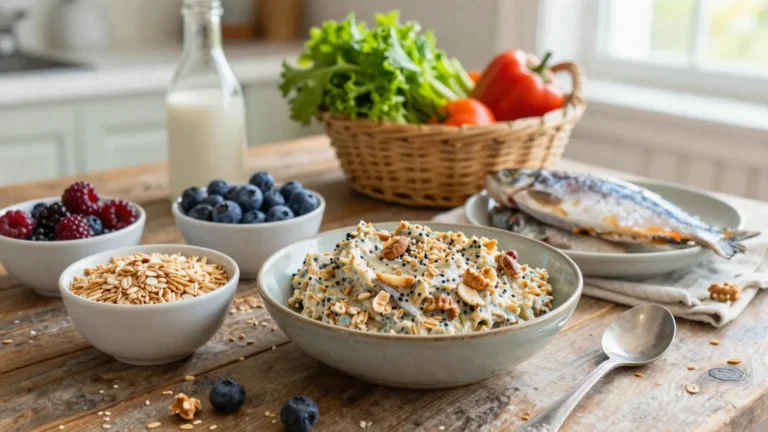
Fish consumption among Rastafarians is an intriguing aspect that showcases the flexibility within the broader framework of Ital dietary practices. While strict vegetarianism predominates in Rastafari culture, some adherents incorporate fish into their diets under specific circumstances. This practice reflects a nuanced approach to interpreting the principles of natural living and purity while accommodating practical health needs or cultural traditions.
When Rastafarians do consume fish, it is often done sparingly and with careful consideration. Fish represents a more moderate departure from strict vegetarianism compared to meat consumption, which many Rastafarians avoid due to its association with death and violence. Some reasons for including fish in the diet include:
- Health Considerations: Fish can be an excellent source of protein and essential nutrients that contribute to overall well-being. For individuals who might struggle to meet their nutritional needs through plant-based sources alone, incorporating fish can provide necessary vitamins and minerals.
- Cultural Traditions: In some Rastafari communities, certain types of fish hold cultural significance or are integral to local diets, reflecting historical ties and community practices.
When including fish in the diet, Ital adherents typically emphasize selecting sustainable and locally sourced options. This not only aligns with their environmental values but also ensures that the food is as natural and pure as possible. For example:
- Selection of Fish: Adhering to principles of sustainability means choosing species that are abundant and harvested responsibly.
- Cooking Methods: The preparation methods for fish often mirror those used in other Ital dishes, focusing on minimal processing to preserve the integrity of the ingredients.
This variation within the dietary practices demonstrates how Rastafarians can maintain core spiritual values while adapting their diets based on personal health requirements or cultural contexts. It highlights a dynamic approach that respects both traditional principles and contemporary needs, ensuring that the essence of Ital remains relevant in diverse settings.
Understanding fish consumption among Rastafari followers offers insight into the holistic nature of Ital as a lifestyle philosophy rather than just a set of rigid dietary rules. This flexibility underscores the importance of personal revelation and community interpretation in maintaining spiritual purity while enhancing physical health through natural living practices.
Coconuts: A Staple in Ital Cooking
Coconuts are more than just an ingredient; they are integral to the essence of Ital cuisine in Rastafari culture. These versatile fruits embody purity, naturalness, and vitality – key principles that define the Ital way of eating. Here’s why coconuts hold such a special place:
- Natural Source: Coconuts grow abundantly without human intervention, making them a pure source of nutrition. They provide essential fats, vitamins, and minerals in their raw form, enhancing the health benefits of an Ital diet.
- Versatility in Cooking: In Rastafari communities, coconuts are used in various forms – coconut milk for creamy soups and curries, coconut water as a refreshing drink, and shredded coconut meat for adding texture to dishes. This versatility makes them indispensable in creating diverse and flavorful meals.
Coconuts not only enhance the flavor profiles of Ital recipes but also align with the broader philosophy of using natural resources wisely. Here are some specific ways coconuts feature in daily Rastafarian cooking:
- Soup Base: Coconut milk is often used as a base for soups, providing a rich and creamy texture without adding any artificial ingredients.
- Smoothies and Drinks: Fresh coconut water is a favorite among Rastafari adherents due to its natural hydration properties and lack of additives. Blending it with other fruits like bananas or papayas makes a healthy, refreshing smoothie.
- Baking and Snacks: Dried shredded coconut can be added to baked goods for a crunchy texture, used in no-bake energy balls, or enjoyed on its own as a natural snack.
Beyond their culinary uses, coconuts also carry spiritual significance within Rastafari culture. They symbolize divine providence and abundance:
- Spiritual Significance: Coconuts are seen as gifts from nature, representing the bounty of God’s creation. Breaking open a coconut is often symbolic of breaking free from earthly constraints to achieve spiritual liberation.
In practical terms, using coconuts also promotes sustainability by reducing reliance on processed foods and artificial additives. This aligns with the broader goal of Ital cooking – to enhance vitality through pure, natural eating habits.
By incorporating coconuts into their diets, Rastafarians not only nourish their bodies but also deepen their connection to nature and spiritual traditions. The use of coconuts thus becomes a holistic practice that reinforces the values of purity, health, and unity with the environment – cornerstones of the Ital way of living.
Did you know? In some communities, breaking open a coconut during important ceremonies symbolizes letting go of past burdens to embrace new beginnings and spiritual growth. This ritual underscores the deep connection between coconuts and Rastafari beliefs about renewal and liberation.
Dairy Products and Egg Restrictions in the Ital Diet
In Rastafari culture, adhering to an “Ital” diet involves avoiding dairy products and eggs due to their perceived unnatural processing or contamination. This dietary approach emphasizes purity and natural living based on biblical teachings and a desire for spiritual and physical health.
- Dairy Avoidance: Dairy products such as milk, cheese, yogurt, and butter are generally avoided because they are often processed and contain additives that Rastafarians believe interfere with their spiritual purity. The emphasis is on consuming foods in their most natural state, free from artificial modifications or chemical treatments.
- Egg Restrictions: Similarly, eggs are typically excluded from the Ital diet for reasons similar to those concerning dairy products. Eggs are seen as a processed food because they come from animals and can contain hormones or antibiotics that may have been fed to the chickens. This aligns with the broader principle of avoiding animal byproducts that might interfere with natural living.
- Natural Alternatives: Instead of relying on dairy and eggs, Ital followers often seek plant-based alternatives such as nut milks (like almond milk), soy products, or other vegan options to meet their nutritional needs while adhering to dietary restrictions. These alternatives are seen as closer to nature and therefore more aligned with the principles of purity.
- Spiritual Considerations: The avoidance of dairy and eggs is also grounded in spiritual beliefs about maintaining a close connection with God (Jah) through natural living. By avoiding these products, followers strive to live in harmony with their environment and avoid any substances that might compromise their health or spirituality.
Understanding the restrictions on dairy products and eggs within Ital not only provides insight into the dietary practices of Rastafarians but also highlights the deep connection between food choices and spiritual well-being. This holistic approach underscores how everyday decisions about what to eat can have significant impacts on one’s physical, mental, and spiritual health.
Did you know that some Rastafarian communities encourage using coconut milk as a natural alternative to dairy products? This not only aligns with the Ital philosophy but also provides a rich source of healthy fats and nutrients.
Ganja as a Sacred Herb and Dietary Supplement
In Rastafari culture, ganja (cannabis) holds a unique place beyond its role as a dietary supplement; it is considered a sacred herb with profound spiritual significance. While not strictly a food item, ganja plays an important part in the broader lifestyle of Ital, which emphasizes purity, natural living, and spiritual elevation.
Spiritual Significance
Ganja is often used for religious or medicinal purposes within Rastafari communities. Many Rastafarians believe that moderate consumption can enhance mental clarity and facilitate deeper connections with spirituality. It is seen as a tool to aid in meditation and prayer, helping individuals achieve a heightened state of consciousness and closer communion with Jah (God).
Historical Roots
The use of ganja in Rastafari practices draws from historical and cultural roots. Early Rastafarians were influenced by the culture of Indian indentured servants who used cannabis for spiritual purposes. Over time, this practice was adopted and adapted into Rastafari traditions, becoming a symbolic part of their identity and spiritual journey.
Moderation and Responsibility
While ganja holds significant importance in many Rastafarian practices, its use is guided by principles of moderation and responsibility. Excessive consumption is discouraged as it can detract from the purity and clarity that are central to Ital living. The emphasis remains on using the herb purposefully for spiritual enhancement rather than recreationally or excessively.
Community Practices
The communal aspect of ganja use in Rastafari culture underscores its role beyond individual practice. Shared sessions where members come together to smoke ganja can be seen as a way to reinforce community bonds and mutual support. These gatherings often serve as spaces for reflection, discussion, and spiritual rejuvenation.
Health Considerations
From a health perspective, the moderate use of ganja is viewed positively within some interpretations of Ital, due to its perceived benefits in reducing stress and promoting mental well-being. However, like all aspects of Rastafari dietary practices, this usage is balanced against the potential risks and adverse effects, reinforcing the importance of personal responsibility and community guidance.
Cultural Impact
The cultural impact of ganja extends beyond spiritual and health dimensions; it also plays a role in social activism and artistic expression within Rastafarian communities. Through music, art, and gatherings, ganja becomes a symbol of resistance against oppression and a means to promote messages of peace, love, and unity.
Personal Interpretation
The interpretation of ganja’s place in the Ital lifestyle is highly personal and varied among individual Rastafarians. Some may view it as an essential tool for spiritual growth, while others might abstain or use it sparingly based on their own convictions and experiences. This flexibility allows individuals to navigate between traditional practices and modern realities while staying true to the core principles of purity and natural living.
Conclusion
Ganja’s role in Rastafari culture highlights how dietary and lifestyle practices within Ital extend beyond food choices alone. It demonstrates a holistic approach that encompasses spiritual, social, and health dimensions, reinforcing the interconnectedness of life’s various aspects within the framework of natural living and spiritual elevation.
Did you know? Some Rastafarians believe that the smoke from burning ganja can purify negative energies in spaces during rituals or gatherings, further emphasizing its role as a sacred herb in maintaining purity and sanctity.
The Role of Fasting in Ital Lifestyle Practices
Fasting plays a significant role in the Ital lifestyle practiced by Rastafarians, deeply rooted in both religious observances and personal purification goals. This practice is seen as a way to cleanse not only the body but also the soul, fostering spiritual growth through humility and closer connection with nature.
During fasting periods, adherents may abstain from eating certain foods that are considered non-pure or harmful. The emphasis is on maintaining a strict vegetarian diet during these times, avoiding meat which is seen as a symbol of death and suffering. Instead, meals consist primarily of fruits, vegetables, grains, and legumes – foods believed to be closer to their natural state and therefore more conducive to spiritual purity.
Fasting in Ital serves multiple purposes:
- Spiritual Cleansing: By removing impurities from the body through dietary restrictions, individuals can focus on spiritual introspection and connection with God.
- Community Engagement: Fasts often involve communal gatherings where simple, unprocessed meals are shared. These events reinforce bonds within Rastafari communities, emphasizing unity and respect for natural living practices.
- Health Benefits: Abstaining from processed foods and artificial additives is believed to detoxify the body, promoting overall well-being and vitality.
Haile Selassie’s teachings significantly influence these fasting periods by advocating for a lifestyle that respects all forms of life. His emphasis on humility and natural living aligns closely with the principles of Ital, encouraging followers to seek purity through dietary restrictions during these times.
Fasting is not just about what one abstains from but also about embracing simplicity and gratitude. It reminds Rastafarians of their deep connection to nature and the importance of living in harmony with it. This practice helps maintain a holistic approach to health and spirituality, reinforcing the broader principles of Ital within daily life.
During fasting periods, many Rastafarians gather for communal meals prepared using organic ingredients and traditional cooking methods like clay pots or stainless steel utensils, symbolizing their commitment to purity and natural living.
By incorporating fasting into their lifestyle, Rastafarians can deepen their spiritual journey while also supporting physical health through a diet free from artificial substances. This practice underscores the interconnectedness of body, mind, and spirit in achieving Livity (spiritual elevation) within the Ital framework.
Ital Hermeneutics and Theological Foundations
When discussing “Ital Hermeneutics and Theological Foundations,” it’s crucial to understand how Rastafarians interpret their dietary practices through biblical teachings and cultural heritage. At its heart, Ital is about living naturally, avoiding anything that has been chemically processed or altered, and embracing a diet focused on plant-based foods.
- Biblical Interpretations: Many adherents draw inspiration from the Book of Genesis, particularly chapter 1 verse 29: “And God said, Behold, I have given you every herb bearing seed, which is upon the face of all the earth, and every tree, in the which is the fruit of a tree yielding seed; to you it shall be for meat.” This verse serves as a cornerstone for Ital’s emphasis on plant-based eating.
- Respect for Life: The concept of Ital extends beyond just what one eats. It’s about showing reverence for all forms of life and striving towards living in harmony with nature. This respect includes avoiding meat, which symbolizes death, and embracing vegetarianism to maintain a state of vitality and purity called “Livity.”
- Personal Revelation and Scripture: The interpretation of Ital involves both personal insight and scriptural guidance. Rastafarians often engage in meditative practices and prayer to seek wisdom that completes their understanding of the Bible.
- Spiritual Leaders’ Influence: Teachings from spiritual leaders like Haile Selassie have played a significant role in shaping dietary norms within Rastafari communities, including fasting periods focused on humility and natural living.
These foundational principles highlight how Ital is not just about avoiding certain foods but also involves cooking methods that respect the purity of ingredients. For instance:
- Cooking Methods: Using organic methods and local, raw foods whenever possible is encouraged to maintain the integrity of the food’s natural state.
- Avoiding Contaminants: There’s a preference for using clay pots or stainless steel utensils over metal ones to avoid potential contamination from cooking materials.
Understanding Ital through this theological lens helps appreciate its profound impact on Rastafarian culture and daily life. This approach not only enhances physical health but also fosters spiritual well-being, promoting a harmonious relationship with nature and fellow humans.
Cooking Utensils and Their Impact on Ital Meals
When preparing meals according to the Ital diet, cooking utensils play an essential role in maintaining purity and naturalness. Rastafarians often prefer using clay pots or stainless steel for their kitchenware because they believe that other materials, especially those containing metals like aluminum, can leach into food and disrupt its natural integrity. This concern stems from the belief that pure food should not be contaminated by foreign substances.
Using traditional cooking methods helps preserve the essence of Ital meals. Clay pots are favored for their porous nature which allows them to absorb excess moisture and enhance flavor in a natural way without adding artificial elements. Moreover, these pots are often seen as more aligned with biblical teachings about using earth’s resources wisely – a principle deeply rooted in Rastafarian beliefs.
Stainless steel is another preferred material due to its durability and resistance to rust, ensuring that food remains uncontaminated by harmful chemicals or metals over time. Both materials align well with the Ital philosophy of purity and natural living. It’s important for those practicing Ital to carefully consider their cooking tools as part of maintaining a diet free from artificial elements.
When selecting utensils and cookware, Rastafarians also look towards sustainability in line with their respect for nature. This means choosing options that minimize environmental impact while preserving the health benefits associated with an Ital lifestyle. By adhering closely to these principles, individuals can enjoy meals that are not only healthy but also spiritually enriching.
Did you know that some Rastafarians place herbs or flowers in the clay pots when cooking to infuse their dishes with a natural aroma and flavor? This practice further emphasizes the holistic approach of Ital towards enhancing both physical health and spiritual well-being through food.
Marine Life Consumption Among Rastafari Followers
In Rastafari culture, the concept of “Ital” emphasizes natural living and purity, guiding dietary choices to enhance vitality and align with biblical interpretations. While most followers adhere strictly to vegetarianism, avoiding meat from land animals due to its symbolic association with death and a lack of spiritual elevation (Livity), there is an intriguing aspect regarding marine life consumption among Rastafari adherents.
Key Points on Marine Life Consumption
- Fish Consumption: Some Rastafarians do incorporate fish into their diet. This practice can be seen as a way to balance the principles of Ital with health and cultural considerations.
- Health Reasons: Fish is viewed as a natural source of protein, essential fats (like Omega-3), and other nutrients that are crucial for overall well-being.
- Cultural Traditions: The inclusion of fish in meals may also serve as a symbolic link back to biblical stories where fish play important roles, such as Jesus feeding the multitude with loaves and fishes.
- Avoiding Meat from Land Animals: The strict avoidance of meat from land animals remains a cornerstone of Ital dietary practices. This stems from both spiritual beliefs (symbolizing death) and health considerations.
- Spiritual Significance: Rastafarians believe that consuming meat, especially from pigs and other quadrupeds, contradicts the principle of Livity, which aims at spiritual growth towards enlightenment.
Flexibility Within Ital Practices
While adherence to strict vegetarianism is common among Rastafari followers, there is a degree of flexibility in certain dietary practices. This flexibility allows individuals to adapt their diets based on personal health needs and cultural traditions while maintaining core principles:
- Moderation and Mindfulness: When including fish or other marine life, the emphasis remains on moderation and mindfulness. The focus is on consuming natural foods that align with biblical interpretations and do not compromise the broader goals of enhancing vitality and living in harmony with nature.
Cultural and Spiritual Context
The inclusion of fish by some Rastafarians highlights how Ital practices are not rigid but adaptable within certain bounds, allowing individuals to make choices that support their health while respecting spiritual ideals:
- Community Support: Within Rastafari communities, such flexibility is often supported through communal discussions and gatherings where dietary guidelines can be reinterpreted in light of personal needs.
- Ital Shops: These community hubs not only provide plant-based meals but also serve as forums for discussing and understanding the nuances within Ital practices.
Practical Implications
For those who choose to incorporate fish into their diet, it is important to do so mindfully:
- Organic and Sustainable Practices: Like other aspects of Ital, consuming marine life should be done in an organic and sustainable manner. This includes sourcing fish from local waters that are not overly contaminated with chemicals or pollutants.
- Cooking Methods: Fish can be prepared using traditional cooking methods such as steaming, boiling, or grilling, avoiding any artificial additives or flavors.
Conclusion
The inclusion of marine life in the diets of some Rastafari followers is an example of how Ital practices can adapt while maintaining core principles. By allowing for flexibility within certain dietary choices, Rastafarians demonstrate a holistic approach to natural living that balances spiritual beliefs with practical health considerations. This nuanced understanding underscores the dynamic nature of Ital as both a dietary guideline and a way of life that fosters spiritual growth and connection with nature.
Did you know? Some Rastafarians believe that consuming certain types of fish, like those caught from unpolluted waters, can be a form of divine sustenance, aligning closely with their spiritual beliefs about living in harmony with the natural world.
Pork Prohibition: Historical and Cultural Significance
In Rastafari culture, the prohibition on pork consumption is deeply rooted in both historical and cultural contexts, aligning with broader religious and dietary principles that emphasize purity and natural living. This restriction is not merely about health or taste preferences but carries significant symbolic weight within the community.
Historical Roots
The ban on pork dates back to biblical teachings found in the Old Testament, particularly Leviticus, where certain animals are classified as “unclean.” Pigs are one such animal because of their eating habits and habitat. Rastafarians interpret these biblical guidelines not just as dietary laws but also as metaphors for avoiding what is considered spiritually impure or harmful to vitality.
Cultural Significance
Culturally, the prohibition on pork consumption serves multiple purposes within Rastafari communities:
- Identity Formation: By adhering strictly to dietary practices that differ from mainstream society, Rastafarians distinguish themselves and solidify their identity. This includes rejecting foods associated with Western industrialized norms.
- Community Cohesion: Common adherence to dietary laws fosters a sense of unity among community members. Meals prepared according to these principles are shared during gatherings, reinforcing social bonds.
Symbolic Interpretations
The symbolic significance of avoiding pork extends beyond mere religious texts:
- Spiritual Purity: Eating pork is seen as contrary to the pursuit of spiritual purity and vitality (Livity). This purity encompasses both physical health and moral integrity.
- Cultural Distinction: The practice helps Rastafarians maintain a distinct cultural identity that sets them apart from other religious groups or secular society. It serves as an outward manifestation of their inner beliefs.
Modern Interpretations
While the historical and cultural roots remain strong, modern interpretations of this dietary restriction can vary:
- Health Considerations: Some adherents may also point to health reasons for avoiding pork, citing potential risks associated with consuming meat from animals that are considered unclean or those raised under poor conditions.
- Practical Flexibility: Within the broader framework of Ital philosophy, there is room for individual interpretations. This allows some flexibility while maintaining the core principles.
In essence, the prohibition on pork consumption within Rastafari culture reflects a deep-seated commitment to biblical teachings, cultural traditions, and spiritual purity. It serves as both a symbol of identity and a guide for living in harmony with nature and divine will.
Understanding this aspect of Ital provides insight into how dietary practices can be intertwined with broader cultural and religious identities, shaping the daily lives of Rastafarians around the world.
Alcohol, Coffee, and Other Beverages in the Ital Diet
In Rastafari culture, the concept of “Ital” emphasizes living naturally and avoiding anything that is chemically altered or artificially processed. This principle extends to beverages as well, ensuring they align with purity and health.
- Alcohol: The consumption of alcohol is strictly prohibited within the Ital way of eating because it contradicts the emphasis on clean and pure living. Rastafarians believe that substances like alcohol can cloud the mind and impede spiritual clarity. By avoiding alcohol, adherents strive to maintain a clear path toward spiritual enlightenment and vitality.
- Coffee: The stance on coffee is more nuanced in Ital culture. While many Rastafarians may avoid coffee due to its stimulant effects and potential for chemical additives, some consume it in moderation if it aligns with their interpretation of purity and natural living. Organic coffee beans that are free from synthetic treatments or pesticides are preferred by those who choose to include coffee in their diet.
- Other Beverages: Herbal teas and fresh fruit juices are highly favored within Ital practices because they provide natural hydration while supporting health and well-being. These beverages are seen as a pure source of vitamins, minerals, and antioxidants without any artificial additives or preservatives.
Herbal teas such as mint tea, lemon grass tea, and ginger tea offer not only refreshing flavors but also medicinal benefits that align with the holistic approach to health emphasized by Ital. Fresh fruit juices made from squeezing fruits at home are another popular choice, ensuring a natural source of nutrients.
Did you know? In Rastafarian gatherings or community feasts, sharing herbal teas or fresh fruit juice can serve as a communal bonding activity that reinforces spiritual connections among members of the community?
These beverage choices reflect the broader principles of Ital, which aim to enhance vitality and promote a deeper connection with nature and spirituality. By choosing beverages that are pure and natural, Rastafarians reinforce their commitment to living in harmony with the earth and fostering spiritual growth through mindful dietary practices.
Grapes and Vine Foods: A Controversial Element?
Grapes and vine foods like tomatoes and cucumbers play an intriguing role in Rastafari dietary practices, particularly within the concept of “Ital.” This philosophy emphasizes consuming natural, unprocessed foods to maintain spiritual purity and vitality. While grapes are generally seen as a healthy, pure food source that aligns with Ital principles, there is some debate regarding certain aspects of their use.
Natural and Pure: The Case for Grapes
Grapes grow naturally without artificial aids or chemical interventions, making them a fitting choice within the Ital diet. They can be enjoyed fresh, dried as raisins, or even made into wine for ceremonial purposes. Vine foods in general offer nutritional benefits while remaining true to the natural living ethos.
- Freshness and Natural State: Fresh grapes are often consumed directly from the vineyard or garden, providing a sweet, refreshing snack that requires no processing.
- Cultural Significance: Grapes hold symbolic value in Rastafari culture. They represent the bounty of nature and the simplicity of eating foods as they come without human intervention.
Controversial Processing Methods
The controversy around grapes and vine foods arises when these fruits undergo certain processes or preparations that some Rastafarians view as artificial or impure.
- Commercial Vinegar: Using commercial vinegar made from grapes can be seen as a departure from natural practices. The fermentation process involved in making vinegar is viewed by some as an unnecessary intervention.
- Grape Juice and Wine: Commercial grape juice or wine may contain additives, preservatives, or other artificial ingredients that conflict with the core principles of Ital.
Flexibility Within Interpretations
Despite potential controversies, many Rastafarians find ways to incorporate grapes and vine foods while adhering closely to their dietary guidelines. Here’s how:
- Organic and Fresh: Opting for organic, fresh produce ensures that no harmful chemicals or additives have been used in the growing process.
- Natural Processing Methods: Homemade grape juice or wine made through traditional methods aligns better with Ital principles because it avoids commercial processing.
Community Perspectives
Diverse perspectives within Rastafari communities contribute to the flexible interpretation of consuming grapes and vine foods:
- Ethical Considerations: Some adherents might avoid eating grapes if they believe that the vines were not cared for in an environmentally friendly manner, highlighting a deeper connection between diet and sustainability.
- Spiritual Significance: The act of breaking open a coconut or enjoying a fresh grape can serve as a spiritual reminder of purity and natural living.
Conclusion
Grapes and vine foods offer both health benefits and symbolic value within Rastafari culture. While their consumption may raise questions about processing methods, the key lies in maintaining integrity through organic cultivation and minimal intervention. By doing so, Rastafarians can continue to honor the principles of Ital while enjoying these natural gifts from nature.
Did you know? In some communities, the practice of using fresh grapes or grape leaves in traditional dishes underscores not only their nutritional value but also their cultural significance as symbols of purity and abundance within the context of natural living.
The Importance of Coconuts in Jamaican Rastafari Culture
In Jamaican Rastafari culture, coconuts hold a special place due to their natural qualities and deep symbolic significance that aligns closely with the principles of “Ital.” These versatile fruits are not just a staple food but also play a crucial role in spiritual rituals and daily practices. Here’s why they are so revered:
- Natural Source: Coconuts grow abundantly without artificial aids or chemical interventions, making them a pure and natural resource that fits seamlessly with Ital’s emphasis on living simply and close to nature.
- Nutritional Benefits: They provide essential hydration through coconut water, nourishing fats from coconut oil, and carbohydrates from the flesh. Each part of the coconut is utilized in various dishes, such as soups, desserts, and beverages, making it an integral ingredient in Rastafarian diets.
- Symbolic Meaning: The coconut’s hard exterior symbolizes strength and protection against external challenges, much like how Rastas view their spiritual journey amidst societal oppression. Inside, the white flesh represents purity and inner peace – a stark contrast to its tough exterior that breaks to reveal these qualities.
Think about it this way: When you break open a coconut, what do you see? A soft interior that contrasts with its robust exterior – much like Rastafarian beliefs in breaking free from societal constraints to attain spiritual liberation. This visual symbolism is deeply embedded in the cultural and spiritual fabric of Jamaican Rastafari communities.
Did you know? The practice of using coconuts in rituals and ceremonies is widespread among Rastafarians. During these events, coconuts are often used symbolically to represent breaking free from chains or barriers that hinder personal growth and freedom.
- Community Engagement: Coconuts also serve as a focal point for discussions about sustainability and natural living within the community. They encourage conversations around how nature provides us with everything we need if we live in harmony with it, fostering a sense of interconnectedness among Rastafarians.
In Ital shops and communal gatherings, coconuts are more than just food items – they symbolize freedom, resilience, and purity. Their presence encourages individuals to reflect on their relationship with the environment and how they can maintain balance between spiritual practices and daily living.
By incorporating coconuts into their diets and rituals, Rastafarians deepen their connection with nature and reinforce the principles of Ital, which advocate for a lifestyle that is both spiritually enriching and environmentally sustainable. This holistic approach ensures that every aspect of life – from food to spirituality – aligns with the broader goal of living in harmony with the natural world.
The coconut’s journey from tree to table encapsulates much of what Rastafarians strive for: purity, resilience, and a deep connection with nature. It’s more than just a fruit; it’s a symbol of freedom and vitality within Jamaican Rastafari culture.
Haile Selassie’s Influence on Italic Dietary Practices
Haile Selassie’s influence on Italic dietary practices is profound and multifaceted. As the former Emperor of Ethiopia who is revered in Rastafarian culture as a living deity, his teachings and actions have deeply shaped how Rastafari approach eating and living. His emphasis on natural living resonates with the Ital philosophy’s core principle that one should live simply and close to nature.
Spiritual Leadership and Guidance
Selassie’s spiritual leadership has been pivotal in guiding dietary practices within Rastafarian communities. He is often cited as a source of inspiration for adopting a diet that avoids meat, which symbolizes death and suffering. His teachings encourage followers to embrace plant-based diets rich in fruits, vegetables, and grains, promoting vitality (Livity) and spiritual elevation.
Fasting Periods
Selassie’s influence can also be seen in the fasting periods observed by Rastafarians, which are deeply rooted in both biblical traditions and his own practices. These fasts symbolize a retreat into spirituality focused on humility and closeness with God. During these times, adherents adhere to strict vegetarian diets to maintain purity and avoid foods that might cause harm or impurity.
Natural Living Advocacy
Selassie’s advocacy for natural living has further shaped Ital dietary customs. This includes avoiding processed foods and artificial additives in favor of organic produce grown without chemical pesticides and fertilizers. Rastafarians strive to eat raw vegetables and fruits whenever possible, reflecting a commitment to purity and naturalness.
Cultural Significance
In many Rastafarian communities, the cultural significance of Selassie’s teachings is reflected through communal practices such as gathering in Ital shops where organic foods are shared among members. These gatherings reinforce the importance of unity and respect for nature that Selassie promoted throughout his life.
Hermeneutic Approach
Ital’s hermeneutic approach, which involves interpreting scriptures alongside personal revelation, has been heavily influenced by Selassie’s teachings. This encourages followers to question their relationship with food and seek out eating habits that align with spiritual purity and vitality. His guidance on natural living and respect for all forms of life continues to inspire Rastafarians in their quest for a healthier, more natural way of living.
Cooking Methods
Selassie’s influence is also evident in the cooking methods used by Rastafari communities. The preference for clay pots or stainless steel utensils over metal ones reflects a broader effort to keep food preparation processes as close to nature as possible, aligning with Selassie’s emphasis on naturalness and purity.
Modern Interpretations
Today, the dynamic influence of Selassie continues to shape modern interpretations of Ital within diverse communities around the world. His teachings encourage flexibility while maintaining core principles, allowing Rastafarians to adapt their dietary practices based on individual needs and cultural contexts.
In essence, Haile Selassie’s legacy is deeply ingrained in Italic dietary practices, guiding followers towards a lifestyle that honors nature, enhances vitality, and fosters spiritual growth. This enduring influence highlights the profound connection between religious beliefs and everyday life choices among Rastafarians.
Closing Summary: Key Principles and Modern Interpretations of Ital
In summary, the concept of “Ital” in Rastafari culture is rooted in natural living and purity to enhance vitality or Livity. The core principle involves avoiding chemically modified foods and embracing what nature provides. Key dietary practices include strict vegetarianism, abstinence from alcohol, and a focus on organic, unprocessed ingredients. This approach not only fosters physical health but also strengthens community bonds through shared meals and gatherings in Ital shops. Spiritually, Ital is influenced by the teachings of Haile Selassie and biblical interpretations that promote natural living and respect for all forms of life. While strict adherence to these principles remains important, modern interpretations allow for flexibility based on individual needs and cultural contexts, ensuring the essence of Ital continues to thrive across diverse communities around the world.
Frequently Asked Questions (FAQ)
What is the main principle behind an Ital diet?
The main principle behind an Ital diet is to consume food that is pure, natural, and directly from the earth. This means avoiding processed foods, additives, preservatives, and any items considered unnatural or harmful.
Why do Rastafari avoid salt in their meals?
While not all Rastafari avoid salt entirely, some choose to limit its use because they believe it can be harmful to health when consumed in excess. The preference for natural flavors over processed ones is a key aspect of Ital cooking.
How important are coconuts in the Ital diet?
Coconuts are very important in the Ital diet as they provide essential nutrients, oils, and milk. They are also used in various cultural practices and rituals among Rastafari communities due to their natural abundance and versatility.
Can you eat fish on an Ital diet?
Fish consumption varies among Rastafarians. Some adhere strictly to a vegetarian or vegan diet, while others consume fish occasionally for health reasons or when necessary from an economic standpoint.
What are the restrictions regarding dairy products in Ital meals?
Many adherents of the Ital diet avoid dairy products because they believe these foods can reduce “Livity,” which is the life force believed to connect humans with nature and God. Milk, in particular, is seen as taking away a necessary nutrient from calves, which conflicts with Rastafari beliefs about life affirmation.
How do Rastafarians view raw food consumption?
Rastafarians who follow Ital dietary practices often believe that eating food in its most natural state – preferably raw – is more aligned with the earth’s original design and closer to the lifestyle of early humans.
Is tofu or tempeh included in an Ital diet?
Tofu and tempeh are frequently incorporated into Ital meals as they provide protein alternatives for those who do not consume meat, fish, or animal products. These foods align well with the Ital philosophy of using natural and unprocessed ingredients.
What is the significance of eating whole grains on an Ital diet?
Whole grains are a fundamental part of an Ital diet because they offer essential nutrients in their purest form without any additives or processing. They support health and longevity, consistent with Rastafari beliefs about preserving life energy (Livity).
Are there specific cooking utensils recommended for preparing Ital meals?
Many adherents of the Ital diet prefer to use natural materials like wood or clay pots over metal ones because they believe that certain metals can leach into food during cooking, reducing its purity and liveliness.
How does economic practicality influence Ital dietary practices among Rastafarians?
Practical considerations such as affordability and availability often play a role in how strictly individuals adhere to an Ital diet. Some may adapt their practices based on what is economically feasible while still trying to maintain the spirit of purity and naturalness central to the Ital philosophy.