Introduction: Understanding Jain Vegetarianism and Its Core Principles
The Jain diet is more than just a set of rules about what to eat or avoid – it’s a profound practice rooted in the core principles of Jainism, emphasizing non-violence (ahimsa) as its cornerstone. At the heart of Jain vegetarianism lies an intricate understanding that every act, whether intentional or not, has repercussions on one’s spiritual journey and moral standing.
Jain dietary practices are meticulously designed to minimize harm towards all forms of life, from tiny microorganisms to larger beings. This diet is lacto-vegetarian in nature, meaning it includes dairy products but excludes meat, fish, eggs, root vegetables like potatoes, garlic, onions, honey, and mushrooms. The rationale behind these restrictions is the belief that such foods may inadvertently cause harm to living entities or contribute negatively to one’s spiritual well-being.
One of the most intriguing aspects of Jain vegetarianism is its strict adherence to ethical guidelines beyond just food selection. For instance, Jains refrain from cooking or eating meals after sunset, as this time period increases the risk of harming nocturnal insects and other microorganisms that are active during night hours. Additionally, there’s a practice of avoiding overnight storage of food due to concerns about microbial growth, underscoring the Jains’ commitment to minimizing harm in every aspect of their daily lives.
The influence of Jain vegetarianism extends far beyond personal dietary practices; it has significantly shaped Indian cuisine and culinary traditions across various regions. Today, one can find restaurants offering “Jain versions” of popular dishes by omitting ingredients that might cause ethical or spiritual concerns. This adaptation not only showcases the adaptability of Jain principles but also highlights how these ancient beliefs continue to resonate in contemporary settings.
As we delve deeper into the world of Jain vegetarianism, it becomes clear that this practice is more than just a way of eating; it’s a holistic approach to life that seeks harmony and ethical purity. Understanding its nuances invites us to reflect on our own relationship with food and its broader implications for spiritual and ethical living.
The Doctrinal Foundation: Ahimsa and Its Role in Jain Dietary Practices
At the heart of Jain dietary practices lies the principle of ahimsa, which translates to non-violence or harmlessness towards all living beings. This core belief is not just a moral guideline but forms the very foundation of Jainism’s teachings on diet and lifestyle choices. Ahimsa encourages Jains to minimize harm to every form of life, both seen and unseen, in an effort to reduce negative karma that accumulates through actions causing injury or killing.
In practical terms, ahimsa dictates strict vegetarian dietary practices for Jains, making them one of the most rigorous plant-based communities globally. Jains are lacto-vegetarians who abstain from consuming meat, fish, eggs, honey, and certain vegetables like root crops (potatoes), garlic, onions, mushrooms, sprouts, and specific fruits that might cause harm to tiny living beings or microorganisms in their growth process.
Ahimsa’s influence extends beyond just dietary restrictions; it also shapes cooking practices. Jains avoid preparing meals after sunset because nocturnal insects may be harmed during the cooking process. They store food overnight sparingly to prevent microbial activity, which is seen as another form of injury and harm. These intricate rules reflect a profound respect for life at all stages and in all forms.
The adherence to these strict dietary practices underscores Jainism’s unique approach to ethical living, aiming not only for physical health but also spiritual purity. By minimizing the violence inherent in daily activities like eating, Jains strive to cultivate compassion and non-violence in thought, word, and deed. This comprehensive way of life encourages continuous reflection on one’s actions and their impact on the broader ecosystem.
Understanding ahimsa’s role in Jain dietary practices can deepen our appreciation for how deeply intertwined spirituality and ethics are with daily living. It invites us to consider how even small acts like choosing what we eat can significantly influence our spiritual path and ethical integrity.
The concept of ahimsa has a rich history beyond Jainism, influencing other religions such as Buddhism and Hinduism, but Jains have taken it to an extreme by considering harm to microscopic organisms in their dietary choices.
Recommended Food Groups for a Healthy Jain Diet
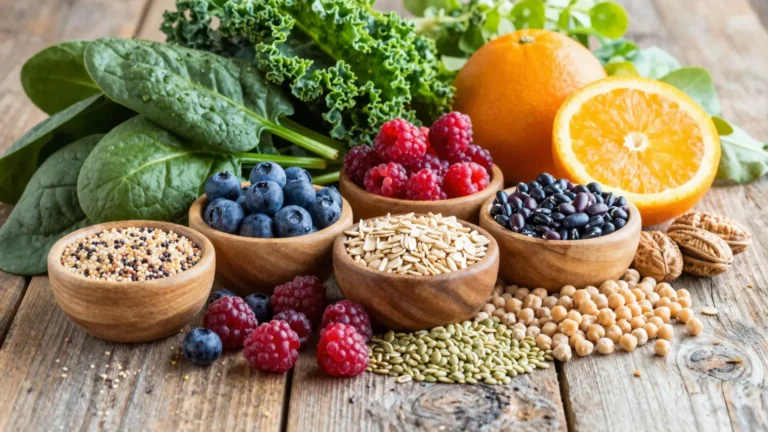
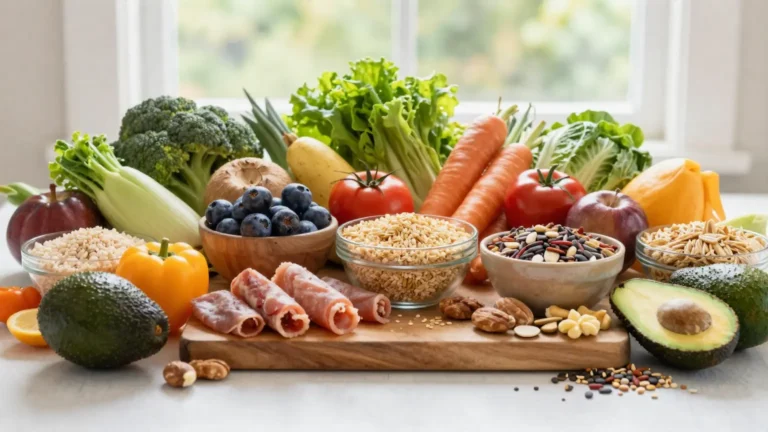
A healthy Jain diet focuses on minimizing harm to all living beings based on the principle of ahimsa or non-violence. This means avoiding foods that could potentially cause injury or death, such as meat, fish, eggs, honey, mushrooms, and certain root vegetables like potatoes and onions. Here are some recommended food groups for a healthy Jain diet:
- Legumes: Beans, lentils, chickpeas, and other pulses provide essential proteins and minerals.
- Grains: Rice, wheat, barley, oats offer carbohydrates and fiber necessary for energy and digestive health.
- Vegetables: Most leafy greens, fruits, and vegetables that don’t involve uprooting plants like spinach, carrots (since they grow above ground), broccoli, and peas are suitable. These provide essential vitamins, minerals, and antioxidants.
- Fruits: Many fresh fruits are included in the Jain diet due to their low violence quotient – think apples, bananas, grapes, berries.
- Nuts and Seeds: Almonds, walnuts, flaxseeds, chia seeds can be incorporated for healthy fats and proteins.
To ensure a balanced intake of nutrients, Jains often prepare meals using these ingredients in various combinations. It’s important to consume a variety of foods from the recommended groups to meet daily nutritional requirements. This careful selection not only aligns with the spiritual philosophy but also supports overall health and well-being.
As you explore more about Jain vegetarianism, remember that it’s deeply rooted in ethical living and minimizing harm to all life forms. By following these guidelines, Jains strive for both physical health and spiritual purity.
Did you know that almonds are not only a great source of protein but also have a low potential for causing harm according to Jain dietary principles? They’re considered an excellent addition to a balanced Jain diet.
Forbidden or Limited Foods in Jain Cuisine
In Jain cuisine, the avoidance of certain foods is deeply rooted in the principle of ahimsa, which emphasizes minimizing harm to all forms of life. This practice extends beyond the typical vegetarian diet by excluding foods that may cause indirect harm, such as root vegetables like potatoes and onions, due to their potential for damaging small organisms during harvesting.
Forbidden or Limited Foods
- Root Vegetables: Jains avoid consuming any vegetable grown underground, including potatoes, sweet potatoes, and beets. These are believed to potentially harm microorganisms living in the soil.
- Garlic and Onions: While many vegetarians might not have a problem with these vegetables, they are strictly avoided by Jains because of their pungent nature and strong aroma. It is thought that their odor can attract pests or insects.
- Mushrooms and Sprouts: These foods are also off-limits as mushrooms may be parasites on living plants and sprouted seeds could contain dormant organisms.
- Honey: Despite being a natural product, honey is avoided because it might involve the exploitation of bees for its production.
Additional Ethical Considerations
Jains have specific guidelines around cooking times to avoid harming nocturnal insects. Cooking and eating after sunset are prohibited as this time frame poses risks to insects that may be drawn towards light or food sources in the dark. Furthermore, overnight storage of prepared foods is discouraged due to concerns about microbial activity.
Impact on Health and Culture
While these dietary restrictions might seem challenging from a nutritional standpoint, they reflect deep philosophical values aimed at achieving spiritual purity and minimizing karmic debt through non-violence. The health benefits associated with adhering to such a diet include reduced exposure to harmful microorganisms and potential lower intake of toxins found in some foods.
Cultural Influence
The dietary practices of Jains have significantly influenced vegetarian cuisine across India, contributing to the development of unique culinary traditions that respect these principles. This has led many restaurants and households to offer “Jain-friendly” versions of popular dishes by excluding certain ingredients or modifying recipes to align with Jain ethics.
Understanding and respecting these dietary restrictions not only enhances appreciation for Jain culture but also highlights how ancient religious practices can contribute positively to health and environmental sustainability in modern times.
Did you know that the practice of avoiding root vegetables like potatoes is believed to have originated from an ancient story about a king who accidentally killed several tiny creatures living inside a potato? This tale underscores the deep respect for life inherent in Jain dietary practices, extending even to microscopic beings often overlooked by other cultures and religions.
Nutritional Benefits and Drawbacks of Following a Strict Jain Diet
Jain vegetarianism is characterized by its strict adherence to dietary guidelines that minimize harm to all forms of life, including microorganisms. This diet excludes not only meat, fish, eggs, honey, mushrooms, sprouts, but also specific vegetables like root crops (potatoes) and certain fruits such as garlic and onions.
Nutritional Benefits:
- Minimized Exposure to Harmful Substances: By avoiding foods that may contain harmful microorganisms or toxins, Jains potentially reduce their exposure to contaminants. For example, the exclusion of root vegetables reduces contact with soil-dwelling organisms that might carry pathogens.
- Emphasis on Fresh Produce: The practice of eating before sunset ensures food freshness and minimizes bacterial growth, contributing to better food safety. This aligns well with modern health recommendations for reducing overnight storage of prepared meals.
Nutritional Drawbacks:
- Risk of Nutrient Deficiencies: Excluding root vegetables can lead to a lower intake of essential nutrients like vitamin C, potassium, and fiber, which are abundant in foods such as potatoes and carrots. This requires careful planning to ensure adequate nutrient intake from other sources.
- Protein Quality Concerns: The restriction on eggs and the limited variety of permissible protein sources might impact protein quality if not supplemented adequately with high-quality plant proteins like legumes, nuts, and seeds.
Health Implications:
Recent studies suggest that adhering to certain Jain dietary practices may offer health benefits by reducing exposure to harmful microorganisms often found in improperly stored food. However, such a strict diet necessitates meticulous planning to ensure all nutritional needs are met, particularly for vulnerable groups like pregnant women and growing children who require additional nutrients.
Sociocultural Relevance:
Jain vegetarianism’s influence extends beyond individual health benefits; it shapes dietary practices within various Indian communities. The principles of non-violence (ahimsa) in Jainism have inspired the development of unique regional vegetarian cuisines that respect ethical living alongside nutritional needs. This highlights how ancient religious practices can contribute positively to modern health and environmental sustainability.
By understanding both the spiritual underpinnings and practical aspects of the diet, individuals can appreciate how Jain vegetarianism balances ethical living with health considerations. It encourages thoughtful consumption habits that resonate beyond religious boundaries into everyday lifestyle choices.
Did you know that the practice of avoiding root vegetables in Jainism is believed to have originated from an ancient story about a king who accidentally killed several tiny creatures living inside a potato? This tale underscores the deep respect for life inherent in Jain dietary practices, extending even to microscopic beings often overlooked by other cultures and religions.
Sample Meal Plan for Adhering to Jain Dietary Guidelines
Adhering to Jain dietary guidelines requires a thoughtful approach to meal planning that aligns with the principles of non-violence (ahimsa). Below is a sample meal plan that adheres strictly to Jain vegetarianism, ensuring minimal harm to all living beings.
Breakfast:
- Steamed whole wheat bread or “roti”
- Fresh fruits like apples, bananas, pomegranates, and seasonal berries
- Coconut water or plain buttermilk (lassi without added sugar)
Mid-Morning Snack:
- Small bowl of steamed vegetables
- Herbal tea
Lunch:
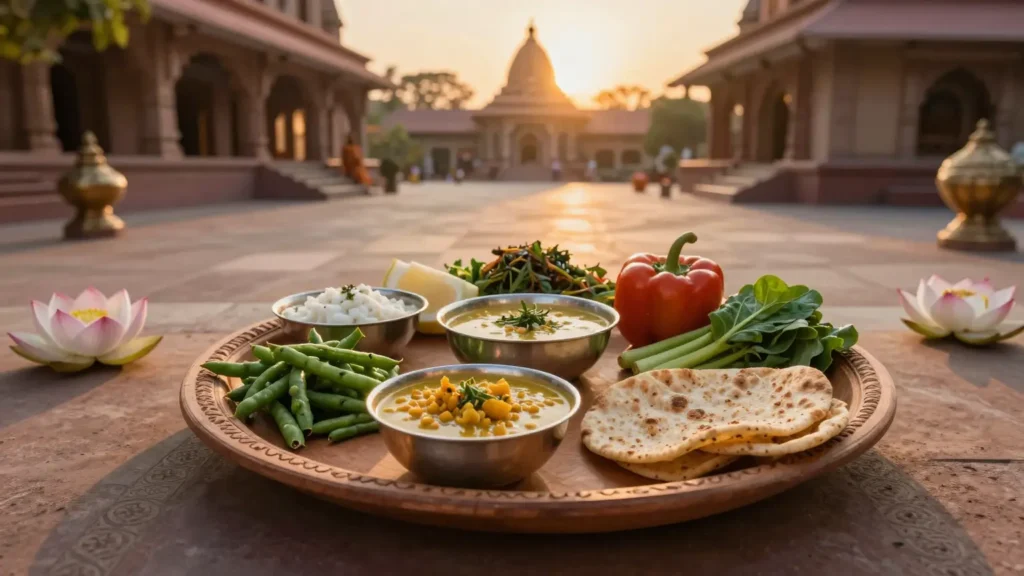
- Freshly prepared dal (lentil soup) with leafy greens like spinach and mustard leaves
- Sabzi made from seasonal vegetables, excluding onions and garlic
- Chapati or whole wheat bread
- Small serving of fresh fruit or homemade sweet without added sugar
Evening Snack:
- Steamed vegetables
- Bowl of sprouted mung beans (if permissible)
- Light salad with leafy greens, avoiding root vegetables
Dinner:
- Reheated leftovers from lunch just before dark
- Seasonal fruits
Key Points to Remember:
- Avoid all meats, fish, eggs, honey, mushrooms, and root vegetables.
- No onions or garlic are used as they can attract insects during storage.
- Cooking should ideally stop by sunset to avoid harming nocturnal creatures like moths.
This meal plan not only adheres strictly to Jain dietary principles but also promotes health-conscious eating habits. It emphasizes fresh produce and plant-based meals, ensuring a balanced intake of essential nutrients while minimizing harm to living beings in the broadest sense possible.
The practice of excluding certain fruits from the diet is rooted in the belief that they might attract pests or insects during storage, thereby causing indirect harm. This underscores how deeply Jains consider even seemingly minor actions when it comes to adhering to non-violence principles.
Why Do Jains Refrain from Eating Certain Foods? Addressing Common Queries
Jain vegetarianism is deeply rooted in the principle of ahimsa, which means non-violence or harmlessness towards all living beings. This belief drives many dietary choices within Jain culture. Let’s explore some common questions about why Jains avoid certain foods and how this practice aligns with their spiritual beliefs.
Ahimsa Principle
At its core, ahimsa is a commitment to causing no harm. When it comes to food, Jains extend this principle to minimize violence even towards tiny organisms that might be harmed during the harvesting or consumption of crops. For instance, they avoid root vegetables like potatoes and onions because these foods often contain soil-dwelling microorganisms.
Avoidance of Certain Foods
- Meat and Fish: These are strictly avoided as they involve killing animals for sustenance.
- Root Vegetables (like Potatoes, Garlic, Onions): Jains do not consume root vegetables due to the potential harm these crops cause to tiny organisms in the soil during cultivation.
Cooking and Eating Times
Jains follow specific guidelines to avoid harming nocturnal insects or other small creatures that might be drawn towards food left out during cooking after sunset. This practice underscores their commitment to minimizing harm even when it seems trivial or inconsequential to others.
Understanding why Jains choose such a strict diet helps us appreciate the profound ethical considerations behind their dietary practices. These choices are not merely about nutrition but also about living in harmony with all forms of life, no matter how tiny they may seem to others.
While many vegetarian diets focus primarily on avoiding meat for health or ethical reasons, Jain vegetarianism goes further by considering and minimizing harm even towards microscopic organisms, highlighting the depth of their commitment to non-violence.
How Does the Jain Diet Compare with Other Vegetarian Diets? An Alternative Perspective
When comparing Jain vegetarianism to other vegetarian diets, several unique characteristics emerge due to its focus on minimizing harm to all living beings. Unlike many Western vegetarian or vegan diets that primarily avoid meat and fish out of ethical considerations for animals, Jain diet ethics extend much further into the microscopic realm.
- Exclusionary Practices: Jains practice lacto-vegetarianism but go beyond this by excluding root vegetables such as potatoes and onions because they believe these can harm small organisms living in the soil. They also avoid honey due to concerns about harming bees, mushrooms because of potential damage to mycelium networks, and many fruits for similar reasons.
- Time Restrictions: Jains typically do not cook or consume food after sunset to prevent unintentionally harming nocturnal insects that might be attracted to flames or drawn into boiling water. This practice underscores the Jain commitment to minimizing harm even when it seems trivial or inconsequential to others.
- Health Implications: While some practices like avoiding root vegetables may seem restrictive, they have potential health benefits not widely recognized in other vegetarian diets. For instance, these exclusions can reduce exposure to harmful microorganisms and toxins that might be present in certain foods, promoting a cleaner diet overall.
- Influence on Cuisine: Jain dietary restrictions have significantly influenced Indian cuisine, leading to the development of specialized dishes within regional cuisines like Gujarati thali or Rajasthani dal-baati-churma. Many restaurants now offer “Jain versions” of popular dishes by excluding ingredients that cause harm according to Jain ethics.
- Community and Cultural Impact: Jain vegetarianism is deeply embedded in religious and cultural practices, with significant sociocultural impacts. Women often play a pivotal role in maintaining these dietary traditions within the household, ensuring adherence to these strict guidelines even during festivals or social gatherings where non-Jain food might be prevalent.
While other vegetarian diets vary widely – from ovo-lacto vegetarians who consume dairy and eggs to vegans who avoid all animal products on ethical grounds – Jain vegetarianism stands out due to its comprehensive approach that considers the welfare of every form of life. This holistic perspective not only shapes dietary choices but also informs broader lifestyle decisions related to non-violence and ethical living.
The Jain practice of eating before sunset has an interesting overlap with health trends today, as intermittent fasting often involves limiting food intake after certain hours, suggesting that ancient practices might have modern health benefits.
The Scientific Correlation: Exploring Health Benefits in Jain Food Culture
Exploring the health benefits of Jain food culture reveals a fascinating intersection between traditional dietary practices and modern scientific understanding. Jainism’s strict adherence to non-violence (ahimsa) influences its diet by eliminating foods that cause harm, even indirectly, to living beings. This includes abstaining from root vegetables like potatoes due to concerns over damaging soil organisms during harvesting.
Recent studies suggest several health advantages linked to these dietary practices:
- Minimized Exposure to Harmful Microorganisms: By avoiding certain fruits and vegetables that might harbor harmful microorganisms, Jains may reduce their exposure to potential pathogens. For instance, the exclusion of root vegetables reduces contact with soil potentially contaminated by microorganisms.
- Preventive Measures Against Bacterial Growth: The prohibition against eating after sunset and the avoidance of overnight food storage can help prevent bacterial growth and ensure food freshness, thereby reducing health risks associated with spoiled or contaminated foods.
- Nutrient-Rich Plant-Based Foods: A diet rich in plant-based foods such as leafy greens, grains, legumes, fruits (excluding those that may harm small organisms), and dairy products could provide essential nutrients while minimizing health risks typically linked to processed or high-fat foods. For example, incorporating a variety of non-root vegetables ensures adequate intake of vitamins and minerals.
The Jain dietary restrictions also encourage mindful consumption and careful sourcing of food, which can contribute to a cleaner diet free from toxins often found in conventionally farmed produce. This selective eating not only aligns with the spiritual principle of non-violence but may also support better digestive health due to reduced exposure to harmful bacteria or chemicals.
The practice of avoiding root vegetables like potatoes is not just an ethical choice for Jains; it can also be seen as a clever way to ensure food safety by minimizing contact with soil, which might contain harmful microorganisms.
Incorporating these practices into daily life may offer both spiritual and practical benefits. By understanding the science behind some of these dietary choices, individuals can appreciate how ancient religious principles continue to influence modern health-conscious lifestyles.
Conclusion: Embracing a Balanced Approach to Jain Dietary Practices
Embracing the principles of Jain dietary practices involves more than adhering to specific food choices; it’s about integrating a profound commitment to non-violence (ahimsa) into daily life. The strict vegetarianism practiced by Jains is designed to minimize harm not only to animals but also to tiny organisms that might be inadvertently harmed during cultivation, harvesting, or consumption of certain foods.
Jain dietary practices encompass detailed guidelines on what can and cannot be consumed, as well as when meals should be prepared and eaten. For instance, the exclusion of root vegetables like potatoes, onions, and garlic is based on the belief that these crops harbor tiny living beings in the soil, potentially causing harm during their extraction. Similarly, honey and certain fruits are avoided due to similar ethical concerns.
Beyond dietary exclusions, Jains also adhere to cooking and eating times that minimize harm to nocturnal insects and other small creatures. Cooking after sunset is generally discouraged because of the risk of attracting and harming these night-active organisms. This holistic approach ensures a comprehensive respect for all forms of life, no matter how small or unseen.
While these practices might seem stringent from an outsider’s perspective, they reflect deep philosophical values aimed at achieving spiritual purity and minimizing karmic debt through non-violence. The health benefits associated with adhering to such strict dietary guidelines include reduced exposure to harmful microorganisms often found in foods that are excluded under Jain principles. This can promote a cleaner diet overall.
Jain vegetarianism has significantly influenced Indian cuisine, contributing to the development of unique regional vegetarian dishes and restaurant offerings tailored to accommodate these dietary restrictions. As more people become aware of the ethical and health implications of certain food choices, the relevance of ancient practices like those followed by Jains continues to resonate in contemporary times.
In embracing Jain dietary practices, individuals can adopt a balanced approach that respects both spiritual principles and modern health concerns. This mindful consumption encourages reflection on one’s actions and their broader impact on the environment and living beings. By understanding and appreciating the depth of these ancient traditions, we can integrate them into our lives in meaningful ways that promote ethical living and well-being.
Ultimately, Jain vegetarianism serves as a powerful reminder of how deeply intertwined spirituality and ethics are with daily practices, encouraging us to live in harmony with all forms of life and respect their inherent value.
Frequently Asked Questions (FAQ)
What is Jain vegetarianism and how does it differ from other forms of vegetarianism?
Jain vegetarianism focuses on the principle of non-violence (ahimsa), which extends to not eating root vegetables that harm plant life. It’s more restrictive than common vegetarian diets as it avoids root plants, certain fruits, and even some beans.
Do Jains eat honey and eggs?
No, Jains do not consume honey or eggs because these products involve exploitation of living beings, contradicting the principle of ahimsa which advocates for non-violence towards all life forms.
Are there any specific vegetables that Jains avoid eating?
Yes, Jains typically avoid root vegetables like potatoes and onions as pulling them out of the ground is considered harmful to the plant’s life force (jiva).
What are some common Jain foods and recipes?
Common Jain dishes include salads, fruit juices without pulpy fruits, grains like rice and wheat, legumes excluding certain types that cause harm during cultivation. Traditional Jain snacks often involve nuts, seeds, and dairy products permissible under their dietary guidelines.
Is it difficult for Jains to find suitable food options when traveling or eating out?
Yes, finding suitable foods can be challenging as many restaurants include ingredients like root vegetables and onions in their dishes, which are not allowed in the strict Jain diet. However, there is a growing awareness of different dietary requirements, making it easier over time.
How do Jains ensure they receive all necessary nutrients on such a restricted diet?
Jains focus on consuming nutrient-dense foods within their guidelines, like leafy greens for iron and calcium, dairy products for protein and vitamins, and carefully selected grains and legumes to meet dietary needs. Some may also take supplements recommended by healthcare providers.
What are the health benefits of following a Jain diet?
Following a Jain diet can promote good digestive health due to high fiber intake from permitted vegetables and fruits. It is also low in processed foods which helps with maintaining overall wellness.
Why do Jains avoid eating certain fruits like garlic or mushrooms?
Fruits like garlic and mushrooms are avoided as they are considered harmful according to ancient scriptures, possibly for their impact on bodily heat (which could be linked to inflammatory responses) or due to cultural significance.
Are there any religious ceremonies related to Jain dietary practices?
Yes, fasting is a significant practice in Jainism. During major festivals like Paryushana, Jains fast strictly and reflect deeply on their adherence to the principles of ahimsa and self-discipline.
Can someone follow a Jain diet without being religiously affiliated with Jainism?
Absolutely! Many people adopt a version of the Jain diet for health reasons or ethical considerations around minimizing harm. While they may not adhere to all spiritual aspects, following certain dietary guidelines is possible and beneficial.