Introduction to the Japanese Diet (Washoku)
The Japanese Diet, also known as Washoku, is not just a collection of recipes but a holistic approach to eating that has captivated the world’s attention due to its remarkable contributions to public health and longevity. This traditional diet has been celebrated for centuries, and today it continues to intrigue food enthusiasts and nutrition experts alike with its unique blend of flavors and nutritional wisdom.
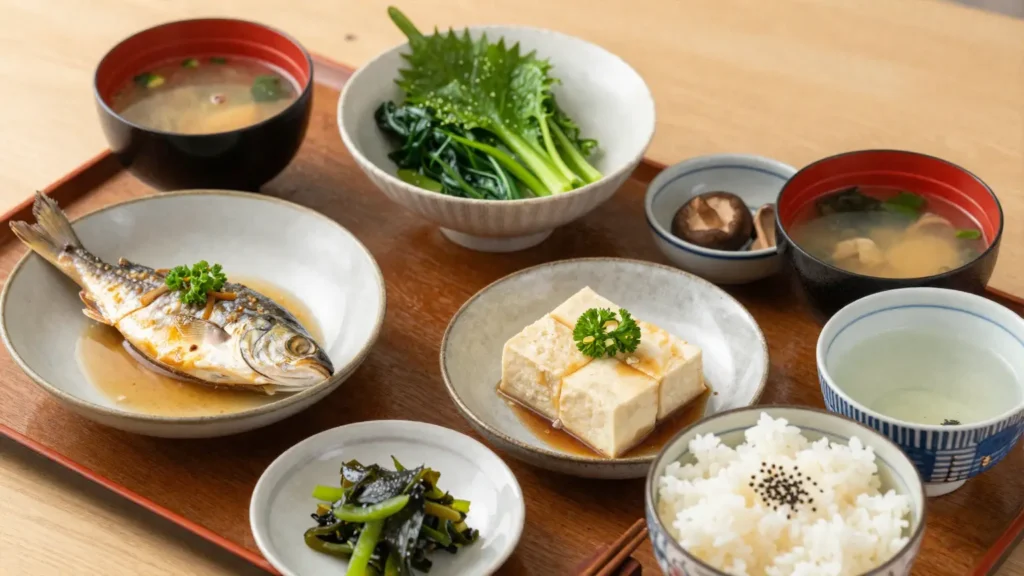
At the core of Washoku lies an unwavering commitment to balance and diversity. Unlike many modern diets that emphasize calorie counting or restrictive eating patterns, Washoku focuses on incorporating a wide range of nutrient-rich foods into daily meals. A typical Japanese meal consists of a plate filled with various side dishes alongside steamed rice and miso soup. These dishes often include fish, soy products such as tofu and natto, an array of seasonal vegetables, mushrooms, and wild plants.
One fascinating aspect of Washoku is its deep connection to nature’s cycles. Seasonality plays a crucial role in determining which ingredients make it onto the plate each day. For instance, during spring, fresh bamboo shoots (takenoko) grace Japanese tables, while autumn brings an abundance of root vegetables like daikon and sweet potatoes. This practice not only ensures that meals are bursting with flavor but also supports sustainable eating habits by minimizing waste and encouraging the consumption of locally sourced ingredients.
The importance of umami in Washoku cannot be overstated. Derived from glutamate, this savory taste enhances the natural flavors of foods without adding excessive calories or artificial additives. Umami-rich broths like dashi, made primarily from kombu (kelp) and dried bonito flakes, form the base for many Japanese dishes, contributing to their distinctive taste profile while offering a wealth of nutritional benefits.
Another intriguing element of Washoku is its apparent ability to mitigate health risks associated with high sodium intake. Despite Japan’s liberal use of salt in cooking, the country boasts remarkably low rates of cardiovascular diseases compared to nations with similar or higher dietary sodium levels. This paradox can be partly explained by the significant potassium content found in Japanese vegetables and other staple foods, which helps regulate blood pressure and counteract the negative effects of excessive salt consumption.
As we delve deeper into understanding Washoku, it becomes evident that this diet is more than just a set of recipes; it’s a way of life rooted in harmony with nature and mindful eating practices. Each component of a traditional Japanese meal is carefully selected not only for its taste but also for the role it plays in supporting overall health and well-being.
Understanding Umami and Its Role in Enhancing Food Palatability
Umami, often described as the savory fifth taste alongside sweet, sour, bitter, and salty, plays a crucial role in enhancing food palatability without increasing calorie intake. This taste is largely attributed to glutamate, an amino acid commonly found in many foods but particularly abundant in fermented soy products like miso and aged cheeses.
Umami not only elevates the enjoyment of meals but also helps reduce sodium consumption by masking saltiness with its unique savory flavor. In Washoku cuisine, chefs skillfully incorporate umami-rich ingredients such as shiitake mushrooms, seaweed, and soy sauce to enhance the natural flavors of dishes without relying heavily on added salts or sugars.
Health Benefits
By elevating the taste of foods naturally, umami can encourage a greater intake of vegetables and other nutritious components that might otherwise be less appealing due to their subtle flavors. This is particularly beneficial in promoting a balanced diet rich in vitamins, minerals, and antioxidants necessary for maintaining good health over time.
Did you know that kombu (a type of seaweed) has the highest natural glutamate content among all foods? Its use in dashi broth forms the backbone of umami flavoring in Japanese cuisine.
Recommended Food Groups for a Balanced Japanese Diet
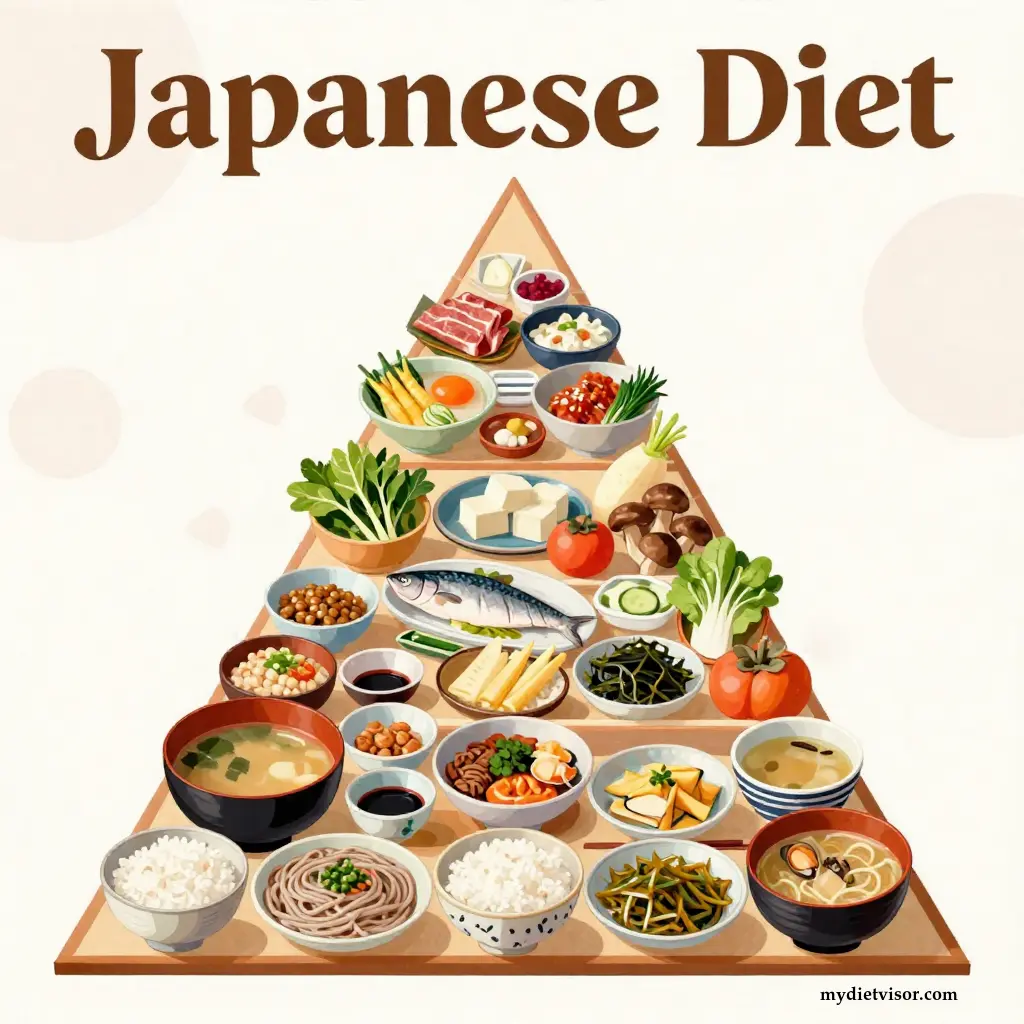
The recommended food groups for a balanced Japanese diet emphasize variety, moderation, and seasonality to promote optimal health.
- Fish: A cornerstone in the Japanese diet, fish provides essential omega-3 fatty acids. Common choices include salmon, sardines, and mackerel.
- Soy Products: Tofu, miso, and natto are staples due to their high protein content and versatility. Soy is particularly noted for its heart health benefits.
Vegetables and Fruits
A wide range of vegetables and fruits form the base of Japanese meals. These include leafy greens like spinach and kale, as well as seasonal produce such as persimmons in autumn or radishes in winter.
Grains and Rice
Rice is a dietary mainstay, often served with every meal. Whole grains like barley and buckwheat are also common, offering additional fiber and nutrients.
Seasoning and Flavor Enhancement
Umami-rich ingredients play a crucial role in enhancing flavors naturally without relying heavily on salt or sugar. Examples include seaweed, mushrooms, and fermented soybean products.
Forbidden or Limited Foods in Traditional Japanese Cuisine
In traditional Japanese cuisine, certain foods are either forbidden or strictly limited due to cultural, religious, and health reasons.
- Meat: Until the late 19th century, meat consumption was extremely rare in Japan due to Buddhist dietary practices that emphasized vegetarianism. Beef, pork, and chicken were considered taboo for many centuries.
- Alcohol: While alcohol is not forbidden, excessive drinking is discouraged. Traditional Japanese culture places a high value on sobriety and moderation.
Health Concerns
- Saturated Fats: Foods rich in saturated fats such as red meat and deep-fried foods are limited to prevent cardiovascular diseases. This preference for healthier fats found in fish, nuts, and seeds aligns with the focus on heart health.
- Processed Meats: Unlike some other cuisines that feature heavily processed meats like sausages and cured meats, Japanese cuisine tends to avoid these items.
Seasonal and Local Ingredients
Japanese culinary traditions emphasize eating seasonally and locally. This approach not only supports local agriculture but also ensures the consumption of fresh ingredients with optimal nutritional value.
- Avoiding Out-of-Season Foods: It is uncommon for traditional dishes to incorporate out-of-season produce, which might be grown using unnatural methods or transported from afar.
Interestingly, during the Edo period (1603-1867), sumo wrestlers were known to consume a specific soup called “chankonabe,” rich in meat and fish, to bulk up. However, this diet was an exception rather than the norm in traditional Japanese society, highlighting how cultural norms can vary even within the same country based on social roles.
Traditional Japanese cuisine’s approach to dietary restrictions reflects a holistic view of health, emphasizing balance, moderation, and respect for nature’s cycles.
Nutritional Benefits of Following a Japanese Diet
The Japanese traditional diet, known as Washoku, offers numerous nutritional benefits that contribute to Japan’s high longevity rates and low incidence of chronic diseases.
Washoku emphasizes the inclusion of nutrient-rich foods such as fish, soy products, and a variety of vegetables. Fish provides essential omega-3 fatty acids which are beneficial for heart health. Soybeans offer protein and isoflavones that can help reduce cholesterol levels and improve bone density.
Balanced Meal Structure
A key feature of Washoku is its balanced meal structure, where each dish contains elements from different food groups. This ensures a comprehensive intake of essential nutrients without overloading on calories or any single nutrient. For instance, a typical Japanese meal might include rice for carbohydrates, fish for protein and fats, and seasonal vegetables for vitamins and minerals.
Role of Umami
Umami is central to Washoku, enhancing flavors naturally with glutamate-rich ingredients like seaweed and mushrooms. This enhances the palatability of foods without relying on excessive salt or sugar, which can be detrimental to health when consumed in large amounts.
Seasonal Ingredients
By focusing on seasonal ingredients, Washoku promotes a diet rich in antioxidants and other phytonutrients that vary with seasons. For example, spring dishes might include fresh sprouts and young leaves, while autumn meals feature root vegetables packed with vitamins A and C.
In Japan, it’s believed that eating five different colors of food each day ensures you receive a broad spectrum of nutrients essential for good health.
Potential Drawbacks and Challenges of the Japanese Diet
Despite the numerous health benefits associated with the Japanese traditional diet (Washoku), there are several potential drawbacks and challenges that must be addressed.
- Limited Variety: The reliance on specific ingredients such as fish, seaweed, and soy can limit dietary diversity for those looking to incorporate more varied protein sources or experimenting with different cuisines. While Washoku emphasizes seasonality and freshness, its rigid focus on traditional foods might not suit individuals who prefer a broader range of food types.
- Preservation Methods: Some preservation techniques used in Japanese cuisine, like pickling (tsukemono) and fermentation, can be high in sodium content. Although these methods enhance flavor and extend the shelf life of ingredients, excessive consumption may contribute to health issues associated with high salt intake, such as hypertension or heart disease.
- Accessibility Issues: Traditional Japanese ingredients like seaweed, miso, and certain types of fish might not be readily available outside Japan due to cultural differences in food distribution networks. This can make it challenging for people in other countries to adopt the full Washoku diet without significant effort to source these items locally or online.
- Sustainability Concerns: While Washoku promotes a sustainable eating pattern, overfishing remains a critical issue for some fish species traditionally favored in Japanese cuisine. Ensuring that seafood consumption aligns with sustainability principles is crucial for long-term environmental health and the preservation of aquatic biodiversity.
Cultural attitudes towards food can also pose challenges to embracing Washoku fully outside Japan. For example, Westerners might find the texture or appearance of certain traditional foods off-putting, such as raw fish (sashimi) or insects occasionally consumed in some regions of Japan but uncommon elsewhere globally.
Genetic Variations
Individual differences in taste perception can affect how palatable umami-rich dishes are for different people. Some individuals may not enjoy the savory flavors that are central to Washoku due to genetic variations in taste receptor genes, potentially making it harder to adhere to this diet for health benefits.
Did you know that seaweed, a staple in many Japanese dishes, is incredibly nutritious? It’s packed with vitamins and minerals like iodine, which supports thyroid function.
Sample Meal Plan Based on Washoku Principles
Japanese cuisine, known as Washoku, is renowned not only for its exquisite taste but also for its role in promoting longevity and overall health among the Japanese population. One of the key features of Washoku is the emphasis on umami flavors, which enhance the palatability of foods without adding excessive calories.
A typical meal plan based on Washoku principles might look like this:
Breakfast
- A bowl of miso soup with tofu and wakame seaweed
- Steamed rice or a small serving of Japanese-style porridge (okayu)
- Poached egg or soft-boiled egg
- Seasonal vegetables such as lightly steamed spinach or broccoli
Lunch
- A variety of sushi rolls featuring fresh fish and seasonal fruits like strawberries
- Mackerel grilled with a touch of soy sauce and sake
- Salad with a base of mixed greens, radishes, and cucumber slices, dressed in a light vinaigrette made from rice vinegar and sesame oil
Dinner
- Assorted sashimi (thinly sliced raw fish) served alongside pickled ginger (gari)
- A main dish such as grilled chicken or pork seasoned with soy sauce and mirin
- Steamed seasonal vegetables like carrots, sweet potatoes, and eggplant
- Edamame (boiled green soybeans in the pod)
Washoku principles encourage the use of diverse cooking methods and the inclusion of seasonal ingredients to enhance both flavor and nutritional value. For instance, umami-rich ingredients like mushrooms and seaweed are commonly used to add depth without relying heavily on salt or sugar.
Alternative Diets Similar to the Japanese Diet (Washoku)
The Japanese traditional diet, or Washoku, offers a unique model for healthy and sustainable eating habits due to its emphasis on umami flavors, small portion sizes, and the frequent consumption of vegetables and fish. Other diets that share similarities with Washoku in promoting health and longevity include:
- High intake of fruits, vegetables, whole grains, nuts, and legumes.
- Olive oil as a primary source of fat.
- Moderate amounts of dairy products like cheese and yogurt.
- Limited consumption of red meat.
This diet shares many principles with Washoku, such as emphasizing plant-based foods and lean proteins. Both diets prioritize fresh ingredients and seasonality, contributing to their nutritional richness.
Nordic Diet
- Focuses on locally sourced, seasonal produce.
- Incorporates plenty of root vegetables, berries, whole grains, and seafood.
- Includes a high consumption of rapeseed oil (canola oil) for cooking.
- Encourages the use of herbs and spices rather than salt to enhance flavor.
Like Washoku, the Nordic diet promotes sustainability by advocating for locally sourced ingredients, which can reduce environmental impact. It also emphasizes nutrient-dense foods that support heart health and overall well-being.
Okinawan Diet
- Characterized by a high consumption of vegetables, soy products, tofu, and sweet potatoes.
- Includes small portions of pork and fish.
- Emphasizes low-calorie intake with the principle of “Hara Hachi Bu” (eating until 80% full).
Similar to Washoku, the Okinawan diet focuses on portion control and a diverse range of vegetables. Both diets highlight the importance of mindful eating practices that can prevent overconsumption.
Macrobiotic Diet
- Consists mainly of whole grains, legumes, fruits, vegetables, and seafood.
- Encourages consumption of locally grown foods in season.
- Limits the intake of processed foods, dairy products, meat, and sugar.
This diet shares Washoku’s focus on natural and unprocessed ingredients. Both emphasize eating with awareness of seasonal changes, which can enhance nutritional value while reducing environmental footprint.
Each of these diets offers a unique perspective on healthy eating but shares common themes such as emphasizing plant-based foods, portion control, and seasonal ingredients – key elements that contribute to the health benefits observed in Washoku.
Fun Fact: Did you know that Japan’s per capita consumption of fish is one of the highest globally? This dietary preference not only boosts heart health due to omega-3 fatty acids but also provides essential proteins crucial for overall well-being.
How Does Umami Enhance Food Palatability Without Adding Calories?
Umami, often described as the fifth basic taste alongside sweet, sour, bitter, and salty, plays a crucial role in enhancing food palatability without adding unnecessary calories. This unique flavor is primarily associated with glutamate, an amino acid that naturally occurs in many foods such as tomatoes, mushrooms, and aged cheeses.
- Umami flavors help to amplify the overall taste of dishes by reducing the need for excessive salt or sugar.
- When incorporated into meals, umami-rich ingredients like seaweed, soy sauce, and miso enhance satisfaction with smaller portions, encouraging mindful eating practices.
- The presence of glutamate in these foods tricks our brains into perceiving a meal as more satisfying, potentially leading to reduced calorie intake without sacrificing flavor.
Scientific Insights
Recent studies suggest that the brain’s response to umami flavors triggers the release of chemicals that contribute to feelings of fullness and satisfaction. This mechanism helps in reducing cravings for high-calorie snacks between meals, thereby promoting healthier eating habits.
- For instance, consuming a dashi broth (a staple in Washoku) before a meal can significantly increase satiety levels due to its umami content.
Cultural Integration
In Japanese cuisine, the concept of Umamism is deeply rooted. Chefs and home cooks alike understand that combining different ingredients rich in glutamate creates complex flavors that are both enjoyable and nutritious.
Did you know that kombu (a type of kelp) contains more glutamic acid than tomatoes or mushrooms? This makes it a powerful natural flavor enhancer.
By integrating umami-rich foods into daily meals, individuals can enjoy delicious yet healthy options that promote long-term health benefits.
Sustainability and Environmental Impact of Following a Japanese Diet
The Japanese traditional diet, or Washoku, not only contributes to the longevity of its population but also has significant environmental benefits.
Japanese cuisine places great importance on seasonal ingredients, which reduces the need for importing out-of-season produce. This practice minimizes carbon emissions associated with long-distance transportation and storage. Additionally, Washoku encourages a higher intake of locally sourced plant-based foods, such as seaweed and mushrooms, which require less water and land compared to meat production.
Lower Environmental Impact
- Reduces greenhouse gas emissions by promoting smaller portion sizes and emphasizing vegetables.
- Encourages sustainable fishing practices through the inclusion of fish in meals, contributing to marine biodiversity conservation.
- Minimizes food waste due to its emphasis on using seasonal ingredients and preparing dishes with care.
Did you know that fermented foods like miso and natto, staples in Japanese cuisine, are not only rich in probiotics but also help reduce methane emissions from livestock?
By embracing the principles of Washoku, individuals can contribute to a more sustainable food system while enjoying the health benefits associated with traditional Japanese dietary patterns.
Conclusion: Embracing Washoku for Healthier Living
Embracing the principles of Washoku offers a promising pathway to healthier living for individuals around the world. By adopting smaller portion sizes, incorporating more seasonal vegetables and fish, and emphasizing umami flavors, people can enjoy meals that are not only delicious but also beneficial for their health. The key lies in understanding how these dietary practices can be integrated into daily life without sacrificing taste.
One of the most distinctive features of Washoku is its emphasis on umami, a savory flavor that enhances food palatability naturally. Umami-rich ingredients such as seaweed and soy sauce add depth to dishes, making them satisfying with fewer calories compared to traditional high-fat or high-sugar alternatives. This makes it easier for individuals to maintain balanced diets without feeling deprived.
Moreover, Washoku encourages the consumption of soups and vegetables, which are crucial in maintaining a healthy weight while providing essential nutrients. By hydrating the body naturally through these dishes, people can feel fuller longer and reduce overall calorie intake. The practice also highlights the importance of seasonal eating, ensuring that meals incorporate fresh produce at their peak flavor and nutritional value.
Incorporating Washoku into daily routines is not about strict adherence to rules but rather embracing a holistic approach to nutrition. By focusing on quality over quantity, individuals can enjoy diverse flavors while nurturing their bodies. This shift in mindset from “what” to eat towards “how” to eat better aligns with the broader goals of sustainable living and global health improvement.
As dietary patterns continue to evolve globally, there is an increasing need for personalized nutritional strategies that cater to individual genetic differences affecting taste perception. Understanding these variations can help tailor meal plans that are both enjoyable and beneficial, bridging the gap between traditional wisdom and modern science.
In conclusion, the Japanese traditional diet (Washoku) presents a model that integrates health benefits with environmental sustainability through its emphasis on umami flavors, diverse ingredients, and balanced consumption patterns. By embracing Washoku principles, individuals can pave the way for healthier living, reduced risk of chronic diseases, and more sustainable dietary practices globally.
Frequently Asked Questions (FAQ)
What is Washoku and why is it considered healthy?
The traditional Japanese diet, known as Washoku, focuses on seasonal ingredients like vegetables and fish, cooking methods that use high-quality water, and a well-balanced nutritional approach. It promotes the consumption of low-energy, low-salt but nutritious foods, which helps in maintaining health.
How does umami contribute to the taste of Japanese food?
Umami enhances palatability without adding calories, making dishes more enjoyable while encouraging balanced eating habits. This flavor profile is prominent due to glutamate, often associated with MSG.
Are there specific vegetables and fruits that are key in Washoku?
Key ingredients include seasonal vegetables and a variety of fruits, which vary depending on the time of year but generally emphasize local produce rich in bioactive compounds for health benefits.
What kind of fish is used in Japanese cuisine and why is it important?
Various types of fish, particularly those high in omega-3 fatty acids like salmon or mackerel, are integral to Washoku. Fish provides essential nutrients and helps maintain heart health.
Does the Japanese diet restrict any food groups?
The diet limits red meat and animal fats compared to Western diets but encourages diverse plant-based foods and fish for a balanced nutrition profile.
How can I start incorporating more umami flavors into my meals?
Adding ingredients like seaweed, soy sauce, or miso paste can introduce umami without relying heavily on MSG. These enhance the natural flavors of vegetables and grains.
Is there scientific evidence supporting the benefits of a Japanese diet?
Several studies suggest that adhering to Washoku principles correlates with better health outcomes, including reduced risks for certain diseases and improved longevity.
Can following a Japanese diet help in weight management?
Yes, by focusing on low-calorie density foods like vegetables, fish, and lean meats, the diet supports satiety without excessive calorie intake, aiding in weight control.
How sustainable is the traditional Japanese diet for someone living outside Japan?
Washoku can be adapted to local seasonal produce and cooking styles worldwide. Its sustainability lies in its emphasis on balanced nutrition, minimal food waste, and environmental consciousness.
What are some common misconceptions about the Japanese diet?
One major misconception is that it primarily consists of sushi or rice; however, Washoku emphasizes a wide variety of ingredients prepared through diverse cooking methods to achieve nutritional balance.