Understanding Kangatarianism: A Blend of Ethics and Environmental Consciousness
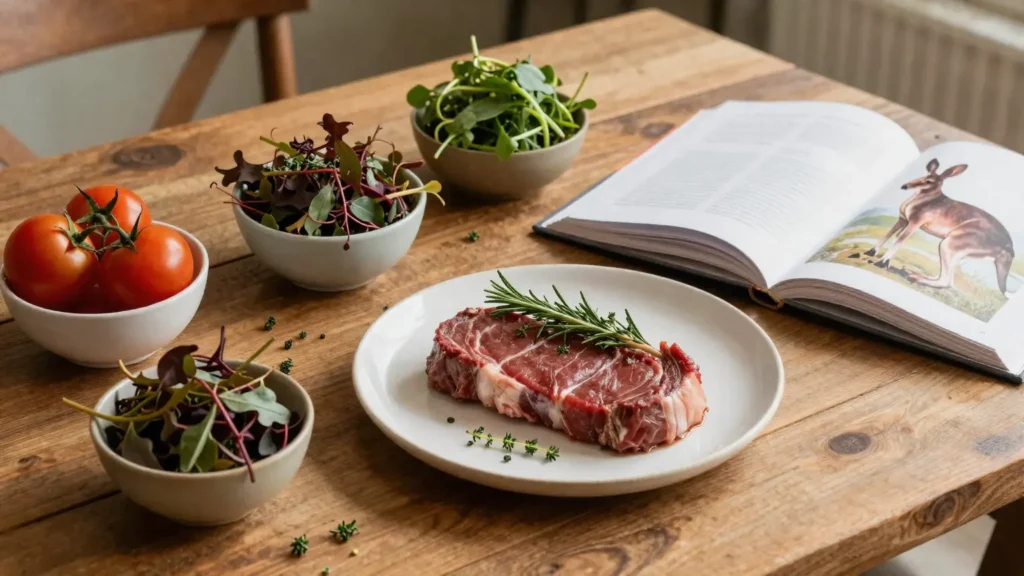
Kangatarianism is an emerging dietary trend that combines a strong sense of environmental consciousness with ethical considerations. People who follow this diet choose to eat only kangaroo meat, excluding all other types of animal flesh from their meals. This unique approach aims to address several critical issues concerning sustainability and ecological balance.
One key aspect of Kangatarianism is the focus on reducing environmental impact. Traditional livestock farming often leads to significant greenhouse gas emissions, soil degradation, and water pollution. In contrast, kangaroo meat production is seen as a more sustainable option because harvesting wild populations can help control the overabundance of these animals, which might otherwise cause ecological damage. For instance, in Australia, where kangaroos are abundant due to a lack of natural predators, their presence contributes to land degradation and competition with livestock for food resources.
Another crucial element of Kangatarianism is its ethical foundation. Advocates argue that by consuming kangaroo meat rather than farmed meats, they reduce the suffering associated with conventional farming practices. They support the idea that wild harvesting can be done more humanely compared to the often intensive and industrial conditions under which farm animals are raised.
From a nutritional standpoint, choosing kangaroo meat is also attractive because it’s leaner and lower in fat than many other red meats, making it beneficial for heart health and weight management. Kangaroo meat contains high levels of conjugated linoleic acid (CLA), an essential fatty acid known to offer anti-carcinogenic properties among other health benefits.
However, the path towards becoming a kangatarian is not without controversy. Critics argue that the practice raises questions about animal welfare, especially given that wild harvesting often involves challenging conditions and the need for swift killing methods in remote locations. There’s also debate over whether commercializing native wildlife for profit aligns with conservation ethics.
In summary, Kangatarianism reflects a growing trend towards environmentally responsible dietary choices while grappling with complex ethical considerations. By choosing to eat kangaroo meat exclusively, individuals can contribute positively to ecological balance and support more humane treatment of animals, although these benefits must be weighed against potential drawbacks in terms of welfare and cultural sensitivity.
Did you know that kangaroos are naturally suited for Australia’s vast, dry landscapes? Their unique hopping gait conserves energy and allows them to travel long distances without losing significant body heat. This characteristic makes them particularly well-adapted to their native environment compared to introduced livestock species.
Recommended Food Groups in a Kangatarian Diet
In a Kangatarian diet, which primarily focuses on environmental sustainability, one of the key recommended food groups is undoubtedly kangaroo meat. Here’s why this unique dietary choice stands out:
Kangaroo meat serves as the cornerstone in a Kangatarian diet because it is sourced sustainably from wild populations across Australia. Unlike many other meats that come from farmed animals with significant environmental footprints, kangaroo harvesting aims to be eco-friendly and humane. The meat industry for kangaroos adheres strictly to codes of practice aimed at maintaining population health while providing a lean protein source.
Here are some key benefits of incorporating kangaroo meat into your diet:
- Nutritional Value: Kangaroo meat is highly nutritious with its low-fat content and high-protein profile, making it an excellent choice for those looking to maintain a healthy lifestyle without the usual drawbacks associated with red meats. It’s also rich in conjugated linoleic acid (CLA), which has been linked to various health benefits such as weight management and anti-carcinogenic properties.
- Environmental Impact: Choosing kangaroo meat over other livestock can reduce your carbon footprint significantly. Kangaroos produce much less methane than cattle or sheep, making this food choice a step towards combating climate change through dietary choices.
In addition to the core focus on kangaroo meat, there are complementary food groups and practices that enhance the overall benefits of a Kangatarian diet:
- Vegetables and Fruits: Incorporating a wide variety of fresh vegetables and fruits can provide essential vitamins and minerals alongside the protein from kangaroo meat. This helps in achieving a balanced nutritional intake.
- Whole Grains: Adding whole grains like quinoa, barley, or oats to your meals ensures that you receive necessary dietary fibers and additional nutrients that support digestive health and overall wellness.
- Sustainability Practices: Beyond what’s on your plate, adopting sustainability practices such as reducing food waste, using eco-friendly packaging when shopping for kangaroo meat, and supporting local producers can further enhance the environmental benefits of this diet.
Kangatarianism is more than just a dietary choice; it’s a lifestyle that emphasizes conscious consumption towards ecological balance. As you explore this unique way of eating, consider how your choices impact not only your health but also the broader environment and wildlife populations.
Kangaroo meat is naturally high in conjugated linoleic acid (CLA), which has been linked to various health benefits including weight management and potential anti-carcinogenic properties – a unique selling point that sets it apart from other meats.
Forbidden or Limited Foods in Kangatarianism
In Kangatarianism, the diet focuses primarily on excluding all meats except for kangaroo. This dietary choice is rooted in environmental concerns rather than traditional health or ethical reasons that might influence other diets like vegetarianism or veganism. Here’s a closer look at what foods are off-limits or restricted within this unique dietary framework:
- All Other Meat Types: The most significant restriction for Kangatarians is the complete exclusion of all meat except kangaroo. This means no beef, pork, chicken, lamb, fish, or any other animal-based protein sources.
- Fish and Seafood: While some might argue that seafood could be a sustainable alternative to land animals, in the context of Kangatarianism, it’s strictly avoided.
- Ethical Restrictions on Other Animal Products: Beyond meat, products derived from other animals like dairy or eggs may also be limited depending on individual ethical considerations linked to animal welfare and environmental sustainability.
Kangaroo meat itself stands out not just for its lean nature but also due to its low carbon footprint compared to traditional livestock farming. This makes the diet appealing to those concerned about reducing their ecological impact. However, such a strict focus can lead to dietary challenges, requiring careful planning to ensure nutritional balance.
Kangaroos are natural herbivores and play a unique role in maintaining the health of Australian grasslands by grazing on native vegetation without degrading soil quality, unlike many introduced livestock species.
Nutritional Benefits and Drawbacks of a Kangatarian Diet
A Kangatarian diet focuses on including kangaroo meat as a primary source of protein while excluding other meats. This diet offers unique nutritional benefits due to the distinctive qualities of kangaroo meat.
Nutritional Benefits
- High in Protein: Kangaroo meat is an excellent source of high-quality protein, which helps with muscle building and maintenance.
- Low in Fat: Compared to common livestock such as beef or lamb, kangaroo meat has significantly less fat content. This makes it a healthier option for people looking to manage their cholesterol levels or watch their weight.
- Rich in Conjugated Linoleic Acid (CLA): Kangaroo meat contains CLA, which is known for its potential health benefits including anti-carcinogenic properties and support for weight management.
Drawbacks
However, a kangatarian diet also has some drawbacks to consider:
- Limited Availability: While kangaroo meat is available in Australia and certain export markets, it can be challenging to find elsewhere. This limitation might affect individuals who travel frequently or live outside of these regions.
- Higher Cost: Due to its specialized nature and production process, kangaroo meat tends to be more expensive than other common meats like chicken or pork.
- Ethical Considerations: The method of harvesting wild kangaroos raises ethical questions regarding animal welfare and the impact on native wildlife populations. Some people might feel uncomfortable supporting such practices.
The Kangatarian diet offers a unique approach to balancing nutritional needs with environmental concerns, but it also comes with practical challenges and ethical considerations that individuals must weigh carefully before adopting this dietary choice.
Sample Meal Plan for Kangatarian Diets
A Kangatarian diet focuses on consuming kangaroo meat as a primary protein source while excluding other meats. Here’s how you can approach meal planning for this unique dietary choice:
- Breakfast: Start your day with a high-protein breakfast that includes kangaroo mince in omelets or frittatas, paired with leafy greens and avocado.
- Lunch: A simple yet satisfying lunch could be a kangaroo meat sandwich made with grilled kangaroo on whole grain bread, complemented by fresh vegetables like lettuce and tomato. Another option is kangaroo meat salad, combining lean cuts of kangaroo meat with mixed greens, cherry tomatoes, and a light dressing.
- Dinner: For dinner, consider preparing kangaroo steaks marinated in herbs and spices for added flavor. Serve them alongside quinoa or brown rice, along with roasted vegetables such as broccoli and carrots. Alternatively, you could make kangaroo chili using lean ground kangaroo meat cooked with beans, tomatoes, and your choice of spices.
- Snacks: For snacks, try kangaroo jerky which is low in fat and high in protein. You can also snack on nuts or fresh fruit to keep energy levels up throughout the day.
Kangatarianism offers a unique way to eat sustainably and responsibly by supporting an industry that some argue has fewer negative environmental impacts than traditional livestock farming. However, it’s important to be mindful of ethical considerations surrounding animal welfare in commercial harvesting practices. As you explore this diet, consider asking yourself questions about the sources of your food and how they align with your values regarding sustainability and health.
Alternative or Similar Diets to Kangatarianism
Exploring alternative diets to Kangatarianism involves looking at different dietary choices that align with similar principles of environmental sustainability or health benefits. Here are a few options:
- Invasive Species Diets: This diet focuses on eating animals that are considered invasive in specific regions, as consuming them can help control their population and reduce ecological damage. For example, in Florida, the Burmese python is an invasive species that threatens native wildlife; thus, hunting and eating these snakes can be seen as a responsible choice for environmental sustainability.
- Carnivore Diet: This diet involves consuming only animal products such as meat, fish, eggs, and dairy. Proponents argue it’s sustainable because it doesn’t require the land-intensive farming practices that vegetarian diets do, thereby reducing greenhouse gas emissions from livestock agriculture. However, some people might opt for this diet purely based on health benefits rather than environmental impact.
- Paleo Diet: Mimicking the eating habits of early humans, the Paleo diet emphasizes whole foods like meat, fish, fruits, and vegetables while avoiding grains, legumes, dairy, and processed foods. Advocates suggest it’s more sustainable because it doesn’t rely heavily on resource-intensive agricultural practices.
When considering these diets, it’s crucial to think about personal health impacts, ethical considerations, and the environmental footprint of each food choice. For instance, some might argue that eating invasive species can be a practical solution for ecological balance without promoting commercial exploitation of native wildlife like kangaroo meat does in Australia.
In parts of Europe, rabbit is considered an invasive species due to its high reproduction rate causing issues for local ecosystems. Eating rabbits could thus be seen as a sustainable practice akin to Kangatarianism.
What Are the Ethical Considerations Behind Choosing Kangaroo Meat?
Choosing kangaroo meat as part of your diet involves several ethical considerations. At its core, it’s important to ask why someone might choose this specific type of meat over others. Here are some key points to ponder:
- Animal Welfare: One major concern is the humane treatment of animals. Kangaroo harvesting in Australia is regulated with strict guidelines designed to minimize suffering and ensure a swift death. However, these regulations apply primarily to commercial hunts, raising questions about the welfare of kangaroos killed outside these controlled settings.
- Environmental Impact vs. Animal Lives: Proponents often argue that eating kangaroo meat can have environmental benefits compared to farming introduced livestock like cattle or sheep. This is because kangaroos are native herbivores and do not contribute significantly to soil degradation or greenhouse gas emissions. Yet, this perspective raises a moral question: is it ethically acceptable to prioritize the health of ecosystems over individual animal lives?
- Commercialization of Wildlife: There’s also an ethical debate around commercializing wildlife for profit. Kangaroo meat exported internationally contributes substantially to Australia’s economy. However, some argue that treating native animals as commodities can lead to a disregard for their intrinsic value and conservation status.
Considering these points helps frame the complex interplay between environmental sustainability, animal welfare, and cultural practices involved in consuming kangaroo meat. Each ethical concern invites further reflection on our responsibilities towards wildlife, ecosystems, and traditional dietary practices.
Conclusion: Embracing Kangatarianism for a Sustainable Future
As we delve into the concept of Kangatarianism, it becomes clear that this dietary choice is not just about eating meat but about making an environmental statement. Here are some key takeaways to consider:
- Sustainability and Emissions: By choosing kangaroo over introduced livestock like cattle or sheep, individuals can significantly reduce their carbon footprint. This is because kangaroos produce minimal methane gas compared to these animals, a crucial factor in combating climate change.
- Wild Harvesting vs. Farming: The method of harvesting wild kangaroos for meat involves strict sustainability measures that ensure populations remain healthy and abundant. Unlike farming practices that can lead to overgrazing and soil degradation, the kangaroo industry aims to maintain ecological balance by regulating harvest numbers based on scientific assessments.
- Nutritional Value: Kangaroo meat is a lean source of protein with high levels of conjugated linoleic acid (CLA), which is beneficial for health due to its anti-carcinogenic properties. Additionally, it’s lower in fat and cholesterol compared to other meats, making it an attractive option for those looking to manage their weight or improve heart health.
- Ethical Considerations: While the industry strives to ensure humane treatment of kangaroos during harvesting, questions remain about the ethics of commercializing native wildlife. Understanding these concerns is crucial before embracing Kangatarianism fully.
In essence, choosing to be a Kangatarian could mean actively supporting an eco-friendly meat industry while reaping health benefits. However, it’s important for individuals to weigh the ethical implications and engage in informed discussions about this dietary practice.
FAQ Section:
Is kangaroo meat safe to eat?
Yes, kangaroo meat is safe and considered one of the leanest meats available with low levels of saturated fat.
Where can I buy kangaroo meat?
Kangaroo meat can often be found in specialty grocery stores or online retailers that specialize in exotic meats.
How does eating kangaroo meat help the environment?
Eating kangaroo meat helps reduce methane emissions because kangaroos produce very little methane compared to other grazing animals like cows and sheep.
What are some common dishes made with kangaroo meat?
Kangaroo meat can be used in a variety of dishes such as steaks, sausages, stews, and even ground meat for patties or meatballs.
Are there any health benefits to consuming kangaroo meat?
Kangaroo meat is high in protein, low in fat, and contains essential amino acids, making it beneficial for muscle growth and maintenance without adding much saturated fat.
How does the taste of kangaroo meat compare to other meats?
Many people describe kangaroo meat as having a mild flavor with a slightly gamey quality similar to venison or lean beef.
Is kangatarianism suitable for someone on a vegetarian diet but wanting to include some meat?
Kangatarianism can be seen as an extension of flexitarian diets, where the inclusion of one type of meat (kangaroo) aligns with ethical and environmental concerns rather than traditional omnivorous eating patterns.
What are common misconceptions about kangaroo meat?
One common misconception is that kangaroo meat is not widely available or accepted in mainstream markets; however, it’s becoming more accessible thanks to growing interest in sustainable diets.
Are there any cultural or religious considerations for eating kangaroo meat?
There are no specific restrictions against consuming kangaroo meat under most major religions, but personal beliefs and cultural practices should always be respected.
How can I cook kangaroo meat properly?
It’s important to handle kangaroo meat gently due to its lean nature; cooking it rare or medium-rare preserves the tenderness and flavor best, as overcooking can make it tough.