Introduction to Lamb Chop and Pineapple Diet: A Historical Look

The Lamb Chop and Pineapple Diet burst onto the scene in the roaring twenties, an era when Hollywood glamour and quick-fix solutions went hand in hand. This peculiar regimen promised a rapid transformation through the unlikely combination of lamb chops and pineapple – a diet that briefly captivated the imagination of those desperate for immediate results.
In the context of the 1920s, diets were as much about social status as they were about health. The Lamb Chop and Pineapple Diet gained traction primarily due to its endorsement by Nita Naldi, a glamorous actress whose dramatic roles in silent films made her a household name. Naldi’s weight loss journey on this diet was touted as nothing short of miraculous, inspiring countless others to follow suit.
At its core, the diet revolved around the belief that pineapples’ natural acids could neutralize fat from lamb chops, leading to effortless weight loss. Each day consisted of three meals: a cup of black coffee for breakfast and two servings of broiled lamb chop paired with pineapple slices for lunch and dinner. The simplicity of the regimen appealed to many who sought a straightforward solution in an increasingly complex world.
As you delve into the history of this diet, questions arise about its effectiveness and safety. How did it fare beyond the initial excitement? What were the long-term consequences for those who adhered strictly to such restrictive eating patterns? Join us as we explore the story behind the Lamb Chop and Pineapple Diet and uncover whether the promise of quick weight loss was worth enduring the suffering that came with it.
Who Created or Popularized This Diet?
The origins of the Lamb Chop and Pineapple Diet can be traced back to a time when diet fads were as fleeting as fashion trends. It was popularized by Nita Naldi, an actress known for her roles in silent films like “A Girl’s Fickle” and “When Big Bertha Laughs.” Her endorsement played a significant role in elevating the diet from mere novelty to widespread fame. However, it wasn’t just Naldi’s star power that propelled this diet; it was also the unique combination of foods that seemed oddly fitting for an era obsessed with both luxury and quick fixes.
The diet’s creator remains somewhat of a mystery, but its rapid rise can be attributed to the public’s desire for simple solutions in a time when dietary science was still in its infancy. The idea that certain combinations could magically counteract fat gained traction among those who were looking for easy ways to achieve their ideal body image without much effort.
As Nita Naldi began promoting the diet, it quickly spread through newspapers and magazines of the era, each touting similar miraculous results with minimal effort required. However, as with many fad diets, the initial allure soon gave way to skepticism and caution from medical professionals who warned about its nutritional deficiencies and potential health risks.
The question remains: was this diet simply a product of its time, or did it have genuine merits that could still be relevant today? Considering the lack of scientific backing at its inception, the Lamb Chop and Pineapple Diet serves more as an interesting historical footnote rather than a practical dietary recommendation.
Forbidden or Limited Foods in the Lamb Chop and Pineapple Diet
Following Nita Naldi’s endorsement, adhering strictly to the Lamb Chop and Pineapple Diet meant excluding a wide range of other foods from your diet. The regimen was highly restrictive, limiting intake to just lamb chops and pineapple, along with a cup of black coffee for breakfast. This exclusivity made it difficult for dieters to include any variety in their meals.
To maintain the prescribed weight loss program, individuals had to avoid all vegetables, fruits (except pineapples), grains, dairy products, and proteins other than lamb. These restrictions meant that essential nutrients such as fiber, vitamins, minerals, and healthy fats were severely lacking in daily intake. The absence of these vital components could lead to nutritional deficiencies over time.
Moreover, the diet’s reliance on a single type of meat (lamb) raised concerns about long-term health implications due to high saturated fat content. This aspect made it particularly challenging for individuals with pre-existing heart conditions or cholesterol issues, as the diet did not offer any guidelines for managing such risks.
As followers tried to adhere strictly to this regimen, they often found themselves feeling weak and lethargic from nutritional imbalance. The lack of variety in foods also led to monotony, making it increasingly difficult to stay motivated over an extended period.
Given these constraints, the question arises: was the allure of rapid weight loss worth enduring such a narrow diet range? How did people cope with the mental challenge of eliminating so many beloved and essential food groups from their daily lives?
The Lamb Chop and Pineapple Diet certainly captured attention during its heyday but fell short in delivering sustainable health benefits. Its restrictive nature underscored the importance of balanced nutrition for long-term well-being, a lesson that continues to resonate even today as new fad diets emerge promising quick fixes.
Nutritional Benefits of Eating Lamb Chops and Pineapples
When considering the nutritional value of lamb chops and pineapples individually, it’s clear why they might have been chosen as components of a diet. Lamb chops are a rich source of high-quality protein, which is essential for muscle repair and growth. They also contain important vitamins like B12 and minerals such as iron and zinc, crucial for maintaining healthy blood and immune function.
Pineapples, on the other hand, offer unique nutritional benefits due to their high content of vitamin C and bromelain, an enzyme that aids digestion. Vitamin C is vital for skin health, wound healing, and a strong immune system. Bromelain can help reduce inflammation and improve digestive efficiency.
| Nutrient | Lamb Chops (3 oz) | Pineapple (1 cup) |
|---|---|---|
| Protein | 24 grams | 0.86 grams |
| Iron | 1.7 mg | 0.56 mg |
| Vitamin B12 | 2 mcg | Traces |
| Vitamin C | Traces | 84 mg |
Despite these benefits, relying solely on lamb chops and pineapples as part of a diet can lead to significant nutritional deficiencies. For instance, the lack of dietary fiber from vegetables, fruits, grains, and legumes can cause digestive issues over time. Additionally, the high saturated fat content in lamb chops might increase cholesterol levels for individuals who are sensitive to such dietary components.
Considering these points, it’s important to question whether the potential health benefits derived from consuming lamb chops and pineapples outweigh the risks of missing out on a diverse array of nutrients essential for overall well-being. Do you think there could be a balanced way to incorporate their benefits into your diet without adhering strictly to this restrictive regimen?
As you explore these questions, it becomes evident that while individual foods can offer specific health advantages, the importance of variety and balance in nutrition cannot be overstated.
Potential Drawbacks and Risks of the Lamb Chop and Pineapple Diet
The restrictive nature of the Lamb Chop and Pineapple Diet not only limited dietary variety but also posed several significant risks to overall health. By eliminating entire food groups, dieters were at high risk of developing nutritional deficiencies that could lead to serious long-term health issues.
One major concern is the lack of fiber in the diet. Fiber plays a crucial role in digestive health by promoting regular bowel movements and preventing constipation. The absence of fruits, vegetables, grains, and legumes means followers would miss out on these essential fibers, potentially leading to gastrointestinal problems over time. Additionally, fiber aids in regulating blood sugar levels and cholesterol, making its exclusion problematic for individuals with diabetes or heart disease.
Another risk is the high saturated fat content from lamb chops. Saturated fats can raise LDL (bad) cholesterol levels, increasing the risk of cardiovascular diseases such as atherosclerosis and coronary artery disease. For people already at risk due to genetic factors or lifestyle habits, this diet could exacerbate existing conditions rather than offering relief.
Moreover, the diet’s reliance on just two types of food – lamb chops and pineapples – can lead to boredom and dissatisfaction over time. This monotony often results in low adherence rates as individuals struggle to maintain motivation without seeing immediate long-term benefits. As a result, dieters might revert to their old eating habits quickly once they stop following the diet, leading to weight regain.
Considering these risks, it’s crucial to ask: Is the promise of quick weight loss worth enduring such potential health hazards? How can we reconcile the allure of rapid results with the importance of balanced nutrition and sustainable lifestyle changes?
As you ponder these questions, think about how modern nutritional guidelines emphasize a varied diet rich in whole grains, lean proteins, fruits, vegetables, and healthy fats. The Lamb Chop and Pineapple Diet, while intriguing for its historical context, falls far short of providing this balance.
Is the Lamb Chop and Pineapple Diet Effective for Weight Loss?
The Lamb Chop and Pineapple Diet promised quick results, making it attractive to individuals desperate for immediate changes in their appearance. Many dieters experienced rapid weight loss during the initial stages, which can be attributed to several factors. Firstly, drastically reducing calorie intake by limiting food choices leads to a significant drop in overall caloric consumption. The high protein content from lamb chops provides satiety, helping to curb cravings and reduce overeating.
However, the long-term sustainability of such rapid weight loss is questionable. Once dieters return to their normal eating habits, they often regain the lost weight quickly due to metabolic adaptations that occur during severe calorie restriction. This phenomenon, known as yo-yo dieting, can lead to a cycle where individuals oscillate between periods of weight gain and loss without achieving lasting results.
Moreover, focusing solely on rapid weight loss neglects the importance of building healthy habits that promote long-term well-being. Sustainable weight management requires a balanced approach that includes regular exercise, adequate sleep, stress reduction, and mindful eating practices rather than quick fixes.
The question remains: Is the short-term satisfaction from rapid weight loss worth the potential health risks and psychological impact of yo-yo dieting? How can we strike a balance between achieving our goals and maintaining long-term wellness?
Psychological Impact on Dieters
Adhering to the Lamb Chop and Pineapple Diet involved strict adherence and self-discipline, which could lead to significant mental strain. The diet’s restrictive nature meant that dieters had to resist cravings for their favorite foods and deal with social pressures when dining out or at gatherings where traditional meals were served.
Social isolation was a common side effect as followers often felt constrained in choosing from limited food options during group meals or events. This isolation could impact mental health, leading to feelings of loneliness and frustration. Moreover, the constant focus on dieting can shift attention away from other aspects of life that contribute to overall happiness and well-being.
Another aspect of psychological impact is the rollercoaster of emotions experienced by dieters as they navigate through initial success followed by potential relapses or plateaus. The unpredictability of weight loss results can lead to feelings of inadequacy, self-doubt, and decreased confidence over time.
Furthermore, studies have shown that restrictive diets often trigger binge-eating behaviors due to the psychological stress caused by constant food deprivation. This cycle not only impedes weight management but also contributes to negative body image issues and disordered eating patterns.
Considering these factors, it’s essential to reflect on whether the emotional toll of adhering to such a strict diet is worth the short-term benefits. How can we foster healthier relationships with food that promote mental well-being alongside physical health?
Modern Perspectives on Fad Diets
In today’s world, where information about nutrition and health science is abundant, it becomes crucial to evaluate diets like the Lamb Chop and Pineapple Diet through a modern lens. Contemporary nutritional guidelines emphasize the importance of balanced meals that include a variety of foods from all food groups – proteins, carbohydrates, fats, fruits, vegetables, and dairy products – to ensure optimal health.
Modern dietary recommendations prioritize whole foods over processed ones, encouraging the consumption of lean proteins, complex carbs, healthy fats, vitamins, minerals, and fiber. Such an approach is designed to support not just weight loss but also long-term maintenance of good health without compromising on nutrition quality or psychological well-being.
Moreover, today’s health experts advocate for sustainable lifestyle changes rather than quick fixes offered by fad diets like the Lamb Chop and Pineapple Diet. They emphasize the importance of gradual progress through dietary modifications that are realistic and maintainable over extended periods.
In light of these modern perspectives, it becomes clear that while historical diet trends may have garnered temporary attention and success stories, they often fall short in delivering sustainable health benefits. As we look back at such diets, they serve as reminders to seek balanced approaches that prioritize holistic well-being rather than fleeting results.
How do you think we can better integrate these modern nutritional guidelines into our daily lives without resorting to restrictive dieting practices?
Sample Meal Plan: A Day on the Lamb Chop and Pineapple Diet
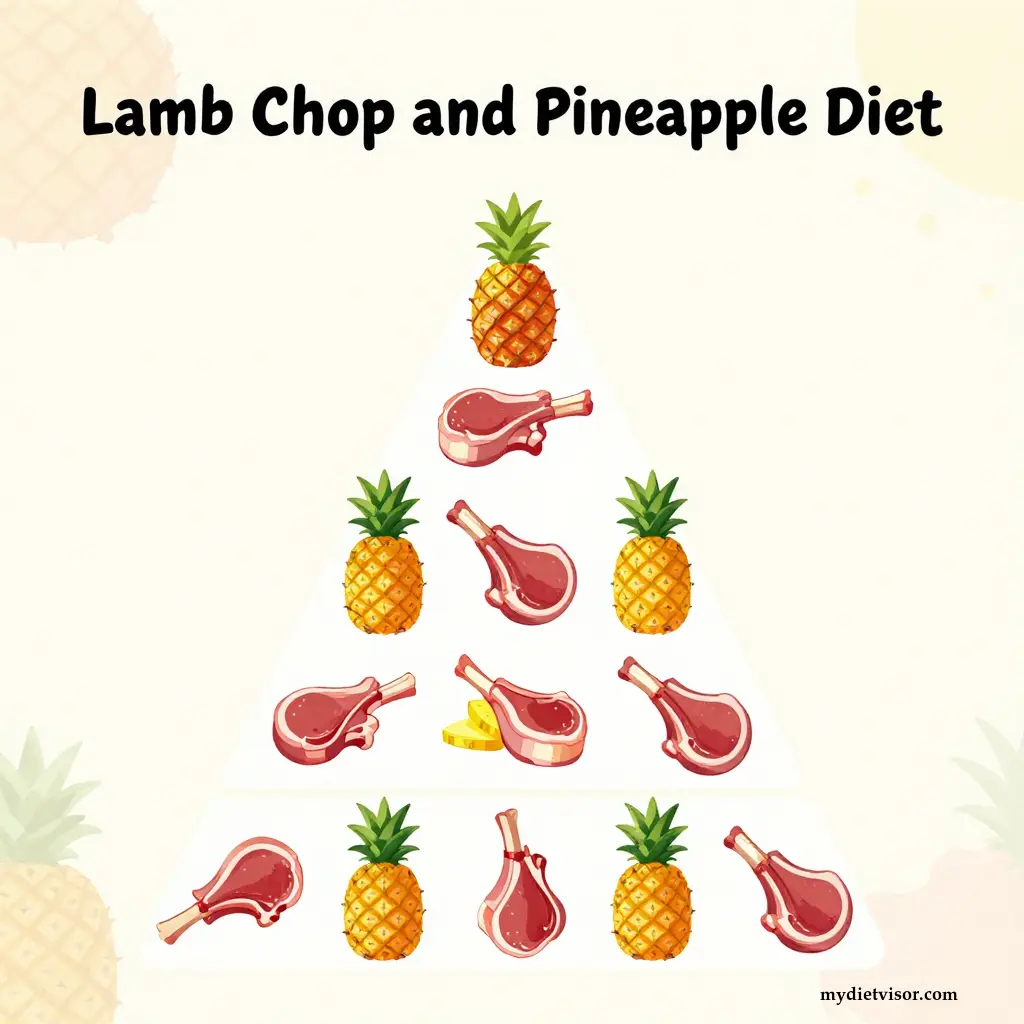
A day on the Lamb Chop and Pineapple Diet starts early with a cup of black coffee for breakfast. This minimalistic meal sets the tone for a regimen that revolves around simplicity but comes at the cost of dietary variety and nutrition.
For lunch, dieters are instructed to prepare a serving of broiled lamb chop accompanied by slices of fresh pineapple. The combination is meant to be both satiating due to the protein content from lamb chops and refreshing thanks to the sweet and tangy flavor of pineapples. However, this meal lacks essential nutrients found in vegetables, fruits, grains, and dairy products.
Dinner mirrors lunch, with another serving of broiled lamb chop paired with pineapple slices. The monotony of this daily routine can quickly become challenging for dieters who crave variety or find it difficult to maintain such strict adherence over extended periods.
Here’s a more detailed look at what a day on the Lamb Chop and Pineapple Diet might entail:
Breakfast
- Black Coffee: A cup served black, meant to suppress appetite until lunchtime.
- Nutritional Value:
- Caffeine: Acts as an appetite suppressant but provides no significant nutrients.
Lunch
- Broiled Lamb Chops with Pineapple Slices
- Lamb Chop (3 oz): High in protein and iron, offering about 24 grams of protein and nearly 1.7 mg of iron.
- Protein helps build muscle mass and aids in satiety.
- Iron supports healthy blood formation and oxygen transport.
- Pineapple Slices: Rich in vitamin C and bromelain, a digestive enzyme.
- Vitamin C: Essential for immune function and skin health.
- Bromelain: Helps with digestion by breaking down proteins.
Dinner
- Broiled Lamb Chops with Pineapple Slices
- Same as lunch but repeated to maintain consistency in the diet’s structure.
This meal plan highlights both the simplicity and limitations of the Lamb Chop and Pineapple Diet. While it offers immediate satiety from protein, the lack of variety can lead to nutritional imbalances and mental fatigue over time.
How would you feel about eating the same combination for three meals a day? Would the promise of rapid weight loss be enough to overcome the potential drawbacks of this restrictive diet?
As you consider these questions, think about how modern dietary approaches emphasize balance and inclusivity rather than strict limitations. How can we find sustainable solutions that promote both physical health and mental satisfaction?
Alternative or Similar Diets to Consider
When considering alternatives to the Lamb Chop and Pineapple Diet, it’s crucial to look at more balanced approaches that emphasize long-term sustainability and overall health. One notable alternative is the Mediterranean diet, which has gained significant popularity for its ability to provide comprehensive nutrition while promoting weight loss and heart health.
The Mediterranean diet focuses on whole foods such as fruits, vegetables, nuts, seeds, legumes, fish, olive oil, and moderate amounts of dairy products like cheese and yogurt. This dietary approach not only offers a wide range of nutrients but also encourages social eating patterns that are enjoyable and stress-free. Unlike the restrictive nature of the Lamb Chop and Pineapple Diet, the Mediterranean diet provides flexibility and variety, making it easier to maintain over time.
Another option is the Nordic diet, which shares some similarities with its Southern European counterpart in terms of emphasizing whole foods and natural ingredients. The Nordic diet focuses on locally sourced produce such as root vegetables, berries, fish, and game meat, while also incorporating ancient grains like barley and oats. This diet promotes sustainability by encouraging minimal processing and low environmental impact.
| Diet Type | Focus Foods |
|---|---|
| Mediterranean | Fruits, vegetables, nuts, seeds, legumes, fish, olive oil, dairy (in moderation) |
| Nordic | Root veggies, berries, fish, game meat, ancient grains like barley and oats |
Both these diets offer a holistic approach to nutrition that includes essential vitamins, minerals, fiber, and healthy fats. They aim to provide a balanced intake of macronutrients while reducing the risks associated with overly restrictive eating patterns.
For those seeking more structured guidance, meal plans like those provided by registered dietitians can be invaluable. These professionals create personalized meal plans tailored to individual needs and preferences, ensuring that all nutritional requirements are met without compromising on taste or variety.
The key takeaway is that sustainable weight loss and improved health often come from gradual changes in eating habits rather than drastic measures. How do you think these balanced diets compare to the quick fix offered by fad diets like the Lamb Chop and Pineapple Diet? Would you be more inclined to try a diet that offers long-term benefits over one with immediate but potentially risky results?
As you explore these options, it becomes evident how crucial it is to prioritize both physical health and mental well-being when making dietary choices.
How Balanced is the Lamb Chop and Pineapple Diet Compared to Other Plans?
When comparing the Lamb Chop and Pineapple Diet to other popular dietary plans, it becomes evident that the balance and comprehensiveness vary significantly. While the diet offered rapid weight loss through a simple regimen, it lacked the nutritional diversity found in more modern approaches.
To illustrate this point, let’s compare the Lamb Chop and Pineapple Diet with the Mediterranean diet, which is widely recognized for its health benefits:
Nutritional Balance
The Mediterranean diet emphasizes eating patterns that include a wide range of foods such as fruits, vegetables, whole grains, lean proteins like fish and poultry, along with healthy fats from olive oil. This variety ensures that dieters receive all essential nutrients needed for optimal health.
In contrast, the Lamb Chop and Pineapple Diet is severely limited to just two food types, resulting in an unbalanced intake of macronutrients and micronutrients. While lamb chops provide a good source of protein and iron, they lack other vital vitamins and minerals found in fruits and vegetables. Similarly, pineapples are rich in vitamin C but offer little else nutritionally.
| Diet Type | Nutrient Focus |
|---|---|
| Lamb Chop & Pineapple | High protein, limited variety |
| Mediterranean | Balanced mix of proteins, carbs, fats |
Long-Term Sustainability
The sustainability of a diet is another critical factor to consider. The restrictive nature of the Lamb Chop and Pineapple Diet makes it difficult for individuals to adhere to long-term due to boredom and nutritional deficiencies. On the other hand, diets like the Mediterranean plan offer flexibility, allowing followers to enjoy a wide range of foods while still maintaining health goals.
Health Outcomes
Research consistently shows that diets promoting variety and balance tend to yield better health outcomes compared to restrictive plans focused solely on rapid weight loss. The Mediterranean diet has been linked to reduced risks of heart disease, diabetes, and certain cancers due to its focus on wholesome ingredients and balanced nutrition.
In contrast, the Lamb Chop and Pineapple Diet poses significant risks related to nutritional deficiencies and potential cardiovascular issues from high saturated fat intake from lamb chops.
Psychological Impact
Maintaining a diverse diet like the Mediterranean offers more psychological benefits by reducing feelings of deprivation and boredom. This can lead to improved mental well-being alongside physical health improvements. Conversely, the restrictive nature of the Lamb Chop and Pineapple Diet can cause emotional distress and dissatisfaction over time, impacting overall quality of life.
Practicality
Lastly, practical considerations such as accessibility and cost play a role in determining a diet’s success. The Mediterranean diet encourages incorporating local produce and whole foods, which are often more affordable and widely available compared to adhering strictly to lamb chops and pineapples.
Given these factors, it is clear that while the Lamb Chop and Pineapple Diet may offer quick results, its long-term impact falls short when compared to balanced dietary approaches like the Mediterranean diet.
Do you think there could be a way to adapt elements of the Lamb Chop and Pineapple Diet into a more sustainable plan? How might we incorporate the benefits of high protein intake while ensuring nutritional balance?
As you ponder these questions, it becomes apparent how important it is to consider both immediate results and long-term health when choosing a diet.
Conclusion: The Lamb Chop and Pineapple Diet – An Interesting but Inadvisable Choice
The Lamb Chop and Pineapple Diet, while briefly capturing the imagination with promises of rapid weight loss, ultimately falls short as a viable long-term solution for health and wellness. Its restrictive nature limits essential nutrients, leading to potential nutritional deficiencies and negative health impacts. As we reflect on its historical context, it becomes evident that sustainable diets like the Mediterranean plan offer a far more balanced approach, emphasizing variety and whole foods while promoting both physical and mental well-being. The key takeaway is that quick fixes often come at a cost, highlighting the importance of adopting healthy habits that are enjoyable and maintainable over time.
Frequently Asked Questions (FAQ)
What was the original purpose of the lamb chop and pineapple diet?
The diet was initially popularized among Hollywood actresses in the 1920s as a way to maintain a slim figure for their roles.
Who started or made famous this diet?
Nita Naldi, an American actress, is credited with promoting the diet in 1924. She claimed it helped her lose twenty pounds.
How does the lamb chop and pineapple diet work according to its proponents?
Proponents of the diet believed that the acid in pineapples would break down or neutralize fat from lamb chops, leading to weight loss.
Is there any scientific evidence supporting this diet’s effectiveness?
There is no credible scientific evidence to support the claim that eating lamb and pineapple together can cancel out fat. The diet lacks a solid nutritional foundation.
What were some reported side effects of following the lamb chop and pineapple diet strictly?
Users reported dizziness, hunger, sickness for weeks after adopting the diet, indicating significant health risks due to malnutrition.
Could someone still lose weight on this diet despite its drawbacks?
Some users did report losing weight initially but often at the expense of their overall health due to a lack of essential nutrients and calories.
Are there any recipes or meal ideas besides just lamb chops and pineapple for daily meals?
The diet primarily consisted of eating lamb chops with pineapple three times a day. There were no other food items recommended in this regimen.
Who would benefit from trying the lamb chop and pineapple diet today?
Given its severe nutritional deficiencies, no one should attempt this diet in modern times as it is detrimental to long-term health goals.
How does the lamb chop and pineapple diet compare with current dietary recommendations?
The diet contrasts sharply with current guidelines which advocate for balanced meals rich in nutrients, proteins, carbohydrates, fats, vitamins, and minerals.
Is there a more sustainable alternative to this extreme dieting approach?
Yes, modern diets like Mediterranean or DASH are recommended for sustained weight loss as they provide all necessary nutrients while promoting gradual changes.