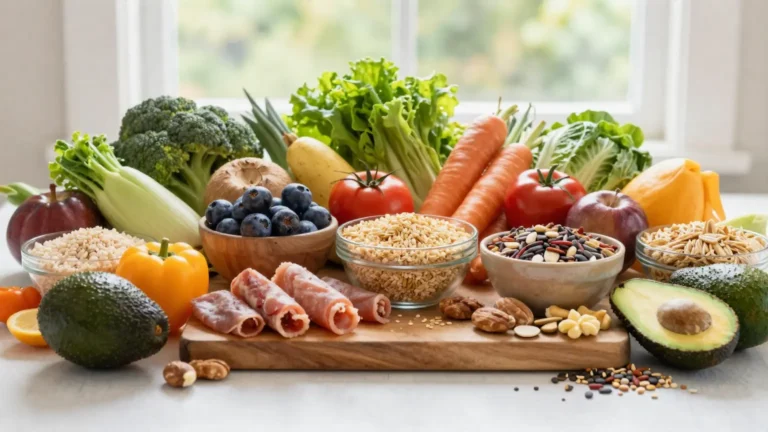
Introduction to Local Food: Why It Matters
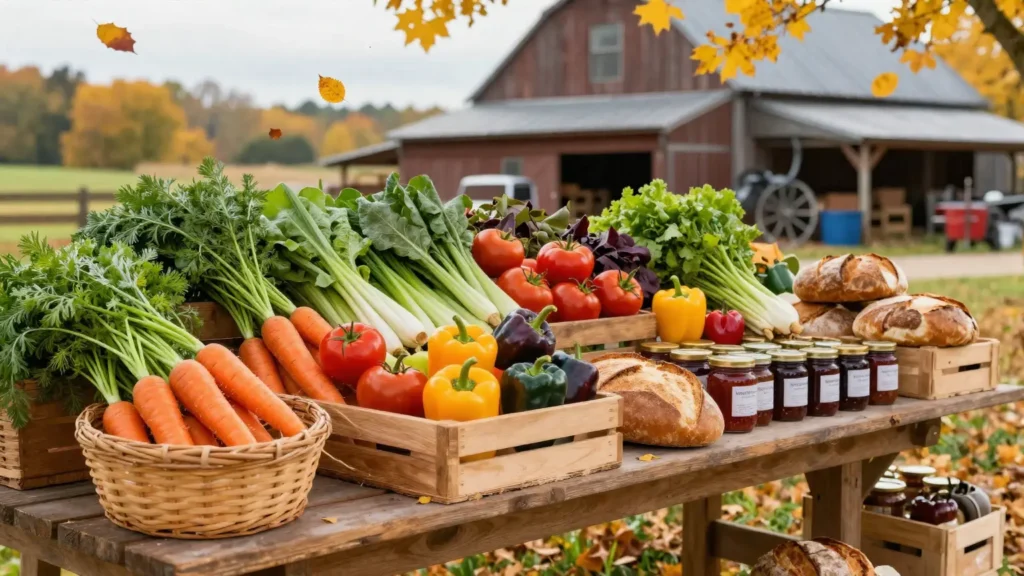
The locavore diet is gaining traction among health-conscious individuals who are looking beyond calorie counting to embrace a lifestyle that supports local farmers and promotes sustainability. This movement encourages us to think about where our food comes from, how it’s produced, and its impact on both the environment and our well-being. By choosing locally sourced ingredients, we not only enjoy fresher produce but also contribute to reducing our carbon footprint and supporting community economies.
Imagine stepping into a bustling farmers’ market early in the morning, the air filled with the earthy scent of fresh vegetables and baked goods wafting from local bakers’ stalls. This is more than just shopping for groceries; it’s about connecting directly with the people who grow your food and understanding the story behind every item you purchase. When you buy a head of lettuce grown by a farmer down the road, you’re not only getting something fresh and delicious but also fostering a sense of community and mutual support.
The benefits of embracing local foods extend far beyond taste and freshness. By reducing the distance that our food travels from farm to table, we cut down on transportation emissions, one of the significant contributors to global warming. Moreover, supporting local farmers means keeping money within your community, which in turn helps create jobs and strengthens local economies. It’s a simple yet powerful way to make an impact with every meal you choose.
As we continue to explore the concept of locavore living, it becomes clear that this isn’t just about diet; it’s about lifestyle choices that can lead to healthier communities, more sustainable food systems, and a deeper connection with our environment. So next time you’re at the grocery store or farmers’ market, consider picking up something from your local farmer – it might be one of the most rewarding purchases you make all week.
What Are the Key Benefits of Eating Locally Grown Foods?
Eating locally sourced foods can have significant positive impacts on your health. One key advantage is the freshness factor. Have you ever noticed how quickly vegetables lose their crunch and flavor after being transported long distances? Local produce often travels just a few miles from farm to table, preserving nutrients and maximizing taste. This freshness means that the vitamins and minerals in your fruits and vegetables are at their peak levels when they reach your plate.
Additionally, local foods tend to be more diverse because small-scale farmers can afford to grow a wider variety of crops compared to industrial farms focused on monoculture practices. This diversity is not just about trying new flavors; it’s also about ensuring balanced nutrition from varied sources. By rotating through different fruits and vegetables throughout the season, you’re likely to get a well-rounded intake of essential nutrients.
Another health benefit is the reduced exposure to certain chemicals that are common in non-organic produce imported from afar. When choosing local options, especially those labeled as organic or pesticide-free, you’re opting for foods grown with fewer harmful substances. This can be particularly reassuring if you’re concerned about residue on your food and its potential long-term health effects.
Economic Benefits of Supporting Local Farmers
Supporting local farmers through the purchase of their products helps strengthen community economies in profound ways. When money circulates within a local economy, it tends to stay there longer, creating more opportunities for reinvestment into other small businesses in the area. Think about it: when you buy from a local farmer, that money is likely to be spent with another local business instead of going towards corporate profits.
Moreover, buying locally often translates to job creation and economic resilience during tough times. Farmers’ markets and community-supported agriculture (CSA) programs are not just places where food is sold; they’re also hubs for social interaction and business development. These markets offer platforms for vendors to showcase their products directly to consumers, fostering entrepreneurship and reducing barriers to entry for new farmers.
Environmental Advantages of Choosing Local
Choosing locally grown foods has substantial environmental benefits that go beyond simply cutting down on transportation emissions. By supporting local agriculture, you’re likely contributing to practices such as sustainable farming, crop rotation, and minimal use of synthetic fertilizers and pesticides. These methods help maintain soil health, protect water resources, and preserve biodiversity – crucial factors in maintaining a healthy ecosystem.
Moreover, locally produced food often involves shorter supply chains, which can reduce the overall carbon footprint associated with food production. While transportation does contribute to emissions, it is just one aspect of an entire system that includes packaging, refrigeration, processing, and more. By choosing local options, you’re partaking in a system that values efficiency and minimizes waste.
Community Building Through Local Foods
Beyond the tangible benefits like health and economics, there’s also the intangible benefit of community building. The connection you make with your food source when buying from local farmers is one of understanding, respect, and mutual support. Imagine knowing exactly who grew your potatoes or who baked your bread, and feeling a sense of pride in contributing to their livelihood through your purchases. This personal relationship can foster a deeper appreciation for the hard work that goes into producing our food.
Furthermore, participating in local food networks often involves community events like harvest festivals, cooking classes at farmers’ markets, and educational workshops about sustainable practices. These activities not only bring people together but also educate consumers on how to make informed choices about their diet and lifestyle. By engaging actively with these communities, you become part of a movement that values tradition, innovation, and collaboration.
Did You Know? The concept of “food miles” is often discussed in relation to the environmental impact of food production. However, it’s important to note that while reducing transportation emissions is crucial, other factors like production methods and refrigeration also play significant roles in a product’s carbon footprint. Choosing local doesn’t just mean choosing closer; it means opting for holistic sustainability practices that consider every aspect of how your food is grown and transported.
How Does Local Food Support Community Development?
Local food systems contribute to the development of vibrant communities through various interconnected ways that go beyond just financial transactions. By fostering direct relationships between consumers and producers, local foods help build trust and understanding within neighborhoods.
Community engagement is one of the most tangible benefits of supporting local farmers. When you purchase from a farmer at your local market, there’s an immediate connection formed. You learn about their growing methods, challenges faced during harsh weather conditions, or innovative techniques they use to enhance crop yields. This exchange not only educates but also creates a sense of community ownership and pride in the products available locally.
Local food systems also encourage education and awareness around sustainable practices and healthier lifestyles. Many farmers’ markets and CSAs offer workshops on topics like composting, seed-saving, and cooking with seasonal ingredients. These activities bring people together to learn about sustainable living while promoting environmental stewardship. By participating in these events, you not only gain knowledge but also become part of a community that values sustainability and health.
Additionally, local food initiatives often serve as platforms for social cohesion and inclusivity. They can play a crucial role in addressing issues such as food deserts – areas with limited access to affordable and nutritious food. By supporting local farmers and small-scale producers, communities can work towards ensuring everyone has access to fresh produce, regardless of socioeconomic status.
The presence of a thriving local food scene also influences broader community development efforts by providing spaces for public gatherings and events. Farmers’ markets often become social hubs where residents come together not just to shop but also to connect, share information, and strengthen relationships. This communal spirit fosters a sense of belonging that can extend beyond the market into other aspects of life in your neighborhood.
The Role of Local Foods in Shaping Future Generations
The influence of local food systems extends to future generations through education and environmental awareness initiatives aimed at young people. Schools and community centers often incorporate lessons about where our food comes from, how it’s grown, and its importance for both personal health and environmental sustainability.
Imagine a classroom full of children learning about the lifecycle of an apple – from planting the seedling in a local orchard to harvesting the fruit and preparing it as part of their lunch. Such hands-on experiences not only teach kids about agriculture but also instill values like respect for nature, appreciation for hard work, and awareness of food systems.
Involving young people in these activities helps shape future consumers who are mindful of sustainability issues and supportive of local economies. By nurturing a generation that understands the benefits of buying locally grown foods, we ensure a continued demand for such products as they grow older and take on more responsibility within their communities.
Moreover, engaging youth in local food systems can inspire entrepreneurial spirit from an early age. Children who learn about growing vegetables or baking bread might later turn these skills into small businesses that contribute to the local economy. By providing opportunities for young people to see firsthand how agriculture works, we’re laying down the groundwork for a community rich with innovative ideas and collaborative efforts.
Can Local Farming Practices Improve Environmental Health?
Local farming practices can have a profound impact on improving environmental health. When you buy from local farmers who adhere to sustainable methods, you’re directly supporting an ecosystem that values biodiversity, soil health, and water conservation.
Consider this: How many times have you seen the phrase “pesticide-free” or “sustainably grown” at your local farmer’s market? These labels signify a commitment to practices that minimize environmental harm. For instance, local farmers often use integrated pest management (IPM) techniques rather than relying solely on chemical pesticides. IPM focuses on natural methods like introducing beneficial insects and rotating crops to control pests effectively while reducing the need for harmful chemicals.
Moreover, local farms tend to be smaller in scale compared to industrial agriculture operations. This allows them to implement crop rotation more easily, which is a practice that enhances soil fertility and reduces erosion. Crop rotation involves alternating different types of crops on the same land over successive seasons or years, breaking pest cycles, and improving soil structure.
Local farmers also play an essential role in water conservation efforts. By using techniques such as drip irrigation and rainwater harvesting, they ensure that every drop counts towards nourishing their plants rather than being wasted through evaporation or runoff. Imagine a field where each plant receives precisely the amount of water it needs – no more, no less. This efficient use of resources not only saves on costs but also preserves vital freshwater supplies.
Another significant environmental benefit of local farming is reduced land degradation due to over-intensive agricultural practices. Large-scale monoculture farms often deplete soil nutrients rapidly and lead to increased erosion. In contrast, diverse crop rotations practiced by local farmers help replenish the soil’s natural resources while maintaining its structural integrity.
Furthermore, supporting local agriculture encourages a reduction in synthetic fertilizers, which can be detrimental when they seep into water bodies. Local farms that use organic methods typically enrich their soils with compost and other natural amendments, fostering healthier ecosystems both above and below ground level.
When you choose locally grown foods, you’re not just buying produce; you’re investing in a cleaner environment. Each purchase helps sustain practices that promote biodiversity, conserve water resources, and protect soil health – crucial elements for maintaining ecological balance.
By focusing on these aspects of local farming, we can see how the environmental benefits go far beyond reducing transportation emissions. It’s about adopting holistic approaches to food production that respect nature’s limits while nurturing our communities’ well-being.
Does Eating Local Actually Reduce Your Carbon Footprint?
When considering the environmental impact of food production, many people believe that buying local automatically means a smaller carbon footprint. However, the situation is more nuanced than simply measuring how far your produce travels. Is it really just about distance?
To understand this better, let’s take a closer look at the full lifecycle of our food – from farm to plate. The concept of “food miles” focuses primarily on transportation emissions, but other factors such as production methods and refrigeration during storage can significantly influence a product’s overall carbon footprint.
For example, consider how different types of produce are grown:
| Type of Produce | Production Method | Environmental Impact |
|---|---|---|
| Leafy Greens | Hydroponic indoor farming | Low energy use but high water consumption |
| Apples | Organic orchard | Natural pest control, less chemical use |
| Beef | Intensive grain-fed operations | High methane emissions from cattle |
In some cases, locally produced items may be grown using conventional methods that include heavy irrigation and synthetic fertilizers. In contrast, produce transported long distances might come from regions with naturally fertile soil requiring fewer inputs.
Moreover, the type of packaging used can also play a role in carbon footprint calculations. For instance, local products sold at farmers’ markets often use less plastic and cardboard compared to large-scale distribution networks that require more extensive packaging to ensure freshness during transportation over longer distances.
So, does choosing local always mean lower emissions?
The answer depends on several factors including the specific growing practices used by local farms versus those of distant producers. It’s important to look beyond just food miles and consider holistic sustainability measures such as energy use in production, refrigeration needs throughout transport, and packaging requirements.
By doing so, you can make more informed decisions that truly contribute to reducing your overall environmental impact while still supporting local economies and enjoying the freshness and variety of locally grown foods.
Why Do Supermarkets Play a Role in Local Food Systems?
Supermarkets play a crucial role in the local food movement, acting as intermediaries between farmers and consumers on a larger scale. While farmers’ markets offer direct connections, supermarkets provide an alternative platform for local producers to reach a broader audience.
When supermarkets partner with local farms and suppliers, they can significantly boost the visibility of locally sourced products. By dedicating sections or aisles specifically for local items, supermarkets make it easier for consumers to choose these products without having to visit multiple vendors. Imagine walking into your supermarket and finding an entire aisle dedicated to seasonal produce from nearby farms. This not only supports farmers but also educates shoppers about the benefits of buying locally.
Moreover, supermarkets can help bridge the gap between local producers who might struggle with distribution logistics due to small-scale operations. By establishing relationships with these suppliers, supermarkets can facilitate larger orders and more consistent supply chains, thereby increasing the profitability for smaller farms. Wouldn’t it be great if a supermarket could guarantee that your favorite locally grown tomatoes are available year-round?
Supermarkets also have the advantage of offering extended hours and convenience compared to farmers’ markets. This accessibility means that consumers can easily incorporate local foods into their daily shopping routines without needing to plan around specific market schedules. Can you think of how convenient it would be to stop by a supermarket on your way home from work for some fresh, locally grown ingredients?
In addition to selling products, supermarkets often engage in community initiatives and educational programs that promote the benefits of local food systems. They might host cooking demonstrations using seasonal vegetables, offer workshops on sustainable living, or even sponsor events at nearby farmers’ markets. These activities not only enhance customer loyalty but also foster a sense of community among shoppers who value local sourcing.
By actively promoting local foods, supermarkets can contribute to reducing transportation emissions and supporting environmental sustainability efforts. They play an essential role in creating a more resilient food system that is less dependent on long-distance supply chains. Imagine if every major supermarket chain prioritized sourcing locally grown produce – the impact would be enormous!
Why Are Supermarkets Crucial for Expanding Local Food Markets?
Supermarkets are pivotal in expanding local food markets beyond just niche communities by offering large-scale distribution and marketing capabilities. By incorporating local products into their inventory, supermarkets can introduce a wider demographic to these benefits without requiring extensive outreach efforts from individual farmers.
For instance, major supermarket chains often have established supply chain management systems that allow them to efficiently procure goods from various suppliers while ensuring quality control and consistency in stock availability. Wouldn’t it be beneficial if every supermarket could guarantee a steady supply of locally grown products?
Moreover, supermarkets can leverage their marketing resources to promote local foods through advertising campaigns, social media platforms, and customer loyalty programs. This targeted promotion increases consumer awareness about the importance of supporting local agriculture and encourages more people to make informed choices at the checkout.
Another critical aspect is that supermarkets often negotiate better prices with suppliers due to bulk purchasing power. As a result, they can offer competitive pricing on locally sourced products, making them accessible even for budget-conscious shoppers. Think about how affordable it would be if your local supermarket could sell organic produce grown just miles away at the same price as imported alternatives.
In essence, supermarkets act as catalysts in scaling up local food systems by combining logistical expertise with market reach and consumer engagement strategies. Their involvement is crucial not only for economic benefits but also for fostering a broader cultural shift towards sustainable consumption habits.
Through these expanded sections, we highlight how supermarkets serve as vital partners in the local food movement, offering scalable solutions to support smaller farmers while promoting environmental sustainability and community development on a larger scale.
What Is the Impact of Local Food Campaigns on Small Farmers?
Local food campaigns have a profound impact on small farmers by providing them with unique opportunities to thrive in an often competitive market landscape. These campaigns not only increase visibility for local producers but also offer tangible benefits such as improved income stability and access to new markets.
Imagine a farmer who, through a local food campaign, gains the exposure needed to sell their produce at premium prices due to its freshness and quality. This scenario is more common than you might think. Local food initiatives often involve marketing efforts that highlight the unique selling points of small-scale farmers, such as personalized service and direct consumer interaction. These campaigns can include community-supported agriculture (CSA) programs, which allow consumers to pre-purchase shares of a farmer’s harvest before it even hits the market.
One of the primary ways local food campaigns boost small farmers is by reducing overhead costs associated with distribution and marketing. When you buy from a local farmer, the money often goes directly back into their business, allowing them to reinvest in better farming practices or expand their operations. Wouldn’t it be amazing if every purchase at your local market could help a farmer upgrade their equipment or develop new techniques?
Moreover, participating in local food campaigns can help small farmers navigate regulatory and logistical challenges more effectively. By pooling resources and sharing knowledge, these initiatives create supportive networks that empower individual producers to overcome hurdles such as securing certifications for organic farming or meeting strict quality control standards.
Supporting local food systems also encourages innovation among small-scale farmers. For instance, they might experiment with new crops that thrive in the region’s climate, diversifying their offerings and enhancing resilience against market fluctuations. Think about a farmer experimenting with heirloom tomatoes to cater to consumers looking for unique varieties – wouldn’t it be exciting to see these rare fruits hit the shelves at your local farmers’ market?
Ultimately, the impact of local food campaigns extends beyond economic benefits to include social and environmental gains. By fostering direct relationships between producers and consumers, such initiatives create a sense of community that strengthens ties within neighborhoods and promotes sustainable practices.
Through these insights, we see how local food campaigns not only provide immediate financial support but also lay the groundwork for long-term growth and innovation in agriculture. Every purchase from a small farmer is more than just buying groceries; it’s an investment in building stronger, healthier communities.
Where Can I Find and Buy Local Produce Near Me?
To start buying local produce, the first step is to identify nearby sources of fresh, locally grown foods. Here are some practical ways to get started:
- Visit Farmers’ Markets: These markets are vibrant hubs where you can meet farmers face-to-face and purchase a wide variety of seasonal fruits and vegetables directly from them. Farmers’ markets not only offer an array of produce but also often have artisanal products like bread, cheeses, and preserves.
- Join Community Supported Agriculture (CSA) Programs: CSAs allow consumers to buy shares in local farms for the growing season, receiving a weekly box of fresh produce throughout that period. This direct relationship ensures you get the freshest possible ingredients while supporting farmers financially during their busiest times.
- Explore Local Grocery Stores and Co-Ops: Many grocery stores now dedicate sections to locally sourced products. Check if your local store participates in such initiatives or consider shopping at cooperatives known for prioritizing regional suppliers.
Have you ever wondered how different these experiences can be compared to shopping at a big chain supermarket?
Tips for Finding Local Farmers Near You
Finding reliable sources of local produce requires a bit of research and exploration. Here are some tips to help you locate nearby farmers and food producers:
- Use Online Directories: Websites like LocalHarvest.org and EatWild.com offer directories that list farmers’ markets, CSAs, and other vendors in your area. These resources make it easy to find exactly what you need.
- Ask for Recommendations: Talk to friends and neighbors who are already engaged with local food systems. They can provide valuable insights and personal recommendations based on their own experiences.
- Contact Local Agricultural Organizations: Many regions have agricultural associations or extension services that maintain databases of local farmers and farming events. These organizations often offer newsletters and other resources that highlight seasonal offerings and upcoming markets.
Making the Most Out of Your Local Food Experience
Once you’ve found reliable sources for local produce, there are several ways to make the most out of your experience:
- Learn Seasonal Cycles: Understanding when certain fruits and vegetables are in season can help you take advantage of peak flavor and lower prices. This knowledge also encourages creativity in meal planning around seasonal ingredients.
- Engage with Your Community: Participate in events hosted by farmers’ markets, such as cooking demonstrations or farm tours. These activities not only provide educational value but also enhance your connection to the local food community.
- Experiment in the Kitchen: Try out new recipes using locally sourced products. Experimenting can be a fun way to explore diverse flavors and ingredients that you might not find elsewhere.
Overcoming Challenges of Buying Locally
While buying local offers numerous benefits, there are some challenges to consider:
- Availability Issues: Certain foods may only be available seasonally. Planning ahead and learning preservation techniques such as canning or freezing can help you enjoy these products year-round.
- Higher Costs: Local produce might cost more due to smaller-scale operations and lower yields compared to large commercial farms. However, the long-term benefits for your health and community economy often outweigh this initial investment.
What steps do you think one could take to address these challenges?
By actively engaging with local food systems through shopping at farmers’ markets, joining CSAs, and exploring regional grocery stores, you can contribute significantly to a healthier, more sustainable future. Every purchase made from a local farmer is not just about getting fresh ingredients; it’s about supporting the broader mission of environmental conservation and community resilience.
These expanded sections provide practical guidance on how to find and buy local produce while emphasizing the importance of engaging with your local food system in meaningful ways. By doing so, you become an active participant in fostering a healthier, more sustainable future for everyone involved.
How Does Nutritional Value Compare Between Local and Imported Foods?
When considering the nutritional value of local versus imported foods, several factors come into play that affect how fresh and nutrient-rich your produce is. Have you ever wondered if those crisp apples from across the country are as nutritious as the ones grown just down the road?
Freshness Matters: Freshly harvested fruits and vegetables retain their peak nutritional content better than produce transported over long distances. Local foods often reach consumers soon after being picked, which means they’re more likely to be full of vitamins, minerals, and other essential nutrients.
For example, compare a head of lettuce from your local farm with one that has been trucked in from another state or country. The locally grown lettuce will have traveled fewer miles and can therefore be expected to stay crisp longer and retain its nutritional value better than the imported version.
Environmental Conditions and Nutrient Absorption
Local farmers often adapt their growing practices based on specific environmental conditions, such as soil quality and climate. For instance, a farmer who knows exactly what nutrients her soil lacks will likely amend it accordingly before planting. This tailored approach can result in crops that are nutritionally dense.
In contrast, imported foods may be grown using standard commercial methods that don’t always take into account the unique conditions of different regions. As a result, they might not receive the same level of nutrient-rich care during cultivation.
Storage and Handling Practices
The way produce is stored and handled also impacts its nutritional value over time. Local foods typically face fewer challenges in this area because they spend less time in transit and storage facilities before reaching consumers.
Imagine a scenario where your local carrots are harvested early morning and arrive at the farmers’ market that afternoon, compared to those that travel days via refrigerated trucks. The shorter journey means the carrots experience less stress from temperature fluctuations and handling, preserving their nutritional content better.
Seasonal Varieties
Local food systems often emphasize seasonal eating, which aligns with what naturally grows best in your area during different times of the year. For example, summer berries are not only more abundant but also at their peak ripeness when they’re locally grown.
Eating seasonally ensures you’re consuming fruits and vegetables that were picked precisely when they reached optimal nutritional levels. This practice contrasts with imported foods which might be picked prematurely to survive long-distance travel.
Nutrient Degradation Over Time
Even under ideal conditions, nutrient content in produce begins degrading as soon as it’s harvested. For locally grown items, this degradation happens over a shorter period due to the reduced transit times and storage needs compared to imported goods.
This is particularly true for delicate nutrients like vitamin C and some B vitamins that degrade relatively quickly once the food has been picked. The freshness advantage of local foods can thus have significant implications for nutritional value.
Impact on Taste and Preference
The impact of freshness extends beyond just nutrition; it also affects taste, which in turn influences how much and often you eat these nutritious items. Fresh flavors are more likely to entice people to consume a wider variety of fruits and vegetables.
When produce tastes better due to its fresh state, consumers might be motivated to incorporate it into their meals more frequently. This can indirectly contribute to improved overall dietary intake.
Practical Considerations
While local foods often hold an edge in terms of freshness and nutritional quality, the availability and diversity of imported products cannot be ignored. For instance, if you live in a region where bananas are not naturally grown, eating locally would mean foregoing this nutrient-rich fruit unless alternatives or substitutes are found.
Additionally, economic factors play a role; local foods might sometimes cost more due to smaller-scale production methods and lower yields compared to industrial farming practices.
Conclusion
In summary, while local food typically offers fresher produce with higher nutritional value, the specific advantages depend on various factors such as growing conditions, transportation time, storage practices, and consumer preferences. The key takeaway is that supporting your local farmers can indeed provide you with foods richer in vitamins, minerals, and flavor – benefits worth considering for those looking to optimize their diet and health.
Criticism of Local Food: Are All Claims Valid?
While the locavore diet and local food movement have gained significant traction due to their perceived benefits, they also face criticism and skepticism from various quarters. It’s important to examine these critiques to understand the full scope of both advantages and limitations associated with eating locally.
One major concern raised by critics is that the concept of “food miles,” often cited as a primary benefit of local food systems, may be overly simplistic. While reducing transportation emissions is indeed crucial, it doesn’t capture the entire picture of a product’s carbon footprint. For instance, consider how much energy goes into growing and producing crops versus just transporting them?
The Complexity of Carbon Footprints
To illustrate this complexity, let’s compare two scenarios:
| Scenario | Carbon Footprint Factors |
|---|---|
| Local Fruits | High use of fertilizers and pesticides due to small-scale inefficienciesShorter transportation distance |
| Imported Grains | Large-scale efficiency in productionLonger transportation distance but lower emissions from fewer inputs |
In the case of local fruits, while they travel shorter distances, their production might involve more intensive use of chemicals to support smaller farm operations. In contrast, imported grains grown on large industrial farms can benefit from economies of scale that minimize energy and resource usage per unit of output.
Economic Feasibility
Another criticism focuses on economic feasibility. Critics argue that small-scale farming may not always be as efficient or economically viable compared to large-scale production models. Can you imagine a scenario where large corporate farms achieve higher yields with fewer resources than smaller local farmers?
For example, economies of scale allow larger operations to distribute costs over a greater number of units produced, leading to lower prices for consumers and higher profits for producers. This efficiency can sometimes make locally sourced products more expensive relative to imported goods.
Environmental Impact
While the environmental benefits of supporting local agriculture are widely recognized, critics point out that these advantages might be overstated in certain contexts. For instance, some regions naturally have conditions better suited for growing specific crops than others, regardless of proximity to markets. Wouldn’t it make sense if a desert region focused on drought-resistant crops rather than trying to grow water-intensive vegetables?
Health and Nutrition
Health-conscious consumers might assume that local foods are inherently more nutritious due to their freshness. However, the actual nutritional value can vary based on numerous factors such as soil quality, growing methods, and storage conditions. Have you ever noticed how certain nutrients in produce degrade quickly even after being harvested?
Moreover, imported foods often undergo rigorous testing for safety standards that might not be equally stringent or widely enforced at a local level. This raises questions about the overall health impact of choosing locally over imported products based solely on perceived freshness.
Community and Economic Impact
Supporting local farmers is undeniably beneficial in terms of fostering community ties and economic resilience. However, critics argue that this benefit might not always translate into widespread economic sustainability. Small-scale operations can face challenges like limited marketing reach and higher costs associated with distribution logistics compared to larger producers. Isn’t it true that some small farmers struggle to compete due to these limitations?
Conclusion
In conclusion, while the local food movement offers numerous benefits such as reduced carbon footprints, strengthened community ties, and economic support for small-scale producers, its validity is not without challenges. Critics highlight complexities in measuring environmental impact, questioning the economic efficiency of small farms, and raising concerns about health and safety standards.
So what do you think? Are all claims about local food valid or are there more nuanced considerations to be made?
By acknowledging both sides of this debate, we can make more informed decisions that balance our desire for sustainable practices with practical realities.
Summary: Evaluating the True Value of Eating Local
In conclusion, the locavore diet and local food movement offer a compelling blend of health, ethical, and economic advantages that go beyond just reducing transportation emissions. By supporting local farmers and producers, we contribute to fresher, more nutritious produce, stronger community bonds, and sustainable environmental practices. However, it’s crucial to recognize that the benefits are nuanced and come with challenges such as cost and efficiency concerns. As consumers, every purchase from a local farmer is an investment in healthier communities, resilient economies, and a greener planet. So next time you’re at the farmers’ market or grocery store, consider picking up something grown just down the road – it might be one of the most rewarding choices you make for yourself and your community.
Frequently Asked Questions (FAQ)
What are some benefits of eating locally grown foods beyond health?
Promoting local food supports local farmers and helps create job opportunities in your community. It also contributes to a stronger economy by keeping money within your region.
Is there a difference between organic food and locally grown food?
The terms “organic” and “local” are not interchangeable. Organic refers to the farming methods used, while local focuses on where the food is produced relative to where it’s consumed. Local foods can sometimes be organic but aren’t always, and vice versa.
How do local farmers markets compare in cost to supermarkets?
Local produce may vary in price depending on factors like seasonality and supply. While some items might be more expensive than at a supermarket, others could offer better value due to their freshness and minimal handling costs.
Can eating locally help improve food safety standards?
Eating locally often means dealing directly with the farmers or producers who grow your food. This direct connection can lead to higher transparency about how food is produced and handled, potentially improving trust in food quality and safety.
What are some environmental benefits of buying local produce?
Local foods generally travel shorter distances from farm to table, reducing carbon emissions associated with transportation. They also encourage sustainable farming practices that protect natural resources like soil and water.
Why should I care about the social aspects of eating locally grown foods?
Eating locally can strengthen community ties by connecting consumers directly with producers. It supports small businesses and enhances local traditions related to food and agriculture.
How does buying local impact animal welfare in agriculture?
Supporting local farmers, especially those practicing sustainable methods, often means better treatment for animals since these farmers typically prioritize humane practices over mass production efficiency.
Are there any disadvantages to eating locally grown foods compared to imported ones?
One potential disadvantage is limited availability of certain types of produce year-round. Additionally, the variety might be smaller compared to what’s available in large supermarkets due to regional climate constraints.
How can I find local food suppliers and restaurants that serve locally sourced meals?
Look for farm-to-table restaurants or search online directories dedicated to connecting consumers with local producers. Farmers’ markets are also great places to meet local growers directly.
Does eating locally always mean sacrificing convenience?
While it might require some planning, many communities now offer delivery services from local farms and food hubs that bring fresh produce straight to your door without the need for you to travel far.