
Introduction: What Is a Low-Carbon Diet?

A low-carbon diet is an eating approach specifically designed to minimize the environmental impact of food consumption by focusing on reducing greenhouse gas emissions associated with dietary choices. Imagine stepping into a world where every bite you take contributes positively to the health of our planet. This isn’t just about counting calories or macronutrients; it’s about making mindful decisions that benefit both your body and the environment.
At its core, a low-carbon diet emphasizes plant-based foods, especially those that are minimally processed and locally sourced whenever possible. It encourages you to think beyond just what tastes good or satisfies hunger, but also considers where your food comes from and how it was produced. By shifting towards this style of eating, not only do you support sustainable agricultural practices, but you also play a crucial role in global efforts to combat climate change.
For example, did you know that beef and dairy products have some of the highest carbon footprints among all foods? These items require vast amounts of land for grazing, generate significant methane emissions from livestock, and often involve energy-intensive production processes. By opting for plant-based alternatives more frequently, you can significantly reduce your dietary carbon footprint. It’s like choosing a smaller car over an SUV – both get you places, but one has a much lighter impact on the environment.
Imagine walking into a grocery store with this new perspective. Instead of reaching for that steak or cheese plate, you might start exploring the fresh vegetables and fruits available locally. Each choice becomes an opportunity to make a difference, showing how small shifts in your diet can lead to substantial environmental benefits over time.
Why Consider a Low-Carbon Diet?
Choosing a low-carbon diet offers numerous benefits for the environment and your health, making it an appealing option in today’s world where sustainability is increasingly important. By adopting this dietary approach, you can reduce your personal contribution to greenhouse gas emissions while also supporting healthier eating habits.
Reducing Your Carbon Footprint: The environmental impact of food production varies widely depending on what foods are chosen. For instance, producing one kilogram of beef generates approximately 60 kg of CO₂ equivalents, whereas growing a kilogram of lentils produces around 1 kg of CO₂ equivalents. This stark difference highlights the significant carbon savings that can be achieved by shifting towards plant-based proteins.
Health Benefits: While reducing environmental impact is crucial, adopting a low-carbon diet also aligns with better health outcomes. Plant-based diets are typically rich in essential nutrients like fiber, vitamins, and minerals while being lower in saturated fats and cholesterol. This dietary shift can help reduce the risk of chronic diseases such as heart disease, diabetes, and certain types of cancer.
Moreover, incorporating more fruits, vegetables, and whole grains into your diet not only boosts your nutritional intake but also enhances the variety and enjoyment of meals. It’s about finding delicious plant-based alternatives that you enjoy eating, which can be just as satisfying as traditional meat-centric dishes.
Supporting Sustainable Agriculture: By choosing locally sourced produce and reducing reliance on resource-intensive crops like soybeans for animal feed, you directly support sustainable farming practices. Local agriculture often involves less transportation emissions compared to importing food from afar, thereby contributing to a more resilient local economy and food system.
Consider this: the average meal in North America travels over 1,500 miles before reaching your plate. Reducing this distance not only cuts down on transport-related CO₂ emissions but also increases the freshness and flavor of your ingredients. Plus, supporting small-scale farmers helps preserve biodiversity and traditional farming techniques.
Global Impact: The decisions you make at mealtime can have a ripple effect far beyond your own community. By reducing demand for resource-intensive foods like beef and dairy, you help mitigate global climate change. Every reduction in greenhouse gas emissions brings us one step closer to achieving international environmental goals set forth by organizations such as the United Nations.
In conclusion, adopting a low-carbon diet is not just about changing what you eat; it’s about embracing a lifestyle that prioritizes sustainability, health, and well-being for both yourself and future generations. It’s a powerful way to make a positive difference in our world – one meal at a time.
How Eating Less Meat Reduces Carbon Footprint
Eating less meat is one of the most impactful ways to reduce your carbon footprint because livestock farming, particularly for beef and lamb, has a disproportionately large environmental impact compared to plant-based foods. Livestock agriculture contributes significantly to greenhouse gas emissions through methane production from enteric fermentation in cattle, nitrous oxide from manure management, and CO₂ from land-use changes such as deforestation for grazing or feed crop cultivation.
For instance, producing one kilogram of beef requires about 15,400 liters of water and emits approximately 60 kg of CO₂ equivalents. In contrast, the same amount of lentils requires only around 1,280 liters of water and generates roughly 1 kg of CO₂ equivalents. These stark differences highlight why reducing meat consumption can lead to substantial environmental benefits.
Moreover, the energy required for livestock farming is considerable due to the feed-to-meat conversion process, which is inherently inefficient compared to direct plant food consumption. Cattle require vast amounts of land and water to produce a relatively small amount of edible biomass, making them resource-intensive compared to crops like soybeans or wheat that can be consumed directly.
To put this into perspective, consider that raising cattle for beef is responsible for 41% of the livestock sector’s greenhouse gas emissions. Reducing demand for meat products helps decrease this environmental burden, leading to significant reductions in global carbon footprints.
Transitioning to Plant-Based Proteins
Transitioning from a high-meat diet to one with fewer animal products can be gradual and enjoyable as you explore new tastes and cuisines. For example, incorporating more beans, lentils, tofu, and tempeh into your meals provides excellent sources of protein without the same environmental cost associated with meat production.
By making small changes such as having a few vegetarian days each week or substituting some meat dishes for plant-based alternatives, you can significantly lower your carbon footprint. This shift not only benefits the planet but also offers personal health advantages by increasing fiber intake and reducing saturated fat consumption.
For instance, swapping out beef burgers once a week with veggie burgers made from legumes can make a considerable difference in both environmental impact and personal health metrics over time. Each substitution represents an opportunity to reduce your carbon footprint while enjoying diverse and nutritious meals.
The Role of Local Sourcing
In addition to reducing meat consumption, choosing locally sourced plant-based foods further enhances the benefits of a low-carbon diet. Local produce often involves shorter supply chains, which means less transportation-related CO₂ emissions compared to imported food items. This supports local economies while also ensuring fresher and more flavorful ingredients on your plate.
Moreover, buying from farmers markets or joining community-supported agriculture (CSA) programs helps strengthen the connection between consumers and producers, fostering a sense of community involvement in sustainable practices. It’s about making informed choices that reflect a commitment to both personal health and environmental stewardship.
Incorporating these changes into your lifestyle can be as simple as planning meals around seasonal vegetables or trying out new plant-based recipes each week. By taking small steps toward eating less meat, you contribute positively to global efforts aimed at combating climate change while also improving your own well-being.
Key Principles of a Low-Carbon Diet
Adopting a low-carbon diet involves several key principles that guide your food choices towards sustainability and reduced environmental impact. One crucial aspect is diversifying protein sources beyond traditional animal products. Incorporating a variety of plant-based proteins such as peas, chickpeas, quinoa, and nuts can provide all essential amino acids needed for good health while significantly lowering carbon footprints.
Another important principle is minimizing food waste, which includes careful meal planning and storage techniques to ensure that fewer resources are wasted. Reducing the amount of uneaten food not only helps lower your personal environmental impact but also supports broader sustainability efforts by reducing the demand for excessive agricultural production.
Incorporating more seasonal fruits and vegetables into your diet is another effective way to reduce your carbon footprint. Seasonal produce often requires fewer resources to grow, as it benefits from natural weather patterns rather than artificial support systems like greenhouses or imported goods that necessitate long-distance transport.
Emphasizing Local Sourcing
Choosing locally sourced foods can significantly decrease the overall environmental impact of your diet by reducing transportation emissions and supporting local economies. When you buy produce from nearby farmers or participate in community-supported agriculture programs, you are contributing to a more sustainable food system that is less reliant on fossil fuels for transport.
Moreover, local sourcing often means fresher ingredients with higher nutritional value due to shorter transit times between farm and table. This freshness translates into better taste and texture, making it easier to enjoy meals rich in nutrients without compromising flavor.
Choosing Whole Foods Over Processed Products
Opting for whole foods over processed products is another vital principle of a low-carbon diet. Processing food usually involves additional energy consumption and packaging waste, both of which contribute to higher carbon footprints. By choosing minimally processed options like fresh vegetables, fruits, grains, and legumes, you can reduce your environmental impact while also enjoying more nutritious meals.
For example, canned or packaged foods often require plastic or metal containers that end up in landfills, contributing to pollution. In contrast, buying loose produce reduces packaging waste and supports local markets where feasible.
Reducing Dairy Consumption
While the focus of many low-carbon diets is on reducing meat consumption, cutting back on dairy products can also significantly lower your carbon footprint. Dairy production contributes substantially to greenhouse gas emissions through methane from cattle digestion, as well as energy-intensive processes for milk processing and transportation.
By incorporating plant-based milk alternatives like soy, almond, or oat milk into your diet, you can enjoy similar tastes and textures while reducing environmental harm. These options often require fewer resources compared to traditional dairy products.
Engaging with the Community
Finally, engaging with a community of individuals who share similar values around sustainability can greatly enhance your commitment to a low-carbon diet. Joining groups or clubs focused on plant-based cooking, sustainable eating practices, and environmental activism provides support and inspiration for maintaining long-term dietary changes.
Sharing recipes, tips, and experiences with others not only strengthens personal resolve but also spreads awareness about the benefits of reducing carbon footprints through dietary choices. Engaging in these communities can inspire others to make similar shifts towards more sustainable lifestyles.
In summary, adopting a low-carbon diet involves making informed food choices that prioritize plant-based proteins, minimize waste, favor seasonal and local produce, reduce reliance on processed foods and dairy products, and foster community engagement around sustainability goals. Each step you take contributes positively not only to your health but also to the planet’s well-being.
Recommended Foods in a Low-Carbon Diet
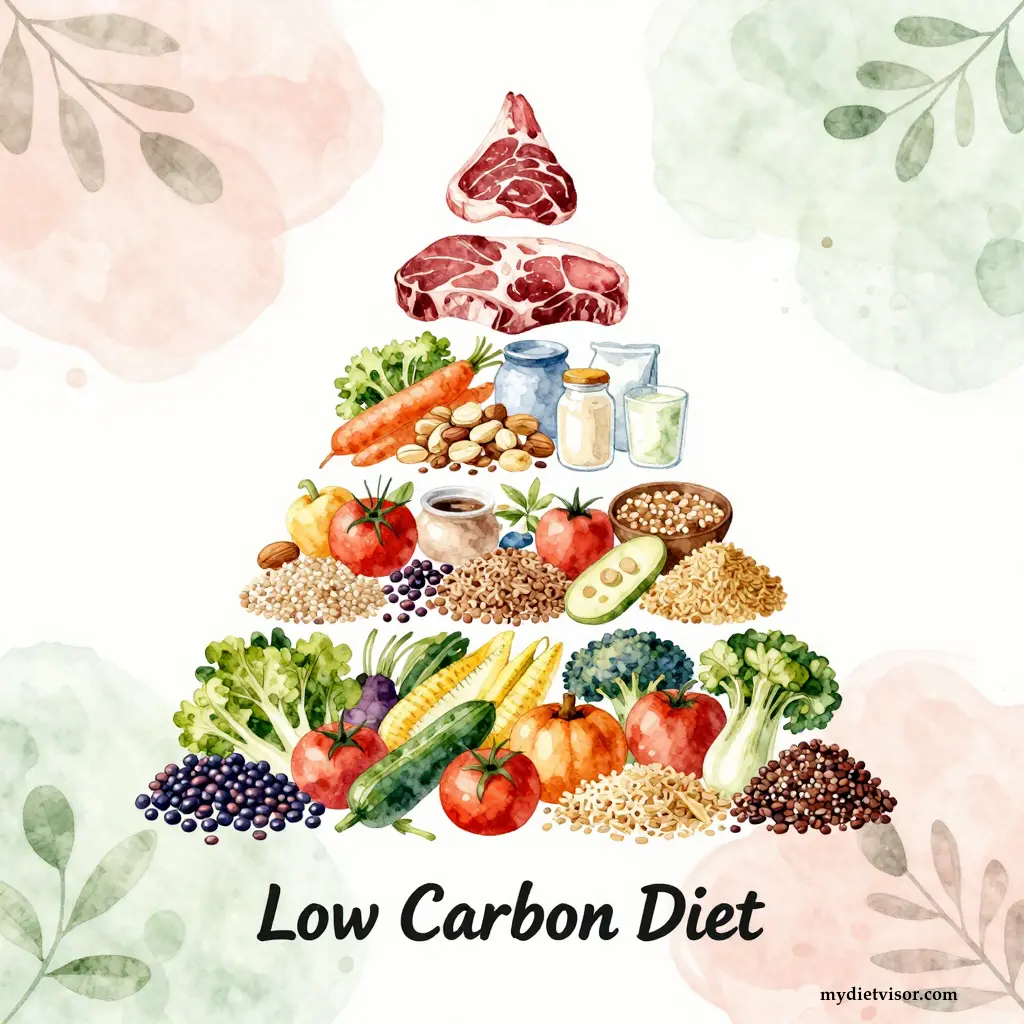
Incorporating more plant-based foods into your diet is key to reducing your carbon footprint and supporting sustainable agriculture. Here are some recommended food items that can help you achieve this goal:
- Beans and Legumes: These versatile sources of protein include lentils, chickpeas, black beans, and soybeans. Not only do they provide essential nutrients like iron and fiber, but they also have a much lower carbon footprint compared to meat. For instance, producing one kilogram of soybeans generates about 2 kg CO₂ equivalents, whereas the same amount of beef produces around 60 kg CO₂ equivalents.
- Whole Grains: Including whole grains in your diet is another effective way to lower your environmental impact. Foods like quinoa, barley, brown rice, and oats are not only nutritious but also have a smaller carbon footprint than processed grain products or meat-based meals. Quinoa, for example, requires minimal water compared to many other crops.
- Vegetables: A variety of vegetables should form the core of your diet if you’re aiming for a low-carbon approach. Leafy greens like spinach and kale, root vegetables such as carrots and sweet potatoes, and cruciferous vegetables like broccoli and cauliflower are all excellent choices. Not only do these foods have lower greenhouse gas emissions, but they also tend to require less land and water compared to livestock farming.
- Fruits: Fruits offer a natural sweetness and are rich in vitamins and antioxidants. Opt for seasonal fruits like berries, apples, oranges, and bananas as much as possible. Seasonal produce often requires fewer resources to grow and transport, making it an environmentally friendly choice.
Comparison Table: Carbon Footprints of Different Foods
| Food Type | Greenhouse Gas Emissions (kg CO₂ equivalents per kg) |
|---|---|
| Beef | 60 |
| Lentils | 1 |
| Soybeans | 2 |
| Apples | 1.5 |
| Chicken | 17 |
| Quinoa | 2.4 |
This table illustrates the significant difference in carbon footprints between animal-based and plant-based foods, emphasizing why incorporating more plant proteins into your diet can be highly beneficial.
Incorporating Variety
While focusing on these low-carbon food groups is crucial, it’s also important to maintain variety in your diet to ensure you receive a wide range of nutrients. Experiment with different cuisines and cooking methods to make your meals exciting and enjoyable. For example, try Moroccan tagine with chickpeas, Indian curries made with lentils, or Italian pasta dishes featuring whole grains like spelt.
By making these changes gradually and exploring new tastes, you can significantly reduce your environmental impact while enhancing the quality of your diet. Each small step towards a low-carbon lifestyle is a powerful contribution to our planet’s future health.
Are Plant-Based Diets Better for the Environment?
When considering environmental impact, plant-based diets are generally recognized as better choices compared to those heavy in animal products. This is largely due to the lower carbon footprint associated with growing plants versus raising livestock. However, it’s important to understand why this difference exists and how significant these impacts truly are.
Greenhouse Gas Emissions: The production of food involves various stages such as cultivation, processing, packaging, transportation, and cooking. Each stage contributes differently to greenhouse gas emissions. For example, beef production is notorious for its high methane emissions from cattle digestion (enteric fermentation), a potent greenhouse gas that has 25 times the warming potential of carbon dioxide over a 100-year period.
Land Use and Water Consumption: Livestock farming requires vast amounts of land for grazing and feed crop cultivation, often leading to deforestation and habitat destruction. Additionally, raising animals demands significantly more water compared to growing crops. Producing one kilogram of beef can consume up to 15,400 liters of water, whereas an equivalent amount of lentils may require only about 1,280 liters.
Comparison Table: Environmental Impact of Different Food Groups
| Food Type | Land Use (ha per kg) | Water Consumption (L/kg) | Greenhouse Gas Emissions (kg CO₂ equivalents per kg) |
|---|---|---|---|
| Beef | 20 | 15,400 | 60 |
| Lentils | 3 | 1,280 | 1 |
This table highlights the substantial differences in environmental impact between beef and lentils. The lower resource requirements for plant-based foods contribute to their overall sustainability.
Sustainable Agriculture Practices
Adopting sustainable agriculture practices can further enhance the benefits of a low-carbon diet. For example, agroforestry systems that integrate trees with crops or livestock can improve soil health, sequester carbon dioxide, and reduce erosion. Such methods not only support biodiversity but also contribute to long-term food security.
Moreover, regenerative farming techniques like crop rotation, cover cropping, and reduced tillage help maintain soil fertility and mitigate climate change by storing atmospheric carbon in the ground. By choosing foods grown using these practices, you directly support farmers who prioritize environmental sustainability over short-term profits.
The Role of Industrial Farming
Industrial farming methods often involve intensive livestock production systems that contribute heavily to environmental degradation. These operations are major sources of greenhouse gas emissions and water pollution due to runoff from manure and fertilizers. In contrast, plant-based agriculture tends to be less resource-intensive and generates fewer pollutants.
However, it’s essential to note that even plant-based foods can have significant impacts depending on how they’re produced and transported. For instance, the large-scale cultivation of crops like soybeans for animal feed contributes to deforestation in South America, where forests are cleared to make way for farmland. By choosing local or organic produce when possible, you help mitigate these negative effects.
Personal Impact and Global Benefits
Making the switch from a high-meat diet to one rich in plant-based foods can have profound personal and global benefits. On an individual level, reducing meat consumption not only decreases your carbon footprint but also promotes better health through increased intake of fruits, vegetables, whole grains, and legumes.
On a broader scale, widespread adoption of low-carbon diets could significantly reduce the agricultural sector’s contribution to climate change. For example, if global dietary patterns shifted towards more plant-based options, it could potentially free up millions of hectares of land currently used for grazing and feed crops, which could then be reforested or converted into carbon sinks.
Engaging with Communities
Joining local food co-ops, participating in farmers markets, and engaging with like-minded individuals can provide support as you transition towards a more sustainable diet. These communities often share information about seasonal produce, local sourcing options, and new recipes that make plant-based meals exciting and delicious.
Additionally, educating others about the benefits of low-carbon diets helps spread awareness and encourages collective action towards environmental conservation. By sharing your experiences and insights, you can inspire friends, family members, and colleagues to make similar shifts in their own lives.
In summary, embracing a diet rich in plant-based foods offers substantial advantages for both personal health and global sustainability. While the transition may seem daunting at first, taking small steps such as incorporating more vegetables, legumes, and whole grains into your meals can lead to significant positive changes over time.
Local Farming vs. Industrialized Production
When considering how to reduce your environmental impact through food choices, understanding the differences between local farming and industrialized production is crucial. Local farming often involves smaller-scale operations that prioritize sustainable practices such as crop rotation, reduced chemical use, and community engagement. On the other hand, industrial agriculture typically focuses on maximizing efficiency and yield through large-scale monoculture farming, heavy reliance on synthetic fertilizers and pesticides, and extensive transportation networks.
Benefits of Local Farming
One major advantage of local farming is its lower carbon footprint due to reduced transportation emissions. When you buy produce from a nearby farm or farmer’s market, the food often travels only a few miles before reaching your plate, significantly decreasing the environmental impact associated with long-distance shipping and storage.
Local farms also tend to practice regenerative agriculture, which involves methods that improve soil health, enhance biodiversity, and sequester carbon dioxide. For example, integrating cover crops into crop rotations can help build organic matter in the soil, reducing erosion and improving water retention – benefits that are not typically seen in industrial farming practices.
Challenges of Industrialized Production
Industrial agriculture, while often praised for its ability to feed large populations efficiently, has several drawbacks from an environmental standpoint. Large-scale monoculture farming depletes soil nutrients over time and contributes significantly to deforestation as new land is cleared for cultivation. Additionally, the heavy use of chemical fertilizers and pesticides can lead to water pollution and harm local wildlife.
Industrialized production systems also rely heavily on fossil fuels at every stage of the food supply chain – from planting and harvesting to processing, packaging, and transportation. This reliance on non-renewable energy sources not only increases carbon emissions but also contributes to air and soil contamination.
Impact on Biodiversity
Local farming supports a higher level of biodiversity compared to industrialized agriculture. Diverse crop rotations and the inclusion of livestock in rotational grazing systems help maintain ecosystem balance, reduce pest problems naturally, and promote pollinator health. In contrast, vast fields dedicated solely to one type of crop can lead to reduced habitat for beneficial insects and birds, contributing to declines in local wildlife populations.
Community and Economic Benefits
Choosing locally sourced foods has additional benefits beyond environmental impact. Supporting small-scale farmers helps bolster local economies by circulating money within the community rather than exporting it to large corporations. This economic benefit also translates into more resilient food systems during times of crisis, such as natural disasters or pandemics, when supply chains may be disrupted.
Consumer Engagement
Local farms often offer consumers a direct connection to their food sources through farmer’s markets and farm-to-table initiatives. This engagement fosters a deeper appreciation for the labor involved in growing food sustainably and provides opportunities for education about sustainable practices. Consumers who understand where their food comes from are more likely to make informed choices that align with environmental values.
Table: Environmental Impact Comparison
| Aspect | Local Farming | Industrialized Production |
|---|---|---|
| Carbon Footprint | Low due to short transport distances | High due to long-distance transportation |
| Soil Health | Improved through regenerative practices | Degraded by heavy use of chemicals |
| Biodiversity | Supported with diverse crop rotations | Reduced in monoculture fields |
| Economic Impact | Strengthens local economies | Centralizes economic benefits |
By opting for locally sourced produce, consumers can play a significant role in promoting sustainable agriculture and reducing their environmental footprint. Each choice made at the grocery store or farmer’s market has far-reaching impacts on both personal health and global sustainability efforts.
In conclusion, while industrialized production may offer short-term conveniences such as lower prices and year-round availability of certain foods, the long-term benefits of local farming are clear in terms of environmental stewardship, economic resilience, and community well-being. Making informed choices about where your food comes from is a powerful way to contribute positively to our planet’s future health.
Did you know that one acre of land can support up to 40 people when managed with permaculture principles? This highlights the potential efficiency and sustainability of local farming practices compared to industrial agriculture.
GHG Footprints of British Diets
Understanding the greenhouse gas (GHG) footprints associated with different dietary patterns in Britain is crucial for evaluating the effectiveness of low-carbon diets and encouraging sustainable food choices. A detailed study conducted by researchers in 2014 shed light on how varying levels of meat consumption correlate with differing carbon emissions.
Key Findings from the Study
The research analyzed data from thousands of British individuals, categorizing them into three main dietary groups based on their daily meat intake: high meat-eaters (consuming ≥100 grams per day), medium meat-eaters (50-99 grams per day), and low meat-eaters (below 50 grams per day). The study found that the average daily GHG footprint of these groups varied significantly:
| Dietary Group | Average Daily GHG Footprint (kg CO₂ equivalents) |
|---|---|
| High Meat-Eaters | 7.19 |
| Medium Meat-Eaters | 5.63 |
| Low Meat-Eaters | Lower than medium meat-eaters |
These results indicate that reducing daily meat intake can lead to substantial reductions in an individual’s carbon footprint, with high meat-eaters having nearly twice the emissions compared to low meat-eaters.
Impact of Dietary Shifts
The study further highlighted how small dietary changes could yield significant environmental benefits. For instance, a person moving from being a high meat-eater to a medium meat-eater can reduce their daily GHG footprint by approximately 20%. Conversely, shifting to a lower meat intake or adopting plant-based meals several times a week can result in even more substantial reductions.
Moreover, the research emphasized that these dietary shifts are not only beneficial for reducing carbon emissions but also align with public health recommendations. A diet rich in fruits, vegetables, and whole grains is associated with numerous health benefits, including reduced risk of chronic diseases such as heart disease and diabetes.
Cultural and Socioeconomic Factors
The study also noted the influence of cultural and socioeconomic factors on dietary patterns within Britain. For example, high meat consumption tends to be more common among higher-income groups due to the perception that meat-based meals are a sign of affluence or better nutrition. However, as awareness about sustainable eating practices grows, there is an increasing trend towards adopting plant-centric diets even in these demographics.
Recommendations for Change
Based on the findings, several recommendations were made to encourage more sustainable dietary habits:
- Increase Awareness: Public campaigns and educational initiatives can help raise awareness about the environmental impacts of high meat consumption.
- Policy Changes: Encouraging policies that support local food systems and promote plant-based alternatives in schools, hospitals, and public institutions can play a crucial role.
- Personal Choices: Individuals are encouraged to make small changes such as Meatless Mondays or incorporating more vegetarian meals into their weekly routine.
By taking these steps, British consumers can contribute significantly towards reducing the country’s overall carbon footprint while also improving personal health outcomes. As global attention focuses on climate change and sustainability, understanding and addressing dietary GHG footprints becomes increasingly vital for a healthier planet.
This insight from the 2014 study underscores the significant role that individual food choices play in combating climate change and supports the broader adoption of low-carbon diets across different regions and cultures.
Summary: Steps Towards Sustainable Eating
By understanding the significant impact of dietary choices on greenhouse gas emissions, we can see how shifting towards a low-carbon diet is both necessary and beneficial for the environment and personal health. As highlighted in the British study, reducing daily meat intake can lead to substantial reductions in an individual’s carbon footprint. High meat-eaters have nearly twice the emissions compared to those who consume less meat or follow plant-based diets. Embraking small changes such as incorporating more vegetables, legumes, and whole grains into your meals not only benefits the planet but also enhances the quality of your diet. Each step towards a low-carbon lifestyle is a powerful contribution to our shared goal of creating a sustainable future for generations to come.
Frequently Asked Questions (FAQ)
What is a low-carbon diet and how does it work?
A low-carbon diet focuses on reducing greenhouse gas emissions by choosing foods with lower environmental impacts, such as plant-based options over animal products.
How can I start eating a low-carbon diet?
Start by incorporating more fruits, vegetables, grains, nuts, and seeds into your meals. Gradually reduce the amount of meat, especially beef and dairy, you consume each week.
Will switching to a low-carbon diet make me lose weight?
While shifting to a low-carbon diet may lead to weight loss due to changes in food choices, it is primarily focused on reducing environmental impact rather than weight management. However, healthier eating habits often result in better overall health and can contribute to weight loss.
What are the benefits of following a low-carbon diet?
A low-carbon diet helps reduce your carbon footprint, supports sustainable agriculture, and can improve personal health by increasing intake of nutritious plant-based foods.
How do I ensure I get enough nutrients on a low-carbon diet?
Focus on diverse food choices such as beans, lentils, whole grains, nuts, seeds, fruits, vegetables, and fortified products to cover all necessary vitamins and minerals.
Is it expensive to follow a low-carbon diet?
The cost can vary depending on your food choices. Buying seasonal produce and reducing meat consumption often leads to lower grocery bills over time.
How do I deal with social situations where the menu doesn’t fit my low-carbon diet?
Bring your own dish or plan ahead by finding restaurants that offer plant-based options. Communicate your dietary preferences to friends and family, making them aware of why you choose this path.
Are there any specific foods I should avoid in a low-carbon diet?
Limit the intake of red meat, especially beef, and dairy products as they have higher carbon footprints compared to other food sources.
Can I still enjoy treats on a low-carbon diet?
Yes! Focus on plant-based desserts made with ingredients like fruits, nuts, seeds, and whole grains. There are many delicious recipes that align with the principles of a low-carbon diet.
How do I start cooking for a low-carbon diet if I’m new to it?
Begin by exploring simple recipes using beans, lentils, tofu, and vegetables. Use online resources or recipe books focused on sustainable eating for inspiration.