
What Is the Morning Banana Diet?

Morning banana diet: Have you heard about the latest trend promising weight loss through an unusual morning ritual? The Morning Banana Diet, which gained popularity in Japan around 2008, suggests a simple yet intriguing solution to shedding those extra pounds. This dietary fad was developed by Sumiko Watanabe, an Osaka pharmacist, who designed it specifically for her husband Hitoshi, leading him to lose a remarkable 37 pounds (17 kg).
Imagine starting your day with unlimited bananas and water, followed by unrestricted meals later in the day – sounds too good to be true? The core concept is straightforward: eat as many bananas as you want alongside room temperature water or milk for breakfast. After that, the rest of your diet is up to you, barring dessert after dinner, which can only consist of more bananas if desired. But there’s a twist: no snacking past 8 PM and hitting the sack by midnight.
So why does this diet attract so much attention? Could it be its simplicity or the promise of quick results? As intriguing as it may seem, diving deeper into the Morning Banana Diet raises questions about its sustainability and overall impact on health. How do you think your body would react to such a restrictive morning routine followed by freedom at lunchtime and dinnertime? Would sticking to this regimen long-term be feasible or advisable?
The idea of eating bananas for breakfast might sound appealing, but what does it really mean for the rest of your diet? Is this diet sustainable, or is it just another short-lived trend that promises quick results without addressing the underlying habits needed for lasting weight loss and health improvement?
How Does the Morning Banana Diet Work?
The Morning Banana Diet operates on the principle that consuming bananas as your morning meal can kickstart your metabolism and suppress appetite later in the day. Bananas are rich in fiber, which helps you feel full longer, potentially reducing calorie intake at subsequent meals. Additionally, they contain natural sugars and vitamins like B6, which contribute to overall health.
By sticking strictly to bananas for breakfast, proponents claim that it trains your body to rely on a high-fiber, low-calorie meal early in the day, which can lead to better food choices later. However, this strict morning regimen is paired with complete freedom at lunch and dinner, creating an interesting contrast between discipline and indulgence.
Key Principles of Meal Timing
- Early Morning Banana Breakfast: The diet emphasizes starting your day with bananas because it’s believed that the digestive system is more active in the morning.
- No Snacks After 8 PM: This rule aims to prevent late-night overeating, a common culprit for weight gain and poor sleep quality.
The timing aspect of not eating after 8 PM plays into the idea that your metabolism slows down later at night, making it harder to burn off excess calories. Additionally, going to bed early ensures better rest and recovery without the discomfort of digesting heavy meals close to bedtime.
Potential Health Impacts
- Digestive Health: The high fiber content in bananas can help with digestion, but consuming them exclusively for breakfast might lead to bloating or constipation if your body isn’t used to such a sudden increase.
- Blood Sugar Levels: For individuals with diabetes or prediabetes, relying solely on bananas without balancing it with proteins or fats could cause spikes and drops in blood sugar levels.
The diet’s impact on long-term health is debatable. While initial results may seem promising due to reduced calorie intake from skipping snacks and late-night meals, the lack of variety in nutritional content can lead to deficiencies over time.
Reflecting on Your Eating Habits
Considering the Morning Banana Diet makes you think about how your eating patterns might be impacting your weight loss journey. Are you prone to snacking at night? Do you find yourself indulging more after a low-calorie breakfast? The diet challenges conventional wisdom and prompts individuals to rethink their daily routines.
It’s important to ask yourself if adhering strictly to such rules feels sustainable or restrictive, and whether it addresses the root causes of overeating or unhealthy habits. While the diet promises simplicity, its strict timing and exclusivity may not suit everyone’s lifestyle or dietary needs long-term.
Recommended Food Groups for Morning Banana Diet
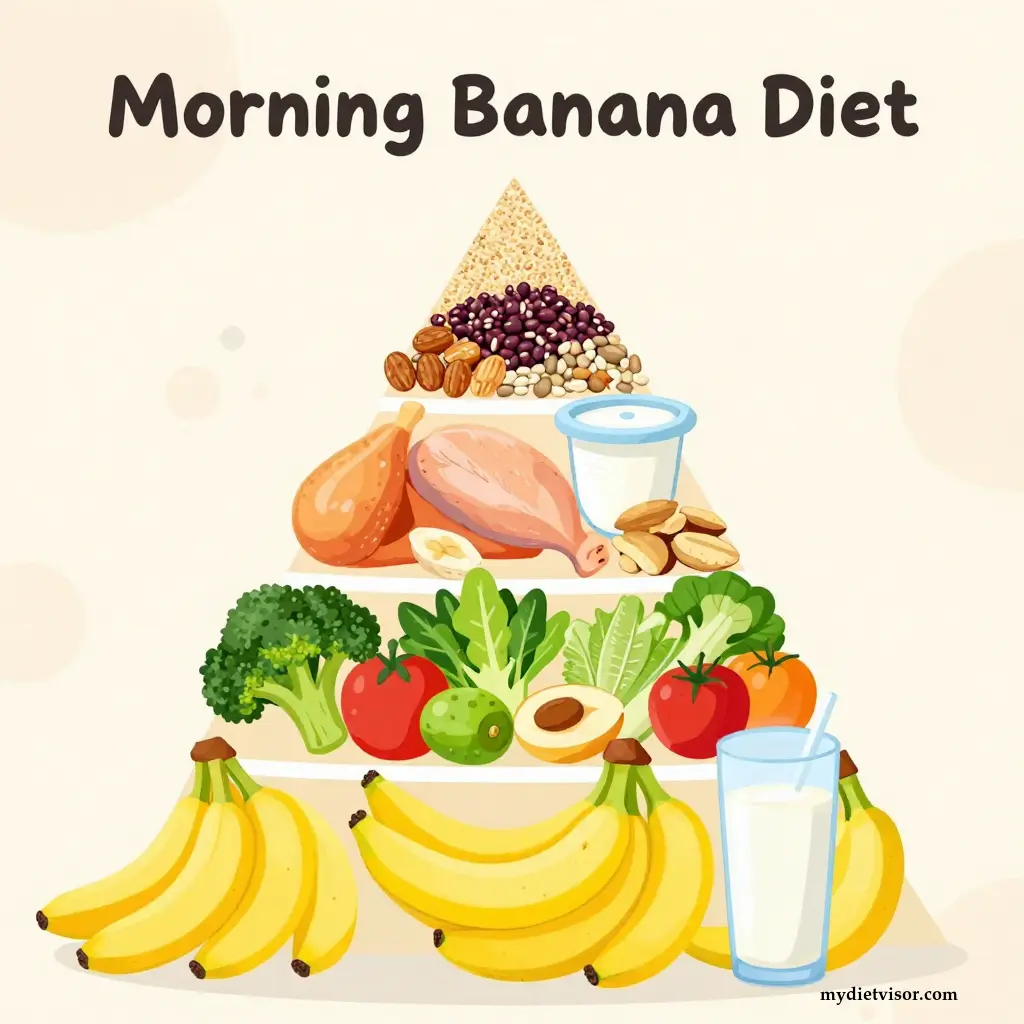
When following the Morning Banana Diet, the types of foods you choose for lunch and dinner become crucial to ensure that your diet remains balanced and sustainable. Here’s a look at what food groups can complement bananas in your meal plan.
Fruits and Vegetables
Fruits and vegetables should be staples throughout the day beyond just bananas. They provide essential vitamins, minerals, and fiber. Incorporating a variety of colors ensures you get a broad range of nutrients:
- Colorful Variety: Include leafy greens like spinach or kale for iron and calcium.
- Berries: Berries are rich in antioxidants and make great snacks.
Lean Proteins
Proteins help build muscle, promote satiety, and support overall health. Opt for lean sources that won’t overload your diet with unhealthy fats:
- Chicken Breast: Skinless chicken breast is a low-fat option.
- Fish: Salmon or other fatty fish provide omega-3s.
Whole Grains
Whole grains offer complex carbohydrates that keep you full longer, providing sustained energy throughout the day. They also contain essential nutrients like B vitamins and fiber:
- Brown Rice: Rich in fiber and selenium.
- Quinoa: A complete protein source with all nine essential amino acids.
Healthy Fats
Healthy fats are vital for brain function and cell growth. Including them in your diet prevents cravings and supports heart health:
- Avocado: Packed with monounsaturated fats and vitamin E.
- Nuts and Seeds: Almonds, walnuts, chia seeds add crunch and nutrients.
Dairy (Optional)
For those who consume dairy, incorporating low-fat options can provide additional calcium and protein. However, ensure these choices do not disrupt your dietary balance:
- Yogurt: Greek yogurt is high in protein.
- Milk: Choose unsweetened varieties for better nutrition.
Table: Comparison of Dietary Choices
| Food Group | Example | Benefits |
|---|---|---|
| Fruits | Berries, Apples | High in antioxidants and fiber. |
| Proteins | Chicken Breast | Low-fat option with protein. |
| Grains | Brown Rice | Provides sustained energy and fiber. |
| Fats | Avocado | Rich in healthy fats for heart health. |
| Dairy | Greek Yogurt | High calcium and protein content, no added sugars. |
Considering the variety of food groups that complement bananas on this diet, how do you think your body would respond to such a balanced yet flexible meal plan? Could incorporating these foods help address any nutritional gaps while still adhering to the principles of the Morning Banana Diet?
The Morning Banana Diet offers an interesting approach to weight loss and healthier eating habits. However, ensuring that your diet remains diverse and inclusive of various food groups can significantly impact both short-term success and long-term sustainability. Reflect on whether such a structured yet flexible meal plan aligns with your lifestyle and health goals.
Forbidden or Limited Foods in Morning Banana Diet
While the Morning Banana Diet allows you to eat bananas and drink water or milk for breakfast, it places strict limitations on other foods throughout the day. Understanding these restrictions is crucial to grasping how this diet works and its potential impact on your health.
The diet strictly forbids snacking after 8 PM, which eliminates late-night munching on snacks like chips, cookies, or crackers. This rule aims to reduce calorie intake at a time when your metabolism slows down naturally. However, cutting out post-dinner treats entirely might be challenging for many people and could lead to intense cravings.
Another significant limitation is the no-dessert-after-dinner rule, except for additional bananas if you’re still hungry. While this restriction helps control sugar intake and calorie consumption, it can feel restrictive and unsatisfying for those who enjoy ending their meals with something sweet. This prohibition on desserts might seem harsh, especially since it contradicts the otherwise flexible nature of lunch and dinner choices.
Impact of Limitations
These limitations raise several questions about adherence and overall health:
- Cravings Management: Can you resist snacking after 8 PM without feeling deprived?
- Nutritional Balance: Are you getting enough nutrients from your unrestricted meals at lunch and dinner?
The diet’s strict rules around food timing and types can make it difficult to maintain long-term. Skipping dessert entirely might lead some individuals to indulge excessively the next day, potentially sabotaging their weight loss efforts.
Personal Reflection
How would these limitations affect your eating habits? Would you feel satisfied without post-dinner desserts or snacks? Consider how restrictive rules like no snacking after 8 PM and no desserts could impact your relationship with food. Reflecting on whether such strict guidelines fit into your lifestyle can help determine if the Morning Banana Diet is right for you.
The Morning Banana Diet’s approach to limiting certain foods and times of eating might offer initial benefits but poses challenges in terms of sustainability and overall nutritional balance. Evaluating these limitations helps you make an informed decision about whether this diet aligns with your health goals and lifestyle.
Nutritional Benefits of Eating Bananas for Breakfast
Eating bananas as your morning meal comes with several nutritional perks. Firstly, bananas are an excellent source of potassium, which is crucial for maintaining heart health and supporting muscle function. This mineral also aids in reducing blood pressure levels, making it beneficial for cardiovascular wellness.
Secondly, bananas offer a natural dose of energy due to their high carbohydrate content. The combination of carbohydrates and fiber ensures that you have steady energy throughout the morning without experiencing sudden spikes or drops in blood sugar levels. This sustained release of glucose keeps your brain alert and helps ward off mid-morning fatigue.
Key Nutrients in Bananas
- Potassium: Essential for heart health.
- Carbohydrates & Fiber: Provides sustained energy without causing rapid blood sugar fluctuations.
- Vitamin B6: Important for cognitive function and immune system support.
- Magnesium: Helps regulate sleep patterns and muscle relaxation.
Bananas are also rich in vitamin B6, which plays a vital role in brain development and enhancing cognitive functions. This nutrient supports the production of neurotransmitters that can improve mood and reduce symptoms of depression. Moreover, bananas contain magnesium, which is known for its calming effects on the nervous system and promoting better sleep quality at night.
Considering all these benefits, how do you think incorporating bananas into your daily routine might influence your overall health? Would starting each day with a banana make it easier to maintain energy levels throughout the morning?
The nutritional profile of bananas suggests that they can be a valuable addition to any diet. However, relying solely on bananas for breakfast without balancing them with other essential nutrients could lead to deficiencies over time. Reflecting on whether you can integrate bananas into your meal plan while ensuring adequate intake of proteins and healthy fats might help you maintain long-term health benefits.
The Morning Banana Diet encourages simplicity and natural energy sources but may overlook the importance of a balanced nutritional approach for sustained well-being. By considering both the advantages and limitations of focusing on bananas, you can make informed decisions about how to incorporate this fruit into your diet effectively.
Potential Drawbacks and Risks of Morning Banana Diet
Adhering strictly to the Morning Banana Diet might lead to several issues that could affect your long-term health and wellness. One of the primary concerns is bloating and digestive discomfort. Bananas, while rich in fiber, can cause bloating if consumed excessively without gradually increasing fiber intake.
- Bloating and Constipation: Starting your day with an excessive amount of bananas might disrupt your usual digestive routine, leading to uncomfortable bloating or constipation.
- Blood Sugar Fluctuations: For individuals dealing with diabetes or prediabetes, relying on natural sugars from bananas could cause significant spikes in blood sugar levels followed by drops later, affecting insulin regulation.
Encouraging Disordered Eating Behaviors
Another potential risk is the encouragement of disordered eating patterns. The strict rules about when to eat and what not to consume can be triggering for individuals with a history of restrictive diets or eating disorders. Such rigid guidelines might foster an unhealthy relationship with food by creating feelings of deprivation and guilt.
- Feeling Deprived: Limiting yourself strictly after 8 PM and avoiding desserts entirely could lead to intense cravings, making adherence challenging and potentially harmful.
- Negative Psychological Impact: Strict rules can cause stress and anxiety around meal times, which might worsen over time as the diet becomes harder to follow consistently.
Nutrient Deficiencies
Relying primarily on bananas for breakfast without balancing it with other essential nutrients like proteins, fats, vitamins, and minerals could lead to deficiencies. Bananas are nutritious but cannot provide all necessary dietary needs by themselves.
- Protein Insufficiency: A diet lacking in protein-rich foods might result in muscle loss or inadequate repair and growth.
- Fat Deficiencies: Fats are crucial for hormone production, brain health, and absorbing fat-soluble vitamins. Overlooking healthy fats could affect your overall well-being negatively.
Long-Term Sustainability
The long-term sustainability of the Morning Banana Diet is questionable due to its restrictive nature and lack of variety in food choices. While it might offer quick weight loss results initially, maintaining such a rigid diet over an extended period can be difficult and detrimental to health.
- Feasibility Concerns: Many people find sticking to a strict no-dessert rule after dinner unsustainable, leading them back to old habits.
- Balanced Living: A sustainable approach focuses on incorporating healthy practices into daily life rather than following extreme diets that are hard to maintain long-term.
Considering all these potential drawbacks, how do you think the Morning Banana Diet fits into your lifestyle and health goals? Are you willing to face possible digestive issues or nutrient deficiencies for initial weight loss results? Reflecting on these questions can help determine if this diet is right for you.
The Morning Banana Diet offers a unique approach to eating habits but raises significant concerns about its long-term effects and overall sustainability. Evaluating whether the benefits outweigh the risks is crucial before committing to such a restrictive regimen.
Sample Meal Plan for a Day on the Morning Banana Diet
Starting your day with bananas sets the tone for a potentially straightforward diet routine. Here’s how you might structure your meals to follow this regimen effectively:
Breakfast: Unlimited Bananas and Water or Milk
Begin each morning by eating as many bananas as you want along with room temperature water or milk. This simple breakfast provides natural sugars, fiber, vitamins, and minerals to energize you for the day ahead.
- Banana Selection: Choose ripe but firm bananas for easy digestion.
- Hydration Tips: Drinking a glass of warm water helps kickstart your metabolism and aids in digestion.
Lunch: Balanced Meal
After your banana breakfast, it’s time to focus on a balanced lunch. The idea is to avoid excessive snacking earlier in the day so you can enjoy a hearty meal at lunchtime without feeling overly full.
- Protein Source: Opt for grilled chicken breast or salmon.
- Complex Carbohydrates: Include brown rice or quinoa to keep you energized throughout the afternoon.
- Vegetables: Add plenty of leafy greens like spinach and crunchy vegetables such as carrots, bell peppers, or cucumbers.
Dinner: Lean Proteins and Whole Grains
Dinner should follow a similar pattern but with an emphasis on lighter options since your metabolism slows down at night. Avoid heavy meals that might interfere with sleep quality.
- Lean Protein: Choose lean cuts of meat like turkey breast or tofu.
- Whole Grains: Incorporate whole wheat pasta, barley, or oats for sustained energy.
- Healthy Fats: Add a small serving of avocado or nuts to provide essential fats and keep you full longer.
Snack-Free After 8 PM
The rule against eating after 8 PM is strict but designed to prevent unnecessary calorie intake when your metabolism slows down. Instead of reaching for snacks, drink herbal tea or water to stay hydrated without consuming extra calories.
- Alternatives: Herbal teas like chamomile or peppermint can be soothing and aid in digestion.
- Mindful Drinking: Keep a glass of water by your bedside to sip on if you wake up thirsty during the night.
Bedtime Routine
Going to bed early is another critical aspect of the diet. Ensuring adequate rest not only supports weight loss but also enhances overall health and well-being.
- Relaxation Techniques: Practice deep breathing exercises or meditation before bedtime.
- Comfortable Environment: Create a relaxing bedroom atmosphere with minimal light and noise.
Do you think you can adhere to the rules without feeling deprived? Reflect on how these meals might impact your daily routine and whether they align with your dietary preferences. Would sticking to such guidelines feel sustainable for an extended period?
The Morning Banana Diet presents a unique approach to weight loss through simplicity and discipline. However, it’s essential to evaluate whether this diet fits into your lifestyle and long-term health goals before committing fully.
Alternative Diets Similar to Morning Banana Diet
The Morning Banana Diet isn’t the only unconventional eating plan that draws attention through its unique rules and promises of easy weight loss. Several alternative diets share similar elements, such as specific meal timing or restrictions on certain food items.
Intermittent Fasting (IF)
Intermittent fasting involves cycling between periods of fasting and non-fasting over a defined period. Like the Morning Banana Diet, IF restricts when you can eat, but it focuses more broadly on reducing overall calorie intake rather than dictating specific foods.
- Meal Timing: Similar to the ban on late-night eating in the Morning Banana Diet, IF often includes an 8-hour eating window and a 16-hour fast.
- Flexibility: Unlike the strict banana requirement, IF allows for a variety of food choices during eating windows but emphasizes meal times rather than content.
The Fruit First Diet
The Fruit First Diet also starts your day with fruit before consuming other foods. It promotes energy balance through natural sugars and fiber in fruits, much like how bananas serve this purpose in the Morning Banana Diet.
- Breakfast Focus: Both diets emphasize breakfast as a crucial meal but differ in the type of fruit recommended.
- Variety: The Fruit First Diet allows for a broader range of fruits beyond just bananas to ensure diverse nutrient intake.
Clean Eating
Clean eating encourages whole, minimally processed foods while avoiding added sugars and preservatives. This diet’s emphasis on natural ingredients resonates with the Morning Banana Diet’s reliance on fresh produce like bananas in the morning.
- Nutrient Density: Both diets aim for high-nutrient meals but vary significantly in their flexibility regarding meal composition.
- Sustainability: Clean eating is often seen as more sustainable long-term due to its focus on balanced nutrition and moderation rather than strict rules.
Table: Comparison of Alternative Diets
| Diet | Key Features |
|---|---|
| Intermittent Fasting | Focuses on meal timing, allows varied food choices within eating window. |
| Fruit First | Emphasizes fruit for breakfast, promotes energy balance through natural sugars. |
| Clean Eating | Encourages whole foods, avoids processed items, focuses on balanced nutrition. |
How do these diets compare to the Morning Banana Diet in terms of your personal eating habits and dietary goals? Would incorporating principles from any of these alternative diets complement or improve upon the banana-focused approach?
Considering different diets helps you understand various strategies for weight loss and healthier living. Reflecting on how these plans align with your preferences can guide you towards a more sustainable and effective health regimen.
Each diet offers unique benefits but also comes with potential drawbacks, especially regarding long-term adherence and overall nutritional balance. Thinking critically about which approach feels most aligned with your lifestyle can help you make informed decisions that support both short-term goals and long-term well-being.
Can I Lose Weight Following the Morning Banana Diet?
The Morning Banana Diet presents an intriguing but unconventional way to manage your weight. However, its strict rules might not align with everyone’s lifestyle and dietary needs. Reflecting on whether this diet suits you personally is crucial before embarking on such a regimen.
Personal Compatibility
- Routine Fit: Are you someone who prefers structured meal plans or do you find them too rigid? The Morning Banana Diet requires discipline in adhering to its rules, especially regarding the timing of meals and snacks.
- Lifestyle Factors: Consider your daily schedule. Can you realistically stick to eating no later than 8 PM or going to bed by midnight? Flexibility is key for long-term success.
Nutritional Balance
While bananas offer numerous health benefits, relying solely on them for breakfast without balancing other nutrients throughout the day can lead to nutritional imbalances. Reflect on whether integrating bananas into your existing meal plan would better meet your dietary needs and goals.
Real-Life Experiences on the Morning Banana Diet
Many individuals have tried the Morning Banana Diet, sharing their experiences through various online platforms. Their stories offer valuable insights into both the benefits and challenges of following this diet.
Success Stories
Some dieters report significant weight loss within weeks due to reduced calorie intake from skipping late-night snacks and desserts. The simplicity of eating bananas in the morning also makes it easier to stick to initially, as there’s no need for complex meal planning or preparation.
- Sustainable Practices: For those who find balance between discipline and flexibility, the diet can lead to sustainable weight loss without feeling overly restrictive.
- Energy Levels: Some people feel more energized by starting their day with natural sugars from bananas rather than processed foods.
Challenges Faced
However, many struggle with long-term adherence due to the strict rules around meal timing and food choices. The no-dessert-after-dinner rule can be particularly challenging for those who enjoy ending meals on a sweet note.
- Feeling Deprived: Restrictions like avoiding snacks after 8 PM might cause intense cravings or feelings of deprivation, leading some individuals back to old eating habits.
- Nutritional Imbalance: Relying too heavily on bananas without balancing with other essential nutrients can result in deficiencies over time, affecting overall health and wellness.
Considering these real-life experiences, do you think the Morning Banana Diet would work for you? Would sticking to such strict guidelines feel sustainable given your lifestyle and dietary preferences? Reflecting on these questions helps gauge whether this diet aligns with your goals and values.
The Morning Banana Diet’s effectiveness varies widely depending on individual adherence and overall health needs. By understanding both positive outcomes and common challenges, you can better evaluate if this approach suits your personal journey towards weight loss and wellness.
Conclusion: Is the Morning Banana Diet Right for You?
The Morning Banana Diet offers an intriguing and simple approach to weight loss, focusing on eating unlimited bananas for breakfast while avoiding late-night snacking and desserts after dinner. While initial success stories are tempting, the diet’s strict rules about meal timing and food choices raise concerns about long-term sustainability and overall health impacts. Potential drawbacks include digestive issues, blood sugar fluctuations, and nutritional imbalances due to excessive reliance on a single fruit. Reflecting on whether this regimen fits into your lifestyle is crucial before committing to it. Instead of adhering strictly to such restrictive guidelines, consider integrating bananas into a balanced diet that includes various food groups for sustained health benefits and weight management success.
Frequently Asked Questions (FAQ)
Is the Morning Banana Diet safe for people with diabetes?
Eating multiple ripe bananas daily can cause spikes in blood sugar levels for those with diabetes or impaired insulin sensitivity. It’s better to pair bananas with protein or healthy fats and monitor your blood glucose levels.
Can I eat other fruits besides bananas on this diet?
The Morning Banana Diet focuses primarily on bananas, but there’s no strict rule against consuming other fruits as long as they are eaten after breakfast. However, sticking strictly to the diet’s guidelines may limit variety in your diet.
Does the diet allow for any snacks between meals?
Yes, you can have one or more bananas as a snack between meals. The diet does not permit any other desserts or snacks besides bananas during snack times.
How much weight loss can I expect on this diet?
There is no specific scientific evidence regarding expected weight loss with the Morning Banana Diet. Individual results may vary based on factors like starting weight and adherence to the diet plan.
Can I exercise while following the Morning Banana Diet?
The diet does not specify an exercise regimen, but moderate physical activity can complement your diet and support overall health. It’s important to stay hydrated and fuel up adequately before workouts.
What are some alternatives if I don’t like bananas?
If you dislike bananas or want variety, consider incorporating other healthy foods that provide a balanced intake of proteins, fats, and carbohydrates in addition to fruits and vegetables.
Will the diet help with gut health?
Bananas can support gut health due to their fiber content, but relying solely on bananas might not provide all necessary nutrients for optimal digestive function. Including diverse foods is recommended.
Can I drink coffee or tea during this diet?
The diet guidelines do not specifically address beverages other than water and milk for breakfast. It’s advisable to limit caffeine intake as it can disrupt sleep patterns if consumed close to bedtime.
How long should I follow the Morning Banana Diet before seeing results?
Results vary by individual, but significant weight loss or health improvements typically require sustained healthy habits over several weeks or months rather than short-term adherence.
Are there any risks associated with long-term banana consumption for breakfast?
Long-term exclusive reliance on bananas might lead to nutrient deficiencies since it limits the intake of proteins, essential fats, and micronutrients provided by other food groups.