What is the Mucusless Diet?
The Mucusless Diet is a radical dietary philosophy developed by Arnold Ehret, an influential German naturopath in the early 20th century. This diet, at its core, proposes that certain foods lead to the formation of mucus in the body, which Ehret believed was responsible for various health issues and diseases. As you delve into this fascinating but often controversial concept, it’s hard not to be intrigued by Ehret’s bold claims about transforming one’s health through dietary changes.
Imagine a world where what you eat directly correlates with your physical well-being, mental clarity, and even emotional stability. This is the essence of Arnold Ehret’s Mucusless Diet philosophy. He proposed that specific foods trigger mucus production in the body, which accumulates over time and can lead to serious health problems ranging from digestive issues to more severe conditions like cancer or insanity. According to Ehret, by eliminating these “mucus-forming” foods from your diet, you can detoxify your body and regain vitality.
At its heart, the Mucusless Diet challenges conventional wisdom about nutrition and health. It prompts us to question why certain foods are considered staples in our diets if they might be causing more harm than good. Ehret’s teachings encourage a fundamental shift in how we view food not just as sustenance but also as potential toxins that can disrupt our natural bodily functions.
As you explore the history behind this diet, you’ll uncover intriguing stories of people who were drawn to its promises and sought transformative health changes through strict dietary adherence. The Mucusless Diet sparked a movement among those seeking alternatives to traditional medical practices, influencing various health trends that followed in its wake. However, it also faced strong criticism from mainstream medicine due to a lack of scientific evidence supporting Ehret’s claims.
This introduction sets the stage for diving deeper into the historical context and impact of Arnold Ehret’s Mucusless Diet, exploring both its revolutionary ideas and the skepticism they have generated over time.
Recommended Food Groups for a Mucusless Diet
According to Arnold Ehret’s philosophy, not all food is created equal when it comes to promoting health and vitality. The Mucusless Diet focuses on specific food groups that are believed to be beneficial while eliminating those deemed harmful or mucus-forming. These recommendations aim to cleanse the body of accumulated toxins and restore optimal function.
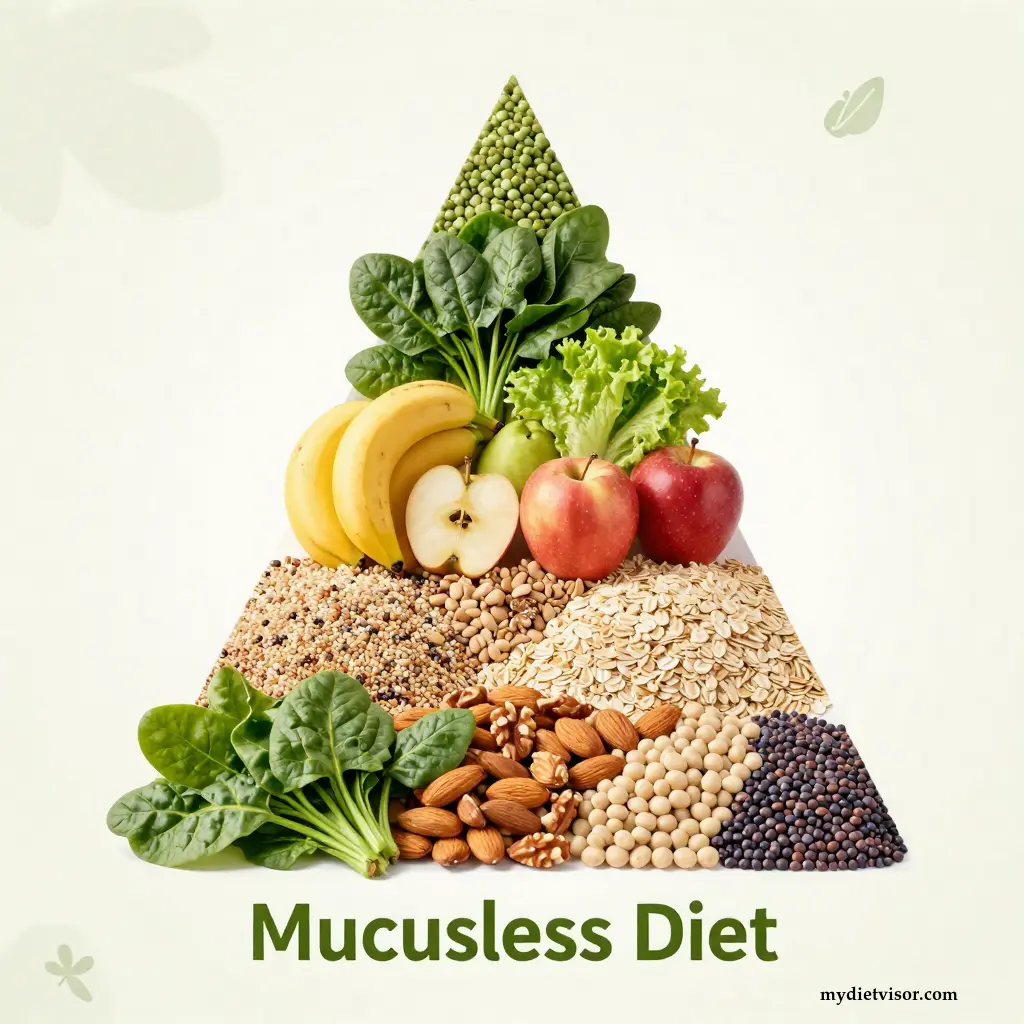
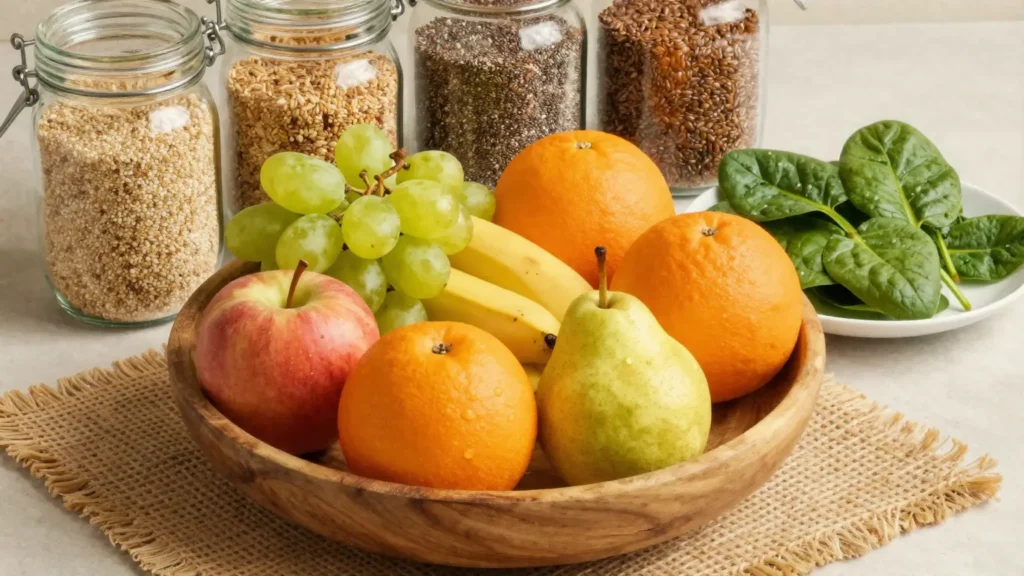
Fruits hold a prominent place in Ehret’s dietary guidelines due to their high water content, natural sugars, and enzymes. Fruits such as apples, pears, peaches, and berries are encouraged for their cleansing properties. They also provide essential vitamins and minerals without the heavy burden that protein or fat-rich foods might impose on digestive processes.
Vegetables play a crucial role in the Mucusless Diet too. Green leafy vegetables like spinach and kale are highly recommended due to their alkaline nature, which helps neutralize acid-forming effects of other foods. Root vegetables such as carrots and beets are also favored for their rich nutrient content and cleansing abilities.
Nuts and seeds, while included in the diet, should be consumed sparingly. According to Ehret’s teachings, these can still contribute significantly to mucus formation if overconsumed. Almonds, walnuts, sunflower seeds, and pumpkin seeds are acceptable but in moderation, especially since they contain higher amounts of fats compared to other plant-based foods.
Legumes and grains present a more controversial stance within the Mucusless Diet framework. Ehret advises against consuming beans and lentils due to their high protein content and potential for causing digestive issues. Similarly, whole grains like wheat, rice, and oats are discouraged because they can lead to excessive mucus production in some individuals.
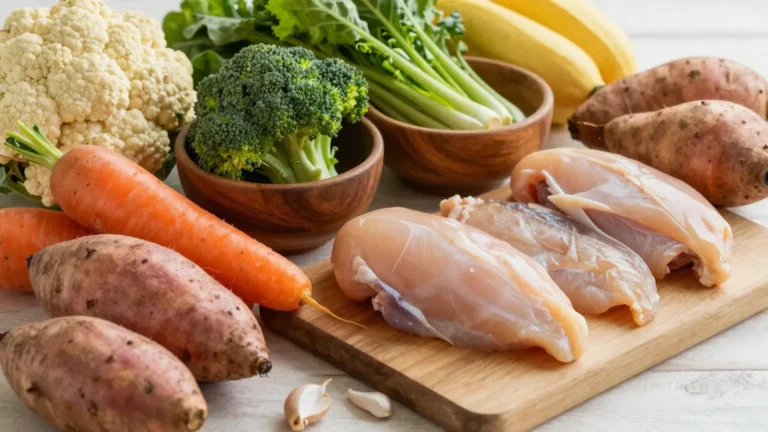
Protein-rich foods such as meat, dairy products, eggs, and legumes are generally avoided under the Mucusless Diet philosophy. These items are seen as heavy and difficult for the body to digest, potentially leading to mucus accumulation and various health problems over time.
To guide readers effectively through these dietary recommendations, Ehret suggested a gradual transition towards the Mucusless Diet rather than an abrupt change. This approach acknowledges that sudden shifts in diet can be challenging and might cause temporary discomfort as the body adjusts.
Imagine how different your daily meals would look if you adhered strictly to these guidelines. Breakfast might consist of fresh fruits like berries with a small portion of nuts for crunchiness, followed by steamed vegetables and a light fruit salad at lunchtime. Dinner could include more leafy greens or another serving of vegetables paired with just a handful of seeds or nuts.
| Allowed | Limited/Sparingly | Avoided |
|---|---|---|
| Fruits | Nuts and Seeds | Meat, Dairy, Eggs |
| Leafy Vegetables | Grains (Wheat, Rice) | Legumes |
| Root Vegetables |
This table provides a quick reference to the dietary choices encouraged under the Mucusless Diet philosophy. By understanding these distinctions, individuals can make informed decisions about what they consume and how it might affect their health over time.
As you explore further into the practical application of Ehret’s teachings, consider your current diet and think about which changes you are willing to make for a healthier lifestyle. The journey towards adopting the Mucusless Diet is as much about personal transformation as it is about dietary modification.
Forbidden or Limited Foods in the Mucusless Diet
The Mucusless Diet places significant restrictions on certain food groups that Arnold Ehret believed were detrimental to health due to their alleged mucus-forming properties. These limitations are central to achieving the diet’s goals of detoxification and improved vitality.
Meat and Dairy Products: Among the most restricted items in the Mucusless Diet, meat is seen as a particularly heavy protein source that can overwhelm digestive processes and lead to excessive mucus production. Similarly, dairy products like milk, cheese, and yogurt are discouraged because they contain high levels of lactose and casein proteins, which Ehret believed contribute significantly to mucus formation.
Eggs: Even eggs, often considered a staple in many diets for their protein content, are not recommended under the Mucusless Diet. Ehret argued that eggs could lead to digestive issues and mucus accumulation due to their high fat and cholesterol content. This belief stands in stark contrast to contemporary nutritional science, which supports moderate egg consumption as part of a balanced diet.
Legumes: Beans and lentils fall into the category of foods to be avoided or consumed very sparingly. While legumes are recognized for their nutritional value in conventional diets, Ehret’s philosophy suggests that they can cause digestive discomfort and mucus buildup when eaten frequently. This restriction extends even to soy products like tofu, which are widely regarded as healthy alternatives by many health experts.
Grains: Whole grains such as wheat, rice, oats, and barley are also limited within the Mucusless Diet framework. These foods, despite being a significant source of carbohydrates and fiber in most diets, are believed to be problematic due to their potential for causing mucus formation when digested. Ehret advised substituting these with more alkaline alternatives like sprouted grains or gluten-free options if necessary.
Understanding these limitations is crucial for anyone considering adopting the Mucusless Diet. It requires a significant shift from traditional dietary habits, particularly in terms of reducing animal products and certain plant-based staples that are commonly part of daily meals. This radical approach challenges conventional nutritional wisdom but promises a transformative journey towards improved health and vitality according to Ehret’s teachings.
Imagine how your grocery shopping list would change if you were following these guidelines strictly! You’d likely find yourself gravitating more towards fresh produce, nuts (in moderation), seeds, and perhaps even experimenting with new alkaline-rich foods. It’s intriguing to ponder the impact such a dramatic shift might have on not just physical health but also mental clarity and overall well-being.
This section highlights the stringent nature of Arnold Ehret’s dietary philosophy and underscores the importance of careful consideration when exploring alternatives like the Mucusless Diet. As you continue to explore this fascinating historical perspective, reflect on how such radical changes in diet could influence your own health journey.
Despite its restrictive nature, the Mucusless Diet has inspired various modern-day detox diets and cleansing regimens that focus on eliminating perceived toxins through dietary modifications.
Nutritional Benefits and Drawbacks of the Mucusless Diet
When considering whether to adopt Arnold Ehret’s Mucusless Diet, it’s essential to weigh its potential benefits against the drawbacks. This diet promises a range of health improvements but also comes with significant limitations that must be carefully evaluated.
Potential Benefits:
The Mucusless Diet emphasizes consuming fruits and vegetables, which are rich in vitamins, minerals, and antioxidants. By focusing on these nutrient-dense foods, individuals may experience improved digestion and increased energy levels due to the high water content and fiber found in such items. The diet’s promotion of green leafy vegetables can help maintain a balanced pH level within the body, as these vegetables are naturally alkaline and counteract acidic conditions caused by other food groups.
Moreover, by eliminating processed foods, refined sugars, and animal products, adherents often report feeling lighter and more energetic. This dietary shift encourages mindful eating habits that can lead to better overall health outcomes in the long term. The emphasis on a natural diet rich in fruits and vegetables supports cardiovascular health and may lower the risk of chronic diseases like diabetes and heart disease.
Potential Drawbacks:
Despite its perceived benefits, the Mucusless Diet also has several drawbacks. One significant concern is nutritional deficiency due to the strict limitations placed on essential food groups such as dairy products, legumes, grains, and eggs. These restrictions can lead to a lack of vital nutrients like calcium, iron, zinc, B vitamins, and protein, which are crucial for maintaining good health.
For instance, avoiding dairy products might result in insufficient intake of vitamin D and calcium, posing risks for bone health. Similarly, limiting legumes could negatively impact the consumption of plant-based proteins necessary for muscle maintenance and repair. The absence of whole grains may affect fiber intake, leading to potential digestive issues such as constipation or other gastrointestinal problems.
Additionally, the Mucusless Diet’s restrictive nature can be challenging to sustain long-term due to its limited variety of food options. This rigidity might lead to nutritional imbalances and a sense of deprivation that could undermine adherence to the diet over time. Furthermore, sudden transitions from conventional diets to such an extreme regimen may cause initial discomfort or even health issues as the body adjusts.
Imagine how difficult it would be to maintain this diet during social gatherings or travel when access to fresh fruits and vegetables is limited. The practical challenges of adhering strictly to a Mucusless Diet can be daunting, especially for those who enjoy diverse culinary experiences.
Reflect on your personal eating habits and consider whether you are ready to make such significant changes in what you consume daily. While the potential benefits sound promising, it’s crucial to evaluate if the drawbacks align with your health goals and lifestyle preferences. The Mucusless Diet offers a unique perspective on nutrition but demands careful consideration before full commitment.
As you explore this diet further, think about how its principles might apply to your own health journey. Would you be willing to make these dietary sacrifices for potential long-term benefits?
Sample Meal Plan on the Mucusless Diet
Adopting Arnold Ehret’s Mucusless Diet requires a thoughtful approach to meal planning, focusing on fresh fruits, vegetables, nuts (in moderation), and seeds while strictly avoiding foods deemed mucus-forming. A typical day on this diet would look quite different from standard Western eating habits.
Breakfast:
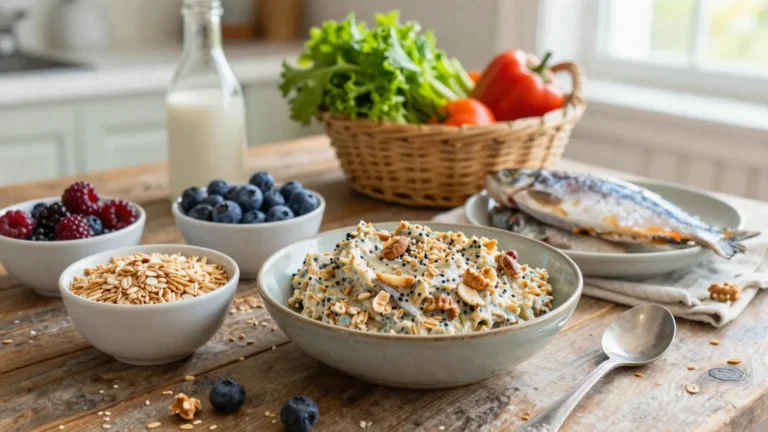
Start the morning with a bowl of fresh fruit salad. Include a mix like apples, pears, and berries to provide a variety of flavors and nutrients. You could also sprinkle in some raw nuts or seeds for added crunchiness but be mindful not to overdo it due to Ehret’s restrictions.
| Breakfast Example | Ingredients |
|---|---|
| Fresh Fruit Salad | Apples, pears, strawberries |
| Almond Crunch | Raw almonds |
Lunch:
For lunch, consider a light meal of steamed vegetables and a side of fruit. Steaming preserves the nutrients in vegetables better than boiling. Green leafy vegetables like spinach or kale should be staples here due to their alkalizing properties.
| Lunch Example | Ingredients |
|---|---|
| Steamed Vegetables | Spinach, broccoli, carrots |
| Fruit Side | Berries |
Dinner:
Dinner follows a similar pattern with an emphasis on vegetables and perhaps a small serving of nuts or seeds. This meal should be simple yet satisfying, focusing primarily on the cleansing properties of green leafy vegetables.
| Dinner Example | Ingredients |
|---|---|
| Green Leafy Salad | Kale, lettuce |
| Vegetable Stir-Fry | Zucchini, bell peppers |
Throughout the day, it’s important to stay hydrated by drinking plenty of water. Herbal teas without added sugars can also complement this diet but should be chosen carefully as some may contain ingredients that could trigger mucus formation.
Imagine preparing a meal plan like this for several days in advance and sticking to it strictly. The simplicity of these meals contrasts sharply with the diversity we typically enjoy, making the Mucusless Diet challenging yet potentially rewarding for those seeking radical health changes.
As you delve into planning your meals according to Ehret’s principles, consider how each food item fits within his dietary framework. Each choice becomes an opportunity to reflect on the impact of diet not just on physical well-being but also on mental clarity and emotional stability. This level of mindfulness is central to the transformative journey promised by the Mucusless Diet.
Reflecting on your current eating habits versus what a day might look like under the Mucusless Diet prompts a deeper understanding of Arnold Ehret’s philosophy and its potential impact on health. Are you ready for such a significant shift in how you nourish yourself?
Alternative or Similar Diets to the Mucusless Diet
The Mucusless Diet is just one of many dietary philosophies that have emerged throughout history as alternatives to conventional nutritional advice. These diets often share common themes like detoxification, food combining, and a focus on certain food groups over others. Exploring these similar diets can provide context and insights into the broader landscape of alternative health practices.
Macrobiotics, for instance, is another diet that gained popularity in the 1960s and continues to influence modern dietary trends. Developed by George Ohsawa, macrobiotics emphasizes whole grains, vegetables, beans, and sea vegetables while limiting or avoiding meat, dairy products, eggs, sugar, processed foods, and most fruits. Like the Mucusless Diet, it aims to balance acid-alkaline levels in the body and promote health through natural eating habits.
One of the key figures who built upon Ehret’s ideas is Dr. Bernard Jensen, a well-known American naturopathic doctor and author. His work focused on detoxification and food enzymes, which he believed were crucial for optimal digestion and health. Dr. Jensen recommended sprouted grains and legumes to enhance nutrient absorption and reduce mucus formation, aligning with Ehret’s teachings but expanding the scope of allowable foods.
Another diet worth considering is Fruitarianism, which is even more restrictive than the Mucusless Diet in terms of food choices. Fruitarians consume primarily fruits along with nuts, seeds, and vegetables to varying degrees, depending on individual interpretations. This diet shares a deep belief in eating natural foods and avoiding those that cause mucus formation or are otherwise considered harmful.
| Diet | Key Principles |
|---|---|
| Mucusless Diet | Focuses on fruits, vegetables, nuts (sparingly), seeds; avoids meat, dairy, eggs, legumes, grains. |
| Macrobiotics | Emphasizes whole grains, vegetables, beans, and sea vegetables; limits meat, dairy, sugar, processed foods. |
| Fruitarianism | Consumes primarily fruits along with nuts, seeds, and minimal vegetables; very restrictive in food choices. |
Each of these diets has its own unique approach to health and wellness, but they all share a fundamental belief in the healing power of natural foods and the detrimental effects of processed or animal-based products. This common thread highlights how Arnold Ehret’s ideas have influenced various alternative dietary philosophies over time.
Reflecting on these different approaches, it’s clear that each diet promises transformative benefits for those willing to adopt its principles fully. However, as with any radical change in eating habits, careful consideration of nutritional needs and potential drawbacks is essential before committing to such a strict regimen.
The term “fruitarianism” was coined by the influential British naturalist Charles Darwin’s son Francis in his 1874 work “The Power of Movements in Plants.” This diet has been adopted by numerous celebrities over the years, including actors and athletes seeking optimal health and energy levels.
These alternative diets offer fascinating insights into how people have historically sought to improve their well-being through dietary choices. As you explore these options further, think about which aspects resonate with your personal health goals and lifestyle preferences.
Closing Summary: Understanding the Mucusless Diet
The Mucusless Diet, rooted in Arnold Ehret’s radical philosophy, challenges conventional dietary wisdom by proposing a transformative approach to health through food selection. By eliminating foods deemed mucus-forming, such as meat and dairy, and focusing on fruits, vegetables, and nuts, the diet promises detoxification and improved vitality. However, its strict limitations raise concerns about potential nutritional deficiencies and long-term sustainability. As you consider this dietary path, reflect on how radical changes in eating habits might impact your health journey, balancing the promised benefits with practical challenges. The legacy of Ehret’s ideas continues to inspire modern wellness trends, inviting further exploration into the evolving landscape of alternative diets and their impact on well-being.
Frequently Asked Questions (FAQ)
What is Arnold Ehret’s philosophy behind the Mucusless Diet?
Arnold Ehret believed that consuming mucus-forming foods leads to health problems such as pus and mucus formation, which in turn cause various diseases. His diet emphasizes eating alkaline foods that are considered “mucusless” to improve overall health.
Is the Mucusless Diet safe for everyone?
The safety of the Mucusless Diet can vary depending on individual health conditions. It is important to consult with a healthcare professional before starting any new diet, especially if you have specific dietary needs or medical conditions like pregnancy, diabetes, or heart disease.
How does the Mucusless Diet differ from other detox diets?
While many detox diets focus on short-term cleanses and fasting, the Mucusless Diet is more of a long-term lifestyle change focused on avoiding certain foods to prevent mucus production in the body. It emphasizes eating predominantly fruits and vegetables while limiting protein-rich and fatty foods.
Are there any scientific studies supporting the Mucusless Diet?
There are no significant scientific studies that support the claims made by the Mucusless Diet regarding its effectiveness or safety. Medical experts often criticize such diets for lacking empirical evidence and being potentially dangerous due to nutritional imbalances.
Can the Mucusless Diet help with weight loss?
Some people might experience weight loss on the Mucusless Diet, but this is likely due to reduced calorie intake rather than any specific properties of “mucusless” foods. Long-term success in maintaining weight loss requires a balanced diet and regular exercise.
What are some common criticisms of Arnold Ehret’s dietary theories?
Critics argue that Ehret’s views contradict established medical knowledge, such as the role of white blood cells in fighting infections. Additionally, his diet lacks essential nutrients like proteins from animal sources, which can be risky for long-term health.
How has the Mucusless Diet influenced modern food trends?
Although not widely accepted by mainstream nutritionists, some aspects of the Mucusless Diet have inspired a trend toward raw foods and detox diets among certain demographics interested in natural healing methods.
What is the historical background of Arnold Ehret’s work?
Arnold Ehret developed his ideas about diet and health in the early 20th century. His teachings gained popularity particularly with alternative health enthusiasts during the hippie movement in the 1960s and 70s.
Are there any modifications to the original Mucusless Diet that make it more balanced?
Some modern practitioners have adapted Ehret’s principles, incorporating a wider variety of foods like lean proteins and whole grains to ensure better nutritional balance while maintaining the core concept of avoiding mucus-forming foods.
How can I start transitioning towards a Mucusless Diet?
To transition safely, you might consider gradually reducing intake of fatty and protein-rich foods while increasing consumption of fresh fruits and vegetables. Consulting with a nutritionist who understands your health history is highly recommended to tailor the diet effectively.