
Understanding Negative Calorie Diets: Myth or Reality?

Negative calorie diet is a concept often discussed in the realm of weight loss and healthy eating, but how much truth is there to this idea? The notion that certain foods require more energy for digestion than they provide seems appealing, especially to those looking for an effortless way to lose weight. However, diving deeper into this topic reveals a mix of intriguing claims and scientific skepticism.
Imagine being able to eat without worrying about calories – just consuming specific fruits and vegetables that supposedly help you burn fat instead of adding to your waistline. It sounds too good to be true, right? And in many ways, it is. The idea behind negative-calorie foods is that eating them can lead to a net loss of calories because the body uses more energy digesting these foods than the actual caloric content of the food itself. This concept has sparked debates among diet enthusiasts and nutritionists alike.
But let’s think about this for a moment: if we could truly consume negative-calorie foods, wouldn’t weight loss become effortless? Would it mean that all our concerns about portion control and calorie counting would vanish overnight? The allure is undeniable, but so too are the questions. Does science back up these claims, or are we simply chasing after an elusive myth?
Exploring the reality behind negative-calorie diets challenges us to question our assumptions about how food affects our bodies and minds. As you delve into this topic further, you’ll uncover fascinating insights and perhaps even change your perspective on what it means to eat healthily and effectively lose weight.
Recommended Food Groups for a Negative Calorie Diet
When considering a negative calorie diet, it’s crucial to understand which food groups might play a significant role in such an eating plan. Fruits and vegetables are often at the forefront of discussions about low-calorie, nutrient-dense options that could contribute to this hypothetical concept.
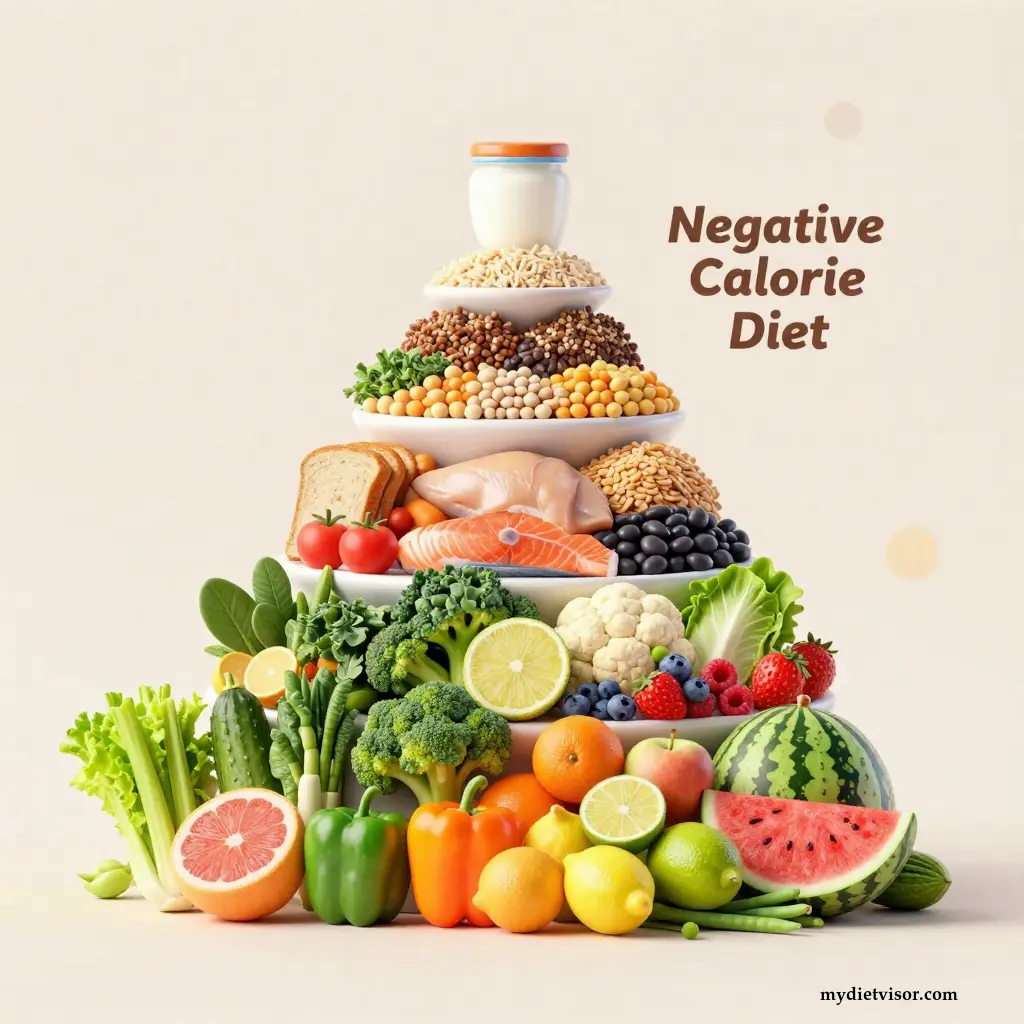
Several fruits are frequently cited as potential candidates for negative calorie status due to their high water content and relatively low caloric value. For example:
- Cucumbers: These are predominantly made up of water and have very few calories per serving, making them a popular choice among diet enthusiasts.
- Grapefruit: Often associated with weight loss diets, grapefruit is rich in vitamin C and fiber but low in calories.
Vegetables
Vegetables play an essential role in any healthy eating plan, especially when considering the idea of negative calorie foods. Many vegetables are not only low in calories but also high in fiber, which can help you feel full for longer periods:
- Celery: Celery sticks out as one of the most commonly mentioned negative-calorie vegetables due to its extremely low caloric content and high water composition.
- Lettuce: Leafy greens like lettuce are another example. They contribute very little in terms of calories but offer substantial volume, aiding satiety.
Why Fiber is Important
One key aspect of these food groups is their fiber content. Foods rich in fiber take more time to digest and can increase the body’s metabolic rate temporarily, thereby raising its caloric expenditure slightly above the food’s actual energy value. This process, known as the thermic effect of food (TEF), plays a crucial role in understanding how certain foods might fit into a negative calorie diet framework.
Balancing Act
While it is tempting to focus solely on these low-calorie options, maintaining a balanced diet that includes all necessary nutrients is vital for overall health. Protein, for instance, although not typically considered part of the negative-calorie group, is essential for muscle maintenance and repair. Incorporating lean proteins like chicken breast or tofu alongside your chosen fruits and vegetables can help ensure you get adequate nutrition while still aiming to minimize caloric intake.
The Reality Check
Despite their appeal, it’s important to remember that there is no scientific evidence supporting the existence of true negative-calorie foods. Each food item has a certain number of calories, even if it is very low in them. Therefore, achieving weight loss solely through eating these foods without considering portion control and overall caloric intake would be unrealistic.
As you explore this diet concept further, reflect on your own dietary habits and consider whether focusing on nutrient-rich, low-calorie options could realistically support both health goals and lifestyle needs. Remember that sustainable weight management often involves a mix of healthy eating choices, regular physical activity, and mindful consumption rather than chasing after elusive myths about negative calories.
Did you know that the process of digestion itself can burn up to 10% of your daily calorie intake? This means that choosing foods high in fiber and water content not only helps keep you feeling full but also slightly boosts your metabolic rate!
Forbidden or Limited Foods on the Negative Calorie Diet
When considering a negative calorie diet, it’s essential to understand what types of food are typically avoided or strictly limited. High-calorie and processed foods take center stage in this exclusion list due to their significant caloric content and lack of nutritional value.
High-Calorie Foods
Foods high in calories but low in nutrients can quickly negate any potential benefits from eating negative-calorie items. For instance, fried foods, sugary snacks, and fatty meats are strictly off-limits because they contribute more calories than your body might use up during digestion. These types of foods not only provide minimal nutritional value but also lead to quicker weight gain due to their high caloric density.
Processed Foods
Processed foods often contain preservatives, artificial flavors, and added sugars that add unnecessary calories without providing substantial health benefits. Examples include packaged snacks, refined cereals, and sugary drinks. Such items are typically avoided because they lack the fiber and water content found in fruits and vegetables, which are key components of a negative calorie diet.
Importance of Hydration
Hydration is crucial when following this type of diet since many recommended foods have high water content. Drinking plenty of water alongside these foods can help enhance their thermic effect, promoting further calorie burning.
Nutritional Balance
While focusing on low-calorie fruits and vegetables is important, it’s equally vital to ensure you are getting all necessary nutrients from other food groups like lean proteins and healthy fats. This balance prevents nutritional deficiencies and supports overall health during the dieting process.
Reflection Questions for Readers
- Have you ever tried a negative calorie diet or similar approach? What were your experiences?
- How do you think incorporating more low-calorie fruits and vegetables into your daily meals could impact your weight management goals?
Did you know that cucumbers are 95% water, making them one of the lowest-calorie vegetables around while still providing essential vitamins and minerals?
Nutritional Benefits and Drawbacks of Negative Calorie Foods
The idea that certain foods could contribute to a calorie deficit due to their high water content, low caloric value, and high fiber levels seems enticing. However, the reality is more nuanced. Let’s explore both sides of this dietary concept.
Nutritional Benefits:
- Fiber: Fiber-rich foods are crucial for digestion and gut health. They help regulate bowel movements and can reduce the risk of chronic diseases such as heart disease and diabetes.
- Hydration: Foods with high water content, like cucumbers and celery, contribute significantly to daily hydration needs. Staying well-hydrated is essential for maintaining optimal bodily functions.
| Food Type | Caloric Value (per 100g) | Water Content (%) |
|---|---|---|
| Celery | 16 | 95 |
| Grapefruit | 42 | 87 |
These vegetables are not only low in calories but also high in vitamins and minerals, making them beneficial for overall health.
Drawbacks:
- Insufficient Nutritional Value: While negative-calorie foods provide fiber and hydration, they lack essential nutrients like proteins, healthy fats, and complex carbohydrates. Over-reliance on these foods can lead to nutritional deficiencies.
- Sustainability Concerns: Maintaining a diet solely based on low-calorie fruits and vegetables can be challenging in the long term due to limited variety and potential for nutrient imbalance. This approach often leads to feelings of deprivation and may not be sustainable over time.
Balancing Nutritional Needs
It’s important to incorporate a wide range of foods into your diet, even if you are aiming for weight loss through lower-calorie options. Including lean proteins like chicken breast or tofu can provide necessary amino acids without significantly increasing caloric intake. Similarly, healthy fats from sources such as avocados and nuts offer essential fatty acids crucial for brain function and cell health.
The Role of Moderation
While negative-calorie foods might not exist in the strict sense, integrating them into a balanced diet can still be beneficial. They can serve as nutritious snacks or part of larger meals to help manage appetite without compromising nutritional needs. However, it’s vital to remember that no single food group should dominate your diet.
Reflecting on Personal Experience
- Personal Experimentation: Have you tried incorporating more negative-calorie foods into your diet? Did you notice any changes in your energy levels or weight?
- Mindful Eating Practices: How can balancing nutrient-rich, low-calorie options with other food groups enhance your overall well-being?
By approaching the concept of negative calorie diets with a critical eye and integrating these principles into a balanced eating plan, one can potentially achieve better health outcomes while avoiding potential pitfalls.
Sample Meal Plan for a Negative Calorie Diet
Crafting meals around the idea of negative calorie foods requires careful planning to ensure nutritional adequacy and sustained satiety. Here’s an example of what a day might look like, focusing on nutrient-dense yet low-calorie options.
Breakfast: Green Smoothie Bowl
- Ingredients: A handful of spinach, half a banana, a cup of strawberries, a small cucumber, a tablespoon of chia seeds.
- Preparation: Blend all ingredients until smooth. Pour into a bowl and top with sliced almonds and fresh blueberries for added crunch and flavor.
This breakfast is packed with vitamins, minerals, and fiber while being low in calories. It’s hydrating thanks to the high water content from fruits like strawberries and cucumber, which can enhance satiety without adding too many extra calories.
Lunch: Celery Sticks with Hummus
- Ingredients: A large bunch of celery sticks, a cup of hummus.
- Preparation: Cut celery into sticks and serve alongside hummus for dipping. Add some cherry tomatoes on the side for variety.
Celery is often touted as one of the most “negative-calorie” vegetables due to its extremely low caloric content (approximately 16 calories per 100 grams). The hummus provides a bit of healthy fat and protein, helping to balance out the meal nutritionally without adding too many extra calories.
Snack: Apple Slices with Peanut Butter
- Ingredients: One medium apple, two tablespoons of natural peanut butter.
- Preparation: Slice the apple into thin wedges and spread some peanut butter on each slice.
Apples are another fruit often mentioned in discussions about negative-calorie diets. They are low in calories (about 52 per medium-sized apple) but high in fiber, which helps keep you feeling full longer. A small amount of peanut butter adds healthy fats and protein to stabilize blood sugar levels and provide sustained energy throughout the day.
Dinner: Grilled Chicken Salad
- Ingredients: Skinless chicken breast fillet, mixed greens (like lettuce and spinach), a few slices of cucumber, cherry tomatoes, sliced bell peppers, and olive oil-based dressing.
- Preparation: Grill or bake the chicken until fully cooked. Chop into bite-sized pieces and combine with salad ingredients. Drizzle with olive oil-based dressing for flavor.
This meal focuses on lean protein from grilled chicken, which helps in muscle maintenance while keeping calorie intake relatively low compared to other meats like beef or pork. The combination of mixed greens, cucumbers, tomatoes, and peppers provides ample fiber and vitamins without adding many calories.
Evening Snack: Frozen Grapefruit
- Ingredients: Half a grapefruit.
- Preparation: Freeze the grapefruit halves until they are cold but not completely frozen. Peel away the skin and enjoy.
Frozen grapefruits offer a refreshing treat while being very low in calories (approximately 42 per 100 grams). The chilling effect can increase the thermic effect of food slightly, making this snack both satisfying and potentially beneficial for weight management when consumed in moderation.
Hydration Tips
Maintaining proper hydration is crucial alongside any diet plan. Water, herbal teas, and naturally flavored water are ideal choices due to their low caloric content and hydrating properties. Drinking enough fluids can also help regulate appetite and support overall metabolic function.
Key Takeaways
- The meal plan emphasizes a mix of fruits, vegetables, lean proteins, and healthy fats.
- It’s designed to be both nutrient-rich and low in calories, aiming for sustained energy without excessive calorie intake.
- Each component is chosen not just for its caloric profile but also for its nutritional benefits.
By incorporating these meals into your daily routine, you can enjoy a balanced diet that aligns with the principles of negative-calorie foods while ensuring comprehensive nutrition. Remember, consistency and moderation are key to any successful dietary approach.
Engaging Reflection Question
- How do you think this meal plan could impact your current eating habits if you were to try it out for a week? Would you notice any changes in how full or energized you feel compared to your usual meals?
Considering the simplicity of these recipes and their health benefits, such a diet might offer an interesting alternative approach to weight management. However, always consult with a healthcare provider before making significant dietary changes to ensure they align with personal nutritional needs and goals.
What Are Alternatives to the Negative Calorie Diet?
Exploring alternatives to the negative calorie diet means looking at other sustainable and scientifically-backed approaches that can lead to effective weight loss and improved health outcomes. Intermittent Fasting is one such approach gaining popularity for its flexibility and potential benefits.
Intermittent Fasting (IF)
Intermittent fasting involves cycling between periods of eating and fasting, rather than focusing on the types or quantities of food consumed during meals. This method can be particularly appealing because it simplifies meal planning and allows individuals to eat a wide variety of foods while still achieving weight loss goals.
| Type of IF | Description |
|---|---|
| 16/8 Method | Fast for 14-16 hours daily, eating only during an 8-hour window. Often involves skipping breakfast. |
| 5:2 Diet | Eat normally for five days a week and restrict calorie intake to about 500 calories on two non-consecutive days. |
Calorie Deficit Approach
Another straightforward method is creating a calorie deficit by consuming fewer calories than your body burns each day. This can be achieved through either reducing caloric intake or increasing physical activity, or both.
- Portion Control: Eating smaller portions of healthy foods helps in reducing overall calorie consumption without the need for restrictive eating habits.
- Balanced Diet: Ensuring that meals are balanced with a mix of carbohydrates, proteins, fats, and fiber can help manage hunger levels and maintain energy throughout the day.
Mediterranean Diet
The Mediterranean diet emphasizes plant-based foods, such as fruits, vegetables, whole grains, legumes, and nuts. It also includes moderate amounts of fish and poultry, while limiting red meat consumption. This dietary approach is not only beneficial for weight management but also promotes overall health by reducing the risk of heart disease, diabetes, and other chronic conditions.
Low-Carb Diets
Low-carb diets such as Ketogenic or Atkins diet focus on reducing carbohydrate intake significantly while increasing fat consumption. These diets can lead to rapid initial weight loss due to water loss from reduced glycogen stores in the body. They also often result in decreased appetite and cravings, making it easier to maintain a calorie deficit.
High-Protein Diets
High-protein diets, such as Protein-Sparing Modified Fast (PSMF), involve consuming mostly protein-rich foods while limiting carbohydrates and fats. These diets are particularly popular among bodybuilders due to their ability to preserve muscle mass while losing fat. However, they should be approached with caution to avoid potential nutrient deficiencies.
Which Approach is Best?
Choosing the right approach depends largely on individual preferences, lifestyle, and health goals. Some people may find intermittent fasting easy to follow because it doesn’t restrict specific foods, whereas others might prefer a more structured meal plan like the Mediterranean diet for its long-term sustainability and health benefits.
- Personal Experimentation: Have you tried any of these diets? What were your experiences with each one?
- Sustainability in Weight Loss: How can incorporating elements from different dietary approaches enhance your overall well-being?
By exploring various alternatives to negative calorie diets, individuals can find a balanced approach that aligns with their lifestyle and nutritional needs. This not only promotes effective weight loss but also supports long-term health and wellness.
Did you know that the Mediterranean diet has been linked to longer life spans in numerous studies? This could be due to its focus on heart-healthy fats, whole grains, and a variety of fresh fruits and vegetables!
Is There Any Scientific Proof Behind Negative Calories?
Understanding the thermic effect of food (TEF) is crucial when examining the claim that some foods can cause a net caloric deficit. The TEF refers to the energy expended by the body during digestion, absorption, transport, metabolism, and storage of ingested nutrients. When considering negative-calorie foods, it’s essential to understand how much energy different types of food require for digestion.
How Does Digestion Burn Calories?
The process of digestion involves multiple steps: chewing, swallowing, stomach acid production, enzyme activity in the small intestine, absorption through intestinal walls, and nutrient transport to cells. Each step requires a certain amount of energy expenditure. For example:
- Protein: Protein-rich foods generally have the highest thermic effect among macronutrients, with about 20-30% of their calories being used up during digestion.
- Carbohydrates and Fats: These typically require less energy for digestion, usually around 5-10%.
The Role of Fiber
Fiber is particularly noteworthy because it plays a significant role in increasing the TEF. High-fiber foods take longer to digest, which means that more calories are burned during this process. However, while fiber can increase your metabolic rate slightly, it doesn’t necessarily result in a net negative calorie balance unless consumed in massive quantities.
Challenging the Myth
Despite claims about certain fruits and vegetables being negative-calorie, these statements often overlook several important factors:
- Energy Expenditure: Even though some foods might require more energy to digest than they provide, this effect is generally minimal. For instance, celery has a thermic effect of approximately 8%, meaning that only a small fraction of its caloric content is used up during digestion.
- Scientific Evidence: Studies have yet to definitively prove the existence of negative-calorie foods. Claims about foods like cucumbers or grapefruits burning more calories than they provide lack robust scientific backing.
Realistic Weight Loss Strategies
Given these insights, it’s clear that relying solely on negative-calorie foods for significant weight loss isn’t practical or effective. However, integrating nutrient-dense, low-calorie options into your diet can still be beneficial when combined with other healthy habits:
- Balanced Meals: Focus on a variety of whole foods including lean proteins, complex carbohydrates, and healthy fats to ensure nutritional adequacy.
- Portion Control: Pay attention to portion sizes to manage overall caloric intake effectively.
Personal Reflection
Considering your current eating habits, how might incorporating more low-calorie fruits and vegetables alongside balanced meals enhance your weight loss journey? Reflecting on this can help you make informed decisions about what dietary approaches work best for you personally.
By debunking the myth of negative-calorie foods and focusing instead on realistic strategies, we empower ourselves to achieve sustainable health goals through evidence-based practices.
Negative Calorie Diets vs. Low-Calorie Diets: What’s Better?
When considering different diet plans aimed at weight loss and improved health, it’s essential to evaluate the pros and cons of each approach carefully. The concept of negative calorie diets has long intrigued people looking for a simple solution to complex nutritional issues. However, comparing this idea with more established dietary strategies like low-calorie diets reveals important distinctions that can impact your overall health and weight management goals.
Low-Calorie Diets Explained
A low-calorie diet focuses on reducing the total number of calories consumed daily while ensuring adequate intake of essential nutrients. The goal is to create a calorie deficit, where you burn more calories than you consume, leading to gradual weight loss. These diets typically recommend cutting back on high-fat and sugary foods in favor of lean proteins, whole grains, fruits, and vegetables.
Pros:
- Promotes balanced nutrition.
- Effective for sustained weight loss.
- Easier to stick with long-term than restrictive diets like negative-calorie plans.
Cons:
- Requires careful meal planning and monitoring.
- May feel less appealing due to limitations on certain foods.
Key Differences Between Negative Calorie Diets and Low-Calorie Diets
While negative calorie diets emphasize specific fruits and vegetables that supposedly require more calories to digest than they provide, low-calorie diets are about managing overall caloric intake. Let’s look at a few key differences:
| Aspect | Negative Calorie Diet | Low-Calorie Diet |
|---|---|---|
| Focus | Specific foods claimed to burn more calories during digestion | Reducing total daily calorie consumption |
| Nutritional Balance | Limited variety may lead to nutrient deficiencies | Ensures intake of essential nutrients |
| Sustainability | Often unsustainable due to restrictive nature | More sustainable and flexible long-term |
| Calorie Counting | Not necessary as the focus is on specific food groups | Requires tracking calories closely |
Practical Considerations
The effectiveness of a negative calorie diet versus a low-calorie diet largely depends on individual circumstances, preferences, and lifestyle. For instance:
- Health Conditions: People with certain health issues might find it easier to follow a well-planned low-calorie diet that accommodates their medical needs.
- Lifestyle Factors: Those who lead busy lives may appreciate the simplicity of focusing on nutrient-dense foods like fruits and vegetables as part of a negative calorie approach, but might still need more flexibility for sustainability.
Engaging Reflection Question
- Which dietary strategy do you think would work better for you: one that focuses on specific low-calorie foods or one that emphasizes overall caloric reduction? Why?
Considering the nuances between these two approaches, it’s clear that a well-rounded diet combining elements of both can offer the best of both worlds. Incorporating plenty of fruits and vegetables while also managing total daily calories is often the most practical and effective way to achieve weight loss goals sustainably.
Interestingly, chewing gum has been proposed as a potential negative-calorie activity due to the energy expended through continuous chewing. However, this effect is minimal unless you chew for extended periods!
By understanding these differences, individuals can make informed choices about which dietary approach aligns best with their lifestyle and health goals. This balance helps ensure not just weight loss but also long-term wellness.
In conclusion, while negative calorie diets may seem appealing due to their simplistic premise, they lack the robust nutritional support and sustainability offered by more balanced low-calorie diet plans.
Closing Summary on Negative Calorie Diets
In conclusion, while the idea of negative calorie diets may seem enticing due to their promise of effortless weight loss through specific food choices, the reality is more complex and nuanced. The concept lacks robust scientific evidence, and the thermic effects associated with certain foods are minimal at best. Diets that focus on low-calorie fruits and vegetables can be beneficial for overall health and may contribute to weight loss by promoting satiety and reducing caloric intake. However, relying solely on negative calorie claims can lead to nutritional deficiencies and unsustainable eating habits.
Effective weight management typically involves a balanced approach that includes varied nutrients, portion control, and regular physical activity. By understanding the limitations of negative calorie diets and embracing evidence-based dietary strategies, individuals can make informed choices that support their long-term health goals. Whether through low-calorie diets or other scientifically validated methods, the key to sustainable success lies in consistency, moderation, and a holistic approach to nutrition and wellness.
Frequently Asked Questions (FAQ)
Are negative calorie foods really a thing?
There is no scientific evidence to support the idea that any food requires more calories to digest than it provides, making them “negative.” This concept is generally considered a myth.
Can eating celery and other low-calorie vegetables help me lose weight?
Eating celery and similar low-calorie vegetables can be beneficial for weight loss because they are high in fiber and water content, which helps you feel full without adding many calories. However, they do not burn more calories than they provide.
Does chewing a lot of gum count as negative calorie intake?
Chewing gum burns roughly 11 kcal per hour, but this is very minimal compared to the caloric content of food and would not significantly impact weight loss efforts if used alone.
What are some common foods claimed to have negative calories?
Commonly cited examples include celery, grapefruit, orange, lemon, lime, apple, lettuce, broccoli, and cabbage. However, these claims lack scientific support.
Is drinking lots of water a good way to achieve negative calorie intake?
While chilled beverages can slightly increase metabolism temporarily, the effect is minimal. Drinking excessive amounts of water is not recommended as it could lead to water intoxication.
How do low-calorie diets compare to negative calorie diets in terms of effectiveness for weight loss?
Low-calorie diets (LCDs) are scientifically supported methods that work by reducing overall caloric intake. Negative calorie diets, despite their appeal, lack evidence and should not be relied upon for effective weight management.
Can eating a lot of fruit on a negative calorie diet help with weight loss?
Fruits like grapefruit can aid in feeling full longer due to fiber content but do not have negative calories. A balanced approach that includes variety is recommended over focusing solely on specific fruits claimed as “negative calorie.”
Is it true that frozen celery or other veggies might provide some benefit?
Frozen vegetables or consuming them cold slightly increase their thermic effect, but the benefits are minor and insufficient for significant weight loss without overall caloric reduction.
Can a negative calorie diet replace traditional dietary advice?
Traditional nutritional advice recommending balanced meals with controlled calories is more effective than relying on unproven concepts like negative calorie diets. Consulting a registered dietician can provide personalized guidance based on evidence-based practices.
Are there any risks associated with following a negative calorie diet?
Relying solely on negative calorie foods might lead to nutrient deficiencies and inadequate caloric intake, which could be harmful to health in the long term.