What is Orthopathy?
Orthopathy is an intriguing concept within the realm of alternative medicine that challenges conventional approaches to health and wellness. This philosophy, rooted in the belief that natural living can prevent and cure diseases without relying on pharmaceuticals or invasive treatments, offers a radical perspective on what it means to be healthy.
Imagine walking into a world where doctors aren’t the first line of defense against illness, but rather your environment, diet, and mental state are seen as the true guardians of health. This is the essence of Orthopathy. Developed in the early 19th century by Isaac Jennings, who shifted from conventional medicine to natural healing methods after experiencing dissatisfaction with existing treatments, Orthopathy advocates for a return to simpler, more intuitive approaches to wellness.
At its core, Orthopathy focuses on practices such as fasting, dietary restrictions, and lifestyle changes – methods that might seem radical in today’s medical landscape but hold a deep-seated belief system about the body’s inherent ability to heal itself. By encouraging clean living conditions, vegetarian or raw food diets, and holistic approaches like massage therapy, practitioners of Natural Hygiene aim to reconnect individuals with their innate healing capabilities.
History and Development of Orthopathy
Orthopathy’s journey began in earnest during the early 19th century when Isaac Jennings, a former medical practitioner turned advocate for natural healing methods, laid its foundational principles. Jennings was disillusioned with conventional medicine, which often relied heavily on invasive procedures and toxic remedies that he believed caused more harm than good. His shift towards advocating for a return to natural living sparked interest among like-minded individuals who were seeking alternatives to traditional healthcare practices.
The movement gained significant traction as other influential figures began contributing their ideas and expertise. For example, Sylvester Graham, known for his dietary theories, played an essential role in expanding the reach of orthopathy by promoting vegetarian diets and emphasizing hygiene and temperance. His work not only influenced diet but also lifestyle choices, leading to widespread adoption of practices such as regular exercise and clean living conditions.
The core tenets of Orthopathy began to crystallize further with Jennings’s introduction of the concept of “right belief,” “correct conduct,” and appropriate emotions – terms that align closely with orthodoxy, orthopraxy, and orthopathy. These principles were aimed at guiding individuals towards a balanced approach to health by fostering spiritual, physical, and emotional well-being through natural means.
In the late 19th century and early 20th century, Orthopathy saw an expansion beyond its initial circle of practitioners as more formal organizations emerged. The American Natural Hygiene Society, founded in 1894, was instrumental in standardizing teachings on diet, exercise, and other lifestyle practices advocated by orthopathy adherents. This organization helped to spread the philosophy across different regions within the United States.
The development of Orthopathy over time reflects a continuous evolution based on empirical observations and philosophical beliefs about the human body’s ability to self-heal when provided with optimal environmental conditions and minimal interference from external treatments. As the movement progressed, it incorporated various forms of therapy and practices beyond diet alone, including massage, hydrotherapy, and even herbal medicine.
Orthopathy’s influence extended into other areas as well. For instance, in the early 20th century, some figures within the natural hygiene community began to align their health philosophies with white supremacist ideologies, a fact that has complicated its legacy and contemporary reception. One such figure was Ben Klassen, who founded the Creativity Movement, blending natural hygiene principles with racial theories.
As Orthopathy evolved, it faced increasing scrutiny from mainstream medical professionals who criticized many of its practices as unproven or even harmful. This tension highlights the ongoing debate about the efficacy and safety of alternative health approaches compared to conventional medicine’s evidence-based methodologies.
Recommended Food Groups for Orthopathy Dieters
As Orthopathy continues to evolve, its emphasis on diet remains a cornerstone practice. For adherents, what you eat is not just about nutrition but also about purity and the body’s ability to detoxify itself naturally. The recommended food groups for those following an orthopathic or natural hygiene lifestyle typically include:
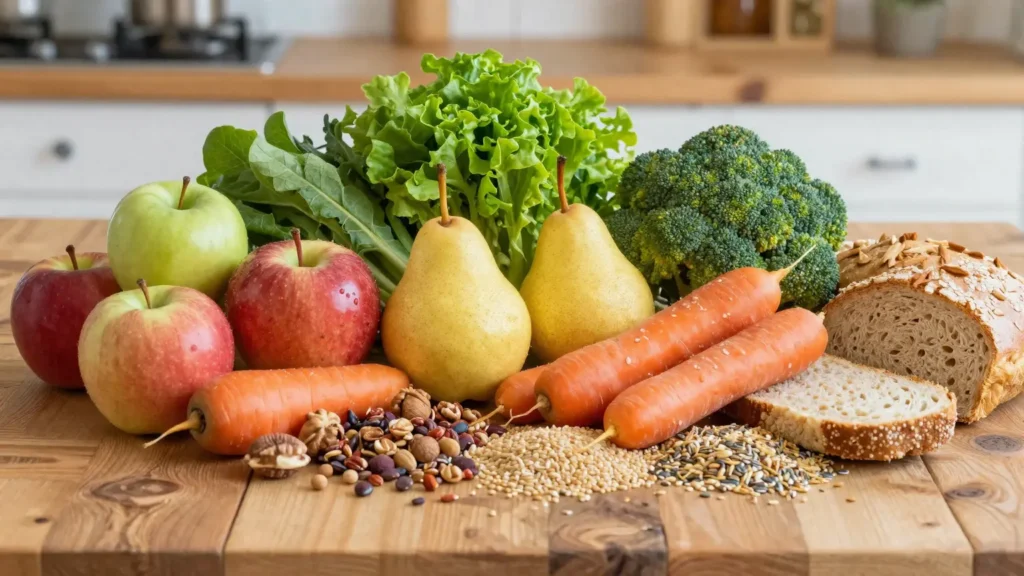
- Vegetables: Fresh vegetables are highly valued in Orthopathy due to their nutrient density and low-calorie content, which aligns with the philosophy of not overloading the digestive system. Root vegetables like carrots and beets, leafy greens such as spinach and kale, and cruciferous vegetables like broccoli and cauliflower are particularly favored.
- Fruits: Fresh fruits provide essential vitamins, minerals, and natural sugars. They are seen as a vital component in cleansing the body and providing quick energy without excessive caloric intake. Citrus fruits, berries, apples, and bananas are commonly included in orthopathic diets.
- Whole Grains: Whole grains like brown rice, quinoa, barley, and oats are recommended for their fiber content and ability to stabilize blood sugar levels. These foods are thought to support digestive health while providing sustained energy throughout the day.
Unlike conventional dietary advice that might include a variety of meat products, Orthopathy often steers clear of animal-based proteins. Red meat is generally avoided due to concerns about its high fat content and potential for causing harm when consumed regularly. Instead, plant-based sources of protein such as lentils, beans, nuts, and seeds are preferred.
Proponents of Orthopathy also emphasize the importance of eating foods in their natural state whenever possible. This means that processed foods, sugars, and artificial additives should be minimized or eliminated entirely from one’s diet. The rationale behind this is to reduce exposure to harmful chemicals and substances that can disrupt bodily functions and contribute to disease.
Orthopathic diets often discourage dairy products, especially those from cows, which are seen as contributing to mucus formation and other health issues. Some adherents may consume small amounts of raw milk or yogurt for their probiotic benefits but generally avoid processed dairy products like cheese and butter.
While these dietary recommendations can seem restrictive compared to typical Western diets, supporters argue that they promote optimal health by reducing the burden on the body’s natural detoxification processes. By focusing on fresh, whole foods and limiting processed items, adherents aim to create an environment where their bodies can heal naturally without interference from harmful substances.
The idea of fasting also plays a crucial role in Orthopathy. Periodic or prolonged periods without food are believed to aid in detoxifying the body and restoring digestive health by giving the system time to rest and recover. However, this practice must be approached carefully under guidance due to potential risks such as nutritional deficiencies if not managed properly.
As you consider adopting orthopathic principles into your lifestyle, it’s essential to think about how these changes might affect your overall well-being. How do you feel after eating certain foods? Do you notice any improvements in energy levels or digestion when incorporating more of the recommended food groups? Engaging with such questions can help you tailor an approach that aligns best with your health goals and lifestyle.
Did you know that some natural hygiene practitioners advocate for sprouting seeds and nuts before consumption to enhance their nutritional value and make them easier to digest? This simple process involves soaking the seeds or nuts in water overnight, then draining and allowing them to sprout slightly.
Forbidden or Limited Foods in the Orthopathy Diet
In the realm of Orthopathy, not all foods are considered equal or beneficial for promoting optimal health according to its principles. Certain food groups are either forbidden or strictly limited in order to maintain a clean and detoxifying diet regimen.
Forbidden Foods: Some items that are outright discouraged within an orthopathic diet include highly processed snacks, junk food, sugary beverages, and fast foods. These foods are seen as detrimental because they contain high levels of artificial additives, preservatives, and unhealthy fats that can disrupt the body’s natural cleansing processes. For example, a bag of chips or a soda might seem harmless but could be loaded with sodium, sugar, and synthetic ingredients that Orthopathy proponents believe harm overall health.
Limited Foods: While some foods are entirely off-limits, others fall into a category where they are consumed sparingly due to potential negative effects on health. This includes processed dairy products like cheese, butter, and full-fat milk. The concern here is that these items can lead to increased mucus production and contribute to various digestive issues or allergies.
It’s also worth noting that meat, especially red meat, is generally avoided in Orthopathy diets due to its high fat content and potential for causing harm when consumed regularly. Instead, plant-based proteins such as lentils, beans, nuts, and seeds are encouraged because they offer a balanced source of essential amino acids without the risk factors associated with animal products.
The reasoning behind these dietary restrictions is deeply rooted in the belief that by minimizing exposure to harmful substances through diet, one can reduce the burden on their body’s natural detoxification processes. This allows for better overall health and increased vitality over time. How do you think your current diet compares against the guidelines suggested by Orthopathy? Reflecting on this might provide insights into how small dietary changes could potentially impact your well-being positively.
Orthopathic principles also extend to how food is prepared and consumed, with a preference for eating foods in their most natural state possible. This means avoiding heavily processed versions of even traditionally healthy items like fruits or vegetables that may lose nutritional value during processing. The idea is to maintain the integrity of nutrients and avoid introducing harmful substances into your diet.
Adhering strictly to these guidelines can be challenging but proponents argue it leads to significant health benefits in terms of improved digestion, energy levels, and reduced risk of chronic diseases associated with poor dietary habits. As you explore adopting Orthopathy principles, consider experimenting with some of the recommended foods while limiting or avoiding those that are restricted, observing how your body responds over time.
Did you know that sprouting seeds and nuts is a common practice in natural hygiene diets? This process involves soaking seeds or nuts overnight, rinsing them thoroughly, then allowing them to sprout slightly before consumption. Sprouting enhances their nutritional value while making them easier to digest – a small step that can significantly boost your diet’s health benefits.
Nutritional Benefits and Drawbacks of Practicing Orthopathy
When considering the nutritional aspects of Orthopathy or Natural Hygiene, one cannot overlook both its potential benefits and inherent limitations. The diet advocated by this philosophy is designed to be simple and straightforward, focusing on whole foods that are believed to promote health and well-being through natural detoxification processes.
Nutritional Benefits:
- High in Fiber: By emphasizing fresh vegetables and fruits alongside whole grains, adherents typically consume a high-fiber diet. This can improve digestive health, reduce cholesterol levels, and help maintain stable blood sugar levels.
- Rich in Vitamins and Minerals: Fruits and vegetables are packed with essential vitamins and minerals that support various bodily functions. The inclusion of diverse plant-based foods ensures a broad spectrum of nutrients crucial for immune function, bone health, skin integrity, and more.
| Nutrient | Source (Orthopathy Diet) | Benefits |
|---|---|---|
| Vitamin C | Citrus Fruits | Supports immune system, aids in iron absorption. |
| Calcium | Leafy Greens | Essential for bone strength and teeth formation. |
| Iron | Beans | Vital for red blood cell production and preventing anemia. |
- Low in Processed Foods: The strict avoidance of processed foods helps eliminate harmful additives like preservatives, artificial colors, and trans fats that are linked to various health issues including heart disease, diabetes, and cancer.
Drawbacks:
- Potential Nutritional Deficiencies: Although the diet is rich in certain nutrients, it may lack others due to its restrictive nature. For example, avoiding dairy products might lead to insufficient calcium intake unless carefully managed through other sources such as leafy greens or fortified plant-based milks.
| Nutrient | Source (Orthopathy Diet) | Potential Drawbacks |
|---|---|---|
| Vitamin B12 | Animal Products | Absence in diet can cause deficiency, impacting neurological health and red blood cell production. |
- Risk of Over-Fasting: While fasting is encouraged to detoxify the body, excessive or prolonged fasting periods can lead to malnutrition, dehydration, electrolyte imbalances, and even organ damage if not properly monitored.
Adhering strictly to an Orthopathy diet requires careful planning and knowledge about nutrition to avoid these pitfalls. How do you think a strict orthopathic diet might affect your daily life? Would it be sustainable for long-term health or too restrictive given your lifestyle?
By balancing the nutritional benefits with potential drawbacks, individuals can make informed decisions that align with their personal health goals while minimizing risks associated with extreme dietary restrictions.
Understanding these nuances is crucial when considering Orthopathy as a guide to better living. It challenges conventional wisdom about diet and nutrition but requires thoughtful application to reap its purported benefits without compromising overall health.
Did you know that some orthopathic practitioners recommend drinking lemon water on an empty stomach in the morning? This simple practice is believed to aid digestion, boost metabolism, and promote detoxification – all while being a tasty way to start your day!
Sample Meal Plan for an Average Day on the Orthopathy Diet
A typical day on the Orthopathy diet might look something like this:
Breakfast: A refreshing bowl of sprouted grains such as oats or quinoa, topped with fresh fruits like berries and a handful of nuts. Adding a squeeze of lemon juice can enhance digestion and provide an antioxidant boost.
Did you know that sprouting seeds before eating them increases their nutritional value by making the nutrients more bioavailable?
Lunch: A large salad consisting of leafy greens, chopped vegetables, and legumes like chickpeas or lentils. Dressing with a homemade vinaigrette made from olive oil and apple cider vinegar can add flavor without compromising health principles.
- Example: Spinach, cherry tomatoes, cucumbers, bell peppers, and cooked lentils tossed in an olive oil and lemon juice dressing.
Snack: A piece of fresh fruit like an apple or a banana paired with some raw nuts or seeds for sustained energy.
Dinner: A hearty vegetable soup made from a variety of vegetables such as carrots, celery, tomatoes, and zucchini. Adding whole grains like brown rice or barley can enhance the meal’s nutritional profile.
- Example: Carrot and tomato soup served with a side of cooked quinoa.
Throughout the day, drinking plenty of filtered water is encouraged to stay hydrated and support natural detoxification processes. Herbal teas, especially peppermint or chamomile, might be consumed in moderation due to their soothing properties without disrupting the body’s natural balance.
As you explore this diet, consider how your current eating habits align with Orthopathy principles. Are there small changes you can make to enhance your health and well-being? Reflecting on these questions can provide valuable insights into tailoring a lifestyle that supports optimal health according to Natural Hygiene practices.
Alternative and Similar Diets to Orthopathy Explained
When exploring dietary philosophies similar to Orthopathy, several alternatives stand out due to their shared emphasis on natural living and holistic approaches to wellness. These diets often overlap in principles but differ slightly in specific guidelines or cultural influences.
Vegetarianism: This diet excludes meat but may include eggs, dairy products, and honey. Like Orthopathy, vegetarianism promotes plant-based foods as a means of reducing the risk of chronic diseases associated with high consumption of animal fats and processed meats. However, vegetarians are more flexible in their dietary choices, allowing for greater variety in meal planning compared to the stricter guidelines set by Orthopathy.
Veganism: Veganism takes vegetarianism a step further by excluding all animal products, including dairy and eggs, as well as honey and other bee-derived ingredients. Vegans focus on whole foods and believe that abstaining from animal products not only benefits health but also aligns with ethical considerations regarding animal welfare and environmental sustainability. While both Orthopathy and veganism advocate for plant-based diets, veganism is more rigid in its exclusion of all animal by-products.
Raw Food Diet: This diet emphasizes the consumption of uncooked, unprocessed foods like fresh fruits, vegetables, nuts, seeds, and sprouted grains. Proponents believe that raw food retains enzymes and nutrients lost during cooking processes, which can enhance digestion and detoxification. Like Orthopathy, this diet focuses on natural foods but diverges in its complete avoidance of cooked meals, a practice not universally recommended by all orthopathic practitioners.
Macrobiotics: Macrobiotics is centered around whole grains, vegetables, beans, and seaweed, with an emphasis on simplicity and balance rather than strict prohibitions. It advocates for mindful eating, chewing food thoroughly, and maintaining a connection between diet and lifestyle choices to achieve harmony with the natural world. While Orthopathy also emphasizes whole foods and clean living conditions, macrobiotics places greater importance on balancing yin and yang energies in meals.
| Diet Type | Key Characteristics |
|---|---|
| Vegetarianism | Excludes meat but allows eggs, dairy, and honey; promotes plant-based eating for health benefits. |
| Veganism | Excludes all animal products including dairy and eggs; focuses on ethical and environmental considerations. |
| Raw Food Diet | Emphasizes uncooked foods to preserve enzymes and nutrients; avoids cooked meals entirely. |
| Macrobiotics | Focuses on whole grains, vegetables, beans, and seaweed for balance between yin and yang energies. |
Each of these diets shares common goals with Orthopathy but has its unique approach to achieving optimal health through natural means. For instance, while Orthopathy emphasizes the benefits of fasting, other dietary philosophies might focus more on daily meal planning or incorporate spiritual elements beyond just diet.
Considering adopting any of these alternative dietary approaches can be a personal and transformative journey. Reflecting on which principles resonate most deeply with your own beliefs about health and wellness can guide you towards making informed choices that promote long-term well-being. Which dietary approach feels like it aligns best with your lifestyle?
Understanding the nuances between Orthopathy and its related diets helps in recognizing the broader spectrum of natural living practices available for those seeking alternatives to conventional healthcare.
Did you know that some ancient cultures, such as the Essenes, practiced a form of raw food diet similar to what is popular today among raw foodists? This historical connection underscores how modern dietary trends have roots in ancient traditions.
Conclusion: Balancing Health with Holism Through Orthopathy
Orthopathy, or Natural Hygiene, offers a unique perspective on health that emphasizes living in harmony with nature to prevent and cure diseases without relying on pharmaceuticals or invasive treatments. Rooted in principles established by pioneers like Isaac Jennings and Sylvester Graham, this philosophy encourages clean living conditions, vegetarian diets, and holistic practices such as fasting and massage therapy. While Orthopathy advocates for a return to natural methods of healing, it faces criticism from mainstream medicine due to the lack of scientific evidence supporting some of its claims.
As you explore these concepts, consider how integrating elements of Natural Hygiene into your lifestyle might impact your health. Reflect on whether incorporating more whole foods, reducing processed items, and adopting cleaner living conditions could enhance your well-being. Orthopathy challenges us to rethink our approach to health and invites a deeper connection with the natural world for optimal wellness.
Frequently Asked Questions (FAQ)
What is natural hygiene in relation to orthopathy?
Natural hygiene focuses on health through natural means like a balanced diet, clean living conditions, and exercise. In the context of orthopathy, it emphasizes aligning one’s lifestyle choices with spiritual well-being for optimal health.
How does practicing orthopathy affect my daily eating habits?
Practicing orthopathy involves adopting dietary patterns that promote physical and spiritual health. It encourages consumption of whole foods like fruits, vegetables, grains, and nuts while limiting processed foods and animal products to support a balanced lifestyle.
Can you explain the relationship between orthopathy and holistic Christian leadership mentioned in your article?
Orthopathy relates to holistic Christian leadership by promoting spiritual well-being which can influence ethical decision-making and compassionate leadership. Leaders who integrate these principles may foster healthier communities both spiritually and physically.
Is there scientific evidence supporting the benefits of orthopathy for overall health?
While some studies support aspects of natural hygiene, research specifically linking orthopathy with improved health outcomes is limited. More scientific investigation into its holistic approach is needed to provide concrete proof.
Can someone follow an orthopathy diet without being religious?
Yes, while orthopathy has roots in spiritual beliefs, anyone interested in improving their health through a plant-based diet and natural living can adopt its principles regardless of their religious background.
What are some common misconceptions about the orthopathy diet?
Common misconceptions include thinking it’s too restrictive or difficult to follow. In reality, it promotes flexibility with whole foods and encourages personal adaptation based on individual needs.
Are there any potential drawbacks or risks associated with an orthopathy lifestyle?
Potential drawbacks may involve nutritional deficiencies if not properly planned, social challenges due to dietary restrictions, and the need for comprehensive knowledge about food preparation and nutrition.
How can I start implementing principles of natural hygiene in my daily routine?
Begin by incorporating more whole foods into your diet, focusing on fresh fruits and vegetables. Also, consider reducing or eliminating processed foods and sugars while increasing physical activity levels.
What role does exercise play in an orthopathy lifestyle?
Exercise complements a healthy diet under the orthopathy framework by promoting overall well-being, enhancing circulation, boosting mood, and supporting weight management.
How can I find community support for adopting an orthopathy lifestyle?
Join local or online communities of people interested in natural hygiene and plant-based diets. Social media platforms, forums, and local meetups are great places to connect with like-minded individuals.