Introduction to Plant-Based Diets: What You Need to Know

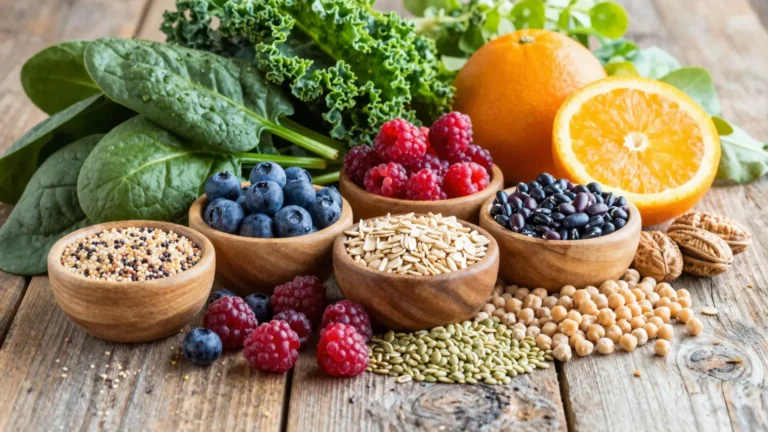
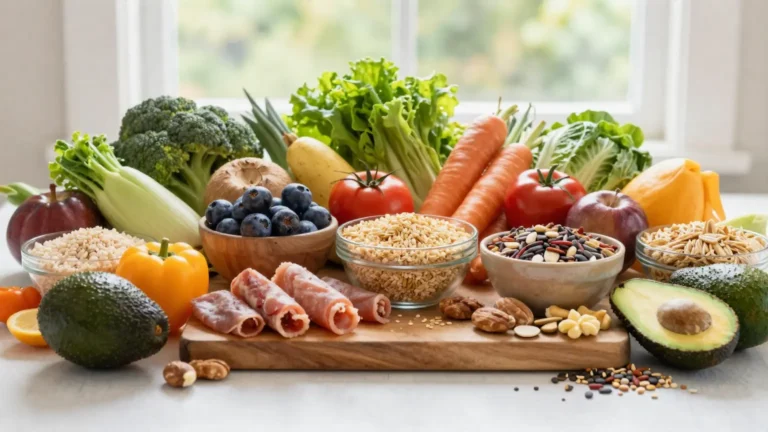
Plant-based diet is more than just a buzzword; it’s a lifestyle choice that has been gaining momentum due to its myriad health benefits and environmental impact. For many people, the term “plant-based” might evoke images of salads and smoothies, but it encompasses so much more. A plant-based diet focuses on whole foods derived from plants – such as vegetables, fruits, nuts, seeds, legumes, grains – and minimizes or excludes animal products like meat, dairy, and eggs.
When we talk about a plant-based diet, it’s important to understand its origins and definitions. The concept gained significant attention in the 1980s through groundbreaking research by T. Colin Campbell on The China Project, which demonstrated the health advantages of diets rich in vegetables and fruits. Today, “plant-based” is often used interchangeably with terms like vegan or vegetarian, although it can be more flexible and inclusive. For instance, lacto-ovo vegetarians who consume dairy and eggs are still considered part of this broader dietary spectrum.
The prevalence of plant-based eating has skyrocketed globally, driven by a variety of factors. Over 4 billion people worldwide primarily follow these diets for reasons that range from health concerns to ethical considerations about animal welfare, or simply because they live in regions where plant foods dominate the local cuisine. This shift reflects a growing awareness of sustainable food choices and their impact on our planet.
Adopting a plant-based diet can be straightforward if you know what to focus on. The key is variety and balance: eating a wide range of whole grains, unsaturated fats, fruits, and vegetables ensures that your body receives all the necessary nutrients. A common concern among those new to this dietary pattern is the intake of vitamin B12, which is primarily found in animal products. To address this, many individuals opt for supplements or include fortified foods like cereals and plant milks.
Research underscores numerous health benefits associated with plant-based diets:
- Weight Management: Studies show that individuals on a plant-based diet tend to have lower BMI compared to those who eat meat regularly.
- Diabetes Prevention: A vegetarian diet has been linked to reduced risk of type 2 diabetes, with some studies indicating improvements in blood glucose control.
- Cardiovascular Health: Plant-based diets are associated with lower risks of cardiovascular diseases and better lipid profiles.
- Cancer Prevention: A well-planned plant-based diet may reduce the likelihood of certain types of cancer.
Beyond personal health benefits, a plant-based diet plays a crucial role in environmental sustainability. By reducing greenhouse gas emissions, land use, biodiversity loss, and water usage compared to diets rich in animal products, it offers significant ecological advantages. For example, the Mediterranean Diet (MedDiet) emphasizes plant foods while allowing moderate consumption of fish and poultry, highlighting how dietary patterns can be both nutritious and sustainable.
Public health organizations advocate for a shift towards more plant-based eating habits due to their low ecological footprint. Policies such as those proposed by the Swedish Food Agency and Lancet researchers aim to promote planetary health diets focused on sustainability and nutritional adequacy.
Understanding the myths versus facts about plant-based eating is vital for making informed decisions about your dietary choices. While it’s clear that adopting a more plant-centered approach can have profound benefits, ensuring you meet all your nutritional needs is crucial. By addressing misconceptions and highlighting the positive outcomes of this lifestyle choice, we aim to encourage individuals to embrace plant-based diets with confidence and knowledge.
What Are the Origins of the Term “Plant-Based Diet”?
The term “plant-based diet” gained prominence in the 1980s through the work of T. Colin Campbell, who led The China Project study examining the relationship between nutrition and health outcomes. Initially used to describe a dietary pattern that focuses on plant foods while minimizing animal products, the concept has since evolved. Today, “plant-based” is often used more broadly in medical literature, sometimes interchangeably with terms like vegan or lacto-ovo vegetarian diets, though it can also simply refer to meals rich in vegetables and fruits without excluding all animal-derived food.
Did you know that while many people think the term “plant-based diet” emerged as part of a trendy health movement, its roots are deeply tied to scientific research aiming to understand dietary impacts on public health? This background underscores how crucial evidence-based approaches have been in shaping today’s understanding and popularity of plant-focused eating habits.
How Is a Plant-Based Diet Defined Compared to Vegan or Vegetarian Diets?
A plant-based diet emphasizes the consumption of foods derived from plants while minimizing or excluding animal products. This diet can range widely in terms of inclusivity, varying from fully vegan diets that exclude all forms of animal products including dairy and eggs, to lacto-ovo vegetarian diets which include both dairy and egg products. In essence, a plant-based diet focuses on whole grains, fruits, vegetables, legumes, nuts, seeds, herbs, and spices but allows for flexibility in terms of how strictly one adheres to excluding animal foods.
Key Features:
- Vegan Diet: Excludes all animal products including meat, dairy, eggs, honey, and other by-products derived from animals.
- Lacto-Ovo Vegetarian: Includes dairy (milk, cheese) and eggs but excludes meat and fish.
- Plant-Based Diet: Can be strict like vegan or include small amounts of animal foods while still prioritizing plant products.
Health Implications:
While all these diets can offer significant health benefits such as weight management and reduced risks of chronic diseases, careful planning is crucial to ensure adequate intake of essential nutrients. For instance, vitamin B12, which is mainly found in animal products, must be supplemented or obtained through fortified foods in a strict plant-based diet.
Environmental Impact:
Choosing a more rigid approach like veganism can lead to greater environmental benefits compared to less restrictive vegetarian diets due to reduced resource consumption and lower greenhouse gas emissions associated with plant production versus animal agriculture. However, even moderate shifts towards consuming fewer animal products have substantial positive impacts on sustainability.
Did you know that the term “plant-based” was first introduced by T. Colin Campbell in the 1980s through his groundbreaking research on The China Project? This concept has since evolved to encompass a wide range of dietary patterns focused primarily on plant foods, reflecting both health and ethical considerations.
In summary, while veganism is the strictest form, lacto-ovo vegetarian diets are more flexible, and “plant-based” can be tailored to individual preferences and needs. Each approach offers unique benefits but requires attention to nutritional adequacy for optimal health outcomes.
Why Do People Choose a Plant-Based Diet and How Prevalent is It Today?
People choose a plant-based diet due to several compelling reasons including health benefits, ethical concerns, and environmental sustainability.
Key Motivations:
- Health Benefits: Studies show that a plant-based diet can lead to better weight management, lower cholesterol levels, and reduced risks for chronic diseases such as heart disease, diabetes, and certain types of cancer.
- Ethical Considerations: Many people embrace this lifestyle because they are concerned about animal welfare. They avoid causing harm to animals raised in factory farming conditions.
- Environmental Sustainability: A shift towards plant-based eating significantly reduces the carbon footprint by decreasing greenhouse gas emissions, conserving water resources, and minimizing land use compared to diets rich in meat and dairy products.
Today, a growing number of individuals worldwide are adopting plant-based diets. Over 4 billion people consume predominantly plant-based meals due to personal preference or because of limited access to animal products in their regions. This global shift is driven by an increasing awareness about health issues and environmental concerns.
In summary, the decision to follow a plant-based diet stems from multiple compelling factors, including health benefits, ethical choices regarding animal welfare, and the urgent need for environmental sustainability. This dietary pattern continues to gain traction globally as more people recognize its positive impact on both personal well-being and the planet.
Is All Food in a Plant-Based Diet Equally Healthy? Factors to Consider
Not all foods within a plant-based diet are equally healthy, despite the overall benefits of such diets. Several factors need consideration to maximize health outcomes:
- Whole Foods: Emphasizing whole grains, fruits, vegetables, legumes, nuts, and seeds can enhance nutritional value significantly.
- Nutrient-Rich: These foods provide essential nutrients like fiber, vitamins, minerals, antioxidants, and phytochemicals that are crucial for good health.
Processed Foods
- Impact on Health: While plant-based diets often encourage natural products, processed items can undermine the diet’s benefits. Examples include sugary drinks, refined grains, and vegetable oils high in omega-6 fatty acids.
- Nutrient Loss: Processing typically removes beneficial nutrients and adds unhealthy additives like sugars and salts.
Nutritional Deficiencies
- Supplements Needed: Plant-based diets may lack certain nutrients like vitamin B12, which is vital for neurological function and red blood cell formation. Ensuring adequate intake through supplements or fortified foods is essential.
- Iron and Calcium Absorption: While plant sources provide iron (like spinach) and calcium (like broccoli), they are not as easily absorbed compared to animal products. Combining them with vitamin C-rich foods can enhance absorption.
Did you know that seaweed is a natural source of vitamin B12? Although it’s not commonly incorporated into most plant-based diets due to taste and availability, it offers an interesting alternative to synthetic supplements for those looking to explore different options.
In conclusion, while the core principles of consuming more whole foods and fewer processed ones are beneficial, mindful selection within a plant-based diet is key. This ensures that you maximize health benefits and avoid potential pitfalls such as nutrient deficiencies or unhealthy weight gain due to high-calorie, low-nutrient foods.
How Can a Plant-Based Diet Impact Weight Management and Obesity Rates?
A plant-based diet can significantly impact weight management and obesity rates by promoting lower calorie consumption and healthier eating habits. Studies consistently show that individuals following a plant-based diet tend to have a lower body mass index (BMI) compared to those who consume diets higher in animal products. This is partly because plant foods are often rich in fiber, water content, and nutrients while being relatively low in calories.
- Lower Calorie Intake: Plant-based meals typically contain fewer calories than their meat-heavy counterparts. For instance, a serving of broccoli has significantly less energy than an equivalent portion of steak.
- Increased Fiber Consumption: A diet high in fruits, vegetables, legumes, and whole grains naturally increases fiber intake. High-fiber foods help with satiety, making it easier to feel full without overeating.
- Reduced Intake of Saturated Fats: Animal products often contain higher levels of saturated fats, which can contribute to weight gain when consumed in excess. Plant-based diets typically offer healthier fat sources like avocados and nuts.
Moreover, plant-based eating patterns encourage mindful consumption of all food groups, including whole grains and healthy fats. This balanced approach not only aids in managing current body weight but also helps prevent obesity over the long term. Regular consumption of nutrient-dense foods found in a plant-based diet can reduce cravings for high-calorie, low-nutrient snacks common among those following more conventional diets.
In summary, adopting a well-planned plant-based diet is an effective strategy to manage and maintain healthy body weight due to its inherent nutritional benefits and lower calorie density.
Does Adopting a Plant-Based Diet Lower Your Risk of Chronic Diseases Like Diabetes?
Adopting a plant-based diet may significantly lower your risk of chronic diseases like type 2 diabetes. Research indicates that vegetarian diets, which exclude meat but can include dairy and eggs, notably reduce the likelihood of developing this condition.
- Reduced Risk: Studies show that individuals following vegetarian or vegan diets have a decreased chance of getting type 2 diabetes compared to those who eat meat regularly.
- Improved Biomarkers: Vegetarian diets often lead to better blood sugar control as indicated by improvements in HbA1c levels, which measure average blood glucose over several months. This means your body is more efficient at managing and storing sugars properly.
- Weight Management: These dietary patterns tend to be lower in calories and higher in fiber from fruits, vegetables, legumes, nuts, and whole grains. This combination often helps people maintain a healthy weight, which is crucial for diabetes prevention.
By focusing on nutrient-dense plants while limiting processed foods and saturated fats, you not only decrease your chances of developing type 2 diabetes but also improve other aspects of your health. However, it’s important to ensure adequate intake of essential nutrients like vitamin B12, which is mainly found in animal products. Fortified foods or supplements can bridge this gap efficiently.
Did you know that the natural sugar stevia, commonly used as a sweetener in plant-based diets, has been shown to improve insulin sensitivity and blood glucose control? This makes it an excellent alternative for those looking to manage their diabetes risk while enjoying sweet treats.
Can You Reduce Cancer Risks with a Plant-Based Diet?
Recent studies highlight the potential of plant-based diets in reducing cancer risks through several mechanisms:
- Antioxidants: Plants like berries, leafy greens, nuts, and seeds are rich in antioxidants that help combat free radicals, which can cause cellular damage leading to cancer.
- Fiber Content: Foods such as whole grains, fruits, and vegetables provide fiber that aids in maintaining digestive health and may reduce colorectal cancer risk by speeding up the passage of food through your gut.
- Inflammatory Compounds: Plant-based diets typically contain fewer inflammatory agents compared to diets high in red and processed meats, which are associated with increased inflammation – often a precursor to chronic diseases like cancer.
For example, consuming tomatoes can help lower prostate cancer risk due to their lycopene content, an antioxidant linked to reduced incidences of this type of cancer. Lycopene is particularly effective when cooked or blended into sauces, making it easier for the body to absorb and utilize.
In summary, incorporating more plants into your daily meals not only benefits personal health but also contributes positively towards environmental sustainability. Ensuring a well-rounded intake of nutrients will further enhance the protective effects against chronic diseases like cancer.
Is There Evidence That Plant-Based Diets Improve Gut Microbiome Health?
There is growing evidence suggesting that plant-based diets can improve gut microbiome health. This diet focuses on high consumption of vegetables, fruits, whole grains, legumes, nuts, seeds, herbs, and spices while limiting animal products. Studies show that the fiber content in plant foods serves as a prebiotic, which nourishes beneficial bacteria in the gut.
- Prebiotics from Plants: Plant-based diets are rich in fibers such as soluble and insoluble fiber, which resist digestion by human enzymes but serve as food for beneficial gut microbes.
- Soluble fiber (found in oats, beans, apples) dissolves partially to form a gel-like substance that can help lower cholesterol levels.
- Insoluble fiber (present in whole grains, nuts, seeds) adds bulk to the stool and helps regulate bowel movements.
- Beneficial Bacteria Abundance: Consuming plant-based diets increases the diversity of gut microbiota. A higher abundance of bacteria like Bifidobacterium and Faecalibacterium prausnitzii is often observed in individuals following a plant-rich diet. These beneficial bacteria play crucial roles in digestion, immune support, and overall metabolic health.
- Short-Chain Fatty Acids (SCFAs): When gut microbes ferment dietary fiber, they produce SCFAs such as acetate, propionate, and butyrate. These compounds have numerous health benefits including anti-inflammatory effects, improved gut barrier function, and enhanced immune system regulation.
By contrast, diets high in red meat and processed foods are associated with an increased prevalence of harmful gut bacteria that can contribute to inflammation and other digestive issues.
Did you know that the human gut microbiome is as unique as a fingerprint? Each person has about 160 different species of microbes living within their digestive tract, contributing to overall health depending on what they eat.
Do Cardiovascular Diseases Benefit from Following a Plant-Based Diet?
Cardiovascular diseases benefit significantly from following a plant-based diet according to numerous studies and health guidelines. Here’s how:
- Reduced Risk: Research shows that individuals who follow a plant-based diet have a lower risk of developing cardiovascular diseases compared to those consuming diets higher in animal products.
- Blood Pressure Regulation: Eating more plants can help lower blood pressure, which is a key factor in reducing the risk of heart disease and stroke.
- Improved Lipid Profiles: Plant-based diets are associated with better cholesterol levels. They tend to decrease harmful LDL cholesterol while increasing beneficial HDL cholesterol, contributing to overall heart health.
- Anti-Inflammatory Effects: Plants provide antioxidants and other compounds that help reduce inflammation throughout the body, which is a major contributor to cardiovascular disease development.
Did you know that flaxseeds are one of the best plant-based sources of omega-3 fatty acids? They offer ALA (alpha-linolenic acid), an essential nutrient for heart health when included regularly in a plant-based diet.
How Does Bone Health Fare on a Long-Term Plant-Based Diet?
Bone health on a long-term plant-based diet can be maintained with careful meal planning and supplementation. Key nutrients such as calcium, vitamin D, protein, and omega-3 fatty acids play crucial roles in bone density and overall skeletal health.
- Calcium Absorption: Plant-based diets provide calcium through sources like leafy greens (kale, broccoli), fortified plant milks, and tofu. Proper absorption of this essential mineral is vital for strong bones.
- Vitamin D Sources: Vitamin D helps the body absorb calcium effectively. Dietary intake can be supplemented with foods rich in vitamin D or through supplements to ensure adequate levels.
- Protein Intake: Protein is crucial for bone health and repair. Plant-based protein sources like lentils, chickpeas, quinoa, and soy products are beneficial. Ensuring sufficient protein consumption supports muscle mass and bone strength.
- Omega-3 Fatty Acids: Found in flaxseeds, chia seeds, walnuts, and algae oil supplements, omega-3s can support bone health by reducing inflammation and promoting better calcium absorption.
By incorporating these elements into daily meals and possibly consulting with healthcare providers for personalized advice, individuals on long-term plant-based diets can maintain robust bone health. It’s important to ensure a variety of nutrient sources to prevent deficiencies that might otherwise compromise skeletal integrity over time.
Did you know that a cup of cooked collard greens provides nearly as much calcium as a glass of milk? This underscores the variety of plant-based options available to meet nutritional needs.
Are Inflammation Levels Affected by Eating a Plant-Based Diet?
Inflammation levels can indeed be affected by eating a plant-based diet. Studies indicate that individuals who follow vegetarian or vegan diets tend to have lower markers of inflammation compared to those who regularly consume animal products.
Key points about how a plant-based diet influences inflammation include:
- Rich in Antioxidants: Plant foods are packed with vitamins C and E, carotenoids, polyphenols, and other antioxidants that protect cells from oxidative stress and reduce inflammation.
- Lower Intake of Pro-Inflammatory Substances: A plant-based diet typically contains fewer saturated fats and cholesterol, which are known to promote inflammation. Additionally, it limits the consumption of advanced glycation end products (AGEs), commonly found in meat and dairy, which also contribute to chronic inflammation.
- Higher Fiber Content: Plant-based diets provide more fiber from fruits, vegetables, whole grains, nuts, seeds, and legumes. Fiber helps regulate blood sugar levels and reduces systemic inflammation by altering gut microbiota composition.
Eating a handful of walnuts daily could help reduce inflammation. Walnuts are rich in omega-3 fatty acids ALA (alpha-linolenic acid) which have anti-inflammatory properties, making them a heart-friendly snack within a plant-based diet.
Does Shifting to a Plant-Based Diet Impact Overall Mortality Rates?
Shifting to a plant-based diet can significantly impact overall mortality rates by reducing the risks associated with chronic diseases such as cardiovascular disease, diabetes, and certain cancers. Research indicates that individuals who adopt well-planned plant-based diets tend to have lower body mass indexes (BMI) due to their higher intake of fiber-rich foods like fruits, vegetables, whole grains, and legumes.
Key health outcomes associated with a plant-based diet include:
- Lower Risks of Chronic Diseases: Plant-based diets are linked to reduced risks of type 2 diabetes and cardiovascular diseases. They also show potential decreases in the risk of certain cancers.
- Improved Biomarkers: These diets can improve biomarkers such as blood pressure, lipid profiles, and glucose levels, contributing to overall better health outcomes.
Moreover, studies suggest that these dietary patterns contribute positively by reducing inflammation and oxidative stress within the body, both of which are associated with chronic disease development. By enhancing diet quality through whole grains, unsaturated fats, fruits, vegetables, and adequate n-3 fatty acids, individuals can further bolster their health outcomes.
It is important for those on a plant-based diet to ensure they receive all necessary nutrients, particularly vitamin B12, through supplements or fortified foods, as this nutrient is crucial but often found in animal products. Ensuring proper nutrition while adhering to a plant-based diet is key to maximizing its benefits and reducing overall mortality rates.
Did you know that adopting a plant-based diet can also significantly reduce your carbon footprint? According to studies, such diets help lower greenhouse gas emissions by up to 50%, contributing positively to environmental sustainability.
Can Physical Performance Be Enhanced with Plant-Based Diets?
Absolutely! Research suggests that well-planned plant-based diets can not only support athletic endeavors but also enhance performance in many ways.
Firstly, a diet rich in whole grains, legumes, fruits, and vegetables provides athletes with ample amounts of complex carbohydrates. These foods offer sustained energy release, helping to improve stamina during long-duration sports like marathon running or cycling.
Secondly, plant-based diets are typically high in antioxidants such as vitamins C and E, beta-carotene, and polyphenols. Antioxidants play a key role in reducing oxidative stress and inflammation caused by intense exercise, thereby aiding recovery and potentially enhancing performance over time.
Moreover, the inclusion of healthy fats from nuts, seeds, avocados, and plant oils supports joint health and reduces muscle soreness post-exercise. This can contribute to better long-term training consistency and injury prevention.
Plant-based proteins from sources like beans, lentils, tofu, and quinoa provide all essential amino acids when combined properly, ensuring that athletes meet their protein requirements for muscle repair and growth. Additionally, these foods often come with higher fiber content compared to animal products, which can improve digestive health and energy levels during workouts.
It’s important to note that proper planning is key; athletes following a plant-based diet should pay attention to nutrient intake such as vitamin B12, iron, zinc, calcium, and omega-3 fatty acids, often through fortified foods or supplements. Ensuring these nutrients are well-balanced can prevent deficiencies that might otherwise hinder performance.
Elite endurance athlete Scott Jurek, known for his impressive feats like winning the Western States 100-mile Endurance Run seven times consecutively, attributes much of his success to a plant-based diet.
Summary: The Impact and Future Potential of Plant-Based Diets
Plant-based diets emphasize the high consumption of plant products such as vegetables, fruits, whole grains, legumes, nuts, seeds, herbs, and spices while limiting animal products. These diets can range from vegan (excluding all animal products) to lacto-ovo vegetarian (including dairy and eggs). The term “plant-based diet” gained popularity in the 1980s through research by T. Colin Campbell on The China Project.
Today, over 4 billion people around the world primarily follow plant-based diets due to a variety of reasons such as health benefits, environmental concerns, weight management goals, taste preferences, and ethical considerations regarding animal welfare.
Health guidelines support properly planned plant-based diets for their potential to improve overall diet quality. Such diets typically include whole grains, unsaturated fats, fruits, vegetables, and adequate n-3 fatty acids. However, the inclusion of processed foods can detract from nutritional value. It is crucial for those on strict plant-based diets to ensure they receive enough vitamin B12 through supplements or fortified foods.
Research shows that adhering to plant-based diets often results in lower body mass index compared to non-vegetarian diets and can significantly reduce the risk of type 2 diabetes, with some studies indicating significant improvements in biomarkers like HbA1c levels. These diets are also associated with reduced risks of cardiovascular diseases by lowering blood pressure and improving lipid profiles.
Moreover, studies suggest that plant-based diets might lower the incidence of certain cancers such as colorectal and prostate cancer. Not only do these dietary patterns benefit personal health but they also have a positive impact on the environment. By reducing greenhouse gas emissions, land use, biodiversity loss, and water usage compared to animal-based diets, these diets play a crucial role in mitigating climate change.
Public health organizations advocate for plant-based diets due to their low ecological footprint. For instance, the Swedish Food Agency and researchers at The Lancet propose a planetary health diet focusing on sustainability.
In conclusion, while plant-based diets are gaining popularity for their potential benefits in health improvement and environmental conservation, adherence requires proper planning to ensure nutritional adequacy, especially concerning B12 intake. Further research is needed to understand long-term effects and optimal dietary compositions for various populations.
Frequently Asked Questions (FAQ)
What are the main benefits of switching to a plant-based diet?
The main benefits include improved heart health, reduced risk of chronic diseases such as diabetes and certain cancers, weight loss or maintenance, better digestion, and lower environmental impact. It can also enhance physical performance in some individuals.
Can I get enough protein on a plant-based diet?
Yes, you can get sufficient protein from sources like lentils, chickpeas, beans, tofu, tempeh, quinoa, nuts, seeds, and whole grains. Combining different plant proteins throughout the day helps cover all essential amino acids.
How do I ensure adequate vitamin B12 intake on a plant-based diet?
Vitamin B12 is primarily found in animal products, so it’s important to take supplements or consume fortified foods like cereal, non-dairy milk, and nutritional yeast if you follow a strict plant-based diet. Regular testing can help monitor your levels.
I’m worried about calcium intake on a plant-based diet. How do I get enough?
Calcium is available in many plant-based sources such as leafy greens (kale, broccoli), fortified non-dairy milks and juices, tofu made with calcium sulfate, almonds, chia seeds, sesame seeds, and tahini.
Is it possible to gain weight on a plant-based diet?
Yes, just like any other dietary approach, you can gain weight if your calorie intake exceeds your expenditure. However, whole foods in a plant-based diet are often lower in calories but higher in fiber, which helps with fullness and weight management.
Are there any risks associated with transitioning to a plant-based diet?
Rapid changes or strict adherence without proper education can lead to nutrient deficiencies like iron, zinc, omega-3 fatty acids, and vitamin D. It’s important to gradually introduce new foods and possibly supplement.
How does a plant-based diet compare in terms of cost compared to other diets?
The cost varies depending on the types of food chosen. A focus on seasonal produce, whole grains, legumes, nuts, and seeds can often be more economical than purchasing meat and fish regularly. However, organic versions may increase costs.
Can a plant-based diet help with managing diabetes or prediabetes?
Research suggests that a plant-based diet can improve insulin sensitivity, reduce body weight, and lower blood sugar levels, making it beneficial for both diabetes management and prevention.
What are some tips for eating out on a plant-based diet?
Look for vegetarian or vegan options on menus, ask about ingredients if unsure, communicate dietary needs to the staff politely, try ethnic restaurants known for plant-based cuisine like Indian or Thai, and be open to trying new dishes that don’t mimic animal products.
How does a plant-based diet impact the environment compared to other diets?
Switching from an omnivorous diet to a more plant-based one can significantly reduce your carbon footprint, water usage, land use, and energy consumption. It also decreases pollution and supports sustainable agriculture practices.