What Is the Protein Power Diet?

Protein Power is a high-protein, low-carbohydrate diet that has gained significant attention for its potential in weight loss and improved metabolic health. Introduced by Drs. Michael R. Eades and Mary Dan Eades in 1996, this dietary approach emphasizes the reduction of carbohydrate intake to lower insulin levels and promote fat burning. The cornerstone belief behind Protein Power is that cutting down on carbs helps regulate blood sugar and insulin, which are key factors in weight management.
Imagine waking up each morning knowing that your diet focuses not just on calorie counting but on the quality of nutrients you’re consuming. This isn’t about starving yourself or depriving your body of essential energy; it’s a strategic approach to eating that centers around protein-rich foods while keeping carbs at bay. Think juicy steaks, creamy cheeses, and eggs galore – these are the stars of the Protein Power diet.
By adopting this dietary strategy, proponents argue that you can experience rapid weight loss due to ketosis, a metabolic state where your body burns fat for energy instead of carbohydrates. But how does it work in practice? What kind of meals would you be enjoying on a day-to-day basis? These are intriguing questions that hint at the complexities and benefits of such an eating regimen.
How Does It Work?
When you start a Protein Power diet, the first thing you notice is the significant shift in what makes up your meals. Traditional staples like bread, pasta, rice, and sugary snacks are practically eliminated from your plate. Instead, protein-rich foods such as lean meats (chicken breast, turkey), fish (salmon, tuna), eggs, cheese, and dairy products take center stage.
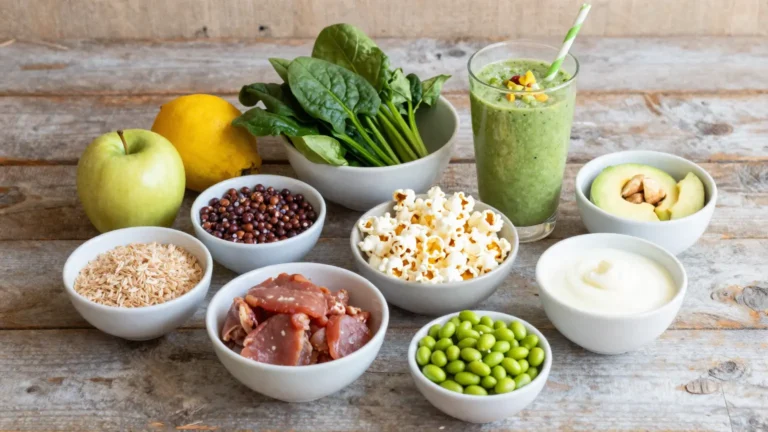
Your day might begin with a protein-packed breakfast like scrambled eggs or a Greek yogurt bowl topped with nuts and seeds. For lunch, you could opt for grilled chicken salad loaded with leafy greens and avocados, while dinner might feature steak or pork chops accompanied by steamed vegetables. Snacks include cheese cubes, beef jerky, or almond butter on celery sticks.
This diet focuses heavily on maintaining a high protein intake to keep your body in an optimal state of nutrition and satiety. The idea is that proteins help you feel fuller for longer periods, reducing cravings and overeating later in the day. By eating more proteins and fewer carbs, you encourage your body to rely less on glucose from carbohydrates as its primary energy source and instead start burning fat.
Moreover, the Protein Power diet often includes a meal replacement plan where shakes or bars are consumed to further ensure high protein intake while minimizing carbohydrate consumption. These meal replacements can be particularly useful when transitioning into ketosis – a metabolic state characterized by the body using stored fats for fuel rather than glucose derived from carbohydrates.
It’s important to note that while this diet emphasizes animal proteins, it also includes recommendations on how to balance meals with healthy fats and moderate amounts of vegetables. The goal is not just to eat more protein but to do so in a way that complements your overall health goals without neglecting other essential nutrients.
As you delve deeper into the Protein Power regimen, you’ll find yourself making strategic choices about which foods to include or exclude based on their impact on insulin levels and fat storage. This mindful eating approach encourages individuals to pay close attention to how different types of food affect their body composition and energy levels throughout the day.
By focusing your meals around protein-rich ingredients while minimizing carbs, the Protein Power diet aims to provide a structured yet flexible framework for weight management and metabolic health improvement. However, as with any dietary plan, it’s crucial to consult healthcare professionals before embarking on such restrictive eating patterns to ensure they align with individual health needs and goals.
Did you know that consuming protein within 30 minutes after exercise can help repair muscle tissue faster? This timing is particularly beneficial for those following high-protein diets like Protein Power, as it maximizes the benefits of physical activity.
Key Benefits
One of the most compelling benefits of the Protein Power diet is its potential to aid in rapid weight loss. When you significantly reduce your carbohydrate intake, your body enters a state called ketosis where it starts burning stored fat for energy rather than glucose from carbs. This metabolic shift can lead to noticeable drops on the scale within weeks, which can be highly motivating.
Eating protein-rich foods also has a satiety factor that is hard to ignore. High-protein meals tend to make you feel fuller and more satisfied after eating, thanks to their slow digestion rate and ability to stabilize blood sugar levels. This feeling of fullness can help curb cravings and reduce overall calorie intake without sacrificing flavor or variety.
Proponents of the Protein Power diet often highlight its effectiveness in improving insulin sensitivity. By limiting carbohydrates, you naturally lower your body’s production of insulin, a hormone that regulates blood sugar. Improved insulin sensitivity can lead to better control over blood glucose levels, which is crucial for managing type 2 diabetes and preventing metabolic syndrome.
Another notable benefit is the potential impact on muscle mass and strength. Protein is essential for building and repairing muscles, making it particularly appealing for individuals who engage in regular exercise or want to increase their lean body mass. When combined with resistance training, a high-protein diet can enhance muscle growth and recovery.
Moreover, focusing your meals around protein can help stabilize energy levels throughout the day. Unlike carbs that cause spikes and dips in blood sugar, proteins provide a steady supply of glucose to your brain and muscles, leading to more consistent mental alertness and physical performance. This stability is especially beneficial for those who need sustained focus or endurance during work or training sessions.
It’s also worth considering how protein can influence hormone regulation beyond insulin. For example, the Protein Power diet may help reduce levels of cortisol, a stress hormone linked with weight gain and other health issues when chronically elevated. By managing stress through better nutrition, individuals on this diet could experience reduced anxiety and improved mental well-being.
Lastly, adhering to a high-protein regimen might offer heart health benefits by lowering triglycerides (a type of fat in your blood) and improving good cholesterol levels (HDL). These improvements can contribute to a healthier cardiovascular system over time. However, it’s important to include plenty of healthy fats as part of this diet to maximize these advantages.
By understanding these key benefits, individuals might find themselves more inclined to explore the Protein Power diet for its potential in enhancing both physical and mental health. Yet, alongside these positives, careful consideration must be given to the risks associated with such a restrictive eating plan.
A study found that people who consume protein-rich meals report feeling less hungry three hours after eating compared to those who eat carbohydrate-heavy meals.
Potential Risks and Side Effects
While the Protein Power diet offers several potential benefits, it’s crucial to consider the associated risks and side effects before adopting this eating plan. One significant concern is the impact on heart health. High consumption of animal proteins, particularly red meat and processed meats, has been linked to an increased risk of cardiovascular diseases such as coronary artery disease and stroke.
Additionally, excessive protein intake can strain your kidneys, especially if you already have kidney issues or are at risk for kidney problems. The liver plays a role in processing excess amino acids, but it’s not designed to handle large amounts continuously over time without potential repercussions on overall health. Overloading the liver with more than it needs could lead to metabolic imbalances and stress.
Another side effect often noted is electrolyte imbalance. As you drastically reduce carbohydrate intake, your body may lose essential electrolytes like potassium, sodium, magnesium, and calcium through urine. These minerals are vital for proper muscle function and nerve signaling, so their depletion can cause issues such as muscle cramps, fatigue, and irregular heartbeat.
Furthermore, the diet’s restrictive nature can make it challenging to maintain in the long term. Eliminating entire food groups like grains and legumes means missing out on essential nutrients that these foods provide. Fiber is one such nutrient; a lack of fiber-rich carbohydrates can lead to constipation and other digestive issues. On the flip side, high protein diets may also cause kidney stones due to increased acid load in urine.
Lastly, there’s growing evidence suggesting that long-term adherence to very low-carb diets might negatively impact brain health. Carbohydrates are the primary fuel for your brain cells, and severely limiting them could potentially impair cognitive function over time. This is particularly concerning as it may affect individuals who rely on mental acuity in their daily lives.
In conclusion, while the Protein Power diet promises rapid weight loss and improved metabolic markers, potential risks such as heart disease, kidney strain, electrolyte imbalance, and nutritional deficiencies should not be overlooked. As with any major dietary change, consulting a healthcare provider before starting is highly recommended to ensure that this plan aligns with your individual health needs.
Did you know that some studies suggest prolonged adherence to high-protein diets may alter gut microbiota composition, potentially affecting overall metabolic health and immune function?
Criticism and Controversy
The Protein Power diet, despite its popularity among certain circles, faces substantial criticism from medical professionals and nutritional experts who question both its scientific validity and long-term safety. One major point of contention is the lack of rigorous research supporting its claims of efficacy and sustainability compared to more conventional dietary recommendations.
Critics argue that the Protein Power diet’s emphasis on animal proteins, particularly red meat and processed meats, goes against established nutritional guidelines aimed at promoting overall health. The American Heart Association (AHA) and other reputable organizations recommend a balanced diet rich in fruits, vegetables, whole grains, and lean protein sources to reduce chronic disease risks.
Moreover, the diet’s dismissal of plant-based foods like legumes and whole grains raises concerns about potential nutrient deficiencies. These food groups are vital sources of fiber, vitamins, minerals, and phytochemicals that contribute to digestive health and protection against various diseases. By excluding these essential nutrients, individuals following the Protein Power diet may face higher risks of developing conditions such as anemia, osteoporosis, and certain cancers.
Another significant issue is the pseudoscientific nature of some claims made by proponents of the diet. Critics contend that many assertions about insulin’s role in weight management lack robust scientific backing and oversimplify complex metabolic processes. This approach can mislead individuals into believing they have a quick fix for obesity without considering lifestyle factors such as physical activity, stress levels, and sleep patterns.
Furthermore, nutritional experts highlight the importance of individualized dietary planning based on personal health needs rather than generalized high-protein regimens that may not suit everyone’s requirements. Diabetics or individuals with kidney issues might find this diet particularly risky without proper medical supervision to manage potential complications effectively.
The controversy surrounding Protein Power extends beyond its nutritional merits to ethical and environmental considerations as well. Critics point out the ecological impact of increased meat consumption, which contributes significantly to greenhouse gas emissions and deforestation. Additionally, some argue that promoting diets high in animal products can exacerbate issues related to food security and sustainability, especially considering global population growth trends.
In conclusion, while the Protein Power diet promises rapid weight loss and improved metabolic health, it is essential to weigh these potential benefits against a myriad of concerns raised by medical experts and nutritional researchers. As with any major dietary change, consulting healthcare professionals before embarking on such restrictive eating patterns remains crucial for ensuring long-term well-being.
The World Health Organization recommends limiting red meat consumption to 300 grams or less per week due to the health risks associated with higher intake levels.
Long-Term Health Implications
When considering the Protein Power diet over an extended period, several long-term health implications come to light, highlighting both the potential benefits and risks associated with prolonged adherence. One of the primary concerns is long-term cardiovascular health. While initial weight loss can improve heart disease risk factors such as blood pressure and cholesterol levels, chronic high intake of saturated fats from animal proteins may lead to negative outcomes in the long run.
Another critical aspect to examine is bone health. Protein Power advocates often recommend a diet rich in dairy products like cheese and milk alongside red meat, which provides substantial amounts of calcium and vitamin D. However, excessive protein consumption can also cause an increase in urinary calcium excretion, potentially leading to a net loss of bone density over time if not balanced with adequate calcium intake from other sources.
Nutritional balance is another crucial factor when evaluating long-term health effects. A diet that heavily emphasizes animal proteins while minimizing carbohydrate and fiber-rich plant foods can result in deficiencies or imbalances of essential nutrients such as vitamins, minerals, antioxidants, and phytochemicals. Over time, these deficits could contribute to a range of health issues including weakened immune function, impaired gut health, and increased risk for chronic diseases.
From an environmental perspective, the Protein Power diet’s heavy reliance on animal products has significant implications. The production of red meat and dairy requires substantial resources such as land, water, and feed crops, contributing to greenhouse gas emissions and deforestation. This environmental footprint is a critical consideration when assessing the sustainability and ethical impact of high-protein diets over long periods.
Furthermore, mental health considerations cannot be overlooked. While some studies suggest that high protein intake can stabilize mood by regulating blood sugar levels, others indicate potential cognitive effects from prolonged carbohydrate restriction. The brain relies heavily on glucose for energy, particularly during periods of fasting or very low-carb consumption, which could potentially impact cognitive functions and overall well-being.
It’s also worth noting the role of gut microbiota in long-term health. Research suggests that a diverse diet rich in fiber from fruits, vegetables, and whole grains supports a healthy gut flora. In contrast, diets highly restrictive of these food groups may lead to alterations in gut bacteria composition, potentially affecting digestion, immune function, and even mental health.
In summary, while the Protein Power diet offers short-term benefits like rapid weight loss and improved insulin sensitivity, its long-term implications for heart health, bone density, nutritional balance, environmental sustainability, and mental well-being warrant careful consideration. Individuals should consult healthcare professionals to weigh these factors against their personal health goals and needs before committing to such a restrictive eating pattern.
A diverse gut microbiome is linked with better digestion, immune response, and even mood regulation, emphasizing the importance of varied dietary intake beyond just protein-rich foods.
Alternatives for Weight Loss
When considering alternatives to the Protein Power diet, it’s essential to explore a variety of options that can offer similar benefits without the potential risks associated with high-protein regimens. One such alternative is the Mediterranean Diet, which has gained recognition for its holistic approach to nutrition and health.
The Mediterranean Diet emphasizes whole grains, fruits, vegetables, legumes, nuts, seeds, fish, and olive oil as primary food sources. It includes a moderate amount of dairy products and minimal red meat consumption, focusing instead on plant-based proteins like lentils, chickpeas, and beans. This diet is rich in monounsaturated fats from olive oil and polyunsaturated fats from nuts and seeds, which can help improve heart health.
Unlike the Protein Power diet’s restrictive nature, the Mediterranean Diet encourages a balanced intake of carbohydrates, proteins, and healthy fats to provide sustained energy levels throughout the day. The inclusion of fiber-rich foods supports digestive health while also contributing to feelings of fullness and reduced calorie consumption. This dietary pattern is more sustainable in the long term because it promotes variety in meals, making it easier for individuals to stick with over extended periods.
Another effective alternative is Intermittent Fasting (IF), a flexible eating strategy that focuses on when you eat rather than what you eat. IF involves cycling between periods of fasting and non-fasting, typically through daily 16-hour fasts or periodic multi-day fasts. This approach can lead to weight loss by reducing overall calorie intake while also providing metabolic benefits such as improved insulin sensitivity and enhanced cellular repair processes.
Intermittent Fasting differs from the Protein Power diet in that it does not specify particular foods but rather focuses on timing your meals. By limiting your eating window, you naturally reduce calorie consumption without the need for restrictive food choices or counting macros. This method can be particularly appealing to those who want a simpler approach to weight loss and metabolism regulation.
Yet another option is the Flexitarian Diet, which blends elements of vegetarianism with flexible omnivorous eating habits. The Flexitarian diet encourages plant-based meals but allows for the occasional inclusion of meat, poultry, fish, or dairy products based on personal preference and nutritional needs. This approach can help individuals gradually reduce their reliance on animal proteins while still enjoying a wide variety of foods.
Flexitarians typically focus on incorporating more whole grains, legumes, fruits, vegetables, nuts, and seeds into their meals to increase fiber intake and support satiety. By emphasizing plant-based eating most days but allowing for the occasional indulgence in meat or other animal products, this diet provides a balanced approach that promotes both weight loss and long-term health.
In summary, alternatives like the Mediterranean Diet, Intermittent Fasting, and the Flexitarian Diet offer diverse strategies for achieving and maintaining a healthy weight without the restrictive nature of high-protein diets. Each of these approaches emphasizes whole foods, nutritional balance, and sustainable eating habits, making them viable options for those seeking long-term health benefits alongside weight management goals.
A meta-analysis published in The Lancet found that Mediterranean-style diets were associated with lower risks of cardiovascular disease compared to low-fat diets.
Nutritional Balance vs. High-Protein Diets
Choosing between a balanced diet rich in diverse nutrients and a strict high-protein regimen like Protein Power involves weighing short-term benefits against long-term health implications. While the Protein Power diet promises rapid weight loss and improved metabolic markers, it often overlooks the importance of nutritional balance.
Balanced diets such as the Mediterranean Diet or Flexitarian approach provide a wide array of vitamins, minerals, antioxidants, and fiber from various food sources, including fruits, vegetables, whole grains, legumes, nuts, seeds, and lean proteins. This variety ensures that your body receives all necessary nutrients without overemphasizing any single macronutrient.
In contrast, focusing solely on protein can lead to deficiencies in other crucial elements like fiber and phytochemicals. For instance, eliminating carbohydrates means missing out on essential fibers found in whole grains and legumes, which are vital for digestive health and blood sugar regulation. Similarly, the exclusion of fruits and vegetables deprives your body of important antioxidants that protect against oxidative stress and inflammation.
| Nutritional Balance | High-Protein Diets |
|---|---|
| Emphasizes diversity | Focuses on animal proteins |
| Includes whole grains | Excludes carbohydrates |
| Rich in fruits & veggies | Low in fiber |
| Supports gut health | May cause digestive issues |
By prioritizing a balanced intake of macronutrients, you not only support your body’s overall needs but also enhance its ability to function optimally. This approach fosters long-term sustainability and reduces the risk of chronic diseases associated with nutritional imbalances.
Consider asking yourself: Would I rather experience quick weight loss or ensure comprehensive health benefits over time? The answer can guide your dietary choices towards a more balanced, sustainable path.
The Dietary Guidelines for Americans recommend consuming a variety of protein foods to optimize nutrition and reduce the risk of disease.
Recommended Foods for a Balanced Diet
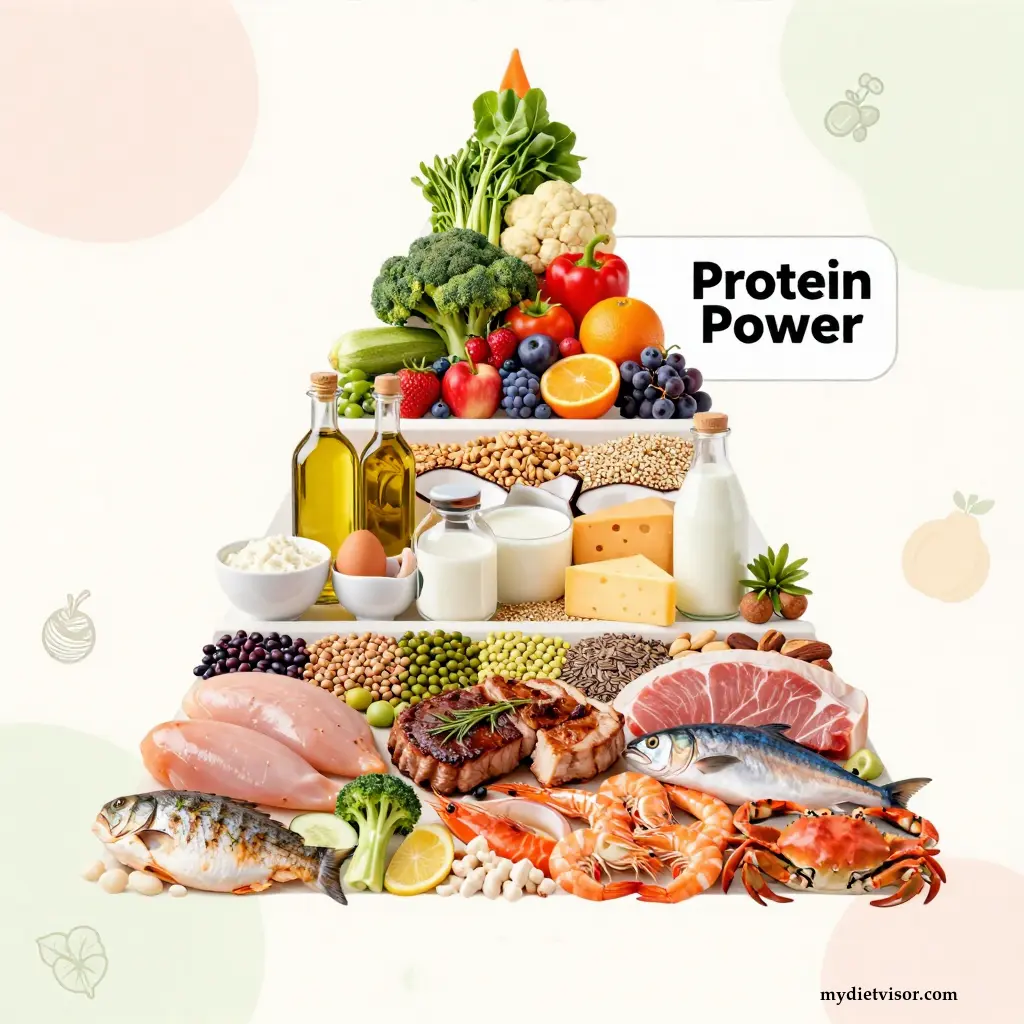
Shifting away from the restrictive nature of the Protein Power diet, it’s important to explore what constitutes a balanced diet rich in diverse nutrients. A well-rounded eating plan incorporates a variety of food groups to ensure you receive all essential vitamins and minerals necessary for optimal health.
Start your day with a bowl of oatmeal topped with fresh berries, nuts, and seeds. Oats provide fiber and whole grains that help stabilize blood sugar levels, while the combination of fruits and healthy fats ensures sustained energy throughout the morning. For lunch, consider building a salad around leafy greens like spinach or kale, adding colorful vegetables such as bell peppers and carrots for vitamins and antioxidants. Toss in chickpeas or quinoa to provide plant-based proteins and complex carbohydrates that support muscle repair and brain function.
Dinner can include a mix of lean protein sources like grilled chicken breast or tofu alongside steamed broccoli and sweet potatoes. Sweet potatoes are an excellent source of vitamin A, fiber, and natural sugars, providing a balanced sweetness without the need for added refined carbs. Incorporating legumes into your meals is also beneficial; lentils or black beans can be used in soups, stews, or as a side dish, offering both protein and fiber.
Incorporating healthy fats is crucial too, as they play key roles in brain function and cell membrane health. Avocado slices on sandwiches, olive oil drizzled over salads, and nuts for snacks are all great ways to include these essential nutrients in your daily diet.
It’s also important to hydrate adequately with water or herbal teas throughout the day. Limiting sugary drinks and opting instead for natural beverages can help maintain steady blood sugar levels and prevent unnecessary calorie intake.
By focusing on a variety of foods rather than relying heavily on animal proteins, you create meals that are not only delicious but also nourishing. This approach supports overall health without the risks associated with restrictive diets like Protein Power, ensuring a more sustainable path to wellness.
Did you know that adding just one avocado per day can provide over 20 essential nutrients and healthy fats beneficial for heart health?
Integrating More Proteins Safely
If you’re considering incorporating more protein into your diet, whether to support muscle growth or enhance overall well-being, it’s crucial to do so safely and effectively. The key is finding a balanced approach that complements your existing nutritional habits without causing adverse effects.
Firstly, source variety is essential when increasing protein intake. Relying solely on animal proteins like red meat can expose you to higher levels of saturated fats and cholesterol, which are linked to cardiovascular diseases. Instead, include a mix of plant-based proteins such as beans, lentils, tofu, and quinoa to diversify your nutrient intake.
Secondly, portion control remains important even when focusing on protein-rich foods. Overeating any type of food can lead to caloric excesses, potentially causing weight gain or other health issues. Aim for balanced meals that include proteins, healthy fats, and fiber-rich carbohydrates in moderation.
Additionally, ensuring adequate hydration is crucial when increasing your protein intake. Protein digestion requires more water than carbohydrate metabolism, so staying hydrated helps prevent dehydration and supports kidney function, especially if you’re consuming higher amounts of animal proteins.
It’s also important to consider the timing of your protein consumption. Eating protein shortly after exercise can help in muscle recovery and repair. However, spreading out your protein intake throughout the day rather than concentrating it at one meal can aid in maintaining steady blood sugar levels and reducing insulin spikes.
Lastly, consult with a healthcare provider or registered dietitian before making significant dietary changes. They can provide personalized advice tailored to your individual health needs, ensuring that you achieve your nutritional goals safely and effectively.
By integrating more proteins thoughtfully and strategically, you can enhance your diet’s quality while minimizing potential risks. This balanced approach not only supports immediate health benefits but also promotes long-term well-being.
A study in the Journal of Nutrition found that consuming a mix of plant and animal proteins offers better amino acid profiles compared to relying solely on one type, enhancing overall protein quality.
Summary: Evaluating Effectiveness and Safety
In conclusion, while the Protein Power diet promises rapid weight loss and improved metabolic markers, it’s crucial to carefully evaluate its potential risks and long-term impacts on overall health. The diet’s restrictive nature can lead to nutritional imbalances, particularly deficiencies in essential vitamins, minerals, and fiber that are abundant in plant-based foods like fruits, vegetables, and whole grains. By focusing solely on high-protein animal products, individuals may inadvertently increase their risk for heart disease, kidney strain, and other chronic conditions.
A balanced diet rich in diverse nutrients offers a more sustainable path to health and wellness. Incorporating a variety of proteins from both plant and animal sources, along with plenty of fruits, vegetables, whole grains, and healthy fats, ensures that your body receives all necessary elements for optimal functioning. This approach not only supports immediate health benefits but also promotes long-term well-being by reducing the risks associated with nutritional extremes.
As you navigate your dietary choices, consider consulting a healthcare provider or registered dietitian to tailor a plan that aligns with your personal health goals and needs. By prioritizing balanced nutrition over restrictive diets, you can achieve lasting improvements in weight management and overall health.
Frequently Asked Questions (FAQ)
What are the potential risks of the Protein Power diet?
The Protein Power diet may lead to vitamin and mineral deficiencies because it restricts carbohydrate intake, which can limit sources of essential nutrients. Additionally, it increases saturated fat intake from animal-based proteins, potentially harming heart health.
Can I still eat vegetables on the Protein Power diet?
Yes, you can consume vegetables, but they should be low in carbohydrates according to this diet. Focus on leafy greens and non-starchy vegetables to maintain a high-protein, low-carb approach while getting essential nutrients.
Is it safe for pregnant women to follow the Protein Power diet?
It is not recommended for pregnant or lactating women due to increased nutritional needs during these periods. A balanced diet with adequate carbohydrates and other nutrients is safer for both mother and baby.
How does the Protein Power diet compare to other diets like keto?
Both diets advocate for high protein, but they differ in carbohydrate restrictions. Keto limits carbs more strictly to induce ketosis, whereas Protein Power allows slightly higher carb intake while focusing on lowering insulin levels through reduced carbohydrate consumption.
What are some common misconceptions about the Protein Power diet?
Common misconceptions include claims that it’s the only effective way to lose weight and manage diabetes, which have not been scientifically proven. It also promotes incorrect views about carbohydrates and their role in health.
How much protein should I consume if I follow a regular diet instead of Protein Power?
The recommended dietary allowance (RDA) for protein is 0.8 grams per kilogram of body weight for adults. This can be adjusted based on individual needs, such as physical activity level or specific health conditions.
Does the Protein Power diet provide enough fiber?
No, it generally does not offer sufficient fiber since high-fiber foods are often carbohydrate-rich and restricted in this diet. Fiber from vegetables and fruits should be included for digestive health.
Are there any long-term studies on the effects of the Protein Power diet?
There are no extensive long-term studies supporting its efficacy or safety over many years. Most research focuses on short-term benefits without addressing potential chronic health issues.
Can I eat eggs every day on this diet?
Eggs are encouraged in the Protein Power diet due to their high protein content. However, moderation is key since they contain cholesterol and saturated fats that might increase cardiovascular risk if consumed excessively.
Is it possible to gain muscle mass with a regular diet or does one need to follow a specific high-protein regimen like Protein Power?
Muscle growth can be achieved through a balanced diet rich in proteins along with resistance training, without necessarily following strict high-protein diets. Adequate protein intake combined with exercise is essential for muscle building.