Introduction to Seed Cycling: A Hormonal Balance Diet Strategy
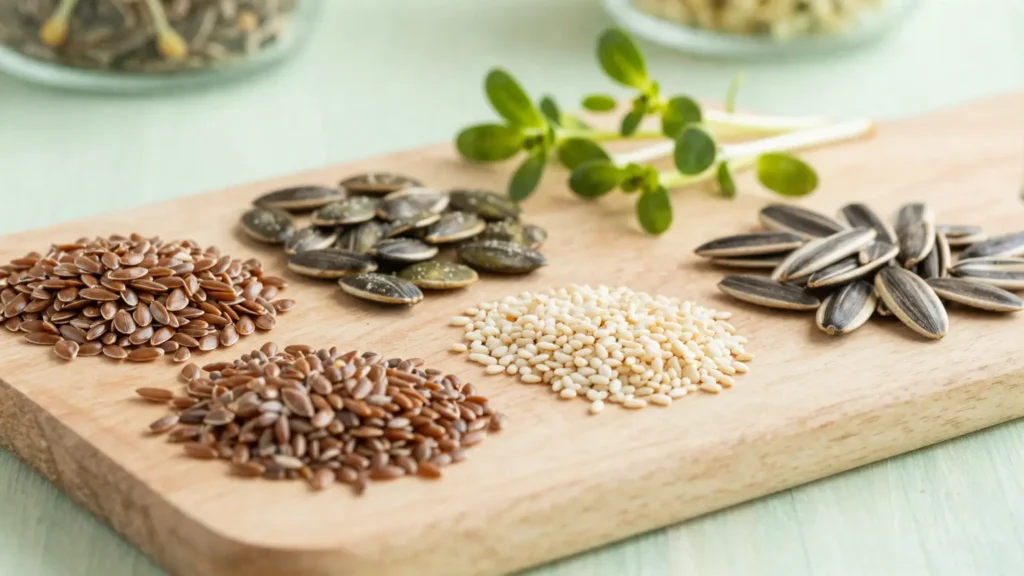
Seed cycling is a natural approach that uses specific seeds during different phases of your menstrual cycle to promote hormonal balance and overall menstrual health. This fascinating practice involves eating flaxseeds and pumpkin seeds for the first half of your cycle, then switching to sesame and sunflower seeds for the second half. By following this routine, you can harness the power of these nutrient-rich seeds to support your body’s natural hormone production and regulation.
Imagine your menstrual cycle as a carefully choreographed dance, with estrogen taking center stage in the first half (the follicular phase) and progesterone leading in the second half (the luteal phase). Seed cycling enhances this intricate performance by providing key nutrients that help maintain a harmonious balance between these hormones. For instance, flaxseeds are packed with lignans, which can bind to excess estrogen and aid its removal from your body, while pumpkin seeds offer vital minerals like zinc and tryptophan that support reproductive health.
Sesame and sunflower seeds come into play during the luteal phase when progesterone levels rise. These seeds are rich in vitamin E, selenium, and other essential nutrients that help boost progesterone production and stabilize your hormonal environment. By incorporating these seeds into your diet at specific times, you’re essentially giving your body exactly what it needs to thrive throughout its natural rhythm.
In this introductory section, we’ve explored the basics of seed cycling and how it works in harmony with your menstrual cycle. In the next sections, we’ll delve deeper into why this practice is gaining traction among women seeking natural ways to manage hormonal imbalances and improve their menstrual health. Stay tuned to uncover more about the potential benefits and scientific backing behind seed cycling!
Understanding the Menstrual Cycle for Seed Cycling
Maintaining hormonal balance is crucial not only for menstrual health but also for overall well-being. Imbalances can lead to symptoms such as irregular periods, painful cramps, mood swings, and fatigue. By understanding how your body’s hormones fluctuate during each phase of the menstrual cycle, you can better appreciate why seed cycling targets specific needs at different times.
Hormones like estrogen and progesterone play pivotal roles in preparing your body for pregnancy or menstruation. Estrogen is responsible for thickening the uterine lining to prepare it for a potential embryo implantation, while progesterone supports this process by maintaining a suitable environment. When these hormones are out of sync, common menstrual issues can arise.
The follicular phase begins on day one of your period and lasts until ovulation (typically around days 14 to 15). During this time, estrogen levels rise as your body prepares for ovulation. This phase is all about growth and preparation, making it an ideal time to introduce seeds rich in nutrients that support estrogen production.
Flaxseeds are a powerhouse during the follicular phase due to their high content of lignans – plant compounds similar to weak estrogens – which can help regulate hormone levels. Pumpkin seeds complement flaxseeds by providing essential minerals like zinc and tryptophan, both vital for reproductive health. Zinc helps maintain healthy ovarian function, while tryptophan supports the production of serotonin, a mood-regulating neurotransmitter.
Transitioning into the Luteal Phase
Once ovulation occurs, you enter the luteal phase, which lasts until your next period begins (typically around days 15 to 28). This is when progesterone takes center stage as it helps sustain the thickened uterine lining in case of fertilization. If pregnancy doesn’t occur, progesterone levels drop, leading to menstruation.
Sesame and sunflower seeds are recommended during this phase because they offer nutrients that support progesterone production. Sesame seeds contain lignins, which can influence hormone metabolism positively. Sunflower seeds provide vitamin E and selenium, both of which are known for their antioxidant properties and ability to stabilize hormonal fluctuations. Incorporating these seeds can help mitigate symptoms associated with low progesterone levels.
Personalizing Your Seed Cycling Journey
Every woman’s menstrual cycle is unique, making it important to personalize your seed cycling routine based on your individual needs and cycle length. Women with irregular cycles may find it helpful to start their seed switching mid-cycle or consult a healthcare provider for tailored advice. Pay attention to how your body responds to different seeds and adjust accordingly.
Moreover, consider pairing seed cycling with other natural practices like gentle exercise, stress management techniques, and a balanced diet rich in fruits, vegetables, lean proteins, and healthy fats. This holistic approach can further enhance the benefits of seed cycling by supporting overall hormonal health and well-being.
By embracing seed cycling as part of your menstrual wellness routine, you take proactive steps toward maintaining balance and harmony within your body’s natural rhythms. Experiment with this simple yet powerful practice to discover how it may improve your menstrual experience and overall quality of life.
Recommended Food Groups for a Balanced Seed Cycling Diet
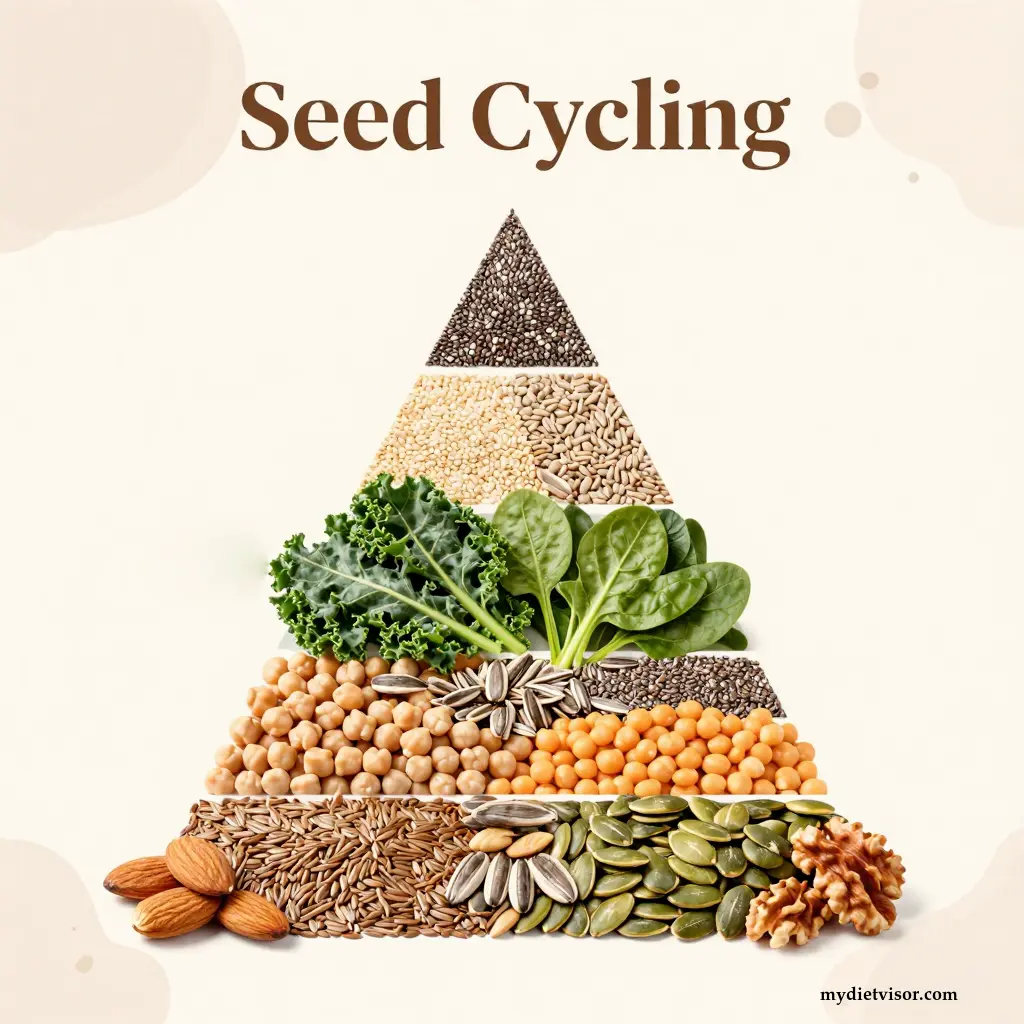
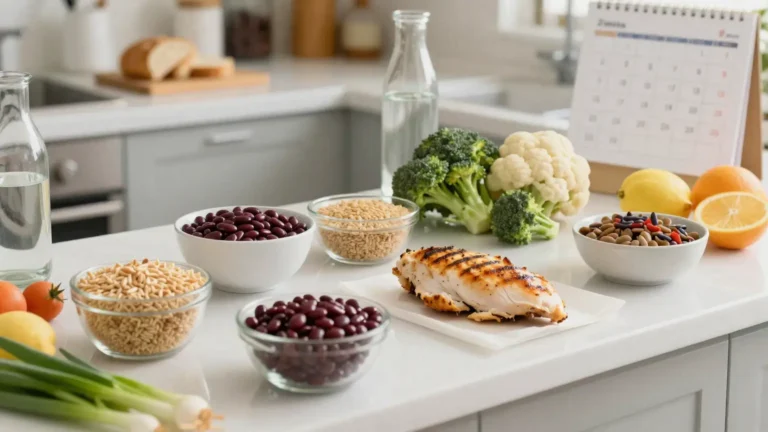
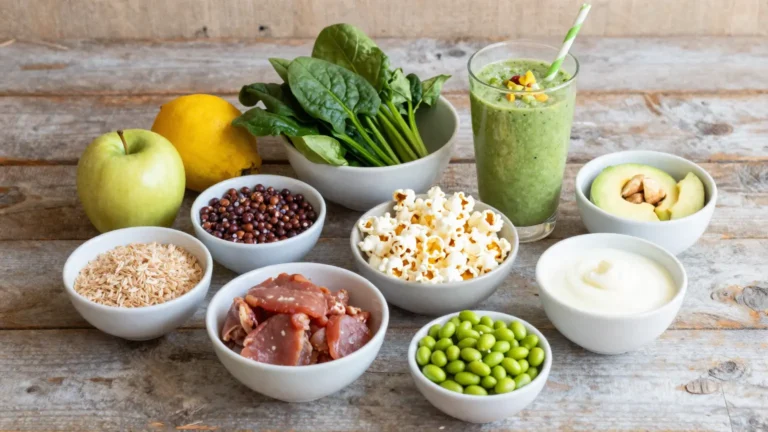
To maximize the effectiveness of seed cycling, it’s important to complement your diet with other nutrient-rich foods that support hormonal balance. Focus on incorporating these food groups during both phases of your menstrual cycle:
Foods Rich in Fiber and Phytoestrogens
Fiber helps regulate estrogen levels by promoting its excretion through waste. Include plenty of whole grains, legumes, fruits, and vegetables to boost fiber intake. Additionally, phytoestrogens found in foods like soy products (edamame, tofu), flaxseeds, and sesame seeds can mimic the effects of estrogen, further aiding hormonal balance.
Lean Proteins
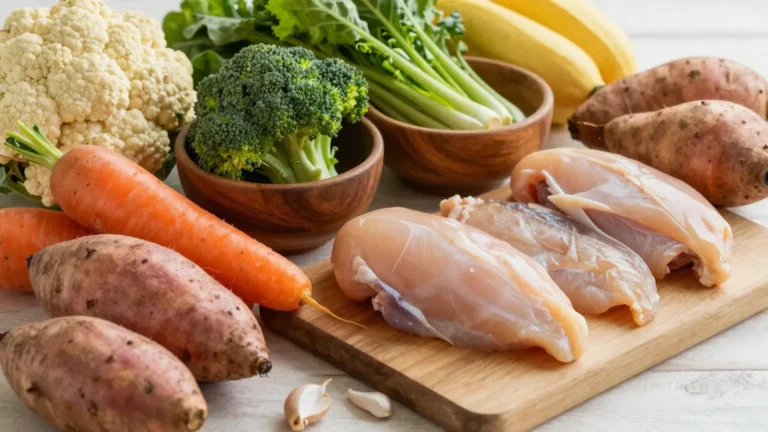
Protein is essential for hormone production and regulation. Opt for lean proteins such as chicken breast, turkey, fish, eggs, and plant-based sources like lentils, chickpeas, and quinoa. These provide amino acids that are crucial for building hormones like progesterone and testosterone.
Antioxidants to Combat Hormonal Stress
Antioxidants protect your body from oxidative stress caused by hormone fluctuations. Include a variety of colorful fruits and vegetables rich in vitamins C and E, such as berries, oranges, spinach, bell peppers, and nuts. These foods also support overall health and well-being beyond just hormonal balance.
Healthy Fats for Hormone Production
Healthy fats are vital for hormone production and cell function. Incorporate omega-3 fatty acids found in salmon, flaxseeds (yes, again!), chia seeds, walnuts, and olive oil to keep your hormones balanced and reduce inflammation.
Hydration and Electrolytes
Drinking plenty of water is crucial throughout the month but especially important during seed cycling. Aim for at least 8 cups per day to flush out toxins and maintain fluid balance. Include electrolyte-rich foods like bananas, coconut water, and leafy greens to support hydration and prevent cramps.
Personalizing Your Seed Cycling Plan
Your menstrual cycle can vary each month based on stress levels, diet, sleep patterns, and other factors. Pay attention to how your body responds to different seeds and adjust accordingly. For instance, if you notice more bloating during the luteal phase, you might want to increase your intake of diuretic-rich foods like cucumber and parsley.
Conclusion (Preparation for Future Sections)
By integrating these food groups into your seed cycling routine, you can enhance the benefits of this natural practice. Remember, consistency is key, but listening to your body and making adjustments as needed will help you achieve optimal hormonal balance and menstrual health. Stay tuned as we explore how seed cycling fits into broader wellness practices and discuss tips for maintaining a healthy lifestyle alongside this dietary approach.
Forbidden or Limited Foods in Seed Cycling
While incorporating specific seeds into your diet during seed cycling is beneficial, it’s equally important to be mindful of certain foods that may disrupt the delicate hormonal balance you’re trying to achieve. Here are some types of food and beverages to limit or avoid while practicing seed cycling:
- Processed Foods: Highly processed snacks like chips, cookies, and sugary drinks can cause spikes in insulin levels, which may interfere with hormone regulation.
- Refined Sugars: Consuming too much refined sugar (found in candy, soda, baked goods) can lead to inflammation and disrupt your blood sugar balance, impacting hormonal health.
- Dairy Products: Some individuals might find that dairy products exacerbate PMS symptoms or contribute to hormonal imbalances. Opting for plant-based alternatives during the follicular phase can be beneficial.
- Alcohol: Drinking alcohol can increase estrogen levels and interfere with liver function, which is crucial for detoxifying excess hormones from your body.
By limiting these foods, you allow the nutrients from the seeds to work more effectively without interference from substances that could disrupt hormonal balance. This approach supports a cleaner, more focused diet during seed cycling.
Research suggests that flaxseeds can help reduce symptoms of menopause by lowering levels of hot flashes and night sweats, thanks in part to their lignan content which mimics the action of estrogen in the body.
Nutritional Benefits of Flaxseed, Pumpkin, Sesame, and Sunflower Seeds
Flaxseeds, pumpkin seeds, sesame seeds, and sunflower seeds are more than just crunchy snacks; they offer a wealth of nutrients that support your health in various ways.
Flaxseeds
Flaxseeds stand out for their high content of omega-3 fatty acids and lignans. These compounds act as antioxidants and can help regulate hormone levels by binding to excess estrogen, thereby reducing its effects on the body. Additionally, flaxseeds are a great source of fiber, which aids in digestion and helps maintain healthy cholesterol levels.
Pumpkin Seeds
Pumpkin seeds are particularly rich in zinc and magnesium, both essential for reproductive health. Zinc plays a crucial role in hormone production and regulating menstrual cycles, while magnesium supports muscle relaxation and stress reduction. These minerals also help stabilize mood swings and alleviate symptoms of PMS.
Sesame Seeds
Sesame seeds contain lignins that influence hormone metabolism positively. They are also an excellent source of calcium and vitamin E, which support bone health and have antioxidant properties. Vitamin E is particularly beneficial during the luteal phase when progesterone levels rise, helping to stabilize hormonal fluctuations and promote a healthy pregnancy environment if conception occurs.
Sunflower Seeds
Sunflower seeds provide essential fatty acids like linoleic acid, along with vitamin E and selenium. These nutrients support heart health and have antioxidant properties that protect cells from damage caused by free radicals. Selenium also plays a role in thyroid hormone metabolism, which is important for overall hormonal balance.
Nutrient Comparison Table
| Seed Type | Key Nutrient | Health Benefit |
|---|---|---|
| Flaxseeds | Lignans | Regulates estrogen levels |
| Pumpkin | Zinc & Magnesium | Supports reproductive health, mood |
| Sesame | Calcium & Vitamin E | Strengthens bones, antioxidant |
| Sunflower | Linoleic Acid | Heart health, antioxidants |
Each seed brings its unique set of nutrients that work synergistically to support the specific needs of your body during each phase of your menstrual cycle. By incorporating these seeds into your diet at appropriate times, you can enhance their natural benefits and promote a healthier hormonal balance.
Did you know that just one ounce (about 28 grams) of pumpkin seeds provides nearly half the daily recommended intake of magnesium? This mineral is crucial for muscle relaxation and stress relief, making it an ideal addition to your diet during stressful times or when experiencing menstrual discomfort.
Potential Drawbacks and Considerations of Seed Cycling
Seed cycling seems like a simple and natural way to support hormonal balance, but it’s important to consider potential drawbacks and individual differences before diving in. While many women report positive results, there are several factors to be aware of:
- Individual Reactions: Not everyone may respond the same way to seed cycling. Some individuals might experience no noticeable changes or even slight discomforts such as bloating or digestive issues due to increased fiber intake.
- Nutrient Overload: Consuming high amounts of specific nutrients through seeds can sometimes lead to imbalances if not properly monitored. For instance, excessive zinc from pumpkin seeds might interfere with copper absorption, potentially causing deficiencies over time.
Interactions with Medications and Conditions
Seed cycling may also interact differently with certain medications or health conditions:
- Medication Interactions: Women taking hormonal contraceptives or hormone replacement therapy should consult a healthcare provider before starting seed cycling. These practices can affect how hormones are metabolized, potentially altering the effectiveness of medication.
- Health Conditions: Individuals diagnosed with thyroid disorders might need to be cautious about selenium-rich foods like sunflower seeds, as too much selenium can exacerbate thyroid issues by interfering with iodine metabolism.
Dietary and Lifestyle Factors
Your overall diet and lifestyle play a significant role in how effectively seed cycling works:
- Nutritional Deficiencies: If your general diet lacks essential nutrients or you have pre-existing nutritional deficiencies, relying solely on seeds might not provide adequate support for hormonal health. It’s crucial to maintain a balanced diet rich in fruits, vegetables, lean proteins, and healthy fats.
- Stress Levels: Chronic stress can significantly impact hormone levels and disrupt the menstrual cycle. Incorporating relaxation techniques such as yoga or meditation alongside seed cycling can enhance its effectiveness by reducing overall stress on your body.
Personalizing Your Approach
To truly benefit from seed cycling, it’s important to personalize your approach based on how you feel:
- Listen to Your Body: Pay close attention to any changes in your menstrual cycle and general well-being. Adjusting the amount of seeds or combining them with other natural remedies can help tailor the practice to fit your unique needs.
- Consult Professionals: Always consult with a healthcare provider before making significant dietary changes, especially if you have underlying health conditions or are on medication. They can provide tailored advice that complements seed cycling and ensures safety and efficacy.
Conclusion (Preparation for Future Sections)
Understanding these potential drawbacks and considerations is crucial for anyone looking to incorporate seed cycling into their routine. By being aware of individual responses, interactions with medications, dietary factors, and personalizing your approach, you can maximize the benefits while minimizing any risks associated with this natural practice. Stay tuned as we explore how seed cycling fits into broader wellness practices and discuss additional tips for maintaining a healthy lifestyle alongside this dietary approach.
Sample Meal Plan for Seed Cycling During Follicular Phase
Incorporating flaxseeds and pumpkin seeds into your diet during the follicular phase is straightforward with the right meal planning. This section provides a sample meal plan to help you get started, ensuring that these nutrient-packed seeds are seamlessly integrated into your daily meals.
Breakfast Ideas
Start your day with an energizing breakfast that includes flaxseeds and pumpkin seeds:
- Flaxseed Smoothie Bowl: Blend 1 tablespoon of ground flaxseeds with almond milk, frozen berries, spinach, and a scoop of protein powder. Top it off with sliced banana and pumpkin seeds for crunch.
- Pumpkin Seed Granola: Mix your favorite granola with chopped dates, walnuts, and pumpkin seeds. Serve over Greek yogurt with fresh fruit.
Lunch Ideas
Lunch can be both delicious and nutritious when you add flaxseeds and pumpkin seeds to your recipes:
- Flaxseed Salad Dressing: Whisk together 1 tablespoon of ground flaxseeds, olive oil, apple cider vinegar, Dijon mustard, honey, and lemon juice. Toss with mixed greens, cherry tomatoes, cucumber, and shredded chicken.
- Pumpkin Seed Pesto Pasta: Blend pumpkin seeds, basil leaves, garlic cloves, pine nuts (or more pumpkin seeds), Parmesan cheese, olive oil, salt, and pepper to make pesto sauce. Serve over whole grain pasta.
Snack Ideas
Healthy snacks are a great way to incorporate these seeds throughout the day:
- Flaxseed Energy Balls: Combine rolled oats, ground flaxseeds, peanut butter (or other nut butters), honey, vanilla extract, and chocolate chips. Roll into balls for an easy on-the-go snack.
- Pumpkin Seed Hummus Dip: Blend canned chickpeas, tahini, lemon juice, garlic, olive oil, and pumpkin seeds. Serve with sliced veggies like carrots, celery sticks, and bell peppers.
Dinner Ideas
Dinner can be a wonderful opportunity to experiment with different flavors while still including the necessary seeds:
- Flaxseed Chicken Stir-Fry: Sauté chicken breast strips in olive oil with bell peppers, broccoli florets, onion slices, garlic, and ginger. Mix in 1 tablespoon of ground flaxseeds at the end for added texture.
- Pumpkin Seed Quinoa Salad: Cook quinoa according to package instructions and mix with diced cucumbers, cherry tomatoes, red onions, parsley, crumbled feta cheese, pumpkin seeds, lemon juice, olive oil, salt, and pepper.
Dessert Ideas
End your day on a sweet note while still supporting your seed cycling goals:
- Flaxseed Chia Pudding: Mix ground flaxseeds with chia seeds, almond milk, vanilla extract, honey or maple syrup. Let it sit overnight in the fridge to thicken into pudding consistency. Top with fresh berries and granola.
- Pumpkin Seed Chocolate Bark: Melt dark chocolate and mix with crushed pumpkin seeds. Spread on a baking sheet lined with parchment paper, sprinkle more pumpkin seeds on top, and let cool until set.
Tips for Incorporating Seeds
Incorporating flaxseeds and pumpkin seeds into your diet doesn’t have to be complicated:
- Grind Flaxseeds: Grind whole flaxseeds in a coffee grinder or blender before using them. Ground seeds are easier to digest and absorb nutrients better.
- Roast Pumpkin Seeds: Roast raw pumpkin seeds in the oven with a bit of olive oil, salt, and your favorite seasonings for added flavor.
Personalization
Every woman’s body reacts differently to food and supplements. Listen closely to how you feel as you start incorporating flaxseeds and pumpkin seeds into your diet during the follicular phase:
- Adjust Portion Sizes: Start with smaller portions of ground flaxseed (1 teaspoon) and gradually increase based on tolerance.
- Monitor Symptoms: Keep a journal tracking any changes in menstrual symptoms, energy levels, or digestion as you adjust to seed cycling.
By following these meal plan suggestions and personalizing them according to your preferences and body’s responses, you can effectively support your hormonal balance through the follicular phase of your menstrual cycle.
Sample Meal Plan for Seed Cycling During Luteal Phase
During the luteal phase, incorporating sesame seeds and sunflower seeds into your diet can significantly support progesterone production and stabilize hormonal fluctuations. This section provides practical meal ideas to help you seamlessly integrate these beneficial seeds into your daily routine.
Breakfast Ideas
Kickstart your morning with nutritious breakfast options that include sesame and sunflower seeds:
- Sesame Seed Smoothie Bowl: Blend almond milk, frozen berries, spinach, a scoop of protein powder, and 1 tablespoon of ground sesame seeds. Top it off with sliced banana and sunflower seeds for added crunch.
- Sunflower Seed Granola Yogurt Parfait: Layer Greek yogurt with your favorite granola mixed with chopped dates, walnuts, and sunflower seeds. Add fresh fruit slices on top.
Lunch Ideas
Incorporate these seeds into your lunch to keep your energy levels high throughout the day:
- Sesame Seed Salad Dressing: Whisk together 1 tablespoon of ground sesame seeds, olive oil, apple cider vinegar, Dijon mustard, honey, and lemon juice. Toss with mixed greens, cherry tomatoes, cucumber, shredded chicken, and a sprinkle of sunflower seeds.
- Sunflower Seed Quinoa Bowl: Cook quinoa according to package instructions and mix it with diced bell peppers, red onions, chickpeas, avocado slices, parsley, and sunflower seeds. Drizzle with olive oil and lemon juice.
Snack Ideas
Healthy snacks are a perfect way to include sesame and sunflower seeds:
- Sesame Seed Energy Balls: Combine rolled oats, ground sesame seeds, peanut butter (or other nut butters), honey, vanilla extract, and chocolate chips. Roll into balls for an easy on-the-go snack.
- Sunflower Seed Hummus Dip: Blend canned chickpeas, tahini, lemon juice, garlic cloves, olive oil, and sunflower seeds to make a creamy hummus dip. Serve with sliced veggies like carrots, celery sticks, and bell peppers.
Dinner Ideas
Experiment with different flavors while incorporating these seeds into your evening meals:
- Sesame Seed Chicken Stir-Fry: Sauté chicken breast strips in sesame oil with bell peppers, broccoli florets, onion slices, garlic, ginger, and 1 tablespoon of ground sesame seeds for added texture.
- Sunflower Seed Pesto Pasta: Blend sunflower seeds, basil leaves, garlic cloves, pine nuts (or more sunflower seeds), Parmesan cheese, olive oil, salt, and pepper to make pesto sauce. Serve over whole grain pasta.
Dessert Ideas
End your day with a sweet treat that supports seed cycling:
- Sesame Seed Chia Pudding: Mix ground sesame seeds with chia seeds, almond milk, vanilla extract, honey or maple syrup. Let it sit overnight in the fridge to thicken into pudding consistency. Top with fresh berries and granola.
- Sunflower Seed Chocolate Bark: Melt dark chocolate and mix with crushed sunflower seeds. Spread on a baking sheet lined with parchment paper, sprinkle more sunflower seeds on top, and let cool until set.
Tips for Incorporating Seeds
Incorporating sesame and sunflower seeds into your diet doesn’t have to be complicated:
- Roast Sesame Seeds: Roast raw sesame seeds in the oven with a bit of olive oil, salt, and your favorite seasonings for added flavor.
- Toast Sunflower Seeds: Lightly toast raw sunflower seeds in a dry skillet over medium heat until lightly golden. This enhances their natural nutty taste.
Personalization
Every woman’s body reacts differently to food and supplements. Listen closely to how you feel as you start incorporating sesame seeds and sunflower seeds into your diet during the luteal phase:
- Adjust Portion Sizes: Start with smaller portions of ground sesame seeds (1 teaspoon) and gradually increase based on tolerance.
- Monitor Symptoms: Keep a journal tracking any changes in menstrual symptoms, energy levels, or digestion as you adjust to seed cycling.
By following these meal plan suggestions and personalizing them according to your preferences and body’s responses, you can effectively support your hormonal balance through the luteal phase of your menstrual cycle.
Alternative or Similar Diets to Seed Cycling: Exploring Options
While seed cycling offers a natural approach to hormonal balance and menstrual health, there are other dietary practices that aim to achieve similar goals. These alternatives focus on specific nutrients or foods known to support hormone regulation and reproductive wellness. Here’s an exploration of some comparable diets and their unique benefits.
Mediterranean Diet
The Mediterranean diet emphasizes whole grains, fruits, vegetables, olive oil, nuts, seeds, legumes, fish, poultry, and moderate amounts of red wine. This dietary pattern is rich in antioxidants, healthy fats, and fiber, which all play crucial roles in hormone regulation and overall health.
Key Nutrients:
- Omega-3 Fatty Acids: Found in fatty fish like salmon and sardines.
- Monounsaturated Fats: Abundant in olive oil, avocados, and nuts.
- Polyphenols: Present in fruits and vegetables, which have antioxidant properties.
Keto Diet
The ketogenic diet focuses on high-fat, moderate-protein, and very low-carbohydrate intake to induce a metabolic state known as ketosis. This diet can help reduce inflammation and support hormonal balance by stabilizing blood sugar levels.
Key Nutrients:
- Healthy Fats: Such as coconut oil, avocados, and nuts.
- Protein Sources: Including lean meats like chicken breast, turkey, and fatty fish like salmon.
- Low-Carb Vegetables: Leafy greens, broccoli, cauliflower, and bell peppers.
Paleo Diet
The paleo diet mimics the eating habits of our ancestors by excluding processed foods, dairy, grains, legumes, sugar, and refined oils. This approach focuses on whole, unprocessed foods that are believed to be more natural for human consumption.
Key Nutrients:
- Meat: Wild game, beef, lamb, bison.
- Fish & Seafood: Cod, salmon, shrimp, scallops.
- Vegetables and Fruits: Colorful vegetables and fruits provide essential vitamins and minerals.
- Healthy Oils: Olive oil, coconut oil.
Ayurvedic Diet
Ayurveda, an ancient Indian holistic healing system, recommends eating according to one’s individual constitution (dosha) for optimal health. This dietary approach aims to balance the body’s three life forces or energies – Vata, Pitta, and Kapha – to promote hormonal harmony.
Key Nutrients:
- Warm Foods: Spices like turmeric, ginger, cumin, and coriander are used extensively.
- Herbs and Teas: Herbs such as ashwagandha and holy basil (tulsi) support stress relief and hormone regulation.
- Seasonal Fruits and Vegetables: Consuming seasonal produce ensures you get the right nutrients at specific times of the year.
Comparisons Table
| Diet Type | Key Focus | Nutrient Highlights |
|---|---|---|
| Mediterranean | Whole foods, antioxidants | Olive oil, nuts, seeds, fruits & vegetables |
| Keto | High-fat intake, ketosis | Healthy fats, protein sources, low-carb veggies |
| Paleo | No processed foods, natural diet | Meat, seafood, vegetables, healthy oils |
| Ayurvedic | Individual constitution balance | Warm spices, herbs, seasonal produce |
Each of these diets offers unique benefits and focuses on different aspects of hormone regulation. The Mediterranean diet provides a broad spectrum of nutrients essential for hormonal health. The keto diet stabilizes blood sugar levels, which can indirectly support hormone balance by reducing inflammation. The paleo diet emphasizes natural foods that are believed to be less inflammatory and more aligned with our evolutionary history. Lastly, the Ayurvedic approach aims at personalized nutrition tailored to individual needs.
Personalizing Your Approach
Choosing between these diets depends largely on your personal preferences, health goals, and current state of hormonal balance. For instance, if you’re looking for a diet that emphasizes heart health and antioxidant intake, the Mediterranean diet might be ideal. If you need help stabilizing blood sugar levels or want to focus on ketosis benefits, the keto diet could be more suitable.
Conclusion (Preparation for Future Sections)
Exploring alternative diets can offer valuable insights into other ways of supporting hormonal balance and menstrual health. By understanding the unique features and potential benefits of each approach, you can make informed choices that align with your lifestyle and wellness goals. Stay tuned as we delve deeper into how these dietary practices complement seed cycling and discuss practical tips for integrating them into your routine.
Conclusion: A Comprehensive Guide to Harnessing the Benefits of Seed Cycling
Seed cycling offers a natural and holistic approach to supporting hormonal balance and menstrual health through the strategic consumption of specific seeds during different phases of your cycle. By integrating flaxseeds and pumpkin seeds in the follicular phase, and sesame and sunflower seeds in the luteal phase, you can provide your body with vital nutrients that aid in hormone regulation and reproductive wellness. This practice not only addresses common menstrual issues such as irregular periods and PMS but also aligns with broader dietary trends focused on nutrient-rich foods for overall health.
Understanding how each seed type supports specific hormonal needs – whether it’s through lignans, zinc, magnesium, or vitamin E – and incorporating them into your meals can be a simple yet effective way to enhance your menstrual cycle’s natural rhythm. As you explore the benefits of seed cycling, consider personalizing your approach based on individual responses and any underlying health conditions. By combining this practice with other wellness strategies like stress management and balanced nutrition, you can further optimize your hormonal balance and enjoy a healthier, more comfortable menstrual experience.
Stay informed about ongoing research and consult healthcare professionals to ensure that seed cycling complements your overall health goals safely and effectively.
Frequently Asked Questions (FAQ)
What is seed cycling?
Seed cycling is a dietary practice aimed at supporting hormonal balance during the menstrual cycle by consuming specific seeds in different phases. It involves eating flaxseeds and pumpkin seeds during the follicular phase (Days 1-14) to support estrogen production, and sesame seeds and sunflower seeds during the luteal phase (Days 15-28) for progesterone levels.
How do I start seed cycling?
To begin seed cycling, eat 1-2 tablespoons of ground flaxseeds and pumpkin seeds daily from day 1 to 14 of your cycle. Then switch to sesame and sunflower seeds on days 15 through 28.
Are there specific health benefits for women with PCOS who use seed cycling?
Women with polycystic ovary syndrome (PCOS) may experience significant improvements in hormonal markers, ovarian morphology, and body mass index when following a structured seed cycling protocol over a period of 12 weeks.
Can seed cycling help reduce PMS symptoms?
Some individuals report that seed cycling can alleviate common premenstrual syndrome (PMS) symptoms like mood swings, bloating, cramps, and acne by promoting hormonal balance.
Is there scientific evidence supporting the effectiveness of seed cycling?
While anecdotal reports suggest benefits, a 2023 randomized clinical study provided early evidence indicating potential benefits for menstrual health and hormonal balance through seed cycling. However, further research is needed to confirm these findings across broader populations.
How do I know when to switch seeds during my cycle?
For most women, you can track the follicular phase (Days 1-14) and luteal phase (Days 15-28). Start with flaxseed and pumpkin seeds on day one of menstruation and transition to sesame and sunflower seeds around day 15.
Are there any side effects or risks associated with seed cycling?
Most individuals tolerate seed cycling well, but some might experience digestive issues due to the high fiber content. If you have allergies to nuts or seeds, consult a healthcare provider before starting.
Can I incorporate other foods into my diet while seed cycling?
Yes, seed cycling can be combined with a balanced diet rich in fruits, vegetables, lean proteins, and whole grains. The focus is on consuming specific seeds during each cycle phase rather than excluding all other foods.
Is it necessary to grind the seeds before eating them for seed cycling?
Grinding seeds enhances nutrient absorption as the body doesn’t digest whole seeds efficiently. Aim for 1-2 tablespoons of ground flaxseeds, pumpkin seeds, sesame seeds, and sunflower seeds daily during their respective phases.
What if I have irregular periods or amenorrhea? Can I still follow seed cycling?
For those with irregular cycles, some practitioners recommend following a lunar cycle guideline: starting flaxseed and pumpkin seeds on the new moon and switching to sesame and sunflower seeds at the full moon. This can serve as a general guideline when your menstrual cycle is not regular.