What is Semi-Vegetarianism?

Semi-vegetarianism is an increasingly popular dietary pattern that blends the benefits of plant-based eating with the flexibility to consume limited amounts of meat. It’s a lifestyle that many people are adopting as they seek healthier, more sustainable ways of living without completely cutting out all animal products from their diet.
Imagine starting your day with a vibrant bowl of oatmeal topped with fresh berries and nuts, followed by enjoying grilled chicken or fish on weekends – this is the essence of semi-vegetarianism. This dietary approach offers a middle ground for those who want to reduce their meat intake but aren’t ready to commit fully to vegetarianism. By incorporating more fruits, vegetables, whole grains, and legumes into your meals while occasionally indulging in lean meats or seafood, you can experience the health benefits associated with plant-based eating without feeling restricted.
One of the key attractions of semi-vegetarianism is its adaptability. You don’t have to follow strict rules; instead, you make informed choices that align with your personal values and dietary needs. Whether it’s due to environmental concerns, ethical considerations about animal welfare, or simply a desire for better health, this flexible diet caters to diverse motivations. For instance, some people choose not to eat meat three days a week as recommended by the Dutch Food Health Authority (Voedingscentrum), while others might completely avoid red meat but include fish in their meals.
By embracing semi-vegetarianism, you open yourself up to a world of culinary exploration and nutritional benefits. You get to enjoy the richness of plant-based foods while still savoring those occasional meat dishes that hold special significance for you. It’s about finding balance and making conscious choices that support both your health and the planet’s wellbeing.
Recommended Food Groups for Semi-Vegetarians
When considering the diet of a semi-vegetarian, it’s crucial to focus on incorporating a variety of nutrient-rich foods from different food groups. This ensures that you receive all necessary vitamins and minerals while reducing your reliance on meat. Here are some recommended food categories for those following a semi-vegetarian lifestyle:
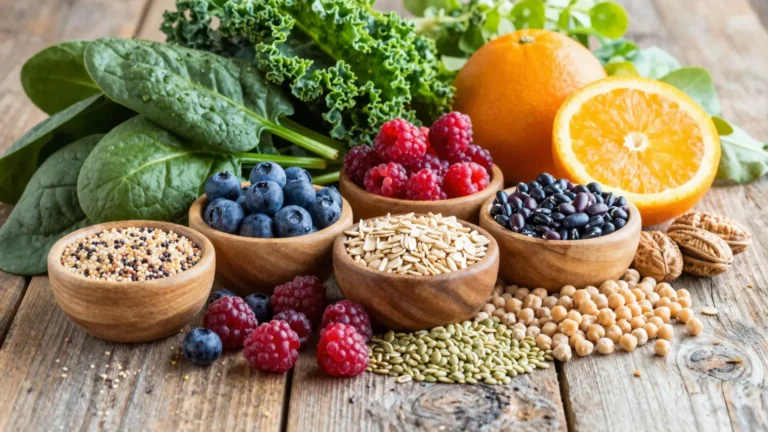
Fruits and vegetables should form the foundation of your diet. They provide essential vitamins, minerals, antioxidants, and dietary fiber. Aim to include a colorful array in your meals throughout the week. Think about adding leafy greens like spinach or kale, which are rich in iron and calcium, alongside fruits such as berries that offer anti-inflammatory benefits.
Whole grains and legumes are also vital components of semi-vegetarianism. These foods provide complex carbohydrates, fiber, protein, and a range of vitamins and minerals. Opt for whole grain bread, pasta, and rice to boost your intake of B-vitamins and dietary fiber. Legumes like lentils, chickpeas, and black beans not only supply plant-based proteins but also contain iron, magnesium, and zinc.
Nuts and seeds contribute healthy fats, protein, vitamins, and minerals to a semi-vegetarian diet. Include almonds, walnuts, chia seeds, or flaxseeds in your meals for their heart-health benefits. These foods can be sprinkled over salads, used as toppings on oatmeal, or incorporated into smoothies.
Dairy products and eggs offer additional sources of protein and nutrients like calcium and vitamin B12, which are essential for bone health and energy production. Choose low-fat milk, yogurt, and cheese to minimize saturated fat intake while still receiving the nutritional benefits. Eggs can be a versatile ingredient, used in baking or as part of breakfast dishes.
Incorporating these food groups into your diet not only supports your nutritional needs but also enhances the variety and enjoyment of your meals. For instance, you could start your day with Greek yogurt topped with granola and fresh fruit, followed by a hearty lunch salad loaded with mixed greens, chickpeas, and feta cheese.
By focusing on these food groups, semi-vegetarians can enjoy a balanced diet that meets their nutritional requirements while still allowing for occasional meat consumption. It’s all about making conscious choices to prioritize plant-based foods without completely eliminating animal products from your menu.
Forbidden or Limited Foods in a Semi-Vegetarian Diet
In the realm of semi-vegetarianism, certain foods are either restricted or consumed in moderation. While this dietary pattern is flexible and adaptable, it’s important to note that adherents often avoid some types of meat entirely while limiting others. For instance, many semi-vegetarians exclude red meat from their diet but may still enjoy poultry, fish, or eggs.
Red meat, such as beef, lamb, and pork, tends to be off-limits due to concerns about its high saturated fat content and potential links to chronic diseases like heart disease and cancer. By cutting back on red meat, semi-vegetarians can reduce their risk of these health issues while still enjoying a varied diet.
Processed meats like bacon, sausages, and deli meats are also typically avoided in this dietary pattern. These foods are often high in sodium and preservatives, which can contribute to negative health outcomes such as hypertension and cardiovascular disease. Opting for fresh, unprocessed proteins helps maintain better overall health.
It’s worth noting that while some semi-vegetarians might completely avoid certain types of meat, others choose to consume them less frequently. For example, someone might eat red meat only once a month or save it for special occasions. This approach allows individuals to enjoy these foods without compromising their dietary goals.
Moreover, many followers of semi-vegetarianism also limit their intake of highly processed plant-based products. These include items like veggie burgers made with artificial additives and preservatives. Instead, they prefer whole food sources that are minimally processed, ensuring a diet rich in natural nutrients.
By carefully selecting which foods to avoid or limit, individuals following a semi-vegetarian diet can enjoy the benefits of both plant-based eating and occasional meat consumption while minimizing potential health risks associated with certain types of animal products. This balance allows for a more personalized and sustainable approach to nutrition that fits individual lifestyles and preferences.
Did you know that reducing your red meat intake by even one day per week could significantly lower your carbon footprint? Making small changes like this can contribute to broader environmental sustainability efforts.
Nutritional Benefits of Following a Semi-Vegetarian Lifestyle
Following a semi-vegetarian diet offers numerous nutritional benefits that can contribute to overall well-being. By emphasizing plant-based foods while occasionally including meat, you can enjoy a balanced intake of essential nutrients without the drawbacks associated with excessive meat consumption.
One significant advantage is improved heart health. A diet rich in fruits, vegetables, and whole grains naturally provides antioxidants, fiber, and healthy fats, which are known to reduce cholesterol levels and lower blood pressure. These components work together to decrease the risk of cardiovascular diseases. For instance, incorporating avocados and nuts into your meals can provide heart-healthy monounsaturated fats.
Moreover, semi-vegetarianism promotes better digestion due to its high fiber content from whole grains, legumes, and vegetables. Fiber aids in maintaining regular bowel movements and helps prevent constipation. It also supports gut health by feeding the beneficial bacteria that reside there. Enjoying a bowl of oatmeal with flaxseeds for breakfast can significantly boost your daily fiber intake.
Weight management is another benefit associated with this dietary pattern. Plant-based foods tend to be lower in calories compared to meats, especially when considering highly processed or fatty cuts. By focusing on whole food sources and limiting high-calorie options like fried chicken or bacon, you can maintain a healthy weight more easily. A study published by the American Journal of Clinical Nutrition found that people following vegetarian diets often have lower body mass indexes (BMIs) compared to non-vegetarians.
Additionally, semi-vegetarianism can enhance your vitamin and mineral intake. Plant-based foods are particularly rich in vitamins C and E, which help protect cells from damage caused by free radicals. They also provide vital minerals such as potassium, magnesium, and iron. While some people might worry about getting enough iron on a plant-based diet, combining legumes with vitamin C-rich fruits can enhance iron absorption.
For instance, having a lentil soup with tomatoes or bell peppers not only tastes delicious but also maximizes the nutritional value of your meal. By being mindful of these combinations and incorporating variety into your diet, you can ensure that you receive all necessary nutrients without relying heavily on meat-based sources.
As you explore semi-vegetarianism, remember that it’s about more than just excluding or limiting certain foods; it’s about embracing a wide range of plant-based options. This approach allows you to enjoy the full spectrum of flavors and textures while supporting your nutritional needs and personal health goals.
Potential Drawbacks of Adopting a Semi-Vegetarian Diet
While semi-vegetarianism offers many advantages, it also comes with potential challenges that individuals should be aware of. One major concern is the risk of nutrient deficiencies if not planned properly. For instance, protein intake can sometimes be insufficient when meat consumption is limited but not completely eliminated. It’s essential to incorporate a variety of high-protein plant sources like beans, lentils, tofu, and quinoa into your meals.
Vitamin B12 deficiency is another issue that semi-vegetarians might face since this vitamin is primarily found in animal products. Without careful planning, individuals may struggle to meet their daily requirements solely through plant-based foods. To combat this, consider incorporating fortified cereals or taking supplements as recommended by healthcare professionals.
Iron absorption can also be a concern for those who reduce meat intake significantly. While plants like spinach and broccoli are rich in iron, the type of iron found in these sources (non-heme) is less readily absorbed compared to heme iron from animal products. To improve iron uptake, pair plant-based foods with vitamin C-rich items such as oranges or bell peppers.
Calcium deficiency may arise if dairy intake is minimal due to dietary restrictions. While non-dairy alternatives like almond milk and soy milk can be fortified with calcium, it’s crucial to check labels for adequate levels. Additionally, dark leafy greens and tofu are excellent plant-based sources of this mineral.
Another potential drawback is the social aspect of dining out or attending gatherings where food choices might be limited. Adapting to a semi-vegetarian diet requires awareness and preparation when eating at restaurants or friends’ homes. It’s helpful to know about vegetarian-friendly options in advance and communicate your dietary preferences clearly.
Lastly, there can be psychological challenges associated with changing long-held habits around meat consumption. Some individuals might experience guilt or anxiety about indulging in occasional meat dishes despite their commitment to a semi-vegetarian lifestyle. Overcoming these feelings often requires mindfulness practices and support from like-minded communities.
Navigating these potential drawbacks necessitates careful planning, education, and possibly professional guidance to ensure that you maintain a balanced diet while adhering to your dietary goals.
Did you know that the flexitarian diet gained significant attention in 2018 when it was named one of the top diets by U.S. News & World Report due to its flexibility and health benefits?
Sample Meal Plan for Beginners to Semi-Vegetarianism
Transitioning to a semi-vegetarian diet can feel overwhelming at first. However, creating a simple meal plan is an excellent way to start and gradually incorporate more plant-based meals into your routine. Here’s a beginner-friendly sample meal plan that focuses on balanced nutrition while allowing room for flexibility.
Breakfast Ideas
Start the day with a nutritious breakfast that energizes you without feeling heavy. Consider options like oatmeal topped with fresh berries, nuts, and seeds. Alternatively, Greek yogurt mixed with granola and sliced fruits offers protein and fiber to keep you full longer. For those who prefer something savory, try avocado toast on whole-grain bread or a smoothie packed with spinach, bananas, and chia seeds.
Lunch Suggestions
Lunch is an ideal time to experiment with different plant-based ingredients and flavors. A hearty chickpea salad with mixed greens, cherry tomatoes, cucumbers, feta cheese, and olive oil dressing provides a satisfying blend of protein and vegetables. Another great option is quinoa bowls topped with black beans, corn, avocado, and salsa. If you’re in the mood for something warm, lentil soup served with whole-grain bread can be both comforting and nutritious.
Dinner Options
For dinner, think about incorporating fish or poultry into your plant-based meals to keep them varied and interesting. Grilled chicken breast served over a bed of steamed broccoli, brown rice, and sautéed bell peppers offers balanced nutrition without being overly heavy. Alternatively, baked salmon with roasted sweet potatoes and green beans provides essential omega-3 fatty acids alongside vitamins A and C.
Snack Recommendations
Snacks are crucial for maintaining energy levels throughout the day. Opt for healthy choices like apple slices dipped in almond butter or homemade trail mix consisting of nuts, seeds, dried fruits, and dark chocolate chips. Another easy snack is hummus with raw veggies like carrots, celery sticks, and bell pepper strips.
Tips for Success
- Plan Ahead: Spend some time each week planning your meals to ensure you have all the necessary ingredients on hand.
- Be Flexible: Don’t stress if a day doesn’t go exactly as planned. The goal is to make gradual changes that fit into your lifestyle.
- Explore Recipes: Look up new recipes online or in cookbooks to discover exciting and nutritious dishes.
By integrating these meal ideas, you can easily transition into a semi-vegetarian diet while enjoying delicious food every step of the way. Experiment with different flavors and ingredients to find what works best for you.
Alternative and Similar Diets: What Are the Options?
When considering semi-vegetarianism, it’s helpful to explore other dietary patterns that share similar principles or offer different approaches. These diets can provide inspiration and variety as you navigate your nutritional journey. Some of these include pescetarianism, pollotarianism, demitarianism, and macrobiotic diets.
Pescetarian Diet
Pescetarians predominantly eat a plant-based diet but include fish and other seafood in their meals while avoiding all meat from mammals and birds. This dietary choice is often motivated by health or environmental concerns. Seafood provides high-quality protein, omega-3 fatty acids, vitamins D and B12, and minerals like iodine and selenium.
Key Points:
- Protein Source: Fish offers a complete source of essential amino acids.
- Heart Health: Omega-3s are linked to reduced risk of heart disease.
- Variety: The wide range of seafood options keeps meals interesting and nutritious.
Pollotarian Diet
Pollotarians follow a diet that includes chicken, turkey, and other poultry but excludes red meat and fish. This choice is often made for health or ethical reasons. Poultry offers lean protein with fewer calories compared to red meat, making it suitable for those focused on weight management and heart health.
Key Points:
- Weight Management: Chicken and turkey are low in fat and cholesterol.
- Flexibility: Easy to incorporate into various cuisines around the world.
- Nutrition: Provides essential vitamins B6 and B12, iron, zinc, and selenium.
Demitarian Diet
Demitarianism is a dietary approach where individuals consume half as much meat as their cultural norms dictate. This can vary widely depending on local customs but generally means reducing red meat intake significantly while still enjoying poultry or fish occasionally. The goal is to balance health benefits with personal preferences for occasional meat consumption.
Key Points:
- Reduction: Focuses mainly on cutting back on red and processed meats.
- Flexibility: Allows for a more gradual transition towards plant-based eating.
- Health Benefits: Reduces risk factors associated with high meat intake, such as heart disease and type 2 diabetes.
Macrobiotic Diet
The macrobiotic diet emphasizes whole grains, local vegetables, fruits, beans, and seaweed. It also allows for occasional fish consumption but generally avoids dairy, refined sugars, processed foods, alcohol, and caffeine. This dietary pattern is rooted in traditional Japanese cuisine and holistic health principles.
Key Points:
- Balance: Emphasizes balance between yin (cooling) and yang (warming) foods.
- Sustainability: Encourages eating seasonally and locally to minimize environmental impact.
- Nutrition: Focuses on whole grains as the primary food group, supplemented with a variety of vegetables.
Comparison Table
| Diet Type | Meat Inclusion | Key Nutrients |
|---|---|---|
| Semi-Vegetarian | Limited red meat and fish | Protein, iron, omega-3s |
| Pescetarian | Fish and seafood | Omega-3 fatty acids, iodine |
| Pollotarian | Chicken and turkey | Lean protein, B vitamins |
| Demitarian | Reduced overall meat intake | Balanced nutrition |
| Macrobiotic | Occasional fish | Whole grains, vegetables, beans |
Each of these diets offers unique benefits and challenges. By exploring these options, you can find the dietary pattern that best aligns with your personal health goals, ethical values, and culinary preferences.
Understanding these alternative approaches can provide a broader perspective on flexible plant-based eating. Whether you decide to fully embrace one of these diets or incorporate elements from multiple patterns into your lifestyle, there are numerous ways to enjoy delicious, nutritious meals while supporting both your health and the planet.
Did you know that some restaurants now offer “flexitarian” menu options designed specifically for individuals who want a mix of plant-based and meat dishes?
Society and Culture: The Rise of Flexitarianism
Flexitarianism, or semi-vegetarianism, has become increasingly prevalent in modern society as people seek healthier and more sustainable dietary options. This lifestyle shift is driven by a growing awareness of the environmental impacts associated with meat production, ethical concerns about animal welfare, and a desire for improved personal health.
Cultural Shifts
The rise of flexitarianism reflects broader cultural shifts towards more conscious consumption patterns. Many societies are moving away from traditional meat-centric diets to embrace plant-based alternatives that align better with contemporary values around sustainability and wellness. This trend is particularly evident in urban areas where access to diverse food options, including vegetarian and vegan cuisines, has expanded significantly.
Media Influence
The media plays a crucial role in shaping public perceptions of flexitarianism. Documentaries like “Cowspiracy” and “Forks Over Knives,” as well as popular books such as “How Not to Die” by Dr. Michael Greger, have shed light on the environmental and health benefits of reducing meat consumption. Social media platforms further amplify these messages through influencer endorsements and user-generated content that highlight plant-based recipes and lifestyles.
Restaurant Adaptations
In response to consumer demand, many restaurants are adapting their menus to include more flexitarian options. This includes offering vegetarian mains alongside smaller portions or side dishes featuring meat. Some establishments even label certain items as “flexitarian-friendly” to cater specifically to those who wish to balance plant-based meals with occasional meat consumption.
Social Movements
Environmental and animal rights organizations have been instrumental in promoting flexitarianism as a practical step towards more sustainable living. Campaigns such as Meatless Mondays encourage individuals to reduce their meat intake one day per week, making it an accessible entry point for those new to the concept of semi-vegetarianism.
Personalization and Flexibility
One of the key appeals of flexitarianism is its flexibility. Unlike strict vegetarian or vegan diets, which require adherence to rigid guidelines, flexitarianism allows individuals to make personal choices based on their preferences and needs. This adaptability makes it easier for people to maintain over long periods without feeling restricted.
Global Spread
While initially popularized in Europe, particularly the Netherlands and Scandinavia, flexitarianism has spread globally. Countries like Canada and Australia have seen a surge in interest as more consumers adopt plant-based diets. In China, where traditional culinary practices emphasize rice and vegetables, there is growing acceptance of reduced meat consumption due to health and environmental awareness.
Future Outlook
As more research highlights the benefits of reducing meat intake – such as improved heart health, lower cholesterol levels, and better weight management – the appeal of flexitarianism will likely continue to grow. The diet’s blend of flexibility and health-consciousness positions it well for widespread adoption in diverse cultural contexts.
Flexitarianism embodies a modern approach to eating that emphasizes moderation and mindful consumption. By gradually shifting towards more plant-based meals while still enjoying the occasional meat dish, individuals can make meaningful contributions to both personal and planetary health.
A 2018 survey by GlobalData found that nearly half of all U.S. consumers are reducing their meat intake, with flexitarianism being one of the most popular dietary trends among millennials and Gen Z.
Conclusion: Embracing Plant-Based Eating with Flexibility
By embracing semi-vegetarianism, individuals can enjoy the rich flavors and nutritional benefits of plant-based eating while still savoring occasional meat dishes. This flexible approach allows for personalization based on health goals, environmental concerns, or ethical considerations, making it an accessible choice for those looking to make gradual dietary changes. Whether you’re motivated by heart health, weight management, or sustainability, semi-vegetarianism offers a balanced path that supports both your well-being and the planet’s future.
Frequently Asked Questions (FAQ)
What is flexitarianism or semi-vegetarianism?
Flexitarianism, also known as a semi-vegetarian diet, involves primarily plant-based eating but allows for limited and occasional consumption of meat. It’s an adaptable approach that can fit various dietary preferences and health goals.
How common is the flexitarian diet among different demographics?
The flexitarian diet has gained popularity across various demographics, with studies noting higher tendencies in females compared to males who may overconsume meat. This highlights the need for more awareness about its potential benefits among all genders.
What are some common reasons people choose a flexitarian lifestyle?
People opt for a flexitarian diet due to concerns like health consciousness, environmental sustainability, ethical considerations regarding animal welfare, and economic factors related to resource use efficiency.
Can a semi-vegetarian diet help with weight management?
Yes, the focus on plant-based foods in a flexitarian diet can be beneficial for weight management. Plant-based diets are often lower in calories and higher in fiber, which supports healthy weight loss or maintenance.
Are there specific health benefits associated with being a flexitarian?
Flexitarianism has been linked to improved heart health, better blood pressure levels, reduced risk of diabetes, cancer, and metabolic disorders due to its emphasis on nutrient-dense plant foods while occasionally incorporating meat.
How can I transition from a meat-centric diet to a flexitarian one?
Transitioning gradually is key. Start by reducing meat consumption slowly over time, focusing more on plant-based meals, and substituting meats with legumes or other protein sources in recipes you enjoy.
Do I need to be strict about which days I eat meat as a flexitarian?
There’s no rigid rule about the frequency of eating meat; however, many guidelines suggest consuming red meat or poultry only once a week. The main goal is moderation and flexibility rather than strict adherence.
Is it possible for males to benefit from a semi-vegetarian diet despite being less likely to adopt it?
Absolutely! Since there’s evidence that males tend to overconsume meat, embracing plant-based eating more often could offer significant health benefits like reducing the risk of heart disease and improving overall metabolic health.
What are some common misconceptions about flexitarianism?
One misconception is that a semi-vegetarian diet lacks variety or nutrition. In reality, it offers numerous choices while ensuring balanced intake through diverse plant sources and occasional meat consumption.
How does cultural context affect the adoption of semi-vegetarian diets globally?
In many parts of the world where financial constraints limit access to animal-based proteins, people naturally follow a more plant-centered diet out of necessity. This aligns with principles of sustainability emphasized in flexitarianism.