What Are the Key Claims of the Sensa Diet?
The Sensa diet has been making waves in the weight loss industry for its bold promise: lose up to 30 pounds in just six months without changing your diet or exercise routine. This claim sounds too good to be true, doesn’t it? But let’s dive deeper into what exactly Sensa promises and how they plan to achieve such dramatic results.
Firstly, the core of Sensa’s approach is its “flavor-enhancing crystals.” These tiny sprinkles are supposed to work by boosting your sense of smell when you eat. According to Sensa’s marketing, these crystals activate brain signals that make you feel fuller faster, leading you to consume less food without feeling deprived. This sounds like a clever way to tackle overeating and snacking – stimulating the senses to naturally reduce calorie intake.
Another key selling point is its claim of effortless weight loss. Unlike other diets that require strict meal plans or rigorous workout schedules, Sensa positions itself as the easy solution for busy individuals who want quick results without disrupting their daily routines. This appeals to many people who might be skeptical about starting another diet or adding more stress to their lives with complicated regimens.
However, these claims raise several questions: How effective are these crystals in practice? Is there enough scientific evidence to back up such bold statements about weight loss and satisfaction? These doubts lead us into the heart of what makes Sensa so intriguing – and controversial.
Exploring the Scientific Basis Behind Sensa: Fact or Fiction?
The heart of the controversy surrounding Sensa lies in understanding whether its mechanism, which revolves around enhancing flavors to control appetite and reduce calorie intake, has any solid scientific backing. To evaluate this claim, we need to delve into how smell and taste influence our eating habits.
Research shows that olfaction (sense of smell) plays a crucial role in the perception of food quality and quantity. When you eat, your brain processes the aromas as much as the flavors when determining satiety levels. However, Sensa’s assertion that simply sprinkling flavored crystals on food will significantly alter eating behavior is more challenging to substantiate scientifically.
Critics argue, there are no large-scale clinical trials or independent studies proving the efficacy of Sensa beyond anecdotal evidence and self-reported data from users. In contrast, supporters point out small initial studies conducted by Dr. Alan Hirsch that suggested a potential link between enhancing flavors and reduced food consumption. However, these early findings have not been replicated in larger or more rigorous trials.
One of the key issues is the lack of blind testing methods used in Sensa’s research. Without proper controls to eliminate placebo effects, it’s difficult to attribute observed changes directly to the product itself rather than other variables like behavioral modification techniques taught alongside its use.
Comparing Sensa with Established Methods
| Method | Key Features | Scientific Validation |
|---|---|---|
| Sensa | Flavored crystals, appetite control | Limited and questioned |
| Calorie Restriction | Reducing total calorie intake | Strongly supported |
| Exercise Programs | Increasing physical activity | Well-documented |
When compared to established methods like calorie restriction or exercise programs, Sensa falls short in providing robust scientific evidence of its effectiveness. This makes it challenging for potential users to trust the product’s promises.
What Do Independent Experts Say?
Independent nutritionists and dieticians often express skepticism about products that promise significant weight loss without lifestyle changes. They emphasize the importance of long-term sustainable practices over quick fixes, which Sensa appears to contradict with its marketing strategy.
Moreover, the absence of endorsement from major health organizations such as the FDA or reputable medical institutions further diminishes Sensa’s credibility in the eyes of many professionals and consumers alike.
As we continue exploring whether Sensa lives up to its claims, it becomes evident that while the concept behind the product may seem innovative, proving its efficacy requires more than just anecdotal success stories.
Recommended Food Groups for the Sensa Diet Plan
When incorporating the Sensa diet into your lifestyle, understanding which food groups to focus on can make all the difference in achieving and maintaining your weight loss goals. Sensa recommends a balanced approach that emphasizes whole foods while also integrating its flavor-enhancing crystals. Here’s what you should consider including in your daily meals:
Fruits and Vegetables
Fruits and vegetables are non-negotiable in any healthy diet plan, and the Sensa diet is no exception. These nutrient-dense options provide essential vitamins, minerals, and fiber that help keep you full and energized throughout the day. Aim for a variety of colors to ensure you get a broad spectrum of nutrients.
Lean Proteins
Incorporating lean proteins such as chicken, turkey, fish, beans, and tofu can be beneficial in the Sensa diet. Protein helps build muscle mass and supports metabolic functions, making it easier to maintain weight loss over time. Lean meats also pair well with Sensa crystals because their subtle flavors complement the enhancements provided by the product.
Whole Grains
Whole grains like quinoa, brown rice, oats, and whole wheat bread offer complex carbohydrates that are digested more slowly than refined carbs, helping you feel full for longer periods. They also provide important nutrients such as fiber, iron, and B vitamins essential for overall health.
Dairy and Alternatives
Dairy products or their non-dairy alternatives (such as almond milk) can be included in moderation to ensure adequate intake of calcium and other key nutrients. However, choose low-fat versions to keep calorie counts manageable without compromising nutritional benefits.
Healthy Fats
While fats often get a bad rap, incorporating healthy sources such as avocados, nuts, seeds, and olive oil is crucial for brain function, cell growth, and hormone production. These foods also contribute to satiety thanks to their high fat content.
By focusing on these food groups, you not only enhance your body’s ability to lose weight naturally but also support overall health and wellness. The idea behind the Sensa diet isn’t just about sprinkling crystals on your meals; it’s about creating a balanced, healthy eating pattern that can be sustained over time.
As you explore integrating the Sensa method into your lifestyle, remember to listen to your body’s signals of hunger and fullness. This mindful approach, combined with flavor enhancement from Sensa crystals, could indeed help reduce cravings and unnecessary snacking.
Forbidden or Limited Foods on the Sensa Diet
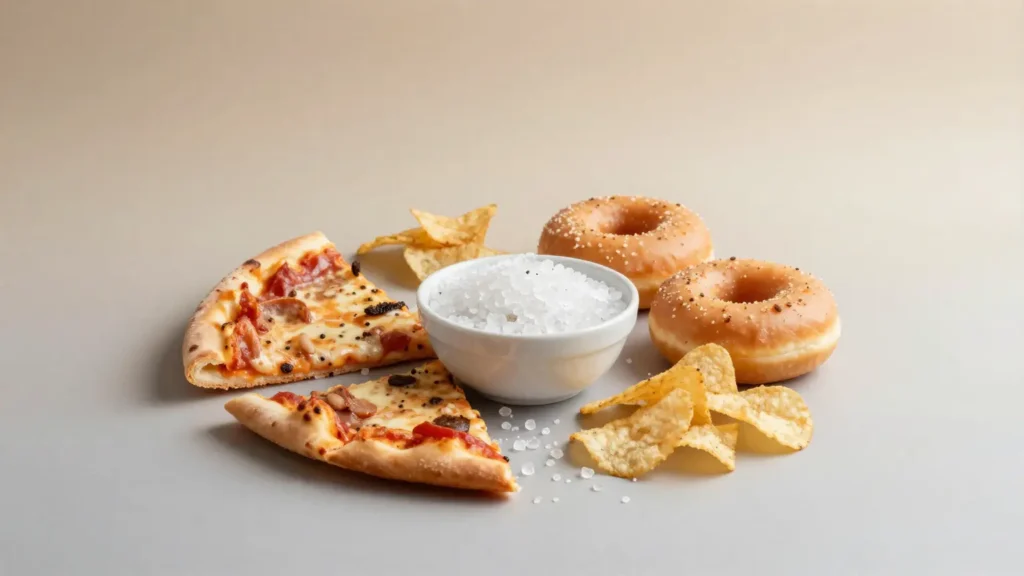
When embarking on any diet plan, it’s crucial to understand what foods are restricted or limited to ensure you’re following the guidelines correctly. For the Sensa diet, while there aren’t strict prohibitions on certain food groups like some other diets might have, there is an emphasis on avoiding highly processed and sugary foods.
The idea behind this recommendation is that these types of foods often lack the essential nutrients needed to support overall health and weight loss goals. Instead, Sensa encourages a diet rich in whole foods that are naturally satisfying and provide sustained energy throughout the day. This focus aligns with the broader principle of enhancing flavor to naturally reduce cravings for unhealthy snacks.
However, it’s important to note that while Sensa promotes its crystals as an easy solution, the real key lies in mindful eating. Users are encouraged to be aware of their body’s hunger cues and not to rely solely on the product to control appetite. This mindfulness can lead to a more intuitive approach to eating, where you pay attention to when your stomach is actually full rather than just stopping because the flavor has changed.
Did you know that the sense of smell can trigger memories and emotions as well as affect how much we eat? It’s one reason why certain smells might evoke nostalgic feelings or make us hungrier. This dual role of olfaction makes it a fascinating area for research in both psychology and nutrition.
As you consider integrating Sensa into your routine, remember that while the crystals may offer an interesting approach to appetite control, success ultimately depends on making healthier choices overall. The key is not just what you sprinkle but how you balance your meals with nutritious ingredients and mindful practices.
Nutritional Benefits and Potential Drawbacks of Following the Sensa Diet
The Sensa diet aims to provide a simple solution for individuals looking to lose weight without making drastic changes to their lifestyle, but its nutritional approach comes with both potential benefits and drawbacks.
Nutritional Benefits
One of the primary advantages of following the Sensa diet is that it encourages users to focus on whole foods rather than processed or sugary items. By emphasizing a balanced intake of fruits, vegetables, lean proteins, whole grains, dairy alternatives, and healthy fats, the diet plan aligns with general nutritional guidelines for health and weight loss. This holistic approach not only supports weight management but also contributes to overall wellness.
The use of flavor-enhancing crystals is intended to make meals more satisfying without adding significant calories or sugars typically found in conventional flavorings. According to Sensa, these crystals can heighten the natural flavors of foods, potentially reducing cravings for less healthy options and promoting a sense of fullness sooner during meals. This could indirectly lead users to consume fewer overall calories by enjoying their food more thoroughly.
Potential Drawbacks
However, there are several drawbacks associated with relying on Sensa crystals as a primary tool for weight loss. One major concern is the lack of rigorous scientific evidence supporting its efficacy. While some small studies suggest that enhancing flavors can reduce calorie intake, these findings have not been replicated in larger or more diverse populations. This uncertainty means that many nutritionists and medical experts remain skeptical about recommending Sensa to their clients.
Another potential issue lies in reliance on a single product for weight loss rather than adopting broader lifestyle changes. The core promise of the Sensa diet – that users can maintain significant weight loss without altering their eating habits or increasing physical activity – may set unrealistic expectations. While the crystals may offer temporary benefits, long-term sustainable weight loss often requires more comprehensive strategies, such as balanced nutrition and regular exercise.
Moreover, avoiding highly processed foods while following the Sensa diet is a positive aspect; however, this can be challenging for users accustomed to convenience meals or those who struggle with impulse control. The reliance on flavor enhancement might not address underlying issues of emotional eating or lack of portion control skills, which are critical components in sustained weight management.
Mindful Eating and Holistic Health
Perhaps the most significant consideration when evaluating the Sensa diet is whether it fosters mindful eating habits. While the crystals may temporarily enhance flavors and curb overeating, they do not inherently teach users how to listen to their body’s hunger cues or make informed food choices. True weight loss success often hinges on developing a deeper understanding of one’s relationship with food and learning to manage cravings in healthier ways.
In conclusion, while the Sensa diet offers some theoretical benefits, such as promoting whole foods over processed items and potentially reducing calorie intake through enhanced flavors, it also presents several challenges related to scientific validation and holistic health approaches. The effectiveness of the Sensa diet ultimately depends on individual commitment to balanced nutrition and sustainable lifestyle changes beyond just using flavor-enhancing crystals.
Did you know that some studies suggest a 20-minute wait before eating again can help reduce unnecessary snacking, demonstrating how small habits can significantly impact weight management?
As you weigh whether the Sensa diet is right for you, it’s essential to consider both its potential benefits and drawbacks. While enhancing flavors might provide temporary satisfaction, long-term success often requires more than just sprinkling crystals on your meals.
Sample Meal Plan for a Typical Day Using the Sensa Diet Approach
Incorporating the Sensa diet into your daily routine involves understanding how to balance meals while using flavor-enhancing crystals effectively. A typical day might look like this:
Breakfast: Start your day with a bowl of oatmeal topped with fresh berries and a sprinkle of Sensa crystals. The oats provide whole grains, which are rich in fiber and help keep you full for longer periods. Berries add natural sweetness and antioxidants without adding too many calories.
Lunch: For lunch, consider a salad packed with leafy greens like spinach or kale, along with an array of colorful vegetables such as cherry tomatoes, bell peppers, and cucumbers. Add grilled chicken breast or tofu for lean protein and sprinkle Sensa crystals over the top to enhance flavors naturally without additional dressing.
Snack: A mid-afternoon snack could be a handful of almonds paired with a small piece of fruit like an apple or banana. The nuts provide healthy fats and proteins, while the fruit offers natural sugars and fiber, making this combination both satisfying and nutritious.
Dinner: Dinner might consist of baked salmon served alongside quinoa and steamed broccoli. Salmon is rich in omega-3 fatty acids, which are great for heart health, while quinoa provides complete protein and additional fiber. A sprinkle of Sensa crystals on the fish can help make it more flavorful without needing extra sauces or seasonings.
Dessert: To indulge a little, you could finish your day with a dessert that incorporates Sensa’s flavor-enhancing properties, such as fruit slices drizzled with a small amount of dark chocolate. This combination offers natural sweetness from the fruit and antioxidants from the chocolate, both in moderate portions to avoid excess calories.
Each meal should be thoughtfully planned around whole foods and balanced macronutrients while using Sensa crystals sparingly to enhance flavors naturally. The goal is not just to lose weight but also to enjoy your meals and build sustainable eating habits that promote long-term health benefits.
Did you know that the sense of smell can trigger memories and emotions as well as affect how much we eat? It’s one reason why certain smells might evoke nostalgic feelings or make us hungrier. This dual role of olfaction makes it a fascinating area for research in both psychology and nutrition.
While Sensa crystals aim to enhance your dining experience, the real secret to successful weight loss may lie more in mindful eating practices than in any single product. By being aware of what you eat and why you choose certain foods, you can better manage your hunger cues and make healthier choices that stick with you long after your meal is over.
How Does the Sensa Diet Compare to Other Popular Diets Like Weight Watchers or Keto?
When considering different diet options, it’s crucial to evaluate how they stack up against well-known programs such as Weight Watchers and keto. These established diets offer varied approaches but are backed by more rigorous scientific research compared to Sensa.
Comparison with Weight Watchers
Weight Watchers has been a long-standing favorite among dieters due to its flexible point system, which assigns points to food based on nutritional value rather than calorie count alone. This approach encourages users to make healthier choices while still allowing for occasional indulgences within their daily allowances.
Key Differences:
- Approach: Weight Watchers focuses on behavioral changes and community support, whereas Sensa emphasizes a more passive use of flavor-enhancing crystals.
- Research Support: Weight Watchers has numerous studies validating its effectiveness in long-term weight loss and maintenance.
Comparison with Keto Diet
The keto diet, popular for rapid initial weight loss through drastically reducing carbohydrate intake and increasing fat consumption, stands out due to its strict regimen. This diet forces the body into a state of ketosis, where it burns stored fats as fuel rather than carbohydrates.
Key Differences:
- Complexity: The keto diet requires meticulous tracking of macronutrients and can be challenging to follow long-term. Sensa’s simplicity is appealing but lacks scientific backing for sustained results.
- Health Considerations: While the keto diet may have short-term benefits, it also raises concerns about potential negative effects like nutritional deficiencies and kidney stress.
A Holistic View
When comparing these diets, one can see that while Sensa offers an easy solution without lifestyle changes, other established diets provide more comprehensive strategies supported by robust research. The emphasis on whole foods in Weight Watchers and precise macronutrient control in keto are grounded in nutritional science and clinical evidence.
Questions for You: Have you tried any of these diets? What were your experiences like?
By understanding the strengths and limitations of each diet, consumers can make more informed decisions about which approach best suits their needs and lifestyles. While Sensa may seem convenient with its promise of effortless weight loss, it’s essential to weigh this against well-documented methods that offer sustainable results backed by scientific studies.
Did you know that the keto diet got its name from “ketosis,” a metabolic state where your body burns fat for fuel instead of carbohydrates? This unique physiological process is what makes the keto diet effective but also challenging to maintain.
The Bottom Line: Is the Sensa Diet Worth Considering?
While the Sensa diet promises a simple solution for weight loss without changing your lifestyle, its effectiveness remains highly questionable due to the lack of robust scientific evidence supporting its claims. The idea behind using flavor-enhancing crystals to control appetite and reduce calorie intake is intriguing but falls short when compared to established dietary methods backed by rigorous research. As you consider whether Sensa is right for you, it’s important to weigh the potential benefits against the need for sustainable lifestyle changes that include balanced nutrition and regular exercise. Remember, successful weight loss often depends on more than just a product; it requires mindful eating habits and long-term commitment to healthier choices.
Frequently Asked Questions (FAQ)
What is the Sensa diet and how does it work?
The Sensa diet involves sprinkling flavor-enhancing crystals on food, which are supposed to make you feel full faster. It claims that you can lose weight without changing your diet or exercise habits.
Does the Sensa diet require any specific foods or ingredients?
No specific foods are required for the Sensa diet; it encourages using their special flavoring powder with all types of meals. However, there’s no need to follow a strict food list beyond that.
Are there any long-term studies showing the effectiveness of the Sensa diet?
There aren’t any peer-reviewed studies confirming the long-term benefits or safety of the Sensa diet.
Is the Sensa diet safe for everyone, including people with health conditions?
Since it lacks medical approval and detailed research on its safety for individuals with specific health issues, caution is advised before starting this diet if you have underlying health problems.
How much weight can one expect to lose using the Sensa diet?
The company’s claims suggest losing up to 30 pounds in six months. However, these results are not supported by scientific evidence and may vary widely between individuals.
Is it possible to gain back lost weight after stopping use of Sensa products?
As with many diets lacking a sustainable approach, there’s a risk of regaining weight once the product is discontinued without lifestyle changes.
What ingredients does the Sensa powder contain?
The main ingredient in Sensa powder includes maltodextrin derived from corn and tricalcium phosphate. The exact flavors are not disclosed due to proprietary reasons but are listed as natural and artificial flavors.
Are there any negative side effects associated with using Sensa products?
While no severe adverse reactions have been widely reported, the lack of long-term studies means potential risks are unclear, especially concerning digestive issues or allergies to ingredients.
Has Sensa faced legal troubles related to their marketing claims?
Yes, Sensa has faced significant legal actions and fines for making unsubstantiated weight-loss claims in its advertising campaigns.
How does the cost of using Sensa products compare to other diet methods?
The expense can vary widely based on usage but generally tends to be higher compared to non-commercial dietary approaches that do not require purchasing proprietary products.