Introduction to the Shangri-La Diet

The Shangri-La Diet is a unique weight loss strategy that gained significant attention through Seth Roberts’ book, which became a New York Times bestseller in 2006. This diet challenges conventional wisdom by advocating for the consumption of flavorless substances like extra-light olive oil or unflavored sugar water at specific intervals throughout the day. The core idea behind the Shangri-La Diet is to break the link between calorie intake and taste satisfaction, leading to reduced overall food consumption without feeling deprived.
Imagine a world where your hunger cues are no longer triggered by the delightful aroma of freshly baked cookies or the sight of savory dishes. Seth Roberts discovered this concept through self-experimentation and observed that introducing bland foods at strategic times disrupts habitual eating patterns. By drinking a small amount of flavorless oil or sugar water an hour before or after meals, you allegedly reset your body’s hunger set point to lower levels, naturally leading to fewer calories consumed over time.
This diet has captured the imagination of many individuals seeking alternative and straightforward approaches to weight management. The allure lies in its simplicity: continue eating as usual but add a flavorless liquid at specific intervals. This unconventional method quickly spread through online communities where enthusiasts shared their experiences and claimed success, fueling curiosity about whether this approach truly works for everyone.
The Inspiration Behind the Shangri-La Diet
The inspiration behind the Shangri-La Diet stems from a series of personal observations and experiments conducted by Seth Roberts. Roberts noticed that his appetite decreased when he consumed foods or liquids with unfamiliar flavors. This discovery led him to explore how taste perception influences calorie intake and overall food consumption habits.
One pivotal moment for Roberts was when he observed that traveling to new countries where the local cuisine tasted different from what he was accustomed to resulted in reduced cravings for familiar, high-calorie snacks. This observation prompted him to hypothesize that breaking the association between flavor and satiety could lead to weight loss.
In his book, Roberts shares anecdotes about how adding small amounts of flavorless oil or unflavored sugar water to his daily routine helped lower his body’s desire for food without diminishing satisfaction from meals. He posited that by decoupling taste from caloric content, individuals can eat less overall while still enjoying their regular meals.
This innovative approach attracted many curious dieters, who were intrigued by the idea of losing weight without feeling deprived or sacrificing enjoyment at mealtimes. The Shangri-La Diet promised a way to reset one’s internal hunger signals through simple yet unconventional means, making it particularly appealing to those looking for alternative methods beyond traditional dieting.
Interestingly, Roberts’ journey didn’t just involve dietary experimentation but also ventured into other areas like sleep optimization and mood enhancement, where he similarly applied self-experimentation techniques. This holistic approach to health and wellness contributed significantly to his credibility among early adopters of the Shangri-La Diet.
Seth Roberts was known for meticulously tracking various aspects of his daily life using spreadsheets, logging everything from food intake to sleep patterns in an effort to understand how different variables influenced his overall well-being.
What is the Science and Theory Behind the Shangri-La Diet?
The Shangri-La Diet operates on several key principles that attempt to explain how flavorless oil or unflavored sugar water can lead to weight loss. According to Seth Roberts, the diet challenges the conventional wisdom that all calories contribute equally to satiety and weight gain.
One central theory behind the Shangri-La Diet is the idea of calorie partitioning, which suggests that not all calories are treated the same by our bodies. When you consume flavorless oil or sugar water, your brain does not associate these substances with any particular taste or food type. As a result, these bland caloric inputs do not trigger the usual hormonal responses like insulin release or leptin signaling that typically accompany meals.
Leptin is a hormone that regulates energy balance and plays a crucial role in appetite suppression; however, flavorless oil does not stimulate leptin production effectively. This means that your body doesn’t get the same signals to feel full from these bland calories as it would from food with taste and texture. Consequently, you may eat less during subsequent meals, leading to reduced overall calorie intake.
Moreover, the diet proposes that our bodies have a natural set point for maintaining weight – a default level of fat storage that we tend to return to after deviations. Roberts hypothesized that this set point is influenced by long-term dietary habits and can be reset through consistent consumption of flavorless calories. By regularly ingesting bland substances, you effectively teach your body to require fewer calories to feel satisfied, thereby lowering your overall caloric needs.
The Role of Taste in Hunger Regulation
Understanding the role taste plays in hunger regulation is crucial to grasping how the Shangri-La Diet works. Our senses of smell and taste are highly interconnected with our brain’s reward system, which triggers feelings of satisfaction and pleasure when we eat food. This system can become accustomed to specific flavors, leading us to crave particular foods or drinks repeatedly.
When you consume bland substances like flavorless oil, your body doesn’t activate the same complex response that it would for more flavorful items. This absence of a strong sensory signal means that your brain isn’t triggered into demanding immediate satisfaction with food. Instead, you may find yourself eating less at meal times because your body isn’t expecting to be gratified in the usual way.
Interestingly, this approach contrasts sharply with diets that focus on restricting specific types of foods or reducing overall caloric intake. By not imposing strict limitations but rather focusing on disrupting established patterns through bland calories, the Shangri-La Diet aims to create a more sustainable and psychologically less stressful weight loss solution.
The Psychological Impact
Beyond the physiological effects, the Shangri-La Diet also has psychological implications that contribute to its purported benefits. Consuming flavorless oil or sugar water can serve as an effective tool for mindfulness eating, helping individuals become more aware of their actual hunger cues rather than emotional cravings.
By decoupling taste from caloric intake, dieters are encouraged to focus on the intrinsic satisfaction of meals, which might otherwise be overshadowed by habitual desires. This shift in perspective helps people tune into true physiological needs instead of succumbing to conditioned responses driven purely by flavor and texture.
Moreover, the simplicity of adding flavorless oils or sugar water at specific times can create a sense of control over one’s eating habits without feeling restricted. Many individuals report finding this approach less daunting compared to traditional diets that limit certain foods entirely. This perceived ease often translates into better adherence, which is crucial for long-term success in any weight loss endeavor.
Did you know that the concept of a flavorless diet actually predates Seth Roberts’ Shangri-La Diet? Variations of this idea have appeared throughout history, including ancient practices where monks consumed bland foods to achieve spiritual and physical purity.
Recommended Food Groups for the Shangri-La Diet
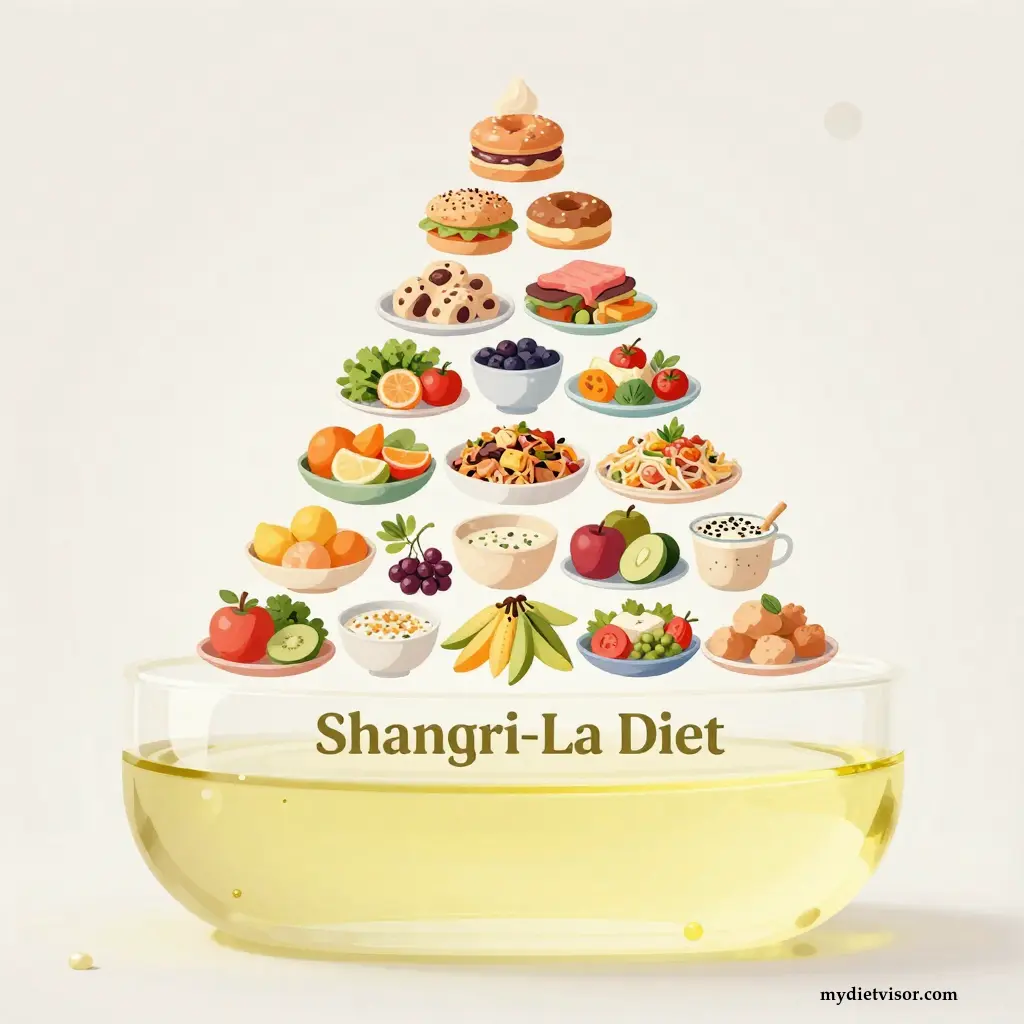
When following the Shangri-La Diet, it’s important to understand that the focus is not on what you eat but rather when and how you incorporate flavorless substances. The diet recommends consuming your usual meals without restrictions, as long as these meals are balanced and nutritious.
Protein-rich foods like lean meats, fish, eggs, legumes, and dairy products should remain staples in your diet to ensure that you get sufficient amino acids necessary for muscle maintenance and repair. These proteins not only provide essential nutrients but also help regulate appetite and keep you full longer.
Similarly, including a variety of fruits and vegetables is crucial because they offer vitamins, minerals, fiber, and antioxidants that are vital for overall health. These foods should be consumed regularly to support immune function, digestion, and cardiovascular health while contributing to satiety through their high water content and fiber.
Whole grains like brown rice, quinoa, oats, and whole wheat bread can also play a significant role in your diet plan. They provide sustained energy throughout the day due to their complex carbohydrate structure and are rich in B vitamins and minerals essential for metabolism.
Healthy fats from sources such as avocados, nuts, seeds, and olive oil should still be part of your meal choices outside the times when you consume flavorless oil or sugar water. These fats contribute to brain health, hormone production, and cell membrane integrity, making them indispensable despite their caloric content.
The diet emphasizes flexibility in food choice but stresses the importance of consistency with the flavorless component. By focusing on nutrient-dense foods while integrating bland calories strategically, you can create a balanced approach that aligns with both weight loss goals and overall well-being.
Despite its unconventional methods, the Shangri-La Diet has attracted attention from individuals who are fascinated by innovative approaches to health and wellness, leading to numerous online communities dedicated to sharing experiences and insights.
Forbidden or Limited Foods on the Shangri-La Diet
Despite the apparent flexibility in food choices that the Shangri-La Diet offers, there are certain guidelines to consider. Seth Roberts did not advocate for a strict list of forbidden foods, but he did emphasize the importance of consistency with the flavorless component and avoiding overly familiar flavors right before or after consuming bland calories.
Avoiding highly palatable snacks and drinks immediately before or after your designated times for flavorless oil or sugar water is crucial. Eating sweet treats, salty chips, or strongly flavored meals just an hour away from when you ingest the bland substances can negate their intended effect. Your brain quickly associates these flavors with the need to consume more calories, undermining the diet’s primary objective of decoupling taste from caloric intake.
Moreover, while the Shangri-La Diet encourages a generally healthy and balanced diet outside the specific times for flavorless consumption, it is important not to overthink your food choices. The key is to maintain regular eating habits with minimal stress about what you are consuming. This approach contrasts sharply with traditional diets that often involve strict rules on certain foods or macronutrient ratios.
It’s also advisable to avoid drinking large amounts of flavored beverages around these critical times, such as sodas, fruit juices, and coffee with sugar and cream. These drinks can trigger strong cravings and disrupt the diet’s intended impact by overstimulating your taste buds and appetite regulation mechanisms.
In essence, while there are no rigid dietary restrictions in place for most foods during regular meal times on the Shangri-La Diet, being mindful of what you eat at specific intervals is essential to achieve its proposed benefits. This mindful consumption helps ensure that you do not inadvertently undermine the effectiveness of your diet plan.
Interestingly, some proponents of the Shangri-La Diet have found success by incorporating flavorless oil or sugar water into their daily routine alongside other healthy habits like regular exercise and stress management techniques, suggesting a holistic approach might yield better results.
Nutritional Benefits of Following the Shangri-La Diet
While the primary goal of the Shangri-La Diet is weight loss, following this unconventional approach can also offer several nutritional benefits. One key advantage is encouraging mindful eating, a practice that involves paying close attention to your body’s hunger and fullness cues rather than relying solely on taste for satisfaction.
By decoupling flavor from caloric intake, the Shangri-La Diet helps individuals become more attuned to their actual physical needs instead of emotional or habitual cravings. This heightened awareness can lead to better food choices over time as you learn to distinguish between true hunger and boredom eating.
Another potential benefit is improved satiety due to reduced overall calorie consumption without feeling deprived. When your body isn’t constantly triggered by the flavor cues associated with certain foods, it may naturally demand fewer calories for satisfaction. This can result in a more balanced diet as you tend to eat just enough to meet your physiological needs rather than overeating out of habit or taste preference.
Furthermore, adhering to the Shangri-La Diet often involves maintaining healthy eating habits outside of the specific times when flavorless oil or sugar water is consumed. Balanced meals rich in proteins, fruits, vegetables, whole grains, and healthy fats continue to provide essential nutrients necessary for optimal health while contributing to sustained energy levels.
For instance, including a variety of colorful produce ensures you get a broad spectrum of vitamins and minerals that support immune function and cellular health. Similarly, choosing lean protein sources helps maintain muscle mass and aids in recovery after physical activities.
While the Shangri-La Diet does not explicitly dictate meal composition beyond the inclusion of flavorless substances at designated times, maintaining a well-rounded diet can enhance its effectiveness by ensuring your body receives all necessary nutrients for long-term wellness.
In summary, following the Shangri-La Diet not only aims to reduce weight but also fosters better eating habits that promote overall nutritional health. By focusing on taste neutrality and mindful consumption patterns, you may find yourself making more informed dietary choices that benefit both short-term goals and long-term well-being.
A fun fact about the Shangri-La Diet is that it has inspired a subculture of self-experimentation enthusiasts who apply similar principles to other areas of life beyond just dieting, such as sleep optimization and mood enhancement, further extending its influence on holistic health practices.
Potential Drawbacks and Concerns with the Shangri-La Diet
While the Shangri-La Diet presents a novel approach to weight loss, it is not without potential drawbacks and concerns. One significant issue is the lack of substantial scientific evidence supporting its efficacy. The diet has garnered attention largely through anecdotal reports and personal testimonials rather than rigorous clinical trials or peer-reviewed studies.
Another concern revolves around the safety and long-term effects of consuming large amounts of flavorless oil, which can be high in fat content. Olive oil, for instance, while generally considered healthy due to its monounsaturated fats, should still be consumed in moderation to avoid excessive calorie intake and potential cardiovascular risks. For individuals with certain medical conditions or dietary restrictions, such as those dealing with fat malabsorption issues or lipid disorders, the diet might pose significant health risks.
Moreover, the Shangri-La Diet’s reliance on breaking habitual eating patterns through flavorless substances can be challenging for some people to adhere to consistently. The method requires strict adherence to specific timing and consistency, which can be difficult to maintain long-term. Many dieters find that the initial excitement of trying a new approach fades over time as they face practical challenges such as remembering when to consume the bland oils or sugar water.
Another potential drawback is the diet’s impact on nutrient intake. By focusing primarily on the timing and type of calories consumed rather than the overall nutritional balance, there’s a risk of overlooking essential vitamins and minerals that are crucial for health. For example, relying solely on flavorless oil as an additional source of calories may lead to deficiencies in other nutrients necessary for optimal bodily functions.
Finally, the psychological aspect of the diet might be problematic for some individuals who struggle with disordered eating patterns or have a history of restrictive diets leading to binge-eating episodes. The Shangri-La Diet’s approach could inadvertently trigger negative associations with food and body image if not managed carefully alongside therapeutic support.
In essence, while the concept behind the Shangri-La Diet is intriguing and has attracted many curious dieters looking for innovative solutions, it comes with notable risks that must be considered. Ensuring a balanced diet rich in essential nutrients and seeking medical advice before embarking on any significant dietary changes remains crucial to achieving both short-term goals and long-term health benefits.
A key question to ponder is whether the psychological impact of consuming bland substances might inadvertently create an unhealthy relationship with food for some individuals, potentially leading to obsessive behaviors around eating.
Sample Meal Plan to Start Your Journey with the Shangri-La Diet
Embarking on the Shangri-La Diet involves integrating flavorless oil or sugar water into your routine while maintaining a balanced diet. Here’s a sample meal plan to help you get started:
Breakfast:
- Oatmeal topped with sliced bananas and a dollop of almond butter.
- A glass of unflavored sugar water one hour before breakfast.
Mid-Morning Snack:
- An apple or a handful of mixed nuts.
- Small amount of flavorless oil (about 1 tablespoon) one hour after the snack.
Lunch:
- Grilled chicken breast with steamed broccoli and quinoa.
- A glass of unflavored sugar water one hour before lunch.
Afternoon Snack:
- Greek yogurt with a sprinkle of cinnamon.
- Small amount of flavorless oil (about 1 tablespoon) one hour after the snack.
Dinner:
- Baked salmon with roasted sweet potatoes and green beans.
- A glass of unflavored sugar water one hour before dinner.
By incorporating these bland substances at specific times, you aim to reset your body’s hunger cues without feeling deprived. It is crucial to avoid consuming highly palatable snacks around the designated times for flavorless oil or sugar water to maintain its intended effect on reducing overall calorie intake.
Adhering to this meal plan can help establish a routine that aligns with the principles of the Shangri-La Diet, promoting weight loss through mindful eating and decoupling taste from caloric consumption. Remember, consistency is key in achieving long-term success.
A fun fact about the Shangri-La Diet is that some individuals have reported not only weight loss but also improved mood and better sleep quality after integrating bland calories into their daily routine, highlighting the potential holistic benefits of this unconventional approach.
Alternative Diets Similar to the Shangri-La Diet: Exploring Other Options
The Shangri-La Diet offers a unique approach by focusing on decoupling taste from caloric intake. However, there are other diets that share similar principles or address weight loss through unconventional methods. Let’s explore some of these alternatives:
Intermittent Fasting (IF)
Intermittent fasting involves cycling between periods of eating and fasting. One popular method is the 16/8 approach, where individuals fast for 16 hours daily and consume all their meals within an eight-hour window. This diet shares similarities with the Shangri-La Diet in that both aim to disrupt habitual eating patterns.
How It Works:
- Timing: IF focuses on when you eat rather than what or how much.
- Benefits: Reduces overall calorie intake, improves metabolic flexibility, and can help regulate blood sugar levels.
Mindful Eating
Mindful eating encourages individuals to pay close attention to their body’s hunger and fullness cues. This practice helps in making healthier food choices by listening to your body rather than relying on external factors such as taste or emotional triggers.
How It Works:
- Awareness: Focuses on the sensory experience of food.
- Benefits: Enhances self-awareness, improves digestion, and can lead to reduced calorie intake without feeling deprived.
The 5:2 Diet
The 5:2 diet is a form of intermittent fasting where individuals eat normally for five days of the week and restrict their calorie intake to around 600 calories on two non-consecutive days. This method challenges traditional dietary habits by reducing overall weekly caloric consumption through focused periods of restriction.
How It Works:
- Calorie Restriction: Lowers total weekly caloric intake.
- Benefits: Promotes weight loss, improves metabolic health, and can lead to better eating patterns over time.
The Flavorless Diet
Similar in concept to the Shangri-La Diet but less widely known is a flavorless diet where bland foods are consumed without any added flavors. This method aims to reduce overall food intake by minimizing taste satisfaction.
How It Works:
- Taste Neutrality: Consumes neutral-tasting meals.
- Benefits: Reduces calorie intake, promotes mindful eating, and can help break habitual overeating patterns.
Liquid Meal Replacement Diets
These diets involve replacing one or more daily meals with liquid meal replacements such as shakes or soups. These liquids are often flavor-neutral, which aligns with the idea of consuming bland substances to manage hunger cues effectively.
How It Works:
- Substitution: Replaces solid meals with low-calorie liquids.
- Benefits: Easy to follow, can help reduce calorie intake significantly, and promotes a sense of fullness through high fiber or protein content in meal replacements.
The Reset Diet
This diet involves eliminating all processed foods for two weeks while consuming only whole foods. After the reset period, individuals gradually reintroduce processed foods back into their diets under strict guidelines to avoid triggering cravings or overeating.
How It Works:
- Detoxification: Eliminates triggers and resets eating habits.
- Benefits: Helps in identifying food sensitivities, reduces inflammation, and can lead to weight loss through improved digestion and nutrient absorption.
Comparing the Shangri-La Diet with Other Alternatives
| Diet | Key Principle | How It Works |
|---|---|---|
| Shangri-La Diet | Decoupling taste from calories | Consumes bland oils/sugar water to reset hunger cues. |
| Intermittent Fasting | Focusing on timing | Restricts eating windows to reduce overall calorie intake. |
| Mindful Eating | Paying attention to body signals | Listens closely to internal cues for eating decisions. |
| 5:2 Diet | Calorie restriction | Lowers weekly caloric consumption through fasting days. |
These alternative diets offer various methods to manage weight and improve overall health, each addressing different aspects of habitual eating behaviors. While the Shangri-La Diet focuses on disrupting taste associations with food intake, other diets tackle similar issues through varied approaches such as meal timing, mindful awareness, or caloric restriction.
Exploring these options can provide individuals with a range of strategies to find what works best for them in their journey towards healthier living and weight management.
Conclusion on the Shangri-La Diet: Weighing Pros and Cons
The Shangri-La Diet offers a novel approach to weight loss by advocating for the consumption of flavorless substances at specific times throughout the day to disrupt habitual eating patterns. While proponents claim that this method can help individuals eat less without feeling deprived, there are significant concerns regarding its effectiveness and safety. The diet’s lack of substantial scientific evidence leaves many skeptical about its long-term benefits and potential risks. However, for those intrigued by unconventional methods, the Shangri-La Diet presents an interesting avenue to explore mindful eating and disrupting unhealthy food associations.
Ultimately, whether the Shangri-La Diet works may depend more on individual commitment and the psychological impact of adopting a new approach rather than any unique biological mechanisms. As with many dietary strategies, consistency is key, but it’s essential to consider personal health needs and consult medical professionals before making significant changes to one’s diet.
Frequently Asked Questions (FAQ)
What is flavorless food in the Shangri-La diet?
Flavorless food includes items like extra-light olive oil or canola oil and unflavored sugar water. These foods should be consumed without any taste, usually between meals.
Does the Shangri-La diet really help with weight loss?
The Shangri-La diet claims to promote weight loss by lowering your set point through consuming flavorless calories. However, it has not been extensively peer-reviewed scientifically.
How much flavorless food should I consume daily on this diet?
You are advised to take 100-400 calories of flavorless food each day outside regular meal times for appetite suppression and weight loss.
Can you eat anything else while following the Shangri-La diet?
Yes, you can still enjoy your normal meals but need to consume flavorless food one hour before or after these meals.
What foods should I avoid on this diet?
Foods with strong flavors that typically correlate with high calorie content, like fast food and donuts, are less ideal according to the theory behind the Shangri-La Diet.
Are there any risks associated with using flavorless oil in your diet?
Some concerns include nutritional imbalance or digestive issues if not balanced properly with regular meals. Always consult a healthcare professional before starting a new diet.
How long does it take to see results from this diet?
The diet claims weight loss at about one pound per week, but individual results may vary based on adherence and personal metabolism.
Why is olive oil used in the Shangri-La diet instead of other oils?
Extra-light olive oil or canola oil are often suggested due to their neutrality in taste and potential benefits for lowering your set point.
Is there any scientific evidence supporting the Shangri-La diet theory?
While the diet draws from Pavlovian psychology and animal studies, it has not undergone rigorous peer-reviewed human clinical trials as of yet.
What should I do if I don’t lose weight on this diet?
Consult a healthcare provider to explore other dietary options or underlying health issues that may affect your body’s response to calorie intake.