What Are Lectins? Are Lectins Good or Bad for People?
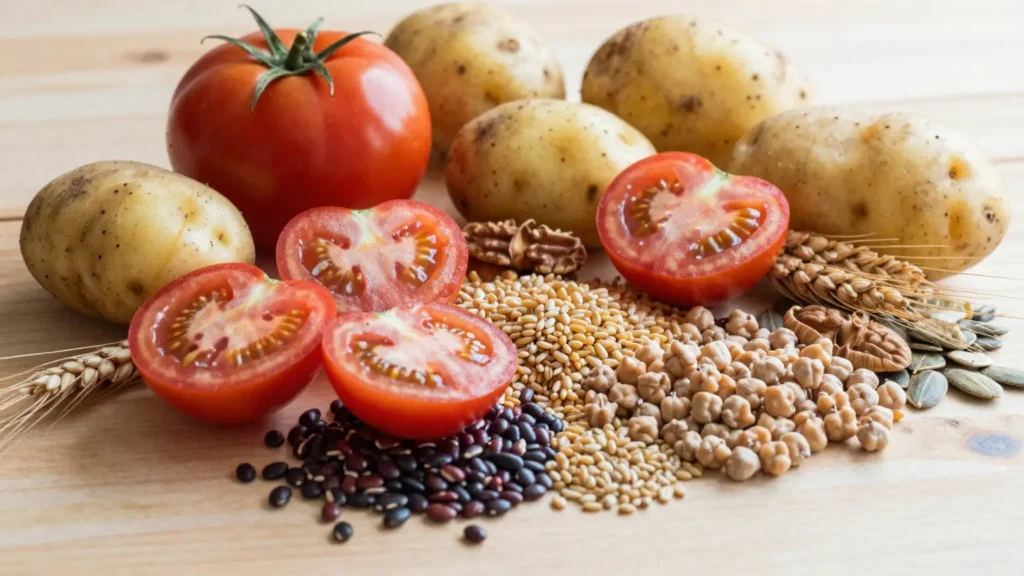
Lectin-free diet has become a popular dietary trend, promising various health benefits by eliminating lectins from your meals. But what exactly are lectins, and should you worry about them? Lectins are proteins found in many plant-based foods, playing roles that range from supporting cell development to enhancing immune responses. They’re ubiquitous in our diets, appearing in approximately 30% of the food we eat daily.
When considering whether lectins are good or bad for people, it’s essential to understand their impact on health and digestion. While most lectins don’t cause significant harm when consumed in moderation, some can be problematic – especially for individuals with pre-existing digestive issues. For example, improperly cooked beans and legumes contain high levels of lectins that can interfere with nutrient absorption if not prepared correctly.
To add to the complexity, certain types of lectins, like those found in castor beans or raw red kidney beans, are indeed toxic. However, these cases are rare when proper cooking methods are employed. Cooking techniques such as boiling and soaking help neutralize harmful effects, making many high-lectin foods safe for consumption.
Understanding the nuances of lectins can guide you in deciding whether a lectin-free diet is necessary for your health journey. While proponents argue that eliminating lectins improves overall well-being by addressing issues like weight gain, there’s limited scientific evidence supporting these claims. In fact, cutting out entire food groups rich in essential nutrients might do more harm than good.
Would learning more about the benefits and risks of a lectin-free diet help you make an informed decision?
Digestion and Absorption of Lectins
When you consume foods containing lectins, your digestive system encounters these proteins in the stomach and small intestine. Here’s how they interact with your body:
- Binding to Cells: Lectins can bind to cells lining the gut wall. This binding can interfere with normal digestion by preventing proper nutrient absorption.
- Impact on Gut Health: Continuous consumption of lectins, especially without proper cooking or for individuals sensitive to them, might lead to inflammation and irritation in the digestive tract.
Cooking Methods Matter
The key to mitigating harmful effects lies in how you prepare your meals. Here’s why cooking matters:
- Neutralizing Lectins: Techniques like boiling, soaking, and fermenting help break down lectins, making them less problematic for digestion.
- Common Practices: Most traditional culinary methods naturally reduce the concentration of lectins, ensuring that even high-lectin foods can be safely included in your diet.
Personal Experience with Lectins
Imagine this: you’ve been eating beans regularly but notice bloating and discomfort. This could indicate an issue with how well your body handles lectins found in these legumes. Cooking them properly should resolve most issues, yet some individuals might need to monitor their intake more closely due to personal sensitivity.
Considering Your Diet Choices
As you navigate dietary choices, consider the broader implications of eliminating entire food groups like grains and legumes. While the thought of a lectin-free diet may seem appealing, it’s important to weigh the potential benefits against the risks:
- Nutritional Balance: Foods rich in lectins also offer essential nutrients such as fiber, protein, vitamins, and minerals.
- Long-Term Adherence: A restrictive diet can be challenging to follow consistently over time. This might lead to nutritional imbalances or unhealthy eating patterns.
Making an Informed Decision
Understanding how lectins interact with your body is crucial in deciding whether a lectin-free diet suits you. Take stock of your dietary habits, listen to how your body responds, and consult with healthcare professionals for personalized advice.
Toxicity Concerns Related to Lectins
Lectins can indeed pose serious health risks if not handled properly. Here are some important points to consider:
- High-Risk Lectins: Certain types, like ricin from castor beans and phytohemagglutinin in raw red kidney beans, are extremely dangerous. These lectins can cause severe symptoms such as nausea, vomiting, diarrhea, and even death if ingested improperly.
- Risks Are Manageable: Proper cooking techniques greatly reduce the risks associated with high-lectin foods. Boiling legumes thoroughly or soaking them overnight helps deactivate harmful lectins.
Personal Experiences
Consider a scenario where someone frequently eats raw sprouted beans without proper preparation and notices severe digestive issues, such as cramping and diarrhea. This reaction is often due to uncooked lectins interfering with normal digestion and causing inflammation in the gut lining.
Understanding your body’s response to different foods can help you tailor your diet accordingly. If you experience persistent discomfort after eating certain legumes or grains, it might be worth investigating how you prepare these foods.
Cooking Techniques for Safety
Cooking methods like boiling, soaking, sprouting, and fermenting are crucial in reducing lectin levels:
- Boiling: The most effective method to neutralize harmful lectins. Boil beans thoroughly until they’re soft.
- Soaking: Soak beans overnight before cooking to reduce their lectin content significantly.
- Fermentation: Fermenting foods like soybeans (to make tempeh) can also break down lectins, making them safer for consumption.
Weighing the Risks
While some individuals might benefit from reducing lectin intake due to digestive sensitivities, it’s important to balance this with nutritional needs:
- Nutritional Benefits: Many high-lectin foods are rich in essential nutrients like fiber and protein.
- Dietary Diversity: Cutting out entire food groups can lead to deficiencies unless carefully managed.
Consultation with Professionals
Before adopting a lectin-free diet, it’s wise to consult healthcare professionals who can provide personalized advice based on your health history:
- Nutritional Guidance: Registered dietitians or nutritionists can help you maintain a balanced diet while minimizing lectins.
- Medical Advice: Doctors may recommend specific dietary changes if you have pre-existing conditions like celiac disease or inflammatory bowel syndrome.
By understanding the nuances of lectin toxicity and proper cooking techniques, you can make informed decisions about incorporating high-lectin foods into your diet safely.
Weight Gain Claims and Reality
The claim that lectins cause weight gain is one of the most popular arguments for adopting a lectin-free diet. Proponents argue that lectins interfere with hormone regulation, metabolism, and insulin production, leading to increased fat storage and difficulty in losing weight. However, this claim lacks substantial scientific backing.
- Lectins and Hormones: Lectins are not known to directly influence hormones responsible for regulating appetite or metabolism.
- Insulin Impact: While some lectins can mimic insulin receptors, the effect is minimal compared to dietary carbohydrates, which have a much stronger impact on blood sugar levels and insulin secretion.
Reality Behind Weight Gain
The reality behind weight gain often lies in overall diet quality rather than specific food components like lectins. Here’s what you need to consider:
- Caloric Intake: Excessive calorie consumption is the primary driver of weight gain, regardless of lectin content.
- Nutrient Balance: High-lectin foods are rich sources of fiber and protein, which can help in feeling full and maintaining a healthy weight.
Personal Experience with Weight Gain
Imagine someone cutting out all legumes and grains from their diet based on the belief that lectins cause weight gain. If this person then experiences significant changes in their eating habits, leading to reduced overall food intake and better calorie management, they might attribute their weight loss to avoiding lectins. However, it’s more likely due to a reduction in total caloric consumption rather than an inherent property of lectin-rich foods.
Balancing Nutrients and Weight
High-lectin foods like legumes and whole grains are vital for maintaining a healthy weight because:
- Fiber Content: Helps control appetite and promotes satiety.
- Protein Intake: Essential for muscle maintenance, which boosts metabolism.
By focusing on these nutritional benefits rather than eliminating entire food groups, you can better manage your weight while ensuring adequate nutrition.
Recommended Food Groups in a Lectin-Free Diet
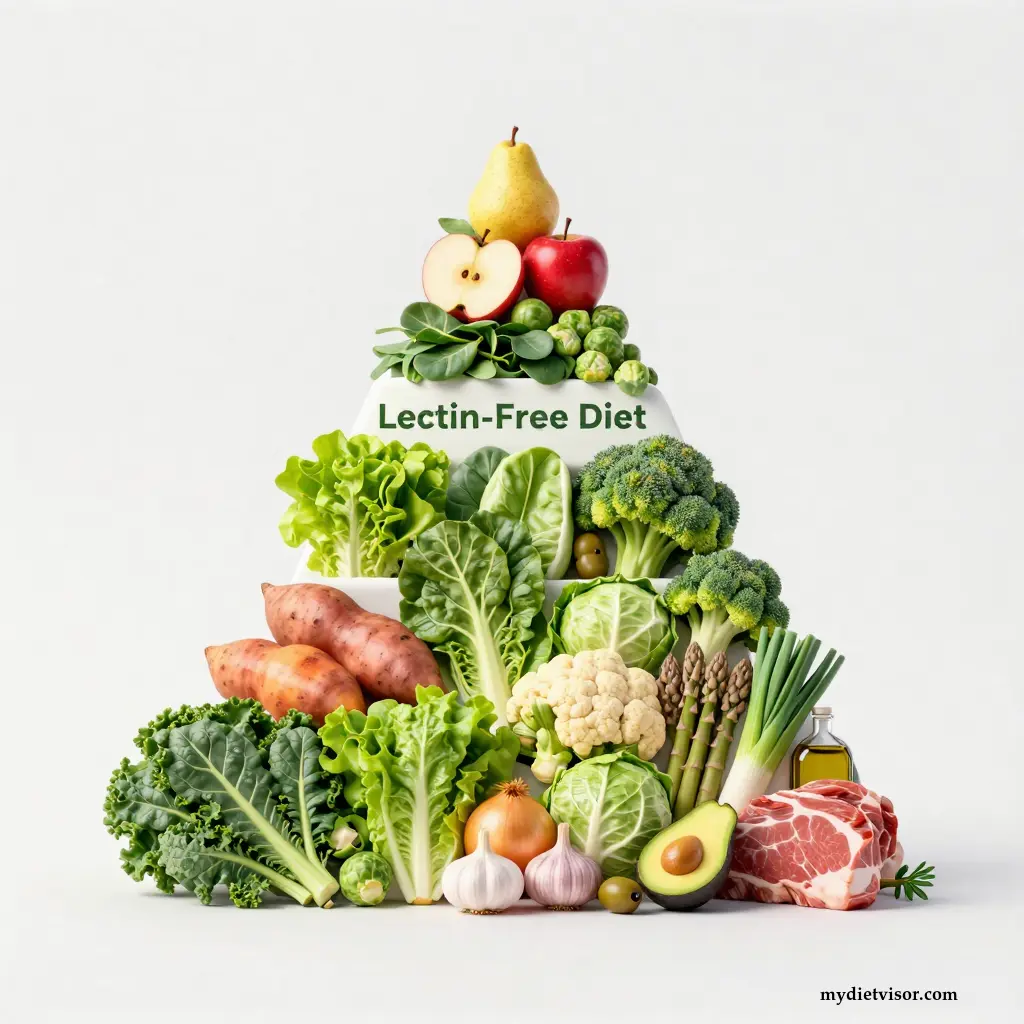
If you’re considering a lectin-free diet, understanding which foods to include and exclude can be overwhelming. Here’s a breakdown of what you should focus on:
- Animal Proteins: Meat, poultry, fish, eggs, and dairy are generally safe as they contain little to no lectins. Opt for lean cuts and incorporate a variety of protein sources.
- Vegetables: Stick with low-lectin options such as leafy greens (spinach, kale), broccoli, cauliflower, zucchini, and bell peppers. These provide essential vitamins and minerals without the lectin risk.
Fruits to Include
While many fruits are off-limits in a strict lectin-free diet, there are still some safe choices:
- Avocados: Rich in healthy fats, avocados are low in lectins and can be a great addition.
- Berries: Berries like strawberries, blueberries, and raspberries are allowed since they contain fewer lectins compared to other fruits.
Nuts and Seeds
Some nuts and seeds are safe to consume:
- Pumpkin and Sunflower Seeds: These seeds are lower in lectin content compared to others.
- Almonds (Soaked): Soaking almonds helps reduce their lectin levels, making them safer for consumption.
Cooking Tips for Safety
When preparing meals on a lectin-free diet, here’s what you need to know:
- Thorough Cooking: Boiling and soaking beans and grains before cooking can significantly lower lectin content.
- Avoid Raw Consumption: Never eat legumes or grains raw as they contain higher levels of harmful lectins.
Personal Considerations
As you adapt your diet, it’s crucial to pay attention to how different foods affect your body:
- Listen to Your Body: If you notice digestive issues after eating certain foods, it might indicate a sensitivity to their lectin content.
- Gradual Changes: Introduce new foods slowly and monitor any changes in symptoms. This can help identify specific triggers.
Maintaining Nutritional Balance
While eliminating high-lectin foods, it’s important not to sacrifice overall nutritional balance:
- Supplement Wisely: If you eliminate entire food groups, consider supplements or fortified products to ensure adequate intake of essential nutrients.
- Consult Professionals: A registered dietitian can provide personalized advice on maintaining a balanced diet while adhering to a lectin-free regimen.
By carefully selecting your foods and following proper preparation methods, you can follow a lectin-free diet safely and effectively. Remember, making informed choices about what you eat is key to long-term health benefits.
Forbidden or Limited Foods on the Lectin-Free Diet
When embarking on a lectin-free diet, certain foods become off-limits or highly restricted due to their high lectin content. Here’s what you need to know about which foods to avoid and why:
- Nightshade Vegetables: Tomatoes, potatoes (especially white potatoes), peppers, eggplants, and bell peppers are excluded because they contain solanine, a type of lectin.
- Legumes: Beans, lentils, chickpeas, soybeans, and peanuts must be avoided or cooked extensively to make them safe for consumption. Raw legumes can cause severe digestive distress due to their high lectin content.
Grains
Grains like wheat, barley, oats, rice, and corn are often restricted in a lectin-free diet because they contain significant amounts of gluten and other lectins that may irritate the gut lining.
- Wheat: Contains gliadin, a type of lectin linked to inflammatory responses.
- Oats: Often contaminated with wheat during processing but also naturally contain avenins, which can be problematic for some individuals.
Fruits
While fruits are generally considered healthy, certain fruits like bananas and citrus fruits must be limited due to their lectin content. Avocados and berries are safer choices in this diet plan.
- Bananas: Contain high levels of chitin-binding proteins that act similarly to lectins.
- Citrus Fruits: Oranges, lemons, and grapefruits contain hesperetin, a compound with lectin-like properties.
Nuts and Seeds
Many nuts and seeds are high in lectins and should be avoided or consumed sparingly. However, some exceptions exist:
- Pumpkin and Sunflower Seeds: These are lower in lectin content compared to other types like peanuts.
- Almonds (Soaked): Soaking almonds for several hours before consumption can help reduce their lectin levels.
Dairy Products
While dairy is generally allowed on a lectin-free diet, certain products may still contain traces of lectins due to cross-contamination or processing methods:
- Cheese and Yogurt: Look for pasteurized products from grass-fed cows to minimize exposure.
- Milk: Avoid milk from non-grass-fed sources as it might have higher levels of environmental contaminants.
Personal Considerations
Everyone’s body reacts differently to lectins, so it’s important to listen to your own experiences:
- Digestive Sensitivity: If you notice bloating or discomfort after eating certain foods, they may contain harmful lectin levels for you.
- Gradual Elimination: Start by removing one food group at a time and observe any changes in symptoms. This method helps identify specific triggers.
Nutritional Balance
Eliminating entire food groups can lead to nutritional deficiencies if not managed properly:
- Supplement Wisely: If you cut out major food categories like grains or legumes, consider supplements for essential nutrients such as iron, zinc, and fiber.
- Dietitian’s Advice: A professional dietitian can provide tailored advice on maintaining a balanced diet while following a lectin-free regimen.
By understanding which foods are restricted in a lectin-free diet, you can make more informed choices that align with your health goals. However, it’s crucial to consult healthcare professionals before making drastic dietary changes to ensure nutritional adequacy and overall well-being.
Nutritional Benefits and Drawbacks of Following a Lectin-Free Diet
When considering a lectin-free diet, it’s important to evaluate its impact on your overall nutritional intake. Here are some key points to consider:
- Essential Nutrients: High-lectin foods like legumes, grains, fruits, vegetables, and nuts offer crucial nutrients such as fiber, protein, vitamins, and minerals.
- Fiber Benefits: Many lectin-rich foods are high in fiber, which aids digestion, helps control blood sugar levels, and promotes heart health.
Nutritional Drawbacks of Elimination
Eliminating entire food groups can lead to nutritional imbalances:
- Vitamin Deficiencies: Grains and legumes provide essential B vitamins, iron, zinc, and magnesium. Removing them entirely might result in deficiencies.
- Protein Sources: Legumes are a primary source of plant-based protein for vegetarians and vegans. Cutting out these foods can make it harder to meet daily protein requirements.
Personalized Approach
It’s crucial to approach dietary changes thoughtfully:
- Consult Professionals: Before making significant changes, speak with healthcare providers who can guide you based on your health history.
- Monitor Symptoms: Keep track of how different foods affect your digestion and overall well-being. This personal feedback is invaluable for identifying sensitivities.
Comparing Lectin-Rich Foods
| Food Type | Nutritional Value | Potential Drawbacks |
|---|---|---|
| Legumes | High in protein, fiber | Can cause digestive discomfort if not cooked properly |
| Whole Grains | Rich in vitamins and minerals | May interfere with nutrient absorption for some individuals |
| Nightshade Veggies | Contains antioxidants | Could exacerbate arthritis symptoms in sensitive people |
Balancing Nutrient Intake
To maintain a balanced diet while reducing lectin intake:
- Incorporate Alternatives: Explore other food sources to replace high-lectin foods, such as quinoa for grains or lentil substitutes.
- Supplement Wisely: If you eliminate key food groups, consider supplements to fill in nutritional gaps.
By understanding the nutritional benefits and drawbacks of a lectin-free diet, you can make informed choices that support your health goals without compromising on essential nutrients.
Sample Meal Plan for the Lectin-Free Diet
Crafting meals on a lectin-free diet requires careful planning to ensure you get all necessary nutrients while avoiding harmful lectins. Here’s an example of what your daily meal plan might look like:
Breakfast: Avocado and Spinach Omelette
- 2 eggs, cooked with olive oil
- Handful of spinach leaves
- Half a medium avocado, sliced
Avocados are low in lectins and rich in healthy fats. Spinach is also safe to consume on this diet and provides essential vitamins and minerals.
Snack: Almond Milk and Pumpkin Seeds
- 1 cup almond milk (unsweetened)
- Small handful of pumpkin seeds
Almonds, when soaked, have reduced lectin content. Pumpkin seeds are another low-lectin option that offers a crunchy snack packed with nutrients.
Lunch: Grilled Chicken Salad
- 3 ounces grilled chicken breast
- Mixed greens (lettuce, kale), cherry tomatoes, and sliced cucumbers
- Olive oil and lemon juice dressing
Opt for leafy greens like lettuce and kale, which are low in lectins but high in fiber. Cherry tomatoes and cucumber can be included as they contain minimal lectin content.
Snack: Berries and Greek Yogurt
- ½ cup mixed berries (strawberries, blueberries)
- 1 cup plain Greek yogurt
Berries are safe to eat on a lectin-free diet. They provide antioxidants and fiber, while Greek yogurt offers protein and probiotics for digestive health.
Dinner: Grilled Salmon with Cauliflower Mash
- 4 ounces grilled salmon fillet
- Mashed cauliflower (steamed and blended)
- Steamed broccoli florets
Salmon is an excellent source of omega-3 fatty acids. Replace potatoes with mashed cauliflower, a low-lectin alternative that’s also nutritious.
Dessert: Coconut Flaxseed Ice Cream
- ½ cup coconut milk
- 1 tablespoon flaxseeds (soaked overnight)
- Sweetener to taste
Coconut and flaxseeds can be consumed on a lectin-free diet when prepared properly. This dessert is low in lectins and offers healthy fats and fiber.
Personalizing Your Meal Plan
Creating your own meal plan involves selecting foods that align with the principles of a lectin-free diet while ensuring you meet all nutritional needs:
- Protein Sources: Focus on animal proteins like chicken, turkey, beef, fish, eggs, and dairy products. Plant-based options include soaked almonds and seeds.
- Vegetables: Stick to low-lectin veggies such as leafy greens, broccoli, zucchini, and bell peppers.
- Fruits: Opt for berries, avocados, and bananas in moderation (after soaking).
By carefully choosing your ingredients and preparing them properly, you can enjoy a wide variety of delicious meals while adhering to the lectin-free diet.
Alternative or Similar Diets to the Lectin-Free Diet
When considering whether to try a lectin-free diet, it’s helpful to explore other dietary approaches that share similar principles. These diets often focus on eliminating certain food groups or components believed to cause harm in the body.
- Paleo Diet: The Paleo diet emphasizes consuming foods similar to those available during the Paleolithic era and avoids processed foods, grains, legumes, and dairy products. Like the lectin-free diet, it aims to reduce inflammation and improve gut health.
- GAPS (Gut and Psychology Syndrome) Diet: Developed by Dr. Natasha Campbell-McBride, this diet is designed to address digestive issues and mental health problems through strict dietary guidelines that include eliminating grains, legumes, processed foods, and sugars.
Comparing Lectin-Free with Other Diets
| Diet Type | Focus | Eliminated Foods |
|---|---|---|
| Lectin-Free | Avoid lectins | Legumes, grains, nightshade vegetables |
| Paleo | Return to ancestral diet | Grains, legumes, dairy |
| GAPS | Heal gut and brain | Foods high in complex carbohydrates, sugars |
Personalization of Dietary Choices
Each dietary approach has its proponents who argue for specific health benefits. However, the key is personalizing your choice based on how your body responds:
- Individual Sensitivities: If you experience digestive issues or autoimmune symptoms that seem to correlate with certain food groups, experimenting with diets like Paleo or GAPS might offer insights.
- Nutritional Balance: While these diets aim to eliminate problematic foods, they also risk nutritional imbalances. Consulting a healthcare professional can help tailor your diet to ensure it meets all of your nutritional needs.
Making Informed Decisions
Before embarking on any restrictive dietary path, consider the broader impact on your health and lifestyle:
- Professional Guidance: A registered dietitian or nutritionist can provide personalized advice based on your unique health profile.
- Monitoring Symptoms: Keep a food diary to track how different diets affect your digestion, energy levels, mood, and overall well-being.
By understanding the nuances of various dietary approaches, you can make more informed decisions that align with both your health goals and personal preferences.
Summary: Is the Lectin-Free Diet Worth Considering?
In conclusion, the lectin-free diet offers intriguing promises but lacks substantial scientific backing to support its claims. While some individuals may experience relief from digestive issues by reducing lectin intake, eliminating entire food groups like legumes and grains can lead to nutritional deficiencies and be challenging to sustain long-term. Understanding how cooking methods neutralize harmful effects and consulting healthcare professionals before making significant dietary changes is crucial for maintaining overall health. Emphasizing balanced eating habits that include a variety of whole foods remains the safest approach for most people.
Frequently Asked Questions (FAQ)
What are some common foods that contain lectins?
Lectins can be found in many plant-based foods including beans, legumes, nightshade vegetables like tomatoes and peppers, grains, and dairy products.
Is there any scientific evidence supporting the benefits of a lectin-free diet?
There is currently insufficient scientific evidence to support the health claims made by advocates of the lectin-free diet. Most studies lack comprehensive research to validate these benefits.
Can cooking or preparing food differently reduce lectins?
Yes, cooking methods like soaking and boiling beans and grains can significantly lower their lectin content, making them safer for consumption without causing harm.
Are there any risks associated with a lectin-free diet?
A lectin-free diet is restrictive and may lead to nutritional deficiencies if not managed properly. It’s important to consult a healthcare provider before starting such diets.
How does the lectin-free diet differ from other popular diets like keto or paleo?
Unlike keto, which focuses on low carbohydrate intake, or paleo, emphasizing hunter-gatherer eating habits, the lectin-free diet specifically targets the exclusion of lectins found in certain foods.
Can I still eat fruits and vegetables if I’m following a lectin-free diet?
While many fruits and vegetables contain lectins, it is possible to follow a lectin-free diet that includes low-lectin options like leafy greens and berries.
Are there any potential side effects of avoiding all lectins?
Avoiding all lectins can lead to nutritional imbalances due to the exclusion of beneficial foods. This might impact gut health negatively over time.
Who should consider a lectin-free diet?
People with specific digestive issues or food sensitivities might benefit from trying a lectin-free diet under medical supervision but it’s not recommended for everyone.
Can you lose weight on a lectin-free diet?
Some people report losing weight when they follow this diet, however, the long-term effectiveness and health benefits of such weight loss remain unproven scientifically.
Is there a specific meal plan or cookbook available to help with a lectin-free diet?
While some books exist that offer recipes for a lectin-free lifestyle, it’s important to consult these resources critically and ensure they are aligned with nutritional guidelines.