Overview
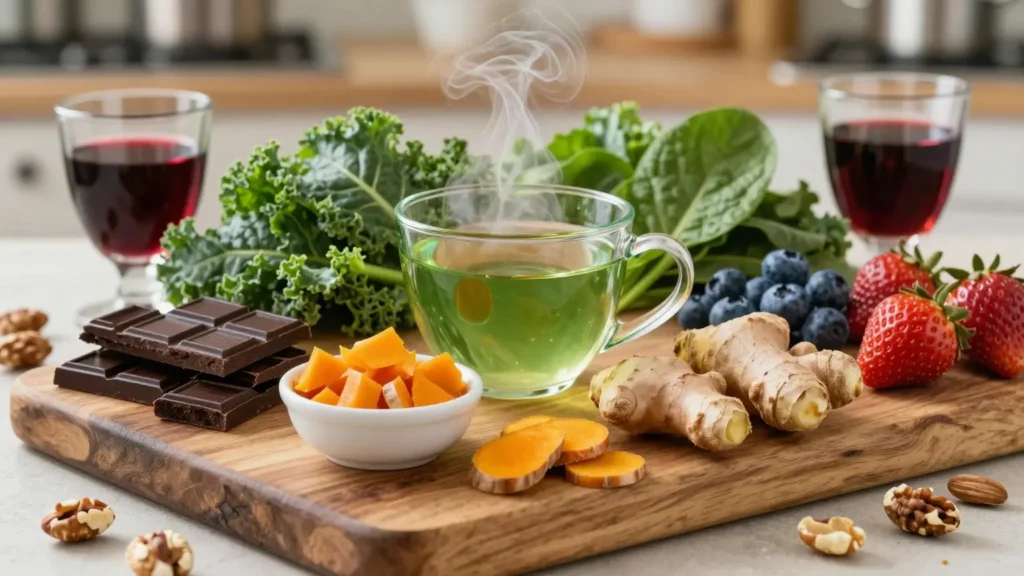
The Sirtfood Diet is a unique dietary regimen that leverages foods rich in sirtuin-activating compounds (STACs) to promote health and longevity. This diet isn’t just another fad; it’s rooted in scientific research suggesting that certain foods can mimic the effects of calorie restriction, potentially offering similar benefits without severe deprivation. The core idea is simple yet fascinating: by eating specific nutrient-dense foods like cocoa powder, turmeric, and green tea, you might activate proteins that play a critical role in cellular health.
Imagine starting your day with a vibrant green smoothie packed with spinach, kale, parsley, blueberries, and chia seeds. Each sip is not just a delicious way to start the morning but also a powerful cocktail of antioxidants and anti-inflammatory compounds designed to boost your body’s natural defenses against aging and chronic diseases. This diet isn’t about cutting out entire food groups; instead, it focuses on maximizing the intake of foods that are scientifically proven to enhance SIRT activity.
Curious about how these foods work their magic? Picture this: when you consume polyphenols found in green tea or turmeric, your body’s sirtuin proteins get a natural boost. These proteins help regulate metabolism and inflammation, supporting overall health by enhancing cellular processes such as autophagy (cleaning out damaged cells) and reducing oxidative stress. By incorporating these potent plant-based ingredients into your diet, you’re essentially giving your body the tools it needs to maintain optimal function.
Are you intrigued yet? The Sirtfood Diet isn’t just about what you eat but how those foods can influence your body’s internal mechanisms for better health. Keep exploring to discover more about this innovative approach and whether it might be right for you!
History & Origin
The concept of the Sirtfood Diet emerged from scientific studies that highlighted the ability of certain foods to activate or modulate sirtuin genes. These genes play a crucial role in aging, inflammation, and energy homeostasis. The diet’s origins can be traced back to research conducted by scientists who were exploring natural compounds capable of influencing these genetic pathways for health benefits. They discovered that specific plant-based ingredients contain high levels of polyphenols and other bioactive substances known to enhance the activity of sirtuin proteins.
Researchers noticed that when individuals consumed foods rich in these beneficial compounds, their bodies showed improved metabolic functions and reduced markers of oxidative stress. This realization prompted the development of a dietary approach centered around maximizing intake of such nutrient-dense foods. The Sirtfood Diet thus began as an experimental regimen aimed at leveraging natural foods to activate sirtuins and potentially extend healthy lifespan.
Scientists observed that incorporating foods like green tea, dark chocolate, red wine (in moderation), and various leafy greens into daily meals could provide a significant boost in cellular health. By understanding the mechanisms behind these effects, they were able to compile lists of recommended foods and gradually develop more structured meal plans based on their findings. This transition from research laboratories to practical dietary guidelines marked the official birth of the Sirtfood Diet as we know it today.
Did you know that green tea not only tastes great but also contains a compound called epigallocatechin gallate (EGCG), which is known for its potent sirtuin-activating properties?
Core Principles & Philosophy
The core philosophy behind the Sirtfood Diet revolves around harnessing the power of specific nutrients to activate sirtuin proteins within the body. These proteins are essential regulators that help maintain cellular health by controlling metabolism, inflammation, and energy balance. By focusing on foods rich in polyphenols and other bioactive compounds, the diet aims to enhance these beneficial protein activities naturally.
At its heart, the Sirtfood Diet is less about restrictive measures and more about strategic food choices designed to boost your body’s natural defenses against aging and chronic diseases. It encourages a shift towards consuming more plant-based ingredients that are known for their high concentration of sirtuin-activating compounds (STACs). This includes embracing foods like dark chocolate, green tea, turmeric, and leafy greens that are not only delicious but also packed with health-promoting properties.
Imagine incorporating these powerful foods into your daily meals without feeling deprived. Instead of cutting out entire food groups, you’re adding nutrient-dense items that work in harmony to support overall wellness. This philosophy is about leveraging the synergistic effects of natural compounds found in certain foods to promote longevity and metabolic health.
By understanding how each food contributes to sirtuin activation, individuals can make informed choices that align with their health goals without stringent limitations on variety or enjoyment. The Sirtfood Diet thus invites a mindful approach to eating, encouraging a deeper connection between the quality of what you eat and your body’s ability to thrive.
Recommended Food Groups
The Sirtfood Diet emphasizes specific food groups known for their high concentration of sirtuin-activating compounds (STACs). These foods are carefully selected to boost the body’s natural defenses against aging and chronic diseases. Among the recommended food groups, polyphenol-rich foods stand out due to their potent antioxidant properties.
Polyphenols are naturally occurring compounds found in many plant-based ingredients that play a crucial role in activating sirtuin proteins. Key polyphenol sources include dark chocolate, red wine (consumed moderately), and green tea. Each of these items not only tastes indulgent but also offers substantial health benefits. For instance, dark chocolate, with its high concentration of flavonoids, can significantly enhance SIRT1 activity, a protein closely associated with metabolic regulation.
Similarly, high-nitrate vegetables such as kale, parsley, and spinach are integral to the diet due to their ability to improve blood flow and reduce inflammation. These leafy greens are packed with vitamins and minerals that support cardiovascular health while also promoting detoxification processes within the body. Imagine a fresh salad filled with vibrant green leaves, each bite offering a burst of nutrients designed to rejuvenate your cells from within.
Herbs and spices, another vital component of the diet, bring both flavor and functional benefits. Turmeric, for example, is renowned for its anti-inflammatory effects thanks to curcumin, a powerful polyphenol that activates sirtuin proteins. Cinnamon also stands out as an excellent addition due to its ability to regulate blood sugar levels and enhance metabolic processes.
Lastly, fruits rich in antioxidants like blueberries and strawberries are highly recommended for their high content of vitamins C and E, which protect against oxidative stress. These berries can be incorporated into smoothies or snacks, providing a sweet yet healthy treat that enhances the overall diet’s nutritional profile.
By focusing on these food groups, individuals following the Sirtfood Diet ensure they receive a balanced intake of essential nutrients while maximizing sirtuin activation. This approach encourages not just eating to live but living to eat in a way that supports long-term health and vitality.
Foods to Avoid or Limit
As you delve deeper into the Sirtfood Diet, understanding which foods to avoid or limit becomes crucial. The diet is designed around maximizing the intake of nutrient-dense ingredients that boost sirtuin activity. Conversely, certain foods can undermine this goal by introducing elements that might hinder cellular health and metabolic benefits.
Processed foods should be minimized in your diet plan as they typically lack the beneficial compounds found in whole foods. These items often contain high levels of additives, preservatives, and artificial flavors which offer little to no value for sirtuin activation. For example, a bag of chips or a box of cookies not only provide empty calories but also contribute to inflammation and oxidative stress.
Sugar-sweetened beverages, such as sodas and sports drinks, should be limited because they are loaded with added sugars that can spike blood sugar levels and lead to insulin resistance. Instead, opt for water, herbal teas, or green tea which contain catechins known to activate SIRT1 proteins. > A cup of green tea contains about 25-30 mg of caffeine and up to 80 mg of polyphenols, making it a powerful ally in the fight against cellular aging.
High-calorie snacks, including chips, crackers, and candy bars, should be consumed sparingly if at all. These foods tend to be low in nutrients but high in unhealthy fats and sugars that can disrupt metabolic processes and hinder weight loss efforts. Opt for healthier snack options like nuts or fresh fruit which are rich in vitamins, minerals, and fiber.
Refined grains, such as white bread, pasta, and rice, should also be limited since they have been stripped of their nutritional value during processing. These foods often lack the fiber and essential nutrients found in whole grains and can cause rapid spikes in blood sugar levels. Instead, choose whole grain products like brown rice or quinoa which are packed with beneficial compounds that support sirtuin activity.
Red meats, particularly those high in saturated fats, should be consumed sparingly due to their potential negative impact on heart health and metabolic function. While lean cuts of meat can still be part of a balanced diet, it’s best to focus more on plant-based protein sources like legumes, tofu, and nuts that are rich in polyphenols and other bioactive compounds.
Moderate alcohol consumption, especially when following the Sirtfood Diet guidelines, is advised. While red wine offers some benefits due to its high content of resveratrol – a potent sirtuin activator – excessive drinking can lead to adverse effects on liver health and metabolic processes. Enjoying a glass or two in moderation as part of an overall balanced diet plan should be the goal.
Nutritional Benefits
The Sirtfood Diet offers numerous nutritional benefits that go beyond mere weight loss. This diet is rich in antioxidants, anti-inflammatory compounds, and polyphenols, which can significantly enhance overall health by supporting cellular processes such as autophagy and reducing oxidative stress. By focusing on nutrient-dense foods like dark chocolate, green tea, turmeric, and leafy greens, the Sirtfood Diet provides a powerful combination of vitamins, minerals, and bioactive compounds that work synergistically to promote longevity.
Antioxidants play a critical role in protecting cells from damage caused by free radicals. Foods rich in antioxidants, such as blueberries and strawberries, help neutralize these harmful molecules, thereby reducing oxidative stress. This reduction can lead to improved cardiovascular health, enhanced immune function, and lower risk of chronic diseases like cancer and diabetes. Imagine starting your day with a smoothie packed with berries and leafy greens; each sip is not only refreshing but also brimming with nutrients that support cellular rejuvenation.
Inflammation is another key area where the Sirtfood Diet shines. Chronic inflammation has been linked to various health issues, including heart disease, arthritis, and even some cancers. By incorporating anti-inflammatory foods such as turmeric, cinnamon, and dark leafy greens into your diet, you can help reduce systemic inflammation. Turmeric, for instance, contains curcumin, a potent compound that activates sirtuin proteins while also reducing inflammatory markers in the body.
Polyphenols are another crucial component of the Sirtfood Diet’s nutritional benefits. These bioactive compounds found in foods like green tea and dark chocolate not only enhance flavor but also boost metabolic health by activating sirtuin pathways. Green tea, rich in catechins, has been shown to increase the activity of SIRT1, a protein linked to improved metabolism and reduced fat accumulation. Enjoying a cup of green tea or incorporating dark chocolate into your diet can thus contribute significantly to better metabolic function.
Moreover, high-nitrate vegetables such as spinach, kale, and parsley are vital for enhancing blood flow and reducing inflammation. These leafy greens are not only rich in vitamins K and C but also provide essential minerals like iron and calcium. Their consumption helps improve cardiovascular health by promoting healthy blood vessels and regulating blood pressure levels.
By focusing on these nutrient-dense foods, the Sirtfood Diet offers a holistic approach to enhancing cellular health and overall well-being. It’s about more than just eating for immediate benefits; it’s about investing in long-term health through strategic food choices that support your body’s natural defenses against aging and disease.
Potential Drawbacks & Health Risks
The Sirtfood Diet, while promising health benefits through sirtuin activation, also comes with several potential drawbacks and health risks that are important to consider. One of the primary concerns is the strict calorie restrictions typically involved, often limiting daily intake to 1000-1500 calories. Such a low-calorie diet can be challenging for most people to follow consistently without resorting to unhealthy eating habits or extreme measures. This restrictive approach may lead to nutritional deficiencies if not carefully planned and balanced with essential nutrients like vitamins and minerals.
Moreover, the long-term effectiveness and safety of the Sirtfood Diet are still under scrutiny due to a lack of substantial human study evidence. While animal studies have shown promising results regarding sirtuin activation and longevity benefits, translating these findings directly to humans requires further research. The absence of conclusive data means that potential side effects or health risks may not be fully understood at this stage.
Another drawback is the diet’s restrictive nature, which can make it difficult for individuals to adhere to over extended periods. Maintaining a strict focus on specific food groups while limiting others might lead to feelings of deprivation and boredom, ultimately causing people to abandon the regimen. This pattern can result in yo-yo dieting, where weight loss efforts are followed by rapid weight gain as soon as the diet is discontinued.
It’s also worth noting that some recommended foods, such as red wine and dark chocolate, while beneficial in moderation due to their polyphenol content, might be problematic if consumed excessively. Red wine should generally be limited to one glass per day, given its potential negative effects on liver health when consumed in larger quantities. Similarly, despite the antioxidants found in dark chocolate, it’s still high in sugar and calories, which can pose challenges for weight management.
Lastly, while the Sirtfood Diet encourages a healthy shift towards nutrient-dense foods, it is essential to consult with healthcare professionals before starting any new dietary regimen. Individuals with specific health conditions or those taking medications should be particularly cautious about sudden changes to their diet, as these factors could interact in unexpected ways and potentially exacerbate existing issues.
By acknowledging these potential drawbacks and risks, individuals can make more informed decisions regarding whether the Sirtfood Diet aligns with their personal health goals and needs.
Sample Meal Plan for a Week
As you embark on the Sirtfood Diet, planning your meals carefully is key to ensuring that you receive all the necessary nutrients while activating sirtuin proteins effectively. Here’s a sample meal plan designed specifically for this dietary approach, offering a range of delicious and nutritious options throughout the week.
Imagine starting your day with a green smoothie bowl packed with spinach, kale, parsley, blueberries, chia seeds, and a dash of turmeric powder. This vibrant breakfast provides a powerful dose of antioxidants and anti-inflammatory compounds that kick-start your metabolism for the day ahead. The combination of leafy greens and berries not only tastes refreshing but also ensures you get a wide array of vitamins and minerals to support cellular health.
For lunch, consider a salad loaded with mixed greens such as kale and spinach, topped with cherry tomatoes, cucumbers, bell peppers, shredded carrots, nuts like walnuts or almonds, and a light dressing made from olive oil and lemon juice. Adding a lean protein source like grilled chicken breast or tofu enhances the meal’s nutritional profile while keeping it balanced. The mix of vegetables provides ample fiber and essential vitamins that contribute to digestive health and satiety.
Dinner could consist of grilled salmon or another fatty fish, served over a bed of quinoa with sautéed vegetables like broccoli, bell peppers, and zucchini. Quinoa is an excellent source of protein and contains all nine essential amino acids, making it a perfect complement to the omega-3 fatty acids found in salmon. The dish is rich in antioxidants and anti-inflammatory compounds that help reduce oxidative stress and promote heart health.
Snacks should be simple yet satisfying. Opt for raw nuts like almonds or walnuts, which are high in healthy fats and protein. Alternatively, a small piece of dark chocolate (70% cocoa or higher) can satisfy your sweet tooth while providing beneficial polyphenols that activate sirtuin proteins. A handful of blueberries or strawberries paired with a few slices of cucumber also make for a refreshing and nutritious snack.
Throughout the week, aim to vary your meals by incorporating different herbs and spices known for their anti-inflammatory properties. For example, you might include turmeric in your smoothies or use cinnamon liberally when preparing oatmeal or yogurt. Each meal should be thoughtfully crafted to maximize nutrient density while supporting the diet’s core principles.
By following this sample meal plan, you can enjoy a variety of delicious and health-promoting foods without feeling deprived or restricted. The Sirtfood Diet is not about strict rules but rather about making informed choices that enhance your body’s natural defenses against aging and chronic diseases. Embrace these meals as part of a journey towards better health and longevity.
Sirtfood Diet 7 Day Plan
Embarking on the Sirtfood Diet requires careful planning to ensure you stay within your daily calorie targets while maximizing nutrient intake. Here’s an example of what a typical week might look like, focusing on balanced meals that are both satisfying and beneficial for activating sirtuin proteins.
Day 1:
Breakfast: Begin with a revitalizing green smoothie made from spinach, kale, parsley, blueberries, chia seeds, and a scoop of dark cocoa powder. This morning drink is rich in antioxidants and anti-inflammatory compounds to energize your metabolism.
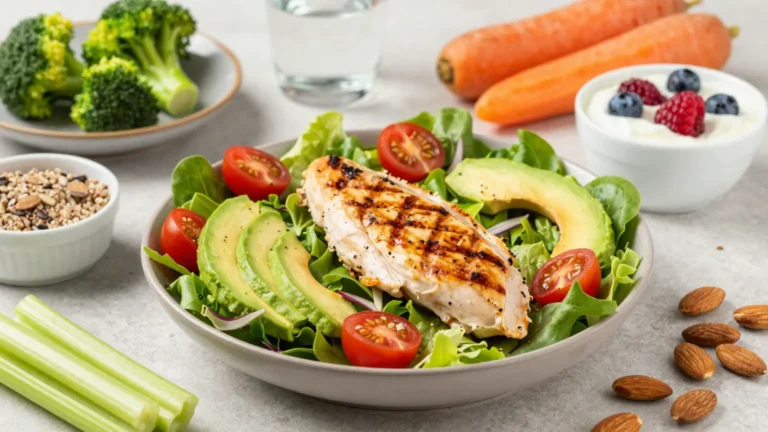
Lunch: Enjoy a substantial salad filled with mixed greens like arugula and romaine lettuce, topped with cherry tomatoes, cucumber slices, crumbled feta cheese (moderate amounts), avocado, and grilled chicken breast or tofu. Drizzle with a light olive oil-based dressing infused with lemon juice and fresh herbs.
Dinner: Savor a dish of grilled salmon served over a bed of cooked quinoa with sautéed vegetables such as bell peppers, zucchini, and broccoli on the side. The omega-3 fatty acids in salmon combined with the fiber from quinoa provide a satisfying and nutrient-dense meal.
Day 2:
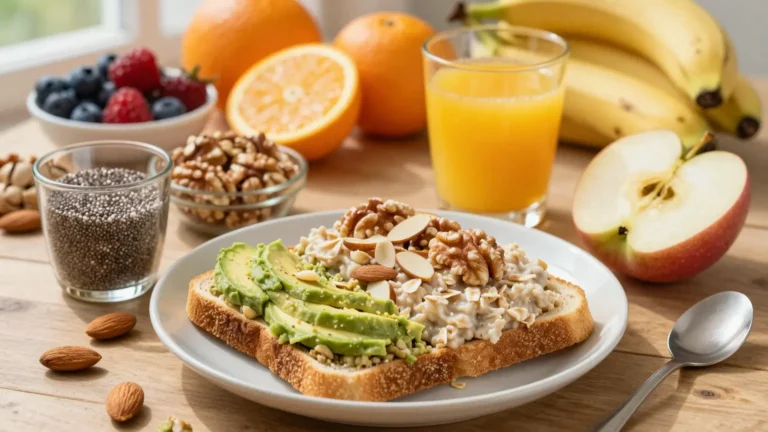
Breakfast: Opt for overnight oats made with rolled oats, almond milk, blueberries, sliced almonds, and a touch of cinnamon. This breakfast offers sustained energy and is packed with antioxidants.
Lunch: Prepare a hearty vegetable soup packed with tomatoes, carrots, onions, spinach, and chickpeas simmered in vegetable broth. Garnish it with a sprinkle of chopped parsley for an added burst of flavor and nutrition.
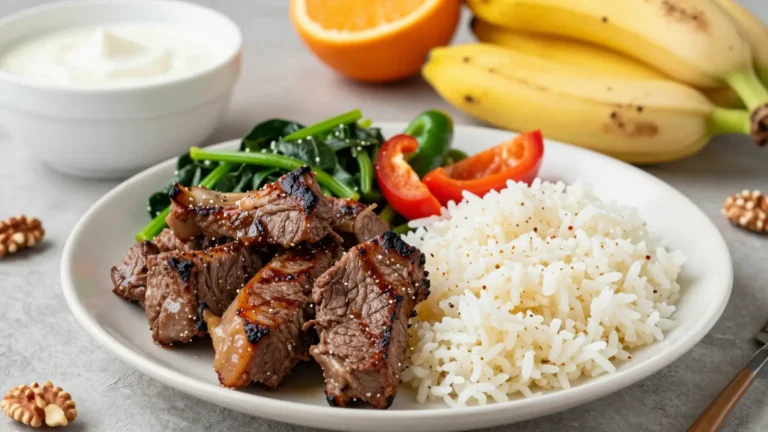
Dinner: Indulge in grilled steak or lamb chops seasoned with rosemary and thyme, accompanied by steamed broccoli and roasted sweet potatoes. The lean protein from the meat provides satiety while the vegetables offer essential vitamins and minerals.
Day 3:
Breakfast: Start your day with a cup of green tea paired with a small bowl of mixed berries like strawberries and raspberries, topped with a dollop of Greek yogurt for added protein.
Lunch: Construct a quinoa salad by mixing cooked quinoa with cherry tomatoes, shredded carrots, chopped parsley, crumbled feta cheese, and sliced almonds. Toss in some slices of grilled chicken breast or tofu cubes to add flavor and substance.
Dinner: Feast on a baked halibut fillet seasoned with garlic and lemon juice served alongside steamed asparagus spears and roasted Brussels sprouts. The fish provides essential omega-3 fatty acids, while the vegetables supply ample fiber.
Day 4:
Breakfast: Blend together a smoothie containing spinach, banana slices, almond butter, chia seeds, and a splash of dark chocolate syrup for added richness.
Lunch: Enjoy a Mediterranean-style salad featuring mixed greens like arugula and romaine lettuce topped with chickpeas, Kalamata olives, feta cheese, sliced red onions, cherry tomatoes, and a drizzle of olive oil and lemon juice.
Dinner: Cook up some whole wheat spaghetti tossed in a light tomato sauce enriched with minced garlic, basil leaves, and a splash of balsamic vinegar. Serve it alongside steamed broccoli and slices of grilled chicken breast.
Day 5:
Breakfast: Start the day with a bowl of oatmeal cooked in almond milk, topped with sliced bananas, blueberries, and a sprinkle of ground cinnamon.
Lunch: Prepare a turkey or tofu burger patty served on a whole grain bun with lettuce, tomato slices, cucumber spears, and mustard. Accompany it with a side salad made from mixed greens and cherry tomatoes.
Dinner: Savor grilled shrimp seasoned with garlic and lemon juice, accompanied by steamed broccoli florets and roasted sweet potatoes.
Day 6:
Breakfast: Enjoy scrambled eggs cooked in olive oil and seasoned with turmeric and black pepper, served over a bed of sautéed spinach and diced tomatoes.
Lunch: Make a refreshing avocado salad by mixing chopped avocado with mixed greens like arugula and romaine lettuce, cherry tomatoes, red onion slices, crumbled feta cheese, and a light vinaigrette dressing.
Dinner: Indulge in grilled chicken breast or tofu seasoned with lemon pepper and served over quinoa pilaf made from sautéed onions, garlic, and mixed vegetables like bell peppers and zucchini.
Day 7:
Breakfast: Start the day with a green smoothie packed with spinach, blueberries, chia seeds, and turmeric powder, followed by a slice of dark chocolate (no more than an ounce) for a sweet treat.
Lunch: Enjoy a hearty lentil soup made from red lentils cooked in vegetable broth with carrots, onions, celery, and tomatoes. Garnish it with fresh parsley leaves for added flavor.
Dinner: Feast on grilled salmon seasoned with olive oil and lemon zest served over a bed of sautéed spinach and steamed asparagus spears.
Each meal is designed to provide essential nutrients while adhering to the principles of the Sirtfood Diet. By incorporating these recipes, you can ensure that your diet remains both enjoyable and beneficial for cellular health. Remember to balance macronutrients and adjust portion sizes based on your individual calorie needs and goals.
Comparing the Sirtfood Diet to Other Popular Diets
When comparing the Sirtfood Diet to other popular diets like keto, paleo, intermittent fasting, or Mediterranean diet, several key differences become apparent. Each of these dietary approaches has unique focuses and methodologies aimed at achieving different health outcomes, making a direct comparison both interesting and instructive.
Keto Diet: The Keto diet is centered around drastically reducing carbohydrate intake while increasing fat consumption to induce ketosis, a metabolic state where the body burns fats for fuel instead of carbohydrates. This diet aims to achieve weight loss and improve insulin sensitivity. In contrast, the Sirtfood Diet emphasizes specific foods rich in sirtuin-activating compounds (STACs) rather than focusing on macronutrient ratios. While both diets can lead to significant calorie restriction, the Keto diet’s emphasis is more on altering metabolic pathways through high-fat intake, whereas the Sirtfood Diet focuses on nutrient-dense ingredients that promote cellular health.
Paleo Diet: The Paleo diet encourages eating foods similar to what might have been consumed during the Paleolithic era. This means avoiding processed foods and focusing on whole foods such as meats, fish, fruits, vegetables, nuts, and seeds. It aims to improve overall health by eliminating modern dietary elements that can contribute to chronic diseases. In comparison, the Sirtfood Diet also promotes natural foods but places a greater emphasis on those containing specific bioactive compounds like polyphenols from green tea or resveratrol from red wine. The Paleo diet does not specifically target these components for their potential sirtuin-activating properties.
Intermittent Fasting: Intermittent fasting involves cycling between periods of eating and prolonged fasting, which can help with weight loss, improve blood sugar levels, and enhance brain function by promoting autophagy. This method works on the premise that the timing of food intake influences metabolism and cellular processes. In contrast, while both diets encourage a reduction in overall calorie consumption, intermittent fasting does not specify particular foods to eat during eating windows but rather focuses on time-restricted feeding patterns.
Mediterranean Diet: The Mediterranean diet is rich in fruits, vegetables, whole grains, legumes, nuts, seeds, olive oil, and fish. It’s known for its heart-healthy benefits and has been associated with reduced risks of chronic diseases such as diabetes and Alzheimer’s disease. Unlike the Sirtfood Diet, which zeroes in on foods that specifically enhance sirtuin activity, the Mediterranean diet is broader in scope and emphasizes a balanced intake of various nutrient-dense foods.
| Diet | Focus | Key Components |
|---|---|---|
| Keto Diet | High-fat, low-carb; induces ketosis | Meat, fish, eggs, dairy, oils |
| Paleo Diet | Whole foods from the Paleolithic era; excludes processed foods | Meats, fish, fruits, vegetables, nuts |
| Intermittent Fasting | Cycles between eating and fasting periods | Any healthy diet within eating windows |
| Mediterranean Diet | Emphasizes plant-based foods, olive oil, wine (moderation) | Olive oil, fruits, veggies, legumes, fish, whole grains |
| Sirtfood Diet | Foods rich in sirtuin-activating compounds (STACs); supports cellular health | Dark chocolate, green tea, turmeric, leafy greens, berries |
Each of these diets has its unique approach to achieving better health outcomes. The Sirtfood Diet stands out by focusing on specific foods that can enhance the activity of sirtuin proteins within the body, which play a crucial role in cellular longevity and metabolic function. While other diets may offer similar benefits through different mechanisms, the Sirtfood Diet takes a targeted approach aimed at activating these key regulatory proteins.
Understanding these differences helps individuals make informed decisions about which dietary regimen best aligns with their health goals and lifestyle preferences. Whether you’re looking to lose weight, improve heart health, or enhance cellular function, exploring how each diet addresses these objectives can guide your choice in finding the right path to better nutrition and overall well-being.
Who Should Consider the Sirtfood Diet?
When considering whether the Sirtfood Diet is right for you, it’s important to weigh both your personal health goals and any existing medical conditions. The diet’s emphasis on nutrient-dense foods rich in sirtuin-activating compounds makes it particularly attractive for individuals looking to enhance their cellular health, reduce inflammation, and improve metabolic function.
Individuals interested in metabolic health may find the Sirtfood Diet especially beneficial. This includes those aiming to manage conditions such as insulin resistance, diabetes, or high blood pressure. The diet’s focus on foods like green tea, dark chocolate, and leafy greens can help regulate blood sugar levels and reduce oxidative stress, thereby supporting metabolic processes.
Those interested in weight management might also benefit from the Sirtfood Diet due to its calorie-conscious approach. By incorporating nutrient-dense, low-calorie options that are high in fiber and protein, individuals can feel full while consuming fewer calories. This strategy is particularly useful for those looking to lose weight without feeling deprived or excessively hungry.
Additionally, people seeking longevity benefits may be drawn to the diet’s promise of enhancing cellular health through sirtuin activation. Sirtuins play a crucial role in regulating processes such as autophagy and inflammation, which are key factors in aging and chronic disease prevention. Foods like red wine (in moderation), turmeric, and dark chocolate can help support these pathways naturally.
However, it’s important to consult with healthcare professionals before starting any new diet regimen, especially if you have specific health conditions or are taking medications. Certain aspects of the Sirtfood Diet, such as its strict calorie restrictions and emphasis on specific food groups, may not be suitable for everyone. For instance, individuals who require a higher caloric intake due to thyroid issues or other metabolic disorders should proceed with caution.
In summary, while the Sirtfood Diet offers compelling benefits for those focused on improving cellular health, metabolism, and longevity, it’s crucial to approach it with an understanding of your personal health status and needs. Consulting with healthcare providers can help ensure that this dietary regimen aligns well with your individual goals and promotes overall wellness without posing undue risks.
Long-Term Sustainability of the Sirtfood Diet
The long-term sustainability of the Sirtfood Diet is an important aspect to consider when evaluating its effectiveness as a lifestyle change rather than a temporary diet. One key challenge lies in the restrictive nature of the regimen, which involves strict calorie limits (typically around 1000-1500 calories per day) and a narrow focus on specific food groups known for their sirtuin-activating properties. This level of restriction can be difficult to maintain over extended periods without causing feelings of deprivation or boredom.
Another significant factor is the diet’s emphasis on certain foods that may not suit everyone’s preferences or dietary needs. For instance, while dark chocolate and red wine are recommended in moderation due to their polyphenol content, excessive consumption could lead to issues such as weight gain or increased blood pressure. Such limitations might make it harder for individuals to adhere strictly to the diet long-term without feeling like they’re missing out on enjoyable foods.
Moreover, the lack of comprehensive evidence from human studies regarding the long-term effects and safety of the Sirtfood Diet poses another challenge. While there is promising research in animal models highlighting potential benefits such as increased longevity and improved metabolic health, translating these findings to humans requires further investigation. Without concrete data on sustained efficacy and possible side effects over many years, individuals might find it challenging to commit fully to this dietary approach.
To enhance the sustainability of the Sirtfood Diet, incorporating a more balanced and flexible strategy could be beneficial. This might involve integrating principles from other healthful eating patterns like the Mediterranean diet or the DASH diet, which emphasize whole foods and encourage variety without stringent caloric restrictions. By blending elements that support cellular health with a broader range of nutrient-dense options, individuals can potentially enjoy greater flexibility while still reaping the benefits associated with sirtuin activation.
Ultimately, for the Sirtfood Diet to become a long-term solution rather than a short-term fix, it’s crucial to approach it as part of an overall healthy lifestyle that includes regular physical activity and balanced eating habits. This holistic perspective can help ensure sustained adherence and improved health outcomes over time.
Adele Weight Loss Diet: True or False?
There is no specific “Adele Weight Loss Diet” associated with Adele, a renowned British singer. Claims linking her weight loss to any particular diet are often speculative and not scientifically substantiated. While Adele has been open about her struggles with weight management in interviews, she hasn’t endorsed or publicized a single dietary regimen that can be definitively attributed to her significant changes in body composition.
Often, celebrity diets gain traction through media hype rather than solid evidence. Without official statements or scientific backing from Adele herself, attributing her weight loss solely to the Sirtfood Diet – or any other specific diet – remains unverified and conjectural. It’s important for individuals looking to emulate Adele’s health journey to focus on credible, medically approved dietary guidelines that suit their personal health needs rather than following unverified celebrity-endorsed diets.
In conclusion, while Adele has certainly made headlines for her transformations, associating these changes with a particular diet remains more of an assumption than a fact supported by evidence.
Conclusion: Is the Sirtfood Diet Right for You?
As you consider whether the Sirtfood Diet is right for you, it’s essential to weigh both its promising potential benefits and the current limitations. The diet’s focus on nutrient-dense foods that activate sirtuin proteins offers a compelling approach to enhancing cellular health and potentially improving metabolic function. However, the strict calorie limits and restrictive nature of the regimen can be challenging to sustain long-term without feeling deprived or bored.
If you are someone who is interested in exploring dietary interventions that aim at longevity and improved cellular health, the Sirtfood Diet may align well with your goals. The diet’s emphasis on foods like dark chocolate, green tea, turmeric, leafy greens, and berries can provide a variety of antioxidants and anti-inflammatory compounds that support these aims. However, it’s crucial to consult healthcare professionals before starting any new dietary regimen, especially if you have existing health conditions or are taking medications.
For individuals looking for weight management strategies alongside cellular benefits, the Sirtfood Diet’s calorie-conscious approach may be appealing. The focus on low-calorie, high-nutrient foods can help with reducing overall caloric intake and feeling full without excessive hunger. However, it’s important to balance this with ensuring adequate nutrition to avoid deficiencies.
Long-term adherence might pose challenges due to the restrictive nature of the diet. To enhance sustainability, consider integrating principles from other healthful eating patterns such as the Mediterranean or DASH diets, which offer flexibility while still emphasizing whole foods and nutrient-dense options. This balanced approach can provide a more sustainable path towards improved health and wellness.
Ultimately, whether the Sirtfood Diet is right for you depends on your personal health goals, dietary preferences, and ability to adhere to its guidelines over time. Taking an informed and cautious approach, while considering professional advice, will help ensure that any chosen diet supports both short-term objectives and long-term well-being.
Frequently Asked Questions (FAQ)
What is the Sirtfood Diet?
The Sirtfood Diet focuses on foods rich in sirtuin-activating compounds, which are believed to help fight aging and promote weight loss. It emphasizes eating specific fruits, vegetables, herbs, and drinks that can activate longevity genes.
Is the Sirtfood Diet suitable for vegetarians or vegans?
Yes, the Sirtfood Diet accommodates both vegetarians and vegans by offering plant-based foods rich in sirtuin-activating compounds, such as dark chocolate, green tea, and red wine. However, modifications might be necessary to ensure a balanced diet.
How long does it take to see results on the Sirtfood Diet?
Typically, individuals notice changes within the first week of starting the Sirtfood Diet, with many reporting weight loss and improved energy levels. The exact timeline can vary based on individual differences in metabolism and adherence to the diet.
Can I drink coffee on the Sirtfood Diet?
Coffee is generally allowed on the Sirtfood Diet, but it should be consumed in moderation as part of a balanced intake of sirtuin-activating compounds. Opt for black or green tea over regular coffee for better results.
Are there any side effects to consider when starting the Sirtfood Diet?
Common side effects may include mild headaches or irritability due to reduced caffeine and sugar consumption. It’s important to stay hydrated, eat enough protein, and listen to your body as you transition into this diet.
How strict should I be with following the Sirtfood Diet guidelines?
Strict adherence is recommended for optimal benefits but can vary based on personal goals and dietary preferences. Incorporating sirtuin-activating foods regularly while maintaining a balanced diet is key to achieving long-term health improvements.
Can pregnant women follow the Sirtfood Diet safely?
Pregnant women should consult with their healthcare provider before starting any new diet, including the Sirtfood Diet, due to specific nutritional needs during pregnancy. The diet’s restrictions and effects on fetal development need careful consideration.
How does the Sirtfood Diet compare to other diets like keto or paleo?
Unlike keto or paleo diets which focus mainly on macronutrient ratios or food types, the Sirtfood Diet emphasizes foods that activate longevity genes. It offers a unique approach by combining specific nutrients known for health benefits beyond just weight loss.
What are some easy recipes to try on the Sirtfood Diet?
Eating delicious meals on the Sirtfood Diet is straightforward with recipes like green tea-infused smoothies, dark chocolate nibs mixed into yogurt, and herbal teas. Check out the article for more creative recipe ideas that fit within this dietary framework.
Is it necessary to supplement when following the Sirtfood Diet?
While not mandatory, certain supplements such as resveratrol or quercetin can enhance the diet’s benefits by providing concentrated doses of sirtuin-activating compounds. Always consult with a healthcare professional before starting any new supplementation regimen.