
What Are Superfoods?
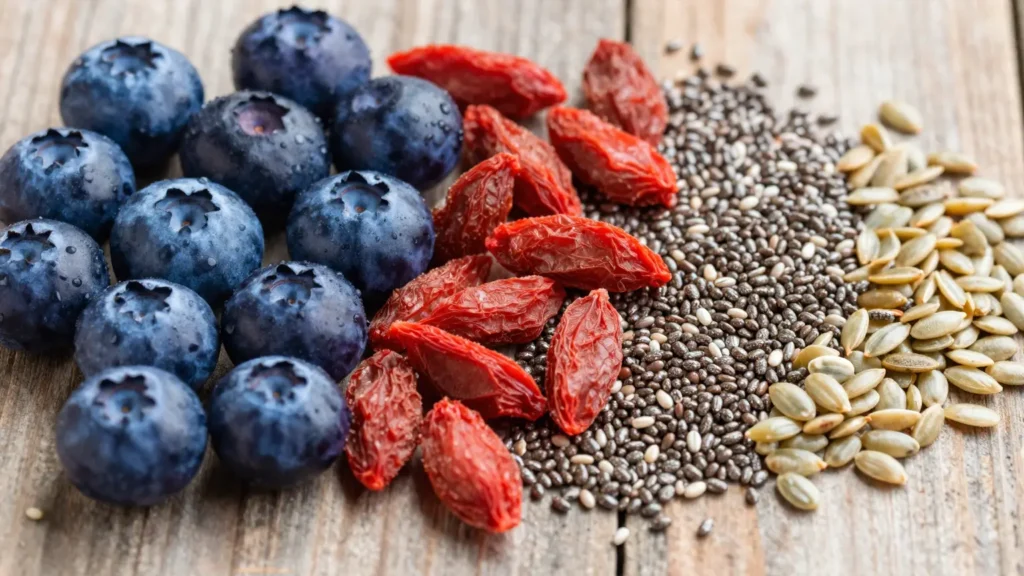
The term “superfood” has exploded onto the health scene, often heralded as a key component of a superfood diet that promises to enhance your wellbeing dramatically. These buzzwords are tossed around like confetti at health food stores and wellness blogs, but what exactly do they mean? Are these foods truly special, or is it all just clever marketing?
The idea behind superfoods is simple yet enticing: certain foods contain an exceptionally high concentration of nutrients that can significantly boost your health when consumed regularly. These might include exotic berries bursting with antioxidants, seeds packed with healthy fats and proteins, or greens rich in vitamins and minerals. However, the reality is often a bit more nuanced.
When you hear about superfoods, it’s easy to get excited by promises of instant health improvements – from boosting energy levels to improving brain function. But have you ever stopped to question whether these foods live up to their hype? The truth is, while some may indeed offer substantial health benefits due to their nutritional content, others might be more marketing ploy than genuine health booster.
As the concept of superfoods continues to gain traction in popular culture, it’s crucial to look beyond the buzz and understand what really goes into making a food worthy of this title. This article aims to peel back the layers on these so-called miracles of nature, helping you make informed decisions about incorporating them into your diet – or not.
Recommended Food Groups for a Superfood Diet
When considering a superfood diet, it’s essential to focus on including a variety of nutrient-rich foods from different food groups rather than relying solely on trendy items that may not offer substantial benefits. Balanced nutrition is key to achieving optimal health.
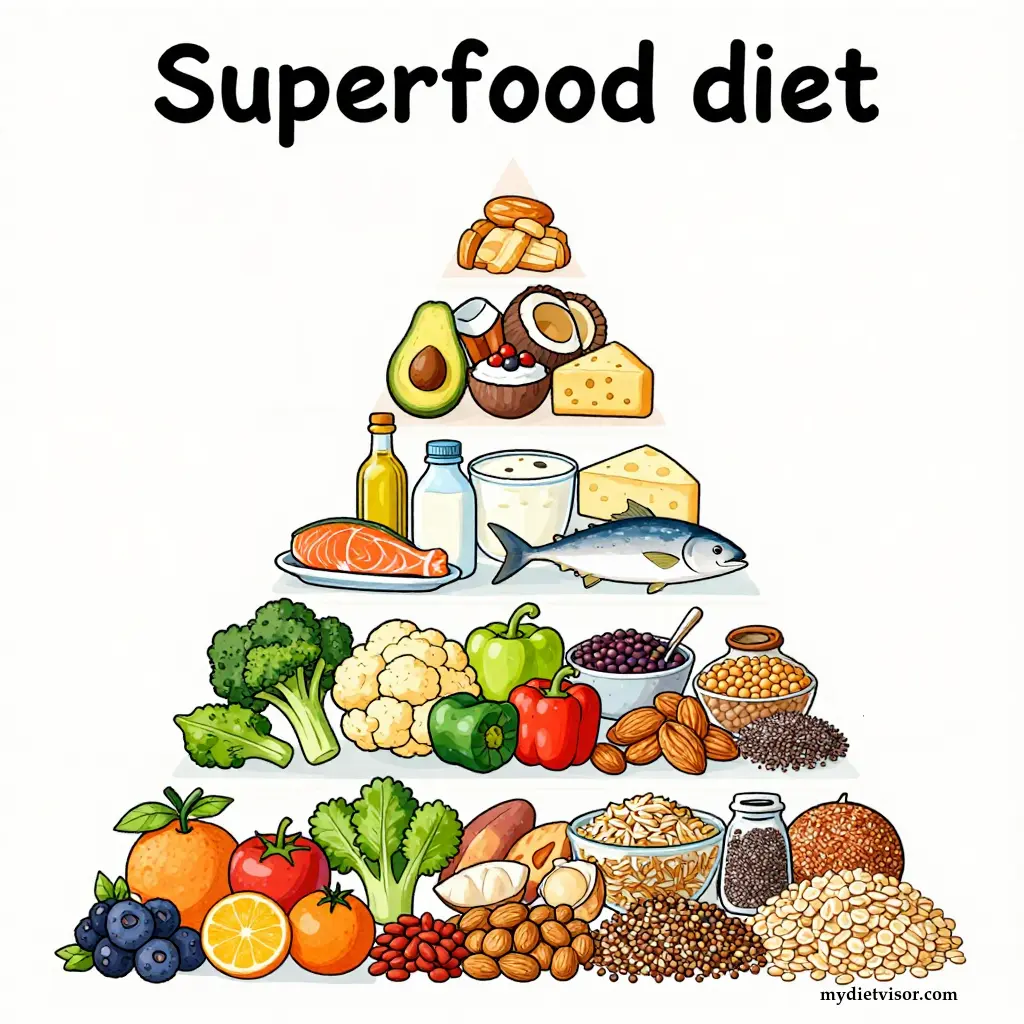
Incorporating diverse elements like fruits, vegetables, whole grains, lean proteins, and healthy fats can provide the necessary vitamins, minerals, antioxidants, and other beneficial compounds. Here’s how each group contributes:
- Fruits and Vegetables: These are often at the forefront of discussions about superfoods due to their high antioxidant content and variety of essential nutrients. For instance, leafy greens like kale and spinach are rich in iron and calcium, while berries such as blueberries and strawberries are packed with antioxidants that can help combat inflammation.
- Whole Grains: Often overlooked in the superfood conversation but equally important, whole grains offer complex carbohydrates, fiber, B vitamins, and minerals. Quinoa, for example, is a complete protein source containing all nine essential amino acids, making it an excellent choice for those looking to increase their plant-based protein intake.
- Lean Proteins: Including sources like fish (rich in omega-3 fatty acids), poultry, and legumes can provide essential proteins without adding excessive saturated fats. Fish such as salmon are not only high in protein but also contain heart-healthy omega-3s which support brain health and reduce inflammation.
- Healthy Fats: Incorporating foods rich in monounsaturated and polyunsaturated fats like nuts, seeds, avocados, and olive oil can help improve cholesterol levels and provide essential fatty acids. Chia seeds and flaxseeds are particularly notable for their omega-3 content and fiber, supporting heart health and digestive function.
Each of these food groups offers unique benefits that contribute to overall wellness when consumed in appropriate quantities as part of a balanced diet. While individual superfoods can certainly enhance the nutritional value of meals, it’s important to recognize that no single food holds all the keys to perfect health. Combining various nutrient-dense foods ensures you receive a comprehensive range of vitamins and minerals necessary for maintaining good health.
Do you feel overwhelmed by the variety of superfood options available in stores? It can be challenging to discern which ones truly offer significant benefits versus those merely riding on marketing waves.
Forbidden or Limited Foods in a Superfood Regime
When embarking on a superfood regimen, it’s important to recognize that certain foods should be consumed in moderation or avoided altogether due to potential negative effects on your health. Here are some examples of foods you might want to limit when following a superfood-focused diet:
- Highly Processed Foods: Even if they contain added superfoods like chia seeds, many products can still be highly processed and loaded with sugar, salt, and unhealthy fats. These ingredients negate the positive benefits that natural superfoods provide.
- Excessive Fruit Intake: While fruits like berries are indeed beneficial due to their antioxidant content, eating too much fruit can lead to an excess of fructose. This can contribute to weight gain and dental issues over time.
Additionally, there are certain foods that should be completely avoided in a superfood diet:
- Refined Sugars: These lack any nutritional value and can cause spikes in blood sugar levels, leading to energy crashes later on. Foods high in refined sugars include candy, soda, and many packaged snacks.
- Artificial Sweeteners: Even though they claim to be calorie-free alternatives to sugar, artificial sweeteners like aspartame and saccharin have been linked to health issues such as increased risk of type 2 diabetes and metabolic syndrome.
Balancing your diet with a variety of nutrient-dense foods is crucial. By limiting or avoiding these specific items, you ensure that the benefits from superfoods are maximized without negative side effects. Do you find it challenging to resist the allure of processed snacks despite knowing their drawbacks?
Nutritional Benefits of Incorporating Superfoods into Your Diet
Incorporating superfoods into your diet can offer numerous nutritional benefits that contribute to overall well-being and help prevent chronic diseases. These foods are typically rich in essential vitamins, minerals, antioxidants, and other beneficial compounds that support various bodily functions.
For example, blueberries, often touted as a superfood, are renowned for their high antioxidant content, which helps combat oxidative stress and inflammation associated with aging and certain illnesses. Antioxidants like anthocyanins found in blueberries have been linked to improved cognitive function and heart health. Similarly, chia seeds provide an impressive amount of omega-3 fatty acids, fiber, and protein, all of which are crucial for maintaining a healthy cardiovascular system and supporting digestive health.
Moreover, superfoods like goji berries, known for their high vitamin C content, can enhance immune function and promote skin health. These tiny red berries also contain essential amino acids, beta-carotene, and trace minerals that support various metabolic processes within the body.
Incorporating a variety of superfoods into your diet not only ensures you receive a broad spectrum of nutrients but also helps diversify your meal plans and make healthy eating more enjoyable. However, it’s important to remember that while these foods offer significant health benefits, they should be part of a balanced diet rather than the sole focus.
Have you noticed any specific improvements in your health after adding superfoods to your meals?
Potential Drawbacks and Misconceptions About Superfoods
Despite their perceived benefits, there are several potential drawbacks and misconceptions surrounding superfoods that warrant attention. One common misconception is that superfoods alone can cure or prevent diseases. While they can certainly contribute to a healthy diet, no single food can replace the importance of a balanced diet, regular exercise, and overall lifestyle choices.
Another issue arises from the high cost associated with many superfoods. These items are often marketed as premium products and can be significantly more expensive than conventional produce or everyday groceries. This pricing strategy can make them less accessible to individuals on tighter budgets, potentially exacerbating health inequalities rather than improving them. For example, a pound of goji berries might cost upwards of $20, while the same amount of common fruits like apples or bananas could be just a few dollars.
Furthermore, some people may fall into the trap of relying too heavily on superfoods and neglecting other essential dietary components. This can lead to an unbalanced diet lacking in variety and the full range of nutrients necessary for good health. Over-reliance on superfoods might also mean missing out on less glamorous but equally important foods, such as whole grains, legumes, and vegetables that are often overlooked.
Did you know that broccoli is sometimes referred to as a “superfood” despite being widely available and affordable? This shows how the concept of superfoods can apply even to everyday items when they offer exceptional nutritional value.
It’s also important to consider sustainability concerns. Some superfoods, particularly those sourced from exotic locations or grown in ways that aren’t environmentally friendly, can contribute to issues like deforestation and loss of biodiversity. For instance, the production of quinoa has been linked to environmental degradation in areas where it is traditionally farmed.
In conclusion, while superfoods can be beneficial additions to a healthy diet, they should not overshadow the importance of balanced nutrition and sustainable practices. It’s crucial for consumers to approach these foods with a critical eye and incorporate them thoughtfully into their dietary plans.
Sample Meal Plan to Start Your Superfood Journey
Embarking on a superfood journey doesn’t have to be daunting; you can start small and gradually incorporate these nutrient-dense foods into your daily routine. Here’s an example of how you might integrate superfoods into a typical day, ensuring variety and balance.
Breakfast: Blueberry Chia Pudding with Spinach
Ingredients:
- 1 cup unsweetened almond milk
- 1/4 cup chia seeds
- 1 tablespoon honey (optional)
- Handful of fresh blueberries
- A handful of baby spinach leaves, chopped finely
- Toppings: sliced almonds and a drizzle of maple syrup
Instructions:
Mix the almond milk, chia seeds, and honey (if using) in a bowl. Let it sit overnight or for at least 2 hours to thicken into pudding-like consistency. Stir in blueberries and spinach just before serving. Top with sliced almonds and a touch of maple syrup.
Mid-Morning Snack: Avocado Toast with Hemp Seeds
Ingredients:
- 1 slice whole-grain bread
- Half an avocado, mashed
- Pinch of sea salt
- Sprinkle of hemp seeds
Instructions:
Toast the bread to your liking. Spread the mashed avocado on top and sprinkle with a pinch of sea salt and hemp seeds.
Lunch: Quinoa Salad with Mixed Greens and Berries
Ingredients:
- 1 cup cooked quinoa
- 2 cups mixed salad greens (arugula, spinach, kale)
- Handful of fresh strawberries, sliced
- Handful of blueberries
- Diced cucumber and cherry tomatoes
- Olive oil and balsamic vinegar for dressing
- Optional toppings: crumbled goat cheese or grilled chicken
Instructions:
Combine quinoa with mixed greens in a large bowl. Add fruits, cucumber, and cherry tomatoes. Drizzle with olive oil and balsamic vinegar. Toss gently to combine. Optionally top with crumbled goat cheese or grilled chicken for added protein.
Afternoon Snack: Roasted Almonds and Dates
Ingredients:
- Handful of raw almonds
- A few pitted dates, chopped into small pieces
Instructions:
Roast the almonds lightly in an oven until fragrant. Combine with chopped dates for a sweet and savory snack.
Dinner: Salmon with Quinoa and Steamed Broccoli
Ingredients:
- 4 oz salmon fillet
- 1 cup cooked quinoa
- 2 cups broccoli florets, steamed or sautéed lightly
- Olive oil and lemon juice for seasoning
- Optional garnish: fresh herbs like parsley or dill
Instructions:
Season the salmon with olive oil and a squeeze of lemon. Bake until just flaky but still moist. Serve alongside quinoa and steamed broccoli seasoned simply with more olive oil and lemon.
This meal plan is designed to introduce you to various superfoods in different meals throughout the day, ensuring a balanced intake of essential nutrients without overwhelming your palate or budget. By experimenting with these combinations, you can tailor your diet to suit personal tastes while reaping the benefits of nutrient-rich foods.
How Effective Is a Superfood Diet Compared to Other Diets?
When considering how effective a superfood diet is compared to other diets, it’s important to look at various factors such as weight loss results, disease prevention, and overall nutritional balance. Different diets have their own strengths, ranging from high-protein plans like keto to calorie-restricted regimens like intermittent fasting.
Let’s compare a few popular diets:
| Diet Type | Key Features | Effectiveness |
|---|---|---|
| Superfood Diet | Focuses on nutrient-dense foods with high antioxidant and vitamin content. | Moderate |
| Keto Diet | High-fat, low-carb diet aimed at putting the body in a state of ketosis to burn fat efficiently. | High (weight loss) |
| Mediterranean Diet | Emphasizes plant-based foods like fruits, vegetables, legumes, nuts, and olive oil. | High (heart health) |
| Intermittent Fasting | Involves cycling between periods of eating and fasting to help manage calorie intake more effectively. | Moderate-High |
Each diet has its unique selling points. The superfood diet, for instance, prioritizes foods that are rich in antioxidants and vitamins which can be beneficial for overall health. However, it may not offer the same level of weight loss efficacy as a keto or intermittent fasting regimen.
A keto diet is highly effective for rapid weight loss due to its low-carb nature, but it might be difficult to maintain long-term because of restrictive food choices. On the other hand, the Mediterranean diet, with its emphasis on healthy fats and plant-based foods, has been shown to reduce heart disease risk significantly and can be a sustainable option for many people.
In contrast, intermittent fasting offers flexibility in terms of when you eat rather than what you eat. This approach can help manage calorie intake effectively without eliminating entire food groups, making it easier for some individuals to stick with over time.
While the superfood diet focuses on maximizing nutrient density and quality, other diets may be more effective at addressing specific health concerns such as weight management or chronic disease prevention. The key lies in finding a balance that fits your individual needs and lifestyle while ensuring nutritional adequacy.
Which of these dietary approaches do you think might work best for your personal goals?
Summary and Conclusion on Superfood Dieting
The term “superfood” has become synonymous with health and wellness, promising dramatic improvements in our well-being through the consumption of nutrient-dense foods. However, as we peel back the layers of marketing hype, it becomes clear that while some superfoods do offer significant nutritional benefits, others may be more about clever branding than genuine health advantages. The key takeaway is that a balanced diet rich in variety and moderation is crucial for overall wellness. Incorporating a range of nutrient-dense foods from different food groups can provide the comprehensive array of vitamins and minerals necessary for optimal health, rather than relying solely on trendy superfoods. So, as you navigate the world of superfoods, remember to keep things balanced and informed.
Frequently Asked Questions (FAQ)
What are superfoods? Are they really that special?
Superfoods are often marketed as foods with exceptional health benefits due to their high nutrient density. However, it’s important to note that the term “superfood” is largely a marketing concept without strong scientific backing for its claims of curing or preventing diseases.
Are superfoods expensive compared to regular healthy foods?
Yes, superfoods can be quite pricey. They are often sold at premium prices because they’re marketed as having superior health benefits, even though their actual nutritional value might not significantly differ from that of other whole foods like fruits and vegetables.
Can I get all the nutrients I need from regular food without using superfoods?
Absolutely! A diet rich in a variety of fruits, vegetables, grains, proteins, and healthy fats can provide you with all the essential nutrients your body needs. Superfoods are not necessary to achieve optimal health.
Are there any potential risks associated with consuming too many superfoods?
While superfoods generally aren’t harmful, relying heavily on them instead of a balanced diet might lead to an imbalance in nutrient intake or financial strain due to their high cost.
How do I choose the right superfood products?
Look for evidence-based health claims and consider your dietary preferences and needs. It’s also wise to prioritize whole foods like fruits and vegetables over processed superfoods that come with added sugars or preservatives.
Can consuming superfoods cure diseases like cancer or heart disease?
No, there isn’t scientific proof that any food can prevent or cure serious diseases. A balanced diet rich in a variety of nutrient-dense foods is the best way to support overall health and reduce risks.
Are superfoods suitable for everyone, including people with specific dietary restrictions (e.g., gluten-free)?
While many superfoods can be incorporated into various diets, it’s crucial to verify that they align with your individual dietary requirements or restrictions. Consulting a dietitian is advisable if you have specific needs.
How do marketers influence the perception of superfoods?
Marketers often exaggerate the benefits and unique qualities of superfoods to increase sales and create a sense of urgency or exclusivity around these products, making them seem indispensable for health.
What are some commonly misunderstood facts about superfoods?
Many people believe that eating one type of superfood will solve all their nutritional needs. The reality is more nuanced; a balanced diet with diverse food choices is key to good nutrition and health.
Is there any scientific research supporting the benefits of specific superfoods over others?
Research tends to focus on individual nutrients rather than entire categories of superfoods. Therefore, it’s important to look at studies addressing specific nutritional needs or health concerns instead of relying solely on broad claims made for superfoods.