What is the Okinawa Diet?

The Okinawa Diet, deeply rooted in the culinary traditions of Japan’s Ryukyu Islands, has captured the attention of health enthusiasts around the world due to its apparent links with longevity and well-being. Imagine a diet where sweet potatoes take center stage instead of rice, where vegetables dominate plates, and soy products are a staple rather than an occasional treat. This dietary pattern is more than just food; it’s a lifestyle that has been associated with some of the longest-living people on Earth.
Imagine living in a place where each meal feels like a celebration of nature’s bounty. In Okinawa, meals are filled with vibrant colors from sweet potatoes and dark green leafy vegetables, providing not only visual pleasure but also an abundance of vitamins and minerals. The diet emphasizes simplicity and moderation – qualities that have become increasingly rare in our calorie-dense modern world.
At the core of this diet is a focus on whole foods that nourish the body without overwhelming it with unnecessary calories or unhealthy fats. Picture a plate brimming with sweet potatoes, which are packed with fiber and essential nutrients, alongside tofu, miso, and other soy products known for their heart-healthy benefits. Fish adds another layer of nutrition, offering lean proteins and omega-3 fatty acids crucial for maintaining cardiovascular health.
How Does the Okinawa Diet Promote Longevity?
The Okinawan diet promotes longevity through its balanced approach, emphasizing a variety of nutrient-dense foods while avoiding excesses. Sweet potatoes, in particular, form the backbone of this diet due to their high fiber content and low glycemic index, which helps regulate blood sugar levels and supports digestive health. Sweet potatoes also provide essential vitamins A and C, along with iron and potassium, contributing to overall well-being.
In contrast to diets rich in refined sugars and processed grains, Okinawan meals are designed to keep calorie intake moderate without compromising nutrition. This balance is crucial for weight management and metabolic health, reducing the risk of chronic diseases such as diabetes and heart disease that can shorten lifespans.
The inclusion of soy products like tofu and miso in daily meals provides a source of plant-based protein alongside essential minerals and phytonutrients. These components offer protective effects against cardiovascular ailments by lowering cholesterol levels and improving arterial flexibility. Additionally, the consumption of leafy greens ensures an intake of antioxidants and micronutrients that combat oxidative stress and inflammation, further supporting longevity.
While sweet potatoes are central to the diet, Okinawans also incorporate small amounts of fish into their meals. Fish provides omega-3 fatty acids, which have been linked to improved brain health and reduced risks for cognitive decline in older age groups. This dietary element complements other anti-inflammatory foods found in the Okinawan diet.
The Okinawa diet’s emphasis on moderation is perhaps its most compelling feature. Unlike many Western diets where portion sizes can be excessive, Okinawans practice the concept of hara hachi bu, which means eating until you are 80% full. This mindful approach helps prevent overeating and keeps metabolic rates stable over time.
By focusing on quality rather than quantity, the Okinawan diet supports a longer life not just by preventing diseases but also by fostering overall vitality and wellness as one ages. How might integrating some of these principles into your daily meals enhance your health journey?
The traditional practice of hara hachi bu is so deeply ingrained in Okinawan culture that it’s often taught to children from a very young age, emphasizing the importance of listening to one’s body and eating responsibly.
What Are the Key Components of an Okinawan Plate?
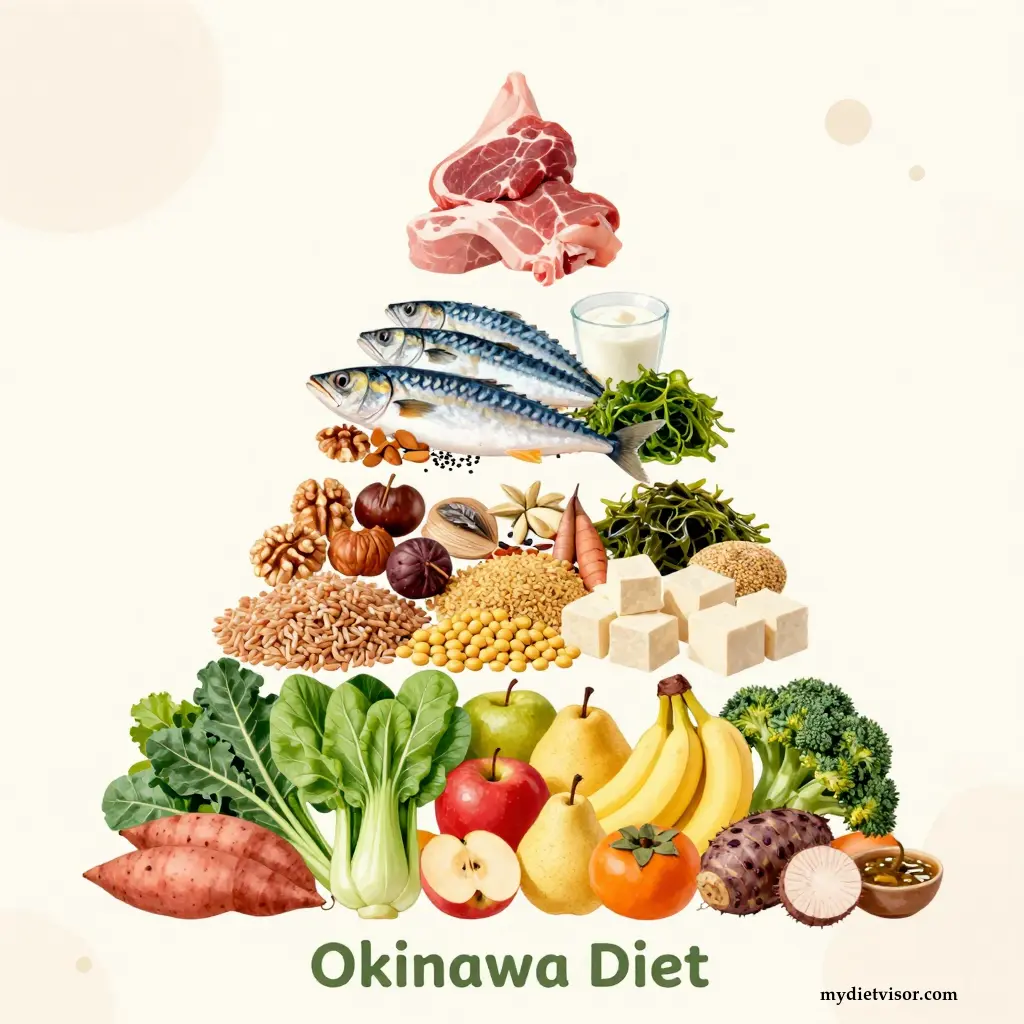
A typical Okinawan plate is a vibrant display of health-promoting foods, each chosen not just for its taste but also for its nutritional value. Sweet potatoes are the star ingredient, providing essential nutrients and fiber without the drawbacks associated with refined carbohydrates. Picture a plate where sweet potatoes form a base layer, their earthy flavor and dense texture complementing other ingredients beautifully.
In addition to sweet potatoes, leafy greens such as bok choy and kale play a significant role in Okinawan meals. These vegetables are packed with vitamins A and K, iron, and calcium, contributing to strong bones and robust immune systems. The vivid colors of these greens not only enhance the visual appeal but also signal their high antioxidant content.
Soy products like tofu and miso are integral components of an Okinawan plate, offering a balance of plant-based protein, essential minerals, and beneficial compounds such as isoflavones. Tofu can be enjoyed in various forms – sautéed with vegetables for added flavor or blended into smoothies to enhance its creamy texture.
Fish makes a regular appearance on the table but in moderation. Okinawans often include fish like tuna and bonito, known for their rich omega-3 fatty acids, which are vital for heart health and brain function. Fish is typically prepared simply, either grilled or boiled to preserve its delicate flavor and nutritional integrity.
Rounding out the plate are small portions of lean meat such as pork and occasional servings of noodles like soba, made from buckwheat rather than wheat. These foods provide additional protein and a touch of variety without overwhelming the diet with excessive calories.
The Okinawan approach to dining is mindful, emphasizing quality over quantity. Each ingredient serves a specific purpose in nourishing the body and promoting longevity. Imagine sitting down to an Okinawan meal – a harmonious blend of sweet potatoes, leafy greens, soy products, fish, lean meat, and noodles – all converging on your plate like a symphony of health benefits.
By incorporating these elements into your meals, you can experience not just the flavors but also the essence of what makes the Okinawa diet so unique and beneficial. How might adapting some of these principles help enhance your dietary habits?
The traditional Okinawan practice of hara hachi bu – eating until you are 80% full – is believed to have originated as a way to prevent overindulgence during times when food was scarce, turning into a cultural norm that has contributed significantly to their longevity.
What Traditional Foods Form the Basis of the Okinawa Diet?
Sweet potatoes, soy products, leafy greens, fish, lean meat, and noodles form the backbone of an authentic Okinawan meal. Each food item serves a specific nutritional purpose while adhering to the principles of simplicity and moderation.
Leafy Greens: These vegetables are not just visually appealing; they also offer significant health benefits. Bok choy and kale, common in Okinawa, provide essential vitamins A and K, iron, calcium, and antioxidants. Their deep green hues signify their high chlorophyll content, which can help detoxify the body and support overall health.
Soy Products: Soybeans are a cornerstone of the Okinawan diet due to their versatile nature and numerous health benefits. Tofu, for instance, is often prepared in simple ways like steamed or lightly sautéed with garlic and ginger. Miso soup is another staple, made by fermenting soybeans with salt and koji (a type of fungus), creating a rich broth filled with probiotics that aid digestion.
Fish: While fish consumption is moderate, it plays an important role in the diet due to its omega-3 fatty acids content. Commonly consumed fish include tuna and bonito, prepared using traditional methods like grilling or boiling without excessive use of oils. This preserves the natural flavors and nutrients while providing heart health benefits.
Lean Meat: Pork is one of the few meats found in Okinawan cuisine, but it’s used sparingly. It’s often thinly sliced and cooked quickly to retain its tender texture and nutritional value without adding too many calories or saturated fats.
Noodles: Unlike their mainland counterparts which are made from wheat flour, Okinawans prefer soba noodles made from buckwheat (buckwheat is not related to wheat). These noodles are gluten-free and provide a good source of fiber and minerals. Soba can be enjoyed cold in summer or hot in winter soups.
The combination of these ingredients creates meals that are not only delicious but also highly nutritious, reflecting the Okinawan philosophy of balancing taste with health benefits. Imagine enjoying a bowl of steamed tofu alongside a vibrant salad of mixed greens and sweet potatoes. How might this balance inspire your next meal?
The traditional Okinawan saying nikugara, which translates to “eat three-quarters full,” echoes the concept of mindful eating, emphasizing that true satisfaction lies in moderation rather than overindulgence.
How Do Sweet Potatoes Feature in the Okinawa Diet?
Sweet potatoes are indeed a cornerstone of the Okinawan diet, playing a pivotal role not just as a food staple but also as a symbol of cultural identity and nutritional wisdom. These root vegetables are central to daily meals, appearing in various forms such as roasted, steamed, or mashed into dishes that cater to both savory and sweet preferences. One popular preparation method involves boiling sweet potatoes until tender and then sprinkling them with a dash of sea salt for an umami-rich flavor.
In addition to their culinary versatility, sweet potatoes offer substantial health benefits due to their high nutrient density. They are rich in fiber, vitamins A and C, and minerals like iron and potassium, which support immune function and digestive health. Sweet potatoes’ low glycemic index means they release sugar slowly into the bloodstream, providing sustained energy without causing spikes or crashes.
Interestingly, the Okinawan variety of sweet potato, often called beni imo due to its reddish-purple skin and flesh, is especially prized for its unique taste and nutritional profile. While regular orange-fleshed sweet potatoes are widely used in many parts of Japan, the deep-colored beni imo adds a distinctive hue and flavor to meals. Its vibrant color signals high levels of anthocyanins – powerful antioxidants that may offer additional health benefits.
Beyond their culinary uses, sweet potatoes hold cultural significance in Okinawan traditions. They are often featured in festive occasions and religious ceremonies, reflecting the deep-rooted connection between food and community in Okinawa. Imagine a festival where families gather to share dishes centered around sweet potatoes, each preparation a testament to local ingenuity and respect for nature’s bounty.
The presence of sweet potatoes throughout the Okinawan diet underscores their importance as more than just a food source; they are an integral part of maintaining health and longevity. As you explore incorporating elements of this diet into your own eating habits, consider how sweet potatoes might become a regular feature in your meals. How could introducing these versatile tubers to your daily routine enhance both flavor and nutrition?
What Role Does Goya Play in Okinawan Cuisine?
Goya, or bitter melon, is a distinctive ingredient in Okinawan cuisine that adds a unique flavor profile and numerous health benefits. This vine-grown vegetable is cherished for its slightly bitter taste, which might seem off-putting at first but grows on you with time. Goya is often incorporated into dishes as a way to introduce an element of complexity and depth that enhances the overall dining experience.
Imagine walking through the bustling markets of Okinawa where stalls are filled with vibrant vegetables and fruits. Amidst these, you might spot bright green, elongated goya hanging from vines. It’s no secret why this vegetable is so beloved in Okinawan households – it’s not just a culinary staple but also a symbol of resilience and adaptability.
Goya Champuru, one of the most famous dishes in Okinawa, showcases the versatility and significance of goya in local cuisine. This stir-fry dish typically combines shredded goya with tofu, pork, eggs, and sometimes noodles or potatoes, creating a hearty meal that is both nutritious and satisfying. The bitterness of the goya cuts through rich flavors, offering a refreshing contrast to other ingredients.
The health benefits of goya are extensive. Rich in vitamins A, C, and B-complex vitamins, as well as minerals like iron and zinc, it also contains compounds known for their anti-inflammatory properties. These nutrients contribute to boosting the immune system, supporting digestive function, and even helping with blood sugar regulation.
Beyond its culinary applications, goya has a special place in Okinawan culture due to its medicinal uses. Traditional medicine often employs goya as part of remedies to treat ailments ranging from diabetes to high cholesterol. Its bitter taste is also believed to stimulate digestion, making it a popular ingredient among the elderly who value such benefits.
As you explore incorporating more elements of the Okinawa diet into your meals, think about how goya might fit in and enhance your culinary repertoire. Would trying goya champuru be an interesting way to introduce yourself to this unique flavor? How might its health-promoting properties make a positive impact on your daily nutrition?
In addition to its culinary uses, the bitter melon found in Okinawan markets is also highly regarded for its ornamental value. Its vibrant green vines and distinctive fruits can be seen decorating gardens and homes across the islands.
The inclusion of goya not only enriches the flavors and textures of traditional dishes but also highlights the wisdom behind integrating diverse ingredients to support overall health and well-being. How might adding this versatile vegetable inspire your next culinary adventure?
What are the Typical Proportions of Food in the Okinawa Diet?
In the Okinawan diet, food proportions are carefully balanced to ensure a harmonious blend of nutrients while adhering to principles of moderation. Unlike many Western diets where meats and grains dominate plates, the Okinawan approach prioritizes vegetables, sweet potatoes, and soy products as primary components.
A typical Okinawan meal might consist of 50-60% vegetables, which include a variety of leafy greens like bok choy and kale, providing essential vitamins and minerals. Sweet potatoes make up another significant portion, around 30-40%, serving as the main carbohydrate source due to their high fiber content and low glycemic index.
Soy products such as tofu and miso occupy about 10-15% of the plate, offering plant-based proteins and beneficial compounds like isoflavones. Fish, while important for omega-3 fatty acids and heart health, is included in smaller amounts, typically around 5-10% to avoid overwhelming calorie intake.
Lean meats such as pork are present but sparingly, contributing an additional 5-10% of the meal. Noodles or other grains like soba might fill out the remaining 2-5%, ensuring a well-rounded and nutritious plate without excess calories.
This balanced approach contrasts sharply with more Westernized diets where carbohydrates from refined sugars and processed grains dominate, often leading to weight gain and related health issues. In Okinawan meals, each component serves a specific purpose in nourishing the body efficiently and effectively.
Imagine sitting down for an Okinawan meal designed according to these proportions – a visually appealing plate with a variety of textures and flavors that cater to both taste and nutrition. How might adopting similar principles help you achieve better health outcomes through mindful eating?
One unique aspect of the Okinawan diet is its adaptability across seasons. During warmer months, more fresh vegetables are consumed, while colder periods see an increase in root vegetables like sweet potatoes for warmth and sustenance.
By focusing on whole foods and maintaining a balanced plate with these proportions, individuals can emulate the longevity-promoting qualities observed in Okinawa without strictly adhering to rigid dietary rules. This flexibility allows for a sustainable and enjoyable way of eating that supports long-term health goals. How might you start integrating more vegetables and sweet potatoes into your daily meals?
How Has the Okinawa Diet Changed Over Time?
Over the past few decades, the Okinawan diet has undergone significant transformations influenced by broader societal changes. Urbanization, economic growth, and increased globalization have introduced new food sources and culinary practices to the region. These shifts have brought both challenges and opportunities for maintaining traditional health-promoting dietary habits.
In earlier times, the Okinawa diet was primarily based on locally grown produce with minimal outside influences. Sweet potatoes were a staple due to their availability and nutritional value, supplemented by other seasonal vegetables, fish, and lean meats. However, as Okinawa has modernized, there has been an increase in imported foods and processed products that differ from traditional fare.
Urbanization, in particular, has led to changes in food preparation methods and consumption patterns. Fast food chains and convenience stores have become more prevalent, making it easier for residents to opt for quick, calorie-dense meals over traditional home-cooked dishes. This shift towards Western-style eating habits can lead to higher intakes of sugars, fats, and refined grains.
Moreover, economic improvements have allowed Okinawans greater access to a wider variety of foods from around the world. While this has expanded culinary options, it also poses risks if these new foods are not consumed mindfully within the framework of balanced eating practices like hara hachi bu. Traditional meals focused on locally sourced ingredients and natural seasonings; today’s diets may include more processed foods with added sugars and preservatives.
Despite these challenges, there remains a strong cultural commitment to preserving traditional dietary habits. Many Okinawans still prioritize vegetables, sweet potatoes, soy products, fish, lean meats, and noodles in their meals, even as they adapt to modern living conditions. Community initiatives and health programs continue to promote the benefits of the Okinawan diet, encouraging younger generations to embrace these practices for longevity and well-being.
How might you personally incorporate elements of the Okinawa diet into your lifestyle while navigating the temptations of contemporary cuisine? Reflecting on traditional dietary wisdom can provide valuable insights that enhance modern eating habits.
A unique challenge in preserving the integrity of the Okinawan diet lies not only in resisting imported foods but also in adapting to changing lifestyles without compromising health.
What Lessons Can We Learn from the Okinawa Diet Today?
Adopting elements of the Okinawan diet can offer valuable lessons for modern food consumption patterns, emphasizing the importance of a balanced approach to eating. By focusing on whole foods and integrating traditional ingredients like sweet potatoes, leafy greens, soy products, fish, lean meats, and noodles, individuals can enhance their nutritional intake while enjoying diverse flavors.
One of the most significant takeaways from the Okinawan diet is the practice of hara hachi bu, which involves eating until you are 80% full. This mindful eating technique helps prevent overeating and promotes a healthy relationship with food by fostering awareness and gratitude for what’s on your plate. It encourages taking time to savor each bite, enhancing digestion and satisfaction without the need for excessive portions.
Another crucial lesson is the importance of seasonal eating and local sourcing. The Okinawan diet thrives on fresh, locally available ingredients that are in season. This not only ensures optimal nutritional value but also supports sustainable food systems by reducing carbon footprints associated with long-distance transportation of produce. By embracing this practice, individuals can appreciate the full spectrum of flavors and nutrients nature offers throughout different seasons.
Incorporating sweet potatoes as a staple carbohydrate source over refined grains or white rice provides numerous health benefits. Sweet potatoes offer high fiber content and essential vitamins A and C, contributing to better digestive health, immune function, and overall well-being. Their low glycemic index also aids in maintaining stable blood sugar levels throughout the day.
Similarly, integrating soy products such as tofu and miso into daily meals can significantly boost protein intake while providing heart-healthy benefits. Tofu is a versatile ingredient that can be prepared in various ways, from simple stir-fries to smoothies, adding texture and flavor without excessive calories or unhealthy fats. Miso soup, made by fermenting soybeans, offers probiotics essential for gut health.
Leafy greens like bok choy and kale, rich in vitamins A and K, iron, calcium, and antioxidants, play a vital role in the Okinawan diet. These vegetables not only provide essential nutrients but also contribute to vibrant color and texture on plates. Including them regularly can help prevent deficiencies associated with inadequate vegetable intake.
The inclusion of fish, particularly types like tuna and bonito, rich in omega-3 fatty acids, supports brain health and cardiovascular function. Simple preparation methods such as grilling or boiling preserve these essential nutrients, enhancing the overall nutritional profile of meals without adding unnecessary calories.
Finally, incorporating lean meats like pork sparingly and enjoying noodles made from buckwheat instead of wheat flour adds variety while maintaining dietary balance. Buckwheat noodles are gluten-free and high in fiber and minerals, offering a nutritious alternative to refined grain products.
By adopting these principles, individuals can enhance their health journey without adhering strictly to rigid rules. How might integrating more vegetables, sweet potatoes, tofu, and fish into your meals improve both taste and nutritional value? Reflect on how small changes in diet can lead to significant benefits over time.
Incorporating the Okinawan practice of seasonal eating can not only benefit personal health but also support local economies by boosting demand for fresh, locally grown produce.
By embracing these lessons from the Okinawa diet, modern consumers can create a more sustainable and nutritious lifestyle that aligns with traditional wisdom while adapting to contemporary needs.
How might you start incorporating elements of this balanced approach into your daily meals?
Summary: Benefits and Modern Applications of the Okinawa Diet
In summary, the Okinawan diet offers valuable insights into a balanced and nutritious way of eating that has been linked to increased longevity and overall well-being. Characterized by its focus on sweet potatoes, leafy greens, soy products, fish, lean meats, and noodles, this dietary pattern emphasizes whole foods, moderation, and mindful consumption. Key elements like the practice of hara hachi bu encourage people to eat until they are 80% full, promoting a healthy relationship with food that prevents overeating and supports metabolic health.
The Okinawan approach also highlights the importance of seasonal eating and local sourcing, which not only enhance nutritional value but also contribute to sustainability. By integrating these principles into modern diets, individuals can reap the benefits of traditional wisdom while adapting to contemporary lifestyles. Whether it’s adding more sweet potatoes and leafy greens to your meals or enjoying a bowl of miso soup, small changes in eating habits can lead to significant long-term health improvements.
As you explore ways to incorporate elements of the Okinawa diet into your daily routine, consider how these simple yet impactful practices might transform your relationship with food. How will you start integrating more vegetables and sweet potatoes into your meals? Reflecting on traditional dietary wisdom can provide valuable insights that enhance modern eating habits, supporting a healthier and more sustainable lifestyle.
For those looking to delve deeper, exploring the full range of Okinawan dishes and ingredients could offer new culinary adventures while promoting better health outcomes. How might you begin this journey today?
Frequently Asked Questions (FAQ)
Is the Okinawa diet easy to follow for people who aren’t from Japan?
The principles of the Okinawan diet can be adapted to any lifestyle or location, making it accessible to people worldwide. The focus on whole foods like sweet potatoes and soy provides versatile ingredients that can fit into various cultural diets.
What are some tasty ways to incorporate goya into my meals?
Goya is a popular ingredient in Okinawan cuisine, especially in the dish goya chanpuru. You can also try adding it to stir-fries or salads for its unique bitter flavor and health benefits.
How does sweet potato consumption differ from eating white potatoes in terms of nutrition?
Sweet potatoes are richer in vitamins A and C, fiber, and antioxidants compared to regular potatoes. They offer a more nutritious option with fewer calories.
Are there any specific recipes you recommend trying out for someone interested in the Okinawa diet?
Recipes like goya chanpuru or miso soup with sweet potato leaves can introduce you to key elements of Okinawan cuisine while offering delicious and healthy meals.
How does the Okinawan diet compare to other longevity diets, such as the Mediterranean diet?
The Okinawan diet emphasizes similar principles to others like the Mediterranean diet – high in vegetables, fruits, legumes, and whole grains but with its unique focus on sweet potatoes and bitter melon (goya).
What are some common misconceptions about the Okinawa diet?
One misconception is that the diet consists mainly of rice. In reality, sweet potatoes were the staple food rather than rice for traditional Okinawans.
Can someone who doesn’t eat fish still benefit from the Okinawan diet principles?
Absolutely! The Okinawan diet includes a variety of plant-based proteins like soy and legumes, which are excellent alternatives to fish.
How has urbanization affected adherence to the traditional Okinawa diet?
Urbanization has led to dietary changes that include higher consumption of processed foods and sugars, affecting health outcomes traditionally associated with the diet’s principles.
What role does exercise play in the overall longevity benefits of the Okinawan lifestyle?
Regular physical activity complements a healthy diet in contributing to longevity. Traditional practices like tai chi or walking are integral parts of an active lifestyle.
Is it necessary to completely cut out sugar and grains from my diet if I want to follow the Okinawa diet?
While traditional Okinawans consumed less sugar and grains, incorporating moderate amounts into your diet while focusing on whole foods can still align with the diet’s health benefits.