
Introduction to the Banting Diet: A Historical Perspective on Weight Loss

The Banting diet, named after its founder William Banting, is a fascinating chapter in the history of weight loss. In 1863, Banting published his personal journey with obesity and how he overcame it through dietary changes recommended by Dr. William Harvey. This letter revolutionized thinking about weight management at a time when obesity was not well understood.
Banting’s story is compelling because it wasn’t just about shedding pounds; it was about reclaiming health and vitality. At 48 years old, Banting weighed over 200 pounds and had tried numerous diets without success. His turning point came when he consulted Dr. Harvey, who introduced him to the concept of carbohydrate restriction – a radical idea in an era dominated by high-calorie diets.
- Personal Transformation: Banting’s diet was not just a list of dos and don’ts but a complete lifestyle change. He began avoiding bread, beer, sugar, potatoes, and other starches while embracing moderate portions of meat, fruits, vegetables, and dry wine.
- Medical Breakthrough: This dietary shift wasn’t merely about losing weight; it was also about improving health markers like blood pressure and energy levels. Banting’s success inspired countless readers to try the diet themselves.
Banting’s approach quickly became a sensation in Victorian England. His letter on corpulence was one of the first self-help books that resonated widely, thanks to its practical advice grounded in medical science. The impact of his work is evident today as we see echoes of low-carb diets like keto and intermittent fasting becoming mainstream.
- Historical Significance: Banting’s diet marked a pivotal moment in nutrition science by challenging the prevailing wisdom about weight loss. It was one of the first instances where dietary changes were used to address chronic conditions associated with obesity, such as diabetes.
Today, the Banting Diet has been reimagined for contemporary lifestyles and health concerns. While maintaining its core principles, it integrates modern nutritional insights and offers a more structured framework that includes intermittent fasting and mindfulness practices.
This historical perspective on the Banting diet not only underscores how early dietary interventions laid the groundwork for today’s sophisticated weight management tools but also highlights the enduring importance of understanding nutrition and personal health in an evolving scientific landscape.
Recommended Food Groups for the Banting Diet
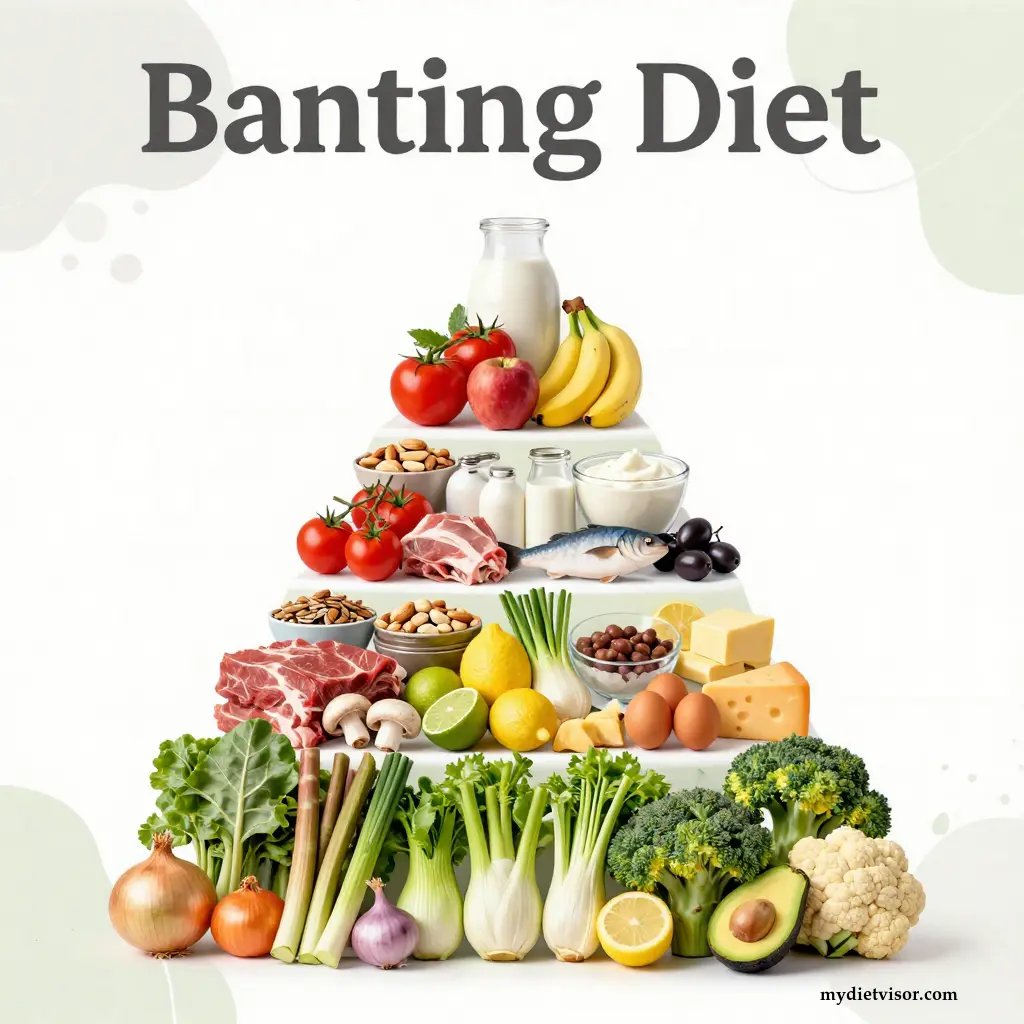
When it comes to the Banting Diet, understanding which food groups are recommended can help you achieve your weight loss goals effectively. The core principle of this diet is to drastically reduce carbohydrate intake while increasing fat consumption. Here’s a straightforward guide on what foods to include in your daily meal plan:
- Fruits and Vegetables: Focus on non-starchy vegetables like broccoli, spinach, kale, and asparagus. These are packed with vitamins, minerals, and fiber without the added sugars or carbs found in starchy vegetables such as potatoes or corn.
- Proteins: Lean meats like chicken and turkey, fish, eggs, and cheese are staples of the Banting diet. Meat is a key component since it provides essential amino acids and helps keep you feeling full longer.
- Healthy Fats: Olive oil, avocado, nuts, and butter can be consumed freely as they play an important role in fat adaptation and satiety. These fats also contribute to heart health when chosen wisely.
Items like processed foods, sweets, fast food, gluten-containing products, some dairy items, and sugary beverages should be avoided or limited strictly because these are high in carbs and unhealthy fats.
Following the Banting diet means making conscious choices about what you eat each day. It’s all about finding a balance that works for your body and lifestyle. Remember to listen to your body and ask questions if something doesn’t feel right. For instance, how does eating certain vegetables make you feel compared to others? Or, which type of protein keeps you feeling fuller longer?
The Banting diet has roots in the 19th century but it still resonates with modern health trends due to its emphasis on whole foods and mindful eating practices.
By sticking closely to these food groups, not only will you likely see weight loss benefits, but also improved energy levels and better blood sugar control. However, as always, consult your healthcare provider before making significant dietary changes, especially if you have specific medical conditions or are taking medications that could be affected by diet modifications.
Forbidden or Limited Foods in the Banting Diet
When following the Banting diet, which is inspired by William Banting’s original weight loss plan from 1863, there are certain foods you need to avoid or limit significantly. These restrictions are key to achieving successful results on the diet.
- Avoid Sugary and Starchy Foods: The cornerstone of the Banting diet involves cutting out most carbohydrates, particularly those that contain sugar and starch. This means saying goodbye to candy, cakes, cookies, white bread, pasta, potatoes, corn, and rice. Instead, you’ll focus on foods like non-starchy vegetables (such as leafy greens), eggs, meat, fish, and healthy fats.
- Limit Dairy: Milk is another item that Banting recommends avoiding because it contains lactose, a type of sugar. Other dairy products with high carbohydrate content should also be restricted, such as sweetened yogurts or flavored milks. However, full-fat cheeses and cream are typically allowed in moderation since they provide healthy fats without added sugars.
- Reduce Intake of Beer: Alcohol consumption is generally discouraged on the Banting diet, especially beer due to its high carbohydrate content. Instead, you can opt for dry wines in limited quantities as a more acceptable option according to the original guidelines by William Banting.
In today’s context, modern adaptations also recommend cutting out processed foods and sugary drinks completely. This means avoiding fast food, packaged snacks, sodas, energy drinks, and other highly processed items that are often high in sugar and low in nutritional value.
By steering clear of these restricted foods, you ensure your body gets the right balance of nutrients while reducing calorie intake from unhealthy sources. The diet promotes weight loss by shifting your metabolism to use fat as fuel instead of glucose derived from carbohydrates.
William Banting’s own struggles with obesity inspired him to write “Letter on Corpulence,” which led to a widespread adoption of his dietary principles, even influencing culinary practices in other countries like Sweden.
Nutritional Benefits and Drawbacks of Following the Banting Diet
Following the Banting diet can offer several nutritional benefits for those looking to manage their weight or improve their health. One of its primary advantages is significant weight loss due to a decrease in calorie intake from high-carb foods like bread, pasta, and sugary snacks. By restricting these items, individuals often find it easier to control their appetite and feel full longer because the diet emphasizes protein-rich foods such as meat, fish, and eggs, which are more satisfying.
Another benefit of the Banting diet is its potential to improve blood sugar levels by reducing the intake of sugars and starches. This can be particularly beneficial for people with type 2 diabetes or those at risk of developing it, as lower carbohydrate consumption helps stabilize glucose levels and reduces spikes in insulin production. Additionally, studies have shown that this dietary approach can lead to better heart health by decreasing triglyceride levels and increasing HDL (good) cholesterol.
However, the Banting diet also comes with potential drawbacks. One concern is the risk of nutrient deficiencies if not properly planned. Since it severely restricts a wide range of foods including fruits, whole grains, legumes, and certain dairy products, individuals might miss out on essential vitamins and minerals found in these food groups. For instance, limiting carbohydrates from sources like whole wheat bread and brown rice can lead to insufficient fiber intake, which is crucial for digestive health.
Another potential risk associated with the diet is a decrease in muscle mass over time if not enough protein or overall calories are consumed. This loss of lean body mass could negatively impact metabolism and physical performance unless the individual makes sure to include sufficient amounts of high-quality proteins in their meals. Furthermore, there’s evidence suggesting that prolonged adherence to such restrictive eating patterns might pose risks to bone health, though more research is needed to confirm this link.
It’s important for anyone considering adopting the Banting diet to consult with a healthcare provider or registered dietitian first, especially if they have pre-existing conditions like kidney disease, liver issues, or are pregnant. This ensures that any potential health risks are addressed and managed appropriately while still allowing individuals to benefit from its positive aspects.
Interestingly, the term “to bant” became so popular in Sweden that it entered common usage as a verb referring to dietary restriction for weight loss purposes.
Sample Meal Plan for a Day on the Banting Diet
A typical day on the Banting Diet can be both delicious and satisfying. Here’s how you might structure your meals to adhere to the diet’s principles:
Breakfast:
- Scrambled Eggs with Spinach: Scramble 2 eggs in butter or olive oil, add a handful of fresh spinach for flavor and nutrients.
- Avocado Slices: A couple slices of ripe avocado provide healthy fats and fiber.
Lunch:
- Grilled Chicken Salad: Grill chicken breasts seasoned lightly with salt and pepper. Serve over a bed of crisp romaine lettuce, topped with cherry tomatoes, cucumber, and olives. Drizzle with olive oil and lemon juice for flavor.
- Side of Olives: Add a small serving of green or black olives for an extra touch of flavor.
Dinner:
- Grilled Salmon with Steamed Vegetables: Grill salmon fillets seasoned simply with herbs like dill, if desired. Serve alongside steamed broccoli, bell peppers, and zucchini.
- Handful of Nuts: For a crunchy texture and additional protein, add a handful of almonds or walnuts.
Snacks (if needed):
- Cheese Sticks: Cheese is allowed on the Banting diet as it provides fat and protein without added sugars. Choose varieties like cheddar or mozzarella.
- Sliced Almonds: A small portion can help curb cravings between meals.
Throughout the day, stay hydrated with plenty of water, herbal teas (like mint tea), or coffee without sugar to maintain your energy levels and support metabolism. These choices not only keep you hydrated but also ensure that you are consuming minimal carbohydrates and sugars.
By sticking closely to these guidelines, you can enjoy varied meals that fit within the Banting diet framework while still reaping its health benefits. The key is to focus on whole foods rich in essential nutrients while avoiding processed items high in sugars and starches.
How Does the Banting Diet Work? A Step-by-Step Guide
The Banting Diet is designed to help individuals lose weight and improve overall health through a high-fat, low-carb approach. This dietary plan follows the principles outlined by William Banting in his 1863 publication “Letter on Corpulence” but has been adapted for contemporary lifestyles. Here’s how you can follow the Banting Diet effectively:
- Step 1: Understand Carbohydrate Restriction: The diet starts with drastically reducing carbohydrate intake to between 20 and 130 grams per day, depending on individual needs and activity levels. Focus on eliminating or severely limiting foods like bread, pasta, potatoes, sugar, and processed snacks.
- Step 2: Increase Healthy Fats: Incorporate more fats into your diet by eating meals rich in olive oil, avocados, nuts, seeds, meat, fish, eggs, cheese, and butter. These healthy fats should make up around 65-90% of your daily calorie intake.
- Step 3: Emphasize Vegetables and Proteins: Include plenty of non-starchy vegetables like leafy greens, broccoli, cauliflower, asparagus, and bell peppers to provide essential nutrients without adding too many carbohydrates. Lean meats such as chicken, turkey, beef, and fish are also crucial for maintaining muscle mass.
- Step 4: Avoid Processed Foods and Sweets: Stay away from processed foods, sugary snacks, fast food, most dairy products (except full-fat cheeses and cream), gluten-containing items like wheat or barley, and sugary beverages. These foods can hinder your progress by adding unnecessary carbohydrates and unhealthy fats.
- Step 5: Monitor Your Progress and Adjust as Needed: Keep track of your meals to see how different choices affect your energy levels and weight loss journey. Listen to your body and adjust the diet based on what works best for you over time. Some people find it helpful to weigh themselves weekly and assess their progress.
By following these steps, individuals can effectively manage their weight while also improving metabolic health, stabilizing blood sugar levels, enhancing heart health, and increasing overall energy levels. However, as with any significant dietary change, consulting a healthcare professional is advisable before beginning the Banting Diet, especially for those with pre-existing conditions or specific medical concerns.
Understanding how the Banting Diet works involves recognizing its focus on nutritional quality over quantity and encouraging adherence to whole foods rather than processed alternatives. This approach not only aids in weight loss but also supports long-term health benefits when followed consistently and responsibly.
Alternative or Similar Diets to Banting: Comparisons and Considerations
When exploring alternatives or similar diets to the Banting Diet, it’s important to understand how these options differ in their approach to carbohydrate restriction and overall dietary composition. Here’s a closer look at three popular high-fat, low-carb diets that share some principles with the Banting Diet but vary in specific details.
Ketogenic (Keto) Diet
The ketogenic diet is another well-known low-carbohydrate plan that aims to push your body into ketosis by drastically reducing carbohydrate intake and increasing fat consumption. Here’s how it compares to the Banting Diet:
- Carb Intake: The keto diet restricts carbohydrates to a very narrow range of 20-50 grams per day, much lower than the Banting Diet’s allowance of around 20-130 grams.
- Fat and Protein: Both diets emphasize high-fat consumption but differ slightly in protein intake. Keto allows moderate amounts of protein (around 20% of total calories) to avoid gluconeogenesis, while Banting typically recommends a higher proportion of fat intake.
Paleo Diet
The Paleo diet focuses on mimicking the eating habits of early humans by avoiding processed foods, grains, dairy products, and refined sugars. Here’s how it contrasts with the Banting Diet:
- Carb Consumption: While both diets discourage processed carbohydrates, the Paleo diet allows for higher carbohydrate intake from natural sources like fruits and non-starchy vegetables.
- Allowed Foods: The Paleo diet includes a broader range of proteins such as nuts, seeds, and legumes, which are often limited or avoided in the Banting Diet.
Mediterranean Diet (MedDiet)
The MedDiet takes an entirely different approach compared to the Banting and keto diets. Here’s what sets it apart:
- Carbohydrate Level: The MedDiet includes a moderate amount of carbohydrates from whole grains, fruits, and vegetables.
- Focus on Variety: Unlike the Banting Diet’s focus on high-fat consumption, the MedDiet emphasizes a balanced intake of fats, proteins, and carbs while incorporating regular physical activity.
Key Considerations
When choosing between these diets or deciding if the Banting Diet is right for you, consider your personal health status, dietary preferences, and specific goals:
- Sustainability: The keto diet can be challenging to maintain long-term due to its strict carbohydrate limitations.
- Nutritional Balance: The Paleo diet might appeal to those who prefer a more natural approach but may face practical difficulties in modern food environments.
- Heart Health: The MedDiet offers a sustainable lifestyle change that emphasizes variety and balance, aligning well with current public health recommendations.
By understanding these differences, you can make an informed decision about which dietary plan best suits your needs. Consulting a healthcare provider or nutritionist can provide personalized advice based on the latest research and clinical evidence regarding each diet’s impact on overall health outcomes.
Is the Banting Diet Safe for Everyone? Who Should Avoid It?
When considering whether the Banting Diet is safe for everyone, it’s essential to look at individual health needs and circumstances. First introduced in 1863 by William Banting as a weight loss plan that restricts sugars and starches, the diet has evolved into a high-fat, low-carbohydrate regimen today. While many people find success with this approach, there are certain groups who should proceed with caution or avoid it altogether.
The modern Banting Diet focuses on minimizing carbohydrates to just 5-10% of daily calorie intake and increasing fats up to 65-90%. Foods allowed include vegetables (excluding starchy ones), meats, fish, eggs, nuts, cheese, avocado, butter, and olive oil. On the other hand, items like processed foods, sweets, fast food, gluten-containing products, some dairy items, and sugary beverages are restricted.
For many individuals, adhering to these guidelines can lead to significant benefits such as weight loss, improved energy levels, better blood sugar control, reduced heart disease risk, enhanced appetite regulation, and potentially even improved sleep quality. However, the long-term safety of this diet remains uncertain due to a lack of extensive research on prolonged use.
There are certain populations who should avoid or modify the Banting Diet:
- Individuals with specific medical conditions: People suffering from kidney diseases or those taking medications that affect their kidney function should be cautious since high protein and fat intake can strain these organs. Additionally, individuals with thyroid issues might face challenges due to potential disruptions in hormone balance.
- Children and teenagers under 18 years old: The Banting Diet is not recommended for minors as it may interfere with proper growth and development.
In essence, while the Banting Diet offers promising benefits for many adults aiming to lose weight or manage chronic conditions like diabetes, it’s crucial to tailor dietary choices based on personal health status. Consulting a healthcare professional before starting can provide personalized guidance and ensure safety.
By understanding these considerations, individuals can make informed decisions about whether the Banting Diet aligns with their health goals and needs. Remember, every person’s body is unique, so what works for one may not work for another.
Additional Groups to Consider
- Pregnant or Nursing Women: The nutritional demands during pregnancy and breastfeeding are high, and restrictive diets like the Banting diet might compromise essential nutrient intake needed for both mother and child.
- Athletes and Highly Active Individuals: While the Banting Diet can help with fat loss, athletes need a balanced approach to ensure adequate energy and protein to support intense physical activities. Restricting carbohydrates could negatively impact performance and recovery.
- People Taking Certain Medications: Some medications require specific dietary guidelines that might conflict with the Banting diet’s restrictions on carbohydrate intake. For instance, diabetics using insulin or other glucose-lowering drugs should carefully manage their carbohydrate intake under medical supervision to avoid hypoglycemia.
In summary, while the Banting Diet can be a valuable tool for weight loss and health improvement, it’s important to recognize its limitations and potential risks. Consulting healthcare professionals ensures that any dietary changes are made safely and effectively tailored to individual needs.
Despite being over 150 years old, the principles of the Banting diet continue to inspire modern diets due to their focus on whole foods and mindful eating practices!
Last Words: Embracing a Balanced Approach to Health
As you embark on the journey of adopting healthier habits inspired by historical diets like the Banting Diet, it’s important to reflect on what true health means for you personally. The legacy of William Banting’s dietary plan highlights the power of simplicity and discipline in achieving weight loss and improved well-being. However, as we look back at these methods, a balanced approach that integrates modern nutritional science is often the key to long-term success.
When considering any diet, including its contemporary forms like the high-fat, low-carbohydrate Banting Diet, it’s crucial to evaluate how sustainable such restrictive measures are in your daily life. The essence of health goes beyond just what we eat; it encompasses our activity levels, mental well-being, and overall lifestyle choices.
Modern adaptations of the Banting Diet emphasize not only cutting down on carbohydrates but also focusing on quality fats from sources like avocados, nuts, olive oil, and meat. This approach can indeed bring about positive changes such as weight loss, better blood sugar control, and improved energy levels. However, it’s equally important to understand that balance is the cornerstone of sustained health improvement.
Incorporating a variety of healthy foods into your diet while also being mindful of portion sizes ensures you receive all necessary nutrients without falling prey to nutritional deficiencies or excessive calorie intake. Moreover, integrating regular physical activity tailored to your fitness level can complement dietary efforts, enhancing overall health outcomes.
As you navigate through dietary changes influenced by historical models like the Banting Diet, remember that flexibility is key. While the Banting Diet may provide a structured framework for weight loss and blood sugar control, incorporating diverse foods and maintaining an active lifestyle ensures a comprehensive approach to health. This balanced perspective allows for enjoyment of various types of meals while still achieving your wellness goals.
In summary, embracing a balanced diet and an active lifestyle is crucial when adopting any dietary plan inspired by historical models like the Banting Diet. By focusing on quality over quantity, variety in food choices, and consistency in physical activity, you can achieve lasting health benefits that enhance both your physical and mental well-being. Remember to listen to your body and ask questions if something doesn’t feel right. This mindful approach not only helps in making informed decisions but also promotes a positive relationship with food and nutrition.
By adopting this balanced mindset, you set yourself up for long-term success rather than short-term gains. Whether it’s through the Banting Diet or other dietary approaches, the journey to better health is one that should be sustainable, enjoyable, and tailored to your individual needs and preferences.
Frequently Asked Questions (FAQ)
What is the Banting diet and who created it?
The Banting diet is a low-carb, high-fat dietary plan that was originally developed by William Banting in the 19th century. It has been revised over time and is now recommended for weight loss and improved health.
How does the updated Banting diet differ from the original one?
The updated version includes four distinct phases designed to lead dieters to a new pattern of eating, much like the keto diet but with a more moderate approach to carb restriction. It encourages lifestyle modifications such as intermittent fasting and mindfulness for long-term success.
Can you eat fruits on the Banting diet?
Yes, certain fruits are allowed, particularly those that are lower in sugar content, like lemons, limes, tomatoes (which are technically fruits), and olives. However, most sweet fruits should be eaten sparingly or avoided entirely during weight loss phases.
What kind of vegetables can you eat on the Banting diet?
The diet encourages the consumption of leafy greens, cruciferous vegetables, onions, shallots, rhubarb, mushrooms, fennel and other non-starchy veggies. These are considered to be very beneficial for health while following the plan.
Is the Banting diet suitable for vegetarians or vegans?
The diet can be challenging for strict vegetarians due to its emphasis on meat, fish, poultry, eggs, and cheese as key protein sources. However, there are ways to adapt it by focusing more on plant-based proteins like nuts (in moderation) and some dairy alternatives.
Does the Banting diet recommend any specific meals or snacks?
The diet typically includes four meals a day with each meal centered around a portion of meat, fish, poultry, eggs, or cheese accompanied by a small carb portion (about 25-30 grams) and one piece of fruit as a snack.
What are the main benefits of following the Banting diet?
Benefits can include weight loss, improved blood sugar control for those with type 2 diabetes, and reduced risk factors for heart disease. However, results may vary based on individual differences in metabolism and overall health status.
Are there any foods that are completely off-limits on the Banting diet?
Foods that are usually avoided include whole grains, legumes, most nuts (except occasionally), dairy products like milk, yogurt, and some fruits with high sugar content. These restrictions aim to limit intake of starchy or sugary items.
How long should you follow each phase of the Banting diet?
The duration varies depending on individual needs; Phase 1 lasts one week for observation, while Phase 2 can last between two weeks up to several months based on weight loss goals. Phases 3 and 4 are flexible but dependent on reaching personal health milestones.
Can you regain your lost weight after following the Banting diet?
There is a risk of regaining weight if healthy habits aren’t maintained, especially once dietary restrictions are eased. The preservation phase helps transition to long-term sustainable eating patterns for continued success.