Introduction: Understanding the Basics of Halal Diet Principles
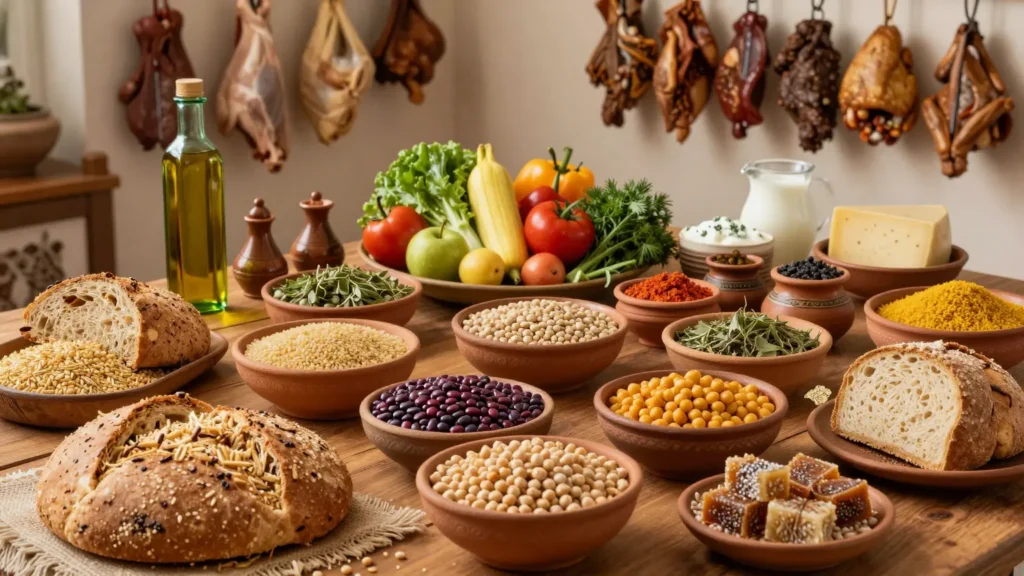
Islamic diet principles form an essential aspect of daily life for millions of people around the world, rooted deeply in the teachings of Islam as outlined in the Quran and Hadith. These principles are not just a set of rules but a framework that guides Muslims on what foods they can consume (halal) and which ones they should avoid (haram). Understanding these dietary laws is key to appreciating the broader implications of halal living.
Halal diet guidelines extend far beyond simply avoiding pork and alcohol. They dictate how animals must be treated before slaughter, ensuring humane practices that align with Islamic values. For instance, permissible meats include those from herbivorous animals like cattle, sheep, goats, and deer – provided these animals are slaughtered in a specific manner while invoking the name of Allah. This ritual, known as zabiha, is crucial for Muslims to ensure their food meets religious standards.
Beyond meat, halal dietary laws also impact the preparation methods and certification processes used in various industries. The quest for authentic halal products has spurred global efforts to establish consistent standards across different countries. Yet, achieving uniformity remains a challenge due to diverse interpretations and cultural practices within Islamic communities worldwide. Understanding these nuances is crucial for both consumers seeking genuine halal options and businesses aiming to cater to this growing market.
Embarking on the journey of understanding halal diet principles opens doors to insights about Islamic values, health, and global food ethics, inviting readers to explore further and deepen their knowledge about this vital aspect of religious and cultural life.
What Foods are Considered Halal in Islamic Cuisine?
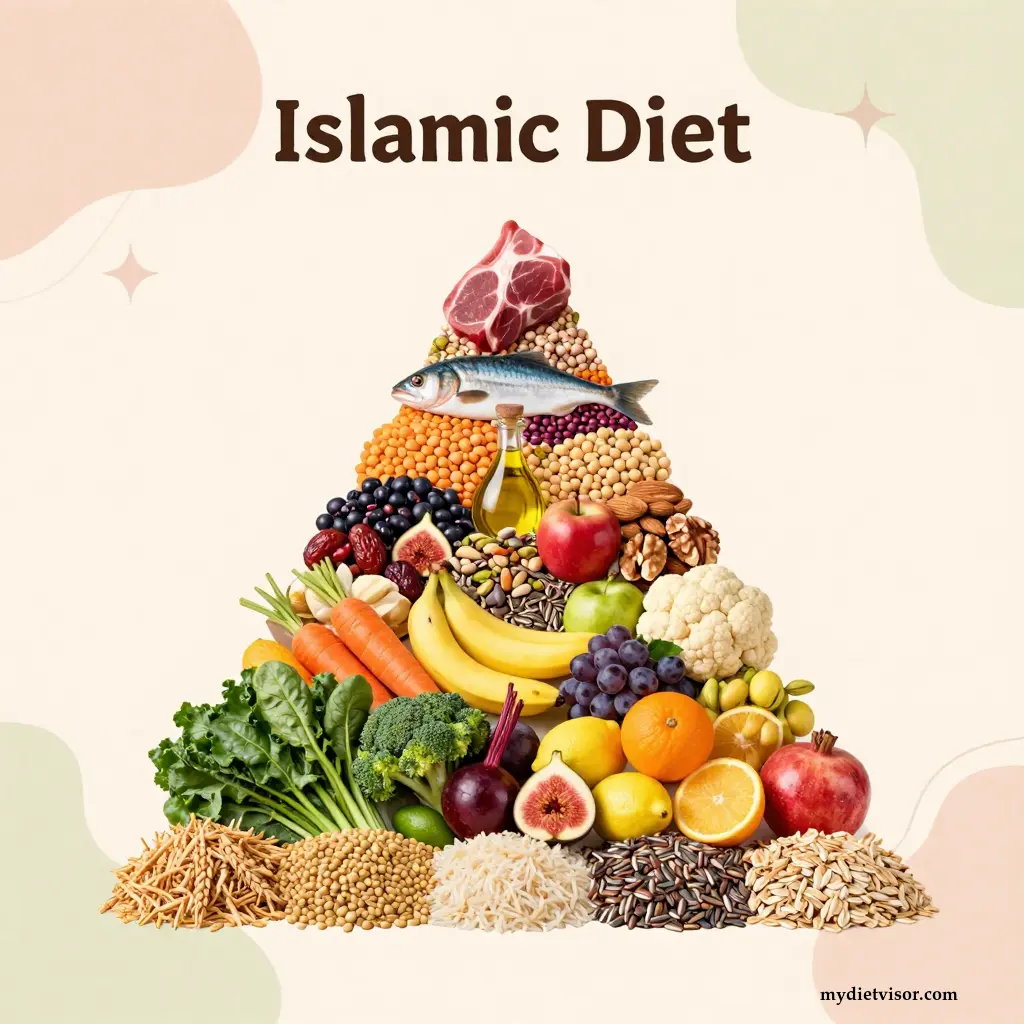
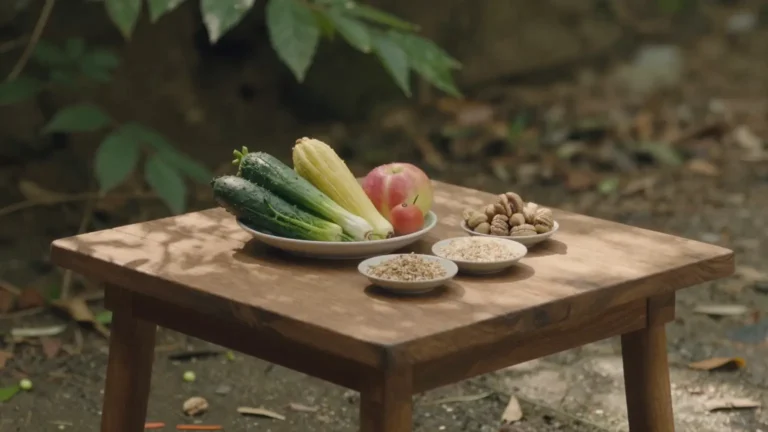
Halal foods are diverse and extend beyond just meat products. They include an extensive range of plant-based items that do not require any special certification for consumption. For example, fruits like apples, bananas, oranges, strawberries, and vegetables such as carrots, broccoli, lettuce, tomatoes, and cucumbers are naturally halal. These ingredients can be enjoyed in various forms, from raw salads to cooked dishes.
Legumes and grains also play a significant role in the halal diet, offering a variety of nutritional benefits. Lentils, chickpeas, rice, wheat, barley, oats, and quinoa are staple foods that are inherently halal. These ingredients form the basis for many traditional Middle Eastern dishes like lentil soup (mujaddara), pilaf, and tabbouleh.
Nuts, seeds, herbs, and spices are also widely used in Islamic cuisine. Almonds, walnuts, pistachios, sesame seeds, sunflower seeds, cumin, coriander, turmeric, cinnamon, and cardamom add flavor and nutrition to meals while adhering strictly to halal standards.
Beyond these staples, there’s a wide array of dairy products that can be consumed if they meet the necessary criteria. Milk, yogurt, cheese, and butter from animals treated according to Islamic law are acceptable in the halal diet. These items often play crucial roles in breakfasts, desserts, and savory dishes across many cultures.
Understanding these diverse food sources enriches one’s appreciation of Islamic dietary practices, highlighting how halal extends far beyond meat products into an extensive culinary landscape that values health, purity, and cultural heritage.
The Process of Halal Certification
The process of obtaining halal certification involves several key steps to ensure that products meet the stringent standards set by Islamic law. This rigorous process is vital for both producers and consumers who seek assurance about the legitimacy of food items labeled as halal.
- Initial Inspection: A certified inspector reviews the production facility, focusing on equipment, hygiene conditions, ingredient sourcing, and processing methods to verify compliance with halal principles.
- Ingredient Evaluation: All ingredients used in the product must be scrutinized for their origin and preparation. For instance, ensuring that animal-derived products come from animals slaughtered according to Islamic rites is crucial.
- Production Monitoring: During production, inspectors oversee the process to ensure no cross-contamination occurs between halal and non-halal materials. They also check labels for accuracy regarding ingredient lists and nutritional information.
- Final Audit: After the product has been manufactured, a final audit ensures that all guidelines have been followed correctly. This includes reviewing packaging, storage conditions, and transportation methods to maintain purity throughout distribution.
Certification bodies issue certificates once these steps confirm adherence to halal standards, giving assurance to consumers worldwide about the authenticity of certified products.
Navigating mushbooh foods requires a careful approach due to their ambiguous status within Islamic dietary laws. These foods are those that may contain ingredients derived from both halal and haram sources or have unclear origins, making them uncertain in terms of permissibility.
For example, products like gelatin, emulsifiers, or flavorings might come from animal sources but lack specific details about whether the animals were slaughtered according to Islamic law. Similarly, processed foods often contain complex ingredient lists where some components could be problematic without clear labeling.
When encountering mushbooh items:
- Seek Clarification: Contact manufacturers for detailed information about ingredient sourcing and preparation methods.
- Consult Authorities: Religious scholars or certified halal certification bodies can provide guidance on whether a product is likely to be permissible based on available information.
- Avoid Uncertainty: If there’s any doubt regarding the purity of ingredients, it’s safer to avoid such products altogether.
Understanding mushbooh foods highlights the importance of thorough investigation and adherence to religious principles in dietary choices. This nuanced approach allows individuals to maintain their faith while making informed decisions about what they consume.
Halal Certification Across Global Markets
Halal certification has expanded its reach far beyond traditional meat markets, influencing various sectors including cosmetics, pharmaceuticals, and even technology products. The significance of halal certification lies not only in religious adherence but also in economic and cultural dimensions.
- Cosmetics: Personal care products that meet strict standards regarding ingredient sourcing and manufacturing processes can earn a halal label, indicating purity and compliance with Islamic guidelines.
- Pharmaceuticals: Medicines produced under stringent conditions without harmful or non-halal ingredients are certified as halal. This certification ensures that Muslim consumers receive medications that align with their dietary principles.
- Technology Products: Devices used in food production, such as packaging machinery, also undergo inspection to ensure they meet the necessary criteria for purity and sanitation during use.
This expansion underscores how Islamic dietary laws continue to evolve while maintaining core principles of health, cleanliness, and cultural sensitivity. As halal certification becomes more widespread across diverse industries, it fosters greater inclusivity in global markets, reflecting the growing influence of Islamic practices on international commerce.
Enhancing Cultural Competence with TAIM Food Pyramid
Enhancing cultural competence through the Traditional Arabic and Islamic Medicine (TAIM) Food Pyramid involves several strategic approaches to make this dietary model more accessible and appealing across various communities. By integrating traditional Arab culinary wisdom with modern nutritional science, the TAIM pyramid offers a culturally sensitive guide for healthier eating habits.
- Community Workshops: Organizing workshops that focus on preparing meals according to the TAIM pyramid can help spread awareness about its benefits while providing practical cooking skills.
- Incorporating Seasonal Eating: Emphasizing seasonal eating patterns aligns with traditional practices and encourages consumption of locally sourced, fresh produce, enhancing both nutritional value and cultural appreciation.
- Diverse Culinary Demonstrations: Showcasing a range of dishes from different Arabic-speaking regions can highlight the versatility and richness of TAIM’s principles while accommodating diverse tastes and preferences within Muslim communities.
- Healthcare Professional Training: Educating healthcare providers about the health benefits associated with following the TAIM food pyramid can lead to better patient care, as professionals can offer culturally relevant dietary advice.
By promoting these strategies, we can enhance cultural competence among various stakeholders, ensuring that the TAIM food pyramid becomes a widely accepted and practiced guide for healthier living within diverse communities.
How Does Sharia Law Classify Food as Halal or Haram?
Mushbooh foods are those that fall into an uncertain or questionable category within Islamic dietary laws. This uncertainty means these foods may contain ingredients derived from halal sources but could also include elements that are haram, making them difficult to classify as entirely permissible. Unlike clearly defined halal and haram categories, mushbooh foods require further investigation before consumption can be deemed safe under Islamic law.
To understand how mushbooh differs from halal, it’s essential to grasp the clear distinctions first:
- Halal refers to food that is lawful and permitted for Muslims to eat according to religious guidelines. This includes meat from animals slaughtered in accordance with specific Islamic rites.
- Mushbooh, on the other hand, indicates a level of uncertainty about the origin or preparation methods of certain foods. It could be due to lack of information or unclear ingredients.
For example, if you’re buying packaged food at your local supermarket and see unfamiliar or non-specific ingredient listings, this product might fall into the mushbooh category because it’s unclear whether all components adhere to halal standards. In such cases, consulting with religious authorities or seeking detailed information about where each ingredient comes from can help resolve this uncertainty.
Understanding these differences helps individuals make more informed decisions about what they eat and aligns their choices with both health benefits and religious principles. By engaging in thorough research and asking questions when faced with questionable products, one can better adhere to the Islamic dietary guidelines while enjoying diverse culinary experiences.
Why is Seafood Generally Permitted Under Most Schools of Islam?
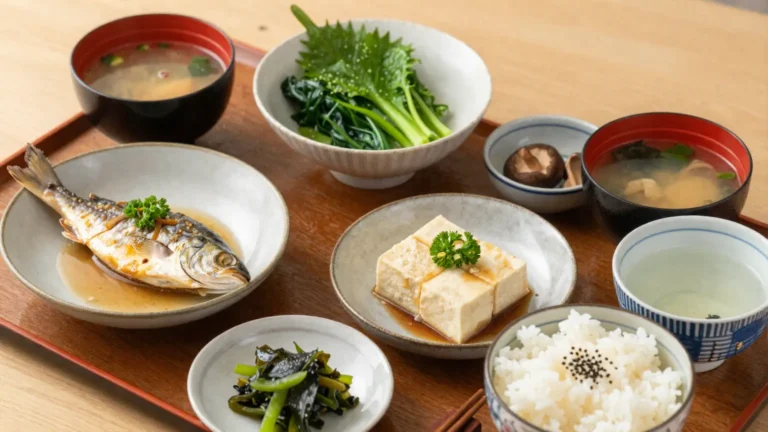
Seafood is generally permitted under most schools of Islam due to its historical context and practical considerations. In early Islamic history, seafood became an important part of the diet for coastal communities in the Arabian Peninsula and other regions where fishing was a primary source of food. This permissibility extends to many types of fish and shellfish, providing essential protein and nutrients to Muslims around the world.
Here are some reasons why seafood is generally considered halal:
- Historical Precedence: The Prophet Muhammad (PBUH) is known to have consumed fish on several occasions, indicating its acceptability within Islamic dietary laws. This historical precedent has significant weight in Islamic jurisprudence.
- Method of Slaughtering Fish: Unlike land animals and birds that require ritual slaughter with a specific phrase recited during the process, fish do not need this method. Simply removing the head or gutting the fish is sufficient to make it permissible for consumption.
- Purity and Cleanliness: Seafood is generally seen as clean and pure, making it suitable for Muslims who adhere strictly to dietary guidelines that emphasize purity in food sources.
It’s important to note that while most types of seafood are considered halal, there are exceptions. For instance, some schools of Islamic law may prohibit the consumption of certain sea creatures like eels or cephalopods (such as squid and octopus), depending on regional interpretations and fatwas issued by religious authorities.
This flexibility allows for a wide range of dietary choices while ensuring adherence to core Islamic principles. Understanding these nuances not only enriches one’s knowledge about Islamic dietary laws but also highlights the cultural and geographical diversity within Islam regarding food traditions and practices.
Fun fact: In some coastal communities, specific fish species are celebrated during religious festivals or special occasions, reflecting how seafood has been deeply ingrained in both traditional cuisine and spiritual observance.
Are There Specific Rituals Involved in Slaughtering for Halal Meat?
When it comes to slaughtering animals for halal meat, there are specific rituals involved that go beyond just the act of killing. These rituals ensure that the process is humane, painless, and done in accordance with Islamic principles. Here’s a closer look at how this works:
- The Slaughterman: The person responsible for slaughtering must be sane and Muslim or Jewish (for some interpretations). This ensures that the slaughter aligns with religious guidelines.
- Prayer Before Slaughter: Prior to killing, a prayer is recited. This involves mentioning Allah’s name and expressing gratitude to Him for providing sustenance.
- The Method of Slaughtering: The animal must be slaughtered by cutting its throat in a specific way that allows blood to drain out completely while the animal remains conscious but with minimal suffering. This method is designed to cause as little pain as possible, which aligns with Islamic teachings on treating animals humanely.
- Draining of Blood: Once the cut is made and the prayer said, it’s crucial for the blood to be drained properly from the body. Blood is considered haram in Islam, so its removal is an integral part of ensuring that the meat is halal.
These rituals reflect not just dietary laws but also ethical considerations about how animals are treated before they become food. It’s a system that combines respect for life with the necessary steps to follow religious guidelines strictly. Understanding these practices helps appreciate why halal certification is so important in the global marketplace, ensuring consumers get products that meet both cultural and religious standards.
While many people think of halal as only concerning meat, it actually encompasses much more. For instance, even food processing machinery used for halal production must be cleaned regularly to prevent any non-halal contaminants from mixing with halal ingredients. This level of attention to detail underscores the importance of purity and sanctity in Islamic dietary practices.
By delving into these rituals, one can better understand the holistic approach that Islam takes towards diet and animal welfare, fostering a deeper appreciation for the complexities involved in adhering to halal principles.
What Are Mushbooh Foods and How Do They Differ from Halal?
Mushbooh foods present an intriguing aspect within Islamic dietary laws due to their ambiguous nature. These items are neither clearly halal nor haram but rather fall into a gray area where more information is needed before they can be classified as permissible under Islamic law.
- Halal Definition: Halal food must come from sources that meet stringent criteria, including proper slaughter of animals in accordance with specific religious guidelines and ensuring the product remains pure throughout processing.
- Mushbooh Characteristics: Mushbooh foods are those about which insufficient information exists to determine their status definitively. This could be due to unclear labeling, mixed ingredients, or unknown sources of ingredients that may include both halal and haram components.
For example, imagine purchasing a can of soup at your local supermarket without detailed ingredient listings or clear halal certification. Without knowing whether the ingredients are entirely from halal-approved sources, this product would fall under the mushbooh category until further investigation clarifies its status.
Understanding these distinctions is crucial because consuming unknown products could inadvertently lead to breaking Islamic dietary laws. Therefore, individuals must take extra care and seek clarification or avoid such items altogether to stay true to religious guidelines while enjoying diverse culinary experiences.
To address the uncertainty surrounding mushbooh foods, it’s advisable for consumers to inquire with reliable sources, including halal certification organizations or religious authorities who can provide guidance based on thorough investigation. This proactive approach ensures that dietary choices align with both health and faith-based principles.
Case Studies: Mushbooh Foods in Everyday Life
Understanding the concept of mushbooh foods is easier when you see real-life examples. For instance, consider a food product labeled as “vegetarian” or one without clear ingredient lists at a local store:
- Vegetarian Products: While vegetarian products typically exclude meat and fish, they may still contain gelatin derived from pigs or other non-halal sources. Until verified otherwise, such products are considered mushbooh.
- Unclear Labels: Foods with vague descriptions like “natural flavorings” or “spices” can be problematic as these terms might encompass a wide range of ingredients, some of which could be haram. Again, this places the item in the mushbooh category until further information is provided.
To navigate such situations effectively, it’s essential to engage with certification bodies that specialize in halal verification or consult religious scholars who can offer informed opinions based on thorough research and analysis.
By adopting a cautious approach towards unclear labels and ingredients, individuals can maintain adherence to Islamic dietary laws while exploring a variety of food options. This practice not only ensures compliance with religious principles but also promotes health-conscious choices aligned with modern culinary trends.
Why is Seafood Generally Permitted Under Most Schools of Islam?
Seafood is generally permitted under most schools of Islam due to its historical significance, ease of preparation, and natural purity in Islamic jurisprudence.
- Historical Context: Early Muslim communities along the Arabian coast relied heavily on fishing for their sustenance. The consumption of seafood was a common practice among these early Muslims, reflecting its cultural acceptance within the faith.
- Simplicity in Preparation: Unlike land animals which require specific ritual slaughter methods (zabiha), fish and many types of shellfish do not need such procedures to be considered halal. Simply removing the head or gutting the fish is sufficient for it to be permissible according to Islamic law.
- Natural Cleanliness: Seafood, particularly fish with scales, is often seen as inherently clean and pure, aligning well with the principles of purity emphasized in Islamic dietary laws. This natural cleanliness makes seafood a preferred option among many Muslims who adhere strictly to halal standards.
However, while most types of seafood are considered halal, there can be variations based on regional interpretations and fatwas from religious authorities:
- Exceptions: Some schools of Islam may prohibit the consumption of certain sea creatures like eels or cephalopods (such as squid and octopus), depending on local traditions and scholarly rulings.
Understanding these nuances not only enriches one’s knowledge about Islamic dietary laws but also highlights how cultural and geographical diversity influences food practices within Islam. This flexibility allows for a wide range of dietary choices while ensuring adherence to core religious principles.
In some coastal communities, specific fish species are celebrated during religious festivals or special occasions, reflecting the deep integration of seafood in both traditional cuisine and spiritual observance.
By embracing this knowledge about why seafood is generally permitted under Islamic law, individuals can better appreciate the diverse culinary traditions within Muslim-majority regions while staying true to their faith’s dietary guidelines.
Does the Consumption of Horses, Mules, and Donkeys Fall Into Debate According to Islamic Law?
The consumption of horses, mules, and donkeys is a topic of debate within Islamic law due to the lack of explicit guidance in primary religious texts like the Quran and Hadith regarding their permissibility. While there are clear guidelines for which animals can be slaughtered according to halal standards, these three species fall into a gray area that has sparked discussions among scholars.
Historical Context
Historically, horses have held significant importance in Islamic culture beyond their role as food sources. They were used primarily for transportation and warfare, symbolizing power and status within early Muslim societies. This multifaceted use of horses means they are not typically raised or consumed as livestock in the same way as cattle or sheep.
Scholarly Opinions
Scholars have varying opinions on whether horses, mules, and donkeys can be considered halal for consumption:
- Prohibitive View: Some scholars argue that these animals should be treated similarly to other mammals not explicitly listed as permissible. They point out the importance of following established guidelines and avoiding ambiguity in dietary practices.
- Permissive View: Other scholars suggest a more lenient approach, citing historical precedents where horses were consumed without explicit prohibitions. This view often emphasizes practicality and cultural contexts.
Cultural Practices
In certain regions, particularly Central Asia and some parts of the Middle East, there are traditional dishes that include horse meat. These practices reflect local customs rather than universally accepted religious mandates. It’s important to note that while such traditions exist, they do not necessarily align with mainstream Islamic dietary laws.
Ethical Considerations
Regardless of the debate, ethical considerations play a significant role in discussions about consuming these animals. The principles of treating all creatures with respect and avoiding unnecessary harm are central to Islamic teachings. This adds another layer to the discussion about whether it is ethically justifiable to consume horses, mules, or donkeys.
Practical Implications
For individuals seeking clarity on this issue, consulting local religious authorities or scholarly texts can provide guidance tailored to their specific context. Understanding these nuances helps in making informed decisions that align with personal beliefs and cultural practices.
Navigating the debate surrounding horses, mules, and donkeys highlights the complexity of interpreting Islamic dietary laws while respecting diverse cultural backgrounds and ethical considerations. As always, seeking advice from reliable religious sources can provide clarity and assurance for those following halal dietary guidelines.
How Does Ramadan Influence Dietary Practices in Islam?
Ramadan significantly influences how Muslims approach food during this sacred month. As one of the Five Pillars of Islam, fasting from dawn until sunset (sawm) is a time when individuals abstain not only from food and drink but also from other physical needs such as smoking and sexual activity. This period fosters spiritual growth, self-discipline, and community solidarity.
Fasting Practices During Ramadan
Fasting during Ramadan involves two main meals: Suhoor (the pre-dawn meal) and Iftar (the breaking of the fast at sunset). These meals are integral to maintaining energy levels throughout the day while adhering to religious obligations.
- Suhoor: This early morning meal is crucial for providing sustenance before a long period without food or drink. Common items include dates, porridge, eggs, cheese, bread, and fruits. The focus is on consuming nutritious foods that will keep energy levels stable throughout the day.
- Iftar: Iftar marks the end of the daily fast with a meal to break the hunger and thirst brought about by fasting. Traditionally starting with dates and water or milk, as per Prophet Muhammad’s (PBUH) practice, iftar includes an array of dishes like soups, salads, grilled meats, stews, and sweet desserts.
Dietary Adjustments During Ramadan
Ramadan encourages individuals to adopt healthier eating habits while respecting halal dietary laws. The emphasis is on consuming balanced meals that provide necessary nutrients without causing overindulgence or lethargy post-iftar.
- Health Consciousness: Avoiding excessive consumption of sweets and deep-fried foods during iftar helps maintain a healthy balance. Opting for fresh fruits, vegetables, lean proteins, whole grains, and legumes supports better health outcomes.
- Community Feasts (Iftar): Sharing meals with family, friends, or community members at Iftar reinforces social bonds and generosity. Many Muslims host Iftars to include those who may not have the means to break their fast.
Role of Halal Certification During Ramadan
Halal certification becomes even more crucial during Ramadan due to increased consumption of halal-certified food products. With a surge in demand for iftar meals, snacks, and Suhoor items, ensuring these products adhere strictly to halal standards is paramount.
- Certification Marks: Look for halal symbols on packaging when purchasing foods intended for Ramadan meals. These marks indicate that the product has been certified by recognized Islamic organizations.
- Importance of Certification in Ramadan Markets: During Ramadan, special markets and bazaars (Souks) often emerge offering a variety of halal-certified products ranging from dates to snacks and juices.
Cultural Significance
Ramadan’s influence extends beyond personal dietary practices; it also enriches cultural heritage through culinary traditions. Special Ramadan dishes like Kebabs, Maamoul cookies, and various soups are not only delicious but also deeply rooted in the culture of observant Muslims around the world.
- Traditional Dishes: Each region has its unique set of traditional Ramadan foods that reflect local customs and flavors. From Middle Eastern specialties to North African delicacies, these dishes contribute significantly to the cultural richness during this month.
- Charitable Practices: Sharing food with less fortunate individuals is a significant practice during Ramadan, reinforcing Islamic values of generosity and compassion.
Conclusion
Ramadan profoundly shapes dietary practices by fostering healthier eating habits, promoting community cohesion through shared meals, and upholding strict halal standards. It’s a period that highlights the importance of spiritual discipline alongside physical health and cultural preservation within the Muslim community.
What Is the Role of Food Certification in Ensuring Halal Standards?
Halal certification is a critical process that ensures food products meet the stringent standards set by Islamic dietary laws. This certification helps consumers trust that they are purchasing items that comply with halal requirements, which can be complex and varied depending on cultural interpretations.
- Certification Organizations: Various organizations worldwide oversee halal certification processes. In the United States, the Islamic Services of America handles certification for many food products. Similarly, in Singapore, Majlis Ugama Islam Singapura manages this process, while in Malaysia, it’s overseen by the Department of Islamic Development Malaysia (JAKIM). Each organization has its own set of guidelines to ensure compliance with halal standards.
- Certification Process: The certification involves a thorough inspection from start to finish. This includes checking ingredients for any non-halal additives or contaminants, ensuring that equipment used in food processing is free from non-halal residues, and verifying that all stages of production adhere strictly to Islamic dietary laws. For meat products, the process includes confirming that animals are slaughtered according to specific ritual procedures (zabiha), involving humane treatment and recitation of religious phrases.
- Market Impact: Halal certification plays a significant role in global trade. The halal market represents a substantial portion of international food commerce, with estimates suggesting it comprised about 26% of world food trade by 2013. This economic significance underscores the need for reliable and uniform standards across different regions.
- Cultural Sensitivity: Halal certification also promotes cultural sensitivity in the global marketplace. It helps integrate traditional culinary practices with modern health-conscious lifestyles, ensuring that products not only meet religious requirements but also cater to diverse tastes and preferences. For instance, the TAIM Food Pyramid emphasizes seasonal eating and includes a wide array of foods that align with both traditional Arab cuisine and contemporary nutritional guidelines.
By adhering to rigorous certification processes, consumers can confidently choose halal-certified products knowing they conform to Islamic dietary laws and cultural traditions. This ensures purity in food sources while supporting economic growth in the global halal market.
Are There Cultural Competence Strategies for Promoting TAIM’s Traditional Diet Pyramid?
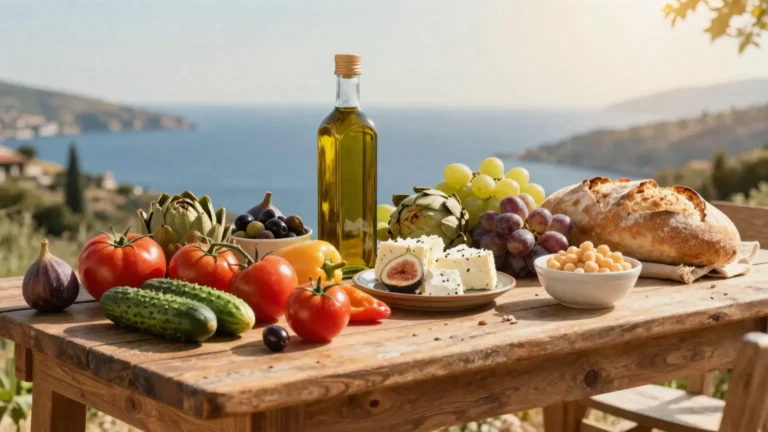
Integrating traditional Arabic culinary wisdom with modern health practices is crucial for promoting the TAIM Food Pyramid effectively. This pyramid not only emphasizes seasonal eating but also combines ancient medical knowledge from Islamic traditions with contemporary nutritional science, offering a balanced and culturally rich dietary model.
Key Elements of the TAIM Diet Pyramid
The TAIM diet pyramid includes several key elements that are essential for maintaining health while adhering to cultural and religious practices:
- Whole Grains: Incorporating grains like barley, wheat, rice, and oats provides sustained energy and fiber.
- Legumes and Pulses: Beans, lentils, chickpeas, and other legumes offer high protein content along with vital minerals and vitamins.
- Fruits and Vegetables: A variety of seasonal produce ensures a wide range of essential nutrients.
- Healthy Fats: Olive oil, nuts, and seeds are encouraged to support heart health and brain function.
- Herbs and Spices: Traditional Arabic herbs like saffron, mint, and thyme provide flavor and medicinal benefits.
- Poultry, Meat, Seafood, Dairy Products: These protein sources should be consumed in moderation and must adhere strictly to halal standards.
Cultural Competence Strategies
To promote the TAIM Food Pyramid effectively across diverse communities, several cultural competence strategies can be employed:
Engaging Local Influencers
Local influencers, community leaders, and religious scholars play a pivotal role in spreading awareness about the benefits of the TAIM diet. Collaborating with them to organize workshops, lectures, and cooking demonstrations can help integrate the pyramid into daily life.
- Workshops and Cooking Classes: Hands-on sessions that teach traditional recipes and techniques while emphasizing health benefits.
- Lectures and Seminars: Inviting experts to discuss the nutritional aspects of the TAIM diet and its alignment with contemporary health guidelines.
Educational Campaigns
Educational campaigns can raise awareness about the importance of seasonal eating, whole grains, legumes, fruits, vegetables, herbs, spices, healthy fats, dairy products, and sweets in promoting overall well-being.
- Social Media Initiatives: Utilizing platforms like Instagram, YouTube, and TikTok to share recipes, cooking tips, health benefits, and success stories.
- Public Health Campaigns: Partnering with public health institutions to include the TAIM diet pyramid as part of broader dietary guidelines and educational materials.
Collaborative Partnerships
Collaboration between food producers, manufacturers, and certification bodies ensures that products adhere to halal standards while also incorporating the principles of the TAIM diet pyramid.
- Vendor Training Programs: Offering training sessions for vendors on how to source and prepare ingredients in line with TAIM guidelines.
- Product Development Workshops: Encouraging food companies to develop new products that align with traditional dietary practices and modern health needs.
Community Involvement
Involving the community at large is crucial for the widespread adoption of the TAIM diet pyramid. This can be achieved through various initiatives such as:
- Community Gardens: Establishing gardens where members grow seasonal fruits, vegetables, and herbs that fit into the TAIM food pyramid.
- Cultural Festivals and Events: Hosting events that celebrate traditional Arabic cuisine while promoting healthy eating habits.
Conclusion: Bridging Traditions with Modern Health Practices
By integrating cultural sensitivity and modern health practices, we can ensure that the Traditional Arabic and Islamic Medicine (TAIM) Food Pyramid resonates with diverse communities. This approach not only preserves the rich culinary heritage of Middle Eastern and North African traditions but also enhances the nutritional value and overall well-being of individuals adhering to halal dietary laws.
As global markets continue to recognize the importance of halal certification, promoting TAIM’s diet pyramid aligns perfectly with these trends while fostering a deeper connection between cultural identity and health-conscious living.
Conclusion: The Importance of Halal Principles in Modern-Day Diets
Halal principles serve as a vital guide for millions around the world, blending religious beliefs with cultural values to shape modern-day diets. These guidelines not only dictate what foods are permissible but also reflect deep-rooted traditions that impact daily life and economic activities. With an estimated 26% share of global food trade by 2013, halal certification has become a significant factor in international markets, ensuring products meet stringent religious standards.
Understanding the importance of halal principles helps bridge cultural divides and foster mutual respect. The Traditional Arabic and Islamic Medicine (TAIM) Food Pyramid exemplifies how ancient wisdom can be integrated with contemporary nutritional science, promoting healthful eating patterns that resonate with diverse communities. By adhering to these guidelines, individuals honor their faith while embracing a diet rich in whole grains, fruits, vegetables, herbs, spices, lean proteins, and healthy fats.
Moreover, the pursuit of halal certification by various organizations worldwide ensures consumer confidence in food products, regardless of geographic origin or cultural background. This uniformity brings about a sense of security and trust for those observing these principles, especially when navigating international markets where labeling standards vary widely.
In essence, embracing halal principles is more than dietary compliance; it’s about living in harmony with cultural heritage, religious teachings, and health-conscious choices. As the world continues to interconnect, respecting such traditions becomes crucial for fostering a harmonious global community. So next time you choose a product or visit a restaurant, consider the halal label – it might open up new culinary experiences while reinforcing the significance of cultural diversity and religious observance.
Frequently Asked Questions (FAQ)
Is all meat that is not pork automatically halal?
All meat is not automatically considered halal unless it meets specific criteria. For meat to be halal, the animal must be slaughtered according to Islamic law by a Muslim or someone who follows the principles of Islam (People of the Book). The slaughter involves reciting “Bismillah” (“In the name of God”) before killing.
Is seafood like shrimp and crab allowed in an Islamic diet?
Seafood is generally permissible in most schools of Islamic law, based on their interpretation of Quran 5:96. However, some specific interpretations or traditions within certain groups may have restrictions. The Hanafi school, for instance, only permits true fish while considering other sea creatures as makruh (disliked but not forbidden).
Are there specific dietary laws regarding vegetables and fruits in Islam?
In Islamic dietary law, most vegetables and fruits are considered halal unless they come from sources that violate Sharia principles. Commonly consumed items include dates, olives, pomegranates, grapes, various fruits, grains, and dairy products.
Does the consumption of alcohol have any exceptions under Islamic guidelines?
Alcohol is explicitly prohibited (haram) in Islam. There are no exceptions to this rule within traditional interpretations; however, some modern discussions might explore nuances but these do not change the fundamental stance against its use.
What about honey and milk products – are they always halal?
Yes, honey and cattle’s milk are considered halal based on explicit mentions in the Quran as permissible foods. These items pose no restrictions for consumption by Muslims unless there is a concern of contamination or violation of other Sharia laws during production and handling.
Are there any special considerations when it comes to hunting animals according to Islamic law?
During the pilgrimage (Hajj), hunting is prohibited. Generally, the consumption of hunted animals that are lawful under Islamic dietary rules does not face strict restrictions outside this period but must be slaughtered in accordance with halal practices.
What about food imported from non-Muslim countries – is it safe to assume they follow halal standards?
Food products imported from non-Muslim countries may or may not meet halal requirements depending on certification and adherence to Islamic principles. It’s important for Muslims to verify if the product is certified halal by a recognized authority.
Can dairy products from animals that are not slaughtered in the name of God be considered halal?
For dairy products to be halal, they should originate from an animal that was slaughtered according to Islamic law or is naturally dying (but it’s preferable to avoid this category). Simply being non-pork does not guarantee its halality.
What about insects and small animals – does the Quran specify rules for them?
Insects are generally considered haram unless there’s specific clarification indicating otherwise. Small animals such as locusts may be acceptable in some interpretations but always check reliable Islamic dietary sources for precise guidance.
How important is it to understand the concept of mashbooh foods when following a halal diet?
Understanding mashbooh (dubious) foods helps Muslims make informed decisions. Foods classified as dubious mean they are suspected to contain ingredients that could be haram and require further investigation before consumption.
Are there any restrictions on consuming eggs in an Islamic diet?
Eggs from chickens, ducks, and other birds are generally considered halal. However, the bird must have been raised according to acceptable practices, and if there is doubt about its origins or conditions, it should be avoided until verified.