What is Ovo-Lacto Vegetarianism?
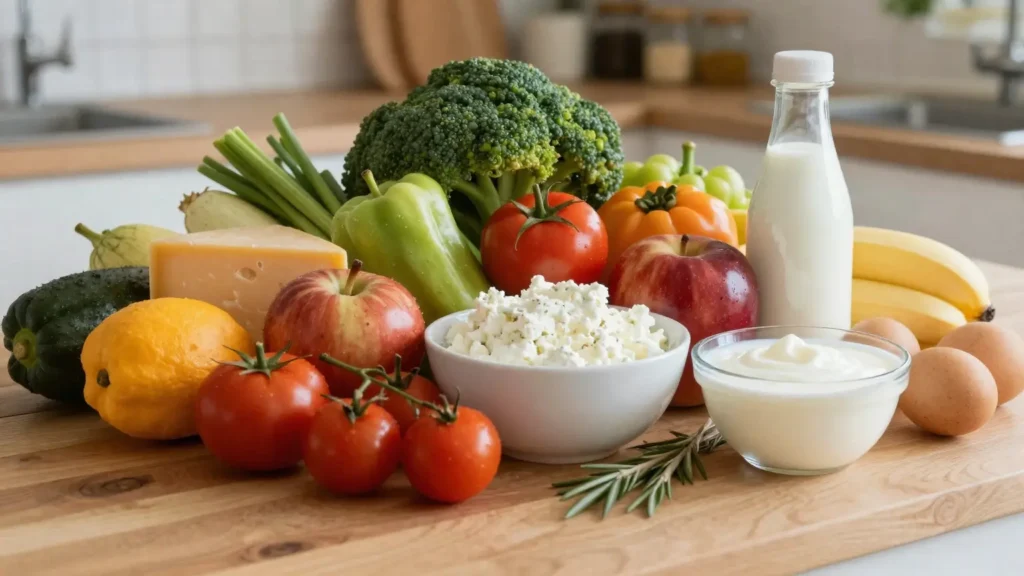
Ovo-lacto vegetarianism, often referred to simply as “vegetarianism” in many Western English-speaking countries, is a dietary choice where individuals avoid meat but include dairy products like milk, cheese, and yogurt, along with eggs in their diet. This type of vegetarian lifestyle stands out for its inclusion of animal-derived foods that do not involve the direct killing of animals, aligning closely with ethical principles such as minimizing harm to living beings (ahimsa).
Imagine a plate filled with vibrant vegetables, creamy cheeses, and fluffy omelets – this is what an ovo-lacto vegetarian meal might look like. The term “ovo-lacto” comes from the Latin words ‘ovum’ for egg and ‘lac’ for milk, highlighting that this diet embraces both eggs and dairy alongside a rich variety of plant-based foods. Unlike pescetarianism, which allows fish in addition to vegetables and grains, lacto-ovo vegetarians strictly avoid all meat products while enjoying an array of dairy and egg items.
This dietary practice varies across different cultures; for example, in India, the term “vegetarian” typically excludes eggs (referred to as lacto-vegetarian), whereas those consuming both milk and eggs are called “eggetarians.” This illustrates how cultural contexts shape interpretations of vegetarianism around the world. Additionally, religious traditions such as Hinduism and Buddhism often promote ovo-lacto vegetarianism due to their emphasis on non-violence and compassion towards all living beings.
Recommended Food Groups for Ovo-Lacto Vegetarians
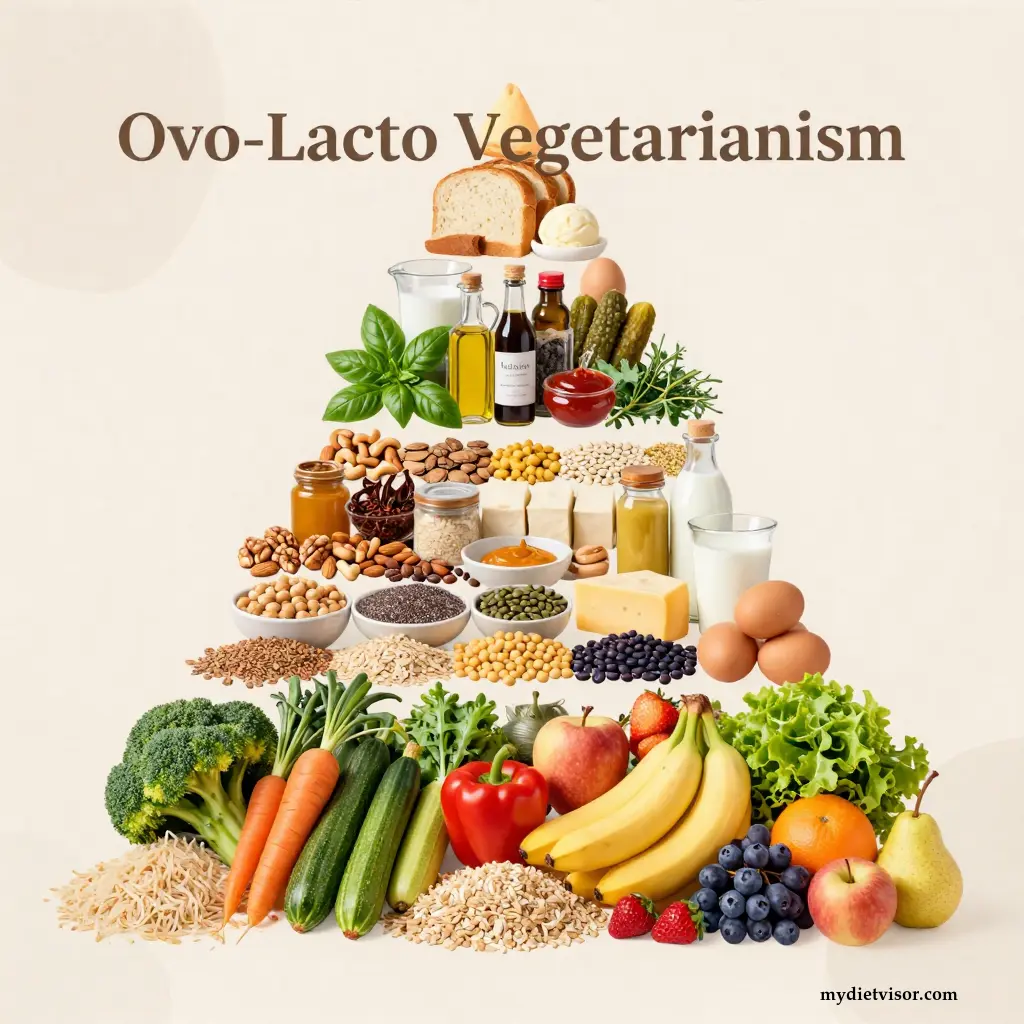
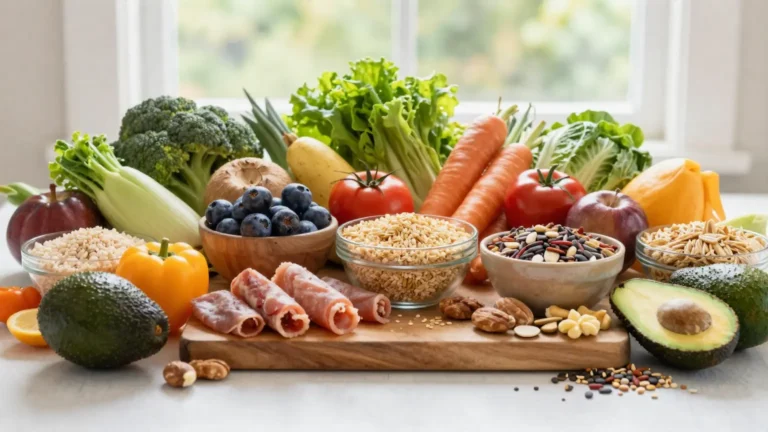
For ovo-lacto vegetarians, a balanced diet includes a variety of food groups to ensure adequate nutrition. Here’s a breakdown of what you should include:
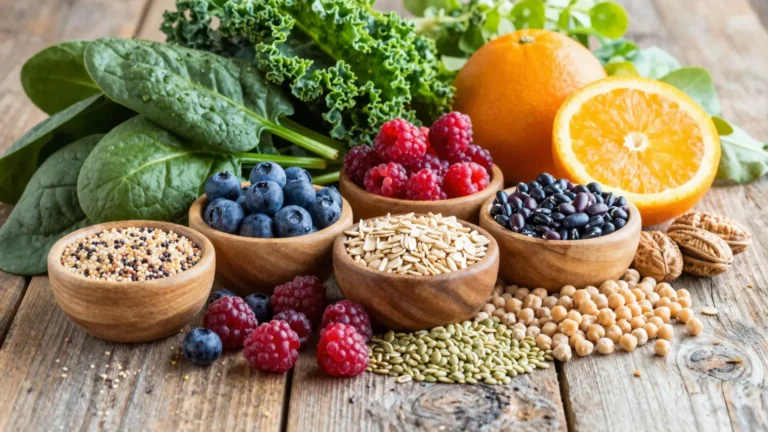
- Fruits and Vegetables: Aim for at least five servings daily. Include a mix of colorful produce like berries, leafy greens, broccoli, and carrots.
- Whole Grains: Opt for whole grains over refined ones to get more fiber and nutrients. Examples include brown rice, quinoa, oats, and whole wheat bread.
- Legumes: Beans, lentils, chickpeas, and peas are excellent sources of protein, iron, zinc, and folate.
- Dairy Products: Milk, cheese, yogurt, and other dairy products provide essential nutrients like calcium, vitamin D, and B12. Choose low-fat options for better heart health.
- Eggs: Eggs are a versatile source of high-quality protein, vitamins A, D, E, K, and various B-complex vitamins, as well as minerals like iron and selenium.
Sample Meal Plan
Here’s how these food groups can come together in a day:
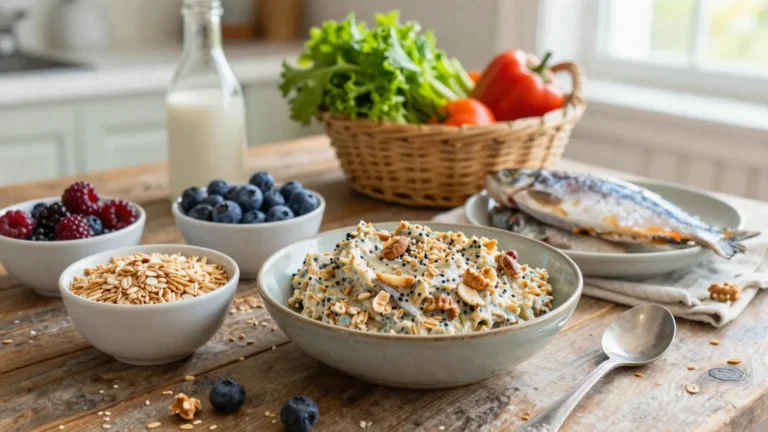
Breakfast: Oatmeal topped with sliced bananas, walnuts, and a dollop of Greek yogurt.
Lunch: A quinoa salad packed with mixed vegetables (bell peppers, cherry tomatoes), black beans, avocado, and crumbled feta cheese.
Dinner: Grilled tofu served over brown rice with steamed broccoli and a side of miso soup made from vegetable broth and silken tofu.
Nutritional Considerations
To maintain good health as an ovo-lacto vegetarian:
- Calcium: Besides dairy, find calcium in leafy greens like spinach and kale, fortified plant milks, and sesame seeds.
- Iron: Enhance iron absorption by pairing non-heme sources (from plants) with vitamin C-rich foods. For instance, have a glass of orange juice or eat bell peppers along with legumes.
- Vitamin B12: Since this vitamin mainly comes from animal products, consider taking a supplement or eating fortified cereals and plant milks to avoid deficiency.
Personal Insights
As an ovo-lacto vegetarian, your diet offers flexibility while ensuring nutritional completeness. Experimenting with recipes can make meal planning exciting and enjoyable. For instance, try making creamy soups using blended cashews instead of cream for a dairy-free twist.
Reflect on why you chose this lifestyle and how it aligns with your values. Whether driven by health, ethics, or environment concerns, staying connected to the reasons behind your dietary choices can keep you motivated and committed.
How do these food groups fit into your daily routine? Do you find it challenging to incorporate all necessary nutrients without resorting to supplements? Share your thoughts below!
Forbidden or Limited Foods in Ovo-Lacto Vegetarianism
In ovo-lacto vegetarianism, certain foods are either completely off-limits or strictly limited. The primary restriction is on all types of meat – beef, pork, poultry, and game meats. This exclusion stems from ethical considerations, health concerns, or personal preferences regarding animal welfare.
Meat Products
Meat products are entirely excluded from an ovo-lacto vegetarian diet. This includes:
- Beef (steaks, burgers)
- Pork (bacon, ham)
- Chicken and other poultry
- Fish and seafood
While these foods provide protein and various nutrients, vegetarians opt for plant-based proteins like legumes, tofu, and tempeh instead.
Animal-Based Ingredients to Limit or Avoid
Certain ingredients derived from animals are also avoided or limited in ovo-lacto vegetarianism:
Gelatin
Gelatin, often used in products like gummy candies, marshmallows, and some yogurts, is a byproduct of animal bones, skin, and connective tissues. Many vegetarians choose to avoid gelatin-based products due to ethical concerns.
Shellac
Shellac, derived from the secretions of insects called lac bugs, is used in confectionary glazes for candies and as a coating on medications. Some ovo-lacto vegetarians may opt for shellac-free alternatives to stay true to their dietary principles.
Non-Dairy Milk Alternatives
While dairy products are included in an ovo-lacto diet, there’s often a preference for reducing intake of high-fat dairy items like whole milk or heavy cream. Instead, individuals might choose:
- Skim milk
- Low-fat yogurt and cheese
- Plant-based milks (almond, soy, oat)
These alternatives offer similar nutritional benefits without the added fats.
Eggs
Eggs are a significant part of an ovo-lacto vegetarian diet but should be consumed mindfully. Here’s what to keep in consideration:
Free-Range vs. Cage-Free
Many vegetarians prefer free-range or cage-free eggs, as these conditions offer better welfare for hens compared to conventional egg farming.
Egg Consumption Limits
Moderation is key when it comes to egg consumption due to their cholesterol content. A balanced diet might include 1–2 eggs per day on average, with an emphasis on including a variety of plant-based protein sources.
Cultural and Religious Variations
Different cultures and religious practices may impose additional restrictions or preferences within ovo-lacto vegetarianism:
Hindu Practices
In certain regions, dairy products are more commonly consumed than eggs. This lacto-vegetarian approach excludes both meat and eggs but includes dairy items like paneer (a type of cheese) and yogurt.
Buddhist Traditions
Buddhist vegetarians often avoid eggs to adhere strictly to the principle of non-harming (ahimsa), even if it means excluding a source of protein that doesn’t involve killing an animal directly. This reflects deeper ethical considerations beyond dietary choices alone.
These variations highlight how personal beliefs and cultural backgrounds shape individual dietary practices within ovo-lacto vegetarianism, making each person’s approach unique yet aligned with common principles.
Did you know that the popularity of plant-based diets is influencing food manufacturers to develop more vegan-friendly products? This trend not only benefits vegetarians but also offers alternatives for those looking to reduce their meat consumption gradually.
Nutritional Benefits of the Ovo-Lacto Diet
Incorporating dairy and eggs into your diet can provide a range of nutritional advantages. Here’s how these foods contribute to overall wellness:
- Protein Quality: Eggs are considered one of the highest-quality proteins because they contain all nine essential amino acids that your body cannot produce on its own. Dairy products, such as milk and cheese, also offer high-quality protein.
- Calcium Absorption: Cheese and yogurt provide substantial amounts of calcium, crucial for bone health. Calcium is easily absorbed from dairy due to the presence of vitamins D and K in these foods.
- Vitamin B12: Vitamin B12 is essential for nerve function, blood formation, and DNA synthesis. Eggs and milk are reliable sources of this vitamin, which can be harder to obtain from plant-based diets alone.
Enhancing Nutritional Balance
To maximize the nutritional benefits of an ovo-lacto diet:
- Vitamin D: Although eggs contain a small amount of vitamin D, it’s vital to get more through sunlight exposure or fortified foods like milk and yogurt. Adequate levels of vitamin D are crucial for bone health.
- Omega-3 Fatty Acids: While eggs naturally contain some omega-3s, choosing enriched egg products can boost this nutrient intake. Omega-3s support heart health and brain function.
Did you know that a single large egg provides about 6 grams of high-quality protein? This makes it an excellent choice for muscle-building snacks or meals.
Table: Nutritional Comparison Between Dairy and Plant-Based Alternatives
| Nutrient | Dairy Product (1 cup) | Plant-Based Alternative (1 cup) |
|---|---|---|
| Calcium | 305 mg | Soy milk: 368 mg |
| Protein | 8 g | Almond milk fortified: 7 g |
| Vitamin D | ~2.4 µg | Oat milk fortified: 1.2 µg |
This table highlights how both dairy and plant-based alternatives can meet similar nutritional needs, giving vegetarians flexibility in their diet.
Personalizing Your Diet
Each ovo-lacto vegetarian’s journey is unique. Experiment with various recipes to find what works best for your taste preferences and health goals:
- Smoothies: Blend together bananas, spinach, almond milk, and a scoop of vanilla yogurt for a nutritious breakfast.
- Salads: Top mixed greens with grilled tofu, cherry tomatoes, sliced almonds, and crumbled feta cheese.
- Baking: Use applesauce or mashed bananas to replace some of the eggs in baking recipes. For example, substitute one egg with 1/4 cup of applesauce per recipe requirement.
By integrating these ideas into your routine, you can enjoy a diverse and nourishing ovo-lacto vegetarian lifestyle that supports both health and ethical values.
Potential Drawbacks and Nutritional Considerations
While ovo-lacto vegetarianism offers numerous benefits, it also comes with potential drawbacks that require careful attention. Understanding these challenges can help you make informed decisions about your diet.
Common Pitfalls to Avoid
- Calcium Imbalance: While dairy is a good source of calcium, relying solely on milk and cheese may not provide optimal nutrition for everyone. Some people might experience digestive issues like lactose intolerance or prefer plant-based alternatives due to ethical reasons.
- Vitamin B12 Deficiency: Although eggs and dairy contain vitamin B12, vegetarians still need to monitor their intake closely. A deficiency in this essential nutrient can lead to anemia and neurological problems.
Enhancing Nutritional Balance
To mitigate these risks, consider incorporating a variety of foods that complement your diet:
- Plant-Based Calcium Sources: Broccoli, kale, collard greens, and fortified plant milks are excellent alternatives to traditional dairy products. These sources not only provide calcium but also other essential nutrients like vitamin K.
- Supplements for Vitamin B12: Regular supplementation with B12 can help prevent deficiencies. Choose a high-quality supplement that suits your needs, especially if you don’t consume eggs regularly or have concerns about absorption from dairy products.
Practical Tips
- Consult Professionals: Speaking to a nutritionist or healthcare provider can offer personalized advice on balancing your diet and addressing any potential nutrient gaps.
- Diverse Meal Planning: Include a mix of protein sources such as legumes, tofu, and tempeh alongside eggs and dairy. This diversity ensures you receive all essential nutrients without relying too heavily on one food group.
By being mindful of these considerations, ovo-lacto vegetarians can maintain a balanced diet that supports overall health while adhering to their dietary principles. What steps are you taking to ensure your nutritional needs are met? Share your tips and experiences below!
Sample Meal Plan for an Ovo-Lacto Vegetarian Day
Imagine starting your day with a delicious breakfast that combines fresh fruits, grains, and dairy products. For an ovo-lacto vegetarian, here’s how you might begin:
Breakfast:
- Smoothie Bowl: Blend together frozen berries, sliced bananas, spinach, almond milk, and a spoonful of honey for natural sweetness. Top with granola, chia seeds, and a dollop of Greek yogurt.
Alternatively:
- Avocado Toast: Mash ripe avocados and spread them on whole-grain toast. Sprinkle some crumbled bacon or sliced tomatoes and add a poached egg on top.
Snack:
- Greek Yogurt Parfait: Layer Greek yogurt with mixed berries, granola, and a sprinkle of almonds for crunch.
Or:
- Vegetable Sticks with Hummus: Enjoy crunchy carrot sticks, celery, and bell peppers dipped in creamy hummus made from chickpeas.
Lunch:
- Quinoa Salad: Mix cooked quinoa with chopped cucumbers, cherry tomatoes, feta cheese, olives, and a vinaigrette dressing. Top it off with some crumbled bacon for extra flavor.
Alternatively:
- Pasta Primavera: Cook whole wheat pasta and toss it with sautéed vegetables like zucchini, bell peppers, onions, and mushrooms. Finish with grated Parmesan cheese.
Snack:
- Cheese and Crackers: Pair slices of cheddar or gouda with whole grain crackers.
Or:
- Fresh Fruit with Yogurt Dip: Serve sliced apples, pears, or strawberries alongside a small bowl of vanilla yogurt for dipping.
Dinner:
- Vegetable Stir-Fry: Sauté broccoli florets, bell peppers, onions, and carrots in sesame oil. Add tofu cubes and serve over brown rice. Garnish with soy sauce and a sprinkle of sesame seeds.
Alternatively:
- Bean Chili: Combine canned kidney beans, black beans, tomatoes, corn, and spices to create a hearty chili. Serve with a dollop of sour cream and shredded cheddar cheese.
Dessert:
- Fruit Salad: Mix together strawberries, blueberries, kiwi slices, and mango chunks. Toss gently in a lemon vinaigrette and serve chilled.
Or:
- No-Bake Cheesecake Bars: Make bars using crushed graham crackers for the base and a creamy mixture of cream cheese, Greek yogurt, honey, and vanilla extract.
This meal plan showcases how diverse an ovo-lacto vegetarian diet can be. Each meal incorporates essential nutrients from different food groups, ensuring that your body receives all it needs to stay healthy and energized throughout the day. How do these meals look to you? Would you include any of these dishes in your routine?
Personalizing Your Diet
Personalizing an ovo-lacto vegetarian diet can be both fun and rewarding as you explore new flavors and textures while meeting nutritional requirements. Here are some ideas for customizing your meals:
- Experiment with Spices: Add unique spices like cumin, turmeric, or paprika to enhance the flavor of dishes such as bean soups or stir-fries.
- Try Different Grains: Expand beyond traditional wheat products and try grains like quinoa, farro, or bulgur in salads and side dishes.
- Incorporate Seitan: Made from wheat gluten, seitan is a versatile meat substitute that can be grilled, baked, or added to stews for extra protein.
Reflecting on Dietary Choices
Reflecting on your dietary choices as an ovo-lacto vegetarian helps you stay committed and informed about the reasons behind your lifestyle. Whether it’s ethical concerns, health benefits, or environmental considerations, understanding these motivations can make adhering to a plant-based diet more fulfilling:
- Ethics: Many people choose this path due to compassion for animals and a desire to minimize harm.
- Health: Research shows that ovo-lacto vegetarians often have lower cholesterol levels and reduced risk of chronic diseases.
- Environment: Reducing meat consumption can lessen your carbon footprint, supporting sustainability goals.
How do these reflections resonate with you? Share your thoughts or ask questions about how to navigate challenges in maintaining an ovo-lacto vegetarian lifestyle.
Alternative Diets to Ovo-Lacto Vegetarianism
While ovo-lacto vegetarianism is a popular choice for those seeking to reduce their meat consumption while still enjoying dairy and eggs, there are other dietary options that offer different combinations of food exclusions. Here’s an overview of some alternative diets:
- Vegan Diet: A strict plant-based diet that excludes all animal products including eggs and dairy.
- Pescetarian Diet: Involves eating fish while avoiding meat from land animals but allowing dairy and sometimes eggs.
- Lacto-Vegetarian Diet: Excludes all meats, poultry, seafood, and eggs but allows the consumption of dairy products like milk and cheese. This diet is common in certain Indian regions where cultural practices often prioritize plant-based foods without including eggs due to religious beliefs.
Veganism: A Closer Look
Veganism takes a step further than ovo-lacto vegetarianism by completely eliminating any animal-derived products, including honey. Instead of relying on dairy and eggs for protein and vitamins, vegans focus on whole grains, legumes, nuts, seeds, fruits, vegetables, and fortified plant-based foods to meet their nutritional needs.
Key Differences Between Vegan and Ovo-Lacto Diets
| Aspect | Vegan Diet | Ovo-Lacto Vegetarian Diet |
|---|---|---|
| Eggs | Exclude eggs | Include eggs |
| Dairy Products | Exclude all dairy products | Include milk, cheese, yogurt |
| Honey | Often excluded due to ethical concerns | May include honey |
Pescetarianism: A Middle Ground
Pescetarians incorporate fish and seafood into their diet while excluding meat from land animals. This diet is often seen as a halfway point between vegetarianism and omnivorism, allowing for the consumption of animal proteins in the form of fish without killing mammals.
Key Differences Between Pescetarian and Ovo-Lacto Diets
| Aspect | Pescetarian Diet | Ovo-Lacto Vegetarian Diet |
|---|---|---|
| Fish | Include fish | Exclude all types of meat including fish |
| Eggs | May or may not include eggs | Include eggs |
| Dairy Products | Usually include dairy products | Include milk, cheese, yogurt |
Lacto-Vegetarianism: Cultural and Religious Influences
Lacto-vegetarians, commonly found in parts of India, avoid meat entirely but consume a range of dairy products. This dietary practice is deeply rooted in cultural traditions and religious beliefs that emphasize non-violence towards living beings.
Key Differences Between Lacto-Vegetarian and Ovo-Lacto Diets
| Aspect | Lacto-Vegetarian Diet | Ovo-Lacto Vegetarian Diet |
|---|---|---|
| Eggs | Exclude eggs | Include eggs |
| Dairy Products | Include milk, cheese, yogurt | Include milk, cheese, yogurt |
Exploring the Variations
Each of these diets offers unique benefits and challenges. For example, vegans might find it easier to avoid animal products altogether but may need to be more mindful about getting enough vitamin B12 and omega-3 fatty acids without supplements. On the other hand, pescetarians can enjoy fish’s high-quality protein while still adhering to vegetarian principles.
Making an Informed Choice
Choosing between these diets often comes down to personal beliefs, health goals, cultural background, and ethical considerations. Whether you’re drawn to veganism for its environmental benefits or lean towards pescetarianism due to concerns over land animal welfare, understanding the nuances of each diet can help you make a more informed decision that aligns with your values.
Do any of these diets resonate with you? Are there specific reasons why one might be better suited for your lifestyle compared to others? Sharing insights or asking questions about transitioning between different vegetarian practices could provide valuable perspectives for fellow readers navigating dietary choices.
Summary: Embracing the Ovo-Lacto Lifestyle
In conclusion, ovo-lacto vegetarianism offers a balanced approach to diet that includes dairy products and eggs while excluding meat. This lifestyle provides flexibility and variety in meal planning while aligning with ethical principles such as minimizing harm to animals. By incorporating a wide range of plant-based foods alongside nutritious dairy and egg items, individuals can enjoy delicious meals while meeting their nutritional needs. Whether driven by health, environmental concerns, or compassion for animals, embracing ovo-lacto vegetarianism can be both rewarding and beneficial. Consider exploring this dietary choice further to see how it might enhance your well-being and align with your personal values.
Frequently Asked Questions (FAQ)
What can I eat on an ovo-lacto vegetarian diet?
You can enjoy a variety of plant-based foods like fruits, vegetables, grains, legumes, nuts, seeds, and soy products. Additionally, you can consume dairy products such as milk, cheese, yogurt, and eggs.
Is it hard to get enough protein on an ovo-lacto vegetarian diet?
No, it’s not difficult at all. You can obtain adequate protein from a combination of plant-based sources like beans, lentils, tofu, tempeh, quinoa, nuts, seeds, and dairy products such as milk and yogurt.
Can I eat fish or seafood if I follow an ovo-lacto vegetarian diet?
No, you should avoid consuming any kind of fish or seafood. The “ovo” refers to eggs, while “lacto” includes dairy products, but excludes all forms of meat including fish and seafood.
Are there any risks associated with following an ovo-lacto vegetarian diet?
If your diet is well-balanced, it can be healthy at any stage of life. However, poorly balanced diets may lead to nutritional deficiencies. It’s important to include a variety of foods to get all necessary nutrients.
How do I ensure I’m getting enough calcium on an ovo-lacto vegetarian diet?
You can get plenty of calcium from dairy products like milk and yogurt, as well as plant-based sources such as fortified orange juice or plant milks (like almond or soy milk), dark leafy greens like kale and bok choy, and tofu set with calcium.
What are some easy meals for beginners to an ovo-lacto vegetarian diet?
Simple meals could include scrambled eggs with spinach and cheese, a grilled cheese sandwich on whole wheat bread, pasta tossed with olive oil, garlic, and Parmesan cheese, or a smoothie made with milk, fruits, and nuts.
Can I still eat out when following an ovo-lacto vegetarian diet?
Yes, many restaurants offer vegetarian options that include dairy and eggs. Always check the menu carefully and ask servers if you’re unsure about ingredients in dishes.
Do I need to take any supplements on an ovo-lacto vegetarian diet?
Most people can get all necessary nutrients from a well-planned ovo-lacto vegetarian diet without needing supplements, but some might consider taking vitamin B12 or iodine supplements to be safe.
How does the environmental impact of an ovo-lacto vegetarian diet compare to that of meat-eating diets?
Eating less animal products can significantly reduce your carbon footprint and help conserve natural resources. Ovo-lacto vegetarianism is generally considered more environmentally friendly than omnivorous diets due to lower greenhouse gas emissions associated with plant-based foods.
Can I transition directly from a non-vegetarian diet to ovo-lacto vegetarianism without any issues?
Yes, you can make the switch gradually or all at once. It’s important to ensure that your new diet is nutritionally balanced and includes all necessary vitamins and minerals previously obtained through meat consumption. Consulting with a healthcare provider or a registered dietitian could be helpful during this transition period.