What is the McDougall Diet?

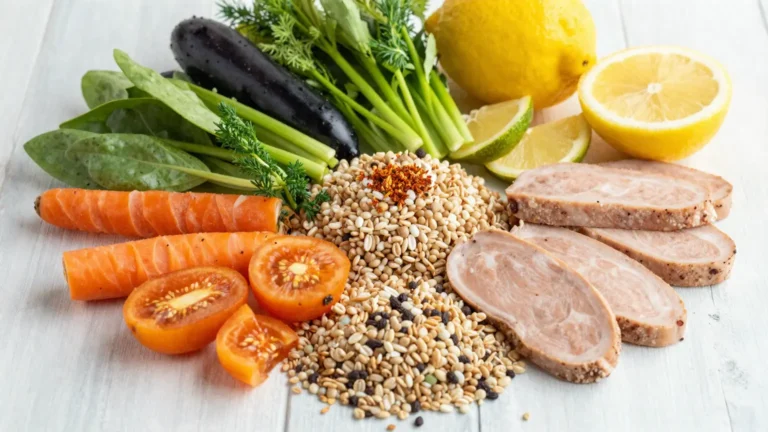
McDougall’s starch diet is a polarizing approach to eating that has garnered significant attention in the world of nutrition and wellness. Developed by Dr. John A. McDougall, this diet focuses on whole grains, legumes, potatoes, fruits, and vegetables while strictly limiting animal products, oils, and sodium intake. The idea behind this dietary plan is revolutionary yet simple: eat food that comes straight from nature without any processing or refinement.
Imagine a world where the staple of your meals isn’t meat but rather carbohydrates like rice, potatoes, corn, and whole grains. Dr. McDougall’s philosophy is built around these starch-rich foods as the foundation for health and wellness. This diet doesn’t just limit your favorite indulgences; it completely reshapes what you think of as a balanced meal. Instead of focusing on protein or fat content in every dish, you start to see food through the lens of its nutritional density and simplicity.
As you delve deeper into McDougall’s starch diet, you’ll find that fruits and vegetables are not just side dishes but central elements of your daily meals. Think about it: a plate bursting with vibrant colors from fresh produce isn’t just pleasing to the eye; it’s packed with essential vitamins, minerals, antioxidants, and fiber – ingredients for optimal health. However, this diet also comes with strict restrictions. No meat, no dairy, no eggs, no added oils or fats, and minimal sodium intake mean that many of your go-to comfort foods become off-limits.
This drastic shift might seem daunting at first glance, but consider the promise it holds: a potential pathway to better health, including improvements in heart disease, diabetes, arthritis, and obesity. Is this diet just another fad, or could it truly change lives? As you explore further, you’ll uncover not only the core principles of the McDougall Diet but also the debates surrounding its effectiveness and safety.
How Does the McDougall Plan Work?
Dr. John McDougall’s Starch Diet operates on a straightforward principle: eating whole plant foods in their natural state provides the body with everything it needs for optimal health. Here’s how you can start following this dietary approach:
- Focus on Whole Grains and Legumes: Instead of relying on protein supplements or meat-based meals, incorporate plenty of beans, lentils, brown rice, oats, and other whole grains into your daily diet. These foods are rich in complex carbohydrates that provide sustained energy without the harmful effects associated with refined sugars.
- Embrace Potatoes and Root Vegetables: Contrary to popular belief, potatoes are nutritious when prepared properly (e.g., boiled or baked). They offer a high level of dietary fiber and essential nutrients like potassium, iron, and vitamin C. Similarly, root vegetables such as sweet potatoes, yams, and beets contribute vitamins, minerals, and natural sweetness to meals.
- Incorporate Plenty of Fruits and Vegetables: These are non-negotiable components in the McDougall diet. Fresh produce is not only delicious but also vital for providing a wide range of nutrients necessary for health maintenance. Aim for variety and color diversity in your fruit and vegetable choices to maximize nutritional benefits.
Key Dietary Restrictions
To follow this plan effectively, certain foods need to be strictly avoided or drastically limited:
- No Animal Products: This includes meat, dairy (like milk, cheese), eggs, and even fish. The rationale behind this exclusion is the belief that these products contribute to chronic diseases.
- Avoid Added Oils and Fats: Olive oil, butter, margarine – these are off-limits in favor of natural fats found within whole foods like avocados or nuts.
- Low Sodium Intake: Processed foods often contain high levels of salt. The McDougall diet advises reducing sodium intake significantly to promote heart health and overall well-being.
Practical Tips for Transitioning
Adopting such a significant shift in eating habits can be challenging at first, but here are some tips to make the transition smoother:
- Start Gradually: Introduce more plant-based foods gradually rather than cutting everything out immediately.
- Explore New Recipes: Experiment with new recipes that highlight starches and vegetables. Websites like DrMcDougall.com offer a variety of meal ideas.
- Join Support Groups: Connecting with others who are also following the diet can provide encouragement and practical advice.
Potential Benefits
Supporters argue that adhering to the McDougall Diet has numerous health benefits:
- Weight Loss: Many followers report significant weight loss due to reduced caloric intake from processed foods.
- Improved Cardiovascular Health: Studies suggest a reduction in cholesterol levels, blood pressure, and risk factors for heart disease.
By focusing on whole plant-based starches, fruits, vegetables, and minimizing animal products, the McDougall Diet promises not just short-term benefits but also long-term health improvements. However, as with any dietary change, it’s crucial to consult healthcare professionals before making such a radical shift in your eating habits.
What Are the Key Principles of a Starch-Based Vegan Diet?
At the heart of Dr. John McDougall’s starch-based vegan diet lies the belief that whole plant foods are not only more nutritious but also easier on the body compared to processed or animal-derived products. The key principles revolve around consuming a variety of starch-rich vegetables, grains, and legumes while excluding all forms of meat, dairy, eggs, and added oils.
- Natural Foods Only: The emphasis is on eating foods as close to their natural state as possible. This means avoiding anything that has been heavily processed or refined.
- High Starch Content: Unlike other diets that might focus on protein or low-carb intake, the McDougall Diet centers around high-starch foods like potatoes and whole grains which provide essential energy.
Nutritional Benefits of Starchy Foods
Starchy vegetables and grains offer numerous health benefits when incorporated into your diet regularly. They are packed with nutrients such as fiber, vitamins, minerals, and antioxidants that support overall well-being.
- Rich in Fiber: Foods like sweet potatoes and brown rice help improve digestive health by adding bulk to the stool and promoting regularity.
- Essential Nutrients: Potatoes, for example, contain potassium which is vital for heart function while also providing vitamin C. Whole grains are rich in B vitamins crucial for brain and nervous system functions.
Common Myths Debunked
One of the common misconceptions about starch-based diets is that they lead to weight gain or lack necessary proteins. In reality, these foods provide a balanced profile of nutrients including adequate protein without relying on animal products.
- Weight Management: Despite being high in carbohydrates, many followers report effective weight loss due to the low-fat and nutrient-dense nature of plant-based foods.
- Protein Intake: Legumes like lentils and beans offer significant amounts of protein along with iron and zinc, addressing concerns about insufficient protein from a vegetarian diet.
Personalizing Your Diet
While the McDougall Diet offers clear guidelines, personalization is key to long-term success. Tailoring your meals according to taste preferences and cultural background can make sticking to the plan easier and more enjoyable.
- Experimenting with Recipes: There are countless ways to cook potatoes or incorporate legumes into daily meals. Trying out new recipes keeps things interesting and ensures you get a variety of nutrients.
- Cultural Adaptations: Whether it’s using quinoa in traditional Latin American dishes or incorporating tofu stir-fries in Asian cuisine, the diet can be adapted to fit diverse culinary traditions.
Considering Long-Term Viability
Adopting any significant dietary change requires careful consideration. While many find immediate health benefits from following the McDougall Diet, maintaining it long-term involves continuous commitment and education about nutrition.
- Health Monitoring: Regular check-ups with a healthcare provider can help track progress and address any nutritional deficiencies that might arise.
- Educational Resources: Utilizing resources such as DrMcDougall.com and joining community groups provide ongoing support and new insights into healthy living.
Is the McDougall Diet Healthy and Balanced?
When evaluating the healthiness of any diet, it’s important to consider both immediate effects and long-term sustainability. The McDougall diet advocates for a high-carbohydrate, low-fat approach that can lead to rapid improvements in certain health markers. However, its strict limitations raise questions about whether it provides all necessary nutrients over an extended period.
Immediate Health Benefits
Many people who switch to the McDougall Diet report quick benefits such as weight loss and improved blood sugar levels. These immediate effects are often attributed to a reduction in calorie intake from processed foods and increased fiber consumption, which can improve gut health and satiety.
- Weight Loss: The diet’s high-fiber content helps you feel full longer, potentially leading to reduced overall food intake.
- Blood Sugar Control: By eliminating refined sugars and focusing on whole grains, the diet can help manage blood glucose levels more effectively.
Long-Term Nutritional Concerns
Despite these short-term advantages, some experts raise concerns about long-term adherence. The strict avoidance of animal products and oils could lead to deficiencies in certain nutrients crucial for overall health.
- Protein Sources: While legumes provide protein, they might not offer the same variety found in a mixed diet that includes meat and dairy.
- Fat-Soluble Vitamins: Fats are essential for absorbing vitamins A, D, E, and K. Without added oils or animal products, these nutrients may be harder to obtain.
Nutritional Deficiencies
One major concern with the McDougall Diet is potential nutritional deficiencies that could arise from its restrictive nature:
- Iron and Zinc: These minerals are important for immune function and energy levels. While plant sources like beans contain iron and zinc, they are less easily absorbed by the body than their animal counterparts.
- Vitamin B12: Crucial for nerve health and blood formation, Vitamin B12 is primarily found in animal products. Over time, this could become a significant issue without supplementation.
Personal Experiences
Real-life testimonials from those who have tried the McDougall Diet illustrate both its benefits and challenges:
- Success Stories: Many individuals report feeling better and experiencing fewer health issues after adopting the diet.
- Challenges Encountered: Some find it difficult to stick with such a restrictive regimen long-term, especially during social gatherings or while traveling.
Comparing Diets
To understand if the McDougall Diet is balanced, consider comparing its nutritional profile to other popular diets:
| Dietary Approach | Protein Source | Fat Intake | Carb Content |
|---|---|---|---|
| McDougall Diet | Legumes, grains | Low | High |
| Mediterranean Diet | Fish, poultry, legumes | Olive oil, nuts | Moderate |
| Ketogenic Diet | Meat, eggs | High | Very low |
The McDougall Diet stands out for its focus on whole plant foods and minimal fat intake. However, it lacks the variety of protein sources seen in other diets like the Mediterranean plan.
Balancing Act
Achieving balance is key to any healthy diet. While the McDougall approach offers significant benefits, finding a middle ground that includes some animal products or added fats might provide better long-term nutritional support.
- Moderation: Incorporating small amounts of lean meat or eggs could enhance protein quality and absorption of fat-soluble vitamins.
- Dietician Guidance: Consulting with a nutritionist can help tailor the diet to meet individual needs while minimizing risks of deficiency.
Can You Lose Weight with the McDougall Diet?
The promise of weight loss is one of the most compelling reasons why people consider adopting the McDougall Diet. However, understanding how this happens requires delving deeper into the mechanics behind the diet’s principles.
Mechanisms Behind Weight Loss
Reduced Caloric Intake
One of the primary drivers of weight loss on the McDougall Diet is the reduction in calorie consumption from highly processed and fatty foods. By eliminating animal products, oils, and refined sugars, you naturally decrease your caloric intake without feeling deprived.
- Fiber-rich Foods: High-fiber diets like those advocated by Dr. McDougall promote satiety, making it easier to eat less overall.
Increased Metabolism
The diet’s focus on whole foods can also boost metabolism by improving digestive function and hormonal balance. A robust digestive system processes nutrients more efficiently, leading to better energy utilization.
Success Stories
Numerous individuals have reported substantial weight loss following the McDougall Diet. These success stories often highlight not just the pounds shed but also improvements in overall health markers such as blood pressure and cholesterol levels.
- Case Studies: Personal testimonials from people who have successfully managed their weight through this diet can be incredibly motivating.
Challenges of Sustained Weight Loss
Despite these immediate benefits, maintaining weight loss over time on any restrictive diet like the McDougall Plan presents its own set of challenges:
Adherence Issues
Long-term adherence to such a strict regimen can be difficult due to social and cultural factors. Eating out or participating in family meals may become problematic.
- Social Factors: Dining at restaurants or attending events where food is central can make sticking to the diet challenging.
Tips for Long-Term Success
To maximize your chances of sustained weight loss, here are some tips:
Meal Planning
Regular meal planning ensures you have healthy options readily available. This reduces the likelihood of reverting to old habits when faced with cravings or social pressures.
- Weekly Plans: Spend a little time each week planning and preparing meals to stay on track.
Mindful Eating
Practicing mindfulness around eating can help you better listen to your body’s hunger cues, preventing overeating.
- Mindfulness Practices: Engage in activities like meditation or yoga that promote awareness of your physical sensations during meals.
Potential Pitfalls
While the McDougall Diet offers clear benefits for weight loss, it is not without potential drawbacks:
Nutritional Deficiencies
Long-term adherence to a restrictive diet can lead to deficiencies in essential nutrients. It’s crucial to monitor and supplement where necessary to avoid negative health impacts.
- Supplementation: Consider vitamin B12 and other vital supplements to address any nutritional gaps.
By understanding both the mechanisms behind weight loss on the McDougall Diet and the practical strategies needed for long-term success, you can make an informed decision about whether this dietary approach aligns with your personal health goals.
Does the McDougall Diet Help with Chronic Diseases?
Dr. John A. McDougall’s Starch Diet has been touted for its potential benefits in managing chronic diseases such as heart disease, diabetes, arthritis, and obesity. However, understanding how this diet might impact these conditions requires a closer look at both the science behind it and the lived experiences of those who follow it.
Heart Disease
Heart disease remains one of the leading causes of death worldwide, making any potential dietary intervention highly relevant. The McDougall Diet’s emphasis on whole plant foods and the exclusion of animal products can significantly impact cardiovascular health:
- Reduced Cholesterol Levels: Studies show that a diet rich in fruits, vegetables, and whole grains lowers bad cholesterol (LDL) while increasing good cholesterol (HDL).
- Blood Pressure Regulation: The high potassium content in potatoes, bananas, and leafy greens helps balance sodium levels in the body, which is crucial for managing blood pressure.
Diabetes Management
Diabetes, particularly Type 2 diabetes, can often be managed through dietary changes. Here’s how the McDougall Diet might help:
- Improved Insulin Sensitivity: A high-fiber diet improves insulin sensitivity by reducing spikes in blood sugar levels after meals.
- Weight Control: By focusing on whole foods and minimizing processed items, the diet naturally aids weight loss, which is key to controlling diabetes.
Arthritis Relief
Arthritis sufferers often seek dietary solutions to alleviate pain and inflammation. The McDougall Diet’s principles align well with anti-inflammatory eating plans:
- Anti-Inflammatory Foods: Fruits like berries and vegetables such as broccoli and spinach are rich in antioxidants that fight inflammation.
- Reduced Inflammation Markers: Studies suggest that diets high in plant-based foods can reduce inflammatory markers, leading to better joint health.
Obesity Reduction
Obesity is closely linked with numerous chronic diseases. The McDougall Diet’s emphasis on whole grains and vegetables provides a sustainable way to manage weight:
- Satiety Through Fiber: High-fiber meals keep you full for longer periods, reducing the urge to snack or overeat.
- Calorie Control: By focusing on nutrient-dense foods without added oils or fats, it’s easier to control your overall calorie intake.
Real-Life Examples
Personal stories from those who have adopted the McDougall Diet offer a glimpse into its practical effectiveness:
- Heart Disease Reversal: Many individuals report significant improvements in cardiovascular health markers after switching to this diet.
- Diabetes Control: Testimonials highlight better blood sugar control and reduced reliance on medication.
- Joint Health Improvement: People with arthritis often notice a reduction in pain and stiffness when adhering strictly to the McDougall principles.
Scientific Backing
While personal testimonials are compelling, scientific research plays a crucial role in validating dietary claims:
- Clinical Trials: Studies have shown that low-fat vegan diets can lead to significant improvements in blood sugar control and cholesterol levels.
- Longitudinal Research: Long-term studies tracking participants over several years indicate sustained benefits for heart health and diabetes management.
Considerations
Despite the promising outcomes, it’s important to consider potential drawbacks:
- Nutritional Deficiencies: The strict exclusion of animal products can lead to deficiencies in essential nutrients such as vitamin B12.
- Sustainability Challenges: Maintaining a diet that excludes common social food staples like pizza and burgers can be challenging for some.
The McDougall Diet’s potential benefits in managing chronic diseases are undeniable, but it requires careful consideration of individual nutritional needs and lifestyle factors. By understanding both the science behind its principles and the practical aspects of implementation, individuals can make informed decisions about whether this dietary approach suits their health goals.
What Foods Can You Eat on the McDougall Diet?
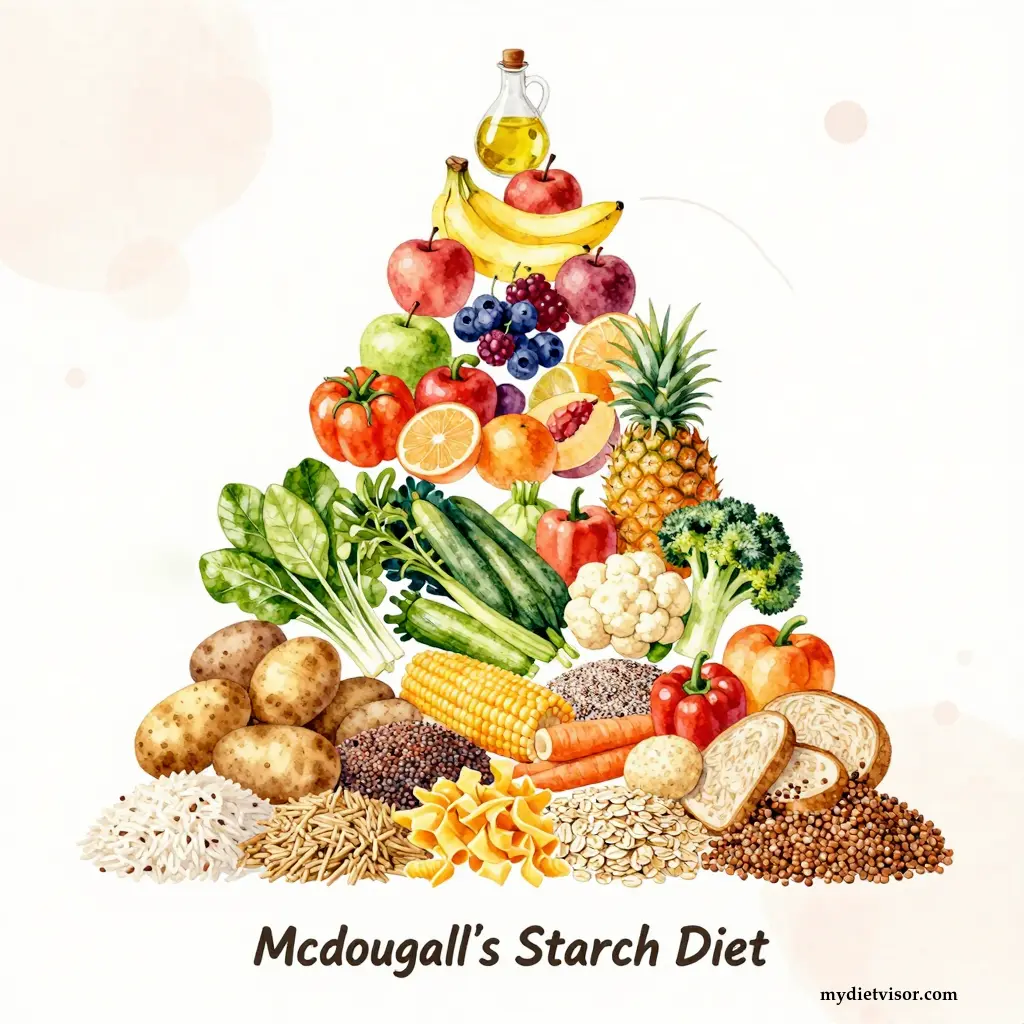
The McDougall Diet emphasizes whole plant foods that are rich in carbohydrates, fiber, vitamins, and minerals. Here’s a closer look at what you can enjoy while following this dietary approach:
Staple Foods
- Whole Grains: Brown rice, quinoa, barley, oats, and corn provide sustained energy without the added sugars found in refined grains.
- Legumes: Lentils, chickpeas, black beans, and kidney beans are excellent sources of protein and fiber. They also offer essential minerals such as iron and zinc.
Root Vegetables
Potatoes often take center stage on a starch-based diet. These starchy vegetables come packed with nutrients:
- Sweet Potatoes: Rich in vitamins A and C, as well as potassium.
- Yams: Similar to sweet potatoes but slightly less sweet; they offer a unique texture.
Fruits and Vegetables
Fruit and vegetable consumption is not just recommended but essential:
- Leafy Greens: Spinach, kale, lettuce, and collard greens are loaded with vitamins and minerals like iron and calcium.
- Berries: Strawberries, blueberries, raspberries provide antioxidants that fight inflammation.
Flavorful Additions
While the diet restricts added oils and fats, there are still ways to make your meals flavorful:
- Herbs and Spices: Cinnamon, turmeric, garlic, and basil can enhance flavors without adding harmful ingredients.
- Natural Sweeteners: Limited use of honey or maple syrup is allowed if needed.
Did you know that a cup of cooked lentils contains about 18 grams of protein? This makes them an excellent substitute for animal proteins in the McDougall Diet.
How to Prepare Meals on the McDougall Plan
Cooking meals according to the McDougall diet can seem daunting, but with the right techniques and recipes, it becomes easier:
Basic Recipes
Potato and Green Bean Casserole
- Ingredients: Potatoes, green beans, onions, garlic.
- Preparation: Boil potatoes until tender. Sauté onions and garlic in a pan over medium heat. Add green beans and simmer for 5 minutes. Combine all ingredients and bake.
Lentil Soup
- Ingredients: Lentils, carrots, celery, tomatoes, vegetable broth.
- Preparation: Soak lentils overnight. Cook lentils with chopped vegetables until tender. Blend some of the soup to achieve a creamy texture without adding cream or butter.
Meal Ideas
- Breakfast: Oatmeal cooked in water with cinnamon and topped with sliced bananas.
- Lunch: A hearty salad made with mixed greens, chickpeas, avocado, cherry tomatoes, and lemon juice as dressing.
- Dinner: Baked sweet potatoes stuffed with black beans, corn, and salsa.
Tips for Preparing Food
Simplifying Prep Work
Pre-chop vegetables in bulk during the weekend to save time throughout the week. Store them in containers for easy access when cooking meals.
Experimenting with Recipes
Don’t be afraid to try new recipes or modify existing ones to suit your taste preferences. There are numerous online resources and cookbooks available specifically tailored to this diet.
A single cup of cooked brown rice provides around 45 grams of carbohydrates, making it an excellent source of energy for active individuals following the McDougall Diet.
Adhering to a strict dietary plan can be challenging in social settings where food is central. Here’s how you can navigate these situations while staying true to your diet:
Dining Out
- Research Restaurants: Look for vegan-friendly restaurants or those that offer customizable options.
- Communicate with Staff: Let the waitstaff know about your dietary restrictions and preferences.
Social Gatherings
- Bring Your Own Dish: Offer to bring a dish that aligns with your diet, ensuring you have something suitable to eat.
- Choose Wisely: Opt for plant-based options like salads or vegetable dishes when attending social gatherings where food is served.
Traveling
- Pack Snacks: Carry healthy snacks such as fruits, nuts (in moderation), and whole-grain crackers.
- Look Ahead: When traveling, research restaurants in advance to find suitable dining options.
By being proactive and informed, you can enjoy your social life without compromising on your dietary principles.
How Do Nutrition Experts Evaluate the McDougall Diet?
When nutrition experts assess any diet, including Dr. John McDougall’s Starch-Based Vegan Diet, they look at a variety of factors to determine its efficacy and safety over both short-term and long-term periods. Here’s an overview of how these professionals analyze this particular dietary approach:
Evaluating the Evidence Base
Nutritionists and dietitians often start by examining the research backing up the claims made about any new diet trend. The McDougall Diet, with its focus on whole plant foods and exclusion of animal products, has been scrutinized extensively.
- Clinical Trials: Several studies have shown positive outcomes for individuals following this diet, particularly in terms of weight loss, blood sugar control, and cholesterol levels.
- Meta-Analyses: Comprehensive reviews of multiple studies can provide a clearer picture of the overall effectiveness. These analyses often highlight the benefits but also point out areas needing further research.
Assessing Nutritional Adequacy
A critical aspect of evaluating any diet is ensuring it provides all necessary nutrients for optimal health. The McDougall Diet’s exclusion of certain food groups raises questions:
- Protein Quality: While legumes and grains provide protein, they may not offer the same variety found in a mixed diet.
- Fat-Soluble Vitamins: Fats are essential for absorbing vitamins A, D, E, and K. Without added oils or animal products, these nutrients might be harder to obtain.
Considering Individual Needs
Each person’s nutritional requirements can vary based on age, sex, physical activity levels, medical conditions, and personal preferences. Nutrition experts take these factors into account when evaluating the McDougall Diet:
- Age: Growing children may have different needs compared to adults, especially regarding protein and calcium.
- Activity Levels: Athletes or highly active individuals might require more calories and specific nutrients like omega-3 fatty acids for optimal performance.
Evaluating Long-Term Sustainability
Sustainability is a key consideration when evaluating any diet plan. Can the McDougall Diet be maintained over an extended period without leading to nutritional deficiencies?
- Social Factors: Dining out or attending social gatherings can pose challenges, especially if the host doesn’t cater to dietary restrictions.
- Longitudinal Studies: Research following individuals for many years is crucial in understanding long-term effects on health and well-being.
Addressing Potential Risks
While the McDougall Diet offers numerous benefits, there are potential risks associated with its strict limitations:
- Deficiencies: Long-term adherence might lead to deficiencies in iron, zinc, vitamin B12, D, calcium, and omega-6 fatty acids.
- Adherence Issues: The restrictive nature of the diet can make it difficult for some individuals to follow consistently.
Encouraging a Balanced Approach
Many nutrition experts advocate for a balanced approach that includes elements from different dietary plans:
- Flexibility: Incorporating small amounts of animal products or added fats might provide better long-term nutritional support.
- Supplementation: Addressing potential deficiencies through supplements can enhance the diet’s overall effectiveness.
Personalized Nutrition Plans
Tailoring dietary recommendations to individual needs is crucial for achieving optimal health outcomes. Nutritionists often recommend:
- Consultation with Professionals: Working closely with a registered dietitian or nutritionist can help tailor the McDougall Diet to fit specific requirements.
- Regular Monitoring: Regular check-ups and blood tests can monitor nutrient levels and adjust dietary plans accordingly.
Conclusion
When evaluating the McDougall Starch-Based Vegan Diet, nutrition experts consider a range of factors including evidence base, nutritional adequacy, long-term sustainability, potential risks, and personalized approaches. While it offers significant benefits for many individuals, ensuring balanced nutrition over an extended period is essential for maintaining optimal health.
By weighing these considerations, healthcare professionals can provide informed advice on whether the McDougall Diet aligns with individual health goals and lifestyle preferences.
Summary: The Pros and Cons of Following the McDougall Diet
The McDougall Diet offers a compelling approach to nutrition, focusing on whole plant foods rich in carbohydrates while strictly limiting animal products, oils, and sodium. While it promises numerous health benefits such as weight loss and improved heart health, adherents must navigate potential nutritional deficiencies and strict adherence challenges. By carefully considering the diet’s principles and consulting healthcare professionals, individuals can determine if this dietary approach aligns with their personal health goals and lifestyle needs. Whether you’re drawn to its clear guidelines or wary of its restrictions, the McDougall Diet remains a thought-provoking option in the realm of plant-based eating.
Frequently Asked Questions (FAQ)
Is the McDougall diet easy to follow for beginners?
Starting the McDougall diet can be challenging because it requires a significant change in eating habits, especially if you’re used to consuming meat or dairy. It focuses on whole plant foods and excludes all animal products and added oils.
Can I eat out when following the McDougall diet?
Eating at restaurants can be tricky since many meals are high in fat or include animal products. However, choosing vegetarian options like pasta, rice dishes, and vegetable-based soups without oil can help you stick to the diet while dining out.
Are there any snacks allowed on the McDougall diet?
Yes, but it’s important to choose snacks that fit within the dietary guidelines of no added oils or animal products. Examples include fresh fruits, raw vegetables with hummus (oil-free), whole grain crackers, and dried fruit.
Does the McDougall diet help lower cholesterol levels?
Research has shown improvements in cholesterol levels among those who follow this diet due to its low-fat nature. However, individual results may vary depending on your starting point and adherence to the diet.
Can you still have treats like desserts while following the McDougall diet?
While sugary sweets are discouraged, there are ways to make healthier versions of classic desserts using natural sweeteners like fruit or maple syrup. For instance, oatmeal cookies made with dried fruits and nuts can be a tasty treat that fits within the diet.
Does the McDougall diet address digestive issues such as bloating?
High fiber intake on this diet might initially cause gas and bloating as your body adjusts to more plant-based foods. Gradually increasing your fiber consumption over time can help minimize these symptoms.
What about beverages – are there restrictions on drinks too?
The McDougall plan discourages the use of alcoholic and caffeinated beverages. Instead, it recommends plenty of water along with herbal teas and fresh juices made from fruits and vegetables to keep you hydrated and provide necessary nutrients.
Is this diet suitable for people who don’t like cooking or preparing meals daily?
Meal planning and preparation are important parts of following the McDougall diet successfully. However, once you get used to it, there are many simple recipes available that can make meal prep less time-consuming.
How does the McDougall diet compare with other popular plant-based diets?
While similar in excluding animal products, the McDougall diet specifically emphasizes a high-starch intake compared to some other vegan or vegetarian plans which may include more nuts and seeds. This makes it distinct from others like the Mediterranean diet.
What should I do if I feel deprived on the McDougall diet?
Feeling restricted is common when making big dietary changes, but focusing on all the delicious foods you can still enjoy – such as a variety of whole grains, legumes, and vegetables – can help maintain your motivation.