
What is the Ornish Diet and How Does It Work?
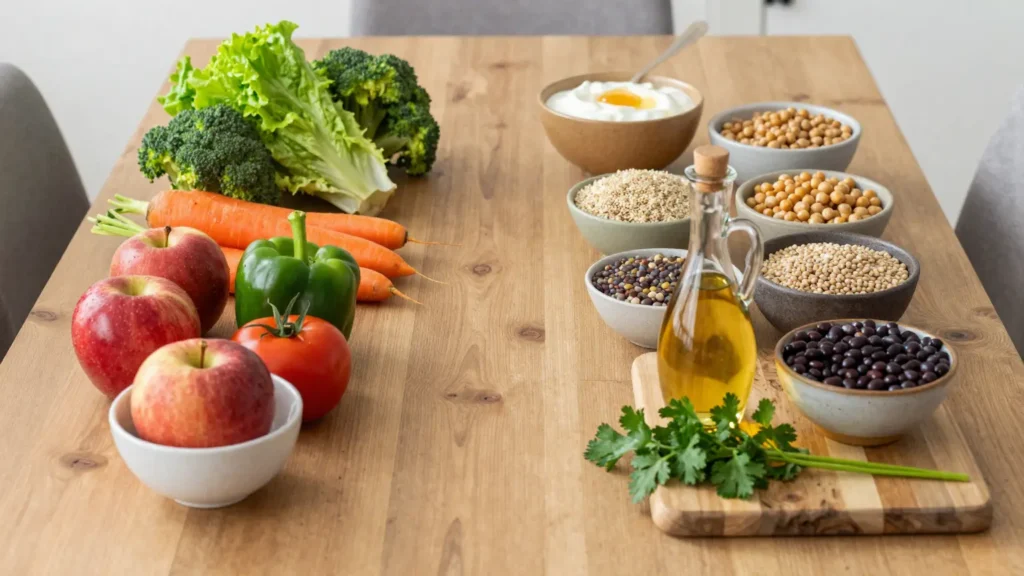
The Ornish diet, developed by Dr. Dean Ornish in 1977, is a revolutionary dietary plan aimed at preventing and reversing heart disease through strict fat restrictions and a focus on plant-based foods. This diet isn’t just another fad; it’s a comprehensive approach that challenges conventional wisdom about nutrition. Imagine cutting out nearly all sources of fat from your meals – no more creamy sauces or fatty cuts of meat – and replacing them with an abundance of fruits, vegetables, and whole grains. It sounds radical, doesn’t it? But the Ornish diet asserts that this drastic change can have profound effects on heart health.
At its core, the Ornish diet emphasizes a lacto-ovo vegetarian approach, which means eating a diet rich in plant-based foods while allowing limited intake of non-fat dairy products and egg whites. This plan is incredibly restrictive: it excludes meat, fish, poultry, high-fat dairy, coconuts, nuts, seeds, avocados, olives, cooking oils (except for canola), and margarine. The diet limits fats to a mere 10% of daily calorie intake and cholesterol to just 10 milligrams per day – a far cry from the average Western diet.
Imagine walking into a grocery store with an entirely new set of rules for what you’re allowed to buy. You fill your cart not with cheese, butter, or even olive oil, but with an array of colorful vegetables and fresh fruits that promise to nourish your body in ways you’ve never imagined possible. The Ornish diet isn’t just about changing the foods on your plate; it’s about transforming your relationship with food entirely.
By drastically reducing fat intake, the Ornish diet aims to lower cholesterol levels and reduce arterial blockages, which are major risk factors for heart disease. This radical shift in eating habits is supposed to lead not only to weight loss but also to a significant improvement in overall health. As you start cutting out all those fatty foods that have been staples of your diet, you’ll find yourself exploring new flavors and textures through plant-based options.
Is the Extremely Low Fat Intake in the Ornish Diet Safe for Everyone?
As the Ornish diet demands such a strict reduction in fat intake, it raises questions about whether this level of restriction is safe and sustainable for everyone. When considering any dietary plan, it’s crucial to think about individual health needs, nutritional requirements, and personal preferences. The extreme limitation on fats can be particularly challenging because fats play an essential role in maintaining various bodily functions, including hormone production, brain function, and cell membrane integrity.
Think about the different roles of fat in your body. For example, certain vitamins like A, D, E, and K are fat-soluble, meaning they need dietary fats to be absorbed effectively. Without adequate intake of these essential fatty acids, you might experience deficiencies that could affect bone health, vision, immune function, and blood clotting. > Did you know that the human brain is about 60% fat? Cutting out all sources of fat can have far-reaching implications for cognitive functions.
Moreover, fats are a critical source of energy and help keep you feeling full, which is essential for managing hunger and preventing overeating. By eliminating or severely limiting fats, individuals might struggle with increased feelings of deprivation and a lack of satisfaction from meals. This could lead to frustration and eventual abandonment of the diet plan. When considering adopting such an extreme diet, it’s vital to consult with healthcare professionals who can assess your individual health status and recommend personalized nutritional advice.
In summary, while the Ornish diet may offer significant benefits for certain individuals looking to improve their heart health, its extremely low-fat requirements pose unique challenges that need careful consideration before widespread adoption.
What Foods Are Allowed on the Ornish Diet Plan?
Despite its strict guidelines, the Ornish diet does allow a wide range of foods that can keep meals varied and satisfying. Imagine starting your day with a bowl of oatmeal topped with fresh berries and a sprinkle of flaxseed for added fiber and omega-3 fatty acids. Throughout the day, you can enjoy a colorful array of vegetables like broccoli, spinach, carrots, and bell peppers, all prepared in ways that maximize their natural flavors without adding fat.

Here are some specific food items that are allowed on the Ornish diet:
- Fruits: Apples, bananas, grapes, oranges, pears, melons
- Vegetables: All types of leafy greens, tomatoes, cucumbers, sweet potatoes
- Whole Grains: Brown rice, quinoa, whole wheat bread, pasta made from whole grains
- Legumes and Beans: Lentils, chickpeas, black beans, kidney beans
The key is to focus on unprocessed foods that are naturally low in fat. For instance, you can use herbs and spices instead of butter or oil when cooking vegetables. A stir-fry with tofu, broccoli, carrots, and bell peppers seasoned with garlic, ginger, and soy sauce provides a tasty, heart-healthy meal without compromising flavor.
It’s important to note that while the Ornish diet is highly restrictive regarding fats and animal products, it does allow for creative alternatives. Consider using low-fat yogurt in place of sour cream or replacing cheese with nutritional yeast for a cheesy taste without the fat. These substitutions can help make your meals more palatable and enjoyable as you adapt to this new way of eating.
Think about how your body might feel as you gradually transition to these foods. Will you notice any differences in energy levels, digestion, or overall well-being? The Ornish diet challenges us to rethink our relationship with food and explore the full spectrum of plant-based nutrition.
Did you know that a single cup of cooked quinoa contains more protein than an egg? This makes it an excellent source of plant-based protein for those adhering to the Ornish diet.
What Foods Are Restricted on the Ornish Diet Plan?
When considering what foods are restricted on the Ornish diet plan, it’s important to understand just how extensive these restrictions can be. The elimination of high-fat dairy products, nuts, seeds, avocados, and oils might seem daunting at first glance, but they serve a critical purpose in this dietary framework.
For example, while nuts and seeds are often touted for their health benefits, particularly when it comes to heart health, the Ornish diet takes a different stance. These foods are typically high in healthy fats such as omega-3 fatty acids found in walnuts or flaxseeds. However, on this plan, you must find alternative sources of these essential nutrients. This means that even though nuts and seeds have been praised for their heart-friendly properties, they’re off-limits to maintain the diet’s strict low-fat guidelines.
Similarly, avocados, which are often celebrated in other health-conscious diets due to their high levels of monounsaturated fats, must be avoided on the Ornish plan. These fats, while beneficial in moderation, can quickly elevate your overall fat intake if you’re not careful. By excluding avocados, along with oils and margarine (except for a small amount of canola oil), the diet ensures that you stay within its strict 10% daily calorie limit for fat consumption.
Moreover, cooking techniques also need to adapt under these restrictions. Traditional methods like frying or sautéing are out since they rely heavily on oils. Instead, you’ll find yourself experimenting with steam cooking or baking your foods without added fats. This might seem limiting at first, but the idea is that by learning new ways to prepare meals, you’re not only adhering to the diet but also discovering healthier and more flavorful alternatives.
For instance, when making a salad dressing for your leafy greens, instead of using olive oil or any other oil-based dressing, you can opt for balsamic vinegar mixed with lemon juice. This change in culinary habits is meant to help you break away from fat-centric cooking methods and embrace lighter fare that still delivers on taste.
As you delve deeper into the Ornish diet plan, it becomes evident how every aspect of your meal preparation needs to be rethought. Even seemingly benign foods like coconuts must go, as they contain a significant amount of saturated fats. This level of restriction highlights just how committed one needs to be to see results and maintain adherence to such a stringent dietary regimen.
The Ornish diet’s restrictions on these food items underscore the importance of understanding not only what you’re cutting out but also why these eliminations are necessary for achieving its intended health outcomes. As you navigate this journey, each choice is a step towards transforming your nutritional habits and potentially improving your cardiovascular health in profound ways.
Did you know that on average, a person following the Ornish diet would consume less than 20 grams of fat per day? That’s about half the amount recommended by most dietary guidelines for healthy individuals.
What Would a Typical Day Look Like on the Ornish Diet?
Embarking on a typical day with the Ornish diet means making significant changes to your meal planning and preparation. Imagine waking up in the morning and preparing yourself a hearty bowl of oatmeal topped with fresh blueberries, sliced bananas, and a sprinkle of cinnamon for flavoring. This breakfast is not only delicious but also packed with fiber and essential nutrients while keeping fat content minimal.
For lunch, you might enjoy a large salad made from a mix of leafy greens like spinach and arugula, combined with cherry tomatoes, cucumbers, shredded carrots, and slices of avocado (yes, small amounts are allowed). Instead of dressing it up with oil-based dressings, opt for a splash of balsamic vinegar or a squeeze of fresh lemon juice to add tanginess. Such meals not only keep you full but also provide the necessary vitamins and minerals without the added fats.
Dinner could consist of steamed broccoli florets drizzled with a bit of tamari (a low-sodium soy sauce alternative) alongside a generous portion of quinoa seasoned with herbs like thyme and rosemary. Adding some sautéed mushrooms or tofu would give your meal an extra boost in protein, making it more satisfying. This dinner is light yet filling, ensuring you meet your daily nutritional needs without overindulging.
Throughout the day, snacks can include a handful of air-popped popcorn seasoned with a touch of nutritional yeast for a cheesy flavor without any dairy or oils. Another great snack option could be fresh fruit slices paired with natural almond butter spread thinly on whole grain crackers. These choices provide healthy carbohydrates and proteins to keep your energy levels up throughout the day.
As you navigate through your daily meals, each plate is an opportunity to explore new flavors and textures from a vast array of plant-based ingredients. The key lies in creativity and experimentation as you find satisfying alternatives to traditional high-fat foods. For example, instead of reaching for creamy dips like hummus (which contains tahini), try making a light dip using pureed cooked chickpeas blended with lemon juice and garlic.
Living on the Ornish diet also involves being mindful about how your body responds to these changes. You might notice increased energy levels or improved digestion as you reduce fat intake, but there could be periods of adjustment where cravings for high-fat foods persist. The challenge is to stay committed to the plan while finding joy in new culinary adventures.
Think about how each meal contributes to your overall well-being and consider whether the Ornish diet aligns with your health goals and lifestyle. Are you willing to make these sacrifices for potential long-term benefits? The journey of adopting such a strict dietary regimen requires patience, persistence, and an open mind towards embracing plant-based nutrition in unprecedented ways.
A single serving (about 1/4 cup) of quinoa contains nearly twice as much protein compared to brown rice. This makes it an excellent choice for maintaining muscle mass while adhering to the Ornish diet’s strict fat limitations.
By taking these steps, you not only follow a healthier path but also embark on a transformative journey towards better heart health and overall well-being.
How Can I Successfully Start Following the Ornish Lifestyle Program?
Transitioning to the Ornish lifestyle program is a significant change that requires careful planning and gradual adjustment. To successfully start following this diet, you’ll need to prepare both mentally and practically by understanding how to make these changes sustainable and enjoyable.
Setting Realistic Goals
The first step towards adopting the Ornish diet effectively is setting realistic goals. This doesn’t just mean aiming for immediate weight loss or drastic health improvements; it also involves committing to long-term lifestyle changes. Ask yourself what your personal motivation is for following this program. Are you looking to improve heart health, manage diabetes, or simply feel better overall? Understanding and focusing on these motivations can provide the necessary drive to stick with the diet.
For example, if improving heart health is your primary goal, you might start by setting small, achievable targets such as reducing daily fat intake gradually over weeks rather than cutting everything out immediately. This approach helps prevent feelings of deprivation and makes it easier to maintain adherence in the long run.
Stocking Up on Permitted Foods
Once you’ve set your goals, the next crucial step is preparing your pantry and fridge with foods that are allowed on the Ornish diet. A well-stocked kitchen full of nutritious options can significantly ease your transition into this new way of eating. Begin by identifying local grocery stores or farmers’ markets where you can find a variety of fresh produce.
Think about incorporating a range of fruits, vegetables, whole grains, and legumes to ensure that each meal is balanced and satisfying. For instance, planning meals around recipes like quinoa salads with cherry tomatoes and cucumber, or stir-fries made from tofu and an assortment of colorful bell peppers can help you appreciate the diversity in flavors offered by plant-based ingredients.
Meal Planning and Prepping
Effective meal planning is essential for staying on track with any diet plan. Start by spending a few hours each week preparing meals that align with your dietary restrictions. This could involve chopping vegetables, cooking grains like brown rice or quinoa in bulk quantities, and setting up several containers of prepped ingredients ready to be used throughout the week.
Having these meals prepared ahead of time reduces the temptation to opt for less healthy alternatives when you’re hungry and short on time. It also simplifies your daily routine by minimizing decision fatigue related to meal choices.
Experimenting with New Recipes
One of the most enjoyable aspects of starting any new diet is exploring different recipes and cuisines that align with its guidelines. The Ornish diet, being primarily plant-based, offers a vast array of international culinary traditions to draw from – think Italian pasta dishes made with whole wheat noodles and tomato sauce, or Indian-inspired curries using coconut milk-free alternatives like almond milk.
Consider looking up cookbooks specifically designed for the Ornish diet or online recipe blogs that cater to low-fat eating. These resources often provide innovative ways to prepare familiar foods in healthier manners without compromising on taste. For instance, you might discover that roasting vegetables brings out their natural sweetness and adds complexity of flavor without needing added fats.
Embracing Lifestyle Changes Beyond Diet
While the dietary component is crucial, the Ornish lifestyle program emphasizes more than just what goes into your body. It includes regular physical activity, stress reduction techniques like yoga or meditation, and engaging in supportive community activities. Incorporating these elements can enhance your overall experience on this diet plan.
For instance, joining a local gym to participate in group fitness classes not only helps you stay active but also provides an opportunity for social interaction and motivation. Similarly, practicing mindfulness through meditation sessions or attending yoga workshops can improve mental health, which is closely linked to physical well-being.
By integrating these lifestyle changes alongside your dietary modifications, you create a holistic approach that addresses multiple facets of health simultaneously, making the entire process more rewarding and sustainable in the long term.
Seeking Support from Others
Lastly, finding support systems within your community or online can greatly aid your journey on the Ornish diet. Connecting with others who follow similar dietary plans through social media groups, local meetups, or community classes provides a sense of camaraderie that is invaluable during times of challenge and uncertainty.
Sharing tips, recipes, and experiences with fellow dieters can also inspire new ideas for meal preparation and offer encouragement when you feel less motivated. Support from peers who understand the nuances of this diet can be incredibly motivating and helpful in navigating through any difficulties you might encounter along the way.
Starting on the Ornish lifestyle program is a significant commitment, but by taking these steps to prepare and support yourself throughout your journey, you set yourself up for success in achieving both short-term goals and long-lasting health benefits.
Who Should Avoid Starting the Ornish Diet?
While the Ornish diet can offer significant health benefits for some people, it’s crucial to recognize that not everyone is suited to adopt such a strict dietary regimen. There are certain groups of individuals who might find the Ornish diet particularly challenging or even harmful.
Firstly, individuals with specific nutritional needs should be cautious about starting the Ornish diet without medical supervision. For instance, pregnant women and nursing mothers require a higher intake of fats to support fetal development and milk production. Similarly, people recovering from certain illnesses or injuries might need a more balanced diet that includes moderate amounts of healthy fats to aid in healing.
Secondly, athletes and highly active individuals may struggle with the Ornish diet due to its low-fat restrictions. These groups typically require higher calorie intakes, including fats, to sustain energy levels during rigorous physical activities. Athletes might find it difficult to maintain performance without adequate fat intake for endurance training or muscle recovery.
Moreover, those with certain medical conditions should exercise extreme caution when considering the Ornish diet. For example, individuals with eating disorders such as anorexia nervosa might be triggered by its restrictive nature and could face challenges in re-establishing healthy eating patterns. Additionally, people with thyroid issues may need a more balanced intake of fats to regulate their metabolism.
Another important consideration is personal preference and lifestyle. The Ornish diet requires significant changes in meal planning, cooking methods, and social eating habits. Individuals who lead busy lives or have limited access to fresh produce might find it difficult to adhere strictly to the dietary guidelines without proper support systems in place.
Imagine you’re someone who enjoys dining out frequently. Many restaurant meals are high in fats, making it challenging to stick to a diet that excludes almost all sources of fat. You’d need to be prepared for potentially sacrificing some of your favorite social activities centered around food and drinks.
Furthermore, those with existing digestive issues might face challenges with the Ornish diet due to its reliance on fiber-rich foods like whole grains and legumes. These foods can exacerbate symptoms such as bloating or gas in individuals with irritable bowel syndrome (IBS) or other gastrointestinal disorders.
As you think about whether the Ornish diet is right for you, consider your personal health history and lifestyle. Are you prepared to make radical changes that go beyond just altering what you eat? Reflect on whether these modifications align with your long-term goals and whether they are sustainable in the context of your daily life.
The Ornish diet was among the first dietary programs to emphasize the role of stress reduction techniques, such as yoga and meditation, alongside dietary changes for overall health improvement.
How Can the Ornish Diet Benefit My Heart Health?
The Ornish diet’s radical approach to reducing fat intake has been shown to have significant positive impacts on cardiovascular health. By limiting fats to only 10% of daily calorie consumption, this dietary regimen aims to lower cholesterol levels and reduce arterial blockages, which are major risk factors for heart disease.
Imagine the transformative power of a diet that not only restricts unhealthy fats but also emphasizes nutrient-dense foods like fruits, vegetables, whole grains, and legumes. These foods are rich in antioxidants, fiber, vitamins, and minerals that can help protect your heart from damage caused by oxidative stress and inflammation. The Ornish diet’s focus on plant-based nutrition means you’re consuming a higher volume of food with fewer calories, which aids in weight loss – a key factor in reducing cardiovascular risks.
One of the most compelling aspects of the Ornish diet is its potential to reverse existing heart disease. Clinical studies have shown that patients who followed this dietary plan experienced improvements in arterial function and plaque regression, effectively reversing some symptoms of coronary artery disease. By dramatically lowering cholesterol levels through a combination of diet, exercise, and stress management, the Ornish program offers hope for those struggling with cardiovascular issues.
Moreover, the Ornish diet’s emphasis on whole foods rather than processed items contributes to better gut health, which in turn supports heart health. A growing body of research suggests that maintaining a diverse microbiome is crucial for overall well-being, including cardiovascular health. By eating a variety of fruits and vegetables rich in fiber, you foster a healthy gut environment that can lead to reduced inflammation and improved immune function.
Think about the positive changes you could experience just by adopting these simple yet powerful dietary shifts. Would you feel more energetic? Notice clearer thinking? Experience fewer digestive issues? These are some of the benefits many people report as they transition to a heart-healthy lifestyle like the Ornish diet.
The Ornish diet was among the first to recognize and promote the connection between stress reduction techniques, such as yoga and meditation, alongside dietary changes for overall health improvement. This holistic approach sets it apart from other diets focusing solely on food intake.
By embracing the principles of the Ornish diet, you take a proactive stance towards improving your heart health through comprehensive lifestyle modifications rather than just altering what goes into your body.
Can I Lose Weight on the Ornish Diet?
The potential for weight loss is a significant draw for those considering the Ornish diet. By drastically reducing fat intake to just 10% of your daily calorie consumption, you’re forced to consume fewer calories overall because fats are typically high in energy density. This means that when you fill up on nutrient-dense foods like fruits, vegetables, and whole grains, which have a lower caloric content per volume compared to fatty or processed foods, it becomes easier to achieve a caloric deficit necessary for weight loss.
Imagine your plate filled with a variety of colorful, fiber-rich veggies, lean protein sources like tofu, and hearty portions of whole grains. Each meal is designed not only to be satisfying but also to keep you feeling full without adding excessive calories. This approach can lead to gradual and sustainable weight reduction as your body adapts to fewer calories while still receiving all the essential nutrients it needs.
Moreover, the Ornish diet’s focus on plant-based foods often leads to an increase in dietary fiber intake, which is well-known for promoting satiety and aiding digestion. The high volume of these low-calorie foods can help curb hunger between meals, making it easier to stick to your caloric goals without feeling deprived.
However, weight loss on the Ornish diet isn’t just about cutting calories; it’s also about changing how you eat and think about food. By adopting healthier eating habits and embracing a more mindful approach to nutrition, many people find that they naturally gravitate towards better choices even when not actively trying to lose weight. This shift in mindset can lead to long-term success in maintaining a healthy body weight.
Think about the impact of gradually transitioning from high-fat foods to these nutrient-packed alternatives. How might your relationship with food change as you explore new flavors and textures through plant-based options? Would you feel more energized, less sluggish, or even notice improvements in other aspects of health like digestion?
In summary, while the Ornish diet is highly restrictive, its emphasis on whole foods and low-fat intake offers a promising path for weight loss. By making these changes sustainable over time, many individuals find that they not only lose weight but also improve their overall health and wellness.
Studies have shown that people who follow plant-based diets like the Ornish diet often report feeling more satisfied after meals compared to those on high-fat diets, even when consuming fewer calories.
Are There Any Drawbacks to Following the Ornish Diet Long-Term?
Adopting the Ornish diet can be transformative in terms of improving heart health and potentially reversing certain cardiovascular conditions. However, it’s essential to consider whether its strict guidelines are sustainable and feasible over an extended period. The radical reduction of fats and animal products presents both challenges and potential drawbacks that need careful consideration.
One major concern is long-term nutritional adequacy. While the Ornish diet emphasizes a rich intake of fruits, vegetables, whole grains, and legumes, it can be difficult to meet all daily nutrient requirements solely through these foods. For instance, cutting out animal proteins means you must find alternative sources for essential nutrients like vitamin B12, iron, and zinc that are typically found in meat and dairy products. This often necessitates the use of supplements, which some people might find inconvenient or less appealing than obtaining vitamins naturally from food.
Another critical issue is adherence and sustainability. The Ornish diet’s restrictive nature can lead to feelings of deprivation and boredom over time. Imagine going out to dinner with friends and not being able to order your favorite dishes because almost everything on the menu exceeds the 10% fat limit. This dietary limitation might become increasingly difficult to maintain as it affects social eating habits, making adherence challenging for many individuals who enjoy a wider variety of foods.
Social and cultural factors also play a significant role in the long-term feasibility of the Ornish diet. For those living with family members or friends who have different dietary preferences, sticking to this plan can be socially isolating. Imagine planning meals for a large gathering where you must prepare separate dishes that comply with your dietary restrictions while others indulge in traditional high-fat fare. This separation from communal dining experiences might strain relationships and reduce the social enjoyment of food.
Moreover, specific medical considerations should be taken into account. Individuals who require higher fat intakes for certain health conditions or those with metabolic syndromes like diabetes might find that following this diet compromises their nutritional balance. For example, people with type 2 diabetes often benefit from a moderate-fat, high-fiber diet to manage blood sugar levels effectively. The Ornish plan’s extremely low-fat requirements could potentially interfere with glucose control if not carefully managed.
Another aspect worth considering is the lack of diversity in meal preparation over time. As you continue to adhere strictly to this dietary regimen, your meals may become repetitive and less exciting. While there are numerous recipes available that fit within the Ornish guidelines, the novelty of exploring new flavors might wear off after a while, leading to decreased enthusiasm for sticking with the diet long-term.
In summary, while the Ornish diet offers compelling health benefits and can be highly effective in the short term, its stringent restrictions on fats and animal products pose significant challenges when considering long-term adherence. These include concerns about nutritional adequacy, social isolation, medical suitability, and meal diversity. As you contemplate adopting this dietary plan for an extended period, it’s crucial to weigh these potential drawbacks against the intended health outcomes.
By understanding both the benefits and limitations of the Ornish diet, you can make a more informed decision that aligns with your personal goals, lifestyle, and nutritional needs. Is the Ornish diet right for you in the long term? Reflecting on these questions will help guide your journey towards achieving sustained wellness.
The Ornish diet was one of the first dietary programs to incorporate stress management techniques like yoga and meditation alongside a low-fat diet, highlighting its holistic approach to health improvement.
Conclusion: Is the Ornish Diet Right for Me?
The Ornish diet presents a compelling approach to improving heart health through radical dietary changes, emphasizing very low-fat intake and a focus on plant-based foods. While it promises significant benefits like reducing cholesterol levels and promoting weight loss, its strict guidelines can pose challenges in terms of long-term adherence and nutritional balance. The diet’s holistic framework, including stress management and social support, complements the dietary regimen but may not be suitable for everyone due to individual health needs and personal preferences. As you consider whether the Ornish diet is right for you, weigh its potential benefits against the practicalities of your lifestyle and consult healthcare professionals to ensure it aligns with your overall wellness goals.
Frequently Asked Questions (FAQ)
What is the Ornish diet plan?
The Ornish diet plan is a low-fat, plant-based dietary program designed by Dr. Dean Ornish. It focuses on eating whole grains, fruits, vegetables, and legumes while avoiding processed foods, oils, and most animal products.
Is the Ornish diet suitable for everyone?
No, it’s not suitable for everyone. People who are pregnant or breastfeeding, those with kidney failure, nutritional deficiencies, or disordered eating should consult their doctor before starting this diet.
How does the Ornish diet help with weight loss?
The Ornish diet promotes a high intake of fiber and low fat content from plant-based foods which can aid in reducing calorie intake without feeling deprived. It includes exercise and stress management techniques to support overall health, leading to sustainable weight loss.
Does the Ornish diet require taking supplements?
Yes, it often recommends omega-3 fatty acid supplements since vegetarian sources may not provide the same benefits as animal-derived fats for everyone due to individual metabolism differences.
Can I eat tofu on the Ornish diet?
Yes, you can consume tofu and other plant-based protein sources like legumes as part of the Ornish diet. It encourages eating nonfat dairy products such as yogurt and egg whites while avoiding most animal proteins.
Is it hard to find foods allowed in the Ornish diet plan?
No, the foods recommended in the Ornish diet are widely available at grocery stores and markets around the world, making it easy to stick with when following the program.
How does the Ornish diet help heart health?
By limiting fats and cholesterol intake, the Ornish diet reduces inflammation, one of the major risk factors for heart disease. It also promotes regular exercise and stress management which are beneficial for cardiovascular health.
Are there specific recipes or meal plans provided by Dr. Ornish?
Dr. Ornish’s program includes a nine-week guided plan with classes, exercise gear, meal delivery options, and medical team support to help individuals adhere to the diet and achieve their health goals.
Can I drink alcohol while on the Ornish diet?
While not explicitly mentioned as forbidden, alcoholic drinks are high in calories and low in nutritional value. However, light options like white wine spritzers can be a healthier alternative if moderation is maintained.
How does the cost of the Ornish program compare to other diets?
The cost varies depending on insurance coverage and services offered by Dr. Ornish’s team, including meal delivery and medical support which might not be covered for everyone. Comparatively, it could be more expensive than do-it-yourself diet plans but offers comprehensive lifestyle guidance.
Is there a community or group support system for those following the Ornish diet?
Yes, the program emphasizes group support as one of its key aspects to help individuals stay motivated and adhere to the dietary changes recommended. Group sessions are part of Dr. Ornish’s guided nine-week program.