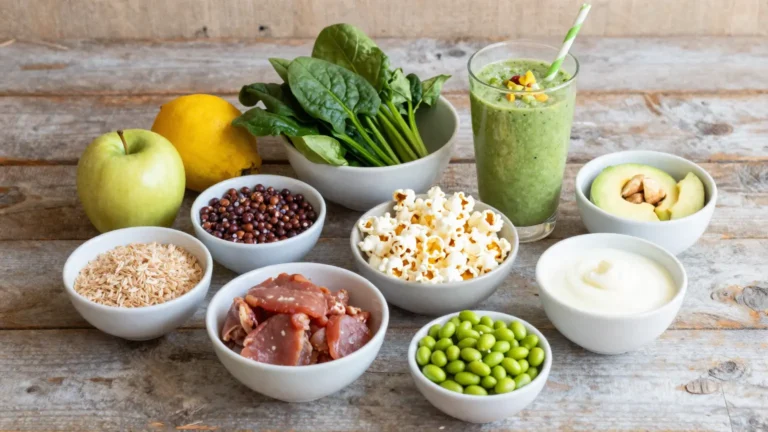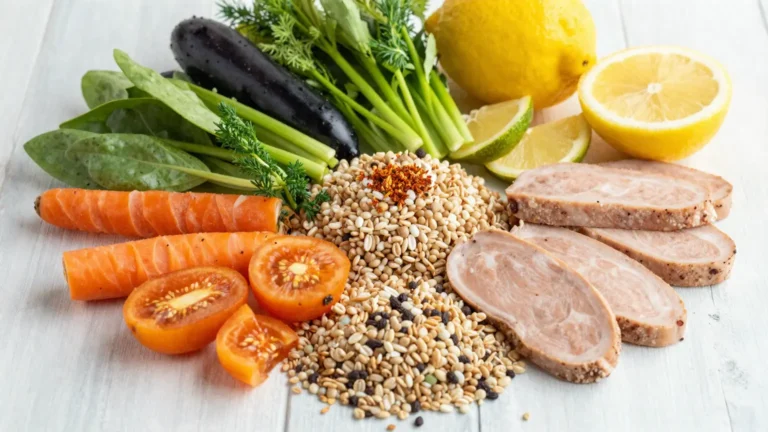
Introduction: The Cruise Control Diet Explained
The Cruise Control Diet is a recent entrant in the crowded field of diet trends, offering an intriguing approach to achieving ketosis without adhering strictly to traditional ketogenic principles. Created by fitness expert Jorge Cruise, this diet aims to provide a balanced and sustainable method for weight loss that doesn’t compromise on nutritional variety or flavor enjoyment. As keto diets have gained popularity for their promise of rapid fat burning, many dieters find the strict carbohydrate restrictions challenging and unsustainable over long periods.
Imagine being able to enjoy your favorite foods with less guilt while still seeing significant results in terms of weight loss and overall health improvement. That’s the premise behind “The Cruise Control Diet.” By incorporating intermittent fasting into a flexible eating plan, it allows for moderate carb intake during certain times of the day without disrupting ketosis. This approach not only makes the diet easier to follow but also ensures that you don’t feel deprived or overly hungry.
Jorge Cruise’s innovative strategy challenges the notion that achieving and maintaining ketosis requires eliminating all carbs completely. Instead, he focuses on timing your meals strategically to optimize fat burning while still allowing for a variety of healthy foods throughout the day. This balance is designed to prevent the common pitfalls associated with more restrictive diets, such as binge eating or nutritional deficiencies.
By exploring “The Cruise Control Diet,” readers can uncover whether this new approach might offer them a more enjoyable and sustainable path towards their health goals compared to traditional keto methods.
The Philosophy Behind The Cruise Control Diet
At its core, The Philosophy Behind The Cruise Control Diet is rooted in the idea that restrictive diets often fail because they do not cater to people’s natural desires for flexibility and enjoyment. Unlike traditional ketogenic diets that require strict adherence to low-carb principles at all times, Jorge Cruise’s approach offers a more relaxed but still effective method. This philosophy hinges on understanding human behavior and making diet plans that are realistic and sustainable in the long term.
Cruise believes in leveraging the body’s natural circadian rhythms for optimal health benefits. The 16:8 intermittent fasting pattern, where you fast for 16 hours and eat during an 8-hour window, is central to his method. This approach aligns with many people’s lifestyles, making it easier to stick to over extended periods compared to more rigid dietary rules.
Key to the Cruise Control Diet is moderate carbohydrate intake, particularly during specific times of the day when your body can process them efficiently without disrupting ketosis. By timing meals and snacks strategically, you can enjoy a wider variety of foods while still achieving weight loss goals. This balance allows dieters to experience satisfaction from their meals without feeling overly restricted.
Moreover, Cruise’s philosophy emphasizes balance and moderation over extremes. He argues that extreme diets often lead to rebound effects where people eventually return to old habits, leading to weight regain. By providing a more gentle approach to dieting, the goal is to help individuals make lasting changes rather than temporary sacrifices.
The focus on timing meals also helps manage insulin levels throughout the day, which plays a crucial role in fat burning and overall metabolic health. This aspect of the Cruise Control Diet addresses one of the main criticisms of traditional keto diets – namely that they can be too difficult to maintain long-term due to their strict nature. By incorporating intermittent fasting and allowing for some flexibility around carb intake, the diet aims to offer a more practical solution.
In summary, Jorge Cruise’s Cruise Control Diet philosophy is about finding a middle ground between restrictive diets and uncontrolled eating habits. It encourages individuals to think critically about when they eat rather than just what they eat, fostering a healthier relationship with food that can lead to sustainable weight loss outcomes.
Did you know that the concept of intermittent fasting has roots dating back centuries? Ancient cultures often engaged in periodic fasting for religious or health reasons, making Cruise’s modern adaptation part of an age-old practice.
Recommended Food Groups for The Cruise Control Diet
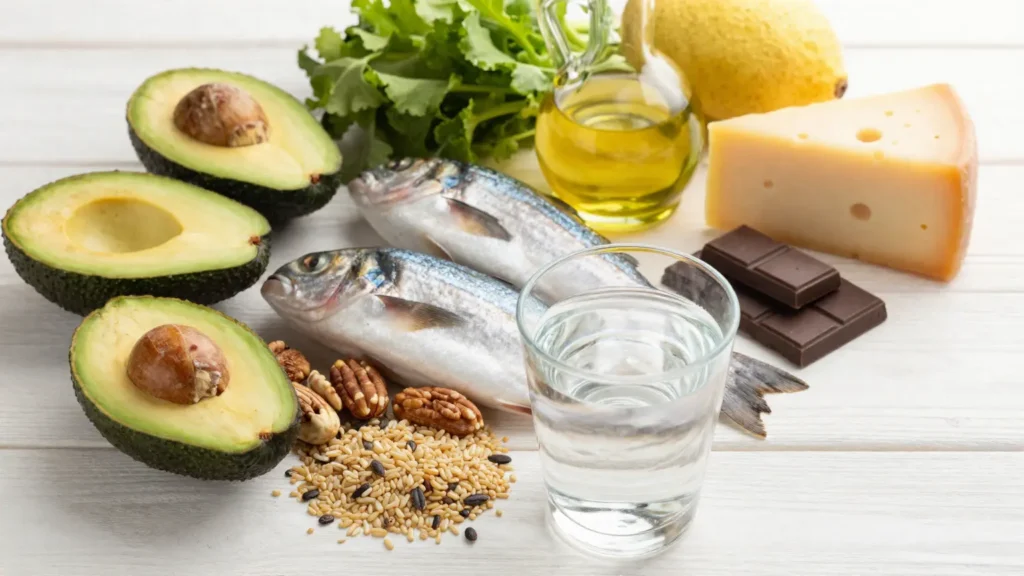
Incorporating the right food groups is essential to reaping the benefits of the Cruise Control Diet while maintaining nutritional balance. Foods that are high in healthy fats take center stage, as they help keep insulin levels low and support ketosis during fasting periods. Avocados, nuts, seeds, olive oil, and fatty fish like salmon are excellent choices. These foods not only provide essential nutrients but also make you feel full longer.
Protein is another cornerstone of the diet. Lean proteins such as chicken breast, turkey, tofu, and legumes help repair muscles and stabilize blood sugar levels. Incorporating a variety of protein sources ensures that you get all necessary amino acids without relying too heavily on processed meats or red meat.
Vegetables play a crucial role in providing essential vitamins, minerals, and fiber while keeping calorie intake moderate. Non-starchy vegetables like broccoli, spinach, kale, and bell peppers can be eaten freely during the day since they have minimal impact on blood sugar levels and insulin response. These options are also rich in antioxidants that help fight inflammation.
For those who enjoy grains, the Cruise Control Diet recommends whole grain products in moderation. Quinoa, brown rice, oats, and barley are preferable over refined grains because they offer more fiber and nutrients. Eating these during your eating window can provide sustained energy without spiking insulin levels too much.
Fruit is also allowed but should be consumed thoughtfully due to its natural sugars. Berries, apples, pears, and cherries are great choices as they contain fewer calories and higher amounts of beneficial compounds compared to tropical fruits or dried fruit. Fruits can be a refreshing snack during your eating window while providing necessary vitamins.
When it comes to beverages, water remains the go-to option for hydration, but coffee and tea also fit within the diet’s guidelines when consumed without added sugars. These drinks have been shown to boost metabolism slightly and enhance fat burning processes.
It’s important to note that each person’s tolerance to these food groups may vary, so listening to your body and adjusting accordingly is key. Experimenting with different combinations can help you find what works best for your unique needs and preferences.
Did you know that including a moderate amount of fermented foods like kefir or kimchi in your diet can enhance gut health while following the Cruise Control Diet?
Forbidden or Limited Foods in The Cruise Control Diet
In line with its balanced approach to nutrition, the Cruise Control Diet restricts certain foods that can disrupt ketosis or hinder overall health benefits. Unlike traditional keto diets where all carbohydrates are strictly limited, this diet allows for some flexibility but still sets clear boundaries on what should be avoided.
Processed and sugary snacks like cookies, cakes, sodas, and candy bars are strictly off-limits throughout the day. These foods can spike blood sugar levels rapidly, making it harder to maintain ketosis during fasting periods. Such items not only lack nutritional value but also contribute significantly to weight gain and other health issues.
White bread, pastries, and sugary cereals fall into the category of refined grains that should be avoided or severely limited. These products are high in carbs with little fiber or nutrients, leading to quick spikes in blood sugar levels followed by a crash. Instead, opt for whole grain alternatives like oats or brown rice when you need a carb fix during your eating window.
Alcohol consumption is also kept to a minimum, as it can interfere with the body’s ability to burn fat efficiently and disrupt sleep patterns. Occasional light drinking may be acceptable but heavy alcohol use should be avoided to prevent sabotaging weight loss efforts.
While the diet encourages moderate carbohydrate intake, foods that are high in refined sugars or unhealthy fats are generally discouraged. These include fried fast food, processed deli meats, and many commercially prepared snacks. Relying on these items can negate the positive effects of intermittent fasting and undermine your metabolic health.
By steering clear of these restricted foods, you create a healthier eating environment that supports ketosis and overall wellness. Embracing natural and whole foods provides better sustenance for your body while keeping cravings under control.
Did you know that even small amounts of alcohol can affect the liver’s ability to produce ketones efficiently? This is why limiting or avoiding alcohol is crucial when following the Cruise Control Diet.
Nutritional Benefits and Drawbacks of The Cruise Control Diet
The Cruise Control Diet offers several nutritional benefits that set it apart from traditional keto diets. By incorporating intermittent fasting and allowing moderate carbohydrate intake during specific times, this diet provides flexibility while still promoting ketosis. This approach can enhance metabolic health and support weight loss without the restrictive nature often associated with strict ketogenic plans.
One of the key benefits is improved insulin sensitivity. The 16:8 intermittent fasting pattern encourages periods of low blood sugar and reduced insulin levels, which can help improve your body’s ability to process glucose more efficiently. This not only aids in fat loss but also reduces the risk of developing type 2 diabetes and other metabolic disorders.
Another significant advantage is better nutrient intake. While traditional keto diets often limit the variety of foods consumed due to strict carbohydrate restrictions, the Cruise Control Diet allows for a broader range of healthy options within your eating window. This includes whole grains, fruits, vegetables, lean proteins, and healthy fats, ensuring that you receive a wider spectrum of essential vitamins and minerals.
Moreover, this diet promotes sustainable long-term weight loss by focusing on balance rather than extreme deprivation. By allowing moderate carb intake during certain times of the day, it helps prevent the common pitfalls associated with more restrictive diets – such as binge eating or nutritional deficiencies – which can undermine long-term success.
The Cruise Control Diet also supports gut health, which is crucial for overall well-being and weight management. Incorporating a variety of whole foods, especially those high in fiber like vegetables and whole grains, helps nourish the gut microbiome and improve digestion. This can lead to better nutrient absorption and more stable blood sugar levels throughout the day.
By offering these nutritional benefits, the Cruise Control Diet aims to provide a practical and enjoyable way to achieve ketosis without feeling overly restricted or sacrificing important nutrients.
Intermittent fasting has been linked to increased production of brain-derived neurotrophic factor (BDNF), which can improve cognitive function and mood while also supporting weight loss efforts.
Potential Drawbacks of The Cruise Control Diet
While the Cruise Control Diet presents several benefits, it is not without potential drawbacks that may affect some individuals. One significant concern is the challenge of sticking to intermittent fasting schedules. For those with busy lifestyles or irregular work hours, adhering strictly to a 16-hour fast and an 8-hour eating window can be difficult. This rigidity might lead to feelings of frustration or abandonment, especially during times when social events or travel disrupt normal routines.
Another potential drawback is the risk of nutrient deficiencies if the diet is not followed carefully. While the Cruise Control Diet encourages a balanced intake of healthy fats, proteins, and carbohydrates, it’s easy to overlook important vitamins and minerals if you’re too restrictive with food choices. For instance, some people might avoid fruits or certain vegetables due to their natural sugars without realizing the essential nutrients they provide.
Additionally, individual tolerance plays a crucial role in how well one adheres to the diet. Some may find it challenging to consume enough calories during their eating window, leading to feelings of hunger and fatigue. Conversely, others might struggle with overeating when food is allowed, which could undermine weight loss goals.
For individuals with existing health conditions such as diabetes or hypoglycemia, the fluctuations in blood sugar levels caused by intermittent fasting can be risky. Careful medical supervision is necessary to ensure that these dietary changes do not negatively impact overall health and medication needs.
Lastly, long-term sustainability remains a question mark for many diets, including the Cruise Control Diet. While it offers flexibility compared to strict keto plans, maintaining any diet over extended periods requires patience and adaptability. The transition back to more relaxed eating habits after following such a structured regimen can be tricky without proper guidance on how to reintroduce foods gradually.
Addressing these potential drawbacks involves careful planning, monitoring of health indicators, and perhaps seeking advice from healthcare professionals or registered dietitians who understand the nuances of intermittent fasting diets like the Cruise Control Diet. By being aware of these challenges upfront, individuals can better prepare themselves for a healthier journey towards weight loss and improved metabolic health.
Did you know that adapting to any new diet requires patience and understanding of your body’s unique needs?
Sample Meal Plan on The Cruise Control Diet
Crafting a meal plan that aligns with the principles of the Cruise Control Diet involves careful planning around your fasting and eating windows. A typical day might start with an early morning fast, allowing you to burn fat efficiently before breaking your fast at noon or later. Here’s how a sample day on this diet could look:
Morning (Fasting Period)
- Water: Drink plenty of water upon waking up to stay hydrated.
- Black Coffee or Herbal Tea: Sipping coffee or tea can help curb hunger and boost metabolism, but ensure you avoid adding sugar.
Late Afternoon/Evening (Eating Window)
Snack
- Greek Yogurt with Berries: A small serving of unsweetened Greek yogurt topped with a handful of berries provides protein and antioxidants.
Main Meal – Dinner
- Grilled Chicken Breast: Seasoned with herbs, olive oil, and lemon juice. Grilling helps retain the chicken’s natural flavors while minimizing added fats.
- Roasted Vegetables: Include a mix like broccoli, bell peppers, zucchini, and onions. Roasting brings out their sweetness naturally without extra sugars.
- Quinoa Salad with Veggies: A light quinoa salad tossed with cucumbers, cherry tomatoes, feta cheese (or another low-fat alternative), lemon juice, and olive oil.
Evening Snack
- Almonds or Mixed Nuts: About a handful of unsalted almonds offers healthy fats and protein to keep you feeling full until bedtime.
Tips for Meal Planning
Planning meals in advance can make sticking to the Cruise Control Diet easier. Prepare dishes that are both satisfying and nutritious, focusing on natural ingredients without added sugars or unhealthy fats. Experiment with different herbs and spices to add flavor while keeping calorie counts low.
By carefully selecting foods rich in healthy fats, proteins, and moderate carbohydrates during your eating window, you can enjoy a wide variety of meals while maintaining ketosis effectively. The key is finding the right balance that keeps you energized throughout your fasting periods without feeling overly hungry or deprived.
Some people find that adding a small serving of dark chocolate to their evening snack helps curb cravings and provides an antioxidant boost, aligning well with the Cruise Control Diet’s principles of enjoying healthy fats while maintaining ketosis.
How Does The Cruise Control Diet Compare to Intermittent Fasting?
To understand how The Cruise Control Diet compares to intermittent fasting (IF), it’s essential to delve into their core principles and practical applications. Both approaches advocate for periods of fasting but differ in the degree of flexibility around meal timing and nutrient intake.
Core Principles
| Aspect | The Cruise Control Diet | Intermittent Fasting |
|---|---|---|
| Fasting Period | 16 hours of daily fasting, allowing for an 8-hour eating window. | Varies widely; common methods include the 16:8, 5:2, and OMAD (One Meal A Day) approaches. |
| Meal Timing | Focuses on specific times to consume moderate carbohydrates and fats. | Flexible timing but emphasizes fasting hours over strict meal schedules. |
| Nutrient Intake | Encourages a mix of healthy fats, proteins, and some carbs during eating window. | No specific nutrient guidelines; typically focuses more on calorie restriction or time-restricted feeding. |
Practical Implementation
While both diets involve periods of abstaining from food to promote fat burning and metabolic health, The Cruise Control Diet integrates intermittent fasting with a structured meal plan that emphasizes balance and moderation. This can make it easier for individuals to follow since it provides clear guidance on what to eat during the eating window.
In contrast, intermittent fasting, particularly in its more flexible forms like 16:8 or OMAD (One Meal A Day), allows for a broader range of nutritional choices within your feeding period. This flexibility can be beneficial for those who prefer less rigid meal plans and want to incorporate a wider variety of foods based on personal preference.
Flexibility and Adaptability
The Cruise Control Diet offers structured guidelines that help prevent overeating and ensure you consume nutrient-dense foods during your eating window. By specifying what types of foods are optimal (like healthy fats and proteins), it reduces the likelihood of choosing unhealthy, high-calorie snacks when hunger strikes.
On the other hand, intermittent fasting relies more on personal discipline to maintain calorie control and healthy food choices without strict dietary rules. This approach can be advantageous for people who want a simpler regimen but might require additional support or resources to make optimal food selections.
Health Benefits
Both diets aim to improve metabolic health by lowering insulin levels, promoting ketosis, and enhancing fat burning processes. However, The Cruise Control Diet integrates these benefits with nutritional balance, aiming to provide comprehensive health improvements through its tailored meal plan.
For example, the diet’s emphasis on healthy fats and proteins ensures that you receive essential nutrients while fasting, which can be particularly important for maintaining muscle mass and overall well-being during prolonged periods without food.
Potential Challenges
One of the primary challenges with The Cruise Control Diet is ensuring that individuals follow its meal plan consistently. While it offers a clear structure, adherence may require more effort compared to less restrictive IF methods like 16:8 fasting.
Similarly, intermittent fasting can be challenging for those who struggle with hunger or find it difficult to maintain strict eating patterns outside their feeding window. However, the flexibility in meal choices during your active hours might make it easier to stick to long-term.
Conclusion
In essence, both The Cruise Control Diet and intermittent fasting offer promising pathways for weight loss and metabolic health improvement through fasting periods. The key difference lies in how they approach nutrition and dietary flexibility. The Cruise Control Diet provides a structured yet balanced plan, while IF offers more freedom in meal choices but requires personal discipline to stay on track.
Ultimately, the best diet depends on individual preferences, lifestyle, and specific health goals. It’s crucial to consider these factors when deciding which approach might be most effective for you.
Did you know that incorporating short bursts of fasting into your daily routine can mimic many of the benefits seen in long-term intermittent fasting programs? This makes it easier for some people to adapt their eating habits gradually without drastic changes.
Alternative Diets Similar to The Cruise Control Diet
If you’re intrigued by the Cruise Control Diet but want to explore other options that share its balanced approach to nutrition and intermittent fasting, several alternatives are worth considering. Each offers unique features while maintaining a focus on sustainable health improvements.
5:2 Diet (The FastDiet)
Developed by doctors Michael Mosley and Mimi Spencer, the 5:2 diet is another well-known method that incorporates intermittent fasting into a regular eating pattern. Unlike the Cruise Control Diet’s fixed meal timing, this approach allows you to eat normally for five days of the week while restricting calorie intake to roughly 600 calories on two non-consecutive days. This flexibility makes it easier for some individuals to manage their weight without feeling overly deprived.
Alternate-Day Fasting (ADF)
Alternate-day fasting is a form of intermittent fasting that alternates between a day of normal eating and a day of reduced calorie intake, often around 500-600 calories. This method can be particularly effective for those who find the Cruise Control Diet’s fixed meal timing too rigid but still want to benefit from daily fasting periods.
Time-Restricted Feeding (TRF)
Time-restricted feeding involves limiting your eating window to a specific number of hours each day, similar to the 16:8 pattern in the Cruise Control Diet. However, TRF doesn’t prescribe what you eat within those hours; it focuses more on when you should be eating and fasting. This flexibility can appeal to individuals who want structured meal times without strict dietary restrictions.
OMAD (One Meal A Day)
OMAD, or One Meal A Day, is an extreme form of intermittent fasting where all calories are consumed in a single large meal per day. While this approach requires significant discipline, it shares the core concept of extended fasting periods with the Cruise Control Diet, offering another way to achieve ketosis and metabolic benefits.
The Warrior Diet
The Warrior Diet, created by fitness expert Ori Hofmekler, involves eating very little throughout the day (around 400 calories) and then consuming a large meal in the evening. This diet aligns with the concept of timing meals strategically for optimal health benefits but differs from Cruise’s approach by focusing on smaller daytime meals rather than fasting periods.
Prolonged Intermittent Fasting
Prolonged intermittent fasting involves longer fasting windows, such as 20-hour fasts followed by a four-hour eating window. This method is more stringent than the 16:8 pattern in the Cruise Control Diet but offers similar benefits like improved insulin sensitivity and fat burning.
Paleo-Fast Combination
Some individuals combine elements of the paleo diet with intermittent fasting principles, focusing on whole foods and natural ingredients while also incorporating extended fasting periods. This approach can provide a balanced way to achieve health goals without strict carb restrictions.
Each of these diets offers unique advantages and challenges compared to the Cruise Control Diet. Whether you prefer more flexibility in meal timing or stricter dietary guidelines, there’s an alternative that might better suit your lifestyle and preferences.
The 5:2 diet was featured prominently on British television before gaining international recognition, highlighting how media can significantly influence public perception of dietary trends.
Is The Cruise Control Diet Right for Everyone?
Determining whether The Cruise Control Diet is suitable for everyone involves considering individual health conditions, lifestyle factors, and personal preferences. While the diet offers benefits like improved insulin sensitivity and sustainable long-term weight loss through intermittent fasting and balanced nutrition, it may not be ideal for all individuals.
For instance, people with diabetes or hypoglycemia might find that the fluctuating blood sugar levels caused by intermittent fasting are too risky without medical supervision. Managing these conditions requires careful monitoring of carbohydrate intake and insulin dosages, which can become complicated when following a diet like the Cruise Control Diet. In such cases, consulting healthcare professionals to tailor dietary recommendations is crucial.
Additionally, individuals with restrictive eating disorders or those prone to binge eating might find that the structure provided by the diet actually exacerbates these issues rather than alleviating them. The risk of overeating during the eight-hour eating window due to feelings of deprivation during fasting periods can undermine weight loss goals and overall health. Therefore, it’s essential for such individuals to seek guidance from mental health professionals or registered dietitians who specialize in disordered eating.
Lifestyle flexibility is another critical factor. The Cruise Control Diet requires adherence to specific meal timing schedules that might not align with everyone’s daily routines. For those with irregular work hours, travel commitments, or social obligations during traditional meal times, sticking to the prescribed 16:8 fasting pattern can be challenging. This rigidity may lead to frustration and eventual abandonment of the diet.
Moreover, individual nutritional needs vary widely based on factors such as age, gender, body composition, and activity levels. While the Cruise Control Diet offers a balanced approach with moderate carbohydrate intake during eating windows, ensuring that you meet all your essential nutrient requirements might require personalized adjustments. This could mean incorporating more fruits or whole grains than recommended by the diet for some individuals to avoid deficiencies.
Ultimately, whether The Cruise Control Diet is right for you depends on several personal and health factors. It’s important to assess how well this structured yet flexible approach aligns with your lifestyle, dietary preferences, and medical needs before committing to it long-term. Consulting healthcare providers or nutrition experts can help ensure that any chosen diet supports your unique journey towards better health.
Did you know that personalized nutrition plans tailored by registered dietitians have been shown to yield better adherence rates and outcomes compared to generic diet advice? This highlights the importance of seeking individualized guidance when considering new dietary approaches.
Closing Summary: Embracing The Cruise Control Approach
In summary, The Cruise Control Diet presents a balanced approach to intermittent fasting and keto principles, aiming to offer flexibility while still promoting ketosis and weight loss. By allowing moderate carbohydrate intake during specific times of the day, it addresses some of the common challenges associated with more restrictive diets like traditional ketogenic plans. However, its effectiveness can vary depending on individual circumstances, including health conditions, lifestyle factors, and personal preferences. As always, seeking guidance from healthcare professionals before embarking on any new diet is crucial to ensure safety and sustainability. Whether The Cruise Control Diet is right for you depends on your unique needs and goals, but it certainly offers an intriguing alternative to explore in the quest for sustainable weight loss and improved metabolic health.
Frequently Asked Questions (FAQ)
What is the Cruise Control Diet?
The Cruise Control Diet is a flexible eating plan that combines elements of intermittent fasting and keto dieting. It involves an eight-hour feeding window where you eat normally, emphasizing protein, healthy fats, and non-starchy vegetables, while limiting processed carbs.
Can I still have fruit on this diet?
Yes, the Cruise Control Diet allows for some healthy carb-rich foods like fruits during your eating window. This makes it more flexible than strict keto diets which limit fruit intake due to its sugar content.
How does the burn zone work?
The “burn zone” is the 16-hour period outside of your eight-hour feeding window. During this time, you’re encouraged to enjoy up to three servings of Cruise Control Coffee or any high-fat snacks to boost ketosis while fasting.
Is there a sample meal plan available?
Yes, the diet includes specific meal plans such as an easy chicken platter for lunch and fiesta shrimp platter for dinner. It also suggests snacks like cheese, roasted chickpeas, nut butter, dark chocolate, or wine.
What are some high-fat snacks suggested by the diet?
The diet recommends snacks that get almost 100 percent of their calories from fat such as Cruise Control Coffee, Ultra-Slimming Fudge Mousse, and other keto treats designed to keep you full and in ketosis during your fasting period.
Does this plan work for everyone?
While many people have found success with the Cruise Control Diet, it’s important to consult a healthcare professional before starting any new diet. This ensures that the plan is suitable for individual health conditions and goals.
How often can I indulge on treats like chocolate or wine?
You are allowed up to two indulgences daily within your eating window, making it easier to stick with the plan long-term while still enjoying some of your favorite foods in moderation.
Can you explain how this diet helps with weight loss?
The Cruise Control Diet aims to gently lower insulin levels and encourage ketosis, a state where your body burns fat instead of sugar. This approach is designed to help people lose weight more sustainably compared to strict ketogenic diets.
How does the Cruise Control Coffee fit into the plan?
Cruise Control Coffee is an important part of the diet during fasting periods. It’s made with MCT oil, coffee, and a pinch of salt. Drinking it helps keep you in ketosis while fasting for up to 16 hours each day.
Are there any potential drawbacks or side effects from this diet?
Like other restrictive diets, the Cruise Control Diet might cause initial weight loss followed by plateaus or slower progress over time. Additionally, some people may experience mild side effects such as fatigue or headaches when transitioning into ketosis, which typically resolve after a few days.