Introduction to Engine 2 Diet: A Plant-Based Journey for Healthier Living
The Engine 2 Diet is a transformative approach to nutrition that has captivated the hearts and minds of health enthusiasts worldwide. Born from the firehouse where Rip Esselstyn challenged his fellow firefighters to adopt a diet free from animal products and vegetable oils, this dietary plan quickly evolved into a lifestyle movement focused on whole foods and optimal health.
At its heart, the Engine 2 Diet is not just another fad but a rigorous commitment to eating plants in their purest form. It’s about embracing a plate filled with vibrant colors – think rich greens from leafy vegetables, deep reds from beets, and golden yellows from squash. This diet encourages you to rediscover your relationship with food by choosing meals that are not only delicious but also packed with nutrients.
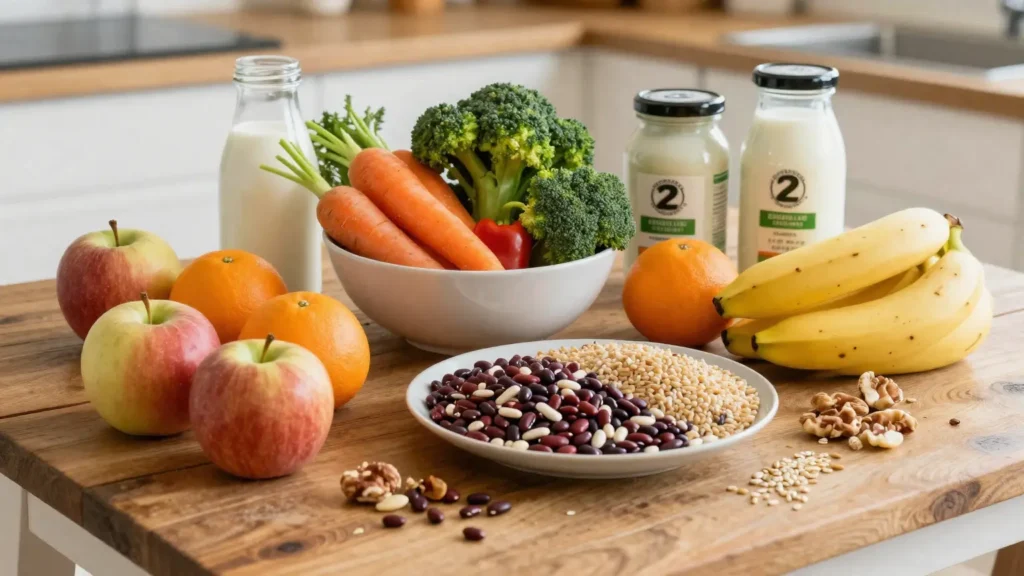
Imagine stepping into a kitchen where the pantry is stocked with whole grains like quinoa and brown rice, legumes such as lentils and chickpeas, and an abundance of fresh produce. Each meal becomes an opportunity to nourish your body in ways that can significantly impact your overall well-being. The Engine 2 Diet doesn’t just promise weight loss; it aims to enhance heart health, boost energy levels, and improve digestion through a balanced intake of fiber, vitamins, and minerals.
As you embark on this journey, prepare to explore new flavors and textures as you cut out processed foods and embrace the simplicity of whole ingredients. The Engine 2 Diet invites you to question long-held beliefs about dieting and to consider how a plant-based lifestyle can be both sustainable and fulfilling.
The Origin Story of Engine 2 Diet: From Firehouse to Bestseller
The Engine 2 Diet’s journey from a firehouse experiment to a best-selling book is a testament to its effectiveness and the power of community support. In 2003, Rip Esselstyn, inspired by his father Caldwell Esselstyn’s work in preventive cardiology, challenged his fellow firefighters at Station No. 2 in McKinney, Texas, to adopt a plant-based diet for thirty days. The goal was simple yet ambitious: reduce cholesterol levels and improve overall health through dietary changes.
Initially met with skepticism by the firefighters who were used to consuming traditional American fare heavy on meat and processed foods, Rip’s challenge quickly turned into a transformative experience. By replacing animal products and oils with whole grains, legumes, fruits, vegetables, nuts, and seeds, these men saw significant improvements in their health metrics, including lowered cholesterol levels and increased energy.
Word of this remarkable success spread, leading to broader interest and inquiries about how others could replicate the results at home. This grassroots movement grew steadily as more people were introduced to the diet through personal testimonies and local cooking classes organized by Rip. The Engine 2 Diet wasn’t just a diet; it was a lifestyle shift that emphasized education, support, and community involvement.
As awareness of the benefits expanded beyond the firehouse walls, so too did the need for a more structured approach to share this knowledge widely. This desire culminated in the publication of “The Engine 2 Diet” in 2009. The book not only outlined the principles but also provided practical advice and recipes that made transitioning to a plant-based diet accessible and appealing to people from all walks of life.
Endorsements poured in, with notable figures such as Chicago Mayor Rahm Emanuel recognizing the potential of this dietary approach to impact public health positively. Such recognition propelled “The Engine 2 Diet” into national spotlight, making it a New York Times Best Seller and turning Rip Esselstyn into an influential voice in wellness advocacy.
Today, the legacy of the diet continues through various initiatives including workshops, cookbooks, and online resources aimed at helping individuals adopt healthier eating habits. The story of how a simple challenge between firefighters evolved into a widespread movement highlights the profound impact that grassroots efforts can have when backed by compelling evidence and heartfelt dedication to health improvement.
The Engine 2 Diet has been instrumental in inspiring many celebrities and public figures to embrace plant-based living, further cementing its place as a credible approach to achieving optimal health through diet.
What Can You Eat on the Engine 2 Diet?
When transitioning to the Engine 2 Diet, one quickly learns that the variety of foods allowed is vast and nourishing. At its core, the diet encourages consuming whole, unprocessed plant-based foods. This means your meals should be rich with a diverse range of ingredients that are packed with nutrients rather than stripped of them.
Key components of an Engine 2 meal include:
- Whole grains: Think quinoa, brown rice, barley, and oats. These provide essential carbohydrates for energy and fiber to keep you full.
- Legumes: Lentils, chickpeas, black beans, and kidney beans are staples that offer a robust source of protein and iron.
- Vegetables: A rainbow of colors ensures an intake of various vitamins and minerals. From leafy greens like spinach and kale to vibrant bell peppers and carrots.
- Fruits: Fresh fruits or fruit juices made from whole fruits can be enjoyed, but the focus is on eating them in their natural form rather than as concentrated sugars.
The Engine 2 Diet avoids processed foods and oils that are often found in many diets. This means no refined grains, added sugars, or vegetable oils. Instead of reaching for a bag of chips or a bottle of oil to cook with, you’ll find yourself exploring new cooking techniques like steaming, sautéing with water, or using natural fats such as olive oil sparingly.
Navigating the diet might initially feel restrictive, but the benefits are worth it. You’ll start noticing improvements in your health that go beyond just weight management. For instance, reduced cholesterol levels and improved heart health are common outcomes reported by those who adhere to this plan. The key is understanding why these foods are chosen and how they contribute positively to your overall well-being.
One of the most compelling aspects of the Engine 2 Diet is its emphasis on community support and education. Many find that participating in cooking classes or joining online communities dedicated to plant-based eating can significantly enhance their experience. This not only makes adhering to the diet easier but also more enjoyable as you connect with others who are on a similar journey.
As you explore what you can eat on the Engine 2 Diet, remember it’s about discovering and appreciating the full spectrum of flavors and textures that plant-based foods offer. From creamy hummus dips made from chickpeas to hearty stews packed with beans and vegetables, your plate is destined to be a vibrant canvas of healthful ingredients.
Did you know that adopting a diet rich in whole grains like those recommended by the Engine 2 Diet can lower your risk of developing type 2 diabetes? This is just one more reason why choosing these foods can have long-term benefits for your overall health.
Recommended Food Groups in Engine 2 Diet
The Engine 2 Diet is built around specific food groups that are believed to support optimal health. These groups focus on whole, unprocessed foods that provide a balanced intake of essential nutrients without the harmful elements found in processed and animal-based products.
Whole Grains: Whole grains form the foundation of each meal, providing complex carbohydrates and fiber. Examples include quinoa, brown rice, bulgur, oats, and barley. These grains not only offer sustained energy but also help regulate blood sugar levels and support digestive health.
Legumes: Another cornerstone of the Engine 2 Diet is legumes, which are an excellent source of protein, fiber, iron, and other essential minerals. Incorporating a variety such as lentils, chickpeas, black beans, and kidney beans can make meals both satisfying and nutritious. For instance, you could enjoy a hearty bowl of lentil soup or use chickpeas to make a delicious hummus.
Fruits and Vegetables: The diet emphasizes the consumption of fruits and vegetables in abundance. These are rich sources of vitamins, minerals, antioxidants, and phytonutrients that are crucial for maintaining overall health. Aim for variety by including different colors on your plate to ensure you get a wide range of nutrients. Think of leafy greens like spinach and kale, vibrant bell peppers, sweet potatoes, and berries.
Nuts and Seeds: While nuts and seeds should be consumed in moderation due to their high-fat content, they are an important part of the Engine 2 Diet because they provide healthy fats, protein, fiber, vitamins, and minerals. Examples include almonds, walnuts, chia seeds, flaxseeds, and pumpkin seeds. They can be added to meals as a topping or used in recipes for texture and flavor.
Comparing traditional diets with those like the Engine 2 Diet highlights significant differences in nutrient density and processing levels:
| Food Group | Traditional Diet | Engine 2 Diet |
|---|---|---|
| Grains | Refined grains (white bread, pasta) | Whole grains (quinoa, brown rice) |
| Protein | Animal products (meat, dairy) | Legumes, tofu, tempeh |
| Fats | Vegetable oils, animal fats | Nuts, seeds, avocado |
| Snacks | Processed snacks (chips, cookies) | Fresh fruits, raw nuts |
By focusing on these food groups and minimizing the intake of processed foods, individuals following the Engine 2 Diet can experience numerous health benefits. It’s about embracing a lifestyle that prioritizes whole foods to nourish your body in the most beneficial way possible.
Imagine stepping into a kitchen where every ingredient you use is fresh, vibrant, and full of life – this is what adopting the Engine 2 Diet feels like. Each meal becomes an opportunity not just to eat but to celebrate the beauty and diversity of plant-based nutrition. Are you ready to transform your plate and enhance your health with this remarkable approach?
Forbidden or Limited Foods in Engine 2 Diet
In the context of the Engine 2 Diet, certain foods are strictly off-limits or heavily restricted. Understanding these limitations is crucial for adhering to the dietary principles effectively. The diet’s strict stance on avoiding animal products and vegetable oils underscores its commitment to health through whole-foods plant-based eating.
Key restrictions include:
- Animal Products: No meat (including beef, pork, chicken), fish, eggs, or dairy products like cheese, milk, yogurt, and butter. This exclusion is based on the belief that these foods can contribute to chronic diseases such as heart disease and diabetes.
- Vegetable Oils: Olive oil, coconut oil, sunflower oil, and other vegetable oils are not recommended. These fats are considered less healthy compared to whole-food sources of fat like nuts and seeds.
In addition to these strict prohibitions, the Engine 2 Diet also limits or avoids:
- Processed Foods: Anything that comes in a package with long ingredient lists is discouraged. This includes most snack foods, cereals, cookies, crackers, and processed vegan alternatives.
- Refined Grains: White bread, pasta, and other refined grain products are not included due to their low nutrient density and high glycemic index.
The rationale behind these restrictions lies in the emphasis on consuming whole, unprocessed foods that provide maximum nutritional value without added sugars or unhealthy fats. By eliminating processed ingredients and focusing solely on natural plant-based sources of nutrients, individuals can achieve better health outcomes according to proponents of the Engine 2 Diet.
Transitioning away from these restricted items might seem daunting at first but the benefits often outweigh the initial challenges. Many who follow this diet report improvements in energy levels, digestion, and overall well-being, which can be highly motivating once you start seeing positive results.
Are you ready to explore how eliminating certain foods could lead to better health? The journey begins with understanding what’s on your plate and making thoughtful choices that align with the principles of the Engine 2 Diet.
Nutritional Benefits of Following the Engine 2 Diet
The nutritional benefits of following the Engine 2 Diet are profound and multifaceted. By focusing on whole, unprocessed foods, individuals can experience a range of health improvements that go beyond simple weight loss. One key benefit is improved cardiovascular health due to the diet’s emphasis on consuming low-fat plant-based foods rich in fiber and antioxidants.
Fiber plays a crucial role in maintaining heart health by reducing cholesterol levels and blood pressure. Whole grains like quinoa, brown rice, and oats provide essential soluble fibers that help lower LDL (bad) cholesterol. Additionally, legumes such as lentils and chickpeas not only offer high-quality plant protein but also contain significant amounts of insoluble fiber, which aids in digestion and helps maintain a healthy gut microbiome.
Reduced inflammation is another notable benefit, particularly because the diet excludes animal products known to promote inflammatory responses in the body. Chronic inflammation is linked to numerous diseases including heart disease, diabetes, and certain cancers. By eliminating processed foods high in unhealthy fats and sugars, the Engine 2 Diet helps mitigate chronic inflammation and supports long-term health.
Moreover, the variety of fruits and vegetables included in the diet provides an array of vitamins and minerals essential for bodily functions. For example, leafy greens like spinach and kale are rich in vitamin K, which is important for bone health and blood clotting. Similarly, colorful fruits such as berries offer antioxidants that protect cells from damage caused by free radicals.
The inclusion of nuts and seeds also contributes significantly to the nutritional profile of meals on this diet. These foods provide healthy fats, protein, fiber, vitamins, and minerals that are crucial for maintaining cardiovascular health and reducing the risk of chronic diseases. Walnuts, in particular, are rich in omega-3 fatty acids which help lower triglyceride levels and reduce inflammation.
By focusing on these whole-food sources, individuals can achieve a balanced intake of nutrients without relying on supplements or fortified foods. This holistic approach not only simplifies meal planning but also enhances the overall flavor and texture of meals, making adherence to the diet more enjoyable over time.
Imagine how your body might feel after just one week of eating according to the Engine 2 Diet principles – lighter, more energized, and less bloated. These initial sensations often serve as a powerful motivator for continued adherence to the diet. As you continue on this path, you may find that your health metrics improve significantly, reinforcing why whole-food plant-based diets like Engine 2 are gaining popularity among health-conscious individuals.
Are you curious about how transitioning to such a diet might impact your personal health journey? The Engine 2 Diet is more than just a meal plan; it’s an invitation to rethink and embrace a lifestyle that prioritizes wellness through food choices.
Drawbacks and Challenges of the Engine 2 Diet
Adopting the Engine 2 Diet is not without its challenges, as transitioning from a traditional Western diet to one that excludes animal products and processed foods can be daunting. One of the initial hurdles is the adjustment period when your body transitions from consuming high amounts of fat and protein found in animal-based foods to primarily relying on plant-based sources for energy and nutrition.
During this transition phase, some individuals may experience symptoms such as fatigue or mild headaches as their bodies acclimate to a lower intake of processed ingredients. This can be unsettling but is often temporary and signals the body’s positive shift towards healthier habits.
Social challenges also arise, particularly in social settings where eating out becomes more complicated due to limited options that align with Engine 2 principles. Dining at restaurants or attending family gatherings might require extra planning to ensure you have suitable meal choices, which can sometimes feel isolating if not handled carefully. However, many find solace and support through online communities dedicated to plant-based living, where they share tips and recipes tailored for such occasions.
Another significant challenge is the learning curve associated with understanding nutrition labels and recognizing hidden ingredients that are off-limits in the diet. For instance, some seemingly healthy options like granola bars or energy drinks might contain processed sugars and oils that need to be avoided. This necessitates a more vigilant approach when shopping for groceries, requiring careful reading of ingredient lists to ensure compliance.
Moreover, nutritional adequacy is another concern as certain nutrients such as vitamin B12, iron, calcium, and omega-3 fatty acids are commonly found in animal products. Ensuring sufficient intake of these essential vitamins and minerals requires deliberate meal planning or supplementation, which can be daunting for some individuals who might prefer a simpler approach to nutrition.
Despite these challenges, many find that the long-term benefits far outweigh the initial difficulties. The health improvements often seen after adhering to the Engine 2 Diet, such as reduced cholesterol levels and improved heart health, are compelling motivators to persevere through the transition period. By gradually integrating more whole foods into your diet and seeking support from like-minded individuals, you can navigate these challenges effectively.
Are you prepared to take on these challenges for the sake of long-term health benefits? Embracing a plant-based lifestyle may require effort but offers profound rewards that go beyond just dietary changes.
Sample Meal Plan for Beginners: A Week’s Worth of Ideas
Embarking on the Engine 2 Diet can seem overwhelming at first, but starting with a structured meal plan can make the transition smoother. Here is a week-long sample meal plan designed for beginners, providing variety and ease of preparation while adhering to the principles of the diet.
Monday: Starting Strong
Breakfast: Oatmeal Porridge with Berries and Almonds
- Ingredients: Rolled oats, almond milk, fresh berries (strawberries or blueberries), sliced almonds.
- Preparation: Cook rolled oats in almond milk until soft. Top with your choice of berries and a sprinkle of almonds.
Lunch: Chickpea Salad
- Ingredients: Canned chickpeas, cherry tomatoes, cucumber slices, red onion, parsley, lemon juice, olive oil (use sparingly).
- Preparation: Mix all ingredients in a bowl and toss with a dressing made from lemon juice and a small amount of olive oil.
Dinner: Quinoa Stuffed Peppers
- Ingredients: Bell peppers, quinoa, black beans, corn kernels, diced tomatoes, avocado slices.
- Preparation: Cook quinoa separately. Mix cooked quinoa with black beans, corn, and diced tomatoes. Stuff this mixture into halved bell peppers and bake until tender.
Tuesday: Energy Boost
Breakfast: Banana Smoothie Bowl
- Ingredients: Frozen bananas, almond milk, chia seeds, sliced banana, granola (ensure it’s free from added sugars), fresh fruit toppings.
- Preparation: Blend frozen bananas with almond milk and chia seeds until smooth. Pour into a bowl and top with granola, fresh fruits, and sliced banana.
Lunch: Lentil Soup
- Ingredients: Dried lentils, diced carrots, celery stalks, onions, garlic cloves, vegetable broth.
- Preparation: Cook lentils in the stock with diced vegetables until tender. Season with salt and pepper to taste.
Dinner: Black Bean Tacos
- Ingredients: Corn tortillas (ensure they are whole grain or gluten-free), canned black beans, avocado slices, shredded lettuce, tomato slices, lime wedges.
- Preparation: Warm corn tortillas and fill them with a scoop of black beans. Top with shredded lettuce, sliced tomatoes, and avocado. Serve with fresh lime wedges.
Wednesday: Experimenting with Grains
Breakfast: Chia Pudding
- Ingredients: Chia seeds, almond milk, vanilla extract (optional), sliced fruits.
- Preparation: Mix chia seeds in almond milk with a drop of vanilla extract if desired. Let sit overnight to thicken into pudding consistency. Serve topped with fresh fruit.
Lunch: Barley Salad
- Ingredients: Pearl barley, cherry tomatoes, cucumber slices, red bell pepper strips, lemon juice, olive oil (sparingly).
- Preparation: Cook pearl barley and mix it with chopped vegetables. Dress lightly with a combination of lemon juice and olive oil.
Dinner: Vegetable Stir-Fry Over Rice
- Ingredients: Brown rice, mixed vegetables like broccoli florets, bell peppers, snap peas, carrots.
- Preparation: Sauté the mixed vegetables until tender-crisp. Serve over steamed brown rice for a simple yet satisfying meal.
Thursday: Refreshing Flavors
Breakfast: Avocado Toast
- Ingredients: Whole grain bread, mashed avocado, cherry tomatoes, basil leaves.
- Preparation: Toast whole grain bread and spread mashed avocado on top. Garnish with sliced cherry tomatoes and fresh basil leaves.
Lunch: Chickpea and Spinach Wrap
- Ingredients: Whole wheat wraps, canned chickpeas (rinsed), baby spinach, hummus, shredded carrots.
- Preparation: Spread hummus on the wrap, add rinsed chickpeas, baby spinach, and shredded carrots. Roll up tightly and slice into pinwheels.
Dinner: Lentil Curry
- Ingredients: Red lentils, coconut milk (use sparingly), diced tomatoes, ginger, curry powder.
- Preparation: Cook red lentils in a mixture of coconut milk and tomato sauce with spices like ginger and curry powder until thickened. Serve over cooked brown rice.
Friday: Weekend Prep
Breakfast: Overnight Oats
- Ingredients: Rolled oats, almond milk, sliced almonds, dried cranberries.
- Preparation: Mix rolled oats in almond milk with a pinch of cinnamon and let sit overnight. Add toppings like sliced almonds and cranberries when ready to eat.
Lunch: Hummus and Veggie Wrap
- Ingredients: Whole wheat tortilla, hummus, mixed salad leaves, cherry tomatoes, cucumber slices.
- Preparation: Spread hummus on the wrap and layer with mixed salad greens, cherry tomatoes, and sliced cucumbers. Roll up tightly.
Dinner: Stuffed Acorn Squash
- Ingredients: Acorn squash halves, quinoa, black beans, corn kernels, diced bell peppers.
- Preparation: Mix cooked quinoa with black beans, corn, and bell peppers. Stuff this mixture into halved acorn squash shells and bake until tender.
Saturday: Enjoying Variety
Breakfast: Smoothie Bowl
- Ingredients: Frozen mixed berries, banana, almond milk, flax seeds.
- Preparation: Blend frozen fruits with almond milk and a sprinkle of flax seeds. Serve in a bowl topped with fresh fruits and granola (optional).
Lunch: Bean and Cheese Tacos
- Ingredients: Corn tortillas, black beans (rinsed), cheddar cheese slices, lettuce, tomato slices.
- Preparation: Warm corn tortillas and fill them with black beans and grated cheese. Top with shredded lettuce and sliced tomatoes.
Dinner: Vegetable Tagine
- Ingredients: Mixed vegetables like carrots, zucchini, bell peppers, eggplant, onions, canned chickpeas.
- Preparation: Sauté all the chopped vegetables in a tagine or pot until tender. Mix in canned chickpeas for added protein and serve over cooked rice.
Sunday: Resting Day
Breakfast: Fresh Fruit Bowl
- Ingredients: Assorted fresh fruits like strawberries, blueberries, kiwi, mango slices.
- Preparation: Simply arrange a variety of fresh fruits into bowls for a naturally sweet and refreshing start to the day.
Lunch: Black Bean Burgers on Whole Grain Buns
- Ingredients: Cooked black beans mashed with spices, whole grain buns, lettuce leaves, tomato slices, avocado slices.
- Preparation: Form bean mixture into patties and cook until heated through. Serve on whole grain buns topped with lettuce, tomatoes, and avocados.
Dinner: Sweet Potato Casserole
- Ingredients: Roasted sweet potatoes, brown rice, green beans, canned corn kernels.
- Preparation: Roast cubed sweet potatoes in the oven. Mix with cooked brown rice and sautéed green beans and corn for a hearty meal.
This weekly plan offers a balanced mix of flavors and textures while staying true to the Engine 2 Diet guidelines. Each meal is designed to be nutritious, satisfying, and easy to prepare, making it ideal for beginners looking to adopt this lifestyle.
Are you excited about trying out these recipes and seeing how they make you feel throughout the week? Embracing a plant-based diet can be incredibly rewarding as you notice improvements in your energy levels and overall health.
Is the Engine 2 Diet Suitable for Everyone? Factors to Consider
The Engine 2 Diet, while highly effective for many individuals looking to improve their health through plant-based eating, may not be suitable or practical for everyone. Several factors need consideration before embarking on this dietary journey.
Health Conditions and Dietary Needs: People with specific medical conditions such as iron-deficiency anemia, vitamin B12 deficiency, or allergies to certain legumes might face challenges adhering strictly to the Engine 2 Diet without proper planning or supplements. For instance, individuals who rely on dairy for calcium intake would need to ensure they are getting adequate amounts from other sources like fortified plant milks, leafy greens, and almonds.
Cultural and Social Considerations: Cultural practices often play a significant role in dietary habits. Those who come from backgrounds where animal products form a central part of cultural identity or community meals might find it difficult to adhere strictly to the Engine 2 Diet without feeling disconnected from their heritage and traditions. Similarly, social gatherings and dining out can present challenges as many restaurants do not offer extensive plant-based options.
Practicality and Accessibility: The availability of certain whole foods varies greatly by region and economic status. In areas where fresh produce is scarce or expensive, following the Engine 2 Diet might be more challenging. Additionally, for those with busy lifestyles or limited time to prepare meals from scratch every day, adhering to strict dietary guidelines can feel overwhelming.
Long-term Compliance: The restrictive nature of the diet, particularly in terms of avoiding processed foods and oils, requires a significant commitment. Some people may struggle with maintaining such rigid rules over an extended period due to personal preferences or external pressures. This is where community support becomes crucial, as it helps individuals stay motivated and informed.
Nutritional Balance: While the Engine 2 Diet promotes heart health and overall wellness, it’s essential to ensure a balanced intake of all necessary nutrients. For example, vitamin B12, which is primarily found in animal products, needs supplementation or fortified foods if adhering strictly to this diet. Similarly, zinc and omega-3 fatty acids can be harder to obtain without careful meal planning.
In conclusion, while the Engine Engine 2 Diet offers numerous health benefits for those who commit to it fully, its suitability depends greatly on individual circumstances such as personal health status, cultural background, availability of resources, and long-term adherence potential. It’s important to consult with healthcare professionals before making any significant dietary changes to ensure that you are meeting all your nutritional needs effectively.
Are you considering trying the Engine 2 Diet but unsure about some aspects? Understanding these factors can help you make a more informed decision tailored to your unique situation.
Comparing Engine 2 with Other Diets: Macrobiotic, Raw Food, Fruitarian
When considering the Engine 2 Diet alongside other popular dietary approaches like Macrobiotics, Raw Foods, or Fruitarianism, it’s essential to recognize how each diet emphasizes different aspects of plant-based eating. While all these diets promote a reduction in animal products and often emphasize whole foods over processed ones, they differ significantly in their approach and flexibility.
Macrobiotic Diet
The Macrobiotic diet focuses heavily on balancing yin and yang energies through food choices, emphasizing whole grains, vegetables, legumes, and occasional fish. Unlike the Engine 2 Diet, which is more liberal with its use of nuts and seeds as long as they are consumed in moderation, the Macrobiotic approach tends to be much stricter about excluding fats such as oils. This diet also places a strong emphasis on local and seasonal ingredients, aiming for harmony with nature.
Key Differences:
- Flexibility: The Engine 2 Diet is more flexible regarding certain foods like nuts, seeds, and whole grains, whereas Macrobiotics has strict guidelines against processed foods and fats.
- Cultural Emphasis: While the Engine 2 focuses on health benefits and practical application in Western contexts, Macrobiotics integrates cultural philosophies about energy balance.
Raw Food Diet
The Raw Food diet is another plant-based approach that takes it a step further by emphasizing uncooked, unprocessed foods. Proponents believe that raw food retains more nutrients and enzymes compared to cooked foods. This diet typically includes fruits, vegetables, nuts, seeds, sprouted grains, and even seaweed.
Key Differences:
- Cooking: The Engine 2 Diet allows for cooking as a means of enhancing flavor and making meals more enjoyable, while the Raw Food diet avoids cooking entirely or limits it to very low temperatures.
- Nutrient Retention: Both diets aim at high nutrient intake, but raw foodists believe that cooking destroys vital nutrients, which contrasts with the Engine 2 approach where moderate heat can enhance certain nutrients.
Fruitarian Diet
The Fruitarian diet is the most restrictive among these dietary approaches. It primarily consists of fruits and seeds alone, with a focus on minimal environmental impact and animal welfare. The primary difference here is that while the Engine 2 Diet advocates for a wide range of plant foods including vegetables, grains, legumes, nuts, and seeds, the Fruitarian diet limits consumption to only fruit-based items.
Key Differences:
- Diet Variety: Unlike the broad variety allowed by Engine 2, which includes whole grains, legumes, and non-fried oils in moderation, Fruitarians limit their intake strictly to fruits.
- Nutritional Balance: The Fruitarian diet can be challenging due to potential deficiencies in protein, iron, calcium, and other nutrients essential for optimal health.
Comparing these diets shows how the Engine 2 Diet strikes a balance between practicality, nutritional adequacy, and cultural flexibility. While each diet has its unique benefits and adherents, the Engine 2 Diet’s focus on inclusivity of various plant-based foods while avoiding animal products and unhealthy fats makes it accessible to a broader audience seeking a healthier lifestyle.
Are you intrigued by how these dietary approaches compare? Understanding the nuances can help you choose the one that best aligns with your health goals and personal preferences.
Maintaining Long-Term Compliance and Sustainability of Engine 2 Diet
Maintaining long-term adherence to the Engine 2 Diet is crucial for reaping its full health benefits. However, sustaining such a strict dietary regimen can be challenging without proper support and strategies in place. Building community connections plays an essential role here; joining local cooking classes or online forums dedicated to plant-based eating provides valuable encouragement and practical advice.
Educational resources are another key component for long-term success. The Engine 2 Diet offers a range of books, cookbooks, and workshops that teach not only what foods to eat but also how to prepare them in delicious ways. This educational aspect helps individuals understand why certain foods are included or excluded from the diet, fostering a deeper connection with their health journey.
Creating a structured meal plan is vital for sustained adherence. By planning meals ahead of time, you reduce the likelihood of spontaneous unhealthy choices when hunger strikes and you’re pressed for time. Including variety in your meal plans can prevent boredom and keep your palate engaged. For example, one week might focus on hearty soups and stews, while another could highlight fresh salads and smoothies.
Gradual transitions can also ease the process of adopting such a strict diet. Instead of cutting out all animal products and oils overnight, gradually reducing their intake over several weeks allows your taste buds to adapt more comfortably. Start by incorporating more whole foods into each meal until they naturally replace less healthy options.
Incorporating enjoyable activities that align with the principles of the Engine 2 Diet can further enhance sustainability. For instance, gardening or visiting local farmers’ markets can deepen your appreciation for fresh produce and motivate you to cook from scratch using these ingredients. These experiences not only make eating healthier more rewarding but also strengthen your commitment to living a plant-based lifestyle.
Ultimately, the key to long-term success lies in finding balance and enjoyment within the framework of the Engine 2 Diet. By focusing on what you gain rather than what you give up, you can transform this dietary change into a lifelong health practice that feels fulfilling and sustainable.
Are you considering adopting gradual changes like these to make the Engine 2 Diet more sustainable for your lifestyle? Reflecting on how small steps can lead to significant long-term benefits might inspire you to take action.
Conclusion: Embracing the Benefits of a Whole Foods Approach
Embracing the Engine 2 Diet means committing to a lifestyle that prioritizes whole, unprocessed foods rich in nutrients and free from harmful additives. By focusing on legumes, grains, fruits, vegetables, nuts, and seeds, you can significantly enhance your heart health, lower cholesterol levels, and improve digestion. While adhering strictly to this diet may present initial challenges such as social dining restrictions and nutritional planning, the long-term benefits are substantial. Transitioning gradually, seeking community support, and staying informed through educational resources will make sustaining this lifestyle more manageable and rewarding. Are you ready to embark on this journey towards optimal health with the Engine 2 Diet?
Frequently Asked Questions (FAQ)
What is the Engine 2 Diet?
The Engine 2 Diet is a plant-based eating plan designed to promote heart health and overall wellness. It focuses on whole foods such as fruits, vegetables, grains, nuts, seeds, and legumes while eliminating animal products and vegetable oils.
Is calorie counting necessary for the Engine 2 Diet?
No calorie counting is required on the Engine 2 diet. The focus is on consuming whole foods in their natural state without tracking specific numbers.
How can I ensure I’m getting enough protein on this diet?
To meet your daily protein needs, include plant-based sources like nuts, seeds, legumes, and soy products regularly throughout your meals.
Are there any potential risks or downsides to following the Engine 2 Diet long-term?
Long-term compliance may be challenging due to restrictions. Additionally, careful planning is needed to avoid nutrient deficiencies such as vitamin B12 and D.
Can I still enjoy variety while on the Engine 2 Diet?
Yes! The diet allows for a wide range of ingredients within its guidelines, ensuring meals can remain interesting and diverse over time.
How does the Engine 2 Diet support digestive health?
The high fiber content in whole foods helps improve digestion by promoting regularity and maintaining gut health.
Is it possible to lose weight following the Engine 2 Diet?
While not primarily aimed at weight loss, the diet’s focus on low-calorie plant-based meals can help individuals reach their weight goals.
How does the Engine 2 Diet compare in terms of sustainability compared to other diets?
Sustainability varies depending on individual circumstances. The emphasis on whole foods makes it environmentally friendly but personal preferences and lifestyle play a role too.
Can someone with specific dietary needs follow the Engine 2 Diet safely?
It’s important for individuals with specific health conditions or nutritional requirements to consult healthcare professionals before starting any new diet.
What are some tips for transitioning smoothly into the Engine 2 Diet?
Start by gradually incorporating more whole plant-based foods while reducing processed items and animal products. Experimenting with recipes can also help in making this transition easier and enjoyable.