The Fast Way To Health: Modern Insights and Dietary Guidelines

The Fast Way To Health has been a topic of fascination for centuries, with various gurus and experts offering their unique insights into achieving optimal well-being quickly. One such figure who made waves over a century ago was Frank Joseph McCoy, an American chiropractor and alternative health advocate. His book “The Fast Way To Health” and subsequent media appearances promised quick fixes to complex health issues through the power of fasting. But was he truly a healer, or just another hype artist peddling unproven methods?
McCoy’s approach centered on the belief that most illnesses stem from internal toxins created by poor dietary habits and unhealthy lifestyles. He prescribed long periods of fasting as a remedy to cleanse the body of these alleged poisons. His radical ideas sparked both fervent followers and harsh critics, leading many to question the validity of his methods in light of contemporary medical knowledge.
Today, we can examine McCoy’s philosophy through the lens of modern nutritional science, which offers its own set of dietary guidelines aimed at promoting long-term health and wellness. While some aspects of McCoy’s teachings might seem outdated or extreme, there are intriguing parallels that suggest a deeper connection between historical wisdom and current best practices in nutrition.
As you delve into this topic, consider whether the principles advocated by Frank Joseph McCoy have any relevance in today’s world of evidence-based medicine and science-driven health advice. Could his radical ideas about detoxification and fasting hold lessons for our modern approach to dietary choices? Or are they simply relics of a time when medical knowledge was less advanced?
In the following sections, we will explore how contemporary nutritionists view similar concepts and whether McCoy’s methods can be safely integrated into today’s wellness routines. This journey aims not only to critique his work but also to uncover potential overlaps that might offer new perspectives on achieving health through diet and lifestyle adjustments.
Recommended Food Groups for Optimal Health
When discussing modern dietary guidelines, it’s crucial to understand the current recommendations from leading nutrition experts. Today’s approach emphasizes a balanced diet rich in various food groups that provide essential nutrients while avoiding excesses of certain harmful substances like saturated fats and added sugars.
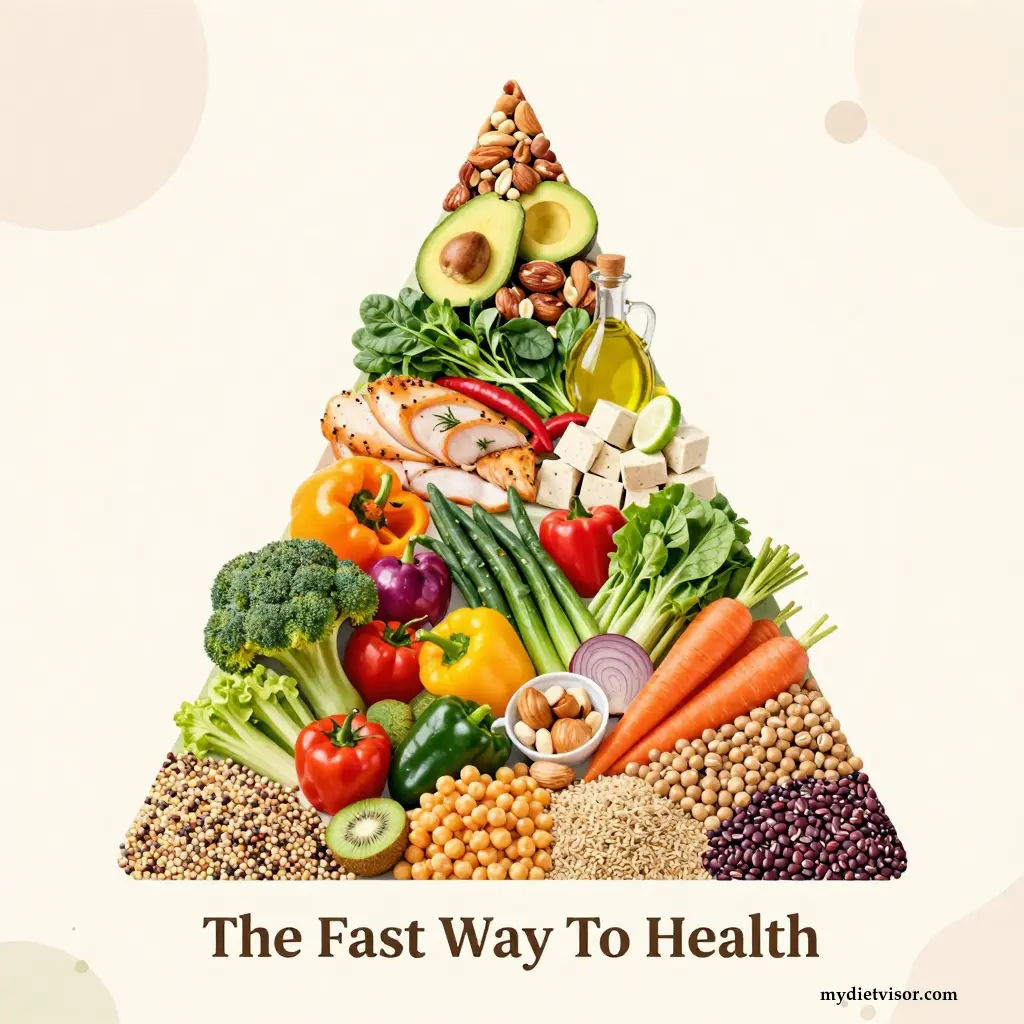
The key food groups for optimal health include:
- Fruits: A variety of fruits provides vitamins, minerals, and fiber necessary for good health. They are particularly high in vitamin C and potassium.
- Vegetables: Leafy greens, cruciferous vegetables, and root vegetables offer a range of nutrients including folate, iron, magnesium, and vitamins A, C, and K.
| Key Nutrient | Best Sources |
|---|---|
| Vitamin C | Citrus fruits, bell peppers, broccoli |
| Folate | Leafy greens like spinach and kale, legumes |
- Proteins: Lean meats, poultry, fish, beans, peas, eggs, nuts, and seeds are crucial for muscle repair and growth. Plant-based proteins offer additional benefits such as fiber and phytochemicals.
- Grains: Whole grains provide carbohydrates that fuel the body with energy, along with essential B vitamins, iron, zinc, and magnesium.
| Key Nutrient | Best Sources |
|---|---|
| Iron | Red meat, poultry, fish; spinach, lentils, beans |
| Zinc | Oysters, red meat, poultry, beans |
- Dairy or Alternatives: Dairy products like milk, yogurt, and cheese are important for calcium and vitamin D. For those who cannot consume dairy, alternatives such as soy milk, almond milk, and fortified plant-based milks offer similar benefits.
It’s worth noting that while Frank McCoy advocated for a restrictive diet through fasting, modern nutritional guidelines promote diversity and balance in food intake. The question then arises: Could his emphasis on detoxification be indirectly aligned with today’s focus on reducing harmful dietary habits? Might there be a place for intermittent fasting in current health advice?
Considering these parallels, it’s intriguing to ponder if McCoy’s radical ideas were simply ahead of their time or if they missed the mark due to limited scientific understanding. As we continue to explore his teachings alongside contemporary nutritional science, we uncover potential insights that might challenge conventional wisdom and offer new avenues for holistic wellness.
Do you think there could be merit in revisiting historical health philosophies like Frank Joseph McCoy’s to find overlooked truths about diet and lifestyle?
Forbidden or Limited Foods in the Fast Way to Health Diet
In “The Fast Way To Health,” Frank Joseph McCoy outlined a strict diet plan that largely prohibited certain food groups and ingredients. His reasoning was rooted in his belief that these foods generated toxins within the body, leading to various health issues. While his diet recommendations were quite radical for their time, it’s interesting to explore how they compare with today’s nutritional guidelines.
McCoy’s restricted list included:
- Processed Foods: McCoy advised against processed meats, canned goods, and packaged snacks due to their high content of preservatives, additives, and refined sugars. He argued that such foods burdened the digestive system and impaired overall health.
- Refined Sugars: Refined sugar was one of the most significant no-go items in his diet plan. McCoy believed that excessive consumption of sugar led to numerous health problems, including tooth decay, obesity, and diabetes.
- Fatty Meats: He also warned against consuming fatty meats like bacon, sausage, and pork due to their high saturated fat content, which he thought contributed to heart disease and other chronic ailments.
These restrictions align somewhat with modern dietary advice that emphasizes the consumption of whole foods over processed items. However, contemporary nutritional science takes a more nuanced approach by encouraging moderation rather than outright prohibition. For instance, while McCoy advocated for complete avoidance of refined sugars, today’s guidelines suggest limiting their intake but not necessarily eliminating them entirely.
Key parallels between McCoy’s restrictions and modern dietary recommendations:
- Both advocate for a diet rich in fruits and vegetables.
- Both emphasize the importance of lean proteins over fatty meats.
- Both caution against excessive consumption of processed foods and sugary products.
However, the stark contrasts are also evident:
- Modern nutritional guidelines encourage a balanced intake across all food groups rather than strict limitations.
- Contemporary advice supports moderate consumption of certain foods that McCoy would have banned outright, such as lean cuts of meat or dairy products in moderation for their nutritional benefits.
It’s fascinating to consider how these historical dietary restrictions could be viewed through today’s lens. Are the principles behind them still valid, or did they simply lack the scientific rigor required to establish long-term health outcomes? Reflecting on this can provide valuable insights into both the evolution of nutritional science and the enduring relevance of certain holistic health concepts.
As you think about integrating elements from historical diets like McCoy’s into your modern wellness routine, ponder whether moderation might be the key. Could a balance between strict dietary restrictions and contemporary nutritional advice offer a path to optimal health that respects both old wisdom and new knowledge?
Do you believe there is value in exploring the radical ideas of figures like Frank Joseph McCoy to uncover hidden truths about diet and well-being?
Nutritional Benefits and Drawbacks of Fasting and Specific Diets
Fasting has been a practice followed for centuries across various cultures, often rooted in spiritual or religious beliefs. However, its potential health benefits have sparked significant interest within the medical community as well. In contemporary times, intermittent fasting and other forms of dietary restriction are being explored not just for weight loss but also for their effects on metabolic health, cellular regeneration, and disease prevention.
Potential Nutritional Benefits of Fasting:
- Cellular Regeneration: Intermittent fasting has been shown to promote autophagy – the process where cells break down damaged proteins and organelles. This can help reduce inflammation and improve overall cell function.
- Metabolic Health: Regularly restricting food intake can lead to improved insulin sensitivity, lower blood sugar levels, and reduced triglycerides. These effects contribute to a decreased risk of type 2 diabetes and cardiovascular diseases.
- Weight Management: Fasting can be an effective tool for weight loss due to its ability to reduce calorie intake without the need for strict dietary tracking or counting macros. This simplicity makes it accessible to many people looking to manage their weight.
| Potential Benefit | Description |
|---|---|
| Insulin Sensitivity | Improved ability of cells to respond to insulin, leading to better glucose metabolism and lower blood sugar levels |
Drawbacks of Fasting:
- Nutrient Deficiency: Prolonged fasting can lead to deficiencies in essential nutrients like vitamins, minerals, and amino acids if not properly managed. This is particularly risky for individuals with specific dietary needs or health conditions.
- Metabolic Stress: Extreme fasting regimens may cause the body to enter a state of stress, potentially triggering cortisol release and disrupting hormonal balance. Over time, this could lead to muscle loss and immune system suppression.
- Psychological Impact: Some people find that fasting can exacerbate existing eating disorders or trigger negative psychological responses such as anxiety about food and binge eating when breaking fasts.
| Potential Drawback | Description |
|---|---|
| Nutrient Deficiency | Increased risk of deficiencies in essential nutrients due to reduced intake |
In comparison with specific diets like keto, veganism, or paleo, fasting differs significantly in its approach but shares some underlying principles. For example, all these dietary frameworks aim at improving health outcomes by modifying food intake patterns and emphasizing certain types of foods over others.
Comparison Table: Fasting vs. Specific Diets
| Aspect | Fasting (Intermittent) | Keto Diet | Veganism | Paleo Diet |
|---|---|---|---|---|
| Goal | Weight loss, metabolic health improvement | Fat burning and weight management | Ethical, environmental, and health benefits | Return to an evolutionary diet approach |
| Calorie Intake | Restricts meal windows but doesn’t necessarily limit calories | High fat, moderate protein, very low carbohydrate | Varies based on individual choices | Emphasizes whole foods, avoids processed items |
| Nutritional Balance | Can lead to deficiencies if not managed properly | Often high in fats and proteins, lower in carbohydrates | Wide variety of plant-based options | Focuses on meats, fruits, vegetables; excludes grains, dairy, and legumes |
Reflecting on these differences highlights the importance of individualized dietary plans that consider personal health needs, lifestyle factors, and cultural preferences. Just as Frank Joseph McCoy’s methods sparked debate over their efficacy, so do contemporary fasting practices and other specialized diets.
As you navigate through different diet trends, it’s important to weigh both the benefits and drawbacks carefully. Is there a middle ground where historical insights can inform modern dietary choices? Could integrating intermittent fasting into a balanced eating plan offer the best of both worlds?
Are you considering incorporating elements from historical health philosophies like McCoy’s into your current wellness routine? How do you balance traditional wisdom with contemporary nutritional science to achieve optimal health?
Sample Meal Plan to Follow The Fast Way To Health Methodology
To better understand how Frank Joseph McCoy’s principles might translate into a practical meal plan for today’s standards, let’s take a look at an example day of eating based on his teachings. This hypothetical meal plan aims to incorporate some aspects of his fasting philosophy while aligning with modern nutritional guidelines.
Morning:
- Breakfast (Delayed or Skipping Breakfast): According to McCoy’s principles, breakfast might be skipped entirely or delayed until later in the morning. For those considering a modified approach that includes some light foods, a small smoothie made from fresh fruits and vegetables could serve as a gentle introduction to eating.
| Option | Description |
|---|---|
| Smoothie | Blend spinach, berries, apple, and a handful of nuts |
Mid-Morning:
- Snack: If fasting is not being practiced rigorously, a snack around mid-morning might include fresh fruit or raw vegetables. This aligns with McCoy’s focus on unprocessed foods.
| Option | Description |
|---|---|
| Fruit | An apple or a banana |
Late Morning (or Midday):
- Lunch: Lunch could be a light meal featuring lean proteins, whole grains, and plenty of vegetables. This contrasts with the more extreme fasting approach but still reflects McCoy’s emphasis on wholesome foods.
| Option | Description |
|---|---|
| Salad | Mixed greens with grilled chicken or tofu, chickpeas, avocado, and olive oil dressing |
Afternoon:
- Snack: Another small snack could include raw nuts and seeds along with some more fruit. This keeps in line with the recommendation to avoid processed foods.
| Option | Description |
|---|---|
| Nuts & Fruit | A handful of almonds or walnuts with an orange |
Evening (or Late Afternoon):
- Dinner: Dinner might be a continuation of the balanced meal pattern, focusing on lean proteins and plenty of vegetables. This meal could include fish or beans paired with a large serving of steamed or roasted veggies.
| Option | Description |
|---|---|
| Fish & Vegetables | Grilled salmon with broccoli, carrots, and sweet potatoes |
Before Bed:
- Snack (if necessary): If hunger strikes before bed, a small snack could be a piece of fruit or a cup of herbal tea. This aligns well with the idea of lighter meals as bedtime approaches.
| Option | Description |
|---|---|
| Herbal Tea & Fruit | Chamomile tea and an apple |
This meal plan demonstrates how aspects of Frank Joseph McCoy’s fasting philosophy can potentially be adapted into a more moderate approach that incorporates contemporary nutritional guidelines. While it does not replicate his extreme methods, it seeks to capture the essence of his emphasis on unprocessed foods and balanced eating.
By integrating elements from historical health philosophies like McCoy’s with today’s evidence-based dietary recommendations, one might find a balanced path towards achieving optimal health. This approach can be thought-provoking as it challenges us to rethink traditional ideas about diet and wellness while grounding them in the latest scientific understanding.
Do you think adapting historical fasting principles into modern meal planning could offer unique benefits or pose any risks?
Alternative or Similar Diets Compared to The Fast Way To Health Approach
When examining Frank Joseph McCoy’s fasting philosophy alongside contemporary dietary trends and recommendations, it becomes evident that while some of his ideas may seem radical, there are several diets today that share similar principles. These diets often advocate for periods of food restriction or specific nutritional guidelines aimed at improving overall health.
One such diet is intermittent fasting, which involves alternating cycles of eating and fasting over a defined period. This practice bears striking similarities to McCoy’s emphasis on cleansing the body through prolonged fasting periods. However, modern intermittent fasting is typically practiced in shorter intervals (such as 16/8 or 5:2 methods) with a focus on metabolic health benefits rather than extended deprivation.
Vegetarian and Vegan Diets: These dietary choices align closely with McCoy’s preference for unprocessed foods rich in plant-based nutrients. While he didn’t explicitly promote vegetarianism, his disdain for meat and processed foods parallels the ethical and health-driven motivations behind these diets today. Both advocate for a diet high in fruits, vegetables, whole grains, and legumes while avoiding animal products.
| Diet Type | Key Characteristics |
|---|---|
| Intermittent Fasting | Alternates between eating and fasting periods |
| Vegetarian/Vegan | Focuses on plant-based foods; avoids meat and sometimes other animal products |
Another diet worth considering is the ketogenic (keto) diet, which involves drastically reducing carbohydrate intake and replacing it with fats. Proponents of keto often argue that this dietary shift can lead to improved energy levels, weight loss, and better metabolic health. Like McCoy’s fasting method, keto aims at altering body chemistry to achieve specific health goals.
Paleo Diet: Rooted in the idea of eating as our Paleolithic ancestors did, this diet emphasizes whole foods while excluding processed items, grains, legumes, and dairy products. It aligns with McCoy’s philosophy regarding the consumption of natural unprocessed foods but diverges on his advocacy for fasting as a means to detoxify.
| Diet Type | Key Characteristics |
|---|---|
| Ketogenic (Keto) | Low-carb, high-fat diet aimed at inducing ketosis |
| Paleo | Focuses on whole foods, excludes processed items and certain food groups |
Each of these diets has its own unique approach to health improvement but shares some common ground with McCoy’s principles. For instance, they all advocate for the elimination or reduction of processed foods in favor of more natural options.
However, it is crucial to recognize that while these dietary trends share some similarities with Frank Joseph McCoy’s teachings, they also differ significantly in their implementation and scientific validation. Contemporary diets often provide detailed meal plans, macronutrient guidelines, and a wealth of research backing their efficacy and safety. In contrast, McCoy’s methods were more speculative and less rigorously tested.
Reflecting on these comparisons can offer valuable insights into the evolution of dietary practices and health philosophies over time. Do you think there’s room for integrating elements from historical diets like Frank Joseph McCoy’s into today’s nutritional advice?
Are you intrigued by the potential parallels between historical fasting methods and modern intermittent fasting? How do you see these traditional approaches evolving alongside contemporary scientific understanding?
How Effective Is The Fast Way To Health for Long-Term Health Goals?
The long-term effectiveness of fasting as a method for achieving and maintaining optimal health is a topic that continues to be debated among medical professionals and wellness enthusiasts alike. Frank Joseph McCoy’s radical approach to healing through prolonged fasts raises questions about whether such extreme measures are beneficial or detrimental in the long run.
Key Points to Consider:
- Health Benefits Over Time: While short-term fasting can provide immediate health benefits, such as improved insulin sensitivity and reduced inflammation, the sustained effects over many years remain unclear. Long-term adherence to intermittent fasting may require careful planning to avoid nutrient deficiencies.
- Potential Risks of Extended Fasting: Prolonged periods without food can lead to muscle loss, hormonal imbalances, and a weakened immune system if not properly managed. These risks underscore the importance of medical supervision when adopting rigorous fasting protocols.
Balancing Modern Science with Historical Wisdom
Modern nutritional science has evolved significantly since McCoy’s time, offering detailed guidelines on how to achieve long-term health goals through balanced diets rather than extreme measures like prolonged fasting. However, there are still lessons that can be learned from his teachings about the importance of detoxification and reducing harmful dietary habits.
- Detoxification in Modern Context: Contemporary approaches to “detoxifying” the body often involve incorporating more whole foods into one’s diet while minimizing processed items and sugars. This aligns with McCoy’s emphasis on eliminating toxins through dietary changes, albeit with a focus on gradual improvement rather than abrupt cessation of all food intake.
- Nutritional Balance vs. Restriction: Today’s nutritional advice promotes variety in food groups to ensure the body receives all necessary nutrients. This contrasts sharply with McCoy’s restrictive diet but acknowledges his valid concern about the adverse effects of poor dietary choices.
By examining both historical and contemporary perspectives, we can gain a more nuanced understanding of how fasting and other radical health practices might be integrated into modern wellness routines responsibly. The question remains: Can elements from Frank Joseph McCoy’s extreme methods find relevance in today’s evidence-based health advice?
Do you believe there is merit in exploring the potential benefits of intermittent fasting while adhering to balanced nutritional guidelines? How would you approach integrating historical dietary wisdom with current scientific knowledge for optimal long-term health outcomes?
Long-Term Health Goals and Intermittent Fasting
When considering long-term health goals, it’s essential to evaluate how different diets can support these objectives without compromising overall well-being. Intermittent fasting has gained popularity as a method that combines the benefits of reduced calorie intake with greater flexibility compared to prolonged fasts.
Key Considerations:
- Weight Management: Intermittent fasting is often used for weight loss and maintenance, offering a manageable way to reduce caloric consumption without strict dietary restrictions.
- Metabolic Health Improvement: By promoting cellular regeneration through autophagy and improving insulin sensitivity, intermittent fasting can contribute to better metabolic health over time.
- Long-Term Sustainability: Unlike Frank Joseph McCoy’s extreme fasting methods, intermittent fasting is designed for long-term adherence. It allows individuals to maintain a regular eating pattern while still experiencing the benefits of fasting.
Comparing Intermittent Fasting with Other Diets
Intermittent fasting differs from other dietary approaches like keto or veganism in its focus on meal timing rather than specific food choices. However, it can complement these diets by enhancing their effectiveness without necessitating radical changes in daily routines.
| Diet Type | Key Characteristics |
|---|---|
| Intermittent Fasting | Flexibility with meals; focus on timing of eating periods |
| Ketogenic (Keto) | Strictly low-carb, high-fat diet; induces ketosis |
For instance, an individual following a keto diet might incorporate intermittent fasting to further enhance their weight loss efforts or metabolic health. Similarly, someone adhering to a vegan lifestyle could use intermittent fasting as a tool for managing hunger and improving insulin sensitivity.
This flexibility makes intermittent fasting an attractive option for those looking to achieve long-term health goals without the rigidity of more restrictive diets. However, it’s crucial to approach any dietary changes thoughtfully and consult healthcare professionals before making significant alterations to your eating habits.
Do you think incorporating elements from historical practices like Frank Joseph McCoy’s into contemporary fasting methods could lead to innovative approaches in achieving sustained wellness? How do you envision balancing traditional wisdom with modern nutritional science for optimal long-term health outcomes?
Real-World Applications of Fasting Principles
The practical application of fasting principles, whether inspired by historical figures like Frank Joseph McCoy or modern dietary trends, can have a significant impact on individual and public health. Integrating these ideas into everyday life requires careful consideration to ensure they align with current nutritional recommendations.
Real-World Example:
Imagine an individual named Sarah who is interested in adopting intermittent fasting as part of her wellness routine but wants to maintain a balanced diet. She could start by incorporating a 16-hour fasting window each day, allowing her eating period from noon until 8 PM. During this time, she focuses on consuming nutrient-dense foods such as lean proteins, whole grains, fruits, and vegetables.
| Meal Plan Example for Sarah |
|---|
| Lunch: Grilled chicken salad with mixed greens, chickpeas, avocado, and olive oil dressing. |
| Snack: Apple slices with a handful of almonds. |
| Dinner: Baked salmon with steamed broccoli and quinoa. |
This approach allows Sarah to benefit from the metabolic benefits of fasting while ensuring she receives all necessary nutrients through her meals.
Community Impact
Beyond individual applications, integrating fasting principles into community health programs can also be impactful. For example, a local wellness center could offer workshops on how to safely incorporate intermittent fasting into daily routines. These sessions might include tips for meal planning, strategies for overcoming hunger during fasting periods, and guidance on monitoring physical responses.
Fun Fact:
Interestingly, some historical figures like Leonardo da Vinci reportedly used forms of fasting as part of their health regimens, suggesting that such practices have been around for centuries but in various forms.
By embracing a blend of traditional wisdom and modern science, individuals and communities can develop sustainable wellness strategies tailored to today’s lifestyles. This approach not only respects the insights of historical figures like Frank Joseph McCoy but also leverages contemporary research to promote long-term health benefits.
How do you see integrating fasting principles into your daily routine? Are there any specific aspects from Frank Joseph McCoy’s teachings that resonate with modern dietary practices?
Summary: Evaluating the Modern Relevance of Frank McCoy’s Philosophy
As we reflect on the legacy of Frank Joseph McCoy and his philosophy presented in “The Fast Way To Health,” it becomes evident that his teachings offer both intriguing insights and cautionary lessons for modern wellness practices. While McCoy’s radical ideas about fasting as a means to cleanse the body from toxins were groundbreaking for their time, they must be critically evaluated within the context of contemporary medical knowledge.
Throughout our exploration, we have seen how some aspects of McCoy’s approach align with today’s emphasis on reducing harmful dietary habits and incorporating whole foods into daily routines. However, the extreme nature of his methods, such as prolonged fasting without proper supervision, raises significant concerns about potential health risks.
The real-world application of fasting principles shows promise when integrated thoughtfully into modern lifestyles. For example, intermittent fasting can be a practical tool for weight management and metabolic health improvement, provided it is approached with moderation and under the guidance of healthcare professionals. This balanced approach respects historical wisdom while ensuring adherence to current nutritional guidelines.
Ultimately, Frank Joseph McCoy’s teachings challenge us to reconsider traditional ideas about diet and wellness, prompting questions about the integration of historical practices into contemporary health advice. By engaging in this dialogue, we can uncover new pathways towards holistic wellness that honor past traditions while embracing scientific advancements.
As you reflect on your own wellness journey, consider how elements from both historical philosophies like McCoy’s and modern nutritional science might intersect to offer unique benefits or pose potential risks. Could there be merit in exploring radical ideas with a balanced, evidence-based approach? How can we ensure that our pursuit of health incorporates the best of both worlds?
By continuing to explore these questions, we not only honor the pioneering spirit of figures like Frank Joseph McCoy but also pave the way for innovative approaches to achieving long-term health goals.
Frequently Asked Questions (FAQ)
Who was Frank McCoy?
Frank Joseph McCoy was an American chiropractor and alternative health author who became famous in the 1920s for his dietary advice and fasting methods. He wrote “The Fast Way to Health” and hosted several newspaper columns and radio broadcasts.
Was Frank McCoy a medical doctor?
No, Dr. Frank McCoy did not have an M.D. degree; he was trained as a chiropractor in Chicago.
What were the main points of Frank McCoy’s health philosophy?
McCoy believed that fasting could cure various ailments ranging from minor discomforts to serious diseases like cancer. He emphasized living according to “natural” laws and avoiding interference with the body’s natural healing processes through diet regulation and self-control.
Why did medical experts criticize Frank McCoy?
Medical experts criticized McCoy for making pseudoscientific claims about fasting, stating that his ideas were dangerous and unproven. His advice was seen as promoting harmful practices rather than evidence-based medicine.
Did anyone die from following Frank McCoy’s advice?
Yes, while it is not explicitly linked to specific deaths due to McCoy’s advice, critics noted the early deaths of some followers who adhered closely to his teachings, suggesting potential risks associated with extreme dietary and fasting regimens.
What was Dr. Frank McCoy’s book “The Fast Way To Health” about?
“The Fast Way to Health” is a book by Frank Joseph McCoy that promotes scientific fasting as part of a philosophy for achieving optimal health through natural means without medical intervention.
How long did Frank McCoy recommend people fast?
McCoy advised that complete fasting could take between 30 to 60 days to show significant benefits, though he warned such lengthy fasts should only be attempted under professional supervision.
What were some of the consequences of following Frank McCoy’s dietary advice?
Critics suggest that extreme diets and prolonged fasting as recommended by McCoy can lead to nutritional deficiencies, organ damage, and potentially fatal conditions if not properly managed with medical oversight.
Why is there skepticism aroundsuperfoodstoday compared to historical figures like Frank McCoy?
While modern discussions on superfoods focus more on scientific evidence and marketing strategies, historically, individuals like Frank McCoy promoted unverified health claims, which contrasts sharply with the current emphasis on validated nutritional science.
Is Frank McCoy’s philosophy still relevant in modern dietary practices?
Given the criticism surrounding his methods and the lack of credible research supporting his claims about fasting as a cure-all, Frank McCoy’s approach is generally considered outdated compared to contemporary evidence-based nutrition guidelines.