Introduction: Understanding The Flavorless Diet
The Flavorless Diet might sound like an unusual concept at first, especially when we often associate delicious food with enjoyment and satisfaction. Yet, this emerging dietary approach is gaining attention as a fresh perspective on achieving better health and wellness. It challenges the traditional notion that flavor should be the primary driver of our eating habits.
In our everyday lives, flavors play a critical role in how we interact with food. Whether it’s the sweet allure of dessert or the savory comfort of a home-cooked meal, taste influences not just what we eat but also how much and how often. This link between flavor and health is well-documented; for instance, pleasant flavors can encourage us to make healthier choices by making nutritious foods more appealing. Conversely, an unpleasant taste might cause us to avoid certain healthy options, leading to dietary imbalances.
However, the widespread use of artificial flavors in processed foods has sparked concerns about their impact on our health. While these additives enhance flavor and increase consumer appeal, they may also introduce potential risks such as allergies or metabolic issues. This dilemma between enhancing flavor artificially and maintaining a natural diet highlights the need for a more balanced approach to food consumption.
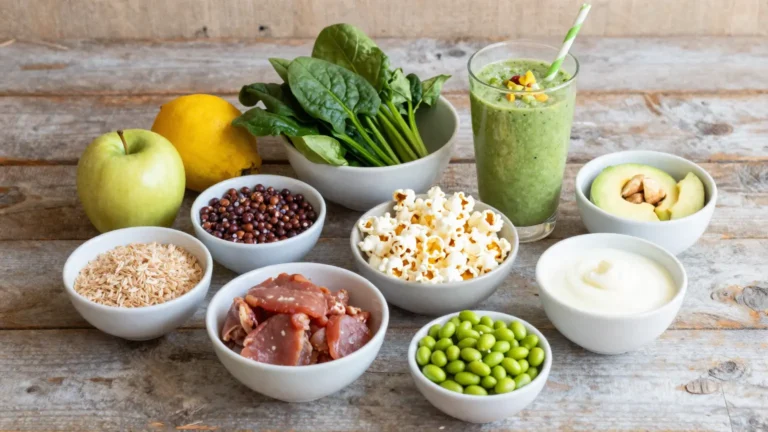
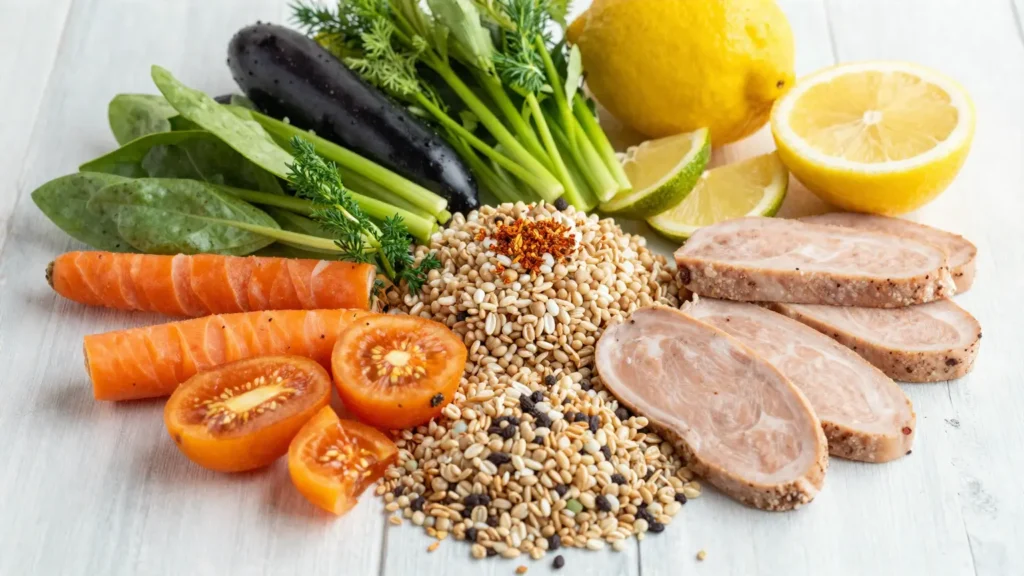
The Flavorless Diet aims to bridge this gap by shifting focus from taste satisfaction to nutritional value. It encourages eating foods that are naturally rich in nutrients, even if they lack the added flavors we’re accustomed to. This means embracing whole grains, fresh vegetables, and lean proteins – ingredients that might not be as enticing on their own but pack a powerful health punch.
By adopting such an approach, individuals can explore new ways of enjoying food through its inherent qualities rather than relying solely on taste enhancers. As the Flavorless Diet continues to evolve, it opens up exciting possibilities for integrating advanced food technologies and personalized nutrition strategies, making healthy eating more accessible and appealing to everyone.
Recommended Food Groups on the Flavorless Diet
When considering the Flavorless Diet, it’s essential to understand which food groups are recommended. The diet emphasizes a return to basics, focusing on foods that provide high nutritional value without relying heavily on added flavors or preservatives. Here’s an overview of what you can expect from each group:
Whole Grains:
- Rich in fiber, whole grains offer sustained energy and aid digestion.
- Include brown rice, quinoa, oats, and barley to build meals around these nutritious bases.
Vegetables:
- A cornerstone of the diet, vegetables provide a range of vitamins, minerals, and antioxidants.
- Opt for leafy greens like spinach, kale, and broccoli, which are packed with nutrients despite their mild flavors.
Lean Proteins:
- Essential for muscle repair and growth, lean proteins also help maintain satiety.
- Good sources include chicken breast, turkey, tofu, and legumes such as lentils and chickpeas.
Fruits:
- While typically sweet, the Flavorless Diet encourages consumption of fruits that are less ripe or have lower sugar content.
- Berries, apples, and pears provide natural sweetness along with significant health benefits without overwhelming flavors.
Healthy Fats:
- Incorporating healthy fats is crucial for brain function and heart health.
- Avocado, nuts, seeds, and olive oil offer essential fatty acids in a minimally processed form.
By focusing on these food groups, individuals can build meals that prioritize nutrition over taste. This shift encourages a more mindful approach to eating, where the focus shifts from immediate pleasure to long-term benefits. How might you adapt your current meal plan to include more of these flavorless yet nutritious foods?
Forbidden or Limited Foods in the Flavorless Diet
When adopting the Flavorless Diet, certain foods are either forbidden or heavily limited due to their high levels of added flavors, preservatives, or other unhealthy ingredients. These restrictions aim to promote a diet that is both nutritious and free from artificial enhancements.
Processed Snacks and Sugary Drinks
Processed snacks like chips, cookies, and candy are strictly off-limits on the Flavorless Diet. These items often contain high amounts of artificial flavors, preservatives, and sugars, which can lead to health issues such as obesity, diabetes, and cardiovascular diseases. Similarly, sugary drinks, including soda, energy drinks, and sweetened juices, are prohibited due to their high sugar content and lack of nutritional value.
Fast Food
Fast food items like burgers, fries, and fried chicken are also restricted because they typically rely heavily on artificial flavors, excessive salt, and unhealthy fats. These foods provide little in terms of nutrients but contribute significantly to calorie intake, making them detrimental to health goals.
Pre-Packaged Meals with Artificial Additives
Pre-packaged meals that include a myriad of ingredients to enhance flavor or shelf life are discouraged. This includes items like microwaveable dinners, canned soups, and instant noodles. These products often contain preservatives, artificial colors, and flavors that offer minimal nutritional benefits while adding potential health risks.
Refined Sugars and Flavored Beverages
Refined sugars in desserts, candies, and other sweet treats are limited because they lack the natural sweetness found in fruits or honey. Similarly, flavored beverages like iced teas and sports drinks often contain added sugars and artificial flavors, which can be counterproductive to health objectives.
By eliminating these foods from your diet, you reduce exposure to harmful additives while focusing on naturally nutritious options that provide essential vitamins, minerals, and other vital nutrients without relying on artificial enhancements. Considering the prevalence of such restricted items in daily diets, transitioning might seem daunting at first. However, substituting them with whole food alternatives can make this process smoother and more sustainable.
How do you think your current diet compares to these restrictions? Would it be challenging or manageable to switch out processed foods for their healthier counterparts?
Nutritional Benefits of Practicing the Flavorless Diet
The Flavorless Diet offers a range of nutritional benefits that go beyond just flavor reduction. By focusing on whole foods like vegetables, grains, fruits, and lean proteins, individuals can significantly enhance their intake of essential nutrients. This diet encourages consumption of items in their most natural form, which not only boosts nutrient density but also reduces the risk of consuming harmful additives.
One key benefit is increased fiber intake from whole grains and vegetables. Fiber aids digestion by promoting regular bowel movements and preventing constipation. Additionally, it helps regulate blood sugar levels and can lower cholesterol, contributing to overall cardiovascular health. For instance, a diet rich in oats provides beta-glucan, which has been shown to reduce LDL cholesterol.
Another significant advantage is the higher intake of antioxidants found in many vegetables and fruits on this diet. Antioxidants like vitamins C and E, as well as compounds such as flavonoids and carotenoids, help protect cells from damage caused by free radicals. These protective effects can contribute to a reduced risk of chronic diseases, including heart disease and certain types of cancer.
Moreover, the Flavorless Diet promotes higher protein consumption through lean sources like chicken breast, tofu, and legumes. Proteins are vital for muscle repair and growth, immune function, and hormone regulation. Consuming adequate amounts of protein also helps maintain satiety, making it easier to manage calorie intake without feeling deprived or hungry.
By minimizing processed foods and artificial additives, the Flavorless Diet reduces exposure to potential allergens and harmful chemicals that can disrupt metabolic processes and cause inflammation. This shift towards natural ingredients not only supports better digestion but also enhances the body’s ability to absorb essential vitamins and minerals more efficiently.
Adopting the Flavorless Diet may seem challenging initially due to its emphasis on bland-tasting foods, but it offers substantial health benefits by improving nutritional intake and reducing risks associated with processed food consumption. How might incorporating this diet into your lifestyle impact your overall health?
Did you know that broccoli contains more protein per calorie than steak? While the flavor profile may not match, embracing vegetables like broccoli for their nutritional value can significantly enhance a Flavorless Diet regimen.
Potential Drawbacks and Challenges of the Flavorless Diet
The Flavorless Diet presents several challenges that potential followers need to consider before fully committing. One major hurdle is the initial adjustment period, during which individuals may find meals less appealing due to the absence of flavors they are accustomed to. This can lead to a lack of satisfaction and reduced enjoyment from eating, potentially making adherence difficult in the short term.
Another significant challenge involves the preparation time required for flavorless meals. Unlike processed or pre-packaged foods that offer convenience with minimal effort, preparing whole foods necessitates more planning, shopping, and cooking. For busy individuals or those unfamiliar with meal prep techniques, this could be a deterrent to adopting the Flavorless Diet consistently.
Furthermore, social aspects of dining can pose challenges when following this diet. Sharing meals at restaurants, family gatherings, or social events might become problematic if most options available are heavily flavored or processed. This scenario can lead to feelings of isolation and frustration for those adhering strictly to flavorless eating guidelines.
Nutritional deficiencies could also arise if the Flavorless Diet is not properly balanced. For example, relying too much on bland vegetables without a diverse range of other food groups might result in insufficient intake of certain vitamins or minerals. Ensuring a well-rounded diet requires careful meal planning and possibly supplementation to avoid these pitfalls.
Lastly, it’s important to acknowledge that personal taste preferences play a crucial role in dietary success. While the Flavorless Diet emphasizes health benefits over taste satisfaction, individual variations in flavor tolerance mean that what works for one person might not be suitable for another. This personalized aspect of dieting underscores the need for flexibility and adaptation in approach.
Considering these challenges, how do you think you would cope with the restrictions imposed by the Flavorless Diet? Would the potential health benefits outweigh the difficulties encountered during implementation?
Sample Meal Plan for Following the Flavorless Diet
To successfully follow the Flavorless Diet, it’s helpful to have a clear meal plan that outlines what you can eat daily. Here is an example of how your meals might look:
Breakfast: Simple and Nutritious Start
- Oatmeal with Water: Cook rolled oats using water instead of milk for added simplicity.
- Fruit: A slice or two of apple, which provides natural sweetness without overwhelming flavors.
This breakfast offers sustained energy from the complex carbohydrates in oats while providing fiber and vitamins from the fruit. It’s a straightforward meal that requires minimal preparation but delivers essential nutrients.
Lunch: Balanced and Fulfilling
Quinoa Salad:
- Quinoa
- Steamed Broccoli
- Sliced Carrots
- Diced Cucumber
- Olive Oil Dressing (Made with Extra Virgin Olive Oil)
The quinoa salad is a balanced option rich in protein, fiber, and vitamins. Each component provides a unique nutritional benefit without relying on additional flavors.
Dinner: Lean Proteins and Whole Foods
- Grilled Chicken Breast: Seasoned lightly with salt only.
- Steamed Green Beans
- Baked Sweet Potato
This dinner focuses on lean protein from the chicken breast, accompanied by steamed vegetables that retain their natural nutrients. The sweet potato offers a subtle sweetness and additional vitamins.
Snacks: Healthy Choices Throughout the Day
- Handful of Almonds: A good source of healthy fats and protein.
- Freshly Sliced Cucumber or Carrot Sticks
These snacks provide necessary nutrients in between meals without adding unnecessary flavors. They also help maintain energy levels throughout the day.
By structuring your diet around these foods, you can adhere to the Flavorless Diet principles effectively while ensuring nutritional completeness. How do you think incorporating such meals would influence your eating habits and health goals?
Would it be feasible for you to replace some of your current snacks with items like almonds or vegetables instead of processed options?
Alternative Diets to The Flavorless Diet: Comparing Similar Approaches
The Flavorless Diet is not alone in its quest for healthier eating habits. Several other diets share similar goals but approach them through different lenses or strategies. Understanding these alternatives can provide a broader perspective on the benefits and challenges of each dietary choice.
Clean Eating
Clean eating focuses on consuming minimally processed foods that are as close to their natural state as possible. This diet emphasizes whole grains, fresh fruits and vegetables, lean proteins, and healthy fats while avoiding artificial flavors, colors, preservatives, and added sugars. It encourages a balanced approach to nutrition without completely eliminating taste.
| Flavorless Diet | Clean Eating |
|---|---|
| Emphasis | Whole foods |
| Goals | Nutritional value over flavor enhancement |
| Restrictions | Avoids processed snacks and sugary drinks |
| Flexibility | More flexible in terms of allowing mild flavors from natural sources |
While both diets prioritize natural ingredients, the Flavorless Diet takes a stricter stance on eliminating all forms of taste enhancers, whereas Clean Eating allows for some naturally occurring flavors. This nuance can make the transition to Clean Eating feel more manageable for those accustomed to enjoying food with subtle tastes.
Raw Food Diet
The raw food diet advocates consuming uncooked and unprocessed foods, which are believed to retain maximum nutritional value, enzymes, and other beneficial compounds. This approach includes a wide range of fruits, vegetables, nuts, seeds, sprouted grains, and legumes.
| Flavorless Diet | Raw Food Diet |
|---|---|
| Focus | Nutritional value over flavor enhancement |
| Goals | Maximizing natural nutrients |
| Preparation | Requires cooking to certain extent |
| Taste Profile | Emphasizes mild flavors |
Like the Flavorless Diet, the raw food diet aims to maximize nutrient intake by minimizing processing. However, it differs in that some raw foods do contain naturally occurring flavors and are often consumed at room temperature or slightly chilled rather than strictly bland.
Macrobiotic Diet
Macrobiotics is an eating approach based on yin-yang principles from traditional Chinese medicine, focusing on whole grains as a staple food along with other plant-based ingredients such as beans, vegetables, fruits, and fermented foods. It emphasizes balance in diet and lifestyle.
| Flavorless Diet | Macrobiotic Diet |
|---|---|
| Key Ingredients | Whole grains, fresh veggies, lean proteins |
| Restrictions | Minimal use of spices and condiments |
| Flexibility | Allows for natural flavors from ingredients |
Both diets encourage a predominantly plant-based meal plan with an emphasis on whole foods. However, the Macrobiotic Diet allows for more variety in terms of cooking methods and seasonings that might enhance flavor slightly while still maintaining nutritional integrity.
Paleo Diet
The Paleolithic diet, or Paleo diet, is based on eating patterns believed to be typical of early humans in the Paleolithic era. It primarily includes foods such as meat, fish, fruits, vegetables, nuts, and seeds, excluding grains, dairy products, legumes, processed oils, sugar, and refined salt.
| Flavorless Diet | Paleo Diet |
|---|---|
| Focus | Nutritional value over flavor enhancement |
| Goals | Mimicking ancestral eating patterns |
| Flexibility | Allows for a wider variety of flavors from natural sources |
While the Paleolithic diet also focuses on whole, unprocessed foods, it allows more flexibility in terms of cooking techniques and using ingredients that might have slight natural flavors. This can make the transition easier for those who enjoy tasting their food.
Intuitive Eating
Intuitive eating is a philosophy that encourages listening to your body’s internal cues about hunger, fullness, taste preferences, and satisfaction without rigid rules or restrictions. It promotes balance by encouraging individuals to eat in a way that feels nourishing and satisfying while still adhering to nutritional guidelines.
| Flavorless Diet | Intuitive Eating |
|---|---|
| Focus | Nutritional value over flavor enhancement |
| Goals | Balancing physical hunger cues with taste preferences |
| Flexibility | Emphasizes personal choice |
Intuitive eating differs from the Flavorless Diet in its approach to flavor. While intuitive eaters might consume natural, whole foods, they also listen to their body’s desire for different tastes and textures, which can include more flavorful options if desired.
Each of these diets offers unique perspectives on healthy eating that complement or contrast with the Flavorless Diet. The choice between them ultimately depends on individual preferences, lifestyle, and health goals. How do you think your personal taste preferences might influence your dietary choices?
How Does Removing Taste Affect Nutrient Intake?
Removing taste from food can significantly impact how individuals perceive and consume nutrients. When flavors are stripped away, it often leads to a more mindful approach to eating, where attention shifts toward the nutritional value of foods rather than their sensory appeal. This shift encourages people to focus on ingredients that offer essential vitamins, minerals, proteins, and healthy fats.
However, this transition also presents challenges. One major issue is the potential decrease in appetite due to bland-tasting meals. Without flavorful enhancements like salt, sugar, or spices, food might be less appealing, leading some individuals to eat smaller portions or skip meals altogether. This can result in inadequate nutrient intake if not managed properly.
Moreover, taste plays a crucial role in stimulating digestive processes. Saliva production increases when we anticipate eating something delicious, which aids in breaking down food and improving digestion. By eliminating these sensory cues, the body might produce less saliva and digestive enzymes, potentially leading to inefficient nutrient absorption.
Interestingly, research suggests that some individuals can adapt their palate over time to appreciate naturally flavored foods more readily. This adaptation process involves learning to recognize and enjoy subtle flavors inherent in whole ingredients like fruits, vegetables, and grains. As people become more accustomed to these tastes, they may find greater satisfaction in the nutritional benefits provided by unflavored meals.
To address these challenges, it’s essential for individuals following the Flavorless Diet to focus on meal variety and preparation techniques that enhance natural flavors without relying on artificial enhancers. For example, cooking methods like steaming or roasting can bring out the inherent sweetness and earthiness in vegetables, making them more palatable while retaining their nutritional integrity.
Considering these factors, how might you adapt your eating habits to appreciate the subtle tastes of unprocessed foods? Would you be willing to experiment with new preparation techniques that highlight natural flavors?
Did you know that steaming broccoli can enhance its flavor and nutrient profile compared to boiling it? This cooking method helps preserve vital nutrients like vitamin C and sulforaphane, making every bite more beneficial.
Closing Summary: Is The Flavorless Diet Right For You?
The Flavorless Diet challenges traditional eating habits by prioritizing nutritional value over taste satisfaction, encouraging a return to whole foods that are naturally rich in nutrients but may lack added flavors or preservatives. While it offers numerous benefits such as increased fiber intake and higher antioxidant consumption, the diet also presents hurdles like an initial adjustment period where meals might seem less appealing and require more preparation time. For those considering this approach, understanding both the advantages and limitations is crucial. Ultimately, whether the Flavorless Diet is right for you depends on your personal health goals, taste preferences, and lifestyle flexibility. Exploring how natural flavors can be enhanced through cooking techniques or experimenting with a variety of whole foods might help make the transition smoother and more enjoyable.
Frequently Asked Questions (FAQ)
What is the main goal of the Flavorless Diet?
The main goal of the Flavorless Diet is to promote healthier eating habits by reducing reliance on added flavors and focusing on the natural taste of foods. This approach aims to encourage consumption of nutrient-dense, plant-based meals while maintaining good health outcomes.
Will I still enjoy my food if it has no flavor?
Yes, you can still enjoy your food even without added flavors. By emphasizing natural ingredients and textures, the Flavorless Diet encourages appreciation for subtle tastes and aromas that are often overshadowed by artificial additives.
Can the Flavorless Diet help with weight loss?
The Flavorless Diet may contribute to weight loss due to its focus on healthier, lower-calorie options such as fruits, vegetables, whole grains, and lean proteins. However, individual results can vary based on personal metabolism and overall diet adherence.
How does the Flavorless Diet address sodium reduction?
By limiting processed foods that are high in salt content and emphasizing fresh produce with low natural sodium levels, the Flavorless Diet helps reduce daily sodium intake without compromising flavor through natural means.
Is it hard to find food options while following this diet?
Finding suitable food can sometimes be challenging if you rely on packaged products or restaurants that use heavy seasoning. However, focusing on whole foods like fresh fruits and vegetables makes adherence easier in most settings where these ingredients are available.
Can I eat out at restaurants while following the Flavorless Diet?
Eating at restaurants might require careful selection of dishes prepared with minimal spices and sauces. Many places offer plain grilled or steamed options which align better with the diet’s principles, though communication with staff is key to achieving your dietary goals.
How does flavor modification impact eating habits?
Flavor modification through natural methods can make healthier foods more appealing, encouraging sustainable changes in daily meal choices towards a balanced and nutritious diet over time.
Are there any potential risks associated with this diet?
Some people might face initial difficulties adapting to less flavorful meals. Additionally, without proper planning, the Flavorless Diet could lead to nutritional deficiencies if not enough variety or sufficient vitamins/minerals are included.
How does culture influence one’s acceptance of the Flavorless Diet?
Cultural background plays a significant role in shaping attitudes towards food and flavor preferences. The success of such diets varies across different cultures due to varying culinary traditions and social eating practices.
What kind of support is available for those starting this diet?
Many online communities, blogs, and forums provide guidance and tips for beginners looking to adopt the Flavorless Diet successfully. These platforms offer recipes, meal plans, and motivational content tailored specifically to individuals new to flavor-reduced diets.