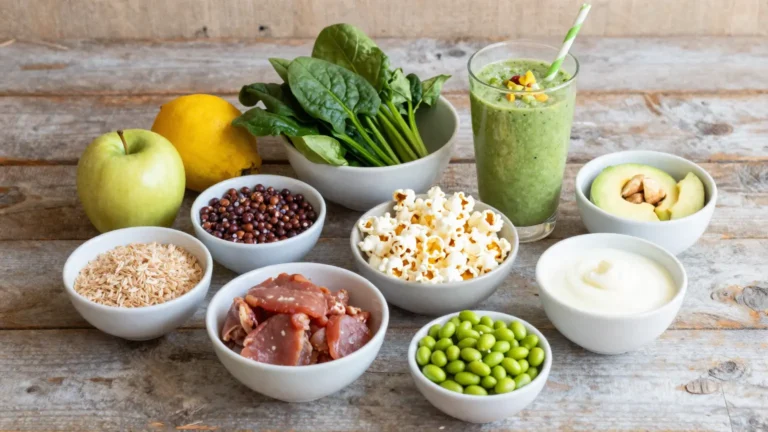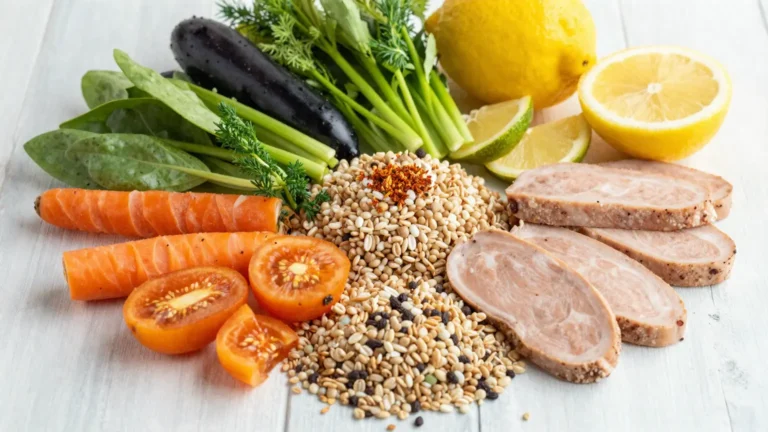
Definition of Maker’s Diet
The Maker’s Diet is a unique dietary approach that intertwines biblical principles with modern nutritional science, offering a holistic path to health and wellness. Rooted in the belief that God’s original design for human sustenance aligns perfectly with optimal physical health, this diet was pioneered by Jordan Rubin as he navigated his own journey back to vitality after battling severe health issues. Inspired by his recovery through strict adherence to dietary laws outlined in the Bible, Rubin crafted a regimen aimed at cleansing the body and nourishing it according to ancient wisdom.
At its core, the Maker’s Diet focuses on distinguishing between “clean” and “unclean” foods based on Levitical law. For instance:
- Fish with scales are considered clean, while shrimp or crab are strictly avoided.
- Animals that chew cud and have cloven hooves (like cattle) are permissible, whereas pigs are explicitly excluded due to their singular characteristics.
This diet isn’t just about what you eat; it’s a commitment to integrating biblical principles into daily life through specific phases designed for detoxification, reintroduction of certain foods, and long-term maintenance. The first phase sets the stage by eliminating common culprits like caffeine and sugar, setting the foundation for deeper cleansing. As dieters progress through the program, they may notice improvements in their health, from weight loss to enhanced mental clarity, all while feeling grounded in a spiritual framework.
Imagine embarking on a journey where every bite you take is not just about fueling your body but also connecting with a profound sense of purpose and well-being. The Maker’s Diet promises a transformative experience that goes beyond the physical, inviting individuals to explore the depths of their health through an ancient lens.
Origins of Maker’s Diet
The origins of the Maker’s Diet trace back to Jordan Rubin’s personal journey with health and healing. In 1994, at just nineteen years old, Rubin was diagnosed with Crohn’s disease, an inflammatory bowel condition that left him bedridden and suffering from severe pain and malnutrition. Despite trying over 500 different treatments across numerous countries, he found no relief until a chance encounter led him to an eccentric nutritionist who suggested following the dietary laws outlined in the Bible.
This pivotal advice marked the beginning of Rubin’s miraculous recovery. By strictly adhering to biblical dietary guidelines, he noticed significant improvements in his health. Inspired by his own transformation and eager to share this message with others, Rubin founded Garden of Life, Inc., a company dedicated to producing supplements and health products that align with the Maker’s Diet principles. Through his experiences and subsequent research, Rubin crafted what would become the Maker’s Diet, blending biblical teachings with practical dietary advice.
Jordan Rubin’s journey is not only a testament to the power of faith but also an exploration into how ancient wisdom can provide modern solutions for health issues. His personal story invites readers to reflect on their own relationship between diet, wellness, and spirituality. How might your understanding of biblical principles influence your approach to nutrition? This question encourages readers to consider the intersection of their beliefs and daily habits.
Rubin’s creation of the Maker’s Diet also highlights the broader conversation about natural healing methods and their integration into contemporary health practices. As people continue to seek holistic approaches to wellness, the Maker’s Diet stands out as a unique blend of tradition and modern science, offering a pathway to health that addresses both physical and spiritual well-being.
Did you know that Jordan Rubin’s story began when he was just nineteen years old? His early success in overcoming severe illness has inspired countless individuals around the world to rethink their approach to diet and healing.
Description: How Does the Maker’s Diet Work?
The Maker’s Diet operates on the premise that dietary choices significantly impact both physical health and spiritual well-being. The diet is divided into distinct phases, each with specific goals and guidelines aimed at cleansing the body of toxins, reintroducing healthy foods, and fostering long-term nutritional habits grounded in biblical principles.
Phase 1: Detoxification
The initial phase of the Maker’s Diet lasts for two weeks and focuses on a strict detox regimen. During this period, dieters must eliminate all processed sugars, caffeine, artificial sweeteners, preservatives, and other common allergens from their diet. The goal is to clear the body of harmful substances that can cause inflammation and disrupt digestion. Dieters are encouraged to consume plenty of raw fruits and vegetables, lean meats, fish with scales (like salmon), and whole grains.
Phase 2: Reintroduction
The second phase spans another two weeks and involves a gradual reintroduction of some previously restricted foods. This phase allows dieters to identify which foods their bodies can tolerate without causing adverse reactions or symptoms. For instance, nuts, seeds, and certain types of oils are slowly incorporated back into the diet under careful observation for any negative effects. The objective is to build a more balanced eating pattern that supports long-term health.
Phase 3: Transition
The final two weeks of Phase 3 transition dieters towards a sustainable lifestyle by reintroducing starchy foods such as bananas, potatoes, and bread in moderation. This phase aims to teach individuals how to integrate these items into their diet responsibly without reverting back to unhealthy habits or experiencing adverse health effects.
Throughout each phase, adherents are encouraged to consume organic produce whenever possible, avoiding genetically modified organisms (GMOs) and pesticides. They are also advised to seek out clean sources of meat, which means opting for grass-fed beef rather than grain-fed animals, as well as choosing free-range eggs over caged alternatives.
Maintaining the Diet
After completing these initial phases, dieters enter a maintenance phase known as “Wellness for Life.” This ongoing commitment involves consistently adhering to the dietary laws outlined in the Bible and making lifestyle choices that support overall health. It emphasizes long-term sustainability and integration of biblical principles into daily living.
By following this structured approach, individuals on the Maker’s Diet hope to experience not only physical improvements such as weight loss and increased energy but also a deeper sense of spiritual connection and purpose.
Imagine stepping into a world where every meal is an act of worship and self-care. The Maker’s Diet invites you to view eating as more than just sustenance; it’s about honoring your body through conscious choices that align with ancient wisdom. What changes might you make in your diet if following these biblical guidelines? Reflecting on this question can help you connect the dots between what you eat and how you feel, both physically and spiritually.
The Maker’s Diet offers a unique path for those seeking to combine health goals with spiritual fulfillment, making it an intriguing option for anyone looking to explore new avenues of wellness.
Key Terms Explained
Understanding the core concepts behind the Maker’s Diet is crucial for anyone considering this approach to health and wellness. Let’s delve into some key terms that are fundamental to grasping how this dietary plan operates.
Clean vs Unclean Foods
One of the central tenets of the Maker’s Diet is distinguishing between clean and unclean foods, a concept deeply rooted in Levitical law. According to these laws:
- Clean Fish: Any fish that has both fins and scales (like salmon) are considered permissible.
- Unclean Shellfish: Creatures like shrimp, lobster, and crab lack fins and scales and thus fall under the category of unclean.
This distinction not only guides what can be eaten but also emphasizes a level of purity in food selection. By adhering to these guidelines, dieters aim to consume foods that align with ancient biblical standards for health and cleanliness.
Detoxification Phase
The first phase of the Maker’s Diet is dedicated to detoxifying the body by eliminating harmful substances commonly found in modern diets. This includes:
- Eliminating Caffeine: Dieters must abstain from coffee, tea, soda, and other caffeinated beverages.
- Reducing Sugar Intake: Processed sugars are completely removed from meals and snacks.
This initial cleanse is designed to help the body rid itself of toxins that contribute to inflammation and poor digestion. The goal is to reset your system so that you can more easily identify foods that cause negative reactions in subsequent phases.
Reintroduction Phase
As dieters move into the reintroduction phase, they begin to cautiously re-introduce certain food groups while closely monitoring their bodies for any adverse effects. This careful process involves:
- Gradual Introduction of Nuts and Seeds: These can be added back slowly to determine tolerance.
- Observation Periods: Each new food item is introduced one at a time over several days.
This phase helps individuals understand which foods they can incorporate without causing symptoms like bloating, headaches, or fatigue. It’s about finding balance while staying true to the dietary guidelines set forth in biblical teachings.
Long-term Maintenance
The maintenance phase, known as “Wellness for Life,” encourages dieters to sustain healthy habits long after completing the initial phases of the diet. Key components include:
- Consistent Adherence: Continuing to follow the biblical dietary laws on a daily basis.
- Lifestyle Integration: Making choices that support both physical and spiritual well-being.
By maintaining these practices, individuals aim to prevent relapse into unhealthy patterns while continually reaping the benefits of improved health and vitality. This ongoing commitment fosters a sense of discipline and purpose in one’s approach to nutrition and wellness.
Understanding these key terms provides a clearer picture of what it means to follow the Maker’s Diet and how each component contributes to its holistic vision of health and healing. How might embracing such dietary guidelines change your perspective on food choices? Reflecting on this question can open up new avenues for personal growth and well-being.
Did you know that ancient Israelites followed similar dietary restrictions, which they believed would keep them physically and spiritually healthy? This practice underscores the timeless nature of these principles in promoting overall wellness.
Recommended Food Groups for Maker’s Diet
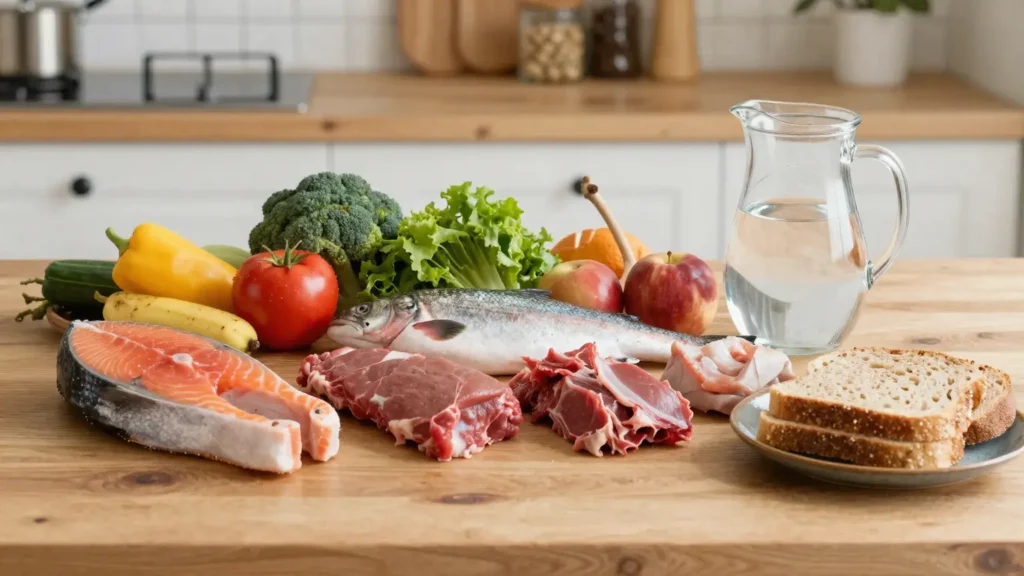
In the context of the Maker’s Diet, specific food groups are emphasized based on biblical principles, aiming to promote health and spiritual well-being. These guidelines provide clear instructions about what foods to include in your diet and which ones to avoid.
Allowed Foods (Clean)
Vegetables:
- Fresh vegetables form a significant part of the diet, especially those that are organic and locally grown.
- Raw or lightly cooked vegetables like spinach, broccoli, carrots, and cucumbers are encouraged.
- It’s important to wash all produce thoroughly to avoid exposure to harmful pesticides.
Fruits:
- Fruits play an essential role in providing natural sugars and vitamins. However, the diet recommends consuming fruits carefully after the initial detox phase.
- Berries, apples, pears, and oranges are typically favored for their high nutritional value and lower sugar content compared to tropical fruits like bananas and pineapples.
Proteins:
- Lean meats such as chicken, turkey, and beef from grass-fed animals are highly recommended. Fish with scales, including salmon and trout, also hold a prominent place in the diet.
- Eggs from free-range chickens are another excellent protein source, providing essential amino acids without harmful additives.
Grains and Legumes:
- Whole grains like quinoa, oats, and brown rice are considered acceptable during the later stages of the diet once reintroduced carefully.
- Legumes such as lentils and chickpeas can also be included but should be introduced gradually to ensure they do not cause digestive issues.
Foods to Avoid (Unclean)
Processed Foods:
- The Maker’s Diet strictly prohibits processed foods, including fast food items like burgers, fries, and sugary snacks.
- Even seemingly harmless products like instant noodles or packaged cereals are discouraged due to their high preservative content.
Shellfish and Pork Products:
- Shellfish, such as shrimp, crab, and lobster, do not meet the dietary standards set forth in Levitical law. These should be avoided entirely.
- Similarly, pork is considered unclean and thus excluded from the diet.
Dairy Products (Limited):
- While dairy products like milk and cheese are technically allowed if they come from clean sources, many adherents opt to minimize their consumption due to potential sensitivities or allergies.
By focusing on these guidelines, dieters can construct a balanced meal plan that not only aligns with biblical principles but also supports overall health. Would you be willing to make such drastic changes for better health and spiritual fulfillment? This question invites readers to contemplate the trade-offs involved in adopting a regimen as rigorous as the Maker’s Diet.
Understanding which foods are encouraged or prohibited under this dietary framework can guide individuals toward making informed choices that align with both their physical needs and spiritual beliefs. As you explore these guidelines further, consider how they might shape your daily food decisions and contribute to your overall sense of well-being.
The Maker’s Diet includes a unique recommendation for incorporating “Living Foods,” such as sprouted grains or raw nuts, which are believed to have enhanced nutritional value compared to their unprocessed counterparts.
Forbidden or Limited Foods According to Maker’s Diet
In the Maker’s Diet, the categorization of foods as clean or unclean is not just a dietary guideline but also a spiritual directive. This classification serves to guide individuals in making food choices that align with biblical teachings while promoting physical health. For instance:
- Clean Meats: According to Levitical law (Leviticus 11:3), animals like cows and sheep, which chew cud and have split hooves, are deemed clean. These meats provide essential nutrients such as protein and iron without the harmful fats associated with processed or unclean meat products.
- Unclean Meats: Conversely, pork is listed as unclean due to its singular characteristics (Leviticus 11:7). This prohibition extends beyond taste preferences to include considerations of potential health risks associated with consuming pork. Similarly, shellfish and any creature that lacks fins and scales are strictly avoided.
These dietary restrictions are not merely about what one eats but also about the purity and sanctity of food choices. By adhering to these guidelines, dieters aim to create a separation between their bodies and harmful substances, promoting overall health and spiritual well-being.
Moreover, the diet’s emphasis on clean foods extends beyond just meat products. For example:
- Grains: Whole grains such as oats, quinoa, and brown rice are encouraged during later phases of the diet once reintroduced gradually. These grains provide essential nutrients like fiber, vitamins, and minerals without the refined sugars or preservatives found in processed grain products.
- Fruits and Vegetables: Fresh produce is a cornerstone of the Maker’s Diet. Dieters are advised to consume a wide variety of raw fruits and vegetables that are organic whenever possible. This focus on whole foods helps ensure that dieters receive essential vitamins, minerals, and antioxidants necessary for optimal health.
Would you consider incorporating more clean foods into your diet based on biblical guidelines? Reflecting on this question can help you explore the potential benefits of aligning dietary choices with both physical and spiritual well-being principles.
The Maker’s Diet invites individuals to view food not just as sustenance but also as a means to honor God through conscious eating habits. This holistic approach aims to integrate ancient wisdom into modern lifestyles, offering a unique path to health and wellness that goes beyond the conventional understanding of nutrition.
Nutritional Benefits and Drawbacks of Maker’s Diet
The Maker’s Diet offers several potential nutritional benefits that align with both biblical principles and modern health guidelines. By adhering to these dietary laws, dieters can consume foods rich in essential nutrients while avoiding harmful additives and preservatives.
Enhanced Nutrient Intake
One significant benefit of the Maker’s Diet is its emphasis on whole, organic foods. This focus ensures a high intake of vitamins, minerals, antioxidants, and fiber from fresh fruits, vegetables, lean meats, and clean grains. For instance:
- Vegetables: Rich in phytochemicals that help fight inflammation and disease.
- Lean Meats: Provide essential amino acids and iron without the added hormones or antibiotics found in conventional meat products.
Reduced Exposure to Harmful Substances
By eliminating processed foods, caffeine, sugar, and artificial additives, dieters can significantly reduce their exposure to harmful chemicals. This reduction is believed to lower inflammation and improve overall digestive health:
- Caffeine Detox: Reduces the risk of heart palpitations, anxiety, and dehydration.
- Sugar Elimination: Helps stabilize blood glucose levels and reduces cravings for sweets.
Weight Management
The diet’s strict restrictions on high-calorie, low-nutrient foods contribute to weight loss and improved metabolic health. For example:
- Reduced intake of refined sugars and flours can help regulate insulin levels and decrease the risk of type 2 diabetes.
- Emphasis on whole grains and lean proteins helps maintain satiety without excess calorie consumption.
Spiritual Fulfillment
Beyond physical benefits, adhering to biblical dietary laws offers a profound sense of spiritual fulfillment. This aspect encourages individuals to view their food choices as acts of worship and self-care:
- Purity in Eating: Following guidelines for clean foods aligns with the belief that eating according to God’s design promotes both bodily and spiritual health.
Long-term Health
The maintenance phase, known as “Wellness for Life,” aims to foster sustainable habits. By consistently adhering to these dietary laws over time, individuals may experience long-lasting benefits such as reduced risk of chronic diseases:
- Cardiovascular Health: Lower intake of processed foods and higher consumption of heart-healthy fats can contribute to better cardiovascular function.
- Immune Support: A diet rich in fresh produce and lean proteins helps strengthen the immune system.
Drawbacks of Maker’s Diet
While the Maker’s Diet offers numerous potential benefits, it also presents several challenges that dieters may face. These drawbacks are important considerations for anyone contemplating adopting this regimen:
Limited Food Variety
One significant drawback is the limited variety of foods allowed during the initial phases. This restriction can make meal planning challenging and less flexible:
- Phase 1 (Detoxification): Dieters must eliminate many common food items, including sugars, caffeine, and artificial sweeteners.
- Phase 2 (Reintroduction): Even when reintroducing certain foods, dieters do so gradually under close monitoring for potential adverse reactions.
Potential Nutrient Deficiencies
Strict adherence to the Maker’s Diet can lead to deficiencies in essential nutrients if not carefully managed:
| Essential Nutrient | Possible Shortfall | Suggested Mitigation |
|---|---|---|
| Omega-3 Fatty Acids | Limited fish consumption may result in low levels. | Include flaxseeds, walnuts, and chia seeds as alternatives or consider supplements. |
| Vitamin B12 | May be deficient without animal products like eggs or dairy. | Consider fortified foods or a multivitamin supplement. |
Social Challenges
Following such a restrictive diet can pose social challenges:
- Dining Out: Limited restaurant options that adhere to the strict guidelines of the Maker’s Diet.
- Social Gatherings: Difficulty finding acceptable food choices at parties, gatherings, and celebrations.
Lack of Scientific Evidence
While many dieters report positive outcomes from following the Maker’s Diet, there is a notable absence of peer-reviewed research specifically validating its unique health claims:
| Health Benefit | Research Status |
|---|---|
| Detoxification Effects | Limited scientific validation. |
| Chronic Disease Risk | No conclusive evidence regarding specific disease prevention or reversal. |
Cost and Accessibility
Adopting the Maker’s Diet can be costly due to the emphasis on organic, whole foods and supplements:
- Organic Produce: Often more expensive than conventionally grown produce.
- Supplements: Recommended by Jordan Rubin’s Garden of Life company may incur additional expenses.
These drawbacks highlight the importance of careful planning and professional guidance when considering the Maker’s Diet. While it offers a unique blend of spiritual fulfillment and dietary discipline, potential risks must also be weighed carefully to ensure long-term health benefits without compromising essential nutritional needs or personal well-being.
Would you be willing to manage these challenges for the promise of improved health and spiritual connection? Reflecting on this question can help individuals assess whether the Maker’s Diet aligns with their values and goals.
Sample Meal Plan for Maker’s Diet
Embarking on the Maker’s Diet requires careful planning to ensure that you meet all nutritional needs while adhering strictly to biblical dietary guidelines. Here’s an example meal plan for your first week:
Monday
Breakfast:
- Smoothie made with organic spinach, blueberries, almond milk (or other clean liquid), and a scoop of Garden of Life protein powder.
- A handful of raw almonds.
Lunch:
- Grilled chicken breast seasoned with sea salt and fresh herbs.
- Steamed broccoli and carrots on the side.
Snack:
- Apple slices with a tablespoon of almond butter.
Dinner:
- Baked salmon fillet.
- Quinoa salad with cucumbers, cherry tomatoes, and lemon vinaigrette made from olive oil and freshly squeezed lemon juice.
Tuesday
Breakfast:
- Oatmeal cooked in coconut milk (ensure it’s organic).
- Toppings include sliced strawberries and a drizzle of honey.
Lunch:
- Turkey breast wrap with lettuce, avocado slices, and cucumber strips inside a whole grain tortilla.
- A side of sautéed spinach seasoned with garlic and olive oil.
Snack:
- Carrot sticks dipped in homemade hummus (made from chickpeas, tahini, lemon juice, and garlic).
Dinner:
- Grass-fed beef stew with carrots, onions, and potatoes. Serve it over a bed of cooked quinoa for added fiber.
Wednesday
Breakfast:
- Scrambled eggs made with free-range chicken eggs.
- Served with slices of organic bell pepper and sliced tomatoes on the side.
Lunch:
- Salad bowl filled with mixed greens, grilled chicken pieces, cherry tomatoes, and a sprinkle of crumbled feta cheese (ensure it’s from pastured animals).
- Dressing can be made from olive oil, lemon juice, salt, and pepper.
Snack:
- A handful of walnuts or pumpkin seeds.
Dinner:
- Grilled tilapia with garlic and herbs.
- Serve alongside a side salad made from fresh lettuce, cherry tomatoes, and cucumbers dressed in an olive oil-based dressing.
Thursday
Breakfast:
- Freshly squeezed orange juice mixed with water to dilute sugar content slightly (a natural sweetener).
- A small bowl of organic blueberries.
Lunch:
- Chicken breast stir-fried with bell peppers, onions, and broccoli. Serve over a bed of brown rice or quinoa.
Snack:
- Celery sticks with almond butter for dipping.
Dinner:
- Turkey meatballs cooked in the oven.
- Served alongside steamed green beans and a small baked potato (organic if possible).
Friday
Breakfast:
- Smoothie made from organic kale, banana slices, and almond milk.
- A sprinkle of chia seeds for added texture.
Lunch:
- Grilled salmon topped with dill and lemon juice.
- Served over a salad of mixed greens and cherry tomatoes with olive oil dressing.
Snack:
- Rice cake topped with avocado spread or hummus.
Dinner:
- Slow-cooked beef stew made with grass-fed beef, carrots, celery, and onions. Serve it in a bowl with a side of cooked brown rice (organic).
Saturday
Breakfast:
- A bowl of oatmeal mixed with sliced bananas and drizzled with honey.
- Drink a glass of water to hydrate.
Lunch:
- Grilled chicken breast sandwich on whole grain bread, topped with lettuce, tomato slices, and avocado spread.
- Served alongside an apple for dessert.
Snack:
- Raw vegetables (carrots, celery) dipped in hummus or guacamole.
Dinner:
- Baked cod fillets seasoned simply with salt and pepper.
- Serve with a side of steamed asparagus spears and a small serving of cooked brown rice (organic).
Sunday
Breakfast:
- Freshly squeezed apple juice mixed half-and-half with water to dilute sugar content slightly.
- A handful of raw almonds.
Lunch:
- Chicken salad made from shredded chicken breast, mixed greens, cherry tomatoes, and avocado slices. Dress it lightly with olive oil-based dressing.
Snack:
- A small bowl of sliced fresh fruit (such as berries or apples) topped with a dollop of Greek yogurt (ensure organic if possible).
Dinner:
- Grilled lamb chops seasoned simply with garlic and herbs.
- Serve alongside roasted vegetables like carrots, onions, and potatoes.
This meal plan provides a structured yet flexible guideline to help you navigate the first week of your Maker’s Diet journey. It ensures that each meal is balanced and includes a variety of clean foods as defined by biblical principles. Remember to consult with healthcare professionals before making significant dietary changes, especially if you have underlying health conditions or specific nutritional needs.
How do these meals make you feel about starting the Maker’s Diet? Are there any adjustments you would like to make based on your personal preferences and lifestyle?
Reflecting on this question can help tailor the meal plan more closely to your individual needs while staying true to the dietary guidelines of the Maker’s Diet.
Alternative or Similar Diets to Maker’s Diet
The Maker’s Diet isn’t the only dietary approach that incorporates spiritual principles or follows ancient guidelines. There are several other diets that share similarities in their focus on clean eating, detoxification, and the integration of religious teachings into daily life.
GAPS Diet (Gut and Psychology Syndrome)
Developed by Dr. Natasha Campbell-McBride to treat conditions such as autism, ADHD, depression, and autoimmune diseases, the GAPS diet emphasizes a strict regimen that eliminates processed foods, grains, sugars, and starches. It focuses on healing the gut through an emphasis on nutrient-dense foods like homemade bone broths, fermented vegetables, and organ meats. Like the Maker’s Diet, it promotes a return to whole, natural foods for health improvement.
Paleo Diet
The Paleo diet is based on eating food that early humans would have consumed during the Paleolithic era. This includes lean meat, fish, fruits, vegetables, nuts, and seeds while excluding dairy products, grains, processed oils, and sugars. The Paleo approach shares with the Maker’s Diet an emphasis on organic produce and avoidance of processed foods to promote health.
Raw Foodism
Raw foodists believe in consuming uncooked plant-based foods such as fresh fruit, vegetables, nuts, seeds, sprouted beans, grains, and legumes. Proponents argue that cooking destroys essential enzymes and nutrients found in raw foods, aligning with the Maker’s Diet’s focus on consuming foods in their most natural state.
Kosher Diet
The kosher diet is based on Jewish dietary laws as outlined in Leviticus. It involves distinguishing between clean and unclean animals, prohibiting certain meats like pork and shellfish similar to the Maker’s Diet. The Kosher diet also mandates a strict separation of dairy and meat products, encouraging cleanliness and purity in eating habits.
Weston A. Price Foundation (WAPF) Diet
Inspired by Dr. Weston A. Price’s research on traditional diets from around the world, this dietary approach emphasizes nutrient-dense foods like grass-fed meats, organ meats, bone broths, raw milk, and full-fat dairy products. The WAPF diet avoids processed foods, refined sugars, and vegetable oils – much like the Maker’s Diet.
Biblical Kosher Diet
Similar to the Kosher diet but rooted in a broader interpretation of biblical dietary laws, this approach combines principles from both Leviticus and Genesis. It emphasizes clean meats, organic produce, and grain-free diets similar to the Maker’s phases while integrating spiritual observance into meal planning.
These alternative diets offer different paths to health and wellness by focusing on natural foods, detoxification, and integration of religious beliefs into daily life. Each diet has its unique set of rules and benefits, but they all share a common goal: promoting physical well-being through conscious food choices that align with spiritual or historical traditions.
Considering these alternatives can provide insight into how different dietary approaches might suit your personal health goals and spiritual values. Which of these diets resonates most closely with your beliefs and lifestyle? Reflecting on this question may help you find a path to wellness that feels personally fulfilling while promoting both physical and spiritual growth.
Closing Summary: Understanding the Impact of Maker’s Diet
The Maker’s Diet offers a distinctive blend of biblical principles and modern nutritional science, aiming to improve physical health while fostering spiritual well-being. By adhering to dietary laws from Leviticus, it encourages dieters to eliminate processed foods and focus on organic produce, lean meats, and whole grains. This approach not only promotes detoxification and weight loss but also seeks to reconnect individuals with ancient wisdom for holistic healing. However, the strict guidelines can pose challenges in terms of social constraints and potential nutritional deficiencies, necessitating careful planning and professional guidance. Ultimately, the Maker’s Diet invites those seeking a faith-based path to wellness to consider how their food choices can honor both body and spirit.
Frequently Asked Questions (FAQ)
What is the Maker’s Diet?
The Maker’s Diet is a dietary plan based on biblical guidelines that advocates eating as people did in ancient times. It emphasizes foods considered healthful and biblically pure.
Is the Maker’s Diet suitable for all ages, including children?
While the Maker’s Diet can be followed by adults, it may not be appropriate for children without adjustments. Pregnant women or those breastfeeding should also consult with a healthcare provider before starting this diet.
Can I follow the Maker’s Diet long-term without health risks?
Long-term adherence to any restrictive diet may pose nutritional deficiencies. It is important to include necessary dietary supplements and monitor your overall health throughout the duration of the diet.
What are some potential side effects or signs of trouble while on the Maker’s Diet?
Potential issues can arise from vitamin or mineral deficiencies due to limited food variety, which might lead to symptoms like fatigue, weakness, or mood changes. Always consult a healthcare professional if you experience these or other unusual symptoms.
How does the maintenance phase work after completing the three main phases of the diet?
The maintenance phase, called “Wellness for Life,” encourages a balanced approach by gradually reintroducing certain foods while maintaining healthy eating habits established during previous phases.
Do I need to take dietary supplements when following the Maker’s Diet?
Yes, dietary supplements are often recommended to ensure adequate intake of essential nutrients that might be lacking in your diet. Always consult with a healthcare professional before starting any new supplement regimen.
What types of foods should I avoid on the Maker’s Diet?
The Maker’s Diet advises avoiding processed and refined foods, as well as certain meats and dairy products considered non-biblical or unhealthy.
Can the Maker’s Diet help me lose weight quickly?
While the diet may lead to initial weight loss due to reduced calorie intake from forbidden foods, sustainable long-term weight management requires a balanced approach to nutrition.
Are there any scientific studies supporting the benefits of the Maker’s Diet?
There is limited scientific research specifically focused on the effectiveness and safety of the Maker’s Diet. Most claims are based on anecdotal evidence and personal testimonials rather than clinical trials.
How do I start the Maker’s Diet if I’m not familiar with biblical dietary laws?
Starting the diet involves educating yourself about biblical food guidelines through books or online resources, then making gradual changes to your eating habits accordingly.