What is the Pritikin Diet?
The Pritikin Diet is a heart-focused eating plan that emerged from the personal journey of Nathan Pritikin, who developed it after battling severe heart disease in the late 1960s. This diet gained widespread recognition when Pritikin published his book in 1979, detailing how he transformed his health through radical dietary and lifestyle changes.
At its core, the Pritikin Diet is a high-carbohydrate regimen that encourages whole grains, fruits, vegetables, and legumes while severely limiting fats – specifically aiming for less than 10% of daily calories coming from fat. It also restricts red meat, alcohol, processed foods, refined sugars, salted snacks, and fried items to maintain low-fat consumption.
The diet’s guidelines are straightforward yet demanding:
- Consume at least five servings of whole grains each day.
- Aim for four servings of vegetables, emphasizing dark green or orange/yellow varieties to maximize nutrient intake.
- Enjoy three servings of fruit daily; one serving can be juice if needed, but the emphasis remains on natural fruits.
- Include two calcium-rich food choices like non-fat dairy products to support bone health without adding extra fat and calories.
Beyond diet, physical activity is a cornerstone of this regimen. It recommends at least 45 minutes of moderate exercise per day to complement dietary restrictions and enhance heart health further.
Following the Pritikin Diet has shown numerous benefits:
- Significant reductions in total cholesterol levels.
- Lower blood pressure readings.
- Improved insulin control for people with type 2 diabetes.
- Decreased risk factors associated with heart disease and certain cancers.
- Potentially lifelong prevention of obesity through sustained healthy habits.
However, its strict nature raises questions. Critics argue that the diet requires high self-discipline and may be too restrictive regarding dietary fat intake. This could potentially limit beneficial fats and hinder nutrient absorption from some foods. For instance, a large-scale study found no significant impact of low-fat diets on reducing heart disease or cancer risk, prompting further investigation into the long-term efficacy and sustainability of such strict diet modifications.
Despite its challenges, the Pritikin Diet offers substantial health improvements for those who can adhere to its stringent guidelines. It remains an effective yet demanding approach for achieving better cardiovascular health and other critical health outcomes.
How Does the Pritikin Diet Work?
The Pritikin diet is a heart-focused eating pattern that emphasizes consuming low-fat and high-fiber foods while strictly limiting red meat, alcohol, and processed items. Developed by Nathan Pritikin in the late 1960s as he battled his own heart disease, it gained widespread attention with the publication of his book in 1979.
Key elements of the diet include:
- At least five daily servings of whole grains
- Four servings of vegetables, focusing on dark green or orange/yellow varieties for optimal nutrition
- Three fruit servings, including one serving as juice to enhance hydration and nutrient absorption
- Two servings of calcium-rich foods like non-fat dairy products
- Restricted animal protein consumption (no more than 3.5 ounces cooked per day)
- Elimination of refined sugars, salted snacks, and fried foods
The diet also strongly encourages at least 45 minutes of moderate exercise daily to complement the nutritional regimen.
Studies have shown that following the Pritikin plan can lead to:
- Lower total cholesterol levels
- Reduced blood pressure
- Improved insulin control for type 2 diabetes patients
- Decreased risk factors for heart disease and certain cancers
Despite these benefits, critics argue that adhering to such a strict diet over long periods may be challenging due to its rigid nature. Some also point out potential issues with limiting beneficial fats and vitamin absorption.
Overall, while the Pritikin diet offers significant health advantages, its demanding requirements make sustained adherence difficult for some individuals.
Interestingly, despite being introduced nearly 50 years ago, the core principles of the Pritikin diet continue to align closely with current nutritional guidelines aimed at promoting heart health and overall wellness.
Is the Pritikin Diet Healthy and Safe for Everyone?
The Pritikin diet is a heart-focused eating regimen that emphasizes low-fat consumption and high fiber intake while severely restricting red meat, alcohol, and processed foods. Developed by Nathan Pritikin in response to his personal battle with cardiovascular disease, this diet gained widespread attention when described in his book published in 1979. Key elements of the plan include at least five servings of whole grains daily, four vegetable servings (preferably dark green or orange/yellow varieties), three fruit servings including one serving as juice, and two calcium-rich food servings like non-fat dairy products.
The diet also caps animal protein consumption at no more than 3.5 ounces cooked per day and strictly limits refined sugars, salted snacks, and fried foods. It further recommends a minimum of 45 minutes of moderate exercise daily to complement the nutritional regimen.
Research indicates that following the Pritikin plan can lead to significant health improvements such as lower total cholesterol levels, reduced blood pressure, better insulin control for type 2 diabetes patients, decreased risk factors for heart disease and certain cancers, and potential lifelong obesity prevention. These benefits have garnered praise from medical professionals who now see it aligning well with modern nutritional guidelines.
However, critics argue that the diet’s strict requirements may pose challenges for long-term adherence. Some studies suggest that low-fat diets like the Pritikin plan do not significantly reduce risks of heart disease or cancer compared to other dietary patterns. This has prompted ongoing research into optimal nutrition strategies.
Overall, while the Pritikin diet offers substantial health benefits, its demanding nature may make sustained adherence difficult for many individuals. It’s important for anyone considering this diet to consult with a healthcare professional before making significant changes to their eating habits and lifestyle.
Potential Challenges in Adhering to the Diet
Adhering to the strict guidelines of the Pritikin plan can be challenging due to its demanding nature. The diet imposes limitations on fats, refined sugars, salted snacks, fried foods, and red meat, which might feel restrictive for many individuals accustomed to a more relaxed eating pattern. This stringent regimen requires significant self-discipline and lifestyle changes that some may find difficult to maintain over extended periods.
Moreover, the diet’s low-fat approach can limit beneficial fats like omega-3 fatty acids, essential for brain function and heart health. Such restrictions might also affect the absorption of fat-soluble vitamins (A, D, E, K), which require dietary fat for proper uptake. Consequently, adherents must carefully balance their intake to avoid nutritional deficiencies.
Balancing Benefits with Practicality
While the Pritikin diet offers numerous health benefits, its strict requirements can make long-term adherence challenging. Individuals who find it difficult to maintain such a rigid regimen over time may benefit from incorporating elements of the plan into a more flexible eating pattern that aligns better with their lifestyle and cultural preferences.
Healthcare professionals recommend consulting with nutritionists or dietitians to develop personalized meal plans that balance the principles of the Pritikin diet with practical considerations. This approach can help individuals achieve sustainable health benefits while maintaining a balanced and enjoyable dietary routine.
Conclusion (To Be Continued)
The Pritikin diet offers significant heart health benefits but may be too restrictive for long-term adherence for many individuals. By understanding both its advantages and potential challenges, those considering the plan can make informed decisions about incorporating it into their lifestyle. Consulting healthcare professionals is essential to ensure that any dietary changes align with individual health needs and goals.
The Pritikin diet was one of the first comprehensive approaches to heart disease prevention through nutrition and has inspired numerous other heart-healthy eating plans in subsequent decades.
Who Can Benefit Most From Following the Pritikin Plan?
The Pritikin diet is particularly beneficial for certain groups of people who are looking to address specific health concerns. Those who may benefit most from following the Pritikin plan include:
- Individuals with high cholesterol levels, as it emphasizes whole grains and vegetables while restricting fats.
- People managing or aiming to prevent type 2 diabetes, due to its focus on dietary fiber and complex carbohydrates that help control blood sugar levels.
- Those looking to reduce their risk of heart disease through a low-fat diet rich in fruits and vegetables.
- Individuals seeking comprehensive weight management solutions that integrate healthy eating with regular physical activity.
The Pritikin plan is especially useful for those already at high risk or showing early signs of these conditions. By focusing on nutrient-dense foods, reducing harmful fats, and increasing daily exercise, individuals can achieve significant improvements in their health metrics and overall well-being.
Specific Benefits for Different Groups
For example:
- High Cholesterol: The diet’s emphasis on whole grains, vegetables, and fruits helps lower LDL cholesterol levels while maintaining healthy HDL levels.
- Type 2 Diabetes Management: By focusing on fiber-rich foods that slow digestion and stabilize blood sugar, the Pritikin plan aids in insulin control for diabetics.
- Heart Disease Prevention: The diet’s low-fat content, combined with regular exercise, helps reduce triglycerides and maintain a healthy heart rate.
- Weight Loss and Maintenance: Balancing calories through whole foods and portion control can lead to sustainable weight loss without extreme measures.
Challenges of Long-Term Adherence
While the Pritikin plan offers clear health benefits for these individuals, maintaining adherence over long periods may be challenging due to its strict guidelines. The diet’s limitations on fats could potentially hinder absorption of essential vitamins and fatty acids if not managed properly. Additionally, the high level of self-discipline required can make it difficult for some people to sustain over time.
Many professional athletes have adopted variations of the Pritikin plan as part of their training regimens, highlighting its effectiveness in enhancing performance alongside improving health metrics.
In summary, while the Pritikin diet is highly effective for specific health conditions and weight management goals, individuals must weigh the benefits against the demands of long-term adherence.
What Are the Key Components of the Pritikin Diet Structure?
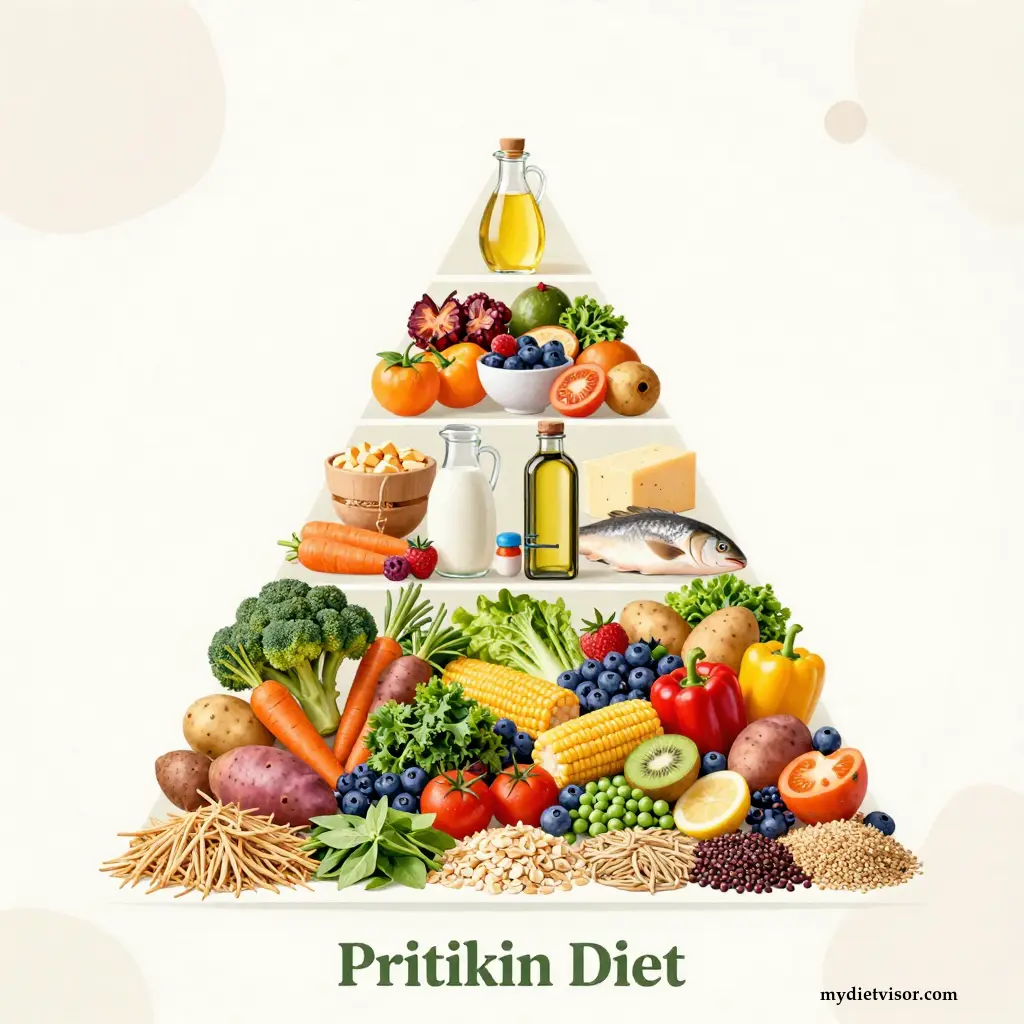
The Pritikin diet is a heart-focused eating regimen that emphasizes low-fat and high-fiber consumption while strictly limiting red meat, alcohol, and processed foods. It was developed by Nathan Pritikin as he battled his own heart disease in the late 1960s and gained prominence through his book published in 1979.
Key components of the diet include:
- High-Carbohydrate Intake: At least five servings of whole grains daily to ensure steady energy levels and fiber intake.
- Vegetables and Fruits: Four servings of vegetables each day, with a preference for dark green or orange/yellow varieties. Additionally, three fruit servings are recommended per day, including one serving as juice.
- Calcium-Rich Foods: Two servings of calcium-rich foods like non-fat dairy products to support bone health.
- Limited Animal Protein: No more than 3.5 ounces of cooked animal protein per day to reduce saturated fat intake.
- Restrictions on Refined Sugars, Salted Snacks, and Fried Foods: These restrictions help in reducing calorie intake from unhealthy sources.
The diet also strongly encourages at least 45 minutes of moderate exercise daily to enhance overall health benefits. Initially seen as radical due to its strict guidelines, the Pritikin diet now aligns more closely with modern nutritional recommendations for heart health.
This regimen can initially feel restrictive but offers significant long-term benefits such as lower total cholesterol levels, reduced blood pressure, improved insulin control in type 2 diabetes patients, and decreased risk factors for heart disease and certain cancers. These advantages underscore the potential of this dietary approach in promoting lifelong obesity prevention and overall wellness.
The Pritikin diet has been continually refined based on ongoing research over nearly five decades, demonstrating its commitment to scientific evidence-based recommendations.
How Do You Start a Pritikin Lifestyle Change?
Starting a Pritikin lifestyle change involves several key steps that focus on heart health and overall well-being. The diet promotes low-fat meals rich in whole grains, vegetables, fruits, and lean proteins while eliminating red meat, processed foods, refined sugars, and alcohol.
To begin this transformation:
- Include at least five servings of whole grains daily to ensure a steady intake of fiber and complex carbohydrates.
- Eat four servings of vegetables each day, prioritizing dark green or orange/yellow varieties for maximum nutrient intake.
- Consume three servings of fruit a day, with one serving as juice to ensure adequate hydration and vitamin intake.
- Incorporate two calcium-rich food servings like non-fat dairy products to support bone health.
It’s also crucial to limit animal protein to no more than 3.5 ounces cooked per day, emphasizing plant-based proteins where possible. Additionally, avoid refined sugars, salted snacks, fried foods, and excessive salt usage to maintain blood pressure levels within a healthy range.
Beyond dietary changes, the Pritikin lifestyle strongly advocates for at least 45 minutes of moderate exercise daily to complement the nutritional regimen and enhance overall cardiovascular health. This combination can initially feel restrictive but aligns with contemporary nutritional guidelines aimed at reducing risks associated with heart disease and certain cancers.
A significant benefit of starting a Pritikin lifestyle is its potential long-term impact on cholesterol levels, blood pressure, insulin control for type 2 diabetes, and obesity prevention. However, critics argue that the diet’s strict nature can be challenging to adhere to over extended periods, potentially impacting adherence rates.
The Pritikin diet was inspired by Nathan Pritikin’s personal journey in managing his heart disease, making it a deeply personal yet scientifically grounded approach to health and wellness.
Are There Any Potential Drawbacks to the Pritikin Diet?
The Pritikin diet, though recognized for its health benefits such as lowering cholesterol and blood pressure, does come with some potential drawbacks. One of the primary challenges is that it demands a high level of self-discipline from those following it. The strict limitations on certain food groups, like red meat, processed foods, refined sugars, alcohol, and fried items, can be particularly difficult for individuals to adhere to over extended periods.
Another concern revolves around the diet’s significant restriction of fat intake, often limiting fats to less than 10% of total daily calories. While reducing saturated fats and cholesterol is beneficial for heart health, such a low-fat approach may also limit the consumption of healthy fats like omega-3 fatty acids, which are crucial for brain function and overall cardiovascular health. Furthermore, severely restricting fat intake can impact the absorption of fat-soluble vitamins (A, D, E, K), essential nutrients that require dietary fat to be absorbed properly.
The Pritikin diet’s limitations on red meat and animal protein might also affect iron levels and other micronutrient intakes if not carefully balanced with plant-based sources. This can lead to nutritional deficiencies over time if individuals do not adequately compensate for these restrictions by incorporating a variety of nutrient-dense foods like legumes, seeds, nuts, and fortified cereals.
Additionally, the diet’s rigid structure may not suit everyone’s lifestyle or cultural eating habits, making it less accessible or sustainable for some populations. While it aligns well with modern nutritional guidelines that promote whole grains and vegetables, its strictness can be seen as too extreme by those who prefer a more balanced approach to healthy eating.
Critics also note that the diet’s impact on reducing heart disease and cancer risks may not be as significant as initially thought, according to some large-scale studies. This prompts further research into alternative dietary patterns that could offer similar or better long-term health benefits with less rigid adherence requirements.
In summary, while the Pritikin diet offers numerous health advantages, its strict nature presents challenges for many individuals looking to maintain a balanced and sustainable lifestyle over extended periods.
What Are the Long-Term Benefits and Risks of Following the Pritikin Plan?
The Pritikin diet is a heart-healthy regimen that emphasizes consuming low-fat and high-fiber foods while restricting red meat, alcohol, and processed items. Developed by Nathan Pritikin in the late 1960s as he battled his own cardiovascular disease, it gained prominence through his book published in 1979.
The long-term benefits of adhering to the Pritikin plan are numerous and well-documented:
- Lower Total Cholesterol Levels: Studies have shown that individuals following this diet can significantly lower their total cholesterol levels, which is crucial for reducing cardiovascular risk.
- Reduced Blood Pressure: The emphasis on whole grains, vegetables, fruits, and low-fat dairy products helps reduce blood pressure, thereby decreasing the likelihood of hypertension-related complications.
- Improved Insulin Control in Type 2 Diabetes Patients: Diabetics who follow the Pritikin diet often experience better insulin sensitivity and glucose control, which can help manage or even prevent type 2 diabetes.
- Decreased Risk Factors for Heart Disease and Certain Cancers: By focusing on nutrient-dense foods and reducing harmful fats, the diet helps lower inflammation and oxidative stress, contributing to a reduced risk of heart disease and certain types of cancer.
- Potential Lifelong Obesity Prevention: The combination of healthy eating habits and regular physical activity promoted by the Pritikin plan can prevent obesity over time, offering long-term health benefits.
Long-Term Risks Associated with the Pritikin Diet
While the benefits are considerable, there are also potential risks to consider when following the diet for extended periods:
- High Self-Discipline Required: The strict nature of the Pritikin plan may be challenging for many individuals who find it difficult to adhere to rigid dietary guidelines over an extended period.
- Limited Beneficial Fats: Severely restricting fat intake can hinder absorption of essential fatty acids and other beneficial fats, which are crucial for brain function and overall health. This could lead to nutritional imbalances if not managed properly.
- Potential Vitamin Deficiencies: The diet’s limitations on animal proteins and fats may affect the absorption of fat-soluble vitamins (A, D, E, K), leading to potential deficiencies if these nutrients are not adequately sourced from other foods or supplements.
- Cultural and Lifestyle Mismatch: For some individuals, especially those with cultural eating habits that include traditional dishes rich in animal proteins and fats, adhering strictly to the Pritikin plan might be particularly challenging. This dietary mismatch can make long-term adherence less feasible for certain populations.
Conclusion on Long-Term Adherence
While the Pritikin diet offers significant health benefits such as improved cholesterol levels, reduced blood pressure, better insulin control, and decreased risks of heart disease and cancer, its strict nature makes sustained adherence difficult for many individuals. The high self-discipline required to follow this regimen over long periods, coupled with potential issues related to fat and vitamin absorption, underscores the need for careful consideration before embarking on such a restrictive diet.
Despite being nearly 50 years old, the Pritikin diet remains relevant today as it aligns well with modern nutritional guidelines that emphasize whole grains, vegetables, fruits, and low-fat dairy products.
How Does the Medical Community View the Pritikin Diet Today?
The medical community today views the Pritikin diet as a highly beneficial regimen for promoting cardiovascular health and managing chronic diseases. Developed by Nathan Pritikin in response to his own battle with heart disease, this diet focuses on low-fat foods and high fiber intake while severely restricting red meat, alcohol, and processed foods.
Key features of the Pritikin diet include:
- At least five servings of whole grains daily
- Four vegetable servings, prioritizing dark green or orange/yellow varieties for optimal nutrition
- Three fruit servings per day, including one serving as juice
- Two calcium-rich food servings like non-fat dairy products
- Limited animal protein intake (no more than 3.5 ounces cooked per day)
- Strict restrictions on refined sugars, salted snacks, and fried foods
This diet also emphasizes at least 45 minutes of moderate exercise daily to complement its nutritional guidelines. Initially seen as controversial due to its strict nature, the Pritikin approach now aligns closely with modern nutritional recommendations that advocate for a high intake of whole grains, vegetables, fruits, and low-fat dairy products.
Medical professionals recognize several benefits associated with the Pritikin diet:
- Lower total cholesterol levels
- Reduced blood pressure
- Improved insulin control for type 2 diabetes patients
- Decreased risk factors for heart disease and certain cancers
- Potential prevention of lifelong obesity
Despite these recognized health advantages, critics argue that adhering to such a strict regimen can be challenging due to its demanding nature. Some concerns include potential limitations on beneficial fats and issues with vitamin absorption from limited food choices.
For instance, studies have shown no significant impact of low-fat diets similar to the Pritikin approach in reducing heart disease or cancer risk compared to other dietary patterns. This has prompted ongoing research into optimal nutritional strategies for long-term health benefits.
Overall, while the Pritikin diet offers substantial health benefits and aligns with modern nutritional guidelines, its strict requirements may make it difficult for many individuals to follow consistently over extended periods, thereby challenging sustained adherence and practical outcomes.
Can Families Follow the Pritikin Plan Together Successfully?
Can families follow the Pritikin plan together successfully? The answer hinges on their collective willingness and ability to make significant lifestyle changes. This diet focuses on low-fat foods rich in fiber while severely limiting red meat, alcohol, and processed snacks.
Key components of the Pritikin regimen include:
- Eating at least five servings of whole grains daily
- Consuming four vegetable servings, with a preference for dark green or orange/yellow varieties
- Ingesting three fruit servings per day, including one serving as juice
- Incorporating two calcium-rich food choices like non-fat dairy products
- Restricting animal protein to no more than 3.5 ounces cooked per day
Families embracing the Pritikin diet can experience numerous health benefits such as lowering total cholesterol levels, reducing blood pressure, improving insulin control for type 2 diabetes, decreasing risk factors for heart disease and certain cancers, and preventing lifelong obesity.
However, maintaining long-term adherence to these strict guidelines can be challenging. The regimen requires extensive meal planning and preparation, which might become cumbersome during busy schedules or when eating out. Critics argue that the Pritikin diet’s limitations on fats could hinder the absorption of fat-soluble vitamins and essential fatty acids, potentially impacting overall health.
Success in adopting this lifestyle often depends on collective support within the family unit. When everyone is committed to making healthier choices together, it can create a supportive environment that fosters adherence and enjoyment of the dietary changes. However, for families who value flexibility or find strict diets difficult to follow long-term, alternative approaches may be more suitable.
Families often find success with the Pritikin diet when they incorporate meal planning sessions as a bonding activity, turning healthy eating into a fun family project rather than a chore.
In conclusion, while the Pritikin plan offers substantial health benefits and can be successfully followed by families committed to long-term lifestyle changes, its strict requirements may pose challenges for those seeking more flexibility or ease of adherence. Families should carefully weigh the potential advantages against their readiness to embrace such stringent dietary guidelines.
Summary: The Comprehensive Guide to Starting a Pritikin Lifestyle
The Pritikin diet is a heart-healthy regimen that emphasizes low-fat and high-fiber consumption while restricting red meat, alcohol, and processed foods. Developed in the late 1960s by Nathan Pritikin due to his own battle with heart disease, it gained popularity when described in his book published in 1979.
Key Features of the Diet
- High-Carbohydrate Intake: At least five servings of whole grains daily.
- Vegetables and Fruits: Four servings of vegetables per day, focusing on dark green or orange/yellow varieties. Three fruit servings a day, including one serving as juice.
- Calcium-Rich Foods: Two calcium-rich food servings like non-fat dairy products.
- Limited Animal Protein: No more than 3.5 ounces of cooked animal protein daily.
- Restrictions: Strict limitations on refined sugars, salted snacks, and fried foods.
Lifestyle Components
The diet also advocates for at least 45 minutes of moderate exercise daily to complement the dietary changes.
Benefits
Adhering to the Pritikin plan can lead to:
- Lower total cholesterol levels
- Reduced blood pressure
- Improved insulin control in type 2 diabetes patients
- Decreased risk factors for heart disease and certain cancers
- Potential lifelong prevention of obesity
Despite these advantages, critics argue that the strict nature of the diet requires a high level of self-discipline and may limit beneficial fats and hinder vitamin absorption. A large-scale study found no significant impact of low-fat diets on reducing heart disease or cancer risk, which highlights the need for further research into optimal dietary approaches.
Conclusion
While the Pritikin diet offers substantial health benefits, its demanding nature might make long-term adherence challenging for many individuals. It’s important to consult with a healthcare professional before making significant changes to your eating habits and lifestyle.
Frequently Asked Questions (FAQ)
What is the science behind why the Pritikin diet helps with weight loss?
The Pritikin diet emphasizes whole foods, fruits, vegetables, and lean proteins while limiting processed foods and sugars. This approach leads to reduced calorie intake naturally due to higher fiber content and fullness from nutrient-dense foods.
Is there scientific evidence that the Pritikin diet can lower blood pressure?
Yes, several studies have shown that following the Pritikin diet can lead to significant reductions in both systolic and diastolic blood pressure levels within a short period of time due to its low sodium content and high potassium intake.
Can the Pritikin diet help with type 2 diabetes management?
The Pritikin diet has been found effective for improving insulin sensitivity and glycemic control, which can benefit individuals managing type 2 diabetes by lowering blood glucose levels and reducing reliance on medication.
How does the Pritikin diet impact cholesterol levels?
Research indicates that adopting a Pritikin-style eating pattern can lead to improvements in lipid profiles including reductions in LDL (bad) cholesterol and increases in HDL (good) cholesterol.
Is there any scientific research supporting long-term adherence to the Pritikin diet for health benefits?
Longitudinal studies suggest that sustained adherence to a Pritikin-like diet can result in sustained improvements in cardiovascular risk factors, including weight loss, reduced blood pressure, and improved lipid profiles over many years.
How does the Pritikin diet compare to other diets likeketoorpaleoin terms of effectiveness?
While all diets aim for similar health outcomes such as weight management and heart disease prevention, studies suggest that the Pritikin diet may be more effective at long-term adherence due to its balanced approach towards nutrition versus restrictive measures.
Does the Pritikin diet require significant lifestyle changes beyond dietary modifications?
Adopting a Pritikin lifestyle involves not only dietary adjustments but also incorporating regular physical activity, stress management techniques, and other holistic health practices for optimal benefits.
Are there any age-specific benefits of following the Pritikin diet?
Yes, studies have shown that both younger and older individuals can benefit from adopting the principles of the Pritikin diet, with potential improvements in metabolic markers and reduced risk factors associated with chronic diseases across all ages.
Can I still enjoy treats while on the Pritikin diet or is it too restrictive?
The Pritikin diet encourages moderation rather than complete restriction. It allows for indulgences as part of an overall balanced eating pattern, focusing on quality and portion control.
What are some easy ways to incorporate more whole grains into my meals following the Pritikin guidelines?
Incorporating whole grains like quinoa, brown rice, barley, or oats can be done easily by swapping out refined grain products for their whole counterparts in recipes.