
Introduction: The Evolution of the Rice Diet

The rice diet, which began as a radical medical treatment for severe hypertension, has undergone significant transformations since its inception at Duke University in 1939 by Dr. Walter Kempner. This dietary approach was initially designed to tackle malignant hypertension, a condition that was largely untreatable until Dr. Kempner introduced his groundbreaking program. The diet’s original form was extremely restrictive and unconventional, focusing on the consumption of white rice, fruit, sugar, and fruit juices exclusively. Under this regimen, patients were confined to hospital settings where their daily protein intake would be limited to a mere 20 grams, with very low levels of sodium and fluid consumption.
Dr. Kempner’s work was revolutionary at the time because it offered hope for patients suffering from severe hypertension, a condition that often led to fatal kidney failure. His diet was so extreme that it required close medical supervision to ensure patient safety while aiming to reduce protein and electrolyte intake significantly. Early results were promising: blood pressure levels dropped dramatically in many cases, and health markers showed improvements. However, the strictness of this regimen raised eyebrows within the medical community and among critics who questioned its long-term sustainability.
Over time, the rice diet has evolved alongside advances in medical treatment options for hypertension. With the advent of effective pharmacological treatments such as thiazide diuretics in the late 1950s, the necessity of the rice diet’s original form diminished. This shift marked a turning point for Dr. Kempner’s program, which eventually became independent from Duke University in 2002. Today, while still adhering to key principles such as low sodium intake and a focus on plant-based foods, modern versions of the rice diet have become less stringent and offer a broader range of food choices.
The historical significance of Dr. Kempner’s work extends beyond its medical applications. His research and dietary regimen laid the groundwork for contemporary discussions about the benefits of plant-based diets in managing chronic conditions like hypertension. However, as the rice diet transformed into various versions over the years, it has also faced criticism from some quarters who view certain iterations as potential fad diets due to their restrictive nature and perceived lack of nutritional balance over extended periods.
This evolution from a radical medical treatment to a contemporary dietary plan reflects broader changes in how society approaches health and nutrition. As we continue to explore the benefits and drawbacks of different diets, the story of the rice diet serves as a fascinating case study that intertwines medical innovation with cultural shifts around food and wellness.
What Is the Original Rice Diet Program?
The original Rice Diet Program, developed by Dr. Walter Kempner at Duke University in 1939, was a radical treatment for malignant hypertension – a condition that had no effective treatments available at the time. The diet’s concept centered on drastically reducing protein and electrolyte intake to alleviate kidney failure caused by high blood pressure.
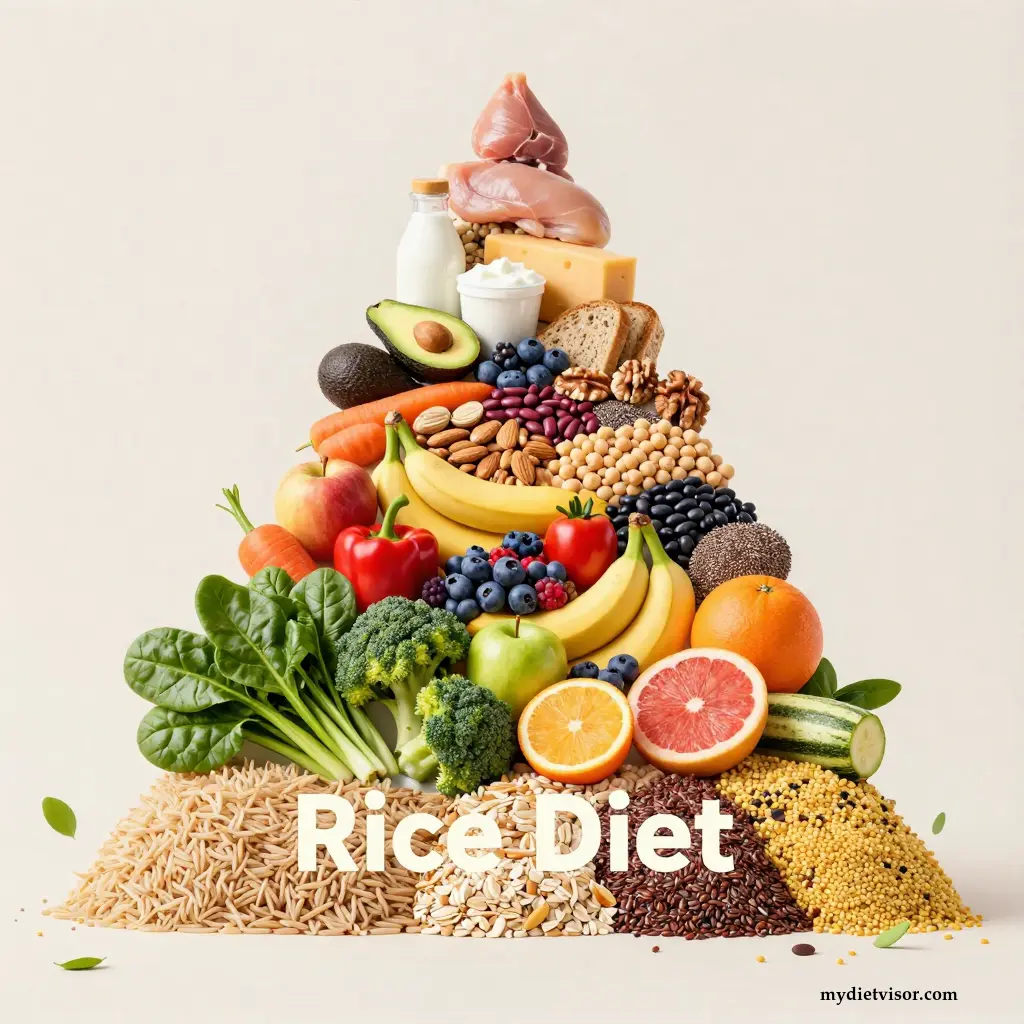
Key Features of the Original Diet:
- Minimal Protein: It primarily consisted of white rice, fruit, sugar, fruit juices, vitamins, and iron supplements, providing about 20 grams of protein daily.
- Extremely Low Sodium Content: The sodium intake was limited to only 150 mg per day.
- Medical Supervision: Patients were hospitalized for weeks under strict medical supervision to ensure adherence and monitor health improvements.
Dr. Kempner’s radical approach showed promising results in his initial patient cohort, observing significant reductions in blood pressure levels and other physiological markers related to kidney function. This groundbreaking success made the Rice Diet a notable medical intervention during an era when options for treating malignant hypertension were scarce.
The Rice Diet was one of the first dietary interventions that demonstrated a direct link between diet and blood pressure management, setting a precedent for future nutritional research in cardiovascular health.
How Did Dr. Walter Kempner Develop the Rice Diet?
Dr. Walter Kempner developed the Rice Diet as a response to the dire medical need for treating malignant hypertension, a condition characterized by severe high blood pressure leading to rapid kidney failure and untreatable in the early 20th century. Driven by the urgent desire to save lives, Kempner hypothesized that drastically reducing protein and electrolyte intake could alleviate the symptoms and progression of this deadly disease.
Kempner’s approach was groundbreaking due to its simplicity yet radical execution. The diet consisted primarily of white rice, fruit, sugar, and fruit juices, supplemented with vitamins and iron. Patients were limited to about 20 grams of protein daily and a severely low sodium intake (150 mg/day), alongside very restricted fluid consumption. This extreme regimen was designed to drastically lower blood pressure and reduce the workload on failing kidneys.
Patients undergoing the Rice Diet at Duke University were hospitalized for extended periods under strict medical supervision, reflecting the severity and complexity of their conditions. Through meticulous observation and experimentation, Kempner noticed significant improvements in blood pressure levels among his patients, marking it as an early success despite its radical nature.
Dr. Kempner’s diet remains influential today, even as its original form has evolved into less restrictive modern variations due to advancements in hypertension treatment options. Modern proponents of plant-based diets often reference Kempner’s research, underscoring his lasting impact on dietary science and practice.
Why Was Hospitalization Necessary in Early Implementations?
Hospitalization was necessary for early implementations of the Rice Diet due to several critical reasons:
- Medical Supervision: The diet required close medical supervision because drastic reductions in protein and electrolyte intake could lead to severe side effects, including dangerously low blood pressure. Without proper monitoring, these complications could be life-threatening.
- Patient Adherence: Ensuring strict adherence to the rigid dietary guidelines was crucial for its effectiveness. Hospitalization allowed healthcare professionals to enforce the diet rules continuously and address any non-compliance immediately.
- Fluid Intake Regulation: The Rice Diet imposed severe limitations on fluid intake, a measure essential to managing hypertension but risky if not carefully monitored by medical staff. Patients needed close supervision to avoid dehydration or other fluid-related complications.
Hospitalization provided the necessary environment for doctors to manage these risks effectively and observe how patients responded to such an unconventional treatment approach, ensuring their safety and maximizing the diet’s potential benefits.
Hospitalized patients on the Rice Diet often experienced dramatic improvements in blood pressure within days of starting the program.
What Were the Initial Results and Reception of the Rice Diet?
When Dr. Walter Kempner first introduced the Rice Diet at Duke University in 1939, its initial results were striking and generated considerable attention within the medical community. The diet was specifically designed to treat malignant hypertension, a condition with no effective treatments available at that time. Patients who followed the diet experienced significant reductions in blood pressure levels and improvements in kidney function, which was particularly impressive given the severity of their conditions.
The Rice Diet’s success rates were notable among its initial patient cohort. Dr. Kempner observed substantial declines in proteinuria (protein in urine), swelling from fluid retention (edema), and other symptoms associated with kidney failure. These results prompted some doctors to consider the diet as a promising treatment option, despite its radical nature.
However, the reception of the Rice Diet was not uniformly positive. Many medical professionals were skeptical about such an extreme dietary intervention, questioning whether it could be maintained long-term or if it posed undue risks due to severe restrictions on protein and fluid intake. This skepticism highlighted the divide between Dr. Kempner’s bold approach and conventional medical wisdom.
Furthermore, patient experiences with the diet varied widely. While some patients reported dramatic improvements in their health and well-being, others found the regimen challenging and difficult to adhere to over extended periods. The necessity for strict hospitalization and close monitoring added another layer of complexity and discomfort for those undergoing treatment.
Despite these challenges, the initial results demonstrated the potential of dietary interventions in managing severe medical conditions like malignant hypertension, marking a significant step forward in nutritional science and medical treatment strategies.
Did Controversies Surround the Creator of the Rice Diet?
Dr. Walter Kempner faced several controversies throughout his career due to allegations of mistreatment and unethical behavior towards patients undergoing the Rice Diet treatment. The most significant controversy arose from accusations that he physically punished non-compliant patients, using forms of physical discipline such as whipping to enforce strict adherence to the diet.
In addition to physical punishment, Dr. Kempner was also accused of exploiting his authority over female patients by engaging in exploitative personal relationships with some of them. These allegations led to lawsuits and formal reprimands from Duke University but did not result in definitive legal outcomes or convictions against him. Nevertheless, these controversies cast a dark shadow on the otherwise groundbreaking work that Dr. Kempner was known for.
These issues surrounding patient care significantly impacted public perception and acceptance of the Rice Diet program, raising serious questions about its ethical foundation despite its medical success rates. The allegations not only affected Dr. Kempner’s reputation but also influenced how subsequent generations viewed his contributions to dietary interventions for hypertension and kidney failure.
Despite these controversies, Dr. Walter Kempner’s original work on the Rice Diet remains a crucial milestone in nutritional science and chronic disease management. His pioneering research laid important groundwork for understanding diet’s impact on health conditions like high blood pressure, even if it came with significant ethical complications during its implementation.
How Has the Rice Diet Evolved Over Time?
The Rice Diet has undergone significant changes since its inception at Duke University in 1939. Initially developed by Dr. Walter Kempner as a radical treatment for malignant hypertension – a condition with no effective treatments at the time – the diet was incredibly strict and focused on minimizing protein, sodium, and fluid intake. Patients were hospitalized for weeks or months to ensure adherence to this regimen.
Over the years, advancements in medical science have led to more effective treatments for hypertension, shifting the focus away from the original Rice Diet’s extreme measures. In 2002, the program became independent of Duke University, adopting a modified version that retains the core principle of low sodium intake but allows for greater flexibility and variety in food choices.
Today’s contemporary versions emphasize whole grains, fruits, vegetables, and lean proteins while still adhering to strict sodium limitations. These modern adaptations aim to provide a more balanced diet suitable for long-term use compared to Kempner’s original restrictive plan. The Rice Diet now operates as an inpatient facility that offers continuous medical monitoring alongside dietary guidance.
These changes reflect the evolving understanding of nutrition and health over time, addressing criticisms regarding sustainability and nutritional adequacy while maintaining the foundational benefits observed by Dr. Kempner decades ago.
How Does the Contemporary Rice Diet Compare to the Original Version?
The contemporary Rice Diet bears some similarities but also significant differences when compared to its original version developed by Dr. Walter Kempner in 1939 at Duke University. Here’s a breakdown of how they compare:
Core Concept:
- Both versions aim to manage hypertension and kidney failure through dietary interventions, focusing on reducing sodium intake.
Diet Composition:
- Original: Extremely restrictive, with minimal protein (20 grams daily), based mainly on white rice, fruit, sugar, and fruit juices.
- Contemporary: More flexible, incorporating a broader range of foods such as vegetables, whole grains, lean proteins, while still emphasizing low sodium intake.
Medical Oversight:
- Original: Patients were hospitalized under strict supervision for weeks or months.
- Contemporary: Offers inpatient monitoring but with less stringent oversight compared to the past. It includes a supportive environment designed to be more patient-friendly without reported misuse or mistreatment issues.
Patient Experience:
- Original: Marked by negative experiences due to allegations of physical punishment and abuse.
- Contemporary: Aims for a supportive, positive experience with focus on modern nutritional guidelines and less restrictive supervision.
These adaptations reflect evolving medical practices and nutritional understanding. While the original Rice Diet was groundbreaking in its time and offered significant short-term benefits for hypertension management, it faced criticism due to Dr. Kempner’s methods and patient care issues. The contemporary version seeks a balance between maintaining core principles and adapting them to current standards of care and dietary guidelines.
Modern adaptations of the Rice Diet often include elements like heart-healthy fats and fiber-rich foods, which were not present in the original regimen but are now recognized for their health benefits.
The shift from an extremely rigid program developed before effective drug therapies to one that incorporates modern nutritional recommendations reflects both medical progress and ethical considerations. While the legacy of the original Rice Diet remains significant, its evolution continues to influence dietary approaches for managing hypertension and improving overall health today.
Which Modern Diets Have Been Influenced by the Rice Diet Principles?
The principles of the Rice Diet have influenced several contemporary dietary approaches that focus on low sodium intake and a plant-based emphasis to manage chronic conditions like hypertension. Here’s how these modern diets draw inspiration from Kempner’s work:
Modified Plant-Based Diets: These diets often reference Kempner’s original concept, emphasizing fruits, vegetables, whole grains, and low-protein intake as means to combat diseases such as high blood pressure.
- Examples: Whole food plant-based diet advocates like Dr. Michael Greger of NutritionFacts.org highlight the benefits of reduced sodium levels and increased carbohydrate consumption for heart health.
Low-Sodium Diets: Modern variations frequently mirror the Rice Diet’s severe restrictions on sodium, advocating for minimal salt intake to reduce blood pressure and alleviate strain on the cardiovascular system.
- Examples: The DASH (Dietary Approaches to Stop Hypertension) diet incorporates low-sodium guidelines similar to those of Kempner’s regimen but with a broader focus on potassium-rich foods like leafy greens, bananas, and nuts.
Carbohydrate-Focused Diets: Recent books that adapt the Rice Diet for modern audiences include “The Rice Diet Report” and “The Rice Diet Solution,” which offer palatable versions by incorporating various types of carbohydrates while maintaining low sodium levels.
- Examples: These books provide meal plans with an expanded list of permissible foods, such as legumes, whole grains, and non-starchy vegetables, making the diet more sustainable for long-term adherence.
While these modern diets retain some foundational elements of Kempner’s approach, they also incorporate adaptations to address concerns about nutritional balance and sustainability. For instance:
Balancing Nutritional Needs: Contemporary modifications aim to provide a varied diet rich in essential nutrients not originally part of the strict Rice Diet regimen, ensuring better long-term health outcomes.
- Example: The Mediterranean diet, which has gained popularity for its heart-healthy benefits, includes moderate sodium levels and emphasizes whole foods like fruits, vegetables, fish, and olive oil alongside low-protein intake.
Addressing Gastrointestinal Issues: Some modern adaptations focus on preventing common gastrointestinal side effects such as flatulence associated with high carbohydrate consumption by recommending a balanced mix of soluble and insoluble fibers.
- Example: Books like “The Rice Diet Solution” suggest incorporating foods rich in both types of fiber, such as oats, flaxseeds, and berries, to promote digestive health alongside reduced sodium intake.
These modern diets, while inspired by the original Rice Diet’s core principles, have evolved to meet contemporary nutritional needs and preferences. They strive for a balance between offering short-term health benefits similar to those observed in Kempner’s initial studies and ensuring long-term sustainability through varied food choices and balanced nutrient profiles.
Are There Any Books That Popularize Modified Versions of the Rice Diet?
Books that popularize modified versions of the Rice Diet have emerged over time, adapting its original principles to fit contemporary nutritional guidelines. Some key examples include:
- The Rice Diet Report: This book offers a less extreme version of Kempner’s diet but retains the focus on low sodium intake and includes various types of carbohydrates. It presents an accessible approach that incorporates modern dietary recommendations while maintaining the core tenets of the original Rice Diet.
- The Rice Diet Solution: Another popular adaptation, this book provides practical meal plans and recipes to help readers integrate elements of the Rice Diet into their daily lives. It emphasizes low sodium consumption alongside a variety of carbohydrate sources, making it more palatable for modern audiences who seek a broader range of food options compared to the restrictive original diet.
These books highlight the benefits of reduced salt consumption in managing conditions like hypertension and offer practical advice on how to modify the Rice Diet to align with current nutritional recommendations. They often include detailed meal plans and recipes that make adhering to the principles of low sodium intake more feasible and enjoyable for everyday use.
What Are the Potential Drawbacks and Criticisms of Following the Rice Diet Today?
The Rice Diet faces several potential drawbacks and criticisms when followed today, making it less suitable for long-term adherence compared to balanced diets that provide a wide range of nutrients. Firstly, it is criticized as being restrictive and monotonous due to its limited food choices, primarily consisting of white rice, fruits, fruit juices, vitamins, and iron supplements.
- Restrictive Nature: The diet’s strict limitations can be challenging for many individuals to follow consistently over extended periods, leading to difficulties in long-term adherence.
- Nutritional Deficiencies: With only about 20 grams of protein daily, the diet is extremely low in protein, which could affect muscle maintenance and overall health. This level is far below what most nutritionists recommend for adults.
Moreover, while it provides very little sodium, this extreme restriction can lead to other electrolyte imbalances if not carefully managed. The Rice Diet also tends to lack sufficient caloric intake, potentially causing fatigue or malnutrition, particularly in individuals with higher energy needs such as athletes or those engaged in physically demanding activities.
- Caloric Deficiency: The diet’s low-calorie nature may cause inadequate energy levels for daily activities and can lead to feelings of weakness or exhaustion.
Additionally, modern dietary guidelines emphasize a balanced approach that includes whole grains, fruits, vegetables, lean proteins, and healthy fats. While the Rice Diet offers short-term benefits in managing hypertension, its sustainability is questionable due to these restrictive elements and potential nutritional deficiencies over time.
- Sustainability Concerns: Critics argue that while modern versions of the Rice Diet can offer temporary health improvements, they lack the necessary balance for sustained use without adverse effects on long-term health.
These criticisms highlight the need for a more balanced approach to dietary management, especially when considering individual nutritional needs and lifestyle factors.
Summary: Evaluating the Impact and Relevance of the Rice Diet in Modern Times
The Rice Diet, originally developed by Dr. Walter Kempner at Duke University in 1939, emerged as a radical solution for treating malignant hypertension – a condition without effective treatments at the time. The diet was strictly focused on reducing protein and electrolyte intake to alleviate kidney failure caused by high blood pressure. It consisted mainly of white rice, fruit, sugar, and fruit juices with minimal protein (about 20 grams daily) and very low sodium content (150 mg/day), supplemented by vitamins and iron.
Despite its initial success in lowering blood pressure and improving physiological markers among patients, the Rice Diet faced significant controversy. Allegations surfaced that Dr. Kempner physically punished non-compliant patients and engaged in exploitative relationships with female patients, leading to reprimands from Duke University but no definitive legal consequences.
Over time, advancements in hypertension treatments led to changes in the Rice Diet program. It became independent of Duke University in 2002 and adopted a more relaxed approach while still emphasizing low sodium intake. Today, it operates as an inpatient facility that offers continuous monitoring and support with less stringent supervision compared to its original form.
The legacy of Kempner’s work continues through modern plant-based diets and books like “The Rice Diet Report” and “The Rice Diet Solution,” which advocate for a modified version focusing on reduced sodium intake and diverse carbohydrate sources. However, contemporary critics argue that these variations lack the nutritional balance needed for long-term health and label them as fad diets due to their restrictive nature.
In summary, while the original Rice Diet achieved significant short-term benefits in managing hypertension before the advent of effective drug therapies like thiazide diuretics, modern adaptations face criticism for potential drawbacks such as insufficient caloric intake and nutritional imbalance. The diet’s impact on medical history remains undeniable but its relevance in contemporary dietary practices is subject to debate due to these limitations.
Frequently Asked Questions (FAQ)
Is the rice diet safe for long-term use?
The original rice diet was designed as a short-term intervention to manage severe medical conditions. For long-term use, it is important to consult with healthcare professionals to ensure nutritional adequacy and safety.
How much weight can you lose on the rice diet?
Weight loss varies widely depending on individual factors such as starting weight, adherence to the diet, and initial health status. Significant weight loss has been reported in clinical settings but results may vary for personal use.
Can I eat fruits and vegetables while following the rice diet?
Initially limited to plain white rice and salt, modern interpretations of the rice diet often include additional foods like fruits and vegetables to improve nutritional balance.
Is there scientific evidence supporting the effectiveness of the rice diet?
Research supports its efficacy in managing conditions such as hypertension, but more studies are needed to confirm long-term benefits and safety for general use.
What are some common side effects of the rice diet?
Potential side effects include nutritional deficiencies due to restrictive food choices, which can be mitigated with careful monitoring and supplementation under medical supervision.
Can I drink coffee or tea while on the rice diet?
The original protocol was very strict against all non-essential items including beverages. Modern variations may allow small amounts of caffeine-free herbal teas but it depends on individual dietary plans.
Are there age restrictions for people who want to try the rice diet?
Due to its restrictive nature, children and adolescents are typically not recommended to follow this diet without specific medical guidance tailored to their growth needs.
How do I start a modified version of the rice diet at home?
Consulting with a healthcare provider is crucial. They can guide you on safe modifications that align with current nutritional recommendations while addressing your health goals.
What kind of support or community resources are available for those considering the rice diet?
Support groups and online communities may exist, but formal medical oversight is highly recommended to navigate dietary restrictions safely and effectively.
Can the rice diet help with diabetes management?
While it has shown promise in managing hypertension, its use as a tool for diabetes requires careful medical supervision due to risks of hypoglycemia from extreme calorie restriction.