Introduction: Understanding the Macrobiotic Diet
The macrobiotic diet is a unique way of eating that has captured the interest of health enthusiasts worldwide. Rooted in ancient philosophies such as traditional Chinese medicine and Zen Buddhism, this diet focuses on balance between yin (expansive, light) and yang (compact, dense) energies through carefully selected food choices. Imagine a lifestyle where each meal is not just about nourishment but also about aligning your body with the natural rhythms of the world around you.
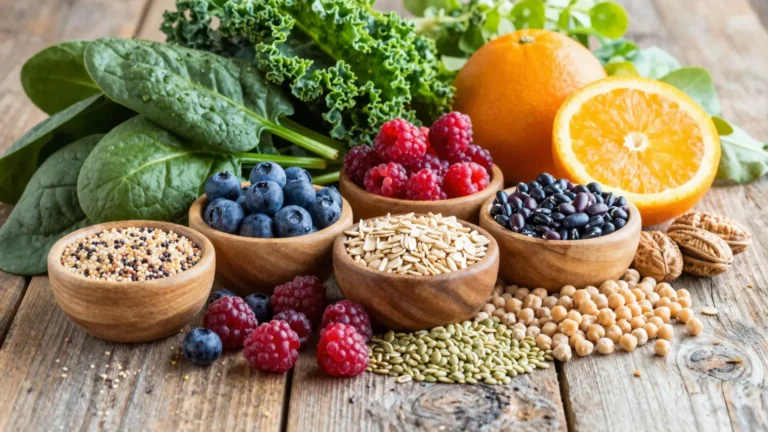
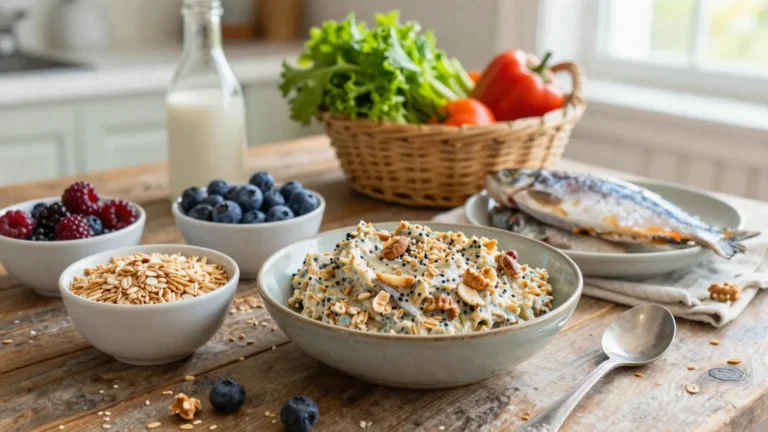
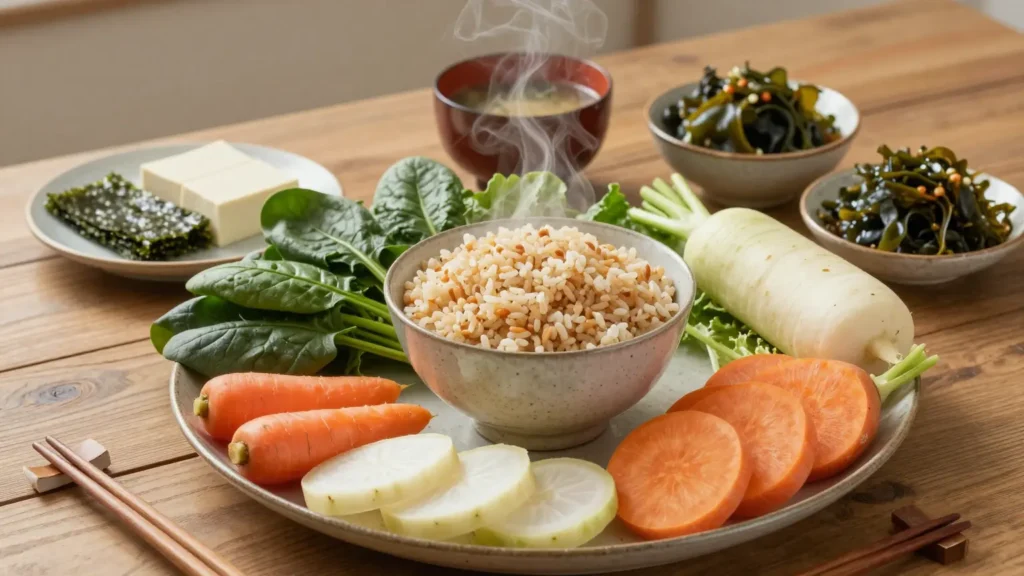
At its heart, the macrobiotic diet emphasizes whole grains like brown rice and barley as staples, alongside seasonal vegetables, beans, and sea vegetables. These foods are believed to provide a harmonious blend of nutrients that support both physical and mental well-being. However, the diet also advises against or limits consumption of processed foods, refined sugars, and red meat – ingredients that many modern diets consider commonplace.
As you delve into the principles of macrobiotics, it’s intriguing to see how this approach not only dictates what you eat but also encourages mindful eating practices and intuitive connections with your environment. For instance, choosing fresh, locally sourced ingredients in sync with seasonal changes is a cornerstone of this diet. This practice promotes sustainability while ensuring that your meals are tailored to your body’s needs based on the time of year.
Imagine starting each day by selecting foods that resonate with the current season – perhaps incorporating root vegetables and warming spices during colder months or enjoying lighter salads and fresh herbs as summer approaches. Each meal becomes an opportunity for self-reflection and connection, fostering a deeper understanding of how food impacts your overall health and happiness.
Key Principles of Macrobiotics
At the core of macrobiotics are several key principles that guide not only what one eats but also how food is prepared and consumed. Mindful eating is a fundamental practice in this diet, encouraging individuals to slow down during meals, chew thoroughly, and savor each bite. This mindfulness helps improve digestion and enhances the enjoyment and nutritional value of the meal.
Another cornerstone principle is the concept of balance, which extends beyond just balancing yin and yang foods but also includes aligning with one’s environment through seasonal eating. For example, winter might see a predominance of root vegetables and warming grains like buckwheat, while summer meals may consist more of cooling fruits, salads, and light soups.
Cooking methods are equally important in macrobiotics. Steaming and simmering are preferred over frying or baking because these methods retain the vital energy (or qi) of the food. Using specific types of cookware, such as cast iron pots for rice cooking, is also advocated to enhance the nutritional benefits of meals.
Food Classification
In macrobiotic philosophy, foods are categorized based on their yin and yang characteristics, which influence how they affect the body’s energy balance. For instance, sea vegetables like nori and kelp are considered balanced or neutral because they contain a mix of nutrients beneficial for overall health. On the other hand, tropical fruits are generally seen as overly yin (cooling), while red meat is viewed as strongly yang (heating).
| Food Type | Yin (Cooling) Examples | Yang (Heating) Examples |
|---|---|---|
| Vegetables | Leafy greens, cucumbers | Root vegetables, broccoli |
| Fruits | Citrus fruits, bananas | Apples, cherries |
| Grains | Rice, millet | Barley, oats |
Understanding these classifications helps individuals tailor their diets to suit their individual needs and the seasonal changes they experience.
Lifestyle Integration
Macrobiotics is more than just a diet; it’s a lifestyle that encompasses various aspects of daily living. Practitioners are encouraged to engage in regular physical activities such as walking or tai chi, which complement dietary practices by promoting circulation and overall wellness. Additionally, maintaining a positive mindset through meditation and mindful reflection further enhances the holistic benefits of macrobiotics.
By integrating these principles into everyday life, adherents aim to achieve harmony with their natural environment and promote longevity and vitality. This approach invites individuals to explore deeper connections between food, health, and personal well-being.
Recommended Foods in the Macrobiotic Diet
Incorporating the right foods into your macrobiotic diet is crucial for achieving optimal health benefits. Whole grains are at the heart of this dietary approach, providing essential energy and nutrients that support daily activities. Brown rice, barley, millet, and buckwheat are staples in a macrobiotic kitchen because they offer balanced nutrition and ease digestion.
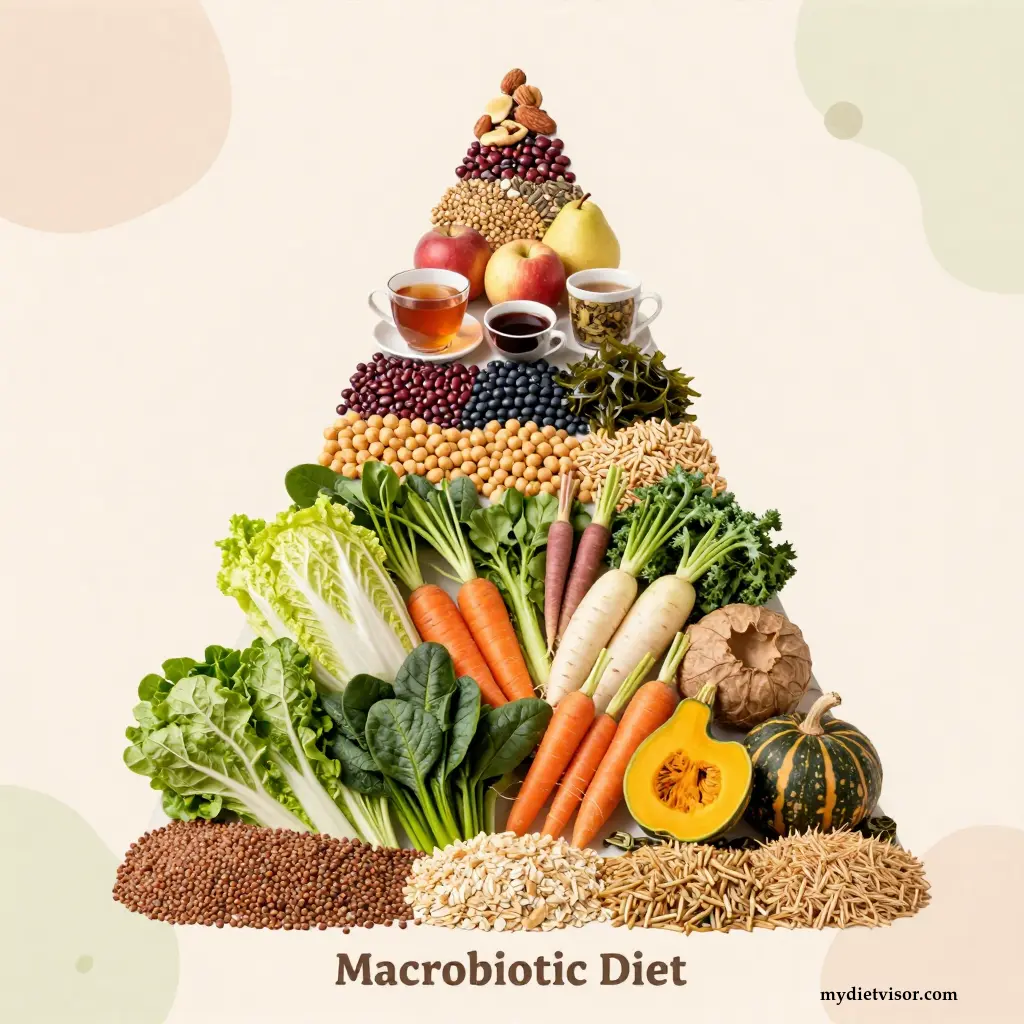
Seasonal vegetables play a significant role in the macrobiotic diet as well. These include leafy greens like kale and spinach, root vegetables such as carrots and beets, and cruciferous vegetables like broccoli and cabbage. Each type of vegetable brings unique nutritional benefits while complementing the body’s needs during different times of the year.
Sea vegetables are another integral part of macrobiotics due to their rich mineral content. Nori, kelp, and wakame provide iodine, calcium, and other trace minerals that support thyroid health and overall well-being. Incorporating these seaweeds into soups or salads can enhance flavor while adding essential nutrients.
Beans and legumes are also highly recommended for their protein content and fiber richness. Adzuki beans, lentils, chickpeas, and black-eyed peas are commonly used in macrobiotic cuisine to provide sustained energy throughout the day without relying on animal products. These foods not only support muscle health but also aid digestion due to their high fiber levels.
Fermented soy products like miso, tofu, and tempeh are additional key components of a balanced macrobiotic diet. Miso soup is a classic example that combines the nourishing benefits of grains with fermented soy’s probiotics for gut health. Similarly, incorporating tempeh into stir-fries or tofu in salads can provide both protein and essential amino acids.
Fruits, although eaten in moderation compared to vegetables and whole grains, contribute valuable vitamins and antioxidants when included seasonally. Apples, pears, berries, and persimmons are suitable choices that align with the principles of yin-yang balance by providing moisture without overwhelming the digestive system.
Incorporating these foods into your daily meals can transform your approach to eating, making each meal a mindful and nourishing experience. By choosing whole, unprocessed ingredients and preparing them thoughtfully, you can embrace the holistic benefits of macrobiotics for improved health and vitality.
The word “macrobiotic” comes from Greek roots meaning “great life” or “long life,” reflecting its aim to promote longevity through balanced eating habits.
Is the Macrobiotic Diet Safe and Effective?
The macrobiotic diet offers several potential health benefits that make it an appealing choice for many seeking a healthier lifestyle. One significant advantage is its emphasis on fiber-rich foods, which can promote digestive health, prevent constipation, and support regular bowel movements. Additionally, the high fiber content helps in maintaining healthy cholesterol levels, reducing the risk of heart disease.
Moreover, incorporating plenty of vegetables and whole grains provides a wide range of essential vitamins, minerals, and antioxidants. For instance, leafy greens like kale and spinach are packed with vitamin K, iron, and calcium, all crucial for bone health and blood clotting processes. Similarly, sea vegetables offer unique nutrients such as iodine and magnesium that support thyroid function and muscle relaxation.
Seaweed, a common ingredient in macrobiotic meals, contains alginic acid which can help reduce cholesterol levels by binding to bile acids and promoting their excretion from the body.
By focusing on these nutrient-dense foods, individuals following a macrobiotic diet may notice improvements in energy levels, better digestion, and overall well-being. However, it’s important to note that individual responses might vary based on specific health conditions and dietary needs.
Addressing Nutritional Deficiencies
While the macrobiotic diet offers numerous benefits, there are potential nutritional deficiencies that individuals should be aware of. Vitamin B12 is one such nutrient often lacking in this diet due to its primary exclusion of animal products, which are rich sources of B12. Adequate B12 levels are essential for proper neurological function and the production of red blood cells.
Another critical vitamin that may be insufficiently consumed through a strict macrobiotic diet is vitamin D, crucial for bone health and immune support. Individuals who rely heavily on plant-based diets might need to supplement with fortified foods or direct sunlight exposure to meet their daily requirements.
Iron deficiency can also pose a challenge, particularly for women of reproductive age. Iron is vital for oxygen transport in the blood and energy production. To mitigate this risk, including iron-rich foods like leafy greens and sea vegetables and enhancing absorption through cooking methods such as combining them with vitamin C-rich fruits can be beneficial.
Incorporating nutrient-dense supplements or fortified products might be necessary to ensure a balanced intake of essential vitamins and minerals. For instance, using nutritional yeast or taking B12 tablets could help prevent deficiency-related health issues while adhering to the principles of macrobiotics.
By being mindful of these potential deficiencies and making informed choices about supplementation, individuals can enjoy the benefits of macrobiotics without compromising their overall health.
Practical Tips for Adopting Macrobiotic Practices
Adopting a macrobiotic diet requires more than just changing your food selection; it involves embracing new habits that enhance your relationship with food and your environment. Here are some practical tips to help you transition smoothly into this lifestyle:
- Start Slowly: Begin by introducing one or two macrobiotic meals per day instead of making an immediate full dietary shift. This gradual approach allows your body to adjust to the changes in nutrients and eating patterns.
- Learn Basic Cooking Techniques: Familiarize yourself with cooking methods like steaming, simmering, and boiling which are encouraged in macrobiotics. These techniques help preserve food’s natural flavors and nutrients while minimizing loss during preparation.
- Explore Local Markets: Visit farmers’ markets or local grocery stores to find fresh seasonal produce and grains. Incorporating locally sourced ingredients not only supports sustainability but also ensures that your diet is tailored to the current season’s availability.
- Mindful Meal Preparation: Take time to prepare meals thoughtfully, focusing on quality over quantity. Cooking with intention can transform routine tasks into enjoyable rituals, enhancing both physical and mental well-being.
- Stay Informed About Food Choices: Educate yourself about yin-yang classifications of different foods through books or workshops offered by local health practitioners. Understanding these principles will help you make informed decisions that align with the macrobiotic philosophy.
By integrating these practices into your daily routine, you can embrace the holistic benefits of a macrobiotic diet while enjoying delicious meals that nourish both body and soul.
Health Impacts of Following Macrobiotics
The impact of a well-implemented macrobiotic diet on health can be significant, offering numerous benefits while also requiring careful attention to certain aspects. One notable benefit is the reduction in inflammation, which can contribute to lower risks of chronic diseases such as heart disease and diabetes. Studies suggest that the high antioxidant content from vegetables and sea vegetables may help combat oxidative stress and inflammation.
Weight Management
For individuals looking to manage their weight, macrobiotics offers a balanced approach that focuses on portion control and mindful eating rather than calorie counting or extreme measures. This can lead to gradual weight loss without the need for restrictive diets that often fail in the long term. By emphasizing whole grains and vegetables, which are typically low in calories but high in fiber, individuals feel fuller longer, reducing the likelihood of overeating.
Digestive Health
The diet’s emphasis on fiber-rich foods like brown rice, barley, and a variety of seasonal vegetables can greatly benefit digestive health. Fiber aids in digestion by promoting regular bowel movements, preventing constipation, and supporting gut microbiota diversity. Regular consumption of fermented soy products like miso and tempeh also contributes to a healthy gut environment due to their probiotic content.
Chronic Disease Prevention
Research indicates that the macrobiotic diet may have protective effects against chronic diseases. A study published in the Journal of Nutrition found that individuals following a traditional Japanese-style diet, which closely aligns with macrobiotics, had lower rates of cardiovascular disease and certain cancers compared to those consuming Western diets high in processed foods and red meat.
Mental Well-being
Beyond physical health, macrobiotic principles can positively influence mental well-being. The practice of mindful eating encourages individuals to connect deeply with their food, fostering a sense of gratitude and satisfaction that can reduce stress and anxiety. Engaging in regular activities such as walking or tai chi, which are often recommended alongside the diet, also promotes relaxation and improves overall mood.
Seasonal Eating
One distinctive feature of macrobiotics is its emphasis on seasonal eating, which aligns with local availability and natural cycles. This approach not only supports sustainability but also ensures that the nutrients consumed are most beneficial during specific times of the year. For example, incorporating root vegetables in winter provides energy and warmth, while lighter salads and fruits in summer offer cooling benefits.
Potential Challenges
Despite these benefits, there are challenges to consider when adopting a macrobiotic diet. One major concern is the risk of nutritional deficiencies, particularly for those who strictly adhere to exclusionary practices without proper supplementation or modification. As mentioned earlier, vitamin B12 and iron levels may drop significantly if animal products and fortified foods are omitted entirely.
Another challenge is ensuring adequate calorie intake, especially for individuals with higher nutritional needs such as athletes, pregnant women, or people recovering from illness. The macrobiotic diet’s focus on whole grains and vegetables can sometimes result in a lower caloric density, making it harder to meet daily energy requirements without careful planning.
Personalization
Given the variability in individual health statuses and dietary preferences, personalizing a macrobiotic diet is crucial for long-term success and safety. Consulting with healthcare providers or nutritionists who specialize in this approach can help tailor meal plans that address specific nutritional needs while adhering to core principles of yin-yang balance and seasonal eating.
In summary, the macrobiotic diet offers a holistic framework for enhancing health through mindful consumption of whole foods. While it presents numerous benefits for digestive health, weight management, and disease prevention, careful attention to potential deficiencies and personalization is essential for sustainable practice.
Does Macrobiotics Help Prevent Cancer?
The potential benefits of the macrobiotic diet in preventing cancer have been a topic of interest among health enthusiasts and researchers alike. Proponents argue that the diet’s emphasis on whole grains, vegetables, and limited animal products aligns with principles known to reduce cancer risk factors.
Antioxidant-Rich Foods
One key aspect is the inclusion of antioxidant-rich foods such as leafy greens, berries, and other fruits and vegetables. These antioxidants help combat oxidative stress and inflammation in the body, which are both linked to cancer development. For instance, cruciferous vegetables like broccoli and cauliflower contain compounds that may inhibit tumor growth.
Fiber Content
High fiber content is another significant advantage of macrobiotics for cancer prevention. Whole grains, legumes, and vegetables provide ample dietary fiber, which aids in maintaining a healthy digestive system by reducing the time carcinogens spend in contact with intestinal walls. Additionally, fiber helps regulate hormones that can influence cancer risk.
Phytochemicals
Phytochemicals found in sea vegetables, such as fucoidan and alginic acid, have been studied for their anti-tumor properties. These compounds can inhibit the growth of cancer cells and support overall cellular health. For example, consuming nori and wakame regularly might contribute to a lower risk of certain types of cancers due to these unique phytochemicals.
Limited Red Meat
Reducing red meat intake is another aspect often highlighted by proponents of macrobiotics. Excessive consumption of processed meats has been linked to an increased risk of colorectal cancer, among other health issues. By minimizing or eliminating red and processed meats from the diet, individuals may lower their exposure to harmful compounds like nitrates and nitrites.
Whole Foods Focus
The macrobiotic approach focuses on consuming whole foods rather than refined products, which can significantly reduce the intake of unhealthy fats, sugars, and preservatives commonly found in Western diets. This shift towards minimally processed foods is believed to contribute to a healthier internal environment less conducive to cancer development.
However, while these benefits sound promising, it’s important to note that current scientific evidence on the macrobiotic diet specifically addressing its effectiveness in preventing cancer remains limited and inconclusive. Most studies have focused more broadly on dietary patterns rather than the specific principles of macrobiotics. More research is needed to definitively establish a direct link between following a strict macrobiotic regimen and reduced risk of cancer.
Risks of Strict Macrobiotic Practices
Strict adherence to macrobiotics can introduce several risks that may outweigh the benefits for some individuals. One major concern is nutritional deficiencies, particularly for those who eliminate all animal products without proper supplementation or modification. Vitamin B12, crucial for neurological health and red blood cell production, is predominantly found in animal-derived foods such as meat, fish, poultry, eggs, and dairy. Since macrobiotics often discourages these sources, strict followers may develop B12 deficiency over time, leading to symptoms like anemia and cognitive decline.
Similarly, iron deficiency can be a significant issue, especially for women of reproductive age who naturally require higher levels of this mineral due to menstruation and pregnancy demands. Iron is essential for oxygen transport in the blood and energy production. While leafy greens and sea vegetables contain non-heme iron, its absorption rates are lower compared to heme iron from animal sources. Therefore, strict macrobiotic diets may not provide sufficient iron to prevent anemia and related health issues.
Another risk associated with restrictive macrobiotics is caloric insufficiency, particularly for individuals who need higher calorie intakes such as athletes or those recovering from illness. The diet’s emphasis on whole grains and vegetables can lead to a lower caloric density, making it challenging to meet daily energy requirements solely through these foods. This can result in fatigue, reduced physical performance, and slower recovery times.
Potential Health Issues
Children and pregnant women face unique challenges when adhering strictly to macrobiotics. Children require a balanced diet rich in proteins, fats, vitamins, and minerals for proper growth and development. A strict macrobiotic diet may fail to provide adequate nutrition, potentially stunting growth and impacting cognitive development. Pregnant women have even more stringent nutritional needs, including increased requirements for folic acid, iron, calcium, and other essential nutrients that are often insufficiently provided in a rigid macrobiotic regimen.
Long-Term Health Concerns
Long-term adherence to strict macrobiotics may lead to nutritional imbalances and related health issues. For example, the lack of vitamin D from fortified animal products or sunlight exposure can impair bone health, increasing the risk of osteoporosis and fractures. Additionally, insufficient calcium intake due to limited dairy consumption can exacerbate this issue.
Can Children Follow a Macrobiotic Diet Safely?
When considering whether the macrobiotic diet is suitable for children, several critical factors come into play. Nutritional adequacy is of paramount importance during childhood, as proper nutrition supports growth, development, cognitive function, and immune system health. Strict adherence to a macrobiotic diet without careful planning can pose significant risks to a child’s well-being.
Nutrient Needs in Childhood
Children have unique nutritional requirements that differ from adults due to their rapid growth and development phases. They need adequate amounts of protein, fat, carbohydrates, vitamins, minerals, and other essential nutrients to support these processes. A strict macrobiotic diet often lacks sufficient animal products such as meat, eggs, and dairy, which are primary sources of important nutrients like vitamin B12, iron, calcium, and omega-3 fatty acids.
Potential Deficiencies
Vitamin B12
Vitamin B12 is crucial for developing a child’s nervous system. A deficiency can lead to irreversible damage in severe cases. Since macrobiotics typically excludes animal products, children on this diet may require supplementation or fortified foods to meet their B12 needs.
Iron and Calcium
Iron is essential for the production of red blood cells, while calcium supports bone development. Both nutrients are often insufficiently provided by a strict macrobiotic regimen. Sea vegetables like kelp can offer trace amounts of iron but not enough to fully support a growing child’s requirements. Similarly, while fortified plant milks may be used as substitutes for dairy, they might not provide the same level of calcium and vitamin D that children need.
Growth and Development
The diet’s focus on whole grains, vegetables, and limited animal products can result in lower caloric density compared to typical childhood diets rich in fats and proteins. This reduction can hinder a child’s ability to consume sufficient calories for growth, leading to potential deficiencies or stunted development if not properly managed.
Mental and Emotional Well-being
Children also benefit from the mental and emotional aspects of eating a balanced diet. The macrobiotic philosophy encourages mindfulness and connection with nature, which can be beneficial for developing healthy habits. However, overly restrictive diets may cause stress and anxiety about food choices, potentially impacting their relationship with meals and nutrition in negative ways.
Practical Considerations
Parents considering the macrobiotic approach for their children should take practical steps to ensure nutritional adequacy:
- Consult Professionals: Work closely with pediatricians or registered dietitians who understand the principles of macrobiotics but can tailor meal plans to meet specific child development needs.
- Supplements and Fortified Foods: Incorporate vitamin B12 supplements, fortified plant milks for calcium, and other targeted nutritional support.
- Monitor Growth Parameters: Regularly track growth charts and consult healthcare providers if any concerns arise about developmental milestones or weight gain.
- Flexible Implementation: Modify the strictest aspects of macrobiotics to include a broader range of foods that are nutrient-dense and age-appropriate for children.
Case Studies and Expert Opinions
Some studies suggest that when properly managed, macrobiotic diets can be safe and even beneficial for some children, particularly those with certain allergies or sensitivities. However, these cases are few and should not serve as a general guideline. Experts advise caution and individualized planning to avoid the risks associated with strict adherence.
Suitability for Pregnant Women
Pregnancy is a period of intense physical and hormonal changes that require careful attention to nutrition. The macrobiotic diet can be an intriguing option for some expecting mothers due to its focus on whole foods, but it also comes with unique challenges. Nutritional adequacy during pregnancy is crucial as it directly impacts the health of both mother and fetus.
Nutrient Requirements During Pregnancy
Pregnant women have heightened nutritional needs compared to non-pregnant adults. They require increased amounts of essential nutrients such as protein, iron, folic acid, calcium, vitamin D, and omega-3 fatty acids. These nutrients are vital for fetal development, maternal health, and preventing complications like anemia and preterm birth.
Protein
Protein is essential for the growth and development of the fetus, particularly in the second and third trimesters when organ formation peaks. A macrobiotic diet that emphasizes plant-based proteins such as legumes and soy products can meet these requirements but may fall short compared to diets including animal sources like meat or dairy.
Iron
Iron deficiency is common during pregnancy due to increased blood volume and fetal demand. The macrobiotic approach often excludes red meat, which is a rich source of heme iron that is highly absorbable by the body. While plant-based iron from leafy greens and sea vegetables can be included, its bioavailability is lower than that of animal sources.
Folic Acid
Folic acid (vitamin B9) is crucial for preventing neural tube defects in developing fetuses. Fortified grains or supplements are often recommended during pregnancy to ensure adequate intake. The macrobiotic diet may lack this fortified supplementation unless carefully planned with a healthcare provider’s guidance.
Potential Risks and Solutions
Nutritional Deficiencies
Strict adherence to the macrobiotic diet without proper supplementation can lead to significant deficiencies in key nutrients, posing risks for both maternal health and fetal development. For example, severe vitamin B12 deficiency is associated with neural tube defects, which can be prevented through dietary modifications or supplements.
Caloric Intake
Pregnant women need additional calories to support the growing fetus and prepare their bodies for childbirth. A macrobiotic diet that focuses on whole grains, vegetables, and limited animal products might not provide enough caloric density, potentially leading to inadequate energy intake. This can result in maternal fatigue and hinder fetal growth.
Personalized Approaches
To safely follow a macrobiotic diet during pregnancy, it is essential to personalize the approach under professional guidance:
- Consult Healthcare Providers: Work closely with obstetricians or nutritionists who are familiar with the principles of macrobiotics but can tailor meal plans to meet specific nutritional needs for pregnancy.
- Supplementation and Fortified Foods: Consider incorporating supplements such as prenatal vitamins, iron tablets, vitamin B12 injections, and omega-3 fatty acid capsules to ensure all necessary nutrients are provided.
- Monitor Health Metrics: Regularly track health parameters like weight gain, blood pressure, and fetal growth through ultrasound scans. These metrics help identify any nutritional deficiencies or overnutrition early on.
- Flexible Implementation: Modify the strictest aspects of macrobiotics to include a broader range of foods that are nutrient-dense and suitable for pregnancy needs. This might involve incorporating lean meats, dairy products, and fortified plant milks.
Historical Origins of Macrobiotics
The origins of macrobiotics can be traced back to the early 20th century in Japan, where it was first introduced by George Ohsawa. Born in Kyoto in 1893, Ohsawa became interested in philosophy and health at a young age after suffering from tuberculosis. He studied traditional Chinese medicine and its foundational concept of yin-yang balance, which forms the basis of macrobiotics.
Ohsawa’s interest in Eastern philosophies led him to develop his own dietary principles aimed at achieving longevity and harmonizing with nature. He published several books on these ideas, notably The Universal Laws of Health in 1927, where he outlined a diet based on whole grains, vegetables, and limited consumption of animal products. His teachings emphasized the importance of aligning food choices with natural cycles, such as seasonal eating.
In the 1950s, Ohsawa’s ideas caught the attention of Michio Kushi, a young Japanese student studying in Boston. Inspired by Ohsawa’s philosophies, Kushi began to develop and popularize macrobiotics further in the United States. Kushi founded the East-West Journal (later renamed Macrobiotics) in 1960, which became a platform for spreading these ideas internationally.
Key Figures
Michio Kushi is often credited with transforming macrobiotics from an obscure philosophy into a global health movement. Alongside his wife Aveline, they established The Kushi Institute in Massachusetts and authored numerous books on the subject. Their work emphasized not just diet but also lifestyle practices such as meditation, walking, and tai chi to promote overall well-being.
Early Controversies
The early years of macrobiotics were marked by controversies and health concerns. Some adherents followed extremely restrictive diets that led to severe nutritional deficiencies. There were even tragic cases where individuals died from malnutrition after adopting overly strict versions of the diet. These incidents prompted regulatory bodies and medical organizations to issue warnings about the potential risks associated with following such rigid dietary regimens.
Evolution Over Time
Over decades, macrobiotics evolved from a fringe philosophy to a more nuanced approach that focuses on moderation rather than extremism. Modern practitioners often take a personalized view, emphasizing whole foods while incorporating some flexibility in food choices. This shift aims to address the nutritional deficiencies and health risks associated with early versions of the diet.
Today, many health enthusiasts embrace macrobiotic principles as part of a broader holistic lifestyle that includes mindful eating, physical activity, and environmental consciousness. However, it’s important for individuals considering macrobiotics to approach it cautiously and seek professional guidance to ensure their dietary choices support optimal health.
The early development of macrobiotics was both revolutionary in its ideas about diet and health but also faced significant challenges due to lack of scientific backing and nutritional oversight.
By understanding the historical context and evolution of macrobiotics, individuals can better appreciate the nuances involved in adopting this lifestyle approach. It underscores the importance of balancing traditional wisdom with modern nutritional science for safe and effective practices.
Early adopters of macrobiotics often faced skepticism from mainstream medicine but also inspired a new wave of holistic health practitioners who have refined its principles over time.
Balanced Lifestyle in Macrobiotics
Macrobiotics is not just about what you eat but how you live your life. It encourages a holistic approach that integrates physical, mental, and spiritual well-being through daily practices such as mindful eating, regular exercise, and environmental awareness.
Daily Routines
Mindful Eating: Practicing mindfulness during meals is central to macrobiotics. This involves paying full attention to the sensory experience of food, from taste and texture to aroma and visual appeal. By slowing down and focusing on each bite, you enhance your digestive process and foster a deeper connection with your body’s needs.
Physical Activity: Incorporating gentle physical activities like walking, yoga, or tai chi complements dietary practices by promoting circulation, flexibility, and overall wellness. These exercises are believed to harmonize the body’s energy flow and improve mental clarity.
Environmental Awareness
Living in harmony with nature is a cornerstone of macrobiotics. Practitioners are encouraged to choose locally sourced ingredients that are seasonal and organic whenever possible. This not only supports local economies but also ensures that food is at its peak freshness and nutritional value.
By engaging in mindful shopping practices, such as visiting farmers’ markets and understanding the growing cycles of different crops, individuals can deepen their connection with their environment and contribute to sustainable living practices.
Mental Well-being
The mental aspect of macrobiotics emphasizes the importance of a positive mindset. Practices like meditation, journaling, or simply taking time for self-reflection are encouraged to foster emotional stability and resilience. These activities help manage stress, enhance mood, and promote overall mental health.
Tai chi, often recommended in macrobiotic lifestyles, has been shown to improve balance and reduce the risk of falls in older adults, aligning perfectly with the holistic principles of this diet.
Social Interactions
Macrobiotics also encourages social connections that are supportive and uplifting. Participating in community events or joining groups where you can share your experiences and learn from others helps create a sense of belonging and mutual support. Engaging in discussions about food choices, cooking techniques, and health benefits fosters a broader understanding and appreciation for this lifestyle.
By integrating these aspects into daily life, individuals can achieve a more balanced approach to health that goes beyond just eating well. This comprehensive view of wellness encompasses every aspect of living, from the foods we consume to how we interact with our environment and each other.
Regulations Governing Macrobiotic Practitioners
The regulation of macrobiotic practitioners varies widely across different regions and countries, reflecting the diverse approaches taken by health authorities. In some areas, there are no specific regulations governing those who practice or teach macrobiotics; however, this lack of oversight can lead to inconsistent standards of care and potential risks for clients.
Certifications and Training
To address these issues, several organizations offer certifications and training programs aimed at standardizing the knowledge and skills of macrobiotic practitioners. For instance, The Kushi Institute in Massachusetts offers comprehensive courses that cover not only dietary aspects but also lifestyle practices such as meditation and environmental awareness. These programs help ensure that individuals providing macrobiotic advice have a solid understanding of the principles and practical applications of this diet.
Professional Guidelines
Some organizations have developed professional guidelines to promote ethical practices among practitioners. For example, the Macrobiotics Association has established codes of conduct that emphasize transparency, client welfare, and continuous education. These guidelines are designed to protect consumers from harmful or ineffective advice while promoting a more consistent standard of practice across different regions.
Legal Considerations
Legal considerations also play a significant role in how macrobiotic practitioners operate. In many countries, making health claims about the effectiveness of dietary practices without adequate scientific backing can lead to legal repercussions. Practitioners are advised to be cautious when discussing the benefits of macrobiotics and should avoid making unsubstantiated medical claims.
Education and Research
Promoting education and research is another key aspect of regulating macrobiotic practitioners. Encouraging more rigorous studies on the health impacts of macrobiotics can provide a stronger evidence base for its practices. This not only enhances credibility but also helps in tailoring dietary recommendations to better suit individual needs while minimizing risks.
Collaboration with Healthcare Providers
Collaboration between macrobiotic practitioners and healthcare providers is increasingly recognized as essential for ensuring client safety. By working closely with registered dietitians, nutritionists, or medical doctors, macrobiotic practitioners can help develop personalized meal plans that meet both nutritional and health goals without compromising overall well-being.
Public Awareness Campaigns
Finally, public awareness campaigns play a crucial role in educating the general population about the potential risks and benefits of adopting a macrobiotic lifestyle. These initiatives aim to inform individuals who are considering this diet approach about the importance of professional guidance and personalized planning to avoid common pitfalls associated with strict adherence.
By implementing these regulatory measures, authorities can help ensure that those practicing or teaching macrobiotics do so in ways that promote health and safety while respecting individual dietary choices and cultural practices.
Summary: Weighing the Benefits and Risks of Following a Macrobiotic Diet
In conclusion, the macrobiotic diet offers a unique approach to health and wellness that emphasizes balance, mindfulness, and harmony with nature. By focusing on whole grains, seasonal vegetables, and fermented foods while minimizing processed products and red meat, it aims to promote physical well-being and mental clarity. However, its strict adherence can pose significant risks, particularly in the form of nutritional deficiencies such as vitamin B12 and iron, especially for vulnerable groups like children and pregnant women.
It is essential for individuals considering a macrobiotic diet to consult with healthcare professionals who are familiar with this dietary approach. Personalized meal plans that address specific health needs while adhering to core principles can help mitigate potential risks and ensure nutritional adequacy. Additionally, understanding the historical context and evolution of macrobiotics highlights the importance of balancing traditional wisdom with modern nutritional science for safe and effective practices.
By integrating mindful eating, physical activity, environmental awareness, and social connections into daily routines, individuals can achieve a more balanced approach to health that encompasses every aspect of living. This holistic view not only supports optimal nutrition but also fosters emotional stability and resilience, contributing to overall well-being and longevity.
Frequently Asked Questions (FAQ)
What is the macrobiotic diet like on a daily basis?
The macrobiotic diet involves eating mostly whole grains, vegetables, and beans. Meals typically include around 50-60% whole cereal grains (like brown rice), 20-30% vegetables, and 5-10% beans or sea vegetables.
Is the macrobiotic diet suitable for vegetarians?
Yes, it’s very suitable as the main focus is on plant-based foods like whole grains, vegetables, and legumes. It does include small amounts of fish but vegetarian options are also available.
Can I eat fruits on a macrobiotic diet?
Fruits can be eaten in moderation but aren’t a major part of the diet. They make up about 5% along with nuts and seeds which should be consumed only occasionally.
Are there any specific cooking methods recommended for preparing food on this diet?
Cooking utensils made from wood or glass are preferred, while plastic, copper, and non-stick coatings are avoided according to macrobiotic principles.
How does the macrobiotic diet help with weight loss?
It can contribute to reducing total body fat and overall mass due to its focus on whole foods and mindful eating habits. It also includes favorable metabolic changes that support healthy weight management.
Does following a macrobiotic diet prevent inflammation?
The diet is associated with reduced inflammation as it incorporates foods believed to decrease inflammatory markers in the body, which may help lower risks of chronic diseases like cancer.
Are there any special considerations for athletes or highly active individuals on this diet?
It’s important to adjust portion sizes and food types based on higher caloric needs. More whole grains and vegetables should be consumed along with occasional nuts and seeds for added energy.
How does the macrobiotic diet compare to other diets in terms of nutrient content?
When compared to national dietary recommendations, a macrobiotic diet can sometimes lack sufficient nutrients needed by certain groups like children or pregnant women.
Is there any flexibility within the diet based on seasonality and local availability?
Yes, the diet encourages eating locally grown foods that are in season. This approach aims at providing fresher and more nutritious produce while aligning with sustainable food practices.
How does a macrobiotic diet impact daily life beyond just nutrition?
It promotes mindfulness and balance not only through dietary choices but also lifestyle habits such as living harmoniously with nature, reducing stress, and maintaining a positive outlook on health.