
Introduction: Understanding the KE Diet – Is It Safe?
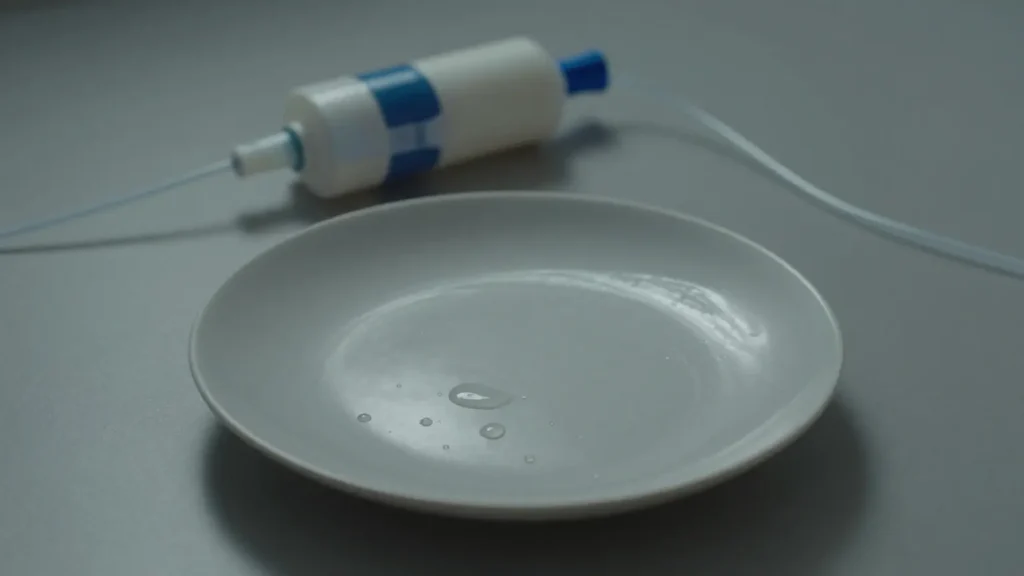
The KE diet, also known as the feeding tube diet, is a highly controversial method that promises rapid weight loss through an extreme approach involving liquid nutrition via a nasal feeding tube. This unique and radical dietary intervention has sparked intense debate within both medical circles and among those seeking quick fixes for their weight concerns. Introduced by Oliver Di Pietro in 2011, the KE diet involves consuming only a specialized formula of proteins, fats, and micronutrients through a tube for several days, while completely abstaining from solid food.
One of the most striking aspects of the KE diet is its stark departure from traditional weight loss methods. Instead of gradually adjusting calorie intake or incorporating exercise into one’s routine, this diet opts for an abrupt and severe reduction in caloric consumption down to 800 calories per day. While such extreme measures might seem appealing to those desperate for quick results, they raise serious questions about safety and long-term health outcomes.
The KE diet’s proponents argue that its effectiveness lies in the dramatic drop in calorie intake, which theoretically leads to rapid fat loss without losing muscle mass. However, this claim sits uncomfortably alongside medical advice that stresses the importance of a balanced diet and gradual weight management for sustained health benefits. The stark contrast between these two approaches sets up a compelling narrative about the risks versus rewards of such extreme diets.
Furthermore, while enteral feeding is indeed used in medical settings to support individuals who cannot consume food normally due to illness or injury, it is meticulously tailored to individual needs and closely monitored by healthcare professionals. This kind of personalized care contrasts sharply with the one-size-fits-all approach promoted by the KE diet. The risks associated with unsupervised use of feeding tubes are considerable, including serious complications such as pulmonary aspiration (inhaling food or liquid into the lungs), infections, and significant muscle loss.
As we delve deeper into understanding why medical professionals strongly advise against the KE diet, it becomes clear that its allure lies in its promise of dramatic changes without the need for lifestyle adjustments. However, this promise comes with a hefty price tag – potential health risks and the possibility of exacerbating existing eating disorders or causing new ones to develop.
The question remains: Is the KE diet worth the gamble when safer alternatives exist? This article aims to explore not just the immediate effects but also the long-term implications of choosing such an extreme path towards weight loss. By examining both sides of the debate, we can better understand why experts overwhelmingly recommend against embracing this radical approach.
How Does the KE Diet Work?
The KE diet involves consuming only an 800-calorie mixture through a nasal feeding tube for several days, restricting solid food intake entirely. Here’s how it works in detail:
- Tube Insertion: The process begins by inserting a thin tube into the nose, which travels down to either the stomach or intestines. This is attached to a portable pump that continuously delivers the liquid meal replacement.
- Liquid Meal Replacement: The mixture provided through the feeding tube contains proteins, fats, and essential micronutrients designed to mimic normal nutritional needs but drastically reduced in calorie count.
- Strict Guidelines: While on the KE diet, individuals are strictly prohibited from consuming solid food. Only water, sugar-free tea, or coffee is allowed as additional fluids beyond the liquid meal replacement.
Despite its promise of rapid weight loss, this method carries significant health risks and lacks long-term efficacy studies supporting its use for sustained weight management.
Did you know that inserting a nasal feeding tube improperly can lead to serious complications such as pulmonary aspiration, where stomach contents enter the lungs? This highlights the critical need for medical supervision when considering invasive methods like the KE diet.
Is the KE Diet Effective for Long-Term Weight Loss?
The KE diet promises significant weight loss in a short period by consuming only an 800-calorie mixture through a nasal feeding tube, but its effectiveness for long-term weight maintenance is questionable. Critics argue that rapid weight loss does not equate to sustainable results and often fails to address underlying issues related to nutrition and lifestyle.
One major issue with the KE diet’s approach is the lack of scientific evidence supporting its long-term benefits. Unlike medically supervised enteral feeding used for patients who cannot eat normally, the KE diet lacks rigorous studies validating its safety and efficacy over extended periods. This means that while participants may see quick results, sustaining these outcomes without a balanced nutritional plan and healthy habits is challenging.
Moreover, the sudden drop in calorie intake can lead to significant muscle loss due to insufficient protein consumption. Muscle mass plays a crucial role in metabolism; losing it makes long-term weight maintenance difficult as lower metabolic rates slow down fat burning processes. This highlights the importance of maintaining muscle through adequate protein intake during any dieting process.
Finally, the psychological impact of such restrictive diets must be considered. Extreme measures like the KE diet can trigger or exacerbate disordered eating patterns, making future adherence to healthier dietary practices problematic. Sustainable weight loss strategies that focus on gradual changes and balanced nutrition are more likely to yield lasting results without the risks associated with extreme methods.
Studies show that individuals who adopt lifestyle changes focusing on moderate exercise and a nutritious diet tend to maintain their weight loss better over time compared to those following restrictive diets like the KE diet. This underscores the importance of sustainable practices in achieving long-term success.
Side Effects and Risks of Using the KE Diet
The KE diet presents significant health risks due to its extreme nature, making it unsuitable for most individuals seeking to lose weight. This diet involves consuming only 800 calories daily through a nasal feeding tube, forbidding solid food intake entirely.
One major risk is pulmonary aspiration, where stomach contents can be inhaled into the lungs, potentially leading to severe infections like pneumonia. The process of inserting and maintaining a feeding tube also increases the likelihood of infections and mechanical issues. Infections arising from improper insertion or maintenance practices are another critical concern, highlighting the necessity for sterile conditions and professional supervision.
Moreover, inadequate protein intake due to the calorie restriction can result in significant muscle loss. This not only impacts physical strength but can also compromise overall health by affecting metabolic functions and immune responses. The diet’s severe limitations on food types mean that essential nutrients necessary for muscle preservation are often insufficiently provided.
Beyond physical risks, the KE diet raises serious psychological concerns as well. Extreme dietary restrictions can trigger or exacerbate eating disorders in individuals who already struggle with body image issues or disordered eating patterns. This aspect underscores the importance of considering mental health alongside physical health when pursuing weight loss goals.
These risks and potential complications highlight why the KE diet should be approached with extreme caution, if at all. It diverges from well-established medical practices for enteral feeding which emphasize personalized care under close supervision to prevent such issues. Health experts recommend safer, more sustainable methods that prioritize balanced nutrition and gradual lifestyle changes for effective long-term weight management.
The human body typically requires a minimum of 20 essential nutrients daily to function optimally. These include vitamins, minerals, proteins, fats, and carbohydrates. The KE diet’s restrictive nature often fails to provide sufficient variety of these essential nutrients, potentially leading to severe health deficiencies over time.
When to Avoid the KE Diet
The KE diet should be avoided in several situations due to the significant health risks it poses. Here are some key scenarios when this extreme method is not recommended:
- Pre-Existing Medical Conditions: If you have any pre-existing medical conditions, especially those affecting your digestive system or lungs, using a feeding tube could lead to severe complications such as infections and pulmonary aspiration.
- Lack of Supervision: The KE diet requires constant monitoring by trained medical staff who can handle emergencies effectively. Attempting the diet at home without proper oversight increases the risk of serious health issues.
- Unproven Long-Term Benefits: There is insufficient evidence to support long-term weight maintenance through this method. Rapid weight loss does not guarantee sustained results or overall health improvement, making it less effective compared to more sustainable dietary strategies.
- Psychological Impact: Extreme diets like the KE diet can exacerbate eating disorders and unhealthy relationships with food. Individuals struggling with mental health issues related to body image or disordered eating patterns should avoid such restrictive practices.
Did you know that some people have tried the KE diet despite warnings because of the appeal of quick results and the elimination of food-related decision-making? However, this extreme method poses significant health risks with little evidence of long-term benefits.
Why Do Some People Try the KE Diet Anyway?
Some people try the KE diet due to several compelling yet risky reasons:
- Rapid Weight Loss Promise: The primary allure is achieving significant weight loss in an extremely short period. Individuals looking for immediate changes in their body composition might be drawn to this method because it promises quick results, even if those results come from a highly unconventional and invasive process.
- Lack of Hunger Pangs: By consuming nutrition through a feeding tube, the KE diet eliminates the struggle with hunger and food cravings entirely. This appeal can be particularly strong for individuals who find traditional diets too challenging due to constant temptation and difficulty resisting solid foods.
- Media Influence: The novelty and extreme nature of the KE diet captured media attention, generating curiosity and excitement around this unconventional approach to weight loss. Media coverage often highlights dramatic before-and-after stories or unique methods, which can be appealing to those seeking a different route from conventional diets.
Despite these reasons, the severe risks associated with the KE diet far outweigh its potential benefits:
- Health Complications: The process of inserting and maintaining a feeding tube carries significant medical risks such as infections and pulmonary aspiration (inhaling food particles into the lungs), which can be life-threatening.
- Lack of Long-Term Benefits: There is little evidence to suggest that this method leads to sustainable weight loss or improved health outcomes in the long run. The rapid initial results may obscure underlying issues related to dieting behavior, such as developing disordered eating patterns.
In summary, while the promise of quick and dramatic weight loss might be enticing, the dangers and questionable effectiveness of the KE diet make it a risky choice compared to more established and healthier approaches like balanced nutrition and regular exercise.
Criticism from Medical Experts: Is the KE Diet Worth It?
Medical experts widely criticize the KE diet for its extreme nature and potential health risks. The diet involves consuming only 800 calories daily through a nasal feeding tube, strictly prohibiting solid food intake while allowing only water, sugar-free tea, or coffee. This process poses serious medical risks such as pulmonary aspiration, infections, muscle loss, and eating disorders.
Critics argue that the KE diet diverges significantly from standard medical practices for enteral feeding, which are designed to provide essential nutrients to patients who cannot eat normally due to illness or injury. Medical professionals emphasize that enteral nutrition requires close monitoring and adjustment based on individual health needs to prevent complications like infections and refeeding syndrome.
Moreover, the KE diet lacks robust evidence supporting its long-term weight maintenance benefits. This contrasts sharply with more conventional dietary approaches such as balanced nutrition and regular exercise, which are supported by extensive research demonstrating their safety and effectiveness in promoting sustainable weight loss.
Health Risks Highlighted by Medical Experts
- Pulmonary Aspiration: The risk of food or liquid entering the lungs through improper tube placement.
- Infections: Complications from frequent tube insertion and removal without proper hygiene practices.
- Muscle Loss: Severe calorie restriction can lead to significant muscle tissue breakdown due to inadequate protein intake.
- Eating Disorders: Potential mental health issues related to restrictive eating patterns.
Comparison with Medical Enteral Feeding
Unlike the KE diet, enteral feeding in medical settings is carefully tailored to individual nutritional needs and monitored continuously. Healthcare providers adjust nutrient formulas based on patient feedback and recovery progress, minimizing risks such as infections or refeeding syndrome.
Unproven Long-Term Effectiveness
The rapid weight loss promise of the KE diet has drawn media attention but lacks substantial evidence for long-term sustainability and health benefits. Medical experts recommend against using it due to its severe health risks compared to more established dietary strategies that prioritize gradual, sustainable changes in eating habits and physical activity.
In conclusion, while the allure of quick results might tempt individuals seeking rapid weight loss, the significant health hazards associated with the KE diet underscore why it is not a recommended approach for achieving long-term weight management goals.
The Media’s Role in Popularizing the KE Diet
The KE diet’s brief moment in the spotlight was largely due to media coverage that emphasized its potential for rapid results. Media outlets often focus on extreme diets because they attract significant attention from readers seeking quick fixes to their health concerns. This fascination can overshadow important discussions about the risks and long-term impacts of such radical weight loss methods.
Journalists sometimes highlight stories like the KE diet without providing a balanced view or comprehensive information about alternative, evidence-based approaches to weight management. Sensationalized coverage might lead some individuals to believe that the KE diet is an accessible option for rapid weight loss. However, this portrayal often lacks context regarding potential health hazards and expert opinions on long-term efficacy.
The media’s role in shaping public perception of diet trends is complex. While they can raise awareness about new methods, there’s a responsibility to provide accurate information alongside potential risks. Ensuring that individuals are well-informed before making decisions about their health is crucial for preventing harm from unproven and potentially dangerous diets like the KE diet.
Did you know that media coverage of extreme diets often peaks during times when health trends are at their most provocative, which can influence public opinion regardless of scientific backing or expert advice?
Comparing the KE Diet with Other Enteral Feeding Methods
The KE diet involves consuming an 800-calorie mixture through a nasal feeding tube for rapid weight loss. In contrast, enteral feeding in medical settings is designed to provide essential nutrients to patients who cannot eat normally due to illness or injury. The differences are stark:
Purpose and Monitoring:
- KE Diet: Focuses on quick weight loss with minimal food intake.
- Medical Enteral Feeding: Aims to meet nutritional needs for recovery, closely monitored by healthcare professionals.
Risks Involved:
- KE Diet: Severe risks include pulmonary aspiration and infections from improper tube insertion.
- Medical Enteral Feeding: Minimizes these risks through stringent hygiene practices and regular assessments by medical staff.
Long-Term Viability:
- KE Diet: Long-term effectiveness has not been substantiated, with significant health risks.
- Medical Enteral Feeding: Supported by extensive research showing efficacy in maintaining or improving patient health during recovery phases. These methods often include personalized nutrient plans tailored to individual needs.
Enteral feeding through tubes is a well-established medical practice that requires careful planning and ongoing evaluation to ensure it meets the patient’s specific nutritional requirements without causing harm. The KE diet’s approach diverges significantly from this medically sound framework by focusing on extreme weight loss without adequate scientific backing or healthcare oversight.
Unlike typical enteral feeding used in hospitals, the KE diet does not involve a multidisciplinary team of nutritionists and medical professionals who work together to tailor an individual’s nutrient intake for recovery. Instead, it relies solely on self-administered liquid meals through a homemade setup, which can lead to serious complications if not managed properly.
By comparing these methods, it becomes clear that the KE diet lacks the rigorous safety measures and scientific validation needed to be considered safe or effective for long-term weight loss.
Alternative Approaches for Long-Term Weight Loss
Instead of resorting to extreme measures like the KE diet, individuals seeking long-term weight loss can benefit from safer and evidence-backed strategies that focus on gradual change. These approaches prioritize balanced nutrition, regular exercise, and sustainable lifestyle modifications.
- Balanced Diet: Incorporating a variety of whole foods such as fruits, vegetables, lean proteins, and healthy fats is key to maintaining nutritional balance while managing calorie intake effectively. This ensures you receive all necessary nutrients without overloading on empty calories.
- Regular Exercise: Combining cardiovascular activities like jogging or swimming with strength training helps build muscle mass, which increases your metabolism and aids in long-term fat loss.
- Mindful Eating: Paying attention to hunger cues and eating slowly can help prevent overeating and improve digestion. It’s about listening to your body rather than following strict dietary rules that may be difficult to maintain.
- Cheat Meals Within Moderation: Allowing occasional treats helps maintain a healthy relationship with food without derailing overall progress. Knowing it’s okay to indulge in moderation keeps the diet realistic and sustainable.
- Support Systems: Engaging with supportive communities, whether online or offline, provides motivation, accountability, and encouragement throughout your weight loss journey. Sharing experiences and tips can also help you stay on track.
These strategies not only promote healthy weight loss but also improve overall well-being by fostering a positive relationship with food and exercise. They emphasize gradual changes that are easier to maintain over time compared to the drastic measures of extreme diets like the KE diet.
Did you know that engaging in regular physical activity can boost your metabolism even after you stop exercising? Activities such as weight lifting or cardio sessions help increase muscle mass, which burns more calories at rest than fat does. This is why incorporating both types of exercise into your routine can be particularly effective for long-term weight management.
Summary: The Risks and Realities of the KE Diet
The KE diet, also known as the feeding tube diet, is an extreme method for rapid weight loss that has garnered significant controversy due to its severe health risks. Introduced by Oliver Di Pietro in 2011, this diet involves consuming only 800 calories daily through a nasal feeding tube for several days. During this period, individuals are not allowed to eat solid foods and can only drink water, sugar-free tea, or coffee.
Key Risks of the KE Diet
- Pulmonary Aspiration: The risk of food or liquids entering the lungs during tube insertion.
- Infections: Increased likelihood of infections due to repeated tube insertions and removals.
- Muscle Loss: Severe calorie restriction can lead to significant muscle tissue breakdown.
- Eating Disorders: Potential psychological impact, exacerbating body image issues and disordered eating patterns.
Comparison with Medical Enteral Feeding
While enteral feeding through tubes is a standard medical practice used for patients who cannot eat normally due to illness or injury, the KE diet diverges significantly from this context. Medical enteral feeding involves careful monitoring by healthcare professionals to ensure proper nutrition and prevent complications such as infections and refeeding syndrome.
Lack of Long-Term Efficacy
Critics argue that the KE diet’s long-term effectiveness remains unproven. Unlike more conventional weight management strategies, which emphasize balanced nutrition and sustainable lifestyle changes, the KE diet lacks robust evidence supporting its sustained benefits.
Media Influence on Public Perception
Despite warnings from medical professionals, the KE diet gained brief media attention due to its promise of quick results. However, this focus often overlooks the severe risks associated with such extreme methods and fails to provide a balanced view of safer and more sustainable alternatives for weight loss.
Conclusion: Why the KE Diet is Not Recommended
Given the significant health risks and lack of long-term benefits, medical experts strongly advise against using the KE diet as a method for weight loss. Instead, individuals are encouraged to explore healthier, evidence-based approaches that prioritize balanced nutrition and regular exercise for sustainable results.
Frequently Asked Questions (FAQ)
What is the KE diet?
The KE diet refers to a form of enteral feeding that uses ketone esters as its primary source of nutrition. It involves consuming liquid formulas high in fat and low in carbohydrates, aiming to induce and maintain ketosis.
Is the KE diet safe for everyone?
No, it is not recommended for individuals with certain health conditions like liver or kidney issues because these organs play crucial roles in metabolizing fats and proteins.
Can I try the KE diet if I have diabetes?
Individuals with diabetes should exercise extreme caution and consult a healthcare provider before attempting any form of ketogenic diet, including the KE diet. Blood sugar control is critical when altering your diet significantly.
How does the KE diet compare to other diets in terms of sustainability?
Unlike more balanced eating plans that focus on long-term lifestyle changes, the KE diet’s extreme nature makes it difficult to sustain over extended periods without risking health issues or nutrient deficiencies.
Are there any benefits to using the KE diet for short-term weight loss?
Some people report rapid weight loss when starting the KE diet due to decreased caloric intake and water loss. However, these initial losses are not primarily fat but rather muscle mass and glycogen stores.
What are some alternatives to the KE diet that might be healthier?
Consulting with a nutritionist or dietician to develop an individualized meal plan based on whole foods can provide more sustainable weight loss options while ensuring all necessary nutrients are met.
Can I still exercise while on the KE diet?
Moderate physical activity is generally safe, but high-intensity workouts might be challenging due to limited glycogen stores. It’s advisable to adjust your workout routine and consult with a fitness professional.
How long does it take for the body to adapt to the KE diet?
The initial adaptation period can vary between individuals but usually lasts about 2-4 weeks, during which time many experience flu-like symptoms known as “keto flu.”
What are the signs of electrolyte imbalance on the KE diet and how do I fix them?
Common symptoms include fatigue, dizziness, headaches, muscle cramps. To address this, it’s crucial to consume adequate amounts of sodium, potassium, magnesium, and calcium.
Is there a difference between enteral feeding methods like the KE diet versus others such as liquid meal replacements?
While both methods provide nutrition in liquid form, the KE diet specifically focuses on ketone esters for rapid weight loss, whereas other meal replacement formulas may offer more balanced nutritional profiles.