Introduction: What Is Intermittent Fasting (IF)?

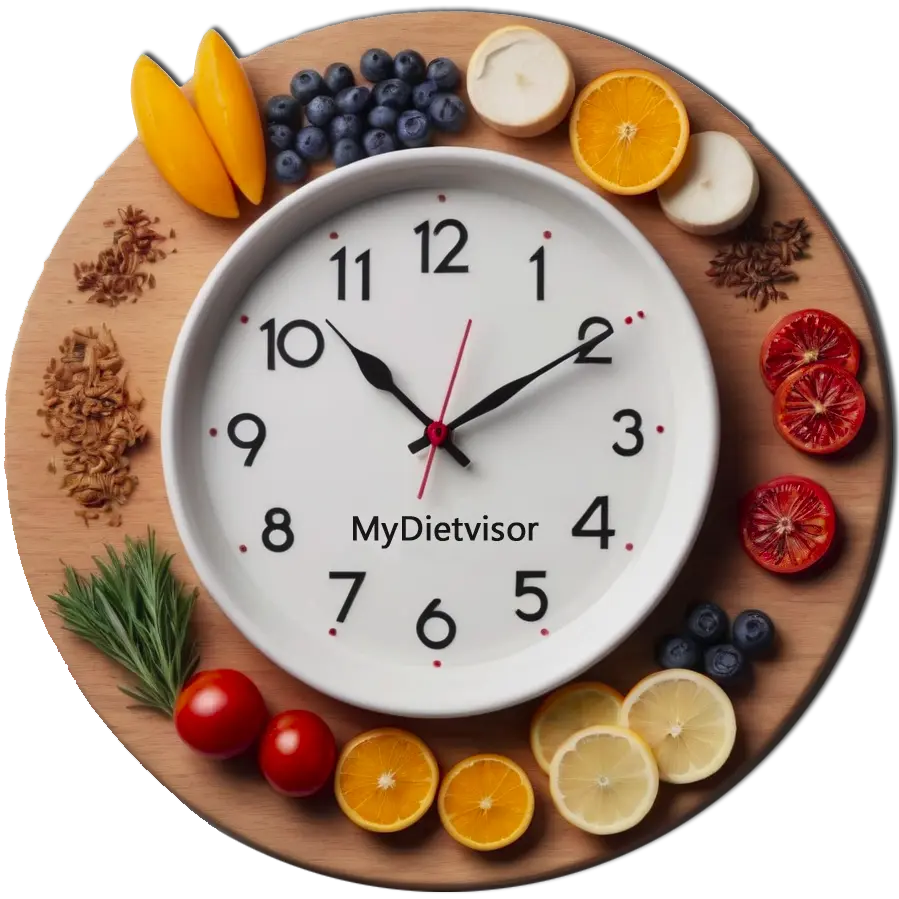
Intermittent fasting (IF) is a buzzworthy dietary approach that has taken the wellness world by storm. At its core, IF isn’t about what you eat but rather when you eat. By alternating between periods of eating and fasting, this practice taps into your body’s natural rhythms to enhance health and promote weight loss. Imagine giving your digestive system a rest, allowing it to focus on other vital functions like cellular repair and hormone regulation.
The concept might seem radical if you’re used to grazing throughout the day, but many have found IF to be surprisingly manageable and effective. It’s not just about cutting calories; it’s about optimizing how your body uses food for energy and health benefits. Think of it as a reset button for your metabolism – a way to break free from constant snacking and give your system a chance to detoxify and rejuvenate.
IF comes in various forms, each tailored to fit different lifestyles and preferences. For instance, you might choose to eat during an 8-hour window each day or opt for fasting every other day. These methods offer flexibility while still delivering the core benefits of IF: improved metabolic health, weight loss, and possibly even cognitive boosts.
But why now? Why has intermittent fasting captured so much attention in recent years? It turns out that the idea isn’t new at all; many cultures have been practicing forms of fasting for centuries. From religious observances to medical treatments, fasting has a rich history steeped in tradition and science alike. Today’s renewed interest might stem from a collective desire to find simpler, more sustainable ways to improve health without restrictive diets.
As you delve deeper into the world of IF, you’ll uncover not just how it works but why millions are embracing it as part of their daily routines. So, whether you’re curious about its potential benefits or simply looking for fresh ideas to support your wellness journey, intermittent fasting promises a fascinating exploration into the art and science of eating smarter – not necessarily less.
History of Intermittent Fasting
The practice of intermittent fasting has deep roots that stretch back through history, intertwining with both religious practices and medical theories. Ancient cultures around the world have embraced fasting as a way to cleanse the body, sharpen the mind, and connect spiritually. For instance, in Hinduism, Ramadan, observed by Muslims worldwide, involves abstaining from food, drink, and other physical needs during daylight hours for an entire month. Similarly, Jews practice Yom Kippur, a day of fasting and repentance. These religious traditions have long recognized the health benefits of occasional abstinence from food.
Beyond religion, medical pioneers in the early 1900s began exploring fasting as a treatment for various ailments, including obesity. Dr. Edward Hooker Reynolds first introduced therapeutic intermittent fasts for weight loss and metabolic syndrome in 1904. His work laid the groundwork for further studies on the benefits of periodic food deprivation. The interest in fasting waned until the mid-20th century when researchers like Dr. Alan Cottrell revisited its potential health benefits, leading to a resurgence of scientific inquiry.
Today’s fascination with intermittent fasting owes much to modern research highlighting its physiological impacts. As scientists continue to uncover how fasting influences hormone levels and cellular processes, more people are adopting these ancient practices for contemporary wellness goals. This blend of historical wisdom and cutting-edge science makes IF an intriguing option in today’s health-conscious world.
Intermittent fasting is not just a modern trend; it has been practiced by cultures across the globe for thousands of years as part of both spiritual observances and therapeutic regimens.
Types of Intermittent Fasting Methods
Intermittent fasting offers a variety of methods that cater to different lifestyles and preferences. Each type aims to balance flexibility with the core benefits of fasting – improving metabolic health, promoting weight loss, and enhancing overall well-being.
Time-Restricted Eating (TRE) is one of the most popular methods. It involves limiting your eating window to a specific number of hours each day, typically between 8-12 hours. For instance, someone following a TRE schedule might consume all their meals within an 8-hour period, such as from noon until 8 PM. This approach allows for daily fasting periods that are manageable and easy to maintain without drastically altering your routine.
One-Meal-a-Day (OMAD) Fasting, on the other hand, takes restriction further by condensing your entire day’s caloric intake into a single meal within an hour’s timeframe. The rest of the day involves no food consumption whatsoever. This method can be challenging but might offer more significant metabolic benefits due to extended fasting periods. However, it requires careful planning and nutritional awareness to ensure you’re meeting all daily requirements in that one meal.
Alternate-Day Fasting (ADF) is another approach where you alternate between days of very low calorie intake or fasting entirely and normal eating patterns. For example, you might consume only 500 calories on fasting days followed by unrestricted eating the next day. This method can be particularly effective for weight loss but requires strict adherence to both high-calorie and low-calorie days.
The 5:2 Diet is a variation of ADF that involves reducing caloric intake significantly on two non-consecutive days each week, while eating normally (within healthy limits) during the other five days. For example, you might eat 600-800 calories for women and 800-1000 calories for men on fasting days. This flexibility makes it easier to maintain over the long term compared to stricter fasting methods.
Each of these methods has its unique benefits and challenges. The key is finding a system that works best with your lifestyle and goals, whether you’re looking to lose weight or improve metabolic health. For instance, someone with a busy work schedule might find TRE more practical than OMAD due to the shorter fasting period required each day.
Choosing the right type of intermittent fasting can be as individualized as choosing what to eat on non-fasting days. It’s worth experimenting with different methods to see which one feels most sustainable and enjoyable for you. By understanding these varied approaches, you can make an informed decision that aligns with your health objectives and daily habits.
The 5:2 Diet gained significant popularity after a BBC documentary showcased its effectiveness in weight loss and overall wellness, sparking widespread interest among the general public and diet enthusiasts alike.
Which of these fasting methods have you tried? Share your experience or insights on how intermittent fasting has impacted your life!
Recommended Food Groups for IF
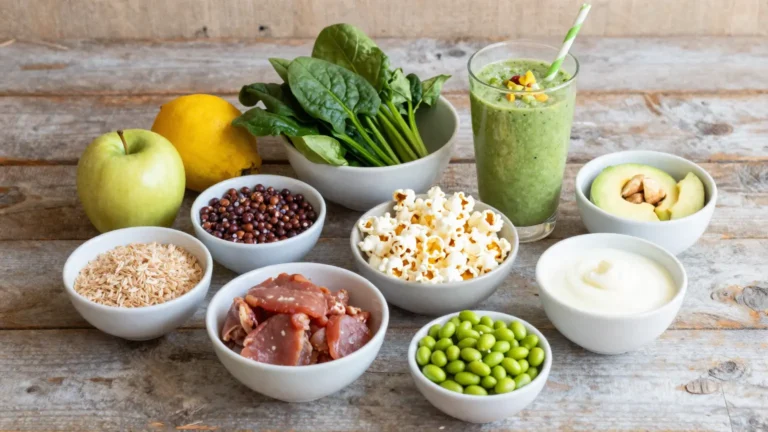
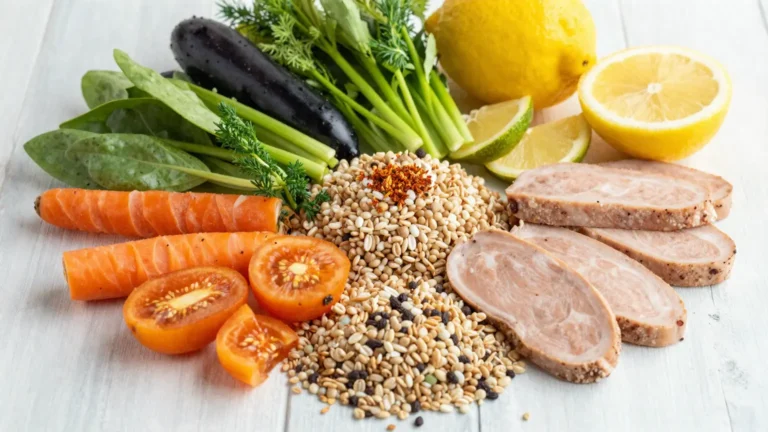
When it comes to intermittent fasting (IF), what you eat during your feeding window is just as important as when you eat. Incorporating the right food groups can enhance the benefits of fasting by providing sustained energy, supporting hormonal balance, and promoting satiety without compromising on nutrition.
Protein-Rich Foods: Eating adequate protein during IF is crucial for muscle maintenance and repair. Lean meats like chicken breast or turkey, fish such as salmon or tilapia, eggs, dairy products, legumes, and plant-based proteins like tofu are excellent choices. Protein-rich foods also help regulate appetite hormones, keeping you feeling full longer.
Healthy Fats: Including healthy fats in your diet can aid in weight loss by increasing satiety and metabolism. Avocados, nuts (almonds, walnuts), seeds (chia, flaxseeds), olive oil, and coconut oil are beneficial options. These fats provide essential fatty acids that support heart health and help stabilize blood sugar levels.
Complex Carbohydrates: Opt for complex carbohydrates like whole grains, vegetables, fruits, and legumes over refined sugars and simple carbs. Whole grain bread, brown rice, quinoa, sweet potatoes, and oats are great sources of sustained energy without causing spikes in blood glucose levels.
| Type of Food | Benefits |
|---|---|
| Protein | Muscle repair, satiety |
| Healthy Fats | Metabolism boost, heart health |
| Complex Carbs | Sustained energy, blood sugar stabilization |
Incorporating these food groups not only supports your fasting goals but also ensures a balanced intake of essential nutrients. Remember to stay hydrated and consider adding green tea or lemon water as refreshing alternatives to sugary drinks.
Choosing the right foods can make all the difference in how you feel during your fasting periods and how effective intermittent fasting is for your overall health and weight loss journey.
How have you found incorporating these food groups into your intermittent fasting routine? Share any tips or recipes that work well for you!
Forbidden or Limited Foods During IF
While intermittent fasting allows flexibility in your eating window, certain foods should be approached with caution due to their impact on your body’s response to fasting. Processed sugars are a prime example; they can disrupt your blood sugar levels and lead to cravings during fasting periods. When you do eat, opt for natural sweeteners like honey or maple syrup instead of artificial ones.
Additionally, highly processed foods such as fast food, chips, and sugary snacks should be limited. These items are often high in unhealthy fats, sugars, and preservatives that can negate the benefits of fasting by causing inflammation and slowing down your metabolism. Instead, focus on whole foods like fruits, vegetables, lean proteins, and healthy fats to nourish your body during your feeding window.
Alcohol consumption should also be moderated while intermittent fasting. While a glass of wine might seem harmless, alcohol can interfere with the metabolic processes initiated by fasting, potentially leading to weight gain and other health issues. It’s best to limit or avoid drinking on fasting days to maximize benefits.
By steering clear of these foods, you’ll support your body’s natural detoxification process and ensure that each meal contributes positively to your overall wellness goals during intermittent fasting.
Do you find it challenging to resist processed snacks while fasting? Share any strategies or tips you use to stay on track with healthier choices!
Nutritional Benefits of Intermittent Fasting
Intermittent fasting (IF) offers a range of nutritional benefits that go beyond simple calorie reduction. One key advantage is the metabolic flexibility it fosters in your body. When you fast, your system shifts from relying on glucose for energy to utilizing stored fats and ketones, enhancing its ability to adapt between different fuel sources. This metabolic switching can improve insulin sensitivity, making it easier for your cells to absorb glucose efficiently.
Moreover, intermittent fasting promotes weight loss by naturally reducing overall calorie intake without the need for conscious dietary restrictions. By compressing your eating window, you’re less likely to overindulge or snack mindlessly throughout the day, leading to a decrease in total caloric consumption and an increase in fat burning. Studies have shown that this reduction in calories can result in significant weight loss while also improving metabolic health markers.
Fasting periods help reduce inflammation within your body. Chronic low-grade inflammation is linked to numerous diseases, including heart disease, diabetes, and certain cancers. By cycling through fasting and feeding phases, you give your immune system a chance to reset and lower inflammatory responses. This anti-inflammatory effect can contribute to better overall health and longevity.
Intermittent fasting also supports cellular repair processes. During fasting periods, the body initiates autophagy, which is the process of breaking down old or damaged cells to make way for new ones. Autophagy helps eliminate harmful substances from your cells, potentially lowering the risk of cancer and other diseases associated with cellular dysfunction.
In addition to these benefits, IF can positively impact hormone levels. Fasting has been shown to boost human growth hormone (HGH) levels, which can enhance muscle growth, reduce fat mass, and improve overall health in individuals of all ages. Moreover, lower insulin levels during fasting periods promote better glucose regulation and energy balance.
The nutritional benefits of intermittent fasting are vast and varied, making it an attractive option for those looking to optimize their health through dietary changes. By combining the right food choices with strategic fasting windows, you can maximize these advantages and achieve your wellness goals more effectively.
Have you noticed any improvements in your energy levels or overall mood while practicing IF? Share your experiences in the comments below!
Drawbacks and Risks Associated with Intermittent Fasting
Intermittent fasting (IF) isn’t without its challenges. While many people experience positive outcomes from incorporating IF into their lifestyle, it’s essential to be aware of potential drawbacks and risks.
Hunger and Cravings: One common issue is the intense hunger and cravings that can occur during extended fasting periods. These feelings might disrupt daily routines or lead to overeating when you finally break your fast. It’s crucial to listen to your body and adjust your fasting windows accordingly, finding a balance that prevents excessive hunger without compromising the benefits of IF.
Nutritional Deficiencies: If not carefully planned, intermittent fasting can lead to inadequate intake of essential nutrients. Skipping meals or limiting food intake over extended periods might result in deficiencies in vitamins, minerals, and other vital micronutrients. Ensuring a balanced diet during your feeding window is crucial to avoid these pitfalls. Consulting with a nutritionist can provide personalized guidance on maintaining nutritional balance while fasting.
Metabolic Changes: While intermittent fasting can improve metabolic flexibility, it may also cause temporary changes that aren’t ideal for everyone. Some individuals might experience slower metabolism or decreased energy levels initially as their bodies adapt to the new eating pattern. This effect is often transient but can be uncomfortable and demotivating during the adjustment phase.
Impact on Mental Health: There’s a growing awareness of how fasting can affect mental well-being. For some, IF might lead to feelings of anxiety, irritability, or depression, especially if there are underlying issues with disordered eating patterns. It’s important to pay attention to your emotional responses and seek professional advice if you notice any negative impacts on your mental health.
Physical Health Concerns: Certain physical conditions can be exacerbated by fasting. For example, people with a history of eating disorders or those who have experienced significant weight fluctuations may find IF triggering or harmful. Additionally, pregnant women, nursing mothers, adolescents, and individuals with specific medical conditions like diabetes should avoid IF without consulting their healthcare provider first.
Social Challenges: Adopting an intermittent fasting regimen can sometimes make social situations challenging. Dine-outs or gatherings that revolve around food might become awkward when you’re in a fasting phase. Being mindful of these occasions and planning ahead, such as eating beforehand or bringing your own meal, can help mitigate the discomfort.
Have you encountered any challenges while practicing intermittent fasting? Share your experiences and tips on how you navigated them!
Sample Meal Plan for Beginners in IF
For beginners stepping into intermittent fasting (IF), crafting a meal plan that aligns with your chosen method can make the transition smoother. Here’s a simple guide tailored specifically for those starting out with Time-Restricted Eating (TRE) on an 8-hour feeding window.
Imagine you choose to eat between noon and 8 PM, allowing for a 16-hour fast each day. Your meals should be balanced and nutrient-dense to sustain energy levels throughout your fasting period without causing excessive hunger during the off-hours.
Lunch (Noon):
- Grilled Chicken Salad: A large salad with grilled chicken breast, mixed greens, cherry tomatoes, cucumbers, shredded carrots, avocado slices, and a drizzle of olive oil and balsamic vinegar. This meal is rich in protein, healthy fats, and complex carbohydrates.
Snack (3 PM):
- Greek Yogurt Parfait: Layer Greek yogurt with fresh berries and a sprinkle of granola for a balanced snack that provides both protein and fiber.
Dinner (8 PM):
- Baked Salmon with Quinoa and Steamed Broccoli: A complete meal including lean protein, whole grains, and non-starchy vegetables. Season the salmon with lemon juice and herbs before baking it to perfection. Serve alongside steamed broccoli for a satisfying dose of vitamins and minerals.
Tips for Success
Plan Ahead:
Prepare your meals in advance to avoid last-minute decisions that might lead to less nutritious choices or overeating due to stress about what to eat.
Stay Hydrated:
Drink plenty of water throughout the day, especially during fasting periods. Sometimes thirst can be mistaken for hunger, so staying hydrated helps manage this confusion and keeps you energized without feeling deprived.
Listen to Your Body:
Pay attention to your body’s signals but also understand that some level of hunger is normal when you’re starting out with IF. If hunger feels overwhelming, consider adjusting the timing or duration of your fasting window slightly until it becomes more manageable.
Mindful Eating:
During your eating windows, focus on enjoying each bite without distractions like TV or smartphones. This mindful approach helps improve digestion and makes you feel more satisfied after meals.
Experiment with Variations:
Don’t hesitate to try different foods within your chosen meal plans to find out what works best for you in terms of energy levels and satisfaction. The beauty of IF is its flexibility, so explore various combinations that meet both your nutritional needs and taste preferences.
Have you found a specific meal plan or food combination particularly effective during intermittent fasting? Share your experience with others who might be starting their journey!
How Does Intermittent Fasting Compare to Other Diets?
Intermittent fasting (IF) stands out among various dietary approaches due to its unique approach of focusing on when you eat rather than what or how much. This sets it apart from traditional diets that often emphasize calorie counting and restrictive food choices. To understand IF’s place in the world of weight loss and health improvement, let’s compare it with some popular diet trends.
Calorie Counting Diets:
Calorie counting involves meticulously tracking every single calorie you consume to ensure a daily caloric deficit necessary for weight loss. While effective, these diets can be time-consuming and mentally draining. They often lead to restrictive eating patterns that might not be sustainable long-term. In contrast, intermittent fasting allows flexibility in food choices while naturally reducing overall calorie intake due to the compressed feeding window.
| Feature | Intermittent Fasting (IF) | Calorie Counting Diets |
|---|---|---|
| Focus | Timing of meals | Quantity and type of food consumed |
| Flexibility | High, allows for varied food choices | Low, strict adherence to caloric limits |
| Sustainability | Potentially higher due to ease | Often difficult to maintain long-term |
Ketogenic Diet:
The ketogenic diet is a high-fat, low-carb eating plan designed to force the body into ketosis. This metabolic state primarily burns fat for fuel instead of glucose. While it can lead to rapid weight loss and improve blood sugar levels, adhering strictly to keto may be challenging due to its restrictive nature regarding food choices.
Intermittent Fasting vs Keto:
Unlike keto, IF doesn’t dictate the type or quantity of food you should eat; instead, it focuses on when meals are consumed. This makes IF potentially easier to follow for many people since it doesn’t require constant monitoring of macronutrient intake.
| Feature | Intermittent Fasting (IF) | Ketogenic Diet |
|---|---|---|
| Focus | Timing of meals | Types and proportions of food |
| Flexibility | High, varies widely in food choices | Low, very specific macronutrient ratios |
| Sustainability | Potentially higher due to less restriction | Often difficult due to strict rules |
Mediterranean Diet:
The Mediterranean diet emphasizes whole foods such as fruits, vegetables, legumes, nuts, fish, and healthy fats like olive oil. It promotes heart health and overall well-being through balanced nutrition without extreme measures.
Intermittent Fasting vs Mediterranean Diet:
Both diets aim for healthier eating habits but approach it differently. The Mediterranean diet focuses on what to eat rather than when, making it ideal for those who prefer a consistent daily meal pattern.
| Feature | Intermittent Fasting (IF) | Mediterranean Diet |
|---|---|---|
| Focus | Timing of meals | Types and proportions of food |
| Flexibility | High, allows flexibility in eating patterns | Moderate, focuses on balanced nutrition |
| Sustainability | Potentially higher for those who prefer fasting windows | Higher for consistent daily meal plans |
Intermittent Fasting vs Vegan Diet:
The vegan diet excludes all animal products and is often chosen for ethical or health reasons. It emphasizes plant-based foods that are typically high in fiber, vitamins, and minerals.
| Feature | Intermittent Fasting (IF) | Vegan Diet |
|---|---|---|
| Focus | Timing of meals | Types of food consumed |
| Flexibility | High, varied meal choices within window | Moderate, strict exclusion of animal products |
| Sustainability | Potentially higher due to fewer restrictions | Often difficult for those who need variety in diet |
Understanding these comparisons can help you choose the dietary approach that best aligns with your lifestyle and health goals. Whether you’re looking for a simpler way to manage calories or prefer focusing on specific food types, intermittent fasting offers a unique yet flexible path towards improved well-being.
Have you considered trying a combination of IF with another diet like keto or Mediterranean? Share any thoughts or experiences in the comments below!
Alternative or Similar Diets to Intermittent Fasting
When considering intermittent fasting (IF), it’s useful to explore other dietary approaches that share similar principles or goals. Understanding these alternatives can help you make an informed decision about which method best suits your lifestyle and health objectives.
Detox Diets:
Detox diets often involve periods of fasting or near-fasting followed by a focus on organic, whole foods to cleanse the body of toxins. While they may overlap with IF in terms of reduced calorie intake during certain phases, detox diets typically include specific food lists that you must adhere to strictly for a set period. Unlike IF, which offers more flexibility in meal choices within your eating window, detox diets can be quite restrictive and less sustainable long-term.
Juice Cleanses:
Juice cleanses are another form of short-term fasting where individuals consume only fresh juices or smoothies for several days. This approach aims to provide a high concentration of nutrients while eliminating solid foods. Juice cleanses offer rapid weight loss due to severe calorie restriction but can be challenging to maintain and may lack essential nutrients found in whole foods.
| Feature | Intermittent Fasting (IF) | Detox Diets | Juice Cleanses |
|---|---|---|---|
| Focus | Timing of meals | Specific food lists | Only juices and smoothies |
| Flexibility | High, varied meal choices within window | Low, strict adherence to specific foods | Very low, only liquid intake |
| Sustainability | Potentially higher due to fewer restrictions | Often difficult due to strict rules | Difficult long-term due to lack of variety |
Periodic Fasting:
This includes methods like the 5:2 diet or alternate-day fasting (ADF), which involve extended periods without food followed by normal eating patterns. While similar to IF in terms of cycling between fasting and feeding phases, periodic fasting tends to be more rigid regarding caloric intake on fasting days compared to flexible meal timing in IF.
Clean Eating:
The concept of clean eating emphasizes consuming unprocessed, whole foods while avoiding additives, preservatives, and artificial ingredients. Although it does not explicitly involve fasting periods, the focus on high-quality food choices aligns with the nutritional benefits sought by individuals practicing IF. Both approaches prioritize nourishing your body rather than focusing solely on calorie reduction.
| Feature | Intermittent Fasting (IF) | Clean Eating |
|---|---|---|
| Focus | Timing of meals | Types and quality of food consumed |
| Flexibility | High, allows flexibility in eating patterns | Moderate, focuses on clean ingredients |
| Sustainability | Potentially higher due to fewer restrictions | Higher for those who prefer consistent meal plans |
By exploring these alternatives, you can gain a broader perspective on different dietary approaches that might complement or replace IF based on your personal preferences and health goals. Whether you choose to combine elements from multiple methods or stick with one approach, the key is finding what works best for your unique lifestyle.
Have you explored any of these alternative diets alongside intermittent fasting? Share your experiences and insights in the comments below!
Closing Summary: Is Intermittent Fasting Right For You?
Intermittent fasting offers a range of benefits from improved metabolic health to weight loss, but it’s important to consider whether this approach aligns with your personal goals and lifestyle. Whether you choose time-restricted eating, alternate-day fasting, or another method, the key is finding a balance that works for you without causing undue stress or discomfort. By listening to your body and making informed choices, intermittent fasting can be a powerful tool in your wellness journey. However, it’s crucial to consult with healthcare professionals if you have specific health concerns or conditions. With careful consideration and planning, IF can help you achieve better health while respecting your unique needs and preferences.
Frequently Asked Questions (FAQ)
What is the best type of intermittent fasting for beginners?
The 16/8 method, where you fast for 16 hours and eat during an 8-hour window each day, is often recommended for beginners due to its simplicity.
Does intermittent fasting really help with weight loss?
Yes, many people experience weight loss from intermittent fasting because it reduces overall calorie intake. However, results can vary depending on individual factors like diet quality and exercise routine.
Can I drink coffee or tea during my fasting window?
You can enjoy black coffee or herbal teas without compromising your fast. Avoid adding milk, sugar, or other sweeteners that contain calories.
Will intermittent fasting make me hungry all the time?
Initially, you might feel more hunger as your body adjusts to a new eating pattern. However, most people report reduced cravings and better appetite control after a few weeks of consistent fasting.
How do I know if intermittent fasting is safe for my health?
Before starting IF, consult with a healthcare provider, especially if you have underlying medical conditions like diabetes or are pregnant/nursing.
Does intermittent fasting affect muscle mass negatively?
Proper nutrition and resistance training can help preserve muscle mass. However, inadequate protein intake during eating periods may lead to loss of lean body mass over time.
Can I eat whatever I want during my feeding window?
While you have more flexibility during your eating period, choosing nutritious foods will yield better results. Focusing on whole grains, fruits, vegetables, and proteins is advisable.
How often should I weigh myself when doing intermittent fasting?
Weighing yourself once a week at the same time can help track progress without daily fluctuations affecting motivation.
What if I miss my eating window by accident? Can I still lose weight?
Yes, missing an occasional meal won’t negate your weight loss efforts. Focus on consistency and staying within the overall framework of IF rather than perfectionism.
Can intermittent fasting improve mental clarity and energy levels?
Many people report improved focus and higher productivity after adopting IF due to better blood sugar regulation and reduced inflammation in the body.