History of the Tongue Patch Diet

The Tongue Patch Diet was developed in 2009 by Nikolas Chugay, a plastic surgeon based in Beverly Hills, California. This controversial method gained attention through its unique approach to weight loss: attaching a polymer mesh patch to the tongue using surgical sutures. The idea sprang from conversations between Chugay and a friend who had experimented with a similar technique in Mexico.
The concept behind the Tongue Patch Diet is straightforward yet radical. By making eating solid food uncomfortable, it aims to compel patients into adhering strictly to an 800-calorie liquid diet while engaging in daily exercise. Proponents claim that this method can lead to significant weight loss over just one month, with some reporting losses of up to 30 pounds (16 kg).
Chugay positioned the Tongue Patch Diet as a less invasive alternative to traditional weight loss surgeries like gastric bypass or Lapband procedures. The actual procedure is relatively quick and straightforward, taking only around ten minutes to complete. However, this simplicity belies potential complications such as infections or nerve damage, raising eyebrows among medical professionals and health advocates alike.
As the Tongue Patch Diet began gaining traction, it sparked intense debate in both the medical community and popular media. While some hailed it as a groundbreaking solution for rapid weight loss, others questioned its safety and ethical implications. This controversial journey has left many wondering about the true costs of such radical methods and whether they live up to their promises.
How Does the Tongue Patch Diet Work?
To understand how the tongue patch diet works, it’s important to delve into its mechanism of action. The polymer mesh used in this method is a type of plastic called marlex, similar to what is employed in hernia repair surgeries. This material is attached to the underside of the patient’s tongue using surgical-grade prolene sutures, creating a small patch.
Once the patch is in place, patients experience discomfort or pain when attempting to chew and swallow solid foods due to the mesh’s interference with normal swallowing functions. This physical barrier forces individuals to limit their food intake strictly to liquids and soft foods that cause minimal irritation, such as smoothies, soups, and shakes.
Patients are then required to follow a strict 800-calorie liquid diet while engaging in regular exercise routines prescribed by their healthcare provider. The combination of caloric restriction and physical activity is intended to promote rapid weight loss over the course of one month. This regimen, though challenging, aims to help individuals lose an average of 7.26 kg (16 lb), with some reporting even more significant losses.
Critics argue that such severe dietary restrictions can lead to nutritional deficiencies and other health issues if not properly monitored by medical professionals. The potential for long-term complications also raises concerns among those skeptical about the tongue patch diet’s efficacy and safety.
Despite its rapid weight loss claims, the Tongue Patch Diet remains unapproved by major regulatory bodies like the FDA due to insufficient evidence regarding its long-term benefits and risks.
Recommended Food Groups for the Tongue Patch Diet
When following the Tongue Patch Diet, patients must adhere strictly to a liquid diet to avoid any irritation caused by the tongue patch. This means consuming foods that are easy on the tongue and throat but still provide essential nutrients. The focus is on high-protein shakes, soups, and smoothies that offer balanced nutrition while keeping caloric intake low.
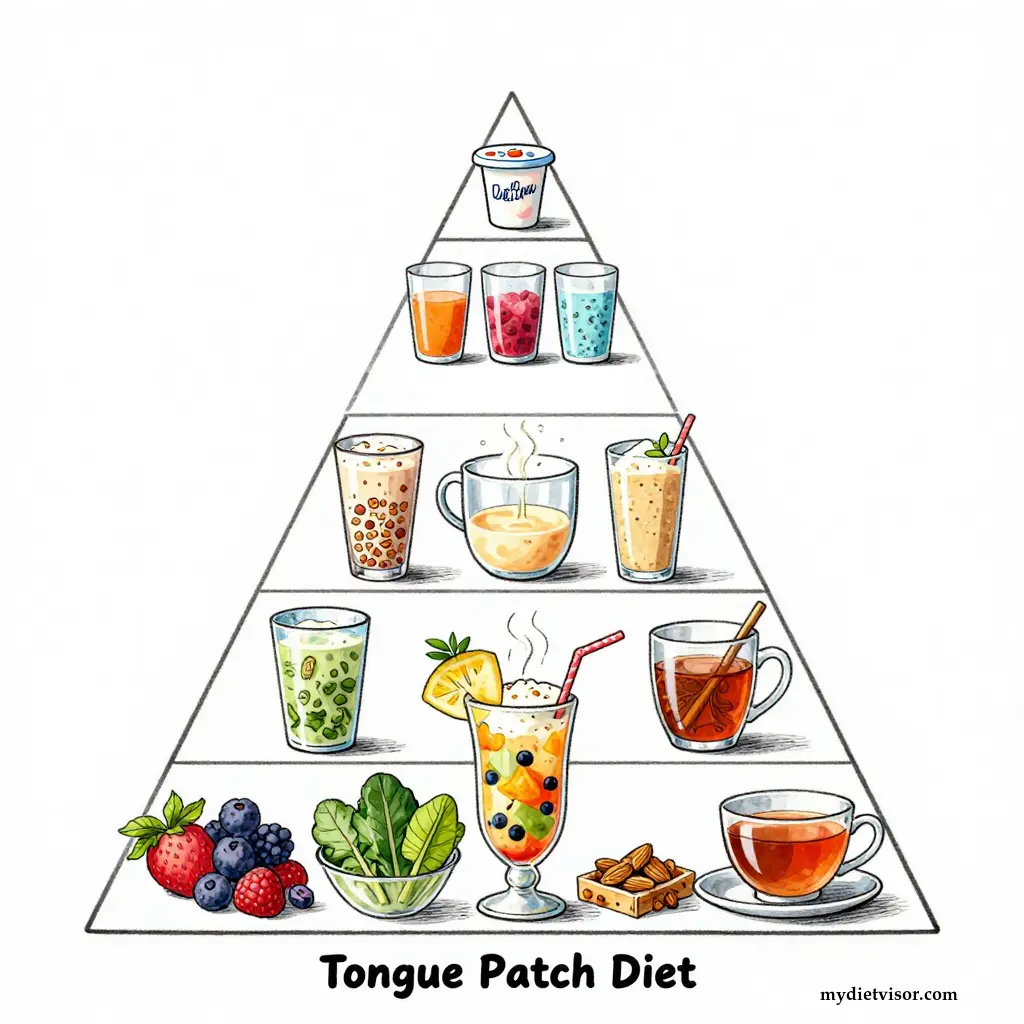
High-protein drinks and meal replacement shakes are a staple of this diet because they can easily be consumed without discomfort from the patch. These products often come fortified with vitamins and minerals to help prevent nutritional deficiencies during rapid weight loss. Proteins such as whey, soy, or pea protein are common in these formulas and play a critical role in muscle preservation.
Soups and broths also form an important part of the diet plan. Opt for clear soups like chicken broth, which can be both filling and hydrating without causing any issues with swallowing. Adding finely blended vegetables or lean proteins to your soups enhances their nutritional value while keeping them easy on the tongue patch.
Smoothies are another versatile option that allows patients to incorporate a variety of ingredients in an easily consumable form. Blending fruits, leafy greens, and other nutritious components can create delicious and wholesome meals. However, it’s crucial to ensure all ingredients are finely blended to prevent any solid particles from causing discomfort. Incorporating flaxseeds or chia seeds for added fiber is a good idea but make sure they are well mixed.
While the diet is strict on solids, there are several liquid alternatives that can help maintain a balanced nutritional intake. This approach requires careful meal planning and often involves consulting with healthcare providers to ensure all necessary nutrients are covered during this intense weight loss period.
Forbidden or Limited Foods in the Tongue Patch Diet
Patients following the Tongue Patch Diet face strict limitations on what they can eat, which significantly impacts their daily routines and social interactions. Solid foods, particularly those that require extensive chewing or swallowing, are entirely off-limits during this period. This restriction includes common staples like bread, meat, fruits with tough skins, vegetables with fibrous textures, and most snacks.
Beverages and liquids must also be chosen carefully to avoid exacerbating the discomfort caused by the tongue patch. Carbonated drinks, alcohol, or any liquid that might irritate the mouth lining should be avoided. Additionally, patients need to steer clear of hot beverages as they can cause pain and swelling around the surgical site.
The diet’s restrictions extend beyond just food types; even common medications must be taken with caution. Pills and tablets are often prohibited unless they dissolve rapidly or are available in liquid form. This limitation makes it necessary for individuals on this diet to consult their healthcare providers before taking any new medication, ensuring that all health needs continue to be met safely.
These restrictions highlight the drastic nature of the Tongue Patch Diet and underscore why many medical professionals advise against such extreme methods. Patients often find themselves having to avoid social gatherings where food is central, leading to isolation and emotional stress. The diet’s limitations go beyond just nutritional considerations; they affect a person’s quality of life in profound ways.
Despite these challenges, some individuals see the Tongue Patch Diet as their last hope for rapid weight loss when other methods have failed them. For many, the prospect of losing significant weight quickly can overshadow concerns about food restrictions and potential health risks. Yet, it is crucial to weigh these benefits against the substantial drawbacks before considering such a drastic measure.
The Tongue Patch Diet has led some patients to creatively prepare their meals in liquid form, turning everything from pizza to burgers into smoothies and shakes, demonstrating just how innovative individuals can be when faced with dietary restrictions.
Step-by-Step Procedure for the Tongue Patch Diet
To undergo the Tongue Patch Diet, patients must first consult with a healthcare provider who is certified to perform this procedure. The process begins with a thorough evaluation of the patient’s health status, including an assessment of their medical history and current weight-related conditions such as obesity or metabolic syndrome.
Once approved, patients are scheduled for the procedure, which typically takes place in a clinical setting under local anesthesia to minimize discomfort. During the appointment, the plastic surgeon begins by thoroughly cleaning and sterilizing the patient’s tongue area using antiseptic solutions. This step ensures that any bacteria or debris is removed before the surgical process.
Next, small incisions are made at strategic points on the underside of the tongue where the sutures will be placed to attach the patch. These marks help guide the surgeon in positioning the mesh accurately and securely. Using surgical-grade prolene sutures, the plastic mesh, similar to marlex material used in hernia repairs, is carefully stitched onto the tongue.
After securing the patch, the surgeon conducts a brief check to ensure that it is stable and will cause discomfort when the patient tries to eat solid food. Patients are then provided with detailed instructions on how to care for their new oral device, including advice on maintaining hygiene and recognizing signs of infection or other complications.
The entire procedure usually takes around ten minutes from start to finish but can vary depending on individual circumstances and the surgeon’s expertise. Post-procedure guidance includes specific dietary restrictions, exercise regimens, and follow-up appointments scheduled to monitor progress and address any issues that arise during this intense weight loss period.
Potential Risks and Complications
The Tongue Patch Diet comes with several potential risks and complications that patients should be aware of before opting for the procedure. Infection is one of the most serious concerns, as the insertion site on the tongue provides a pathway for bacteria to enter the body. Patients must closely monitor the area for signs of redness, swelling, or pus formation indicative of an infection.
Another risk involves nerve damage, which can occur if sutures are placed too close to sensitive areas near the tongue’s nerves. This could lead to numbness, tingling sensations, or even difficulties in speech and swallowing. While rare, these effects might be irreversible depending on the extent of the nerve involvement.
Swelling and pain are common immediate reactions following the surgery. These symptoms can last for several days as the body adjusts to the foreign object attached to the tongue. Over-the-counter pain relievers may help manage discomfort, but patients should consult their healthcare provider if they experience severe or prolonged pain.
Furthermore, allergic reactions to the materials used in the patch or sutures are possible, though less common. Individuals with known allergies to latex or specific types of plastics might be at higher risk and should inform their surgeon prior to undergoing the procedure.
Despite these risks, many patients report no major complications during clinical trials conducted between 2009 and 2013. However, critics argue that such studies do not provide enough long-term data to fully assess the safety profile of this method over extended periods. The lack of widespread adoption and approval from regulatory bodies like the FDA underscores ongoing concerns about its overall risk-benefit ratio.
Given these potential complications, it’s crucial for individuals considering the Tongue Patch Diet to carefully weigh the benefits against the risks and consult extensively with medical professionals before making a decision.
Risks and Complications of the Tongue Patch Diet
The Tongue Patch Diet introduces several potential risks and complications that can significantly impact a patient’s health and quality of life. Infection is a primary concern, as any break in the skin or mucous membrane increases the likelihood of bacterial entry. Patients are advised to keep the area clean and avoid touching it unnecessarily to minimize infection risk.
Moreover, the procedure involves placing sutures near sensitive nerves on the underside of the tongue. If these sutures inadvertently damage nearby nerves, patients might experience disrupted speech patterns or difficulty swallowing in the short term. In severe cases, such nerve injuries could have lasting effects, affecting daily activities and quality of life. This highlights the need for precision during the surgical placement to avoid such complications.
Swelling is another immediate consequence that patients often face after the procedure. The body’s inflammatory response to the foreign material can cause significant discomfort and affect speech and swallowing abilities temporarily. While swelling usually subsides within a few days, it poses challenges in the initial recovery period, especially for those with sensitive gag reflexes or respiratory conditions.
In addition to these immediate effects, patients must also be wary of allergic reactions to materials used in the patch or sutures. Although rare, allergic responses can lead to skin irritation, itching, and more severe symptoms requiring medical intervention. Identifying potential allergies beforehand is crucial for minimizing such risks.
Long-term complications are less documented due to the relative novelty of this procedure and limited follow-up studies beyond one month post-operation. This lack of long-term data makes it difficult to gauge the full spectrum of possible side effects and their impact on patients over extended periods. For instance, repeated exposure to the mesh material might cause chronic irritation or tissue changes that could require further medical attention.
Given these uncertainties, the decision to undergo the Tongue Patch Diet should be approached with caution. Patients are strongly encouraged to engage in thorough discussions with healthcare providers about the potential risks and benefits. Understanding all aspects of this radical weight loss method is essential before committing to such a drastic intervention.
What Do Health Experts Say About the Tongue Patch Diet?
Health experts have varied opinions on the Tongue Patch Diet, with many expressing significant concern about its potential risks and lack of long-term efficacy data. The medical community often highlights the importance of evidence-based approaches to weight loss, advocating for methods that are both safe and sustainable over time.
Key health expert concerns include:
- Safety and Invasiveness: Many experts argue that procedures like the Tongue Patch Diet, which involve invasive surgery, pose unnecessary risks compared to non-invasive alternatives. The potential for complications such as infection or nerve damage is a major point of contention.
- Nutritional Deficiencies: A strict liquid diet can lead to severe nutritional deficiencies if not meticulously planned with supplements and expert guidance. Health professionals emphasize the importance of balanced nutrition in weight loss programs, which this method may compromise.
- Psychological Impact: The restrictive nature of the Tongue Patch Diet can have psychological repercussions, including feelings of isolation or deprivation. Some experts worry about the long-term mental health effects on individuals who undergo such drastic measures for rapid weight loss.
While proponents argue that the procedure offers a quick solution to obesity and related health issues, critics emphasize the need for more rigorous studies and broader regulatory approval before endorsing it as a viable option. Health professionals often recommend exploring other methods first, such as behavioral therapy, dietary changes, and regular physical activity, which have proven track records of success with fewer risks.
The debate surrounding the Tongue Patch Diet underscores the ongoing challenge in balancing patient desires for rapid results against the imperative to maintain safety and efficacy standards in medical interventions. As such, individuals considering this method are advised to seek multiple professional opinions and carefully weigh all available information before proceeding.
Despite its radical approach, the Tongue Patch Diet has garnered both admiration and criticism from celebrities around the world, adding a high-profile element to an already controversial topic.
Is the Tongue Patch Diet FDA Approved?
When it comes to the Tongue Patch Diet, one of the most pressing questions for potential patients is whether this method has been approved by regulatory bodies such as the Food and Drug Administration (FDA). The answer is no – the Tongue Patch Diet remains unapproved by major health authorities like the FDA. This lack of approval stems from several critical factors:
- Insufficient Long-term Data: Regulatory agencies require substantial evidence to demonstrate both the safety and efficacy of medical procedures over extended periods. For the Tongue Patch Diet, current research does not provide adequate long-term data to support widespread adoption.
- Safety Concerns: The FDA is particularly cautious about approving methods that involve invasive surgical procedures with potential risks such as infection or nerve damage. Without comprehensive studies addressing these concerns, regulatory approval remains out of reach.
- Ethical Considerations: Beyond safety and efficacy, the ethical implications of using an unapproved procedure are significant. Medical professionals often advocate for informed consent processes that fully disclose potential complications and long-term effects to patients.
While some proponents may argue that individual case studies or anecdotal evidence support the Tongue Patch Diet’s effectiveness, regulatory bodies demand rigorous scientific validation before endorsing any new weight loss method. This stringent requirement ensures patient safety and underscores the need for thorough evaluation by independent researchers and medical experts.
Critics of this unapproved status often highlight the gap between experimental procedures and regulated treatments, emphasizing that patients should approach such methods with caution until they are backed by robust scientific evidence and regulatory endorsements. As it stands now, individuals considering the Tongue Patch Diet must navigate a landscape fraught with uncertainties regarding its safety and long-term impacts.
The lack of FDA approval underscores why many health experts urge caution among potential users of the Tongue Patch Diet, recommending instead well-established weight loss methods that have been rigorously tested and approved by regulatory bodies.
Does the Tongue Patch Help with Long-Term Weight Loss?
When evaluating the efficacy of the Tongue Patch Diet for long-term weight loss, it’s essential to consider both immediate results and sustained outcomes. Initial studies have shown promising short-term benefits, with patients experiencing rapid weight loss within a month. However, the true test lies in whether these gains can be maintained over time without reverting to old habits or alternative methods.
One key aspect is adherence to long-term lifestyle changes post-procedure. Patients who undergo the Tongue Patch Diet must transition from an 800-calorie liquid diet back to solid foods after removal of the patch, typically around a month later. This transition phase is crucial but fraught with challenges, as individuals may revert to their previous eating habits if not guided by ongoing support and counseling.
Behavioral change, dietary modifications, and physical activity patterns play critical roles in long-term weight maintenance. Many health experts argue that successful long-term weight loss requires more than just restrictive diets or surgical interventions; it necessitates a holistic approach that addresses psychological and social factors contributing to obesity.
Patients often report difficulty adapting back to normal eating routines post-treatment. The sudden reintroduction of solid foods can lead to overeating, particularly for those who have not developed healthy eating habits during their liquid diet period. Moreover, the lack of continuous monitoring and support after the procedure increases the risk of relapse into unhealthy behaviors.
To better understand long-term outcomes, some researchers suggest longitudinal studies that track patients beyond one month post-procedure. These extended observations would provide valuable insights into whether weight loss achieved through the Tongue Patch Diet is sustainable or merely a short-lived effect. Without such data, it remains challenging to make definitive claims about its efficacy for maintaining weight loss over years.
A 2015 study tracking participants from initial treatment through five-year follow-ups could shed light on the long-term success rates of the Tongue Patch Diet compared to other conventional weight loss strategies.
While some individuals might achieve impressive short-term results, ensuring these gains translate into lasting lifestyle changes remains a significant challenge. The absence of comprehensive long-term data and regulatory approval adds layers of uncertainty about its overall effectiveness as a sustainable solution for obesity management.
In conclusion, while the Tongue Patch Diet shows potential for rapid weight loss in the immediate term, questions linger regarding its suitability for long-term weight maintenance. Patients are encouraged to weigh these factors carefully and explore evidence-based alternatives with proven track records for lasting success.
The reliance on anecdotal evidence versus empirical data highlights a critical gap in understanding the true impact of the Tongue Patch Diet over extended periods, emphasizing the need for further research and regulatory scrutiny.
Patient Experiences with the Tongue Patch Diet
Patients who opt for the Tongue Patch Diet often have a range of experiences, from dramatic weight loss to significant challenges in adapting to the strict dietary restrictions. Many individuals report feeling a sense of relief after undergoing the procedure, as it provides a clear and enforced way to adhere to their liquid diet plan. However, this initial comfort is often short-lived due to the physical discomfort and psychological strain that accompany the patch.
Immediate Post-Procedure Feelings:
Upon receiving the tongue patch, most patients experience an immediate reduction in appetite for solid foods. This can be a welcome change for those who have struggled with overeating or lack of control over their food intake. The sensation of pain when attempting to eat solids acts as a constant reminder of dietary restrictions, pushing many towards sticking closely to their prescribed meal plans.
However, the adjustment period after the procedure is fraught with discomfort and challenges. Swelling and soreness around the surgical site are common, leading to difficulties in speaking and swallowing initially. Patients often describe feeling isolated from social activities centered around food or meals, which can be emotionally taxing.
Weight Loss Success Stories:
Some patients have reported remarkable success stories after using the Tongue Patch Diet. Accounts of losing up to 30 pounds (16 kg) within a single month are not uncommon among those who strictly adhere to their liquid diet and exercise routines as prescribed by healthcare providers. These individuals often feel a sense of achievement and renewed confidence in their ability to manage weight.
However, it is important to note that such rapid weight loss can be challenging for the body to sustain. Patients frequently report experiencing significant fatigue and weakness during this intense period, highlighting the need for careful medical supervision throughout the process.
Challenges During Transition Period:
The transition back to solid foods after removing the tongue patch presents another set of challenges. This period requires close monitoring by healthcare professionals to ensure that patients reintroduce solids gradually without causing discomfort or triggering overeating behaviors. Many find this phase particularly difficult, as the sudden reintroduction of varied textures and flavors can be overwhelming.
Patients often express mixed feelings about this dietary transition, with some reporting frustration at having to adjust back to a more complex diet regimen after months of simple liquid meals. Others feel anxious about potentially regaining weight if they return to old eating habits or fail to adopt new long-term lifestyle changes.
Long-Term Reflections:
After completing the Tongue Patch Diet and transitioning back to normal eating patterns, many patients reflect on their overall experience with a mix of satisfaction and caution. While some appreciate the rapid results achieved through such a drastic measure, others express reservations about the potential for future weight regain if they do not maintain healthy habits.
The emotional impact of undergoing such an extreme form of dieting cannot be understated. Some individuals find that this experience has given them valuable insights into their relationship with food and body image, motivating them to pursue healthier approaches to managing weight long-term.
Despite the controversy surrounding it, the Tongue Patch Diet has been featured in several reality TV shows, drawing public attention and sparking discussions about radical weight loss methods.
As patients navigate through this journey of rapid weight loss with the Tongue Patch Diet, their experiences underscore both its potential benefits and significant drawbacks. It serves as a stark reminder that while drastic measures can yield quick results, sustainable long-term solutions often require more nuanced approaches involving behavior modification and lifestyle adjustments.
Summary: Understanding the Controversies and Potential Benefits of the Tongue Patch Diet
In conclusion, the Tongue Patch Diet presents a radical approach to rapid weight loss with both potential benefits and significant risks. Developed in 2009 by plastic surgeon Nikolas Chugay, this method involves attaching a polymer mesh patch to the tongue, which restricts solid food intake and promotes adherence to an 800-calorie liquid diet combined with daily exercise for one month. While proponents claim that patients can lose up to 30 pounds (16 kg) within this timeframe, critics raise concerns about potential complications such as infection, nerve damage, and psychological impact.
Studies conducted between 2009 and 2013 have shown promising short-term results, with an average weight loss of approximately 7.26 kg (16 lb). However, the lack of long-term data and regulatory approval by major health bodies like the FDA highlight ongoing uncertainties about its safety and efficacy over extended periods. The procedure remains largely untested in the United States, while gaining more traction in Venezuela.
As patients navigate this controversial weight loss method, their experiences underscore both the allure of rapid results and the challenges of maintaining long-term success. For those considering such drastic measures, it is crucial to weigh the benefits against potential risks and consult extensively with healthcare professionals to explore all available options. Ultimately, evidence-based approaches that prioritize safety and sustainability may offer more reliable solutions for managing weight effectively in the long run.
The Tongue Patch Diet serves as a poignant reminder of the ongoing debate between rapid interventions and sustainable methods in the realm of weight loss, encouraging individuals to approach such radical measures with caution and thorough consideration.
Frequently Asked Questions (FAQ)
How much weight can I expect to lose using the tongue patch diet?
The Tongue Patch Diet claims that patients can lose around 16 pounds on average over a month. However, individual results may vary based on adherence to dietary and exercise guidelines.
Does the tongue patch affect my ability to talk or eat normally?
Initially, after getting the tongue patch, you might experience difficulty speaking for up to three days due to swelling and pain when eating solid foods. It’s crucial to follow post-procedure care instructions carefully.
How long does it take for the tongue patch procedure?
The actual procedure of attaching the tongue patch takes only a short time. However, recovery from the initial discomfort can last a few days as you adjust to eating softer foods and drinking liquids.
Are there any natural alternatives to the tongue patch diet?
There are numerous diets and weight loss methods that do not involve invasive procedures like the Tongue Patch Diet, such as meal replacement plans, calorie-counting apps, or following medically supervised diets like gastric band or sleeve gastrectomy programs without the patch.
What kind of support can I expect from medical professionals during the tongue patch diet?
You should receive guidance and follow-up care from a healthcare provider who will monitor your progress, provide dietary advice, and check for any complications. It’s important to have regular consultations with them throughout the process.
Can the tongue patch help me maintain my weight loss long-term?
There is no definitive evidence that the Tongue Patch Diet leads to sustainable long-term weight maintenance. Long-term success typically depends on making permanent lifestyle changes rather than relying solely on a temporary intervention like this diet.
What if I need dental work while wearing the tongue patch?
If you require any dental procedures, it’s important to inform your dentist about the tongue patch so that they can take necessary precautions to avoid damaging or removing the patch. Communication with both your dentist and the surgeon who applied the patch is crucial.
Are there specific medications I should avoid taking during my time on the tongue patch diet?
While general medication advice isn’t specified, it’s important to consult with a healthcare provider regarding any new or continued use of medications during this period since certain drugs could interact negatively with nutritional restrictions.
Can I continue to work out while wearing the tongue patch?
Exercise is recommended as part of the regimen but should be moderated based on comfort and doctor’s advice. Activities that may irritate or damage the patch should be avoided.
What happens if I accidentally eat solid food before removing the patch myself?
Eating solid food might cause significant pain due to how the patch affects eating behavior. If this occurs, seek medical assistance immediately to address any potential complications arising from consuming hard foods prematurely.