What is the Body for Life Diet?
Body for Life is more than just another diet; it’s a transformative 12-week program designed to radically change your body composition through disciplined nutrition and rigorous exercise. Developed by Bill Phillips, this plan aims to build muscle mass while reducing fat, making you look leaner and fitter in as little time as three months.
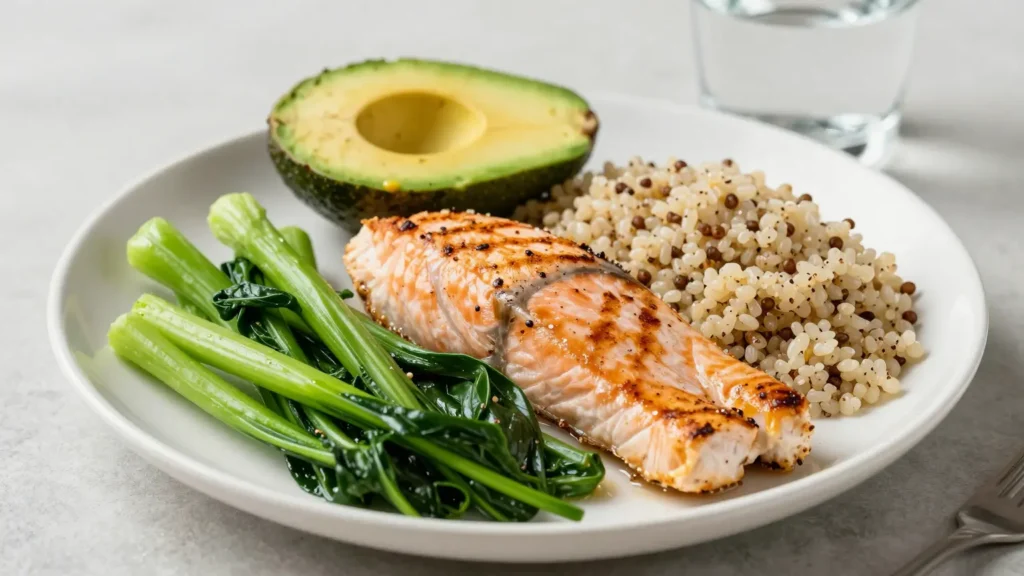
At the heart of the Body for Life diet is its unique approach to meal planning. The program emphasizes eating five to six small meals a day rather than the traditional three large ones. Each mini-meal includes a balanced mix of protein, complex carbohydrates, and vegetables to keep you feeling full and energized throughout the day. For example, a typical meal might include grilled chicken breast topped with steamed broccoli and quinoa. This frequent but controlled feeding strategy not only stabilizes blood sugar levels but also ensures that your body receives essential nutrients without overwhelming it.
One of the most appealing aspects of Body for Life is its simplicity in terms of portion control. Rather than obsessing over calorie counts, participants are encouraged to use their hands or fists as a guide. This intuitive method makes it easier to maintain consistency and avoid overeating, which can be particularly beneficial for those who find traditional diet plans overly complicated.
Hydration plays a critical role in the Body for Life program too. The recommendation is to drink at least 10 glasses of water daily. Water not only helps with digestion but also aids in reducing appetite and supporting overall health. To complement this, participants are advised to incorporate healthy fats into their diets through foods like salmon, avocados, peanut butter, nuts, and seeds. These items provide essential fatty acids that support heart health while still aligning with the program’s low-fat philosophy.
The exercise component of Body for Life is equally structured and intense. The plan calls for six days a week of 45-minute workouts, alternating between upper body training on Monday, Wednesday, Friday, and lower body sessions on Tuesday, Thursday, Saturday. Sundays are reserved as rest days to allow your muscles time to recover and rebuild stronger.
In addition to strength training, BFL includes high-intensity interval training (HIIT) for 20 minutes weekly to boost cardiovascular fitness and enhance fat burning capabilities. HIIT involves short bursts of intense exercise followed by brief periods of recovery, making it efficient yet challenging.
The program’s unique six-day cycle followed by a “free day” adds an element of flexibility that keeps participants engaged without feeling overly restricted. This periodic break from the strict regimen allows for psychological rejuvenation and helps maintain long-term adherence through motivational techniques like goal setting and accountability via social media challenges.
As you can see, Body for Life is not just about cutting calories; it’s a holistic approach designed to empower individuals to take control of their health and fitness journey. While there are potential concerns regarding the program’s intensity and strictness, many find its combination of nutrition and exercise to be both effective and inspiring.
How Effective Is the Body for Life Program for Weight Loss and Muscle Building?
The Body for Life (BFL) program is a structured 12-week fitness plan that emphasizes weight loss and muscle building through rigorous dieting and exercising. This regimen combines a high-protein, low-fat nutritional approach with intense workouts to yield rapid physical changes.
When it comes to weight loss, the BFL program is highly effective due to its strict dietary guidelines and meal frequency strategy. The high-protein diet helps regulate appetite by keeping you full longer, which reduces overall calorie intake without causing extreme hunger or cravings for unhealthy snacks. Eating five to six small meals daily keeps your metabolism active throughout the day, preventing energy crashes that often lead to overeating.
In terms of muscle building, the BFL exercise regimen is meticulously designed to target all major muscle groups with varying intensities. This structured workout plan includes alternating days between upper body and lower body workouts, ensuring balanced development across different parts of the body while allowing for proper recovery time. The inclusion of high-intensity interval training (HIIT) sessions further enhances cardiovascular fitness and fat burning.
However, adhering to such a strict regimen can be challenging in the long term due to its demanding nature. The program’s reliance on specific dietary supplements produced by EAS raises concerns about potential conflicts of interest, and critics argue that the high-protein diet may strain kidney function over extended periods for certain individuals.
Overall, while many people achieve impressive results within 12 weeks following BFL guidelines, sustaining these gains requires careful planning beyond the initial phase. Transitioning to a more balanced, sustainable lifestyle after completing the program is crucial to maintain long-term success and prevent potential health risks associated with prolonged adherence to strict dietary restrictions and intense workout schedules.
Did you know that high-protein diets like Body for Life can significantly increase thermogenesis – the process of burning calories through digestion – which further aids in weight loss efforts?
By understanding both the benefits and challenges posed by the BFL program, individuals can make informed decisions about whether it aligns with their health goals and personal lifestyles.
Is Body for Life a Fad Diet or Sustainable Lifestyle Choice?
Body for Life (BFL) is a 12-week program that combines strict dietary guidelines with intense physical exercise routines, designed to help individuals achieve rapid changes in their body composition. When evaluating whether BFL is a fad diet or a sustainable lifestyle choice, it’s essential to consider both its immediate effectiveness and long-term feasibility.
Immediate Effectiveness:
BFL offers quick results due to its strict regimen that includes high-protein meals, controlled portion sizes, and intense exercise sessions. This combination can lead to significant weight loss and muscle gain within the 12-week period. The program’s structured approach provides clear guidelines on what to eat and how much to move, which can be appealing for individuals seeking immediate changes in their physical appearance.
Long-Term Feasibility:
However, the sustainability of BFL as a long-term lifestyle choice is questionable due to its demanding nature. Maintaining such strict dietary restrictions and rigorous workout routines indefinitely can be challenging. Many people find it difficult to adhere to such an intense regimen beyond the initial 12-week period without experiencing burnout or other health issues.
Key Considerations:
- Strictness: The BFL program is extremely rigid, which might not suit everyone’s lifestyle.
- High-Protein Diet: While beneficial for muscle building and satiety, a high-protein diet can be taxing on kidney function over extended periods if followed strictly.
- Supplements: Relying heavily on dietary supplements manufactured by EAS raises concerns about potential conflicts of interest and may not be affordable or accessible to all participants.
Alternative Approaches:
For those interested in achieving similar results but with a more sustainable approach, it might be beneficial to explore less restrictive programs that emphasize balanced nutrition and regular physical activity without the need for drastic measures. Gradual lifestyle changes can lead to lasting improvements in health and body composition.
In conclusion, while Body for Life can be an effective tool for rapid transformation, its long-term sustainability remains uncertain due to its strict nature and potential risks. Individuals considering BFL should carefully weigh these factors and consider consulting healthcare professionals or registered dietitians to tailor a more sustainable approach suited to their individual needs.
Why Does Body for Life Recommend Eating Six Smaller Meals Daily?
Body for Life (BFL) recommends eating six smaller meals daily as part of its nutritional strategy to optimize metabolic processes and achieve better results in terms of fat loss and muscle building. Here’s why this meal frequency is integral to the program:
- Metabolic Stimulation: Consuming several small meals throughout the day keeps your metabolism active, preventing it from slowing down due to long periods without food.
- Blood Sugar Control: By eating more frequently but in smaller portions, you avoid significant spikes and drops in blood sugar levels. Stable glucose levels help maintain energy levels and reduce cravings for sugary snacks or high-carbohydrate meals.
- Protein Intake Distribution: Distributing your protein intake across the day ensures that muscle tissue is consistently provided with amino acids necessary for repair and growth. This is particularly important after workouts to aid in recovery and prevent muscle breakdown.
Additionally, this meal pattern helps manage hunger:
- Hunger Management: Smaller, more frequent meals help keep you feeling full without overwhelming your digestive system, reducing the likelihood of overeating at any single sitting.
- Consistent Energy Levels: The steady flow of nutrients throughout the day provides a consistent energy supply, preventing peaks and troughs in energy that might otherwise disrupt your workout schedule or daily activities.
By following this meal pattern, individuals can also better adhere to their dietary goals:
- Easier Adherence: Having a set routine for meals makes it easier to stick to the high-protein, low-fat diet recommended by BFL. The structure of eating five to six times per day simplifies portion control and reduces decision fatigue.
The combination of these factors creates an environment in which your body is primed for effective fat burning while preserving muscle mass – a key goal of the Body for Life program.
Did you know that consuming protein-rich snacks between meals can help stabilize blood sugar levels, making it easier to manage cravings throughout the day? This supports the principle behind eating smaller, more frequent meals.
What Foods Are Allowed on the Body for Life Diet Plan?
The Body for Life (BFL) diet plan emphasizes a strict yet balanced approach to nutrition that focuses on high-protein meals, controlled portion sizes, and adequate hydration. Understanding what foods are allowed under this program is crucial for achieving its intended results.
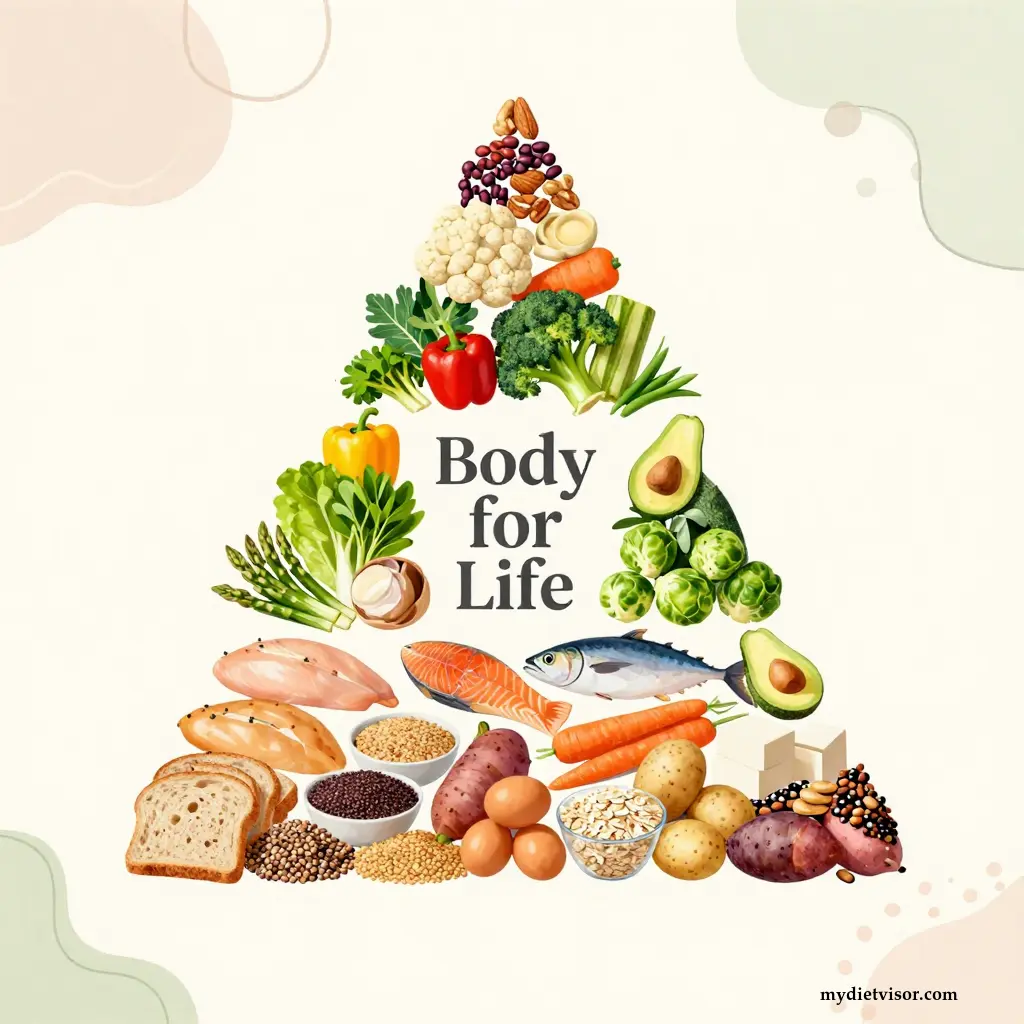
High Protein Intake: Approximately half of your daily calorie intake should come from protein sources such as lean meats (chicken breast, turkey), fish (especially salmon due to its healthy fats), eggs, low-fat dairy products like yogurt or cottage cheese, legumes, tofu, and seitan. These foods are essential for muscle building and repair.
Whole Grains and Unrefined Carbs: The BFL diet recommends whole grains such as brown rice, quinoa, oats, and unprocessed carbohydrates that provide sustained energy without adding unnecessary sugars or fats to your meals.
Vegetables Galore: Incorporating a variety of vegetables into every meal is encouraged. They are low in calories but high in nutrients and fiber, helping to fill you up while keeping calorie intake in check.
Portion Control Guidelines: To simplify eating habits, portion sizes are based on hand measurements – a palm-sized amount for proteins and a fist-sized serving for carbohydrates. This makes it easier to control your portions without the need for measuring cups or scales.
Supplements and Fluids: The program suggests taking oils rich in monounsaturated fats, such as flaxseed oil or olive oil, along with occasional foods like salmon, avocados, peanut butter, nuts, and seeds. Hydration is key, with at least 10 glasses of water recommended daily to keep your metabolism running smoothly.
By adhering closely to these guidelines, you’ll be able to create a diet that not only meets your nutritional needs but also supports muscle building and fat loss. However, it’s important to approach this regimen carefully and consider whether such strict rules are sustainable in the long term for personal health and lifestyle reasons.
Fun fact: Did you know that eating a palm-sized portion of protein is roughly equivalent to what many nutritionists would recommend as an appropriate serving size for a healthy diet? This helps ensure you’re getting enough protein without overeating.
How Important Is Exercise in the Body for Life Program?
Exercise is an essential component of the Body for Life (BFL) program, playing a crucial role in achieving physical transformation. The BFL plan emphasizes regular and intense workouts designed to build muscle mass while reducing body fat.
Here’s why exercise is so important in the BFL program:
- Frequency and Intensity: Participants are required to work out six days a week for approximately 45 minutes each session. This consistent schedule ensures that your body remains active without overexertion, allowing muscles time to recover on non-workout days.
- Variety of Workouts: The BFL program includes both strength training and high-intensity interval training (HIIT) sessions. Strength training involves exercises targeting major muscle groups through weight lifting or resistance activities. HIIT sessions are shorter but very intense aerobic workouts that improve cardiovascular health while enhancing fat burning.
- Structured Rest Days: Sundays are designated as rest days, giving your body a chance to recuperate and repair after the week’s rigorous workouts. This balance helps prevent burnout and reduces injury risk.
By integrating exercise into the BFL program, individuals not only achieve their fitness goals but also enhance their overall health:
- Nutritional Synergy: Regular physical activity complements the high-protein diet by promoting muscle growth while aiding in fat loss.
- Psychological Impact: Consistent workout routines foster discipline and self-motivation, crucial elements for adhering to any long-term fitness plan.
Understanding the importance of exercise within the BFL program highlights its holistic approach to achieving transformative results. While effective, it’s important to recognize that such a strict regimen may not suit everyone due to its demanding nature.
Remember, while Body for Life is designed to produce rapid changes in just 12 weeks, maintaining these gains over the long term requires ongoing commitment to balanced diet and sustained effort beyond the initial program period.
What Types of Exercises Should I Do Following the Body for Life Guidelines?
When following the Body for Life (BFL) program, the types of exercises you should incorporate are designed to build muscle while reducing fat. Here’s a breakdown of what you need:
Weight Training:
- Focus on compound movements that engage multiple muscles and joints simultaneously.
- Include exercises such as:
- Bench Presses
- Pull-Ups
- Dumbbell Rows
- Shoulder Presses
- Squats
- Deadlifts
- Lunges
- Leg Presses
These workouts should alternate between upper body days and lower body days to ensure each muscle group gets sufficient rest.
Cardiovascular Exercises:
- Incorporate high-intensity interval training (HIIT) sessions once a week.
- Examples of HIIT:
- Sprint intervals
- Cycling sprints
- Jump rope sessions
These short but intense workouts are effective for burning fat and improving cardiovascular health.
Balance and Flexibility:
- Include stretching or yoga to maintain flexibility and reduce injury risk from repetitive movements during strength training.
Consistency is key in the Body for Life program. Make sure to listen to your body and adjust as needed to avoid burnout or injuries. Track your progress through measurements and photos rather than just focusing on weight changes, which can provide better motivation throughout the 12-week cycle.
Did you know that incorporating stretching exercises like yoga not only improves flexibility but also enhances mental well-being, making it easier to stick with a rigorous fitness regimen?
By following these guidelines for exercise types, you’ll be able to maximize your results and enjoy the transformative benefits of the Body for Life program.
Can Vegetarians Successfully Follow the Body for Life Diet?
Can vegetarians successfully follow the Body for Life (BFL) diet? While the BFL program is designed with a high-protein focus that typically comes from animal sources like chicken, fish, and eggs, vegetarians can still adhere to it effectively by making strategic substitutions. Here’s how:
- Choosing Protein Sources: Vegetarian diets rely heavily on plant-based proteins such as legumes (lentils, chickpeas), tofu, tempeh, seitan, quinoa, nuts, and seeds. These options are rich in essential amino acids and can meet the high-protein requirement of the BFL plan.
- Meal Frequency and Portion Control: The core principle of consuming five to six small meals daily still applies. Each meal should be balanced with a mix of whole grains and vegetables alongside plant-based protein sources, ensuring you get all necessary nutrients without relying on animal products.
- Fluid Intake & Supplements: Drinking at least 10 glasses of water per day is crucial for everyone, including vegetarians. For supplements, it’s important to ensure you’re getting all necessary nutrients like omega-3 fatty acids from flaxseeds or chia seeds instead of fish oil.
Vegetarians might face additional challenges in ensuring they meet their nutritional needs without animal products, but with careful meal planning and understanding the right food combinations, success is achievable. Consulting a nutritionist who understands both vegetarian diets and fitness programs like BFL can provide personalized advice tailored to your specific needs and goals.
For example, incorporating meals like quinoa bowls topped with chickpeas or tofu stir-fries with plenty of vegetables can help maintain the protein intake necessary for muscle growth while adhering to vegetarian principles. By focusing on a variety of plant-based proteins and whole foods, vegetarians can not only follow but also thrive within the BFL framework.
Some athletes have achieved impressive muscle gains through entirely plant-based diets, proving that it’s not just about the source of protein but how effectively your body utilizes those proteins for growth and repair.
Are Dietary Supplements Really Necessary According to Body for Life Principles?
When considering whether dietary supplements are necessary according to Body for Life (BFL) principles, it’s important to understand how they fit into the overall plan. The BFL program developed by Bill Phillips recommends several specific supplements as part of its nutritional guidelines:
- Essential Fats: Daily supplementation with oils rich in monounsaturated fats is recommended. These oils can include flaxseed oil or olive oil and are said to support heart health and aid nutrient absorption.
- Protein Supplementation: Creatine and whey protein supplements are suggested to enhance muscle building and recovery after intense workouts. This is especially important for those who might not get enough protein through their diet alone.
- Electrolytes During Exercise: To maintain proper hydration and prevent cramps during rigorous exercise, electrolyte supplements are advised alongside the daily water intake of at least 10 glasses per day.
However, whether these supplements are truly necessary depends on several factors:
Key Considerations
Balanced Diet: If your diet already includes a variety of whole foods rich in essential fats and proteins such as salmon, avocados, nuts, and seeds, you might not need additional supplementation. A well-balanced meal plan can often meet the body’s nutritional requirements naturally.
Health Status: Personal health conditions or dietary restrictions may influence whether supplements are necessary for optimal nutrition. Consulting a healthcare provider or registered dietitian is crucial to assess your specific needs accurately.
Practical and Financial Implications
Cost and Accessibility: Some of the recommended supplements, such as whey protein or branded electrolyte drinks, can be expensive and might not be easily accessible to everyone.
Potential Over-Supplementation: Relying too heavily on supplements without a balanced diet may lead to an overabundance of certain nutrients at the expense of others. It’s important to ensure that your body gets all necessary vitamins and minerals through food sources first.
Conclusion
While the Body for Life program advocates strongly for dietary supplements as part of its nutritional approach, their necessity varies from individual to individual. Ensuring a balanced diet rich in essential nutrients can often replace the need for many additional supplements. Always consider personal health needs and consult with experts before incorporating any new supplement into your routine.
Did you know that some studies suggest that adequate nutrition through whole foods can provide similar benefits as dietary supplements without the potential drawbacks of over-supplementation?
Is There a Free Day in the Body for Life Meal Plan and What Can You Eat?
The Body for Life (BFL) program includes a special feature called “free day,” which is designed to help participants stay motivated while adhering strictly to the diet plan. This free day occurs once every six days as part of the structured weekly cycle. It serves multiple purposes: it acts as a psychological break, prevents burnout, and allows for flexibility in meal choices.
What Can You Eat During Your Free Day?
On your free day, you have considerable freedom to choose what you eat without strictly following the BFL diet rules:
- Favorite Foods: Indulge in foods that are typically off-limits during regular days. This could include pizza, ice cream, or burgers.
- Healthier Treats: Opt for healthier but still enjoyable options such as smoothie bowls with fresh fruits and nuts.
- Mindful Eating: Even though the day is meant to be flexible, being mindful of portion sizes can help prevent overindulgence.
Why Include a Free Day?
The inclusion of a free day in the Body for Life program serves several key purposes:
- Psychological Reward: It acts as an incentive, making it easier to stick with the strict diet and exercise regimen throughout the week.
- Prevents Burnout: By allowing occasional breaks from rigid rules, participants are less likely to feel overwhelmed or lose motivation over time.
- Balanced Approach: This flexibility encourages a balanced lifestyle that considers mental health alongside physical fitness.
While the free day offers the freedom to enjoy favorite foods, many people find it beneficial to still make healthier choices to maintain their progress and avoid sudden setbacks. The goal is not just to indulge but also to celebrate without derailing your overall journey towards better health and wellness.
By understanding how to incorporate a free day effectively into the Body for Life program, you can enhance your ability to adhere to the diet and exercise plan over longer periods, leading to more sustainable results.
How Does Body for Life Suggest Structuring Your Weekly Exercise Routine?
The Body for Life (BFL) program by Bill Phillips suggests a structured weekly exercise routine designed to maximize muscle building and fat loss. Here’s how you can structure your week following BFL guidelines:
Participants are expected to engage in 45-minute workouts six days a week, with Sunday reserved as a rest day. This consistent schedule ensures that muscles have adequate time to recover while keeping the body active enough for continuous progress.
Weight Training Structure:
- Frequency and Duration: Weight training sessions occur on alternating days, focusing on upper body exercises (chest, back, shoulders) one day and lower body workouts (legs, abs) the next.
- Types of Exercises: These can include a variety of lifts such as bench presses, squats, lunges, dumbbell rows, shoulder presses, and leg curls. The goal is to work all major muscle groups evenly over the week.
Aerobic Exercise:
- Frequency and Duration: One day each week is dedicated to aerobic exercises that last about 20 minutes.
- Types of Exercises: HIIT-style sessions are recommended for their efficiency in burning fat and improving cardiovascular health. Examples might include interval sprints, jumping jacks, or burpees alternated with periods of rest.
Intensity Levels:
- BFL emphasizes working at different intensities based on the Borg scale, ensuring that participants challenge themselves without overexertion.
- This variation helps prevent plateauing by introducing new stresses to your body and keeping workouts interesting.
Rest Day Importance:
- Sundays are designated as full rest days where no exercise is performed. Recovery is crucial for preventing injuries and allowing muscles to repair and grow stronger.
- Adequate recovery also boosts overall performance during workout days, ensuring that you can push harder each session without risking burnout or overtraining.
By following this structured weekly routine, participants in the BFL program aim to achieve balanced physical transformation through a combination of strength training for muscle building and aerobic exercises for fat loss. This approach not only targets specific fitness goals but also integrates psychological techniques like goal setting and social support to maintain motivation throughout the rigorous 12-week cycle.
Fun fact: Incorporating short, intense aerobic sessions into your weekly routine can significantly boost your metabolism, leading to increased fat burning even during rest periods!
What Are the Potential Risks of Following the Body for Life Program Strictly?
When following the Body for Life (BFL) program strictly, several potential risks can arise from its rigorous demands on diet and exercise. Here are some key considerations:
- Strain on Kidney Function: The high-protein intake required by BFL can be taxing on your kidneys. Over time, consuming large amounts of protein may lead to kidney damage or other health issues as your body works harder to filter out excess proteins from the bloodstream.
- Nutritional Imbalance and Deficiency Risks: While BFL emphasizes a high-protein diet, it significantly limits carbohydrates and certain fats. This could result in nutritional deficiencies such as inadequate intake of essential vitamins, minerals, and healthy fats that are vital for overall health and well-being.
- Difficulty Sustaining Long-Term Discipline: The program’s strict dietary guidelines and intense workout routine can be challenging to adhere to over an extended period. Many people find it hard to maintain such a rigid lifestyle, leading to frustration and potential abandonment of the plan altogether.
- Supplement Dependency: BFL recommends specific supplements produced by EAS (a company founded by Bill Phillips). Relying heavily on these supplements may lead to dependency and additional costs, potentially making adherence to the diet more difficult for those who cannot afford or access them easily.
Understanding these risks is crucial before committing fully to any strict dietary program like Body for Life. It’s important to consult with healthcare professionals and consider individual health conditions when evaluating whether this regimen is appropriate for you.
Did you know that some studies suggest a moderate protein intake might be healthier in the long run than very high intakes, especially if your kidneys aren’t fully optimized? Balancing different nutrients can be key to avoiding risks associated with strict diets.
Can I Achieve Long-Term Weight Loss with the Body for Life Diet Alone?
Achieving long-term weight loss with just the Body for Life (BFL) diet alone involves several considerations. While the BFL program is highly effective in producing rapid results over its 12-week cycle, transitioning to a sustainable lifestyle after completing it requires careful planning and ongoing commitment.
- Initial Results: The high-protein, low-fat approach of BFL can lead to significant weight loss and muscle gain during the first few months. However, sticking strictly to this regimen indefinitely may not be realistic or healthy for everyone.
- Sustainable Changes: Long-term success often hinges on making lasting changes that align with your lifestyle. This includes adopting healthier eating habits, regular physical activity, and a balanced diet rich in whole foods.
- Balanced Approach: After completing BFL, consider integrating elements of other diets like the Mediterranean or DASH diet to provide nutritional diversity and prevent plateaus. These plans emphasize fruits, vegetables, healthy fats, and lean proteins while allowing for flexibility.
Tips for Maintaining Weight Loss Post-BFL
Adapt Eating Patterns:
- Incorporate more whole foods into your meals.
- Focus on portion control but without the strictness of BFL’s hand-based measurements.
- Continue drinking plenty of water to keep hydrated and support metabolic function.
Regular Physical Activity:
- Engage in a mix of cardio, strength training, and flexibility exercises like yoga or pilates.
- Consider incorporating daily steps or other forms of incidental exercise to boost calorie burn further.
Mindful Eating Habits:
- Practice mindful eating techniques such as listening to your body’s hunger cues and enjoying meals without distractions.
- Use smaller plates to control portions naturally.
Psychological Support:
- Stay motivated by setting new goals, rewarding yourself for achievements, and maintaining a supportive network of friends or family.
- Consider tracking progress through journals, apps, or wearable technology to stay accountable.
Adjust Flexibly Over Time:
- Recognize that your dietary needs may change based on age, activity level, and other factors.
- Be open to adjusting your meal plan and exercise routine as needed for continued success.
In summary, while the Body for Life diet can produce impressive results in a short period, achieving long-term weight loss typically requires integrating sustainable habits beyond its strict guidelines. Balancing structured programs like BFL with more flexible eating patterns and regular physical activity is key to maintaining your progress over time.
Summary: Understanding the Pros and Cons of the Body for Life Approach
The Body for Life (BFL) program is a structured 12-week fitness regimen designed by former competitive bodybuilder Bill Phillips. This comprehensive approach combines strict nutritional guidelines with rigorous exercise routines, aiming to help individuals achieve significant physical transformations focused on muscle building and fat loss.
Meal Frequency:
- Dieters are encouraged to eat five to six small meals daily.
- These meals are evenly spaced throughout the day to maintain steady energy levels and prevent hunger spikes.
Macronutrient Composition:
- The diet emphasizes a high-protein intake, making up around 50% of total calorie consumption. Proteins come from lean sources like chicken breast, fish, eggs, tofu, and low-fat dairy products.
- Carbohydrates make up the remaining calories, primarily coming from whole grains (like brown rice) and vegetables to ensure sustained energy without excessive sugar intake.
Portion Control:
- Simplified portion sizes are based on hand measurements. A palm-sized amount is recommended for protein portions, while carbohydrate servings should be fist-sized.
- This method makes it easier to adhere to the diet plan without constant reliance on scales or measuring cups.
Fluid Intake & Supplements:
- Hydration is crucial in BFL, with dieters advised to drink at least 10 glasses of water daily. Adequate hydration supports metabolic functions and reduces hunger cravings.
- Daily supplementation with oils rich in monounsaturated fats (like flaxseed oil or olive oil) is recommended alongside occasional intake of foods such as salmon, avocados, peanut butter, nuts, and seeds to enhance heart health.
Exercise Plan
Frequency:
- Participants are expected to work out six days a week (Monday through Saturday), with each session lasting about 45 minutes.
- Sundays are designated as rest days to allow muscles to recover fully.
Intensity and Rest:
- Exercises alternate between high intensity and lower intensity sessions, following the Borg scale for measuring perceived exertion. This variation helps prevent burnout while maximizing fitness gains.
- Weight training alternates daily between upper body workouts (like chest presses) and lower body exercises (such as squats), ensuring balanced muscle development.
Aerobic Exercise:
- Each week includes one HIIT-style aerobic session lasting 20 minutes. These sessions focus on short bursts of intense exercise followed by periods of rest, promoting cardiovascular health while also aiding in fat loss.
Program Structure
Six-Day Cycle and Free Day:
- Six days are dedicated to strict adherence to both the diet plan and workout regimen.
- On every seventh day (the “free day”), participants can indulge without following rigid rules. This break helps maintain motivation by providing a mental reward and preventing burnout.
Motivational Elements:
- The program incorporates psychological techniques such as goal setting, personal accountability via social media challenges, and community support through testimonials.
- These elements foster a sense of camaraderie among participants and help keep them motivated throughout the challenging journey.
Scientific Validity & Criticisms
While many individuals have achieved remarkable results with BFL, there is limited scientific research backing its long-term effectiveness. Critics point out potential challenges:
Strict Nature:
- The demanding nature of the program can make it difficult to follow consistently over a longer period.
- High protein intake may strain kidney function in some individuals.
Supplements:
- There are concerns about relying on specific dietary supplements manufactured by EAS, raising questions about dependency and cost-effectiveness compared to natural food sources.
Conclusion
Body for Life offers a thorough approach to fitness transformation that combines meticulous dieting with structured exercise routines. Its success hinges largely on participants’ ability to adhere strictly to the guidelines while leveraging motivational techniques like goal setting and community support. However, due to its intensity, it may not suit everyone’s lifestyle or health needs over extended periods. Consulting healthcare professionals before starting such a rigorous program is crucial for personal safety and effectiveness.
Frequently Asked Questions (FAQ)
How much weight can you expect to lose on the Body for Life diet?
The Body for Life program promises significant changes in body composition, typically including a loss of about 25 pounds over 12 weeks. However, individual results may vary based on adherence and starting conditions.
Is it possible to adapt the Body for Life plan for athletes or people with high activity levels?
While Body for Life is designed to be challenging, those with higher energy requirements might need adjustments in terms of calorie intake and meal frequency. Consulting a nutritionist could provide tailored advice to meet these needs.
Does the Body for Life diet require you to eat specific types of food?
The program emphasizes whole foods like lean proteins, unrefined carbohydrates, and vegetables rather than processed foods or sugars. It does not prescribe exact brands but suggests portion sizes based on your hand size for ease and practicality.
Can I incorporate my own workout routine with Body for Life’s diet plan?
Yes, while the suggested exercise program is quite structured, you can integrate elements of it into an existing fitness regimen that suits your preferences. However, following a combination may reduce its effectiveness unless aligned properly.
What are some tips to make the Body for Life diet easier to follow?
Creating a meal prep schedule and using portion control tools like measuring cups or pre-portioned packages can help manage adherence. Additionally, planning meals ahead of time ensures you always have healthy options available.
Does Body for Life offer any community support or accountability features?
While not explicitly mentioned in the program itself, joining online forums, fitness groups, or finding a workout buddy can provide extra motivation and support during your journey.
Can children follow the Body for Life diet safely?
The high level of exercise involved makes it unsuitable for growing children. It’s important to consult with pediatricians before starting any intense physical activity regimen at young ages.
Are there any vegetarian-friendly options within the Body for Life meal plan?
Absolutely, vegetarians can substitute animal proteins with plant-based alternatives like beans, lentils, tofu, and seitan. Careful planning ensures adequate protein intake from non-meat sources.
How does Body for Life compare to other diets in terms of flexibility?
Compared to other diets, Body for Life offers less room for deviation from its structured schedule of meals and workouts. Its rigidity is intended to foster discipline but can be challenging for those preferring more flexible approaches.
What should I do if I miss a day of exercise or eating according to the plan?
Missing a meal or workout isn’t ideal, but it’s important not to let one slip-up derail your progress entirely. Get back on track as soon as possible and remind yourself that perfect adherence is rare; consistency is key.
Is there research supporting Body for Life’s effectiveness?
While testimonials abound, the program lacks peer-reviewed scientific studies directly proving its efficacy compared to other diet plans. Success stories do highlight its potential but should be balanced with medical advice.