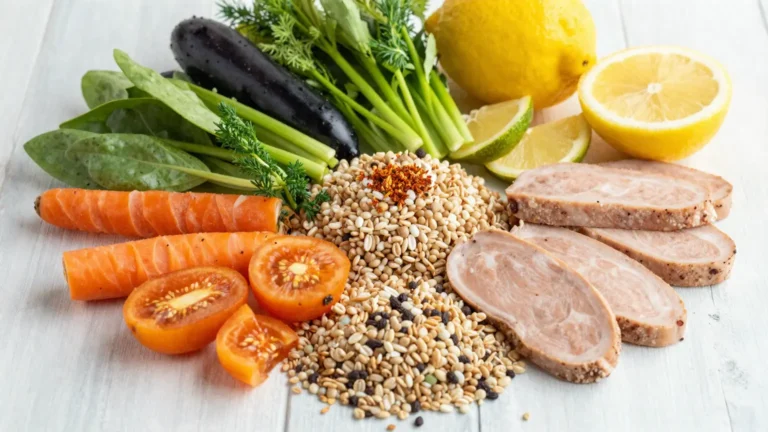
Introduction: Understanding the Wheat Belly Diet
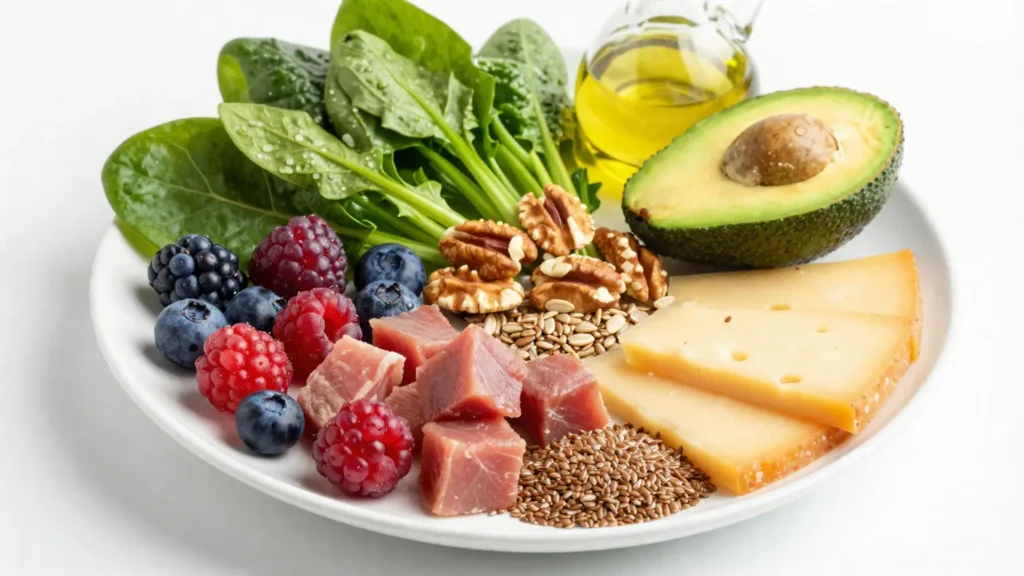
The Wheat Belly diet was introduced by Dr. William R. Davis, an American cardiologist who became known for his advocacy against modern wheat. Imagine waking up one day to find out that the bread you’ve been eating all your life is actually harmful – not just a bit unhealthy, but potentially a “perfect chronic poison” as described by Dr. Davis in his groundbreaking book “Wheat Belly.” This revelation challenges everything we thought we knew about nutrition and health.
Dr. Davis’s premise is simple yet provocative: contemporary varieties of wheat are not the same grain our ancestors ate thousands of years ago. Modern wheat, according to him, has been genetically altered and now contains high levels of gluten and other components that can trigger a host of health issues ranging from weight gain and diabetes to heart disease and digestive problems. The solution? Cut out all forms of wheat entirely. This drastic measure, as strange as it may sound, is at the heart of the Wheat Belly diet.
Envision a world where your pantry staples suddenly become off-limits. No more morning toast with jam or spaghetti for dinner. Instead, you’re encouraged to embrace new foods like fresh vegetables, nuts, and full-fat cheeses. It sounds radical, but proponents swear by its transformative effects. Claims range from dramatic weight loss to clearer skin and even improved mental focus. But is it all just hype? Or could there be real science backing up these bold assertions?
As you delve into the Wheat Belly diet, you might find yourself questioning not only what’s on your plate but also the very foundations of dietary advice we’ve been given for decades. Join us as we explore this intriguing and controversial approach to health and wellness, uncovering both its promises and potential pitfalls along the way.
How Does the Wheat Belly Diet Work?
At the core of the Wheat Belly diet is a radical shift from consuming wheat-based products to embracing whole foods that are less processed and more nutrient-dense. When you follow this plan, you’re essentially removing gluten – a protein found primarily in wheat – and other components like lectins, which Dr. Davis believes cause inflammation and contribute to various health issues.
The diet’s approach isn’t just about abstaining from bread; it’s a complete overhaul of your pantry and fridge contents. For many people, this can be daunting at first. Imagine walking down the grocery aisle, looking at every package, and mentally cross-referencing each item against the list of prohibited foods. It requires vigilance to avoid hidden sources of wheat in products you might not expect, such as soy sauce or beer.
By cutting out these common staples, the body is forced to rely on other food sources for energy and nutrients. This leads to a significant reduction in carbohydrate intake, which can kickstart fat-burning processes known as ketosis. When your body starts burning stored fat instead of glucose from carbohydrates, it often results in rapid weight loss.
Moreover, eliminating wheat has an immediate impact on the digestive system. Many people report reduced bloating and improved digestion when they stop eating foods that might irritate their gut lining or cause gluten sensitivity. The diet also encourages drinking plenty of water and consuming fiber-rich vegetables, which further supports healthy bowel function.
A key aspect of the Wheat Belly diet is its emphasis on grass-fed meat and full-fat dairy products. These items are rich in vitamins A, D, K2, and E, essential fats like omega-3s, as well as minerals that many people lack due to poor dietary choices or food processing methods. Proponents argue that incorporating these foods can help address common nutritional deficiencies often masked by a high-wheat diet.
However, the transition isn’t without its challenges. The sudden removal of wheat can lead to withdrawal symptoms similar to addiction. People might experience cravings, mood swings, and even physical discomfort as their body adjusts to this new regimen. This period is commonly referred to as the “wheat belly detox,” where individuals may feel worse before they start feeling better.
As you embark on this journey, it’s crucial to listen to your body and make gradual changes if needed. While some might find instant relief from digestive issues and weight loss, others may need more time to adapt. The key is patience and persistence in sticking to the diet’s guidelines while seeking support from like-minded individuals or health professionals who understand its principles.
Imagine walking into a restaurant and feeling empowered by your new dietary knowledge, confidently choosing dishes that align with your goals rather than succumbing to temptation. This shift not only affects what you eat but also how you think about food and health – a powerful transformation indeed.
Recommended Food Groups for the Wheat Belly Diet
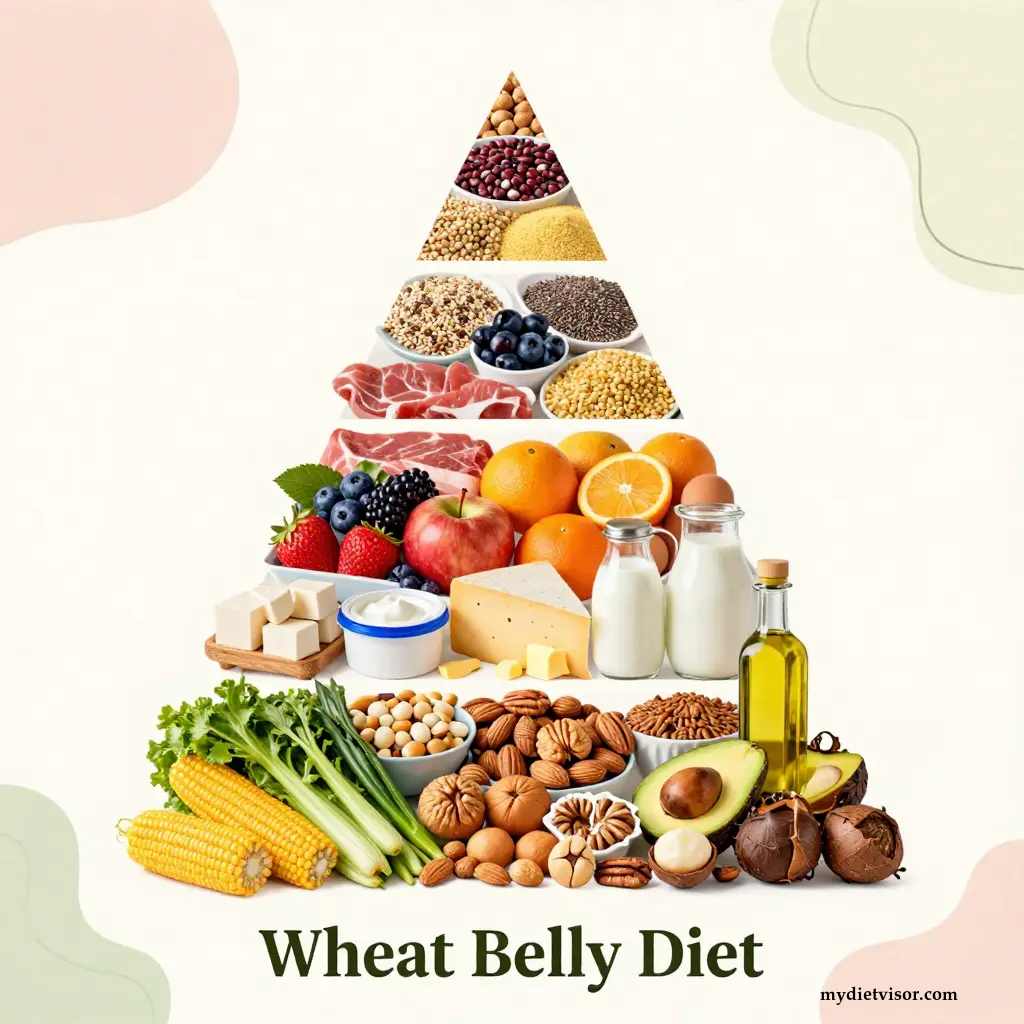
When following the Wheat Belly diet, certain food groups become staples in your daily routine as you replace wheat-based products with healthier alternatives. Vegetables take center stage, providing essential vitamins, minerals, and fiber without the carbs found in grains. Aim for a variety of colors to ensure a broad spectrum of nutrients, such as leafy greens, broccoli, carrots, bell peppers, and squash. Incorporating these vegetables into your meals not only enhances flavor but also supports digestive health.
Nuts and seeds, another crucial component, offer healthy fats and protein that help stabilize blood sugar levels and keep you feeling full longer. Think almonds, walnuts, chia seeds, and flaxseeds. These snacks are perfect for curbing cravings and providing a quick energy boost without relying on wheat products. However, be mindful of portion sizes as nuts can also be high in calories.
Full-fat dairy becomes an essential part of the diet as well, contrary to many traditional low-fat recommendations. Foods like Greek yogurt, cheese, and butter provide crucial vitamins A, D, K2, and E, alongside beneficial fats that aid in hormone production and cell health. This shift not only enhances taste but also ensures you’re getting a robust nutritional profile.
Meat, especially grass-fed varieties, plays a significant role here too. Lean proteins such as chicken breast, turkey, and beef are encouraged due to their high nutrient density and low gluten content compared to grain-fed options. These meats help repair tissues and maintain muscle mass while supporting overall health and wellness.
Fruits, although restricted in quantity and type within the Wheat Belly diet, still have a place for their natural sugars and vitamins. Berries like strawberries, blueberries, raspberries, and blackberries are particularly recommended because they offer antioxidants without overwhelming sugar content. Including these fruits can add variety to your diet while adhering strictly to dietary guidelines.
Considering all these elements together paints a picture of a nutrient-rich, balanced meal plan that focuses on whole foods rather than processed items. Each food group serves its unique purpose in providing the body with necessary nutrients and helps mitigate potential deficiencies caused by eliminating wheat products entirely from one’s diet.
Imagine transforming your typical sandwich routine into something more substantial yet equally satisfying, like replacing bread with lettuce wraps or opting for a piece of grilled chicken atop mixed greens. It might seem unusual at first, but as you explore new combinations and flavors within the Wheat Belly framework, you may find yourself enjoying meals that nourish both body and soul far beyond what conventional eating habits offered.
Forbidden or Limited Foods in the Wheat Belly Diet
When adhering to the Wheat Belly diet, several foods are completely off-limits while others are strictly limited to maintain the health benefits outlined by Dr. Davis. The elimination of all wheat-based products is non-negotiable, which includes obvious items like bread, pasta, and cereal, but also less apparent sources such as malt vinegar and soy sauce.
Barley, rye, and certain types of oats are also forbidden due to their gluten content, a protein that can trigger inflammation and other health issues according to the diet’s principles. These grains might seem harmless on their own, but they often hide in unexpected places like beer or breakfast cereals, making careful label reading essential.
Beyond these grain-based restrictions, high-fructose corn syrup, sucrose (table sugar), and excessive salt are also avoided. This means cutting out sugary sodas, candy, and heavily processed snacks that might satisfy a sweet tooth but lack nutritional value. Instead of reaching for a bag of potato chips or a can of soda, you’re encouraged to snack on nuts or fresh fruit, which provide natural sweetness without the added sugars.
The diet also advises against consuming rice, potatoes, and other starchy vegetables. These foods are seen as high-carb alternatives that could hinder weight loss goals and contribute to blood sugar spikes. While potatoes might be a staple in many households, finding replacements like sweet potatoes or squashes can offer similar satisfaction without the drawbacks.
Fruit juice is another no-go on this diet due to its high sugar content. Instead of reaching for orange juice or apple cider, you’re encouraged to eat whole fruits instead. This shift emphasizes the importance of fiber in satiating hunger and regulating blood sugar levels.
Legumes, including beans and lentils, are also discouraged because they contain high amounts of lectins, a type of protein that Dr. Davis believes can irritate the gut lining and cause inflammation. However, this restriction might come as a surprise to those used to incorporating legumes for their protein content and versatility in cooking.
Trans fats and fried foods are strictly limited due to their negative impact on heart health and overall wellness. This means saying goodbye to anything that’s deep-fried or contains hydrogenated oils. Instead, opt for healthier fats found in nuts, avocados, and olive oil.
Finally, cured meats, like bacon and salami, are off-limits because of their high sodium content and preservatives. These items might offer a quick protein fix but come with significant drawbacks that the diet aims to avoid. Choosing leaner cuts of meat or incorporating fish can provide similar benefits without the added health risks.
Imagine stepping into your kitchen pantry or refrigerator and finding almost half of what you used to consume no longer fits within this new dietary framework. It’s a stark reminder of how pervasive wheat and these other restricted foods are in everyday meals. But with each swap, there’s an opportunity to discover healthier alternatives that can make the diet both enjoyable and sustainable.
By eliminating these forbidden or limited foods, proponents believe they’re not just cutting calories but also removing potential triggers for inflammation, blood sugar spikes, and digestive issues. This radical shift is meant to reset your body’s metabolism and provide long-term health benefits. However, navigating this new landscape can be challenging, requiring a significant overhaul of eating habits and meal planning.
Did you know that in the early 20th century, wheat was used not just as food but also in industrial processes like wallpaper paste? This illustrates how far we’ve come from traditional uses of grains and highlights why understanding modern wheat’s impact on health is crucial.
Nutritional Benefits of Following the Wheat Belly Diet
Cutting out wheat can unlock several nutritional benefits that might not be immediately apparent when looking at your pantry staples. One significant advantage is the increase in essential nutrients from alternative food sources. For instance, incorporating a variety of vegetables into your meals ensures you get vitamins A, C, and K, as well as minerals like potassium and magnesium, which are often overshadowed by wheat products.
Dr. Davis emphasizes the importance of full-fat dairy in his diet plan, arguing that it provides crucial fat-soluble vitamins and healthy fats essential for hormone production and brain health. This can be a surprising shift from conventional wisdom recommending low-fat options. Full-fat cheese, yogurt, and butter not only enhance flavor but also deliver key nutrients like vitamin K2, which is vital for bone density and cardiovascular health.
Moreover, the diet’s focus on grass-fed meat introduces essential amino acids and omega-3 fatty acids that are crucial for muscle repair and overall wellness. These meats are typically leaner than their grain-fed counterparts and offer a more balanced nutrient profile without the drawbacks of excess gluten or lectins found in wheat products.
In addition to these specific food groups, the Wheat Belly diet also encourages increased water consumption and the incorporation of healthy fats like olive oil and avocado oil. This shift supports overall hydration and cardiovascular health while reducing inflammation associated with processed foods high in unhealthy fats.
However, it’s important to note that removing wheat entirely can lead some individuals to worry about nutrient deficiencies. Critics argue that eliminating a staple grain might result in reduced intake of B-vitamins, iron, and fiber typically found in whole grains like wheat. This is why adhering strictly to the diet’s guidelines while supplementing with other nutritious options becomes crucial.
Imagine stepping into your kitchen knowing every meal will nourish you without triggering digestive issues or causing blood sugar spikes. It’s a liberating thought for those who have struggled with weight gain, bloating, and lethargy despite following conventional dietary advice. The Wheat Belly diet offers an alternative path to wellness by focusing on whole foods that support long-term health rather than quick fixes.
As you explore the nutritional benefits of this approach, consider how each food choice contributes not just to immediate satisfaction but also to your body’s overall well-being over time. This mindful shift can be transformative, offering a new perspective on what it means to eat healthily and sustainably.
Potential Drawbacks and Concerns of the Wheat Belly Diet
While proponents of the Wheat Belly diet celebrate its potential benefits, there are several concerns that warrant careful consideration. One major issue is nutrient deficiencies. By cutting out wheat entirely, you might miss out on essential nutrients typically found in whole grains such as fiber, B-vitamins, and certain minerals like magnesium and selenium. This can be particularly problematic for individuals who rely heavily on grains as their primary source of these vitamins and minerals.
Another concern is the difficulty in adherence. The diet requires a high level of vigilance and discipline to avoid hidden sources of wheat and other restricted foods. Imagine attending social events or dining out, where food labels aren’t available, making it challenging to stick to your dietary plan. This can lead to frustration and potential lapses that might undermine the diet’s effectiveness.
Moreover, the lack of long-term studies supporting the Wheat Belly diet raises red flags about its sustainability and safety over extended periods. While short-term benefits such as weight loss and improved blood sugar levels are often reported, there is limited research on the long-term impacts on overall health and well-being. This absence of comprehensive data makes it hard to recommend the diet without reservation.
Critics also highlight that eliminating entire food groups can be overly restrictive and may not suit everyone’s lifestyle or cultural eating habits. Imagine a community where bread plays a central role in daily meals – adapting to a life without such staples might feel isolating and unsustainable for many individuals.
The sudden removal of wheat can also lead to temporary withdrawal symptoms, similar to quitting any other addictive substance. People following the Wheat Belly diet might experience mood swings, irritability, and cravings as their body adjusts to the absence of gluten and other components found in wheat products. This period can be uncomfortable and may discourage individuals from continuing with the diet.
Lastly, there is a risk associated with self-diagnosis when it comes to food sensitivities like gluten intolerance or celiac disease. While some people might indeed benefit from avoiding wheat due to genuine medical conditions, others who do not have these issues might unnecessarily restrict their diets. This can lead to unnecessary stress and potential nutritional imbalances.
Navigating the Wheat Belly diet requires a nuanced understanding of both its benefits and drawbacks. As you consider whether this approach is right for you, it’s crucial to weigh the pros against the cons and consult with healthcare professionals who can provide personalized advice based on your specific health needs and lifestyle preferences.
Imagine standing at a crossroads where one path promises immediate relief but raises questions about long-term sustainability, while another offers a more balanced route that might require patience and gradual change. Choosing wisely in this moment could mean the difference between short-term success and lasting wellness.
Did you know that the genetic makeup of modern wheat has changed significantly over the past century due to hybridization techniques? This evolution has led to higher gluten content, which some researchers believe may contribute to rising rates of gluten sensitivity and related health issues.
Sample Meal Plan on the Wheat Belly Diet
To better understand how the Wheat Belly diet works in practice, let’s look at a sample meal plan for one day. This example illustrates what you might eat while following Dr. Davis’s guidelines, focusing on whole foods that are nutrient-dense and free from wheat.
Breakfast
Grilled Chicken Lettuce Wraps
- Cooked chicken breast (6 ounces)
- Mixed greens such as lettuce, spinach, and arugula
- Avocado slices
- Sliced tomatoes
- Chopped hard-boiled eggs
- Olive oil-based dressing
Imagine waking up to this vibrant array of flavors. The freshness of the ingredients and the absence of bread or cereals make for a satisfying start to your day.
Snack (Mid-Morning)
Almond Butter on Celery Sticks
- A few celery sticks
- One tablespoon almond butter
This snack provides healthy fats and protein, keeping you full until lunch while avoiding any hidden wheat ingredients that might be found in processed snacks.
Lunch
Salmon Salad with Avocado and Mixed Greens
- Grilled salmon fillet (4 ounces)
- A mix of leafy greens like kale, arugula, and romaine lettuce
- Chopped avocado
- Sliced cucumbers and bell peppers
- Olive oil and lemon juice dressing
The combination of omega-3-rich fish with antioxidants and fiber from the vegetables creates a meal that is both filling and nutritious.
Snack (Late Afternoon)
Berries and Greek Yogurt
- Mixed berries such as strawberries, blueberries, and raspberries
- One cup of plain full-fat Greek yogurt
This simple yet delicious snack offers natural sugars without added sweetness, plus the probiotics from the yogurt support gut health.
Dinner
Grilled Chicken with Asparagus and Sweet Potatoes
- Grilled chicken breast (4 ounces)
- Roasted sweet potatoes or butternut squash cubes
- Steamed asparagus spears
- Olive oil drizzled on top
The meal balances protein, healthy fats from the olive oil, and carbohydrates from the roasted vegetables without relying on starchy grains.
Evening Snack (If Needed)
Handful of Walnuts
- A small handful of raw walnuts or other nuts like almonds and cashews
Nuts provide a quick energy boost and additional nutrients that support brain health and overall well-being.
Each meal in this plan is designed to be both satisfying and nourishing, ensuring you feel energized throughout the day without experiencing cravings for wheat-based products. The variety of flavors and textures keeps meals interesting while adhering strictly to the diet’s guidelines.
As you explore this meal plan further, consider experimenting with different ingredients and recipes that align with the Wheat Belly principles. This flexibility can help make the diet enjoyable and sustainable over time, leading to better health outcomes in the long run.
Imagine transforming your daily routine from something mundane into a journey of discovery where every bite contributes positively to your well-being. That’s what embracing the Wheat Belly diet is all about – making informed choices that benefit both body and mind.
Did you know that ancient grains like spelt, kamut, or einkorn contain less gluten compared to modern wheat? These varieties might offer a more tolerable alternative for some people following similar dietary restrictions while avoiding the harsher effects of contemporary wheat.
Are There Alternative Diets to Wheat Belly?
For those interested in alternatives to the Wheat Belly diet, several other popular diets offer unique approaches to improving overall health without cutting out wheat entirely. These options cater to different dietary needs and preferences, providing a range of strategies for weight loss and wellness.
One such alternative is the Mediterranean Diet, which emphasizes whole grains like barley and bulgur alongside fruits, vegetables, nuts, olive oil, fish, and moderate amounts of wine. Unlike the Wheat Belly diet, the Mediterranean approach allows for the consumption of these foods while focusing on their nutritional benefits rather than eliminating them entirely.
The Paleo Diet is another option that avoids processed foods and focuses on whole foods such as lean meats, fish, fruits, vegetables, nuts, seeds, and healthy oils. This diet excludes grains, including wheat, but also eliminates legumes and dairy products, making it more restrictive in terms of food variety compared to the Mediterranean diet.
A less rigid alternative is the Whole30 Diet, which advocates for a 30-day period during which you eliminate all added sugars (including honey), alcohol, grains, legumes, dairy products, carrageenan, MSG, and sulfites. After this elimination phase, foods are gradually reintroduced to identify any personal food sensitivities or intolerances. Unlike the Wheat Belly diet, Whole30 is designed as a short-term detox rather than a long-term lifestyle change.
The Low-Carb Diet, such as those promoted by Dr. Atkins (Atkins Diet) and others like the ketogenic diet, also offers an alternative to the Wheat Belly approach. These diets significantly reduce carbohydrate intake while emphasizing protein and healthy fats. They do not necessarily eliminate wheat entirely but drastically cut back on its consumption, focusing instead on low-carb vegetables, proteins, and good fats.
Each of these dietary plans has unique features that might appeal to different individuals based on their health goals, lifestyle, and personal preferences. For instance, someone looking for a balanced approach with cultural heritage foods might prefer the Mediterranean Diet, while another person seeking quick weight loss may find the Paleo or ketogenic diets more appealing.
Choosing between these options requires careful consideration of your specific needs and willingness to adhere to dietary guidelines over time. It’s important to consult healthcare professionals before making significant changes to your diet, especially if you have underlying health conditions or concerns about nutrient deficiencies.
Imagine sitting down with a nutritionist who helps you explore various diets, helping you understand which one aligns best with your goals and lifestyle. This personalized approach can be incredibly empowering as it allows for a more tailored path towards better health.
The Mediterranean Diet has been extensively studied and is often recommended by healthcare professionals due to its numerous benefits, including reduced risk of heart disease, cancer, and type 2 diabetes.
Summary: Weighing Pros and Cons of the Wheat Belly Approach
In conclusion, the Wheat Belly diet presents a radical approach to nutrition by advocating the complete removal of wheat and other problematic foods from your diet. While proponents claim it can lead to significant health improvements such as weight loss and better blood sugar control, critics argue that its restrictive nature may pose challenges in terms of long-term sustainability and potential nutrient deficiencies. As with any dietary change, it’s crucial to weigh both the benefits and drawbacks carefully and consult healthcare professionals before embarking on this journey. Whether you choose the Wheat Belly diet or explore alternative approaches like the Mediterranean Diet, the key is finding a balanced eating plan that supports your health goals and lifestyle over time.
Frequently Asked Questions (FAQ)
What are some potential side effects of following the Wheat Belly diet?
Some people may experience bloating or digestive issues if they suddenly cut out wheat without properly planning their meals. Others might find it challenging to meet daily fiber needs, which can lead to constipation.
Is the Wheat Belly diet suitable for vegetarians and vegans?
While the Wheat Belly diet allows for a wide range of food choices, vegetarians and vegans may need to plan carefully to ensure they get enough protein and nutrients. Legumes are discouraged in the diet, but there are other plant-based sources of nutrition available.
How can I make sure I’m getting enough fiber on the Wheat Belly diet?
To meet your daily fiber needs, you should focus on eating plenty of vegetables, nuts, seeds, and whole fruits. Including a variety of these foods will help maintain digestive health and prevent constipation.
Can I still enjoy dessert while following the Wheat Belly diet?
The Wheat Belly diet discourages refined sugars and processed desserts made with wheat or other gluten-containing grains. However, there are many recipes available for healthy desserts that use alternative flours like almond flour or coconut flour.
Are there any risks associated with cutting out an entire food group like wheat?
Cutting out a major food group can lead to nutrient deficiencies if not planned carefully. It’s important to consult with a healthcare provider before making drastic changes to your diet, especially if you have existing health conditions.
How does the Wheat Belly diet impact heart health?
Some people report improvements in blood pressure and cholesterol levels when they follow the Wheat Belly diet due to reduced intake of refined carbohydrates. However, others might find it challenging to avoid high-fat dairy products that are allowed in the plan, which could counteract these benefits.
Can I drink alcohol while on the Wheat Belly diet?
The Wheat Belly diet does not specifically address drinking alcohol but advises against consuming processed and sugary foods. Therefore, moderation is key if you choose to include alcoholic beverages in your diet, focusing on those that don’t contain wheat or other gluten-containing grains.
What are some creative ways to substitute pasta in recipes for the Wheat Belly diet?
There are several alternatives to traditional pasta such as zucchini noodles (zoodles), spaghetti squash, and rice noodles. These can be used to create dishes similar to traditional pasta meals but without the wheat content.
How does the Wheat Belly diet compare to other gluten-free diets?
Unlike typical gluten-free diets that focus solely on removing gluten-containing grains, the Wheat Belly diet also emphasizes avoiding refined carbohydrates and processed foods. It advocates for whole food choices like vegetables, fruits, nuts, and lean proteins.
What is the best way to start a Wheat Belly diet if I am new to cutting out wheat?
It’s recommended to gradually introduce yourself to the diet by removing wheat from your meals over time while adding in more vegetables, protein sources, and healthy fats. This helps with transitioning smoothly and minimizing potential side effects like bloating or constipation.