What Is the Kimkins Diet?

Kimkins is an online diet program that once captivated thousands of dieters seeking rapid weight loss solutions but quickly became embroiled in controversy due to its extreme dietary restrictions and questionable practices. Developed under the pseudonym ‘Kimmer’ by Heidi Diaz, who also used the alias ‘Kim Drake,’ this diet promised dramatic results with a strict regimen.
The Kimkins diet gained popularity when Woman’s World magazine featured it in June 2007, catapulting the program into the limelight and attracting a large following. However, beneath its promising facade lay serious concerns about nutritional adequacy and safety. At its core, Kimkins restricted daily calorie intake to an extremely low range of around 500 to 600 calories per day, dramatically cutting out essential nutrients like dietary fiber and carbohydrates that are vital for overall health.
As followers embraced the diet, questions began to surface regarding both its effectiveness and ethical standards. Critics pointed out that such severe caloric limitations could lead to significant health issues, including nutritional deficiencies and disruptions in gut microbiota balance. Moreover, doubts about the authenticity of weight loss testimonials and the credibility of the program’s founder further eroded trust among dieters.
By delving into these controversies, we uncover a stark reality: Kimkins not only failed to deliver on its promises but also posed substantial risks to those who adopted it as their path to health. This article aims to explore why Kimkins faltered and what lessons can be learned from this cautionary tale about the dangers of unregulated weight loss schemes.
Why Did the Kimkins Diet Gain Popularity in 2007?
In 2007, many dieters were looking for a quick fix to their weight struggles. The Kimkins diet promised just that: rapid weight loss without much effort required beyond adhering to strict rules. This appeal resonated strongly with individuals desperate for visible results in a short time frame. People often turn to diets like Kimkins when they feel they have exhausted all other options or are disillusioned by slower, more sustainable approaches.
Moreover, the Internet had become a hub for sharing personal stories and success tales, which played into Kimkins’ strategy of leveraging user testimonials as proof of its effectiveness. Social media platforms were just beginning to gain traction, allowing users to connect with others who shared similar goals and experiences. This environment fostered an atmosphere where quick results seemed more attainable than ever before.
Engaging Testimonials and Community Support
One factor contributing to Kimkins’ popularity was the way it utilized testimonials from alleged members who claimed miraculous weight loss. These stories were often accompanied by compelling before-and-after photos, which are highly persuasive in influencing others’ decisions about what diet to follow. The emotional connection formed through shared experiences on forums and social media further fueled interest in the program.
Community support is a powerful motivator when it comes to sticking with a diet plan. Kimkins offered an online community where participants could share tips, victories, and challenges, creating a sense of camaraderie that kept people engaged and motivated despite the diet’s rigidity. This network effect helped build trust and credibility around Kimkins, even as questions about its validity began to emerge.
The Role of Celebrity Endorsements
Another significant factor in the rise of Kimkins was the involvement of celebrities or influencers who lent their names to endorse various weight loss programs. Although Kimkins did not have a high-profile celebrity endorsement, it benefited from being featured in mainstream magazines like Woman’s World. This exposure gave the diet an air of legitimacy and widespread appeal that smaller or niche diets might lack.
The Psychology Behind Choosing Extreme Diets
People often choose extreme diets due to psychological factors such as frustration, hopelessness, or a need for immediate gratification. In 2007, when obesity rates were rising and health concerns about weight gain became more prevalent in public discourse, the allure of quick fixes intensified. Many individuals felt overwhelmed by traditional advice on dieting and exercise, leading them to look for alternative solutions that promised faster results.
The Kimkins diet capitalized on these feelings by offering a straightforward solution wrapped in persuasive marketing tactics. It’s important to consider how personal struggles with weight can cloud judgment when making health decisions, driving people toward diets like Kimkins despite clear warnings from medical professionals about the risks involved.
Questions for Readers
- Have you ever been tempted by a diet that promised quick results?
- What factors influenced your decision to try such a program?
Reflecting on these questions helps us understand our own motivations and vulnerabilities when it comes to choosing weight loss methods, encouraging healthier skepticism towards extreme diets in favor of sustainable practices recommended by healthcare experts.
How Was the Kimkins Diet Developed and Marketed?
Heidi Diaz, under her alias ‘Kimmer,’ developed the Kimkins diet while participating in online forums focused on low-carbohydrate diets. These communities provided a platform for Diaz to refine her ideas and gather initial followers who were intrigued by her dietary concepts. As interest grew within these forums, so did Diaz’s ambition to turn the diet into a commercial venture.
Development Process
- Initial Formulation: The early stages of Kimkins involved experimenting with meal plans on platforms like Lowcarbfriends.com.
- Pilot Testing: Before launching commercially, Diaz tested her diet plan among friends and online acquaintances. This helped refine the program’s rules and garner initial testimonials.
- Launch Strategy: Once confident in the framework, she partnered with another individual to formally launch Kimkins as a paid membership program.
Marketing Techniques
Diaz employed various tactics to market Kimkins effectively once it was launched:
- Online Presence: She capitalized on social media and health forums where individuals actively sought advice on weight loss.
- Testimonial Campaigns: Utilizing the power of personal stories, Diaz encouraged early adopters to share their successes publicly. These testimonials often included dramatic before-and-after pictures that showcased rapid weight loss, which is very compelling for potential new members.
- Media Exposure: The pivotal moment came when Woman’s World magazine featured Kimkins in June 2007. This mainstream coverage gave the diet significant visibility and legitimacy among a broader audience.
Community Building
Building a community around the diet was crucial to its success:
- Support Forums: Kimkins established online forums where members could discuss their progress, challenges, and tips with each other.
- Exclusive Content: Members received access to specialized meal plans, recipes, and advice from ‘Kimmer,’ fostering loyalty and engagement.
- Mandatory Compliance: To maintain the program’s image of effectiveness, there were strict rules about sharing negative experiences or critiques. This helped preserve a positive public perception.
How do you think online communities impact our decision-making when it comes to health and wellness choices?
Understanding how Kimkins leveraged community support and testimonials can help us be more discerning consumers of diet programs, recognizing the importance of credible evidence over anecdotal success stories.
What Controversies Surround the Kimkins Diet Program?
As Kimkins’ popularity soared, so did the scrutiny and criticism it faced from both health experts and concerned dieters. One of the primary controversies was the authenticity of its creator, Heidi Diaz (or ‘Kimmer’). The facade began to crumble when bloggers and critics pointed out inconsistencies in her personal weight loss journey. This led to a pivotal moment where an investigative journalist uncovered that Heidi Diaz was actually overweight herself, contradicting the image she had cultivated online as someone who had achieved remarkable weight loss through Kimkins.
Unveiling the Founder’s True Identity
In August 2007, shortly after Woman’s World featured Kimkins, bloggers and critics began to question the legitimacy of ‘Kimmer.’ This scrutiny culminated in an exposé by a private investigator who revealed that Heidi Diaz was not only overweight but also used photos from a mail-order bride website to fabricate success stories on her diet program’s site. These revelations shattered the trust many dieters had placed in Kimkins, leading them to question the validity of testimonials and the overall credibility of the program.
Legal Challenges
The controversy escalated into legal battles when class action lawsuits were filed against Heidi Diaz and her partner in March 2008. The plaintiffs accused Kimkins of fraudulent practices, including providing false weight loss testimonials and mismanaging members’ funds. These lawsuits highlighted serious ethical concerns surrounding the management and marketing of the diet program.
Financial Mismanagement
Reports indicated that Kimkins generated significant revenue very quickly after its launch in June 2007. One report estimated earnings to be over $1 million, raising questions about how these funds were being used. Critics argued that such rapid accumulation of wealth without adequate support or validation from health experts was a red flag for financial mismanagement and potential fraud.
Community Control Mechanisms
To maintain the positive image of Kimkins amidst growing skepticism, Diaz imposed strict rules within the community forums. Members who expressed doubts about the program’s effectiveness or shared negative experiences were often banned or silenced. This suppression of dissenting voices only added to the controversy by creating an environment where honest feedback was stifled.
Health Risks and Nutritional Concerns
Beyond ethical concerns, health professionals raised serious alarms about the nutritional inadequacies of Kimkins. By severely restricting daily caloric intake to as low as 500-600 calories, the diet left dieters deficient in essential nutrients like dietary fiber and carbohydrates necessary for maintaining a healthy gut microbiota balance. Such deficiencies can lead to long-term health issues, including digestive problems and malnutrition.
Psychological Impact on Participants
The severe nature of Kimkins also had psychological implications for those who followed it. Dieters reported experiencing eating disorders, such as binge-eating or extreme food restriction, as they struggled with the program’s rigid rules and unrealistic expectations. These experiences underscored how diets like Kimkins not only fail to deliver promised results but also exacerbate existing health issues.
Regulatory Actions
In response to these mounting controversies, regulatory bodies took action against Kimkins. The Los Angeles Better Business Bureau gave Kimkins an “F” rating for deceptive business practices and non-compliance with legal requirements. This official condemnation highlighted the extent of ethical breaches that occurred within the program and reinforced the need for stricter oversight in weight loss schemes.
Reflecting on these questions can help readers become more vigilant consumers, encouraging them to seek out verified medical advice before embarking on any weight loss journey.
Who Is Heidi Diaz, the Founder of Kimkins?
Heidi Diaz, also known under her aliases ‘Kimmer’ and ‘Kim Drake,’ emerged from an online community focused on low-carbohydrate diets. Her journey to becoming the face of Kimkins began when she started sharing her dietary concepts in forums like Lowcarbfriends.com. These platforms provided a testing ground for her ideas, where she could gather initial followers who were interested in innovative approaches to weight loss.
Early Days and Online Presence
Diaz built her online persona by engaging with other dieters and refining the Kimkins diet through trial and error. She used these early interactions to develop a following of dedicated supporters who believed in her vision. As her ideas gained traction, she began to market Kimkins more formally as a commercial weight loss program.
Transformation into Kimkins
The transition from an idea shared on forums to a full-fledged paid membership program was swift for Diaz. She partnered with another individual and launched Kimkins officially, aiming to reach a wider audience beyond the niche community of online dieters. This move set the stage for her diet’s meteoric rise in popularity.
Image Crafting
One of the most striking aspects of Heidi Diaz’s approach was how she crafted an image of herself as a successful weight loss guru. She used before-and-after photos, personal stories, and testimonials from alleged followers to bolster Kimkins’ reputation. These tactics helped create a persona that resonated with dieters looking for quick results.
How do you think Heidi Diaz’s online persona contributed to the success of Kimkins?
Have you ever encountered an influencer or expert in health who seemed too perfect to be true?
Reflecting on these questions can help us understand how image and credibility play crucial roles in shaping public perception, especially when it comes to weight loss programs.
How Accurate Are Testimonials on the Kimkins Website?
When evaluating any diet program, testimonials play a crucial role in shaping public perception and influencing potential users. For Kimkins, these testimonials were instrumental in attracting thousands of followers, but their authenticity became increasingly questionable as more people delved deeper into the diet’s practices.
The Role of Testimonials
Testimonials are powerful tools for building trust and credibility in any business model, including weight loss programs. They provide real-life examples that can inspire confidence among potential dieters who are looking for proof that a program works. For Kimkins, testimonials were presented as success stories from everyday people who had achieved significant weight loss following the strict regimen.
However, these testimonial campaigns became central to the controversy surrounding Kimkins once questions about their authenticity began to arise. Critics pointed out inconsistencies and outright falsehoods in many of the claims made on the website.
Questions About Authenticity
Many users began to notice that several testimonials appeared suspiciously similar or lacked credible evidence such as before-and-after photos from verifiable sources. This led to skepticism among followers who were already skeptical about the diet’s nutritional value. The lack of transparency and accountability in presenting these success stories further fueled doubts.
Investigation into Testimonials
As scrutiny intensified, bloggers and critics began digging deeper into the origins and validity of Kimkins testimonials. One blogger, for instance, noticed that several photos used on the website were not original but rather sourced from other websites or photo-sharing platforms. This revelation cast a shadow over the entire credibility framework that Kimkins had built around user success stories.
The exposure of Heidi Diaz’s true identity as someone who was overweight and had fabricated her own weight loss journey further discredited these testimonials. Her use of misleading before-and-after photos not only undermined trust in the program but also raised serious ethical questions about the marketing practices employed by Kimkins.
Impact on User Trust
When users discovered that many testimonials were either fake or exaggerated, it severely damaged the trust between dieters and the Kimkins community. This erosion of faith was compounded by the strict rules imposed within the forum environment, where negative feedback or critiques could lead to bans or silencing. Such practices created a bubble of positive reinforcement that shielded the program from critical examination.
These questions encourage readers to reflect on their own experiences and consider how they assess credibility before making decisions about their health. Understanding the importance of fact-checking and seeking professional medical advice can prevent falling for misleading claims.
By critically examining the role of testimonials in Kimkins’ rise and fall, we gain insights into the broader issues surrounding unregulated weight loss programs and the importance of transparency and ethical marketing practices.
What Foods Can Be Consumed According to the Kimkins Diet Plan?
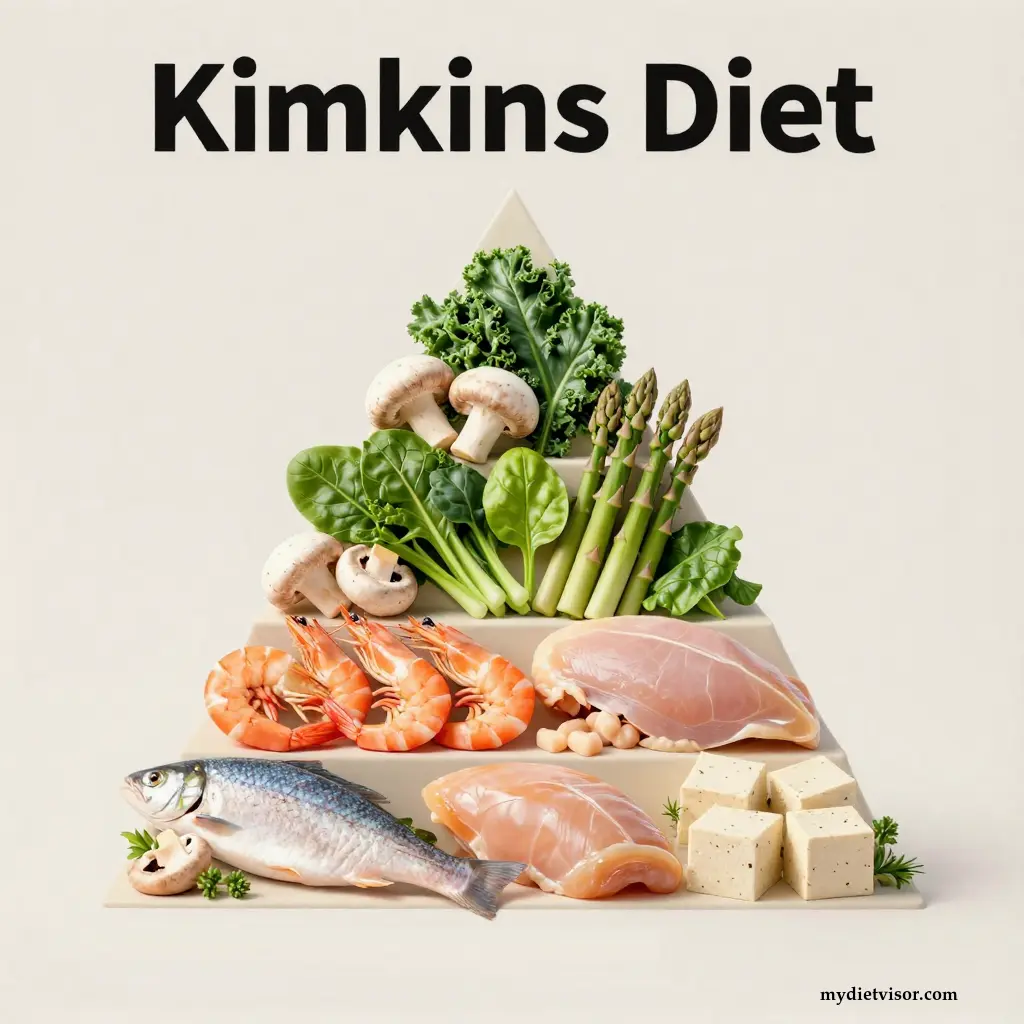
The Kimkins diet plan restricts daily calorie intake to a very low range, typically between 500 to 600 calories per day. This extreme limitation impacts nearly every aspect of food consumption and severely limits variety in meal choices. Let’s delve into what kinds of foods were recommended under the Kimkins regime.
Severely Restricted Caloric Intake
At its core, the Kimkins diet focuses on drastically reducing calorie intake to achieve rapid weight loss. The daily limit is so low that it becomes nearly impossible to consume enough essential nutrients while staying within this range. Dieters are left with a handful of options for meals and snacks throughout the day.
Specific Food Categories Allowed
Despite its strict nature, Kimkins does outline certain food categories that are permitted:
- Proteins: Chicken breast, lean turkey, egg whites, cottage cheese (low-fat), tuna.
- Vegetables: Low-carb vegetables such as spinach, broccoli, cauliflower, lettuce, and zucchini.
- Fruits: Limited fruits like strawberries and raspberries due to their low sugar content compared to others.
Examples of Meals
A typical day on the Kimkins diet might look something like this:
- Breakfast: A bowl of cottage cheese with a handful of berries and spinach leaves.
- Lunch: Grilled chicken breast with steamed broccoli and a small serving of lettuce salad.
- Dinner: Baked salmon with a side of zucchini noodles, garnished minimally to stay within caloric limits.
Impact on Nutritional Balance
While Kimkins proponents claim that such strict guidelines help dieters lose weight quickly, the reality is far from ideal. The diet’s restrictive nature means that essential nutrients are often severely lacking:
- Fiber: Low in fiber-rich foods like whole grains and legumes.
- Carbohydrates: Minimal consumption of carbohydrates leads to energy depletion and potential metabolic issues.
- Healthy Fats: Little room for healthy fats such as avocados, nuts, or olive oil.
By exploring what foods are allowed under Kimkins, we gain insight into why such restrictive practices are often not only ineffective but also dangerous for long-term health.
Which Food Groups Should Be Avoided in the Kimkins Diet?
Given the extreme nature of the Kimkins diet, certain food groups are completely off-limits to ensure that dieters stay within the extremely low calorie range. Understanding what foods to avoid is crucial for adhering to the program’s rules but also highlights why such restrictions pose significant risks.
Restricted Food Groups
- Grains and Starchy Vegetables: These include bread, pasta, rice, potatoes, corn, and peas – all of which are high in carbohydrates and calories.
- Fruits (Most): While some fruits like berries are allowed due to their low sugar content, most fruits such as bananas, apples, oranges, and grapes are prohibited because they contain higher levels of natural sugars.
- Legumes: Beans, lentils, chickpeas, and other legumes are avoided since they provide essential fiber and protein but also come with a high caloric value.
- Healthy Fats: Avocados, nuts, seeds, olive oil, and other sources of healthy fats are excluded because they offer necessary nutrients like omega-3 fatty acids and vitamins E and K but contribute significantly to daily calorie intake.
Impact on Nutritional Balance
The exclusion of these food groups results in a severe deficiency of vital nutrients:
- Fiber: Grains and legumes, rich in dietary fiber, play a crucial role in digestive health. By avoiding them, dieters risk developing constipation, irritable bowel syndrome (IBS), or other gastrointestinal issues.
- Complex Carbohydrates: These provide the body with sustained energy needed for daily activities. Without adequate complex carbs, individuals may experience fatigue and difficulty concentrating.
- Healthy Fats: Essential for brain function and heart health, these fats also aid in vitamin absorption. Their omission can lead to deficiencies in vitamins A, D, E, and K.
Examples of Forbidden Foods
Some specific items that dieters must avoid include:
- Whole grain breads
- Brown rice or quinoa bowls
- Sweet potatoes and mashed potatoes
- Applesauce and apple pie
- Peanut butter sandwiches and hummus spreads
- Olive oil dressings on salads
Considering the impact of such severe restrictions helps readers understand why sustainable diets that include a variety of nutrient-rich options are far more beneficial in the long term. Reflecting on these questions can encourage critical thinking about dietary choices and their implications for overall well-being.
By examining which food groups were banned under Kimkins, we gain insight into how restrictive dieting can lead to nutritional imbalances and health risks. This understanding is crucial for recognizing the importance of balanced nutrition in achieving healthy weight loss goals.
Is There Scientific Evidence Against the Kimkins Diet Plan?
Critics and health experts have long pointed out that the Kimkins diet is not only ineffective but also potentially harmful due to its severe nutritional deficiencies. The scientific community has provided substantial evidence against such restrictive diets, highlighting their negative impact on both short-term and long-term health.
Nutritional Inadequacies
Numerous studies emphasize the importance of a balanced intake of macronutrients and micronutrients for overall health. Kimkins drastically reduces carbohydrate consumption, which leads to insufficient energy levels and malnutrition. A comprehensive review published in The American Journal of Clinical Nutrition concluded that diets like Kimkins can result in vitamin and mineral deficiencies, particularly Vitamin C, B vitamins, iron, calcium, magnesium, and zinc. These nutrients are crucial for immune function, bone health, cognitive development, and numerous physiological processes.
Metabolic Impact
Research indicates that severely calorie-restricted diets disrupt metabolic functions, leading to potential long-term issues such as slowed metabolism, muscle loss, and hormonal imbalances. A study in Obesity Reviews found that low-calorie diets can cause a significant reduction in resting energy expenditure (REE), making it more challenging for individuals to maintain weight loss once the diet ends. This metabolic slowdown is particularly concerning given Kimkins’ extremely limited caloric intake.
Gut Health and Microbiota Imbalance
Recent studies have highlighted the critical role of gut microbiota in overall health, including immune function and metabolism. The severe restriction on fiber-rich foods under Kimkins poses a significant risk to gut health. Fiber plays an essential role in maintaining a diverse and healthy gut flora by promoting regular bowel movements and supporting beneficial bacteria. A lack of dietary fiber can lead to conditions like constipation, increased inflammation, and even more serious gastrointestinal issues.
Psychological Impact
Beyond physical health, restrictive diets like Kimkins also have psychological repercussions. Research published in Eating Behaviors has shown that highly restrictive dieting is associated with increased risk of developing eating disorders such as binge eating and anorexia nervosa. The rigid rules imposed by the program create a cycle of guilt and shame when dieters deviate from their strict regimen, further exacerbating psychological distress.
Comparative Analysis
To illustrate the shortcomings of Kimkins, let’s compare it to evidence-based dietary guidelines recommended by health authorities:
| Aspect | Kimkins Diet Plan | Evidence-Based Guidelines |
|---|---|---|
| Daily Calorie Intake | 500-600 calories | 1200-1800 calories for weight loss |
| Carbohydrates | Extremely limited | Moderate to high intake of complex carbs |
| Fiber | Minimal | Adequate fiber from whole grains, fruits, and vegetables |
| Protein | High | Balanced protein from various sources |
| Fats | Limited healthy fats | Emphasis on unsaturated fats from nuts, seeds, fish |
| Micronutrients | Inadequate | Comprehensive vitamin and mineral intake |
Did you know that the gut microbiota can influence weight loss success? Research suggests that a diverse gut flora is associated with better metabolic health, whereas diets like Kimkins risk disrupting this balance.
Questions for Readers
- What role do you think scientific evidence plays in evaluating the effectiveness and safety of dietary plans?
- Have you ever encountered a diet plan that seemed contrary to what nutritional guidelines recommend?
Reflecting on these questions can help readers critically assess new diet trends and recognize the importance of seeking advice from healthcare professionals before embarking on restrictive eating programs. Understanding the science behind nutrition helps us make informed decisions about our health.
By delving into the scientific critiques of Kimkins, we uncover critical flaws in its approach to weight loss and emphasize the need for diets that prioritize long-term health over quick results.
Does the Kimkins Diet Involve Regular Laxative Use and Overdose Risks?
As scrutiny grew around the Kimkins diet, concerns were raised about its potential reliance on laxatives to achieve rapid weight loss. Critics pointed out that such extreme diets often involve unhealthy practices like regular laxative use, which poses significant health risks.
Potential for Laxative Abuse
Given the severe caloric restrictions of the Kimkins diet, some users reported using over-the-counter laxatives as a means to induce quick weight loss and maintain low body weight. The logic behind this practice is that taking laxatives can help clear out food before it’s fully digested, leading to less calorie absorption.
However, relying on laxatives for weight loss is extremely dangerous and counterproductive in the long run. Laxative abuse can lead to severe dehydration, electrolyte imbalances, nutrient malabsorption, and even bowel damage. Moreover, it does not address the underlying issues related to dieting behavior or eating disorders.
Risks of Overdose
The Kimkins community’s strict adherence to unrealistic weight loss goals may have driven some individuals towards laxative misuse. Symptoms of overdose include nausea, vomiting, diarrhea, abdominal cramps, and in severe cases, renal failure and cardiac arrhythmias. These risks underscore why such extreme measures are not only ineffective but also life-threatening.
Ethical Implications
The use of laxatives to achieve rapid weight loss undermines the integrity of health initiatives promoted through diet programs like Kimkins. By encouraging or implicitly endorsing unhealthy practices, these diets contribute to a culture that values appearance over well-being. This can exacerbate existing mental and physical health issues among dieters.
- Have you ever heard someone using laxatives as part of a weight loss plan?
- How do you think the pressure from extreme dieting programs like Kimkins influences people’s behaviors around food?
Reflecting on these questions can help readers better understand the psychological and physiological impacts of extreme diets. It’s crucial to recognize that sustainable and healthy approaches are far more effective in achieving long-term health goals.
By exploring the potential for laxative abuse in the context of Kimkins, we highlight how such practices not only pose immediate health risks but also perpetuate harmful behaviors related to dieting and weight loss.
Why Is the Kimkins Diet Considered Harmful by Nutrition Experts?
Following a diet as restrictive as Kimkins can have severe long-term health effects, many of which go beyond just weight gain once dieters stop adhering to the program. These consequences highlight why such extreme diets are not sustainable or recommended by healthcare professionals.
Weight Regain and Metabolic Issues
One major concern is that individuals who follow extremely low-calorie diets often experience rapid weight regain once they resume normal eating patterns. This phenomenon, known as yo-yo dieting, can lead to a cycle of repeated weight loss and gain, which has been linked to an increased risk of cardiovascular diseases. A study published in The Lancet showed that frequent fluctuations in body weight over time are associated with higher mortality rates.
Moreover, the drastic reduction in daily caloric intake can cause metabolic changes that make it harder for individuals to maintain their weight loss. As mentioned earlier, such diets often lead to a significant decrease in resting energy expenditure (REE). This means that after following Kimkins and losing weight, the body burns fewer calories at rest compared to before starting the diet. Consequently, maintaining the lost weight becomes increasingly challenging.
Nutritional Deficiencies
The severe restrictions on food groups like grains, legumes, fruits, and healthy fats mean that dieters miss out on essential vitamins, minerals, and macronutrients. Over time, this can lead to various nutritional deficiencies:
- Vitamin A: Important for vision and immune function.
- Calcium and Vitamin D: Essential for bone health.
- Iron: Crucial for oxygen transport in the blood.
A long-term deficiency in these nutrients can result in osteoporosis, anemia, compromised immune systems, and other chronic conditions. Research from The American Journal of Clinical Nutrition indicates that prolonged low-calorie diets can cause irreversible damage to organs such as the liver and kidneys due to inadequate nutrition.
Psychological Impact
Beyond physical health, extreme dieting practices like those promoted by Kimkins also have lasting psychological effects:
- Eating Disorders: As noted earlier, rigid dietary rules can trigger or exacerbate conditions like binge eating disorder and anorexia nervosa. These disorders not only affect mental well-being but can lead to serious medical complications if left untreated.
- Body Image Issues: Constant focus on rapid weight loss through restrictive measures often results in distorted body image perceptions. People may develop a fear of certain foods or overestimate their body size, leading to chronic dissatisfaction with their appearance.
Gut Health and Microbiome Impact
The gut microbiota plays an essential role in overall health, including metabolism and immune function. Severe caloric restriction disrupts the balance of beneficial bacteria in the gut:
- Decreased Diversity: Restricting certain food groups limits exposure to a variety of nutrients that support microbial diversity.
- Altered Metabolism: This imbalance can lead to inflammation and increased risk for gastrointestinal disorders.
By examining the long-term consequences of following a diet as severe as Kimkins, we underscore the importance of adopting healthier, more holistic methods for weight management that prioritize overall well-being over quick fixes.
What Alternatives Are Recommended Over Extreme Diets Like Kimkins?
While diets like Kimkins promise rapid results, they often come with serious health risks and are not sustainable in the long term. Health professionals recommend alternative approaches that focus on gradual, healthy changes rather than drastic measures.
Balanced Meal Plans
A balanced meal plan emphasizes variety and moderation across all food groups:
- Proteins: Lean meats, poultry, fish, eggs, legumes.
- Vegetables: A wide range including leafy greens, carrots, broccoli, peppers.
- Fruits: All types in reasonable quantities for natural sugars and fiber.
- Grains: Whole grains like brown rice, quinoa, oats, whole wheat bread.
- Healthy Fats: Avocados, nuts, seeds, olive oil.
Regular Exercise
Combining a balanced diet with regular physical activity is key to maintaining weight loss:
- Aerobic Activities: Walking, running, swimming, cycling.
- Strength Training: Using weights or resistance bands for muscle building.
- Flexibility Exercises: Yoga and stretching routines.
Mindful Eating Practices
Mindfulness in eating involves paying attention to hunger cues and savoring each bite:
- Listening to Hunger Signals: Eat when hungry and stop when full, avoiding distractions while dining.
- Portion Control: Using smaller plates or measuring portions can prevent overeating.
- Cultivating Enjoyment: Take time to appreciate the flavors and textures of food without guilt.
Professional Guidance
Working with healthcare providers ensures a personalized approach:
- Nutritionists/Dietitians: Tailored meal plans based on individual needs and goals.
- Physicians: Medical supervision for monitoring health markers and addressing underlying conditions.
- Psychologists/Counselors: Support in managing emotional eating triggers.
By exploring alternative approaches that prioritize sustainability and comprehensive health benefits, we encourage readers to adopt more effective strategies for weight management and overall well-being. Understanding the value of evidence-based practices empowers people to make informed choices about their diet and lifestyle.
Conclusion: Why You Should Not Try the Kimkins Diet
In conclusion, the Kimkins diet highlights the dangers of extreme and unregulated weight loss programs that prioritize rapid results over long-term health and sustainability. The severe caloric restrictions and nutritional inadequacies inherent in Kimkins not only fail to deliver lasting weight loss but also pose significant risks to physical and mental well-being. By exploring the controversies surrounding Kimkins, we uncover a cautionary tale about the importance of evidence-based dietary guidelines and professional medical supervision.
Instead of resorting to restrictive diets that offer quick fixes, it is crucial for individuals to seek balanced meal plans, regular exercise, mindful eating practices, and professional guidance from healthcare providers. These approaches not only promote healthier lifestyles but also ensure sustainable weight management and overall well-being. Reflect on the lessons learned from Kimkins and prioritize holistic methods that prioritize your health over fleeting results.
Frequently Asked Questions (FAQ)
What are some potential risks of following the Kimkins diet?
The Kimkins diet poses several risks, including dehydration due to laxative abuse, electrolyte imbalances, and mineral disturbances. It can also lead to long-term digestive issues and systemic imbalance.
Is the Kimkins diet safe for everyone to follow?
No, the Kimkins diet is not considered safe for most people, especially those with underlying health conditions or a history of disordered eating. Its extreme calorie restriction can be harmful and is generally discouraged by healthcare professionals.
How does the Kimkins diet compare to other popular diets likeAtkinsin terms of safety and effectiveness?
The Kimkins diet is often compared negatively to diets like Atkins due to its lack of scientific support, excessive restrictions on calories and nutrients, and potential for causing harm. Unlike well-researched diets, it lacks evidence supporting long-term health benefits.
Can the Kimkins diet help with weight loss in a healthy way?
The rapid weight loss seen with the Kimkins diet is largely due to water loss rather than fat loss, which can be unhealthy and unsustainable. Healthier alternatives focus on balanced nutrition and sustainable lifestyle changes.
What are some long-term health consequences of following the Kimkins diet plan?
Long-term adherence could result in nutrient deficiencies, digestive problems, weakened immune function, and other health issues due to the severe calorie restriction and lack of essential nutrients.
Are there any legal actions taken against Heidi Diaz for promoting the Kimkins diet?
Yes, a class action lawsuit was filed against Heidi Diaz and her company Kimkins after it came to light that she had fabricated her identity as “Kim Drake” and misled consumers about the effectiveness and safety of her program.
How did people find out about Heidi Diaz’s real identity?
Heidi Diaz used a private investigator to expose her true identity as well as published photographs showing her in poor health, which contradicted her marketing claims about weight loss success.
Is there any support from medical professionals for the Kimkins diet plan?
No, there is no official endorsement or recommendation from registered healthcare professionals, nutritionists, or dieticians. The diet lacks scientific validation and is considered dangerous by many experts.
What are some better alternatives to the Kimkins diet for weight loss?
More effective and safer options include diets recommended by health authorities that emphasize whole foods, balanced macronutrients, and adequate fiber intake while allowing sustainable lifestyle changes.
Why did the popularity of the Kimkins diet eventually decline?
The popularity declined sharply after numerous controversies emerged regarding its creator’s credibility and the severe health risks associated with following the plan. Negative media coverage also played a significant role in dissuading people from trying it.